Contents:
Learn: The Profession of Game Designer from Scratch to PRO
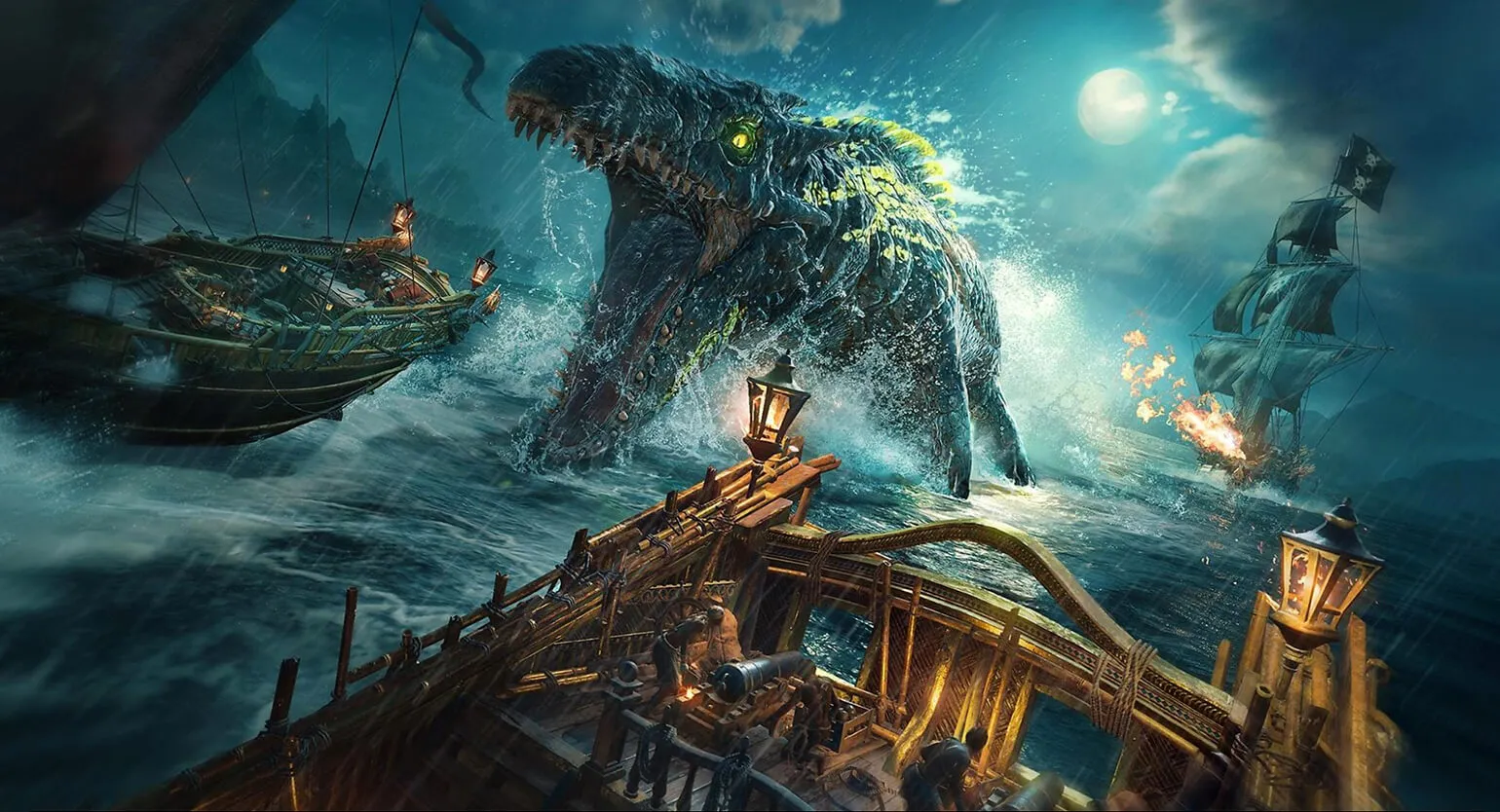
Learn moreOn February 16, Ubisoft presented Skull and Bones, the long-awaited action game about pirates, the development of which Skull and Bones took 11 years to develop. During this time, the game's concept underwent numerous changes, and its release dates were repeatedly postponed. Skull and Bones offers players a unique experience, immersing them in a world of pirate battles and sea adventures. This game combines elements of strategy, tactics, and teamwork, making it appealing for both single-player and cooperative sessions. Importantly, Skull and Bones not only returns to the pirate theme but also offers modern mechanics that will appeal to both longtime fans of the genre and new players.
As the game nears its release, we examine the complex development path of Skull and Bones and analyze the reasons why Ubisoft chose not to cancel this ambitious project. The development of Skull and Bones was accompanied by numerous challenges, including changes to the game's concept and release date delays. Despite this, the company continues to support the project, striving to meet player expectations. We dive into the details to understand the factors that influenced Ubisoft's decision to keep Skull and Bones in its portfolio.
Early Ideas
Skull and Bones was developed by Ubisoft Singapore, a studio founded in 2008. Although the team had only released one standalone game, the TMNT: Turtles in Time Re-Shelled remake, it quickly established itself as a reliable support studio for key Ubisoft projects. Skull and Bones is an ambitious undertaking that continues the tradition of naval adventures in the gaming industry while introducing new mechanics and interaction elements.
Ubisoft Singapore has been actively involved in the development of the Assassin's Creed franchise, starting with the second part. One of the most famous and successful games in this series is Assassin's Creed IV: Black Flag, released in 2013. In this game, where the main characters are pirates, the Ubisoft Singapore team focused on creating naval elements, including ships and all aspects related to naval battles. The work of the Singapore team played a key role in shaping a unique gaming experience that attracted both fans of the franchise and new players.
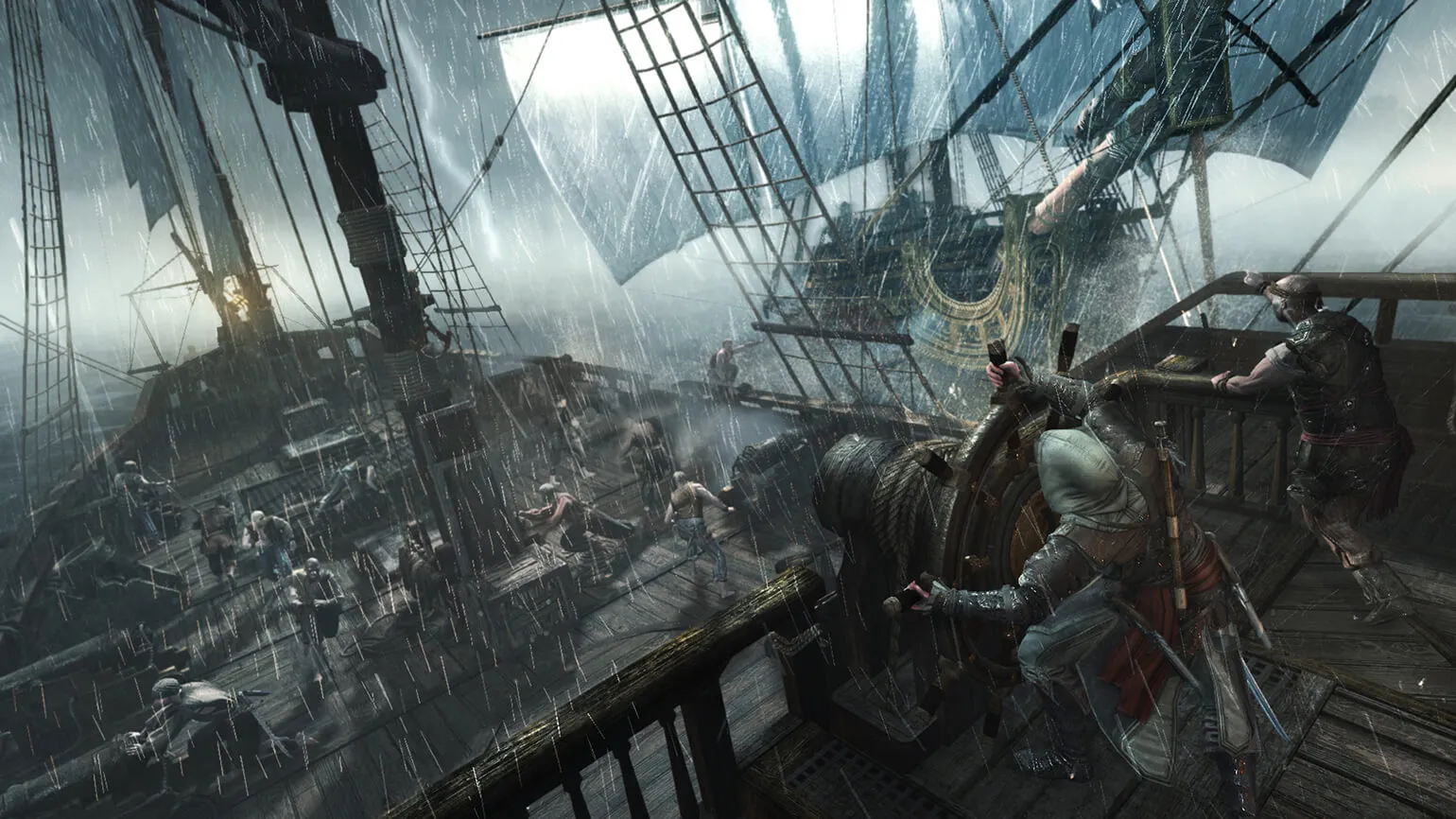
Following the successful release of Assassin's Creed IV: Black Flag, Ubisoft planned to release a multiplayer expansion. However, the developers' ideas turned out to be so ambitious that instead of a small expansion, the concept of a full-fledged online spin-off, called Black Flag Infinite, emerged. This project would have marked a new step in the evolution of the Assassin's Creed series, offering players expanded opportunities for interaction in a multiplayer environment.
Ubisoft is confident that the team in Singapore is ready to implement the ambitious project. By 2014, the specialists already had significant experience working on Assassin's Creed, as well as experience supporting the free-to-play shooter Tom Clancy's Ghost Recon Phantoms. The goal was to develop a service game Black Flag Infinite using as many technologies and mechanics from Assassin’s Creed 4 as possible.
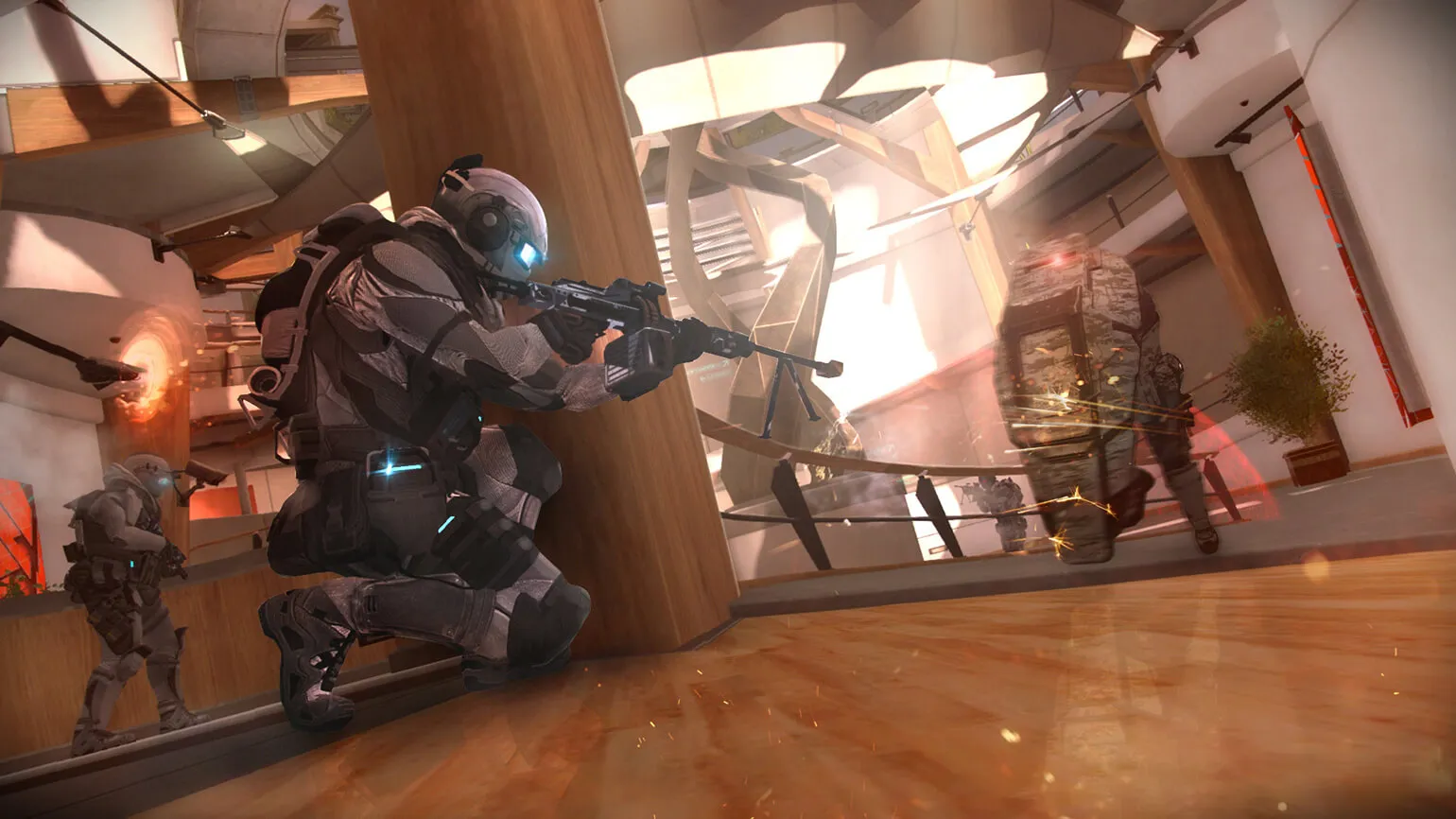
In 2013, the eighth-generation consoles, PlayStation 4 and Xbox One, hit the market. Ubisoft recognized that the technology used in Assassin's Creed 4 was quickly becoming outdated. Owners of the new consoles expected, at the very least, improved graphics compared to Black Flag. This realization pushed the developers to seek innovative solutions to meet the growing demands of players and ensure a high level of graphics and gameplay quality in subsequent installments of the series.
The company decided not to tie the new project to the Assassin's Creed franchise and to create its own intellectual property, while preserving the core concept: the game will be dedicated to naval battles. The new project was codenamed Liberte.
First Shows and Delays
Creating an original game is a task that requires significant effort and creativity. Until 2017, the Skull and Bones project was in pre-production, and the developers faced numerous challenges, including choosing the main setting. This uncertainty delayed the development process, hindering the realization of the unique concept. It's important to note that successful video game development requires a clear vision and strategic approach throughout all stages of development.
Different developers at different times explored ideas related to the Caribbean, the Indian Ocean, and even the fictional country of Hyperborea, which was inspired by Sid Meier's Pirates. Ubisoft Singapore developed prototypes and recycled assets for each of these options, demonstrating a deep approach to creating unique game worlds.
Skull and Bones was first unveiled at E3 2017. Judging by the gameplay trailer shown, the developers intended to create a session-based PvP action game similar to Rainbow Six Siege, but with an emphasis on naval battles and loot collection on vast maps. At the time, an open-world setting was not mentioned, and the game's release was scheduled for fall 2018. Since then, the project has undergone numerous changes and delays, fueling player interest and anticipation.
The game's E3 demo made a positive impression on attendees, though skepticism about the project only began to surface several years later. At the time, the pirate action game looked impressive: the sea realistically reacted to ship movements, and the developers promised to give players the opportunity to make tactical decisions. Specifically, it was expected that players would need to consider wind direction to gain a speed advantage, adding a strategic element to the gameplay.
Skull and Bones was presented at E3 2018, where the developers emphasized the open world nature of the game. Players will be offered vast maps measuring approximately 16 by 16 km, filled with islands, treasures, and quests. The game also features AI opponents and the ability to interact with other players, which adds variety to the gameplay.
Perhaps content for players who prefer PvE was added to the game after E3 2017. At that time, the developers did not yet have a clear idea of the final version of the project. At E3 2018, they announced the first delay of the Skull and Bones release to 2019.
The game's vision continued to evolve even after successful demonstrations. In 2019, the developers decided to introduce survival elements similar to those featured in Ark, such as resource gathering and crafting. They also considered introducing harsher penalties for character death, in the spirit of roguelikes, which could add a new layer of difficulty and appeal to players seeking a serious challenge. The introduction of new technologies caused production delays and posed additional challenges for the developers. For example, the game engine was not suitable for implementing ground-based gameplay. Due to these issues, in May 2019, the release of Skull and Bones was delayed for a second time to a date after March 2020. However, in October of that year, the game was further delayed, with its release now scheduled for after April 2021.
Skull and Bones has been delayed at least five times, and is now expected to arrive in February 2024. In September 2020, the developers announced a new approach to the project, aiming to make it more ambitious. Ubisoft later attributed the delays to the need to polish the gameplay and improve the action.
Why the game took so long to develop and wasn't canceled
Publishers sometimes face a difficulty and decide to cancel projects when the team isn't making progress. However, Ubisoft continues to invest in Skull and Bones. This is because the company has invested heavily in development and hopes to create a multiplayer project that can generate revenue over the long term.
There is another, more significant reason - an agreement with the Singapore government, which became known in 2021. Ubisoft received generous subsidies from the country's government for the development of Skull and Bones, but this agreement obligated the company to hire developers for its local branch. Furthermore, Ubisoft was required to release at least one original AAA game. This agreement underscores the importance of collaboration between game studios and government agencies to support the development of the video game industry.
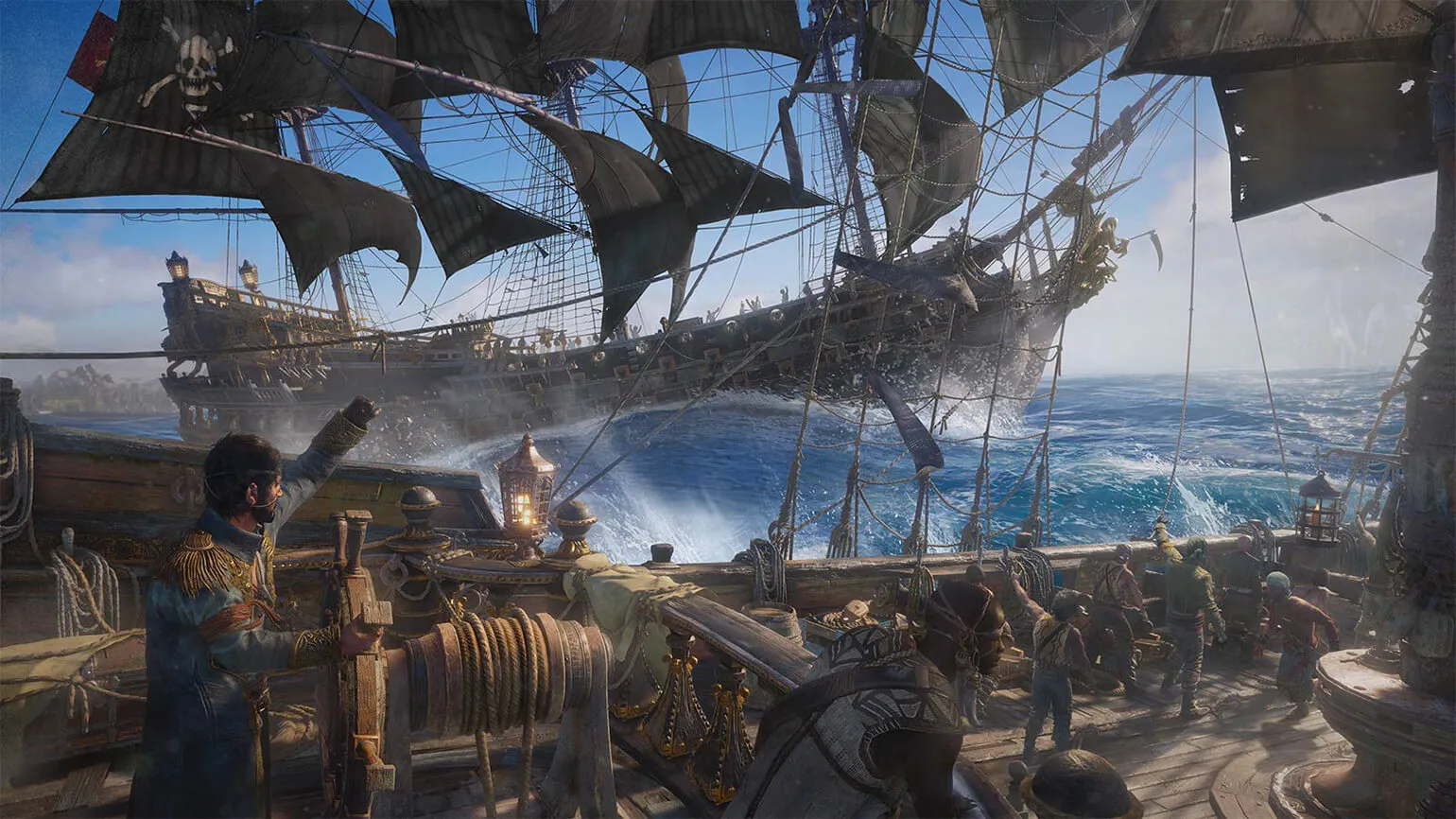
Ubisoft was forced to complete the development of Skull and Bones despite numerous internal problems within the Singapore studio. These issues had a significant impact on the game's development process, but the company remains committed to delivering the project.
The studio was divided into two camps that were unable to reach a consensus for a long time. One group of developers had previously worked on Assassin's Creed and were accustomed to receiving clear directions from management, after which they created content manually. At the same time, their colleagues, experienced in developing the online game Ghost Recon Phantoms, preferred a team approach and achieved results through trial and error. This difference in approach to work created difficulties in collaboration and hindered the effective development of projects.
The production chaos on the game was exacerbated by frequent leadership changes. During development, it was headed by three creative directors, and after each new appointment, a "rethinking" of the entire team of lead developers took place at Ubisoft headquarters. This constant turnover of leaders and staff impacted the project's stability and final product, creating additional challenges during development.
The Skull and Bones development team frequently accepted new ideas from players, leading to a rethinking of the game's concept. For example, the question arose as to whether the core gameplay should be limited to naval battles on ships.
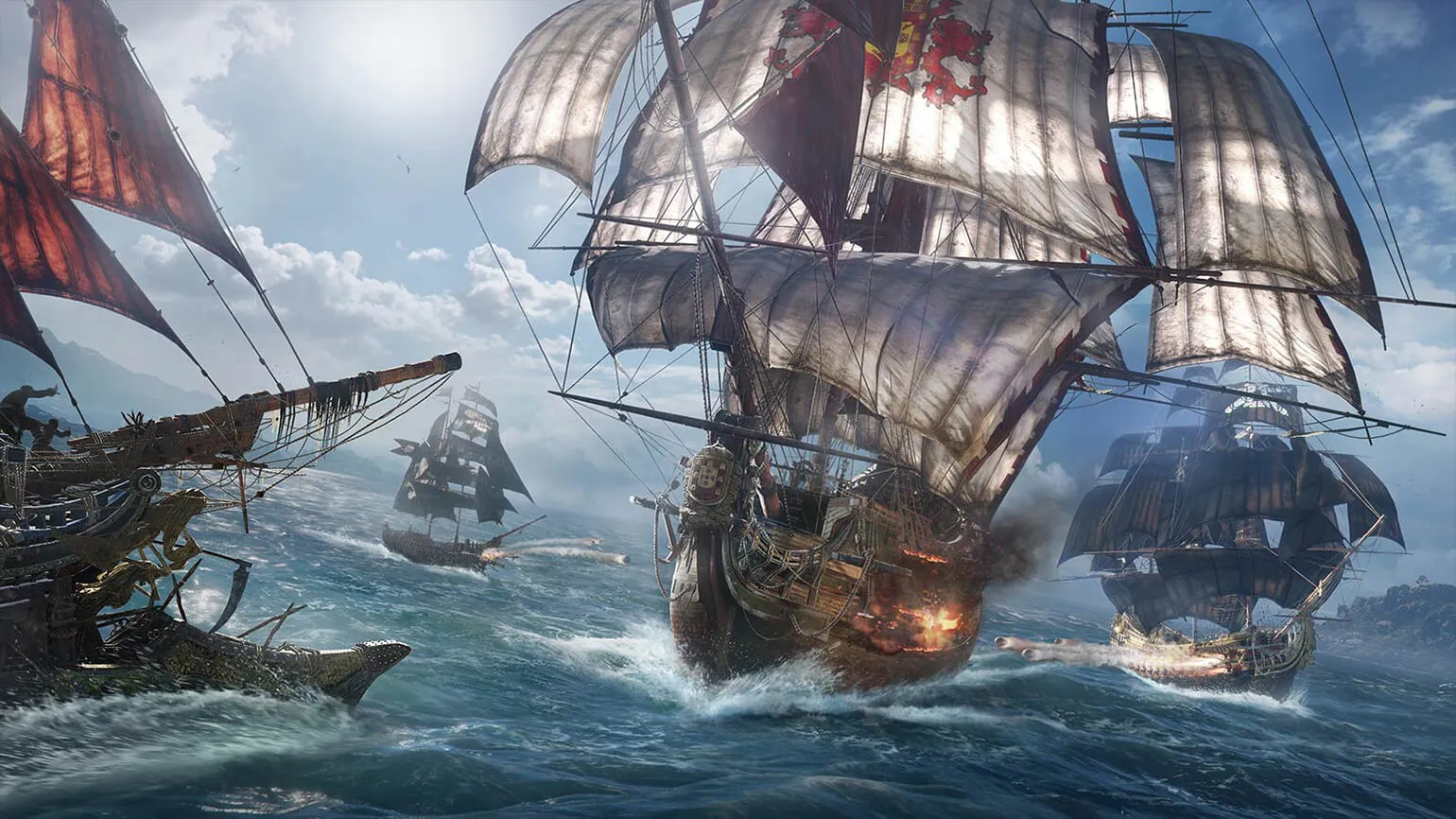
Over the years, Ubisoft Singapore grew its team from 100 to 400 people, which complicated the process of achieving a unified vision. Over time, the team became more and more junior developers, while experienced employees left the project, realizing its complexity or facing burnout. Thus, a paradoxical situation arose: although all 400 people were involved in the work, the development process remained stagnant, showing no real results.
Media reported various problems at Ubisoft Singapore, including low salaries and toxic management. Employees who tried to express dissatisfaction often faced transfers to other studios and projects. According to some workers, the development of Skull and Bones took place in an atmosphere of fear from the very beginning, which negatively impacted team morale and the quality of the final product.
Over time, the situation did not improve. Problematic managers remained at the company despite escalating scandals involving harassment and unfavorable working conditions that were discussed throughout Ubisoft. This highlights the need for a serious overhaul of the company's culture and management mechanisms to ensure a safe and productive work environment for all employees.
All these factors led to Skull and Bones not being released until early 2024. As expected, no unexpected successes occurred.
What It All Led To
Critics have given Skull and Bones a lukewarm reception, reflected in its Metacritic score, which ranges from 58 to 65 points depending on the platform. The PS5 version received the most reviews, with an average score of 60 points.
Media outlets have emphasized that Ubisoft's Skull and Bones offers engaging naval battles and varied customization. However, they believe other aspects of the game fall short of expectations. As a result, pirate fans may find it enjoyable, but the project will quickly lose its appeal for a wider audience.
Players expressed their dissatisfaction, and the game's average Metacritic score was 3.5 out of 10. The core complaints were similar, with many users downgrading the rating due to a long-standing dislike of Ubisoft's policy of releasing repetitive open-world games. They also recalled CEO Yves Guillemot's words about Skull and Bones being a large-scale, triple-A project, justifying its $70 price tag on consoles.
Players and critics alike were alarmed by the fact that the character in the game was practically unnecessary. Since its announcement, the developers have focused exclusively on ship-related gameplay aspects. This raised questions about the character's significance and role in the gameplay.
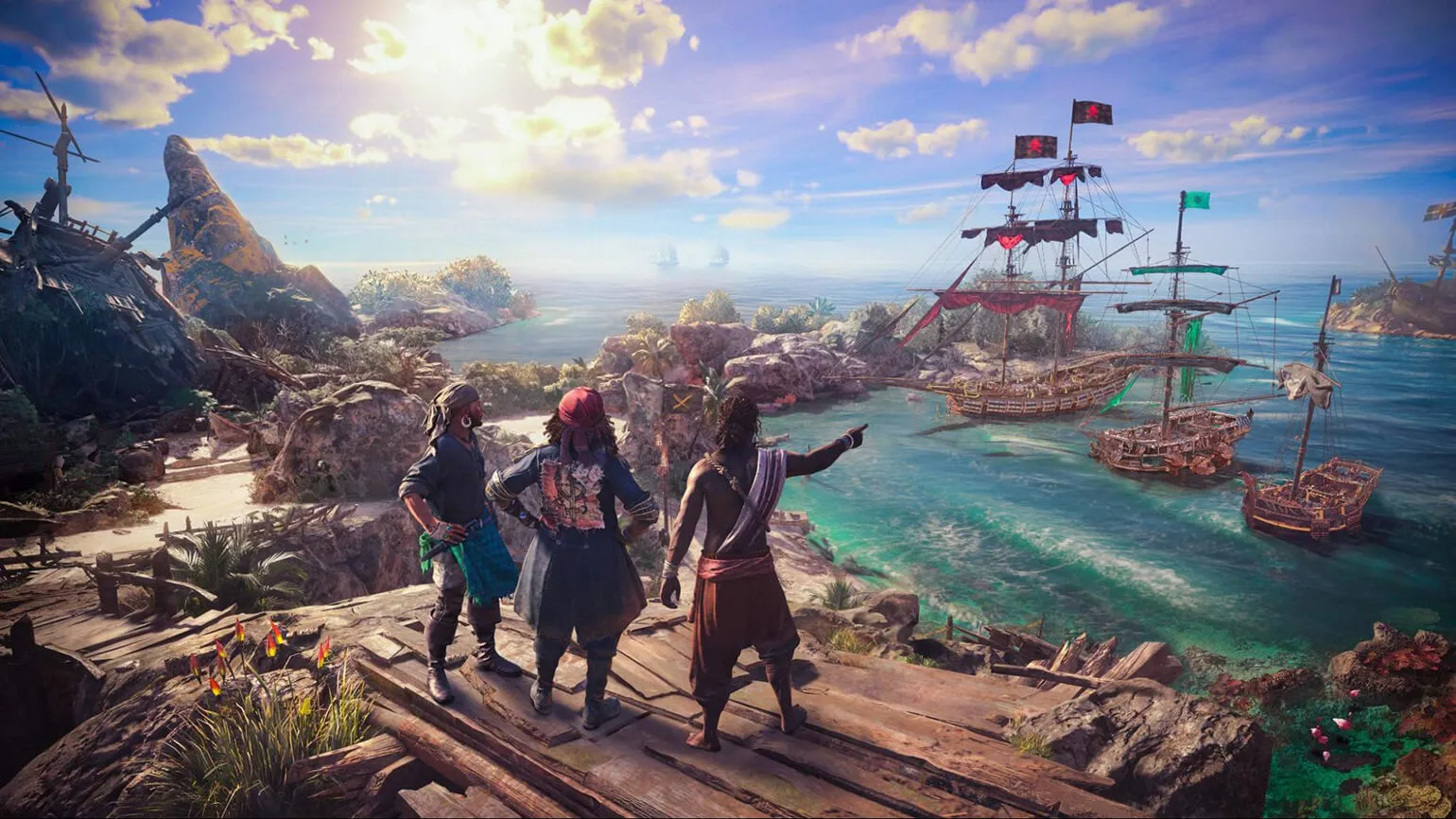
Ubisoft did not announce the data Skull and Bones' initial sales figures are muted, but Ubisoft reported record player engagement. On average, users spend around four hours a day playing the game, highlighting its high interest and active audience.
Journalist and trusted insider Tom Henderson reports that Skull and Bones has approximately 850,000 players. However, it's worth noting that this figure also includes those who took advantage of the eight-hour trial available since release. Players can try out the gameplay for free, which likely impacted the player base.
Before the release of Skull and Bones, media outlets reported the game's budget at $200 million, and Ubisoft had low expectations for its profitability. However, the publisher may still be satisfied with the current results. Ubisoft plans to support the game for at least a year, and the first season, which includes new content, began in late February.
Ubisoft continues to work on its long-awaited project, Beyond Good and Evil 2. The game was announced in 2008, but there have been no updates since 2022, despite the addition of a new writer to the development team. Fans are awaiting fresh news and details on the progress of the game, which promises to be a meaningful sequel to the original. Ubisoft must focus on finishing the project to meet fan expectations and reignite interest in the Beyond Good and Evil universe.
Subscribe to our Checkpoint Telegram channel. This is a space where we share news about games, the creation process, and useful tips for developers. We also inform you about significant updates to popular software. In the comments, you can suggest ideas for new publications or discuss any topics related to the gaming industry. Join us and stay up to date with the latest developments in game development.
Game designer profession from scratch to PRO
A game designer creates the structure of a game. They think through the idea, rules, gameplay, and decide what emotions the plot will evoke in players. You'll master game design principles from scratch and learn how to work with popular engines like Unity and Unreal Engine. You'll learn how to retain player interest and monetize games. And we'll help you start a career in the gaming industry.
Learn more