Learn: The Profession of Game Designer from Scratch to PRO
Find out moreThere are a significant number of people with various forms of disabilities in the world, according to the UN, this is about 10% of the entire population of the Earth, and according to the World Health Organization - 15%. Despite advances in technology and medicine, many diseases and their consequences remain untreated. This is due to both the underdevelopment of technologies and their high cost, which limits access to treatment for many people. The development of inclusive technologies and improved medical services are important steps towards improving the quality of life of people with disabilities.
Currently, we are not able to cure all people of all diseases. However, our task is to create an accessible environment for people with disabilities. This includes improving infrastructure, ensuring the availability of medical services, and introducing technologies that facilitate the integration of such people into society. Creating comfortable living conditions for people with disabilities is an important step towards a more inclusive and just society.
In the modern world, creating an accessible environment includes the installation of elevators, ramps, traffic lights with sounds, and raised road markings. As developers of virtual worlds, we have the opportunity to make games more accessible to all users. By focusing on inclusivity, we can improve the gaming experience for people with disabilities. This requires implementing accessible features such as adaptive controls, interface customization, and creating content that accommodates the diversity of player needs.
In this article, we will discuss ways to improve gameplay for people with hearing and vision impairments. Creating an accessible gaming environment is essential so that every player can enjoy the game without barriers. We will explore various methods, such as using subtitles, audio descriptions, and visual cues, that can help make video games more inclusive. We will also discuss the importance of interface customization and sound effect management to allow players with hearing and vision impairments to comfortably interact with the game. Ensuring accessibility in game design not only improves the experience for individual players but also helps expand the gaming audience.
Improving the visual perception of the game
Adapting games for people with visual impairments is a challenging task, but we are ready to This challenge. It's important to consider various aspects, such as the use of audio cues, tactile elements, and text descriptions, to ensure gameplay accessibility. We strive to create an inclusive experience that allows all players to enjoy the game, regardless of their physical abilities.
A number of games use color to highlight important elements. For example, in Tomb Raider, white highlights objects the player can climb or interact with. This approach helps users navigate the game world more quickly, enhancing their experience and simplifying interaction with the environment. Using color coding in games is becoming an important tool for creating visual hierarchy and directing player attention.
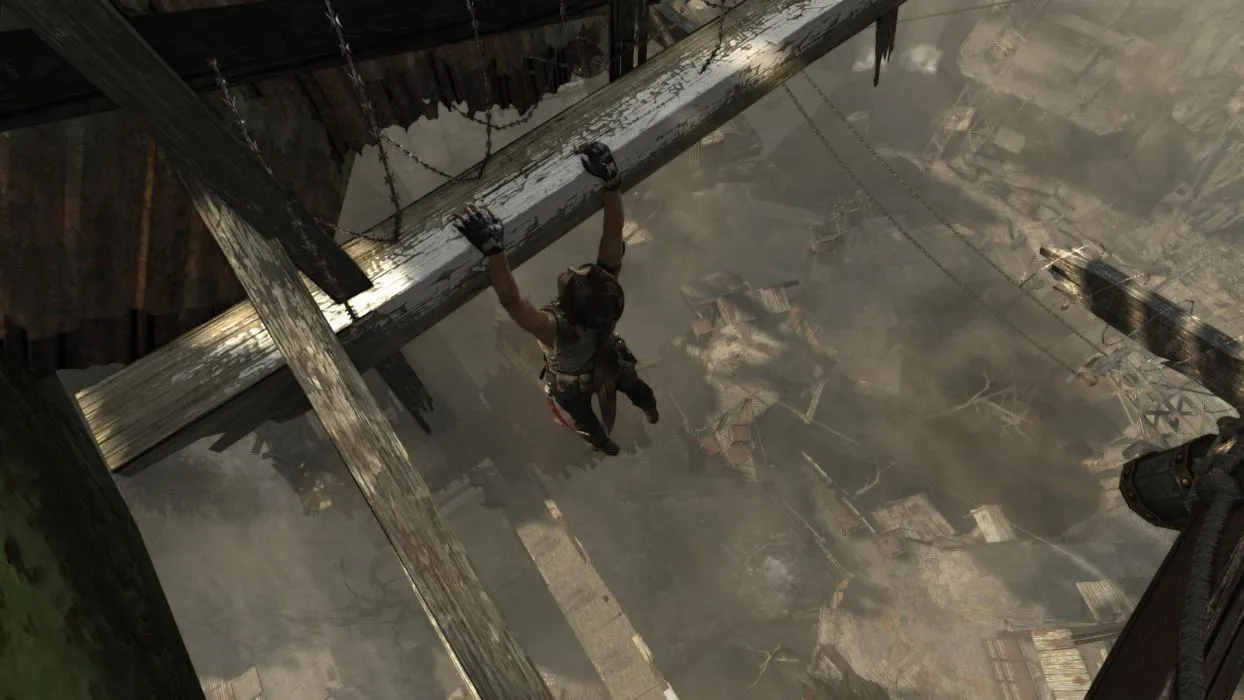
Colors in a game can be used to indicate player commands, crosshairs, menu items, and other important objects. When choosing a color palette, it's important to consider the color perception of people with color blindness. This will help make the game more accessible and comfortable for all users, regardless of their visual abilities. With the right choice of colors, you can ensure clear distinctions between elements, improving gameplay and making the interface more user-friendly.
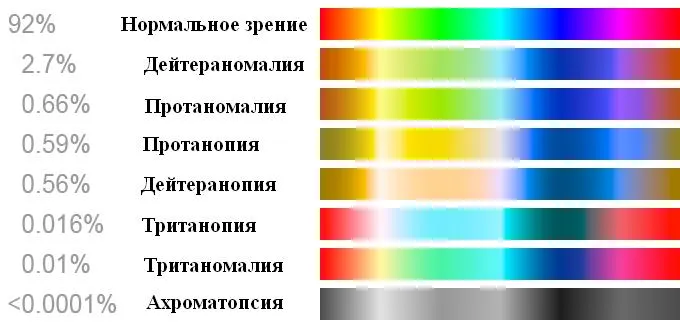
The image shows that people's perception of colors varies, which creates difficulties in choosing universal color solutions. Instead of searching for a single ideal option, it's smarter to offer multiple color palettes, allowing each user to choose the one that suits them best. For example, a player with deuteranopia could change the cursor color to contrast with the green hues in the game level, ensuring a comfortable and convenient gaming experience. This design approach ensures inclusivity and takes into account the diversity of color perception.
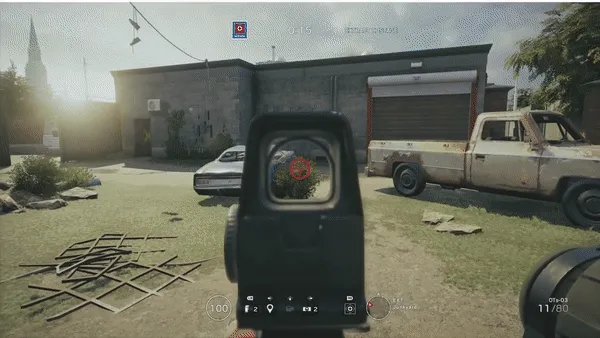
Don't rely solely on color to highlight objects. It is more effective to use a variety of shapes, symbols, animations and other contrasting elements. This will help create a more attractive and memorable design that will attract users' attention and improve their perception of information.

There are many diseases that affect vision. Some of these can result in blurry images, while others can cause increased eye strain. For example, a colorblind mode won't help those with depth perception problems. It's important to understand that each condition requires an individualized approach and treatment, as well as regular eye exams for timely diagnosis and correction of visual impairments. Taking care of your eye health should be a priority for everyone to prevent serious consequences and maintain quality of life.
Measures should be tailored to the specific situation and allow the player to choose which options they wish to activate. This will ensure a personalized approach and improve user satisfaction.
- high contrast mode;
- font and interface size;
- blur and glare;
- intensity and brightness of flashes (this will also help people with epilepsy), and so on.
Many game developers resort to the method of stepping back from the screen or squinting to evaluate the ease of navigation in the game for people with low vision. This approach helps to identify potential problems in the level design and improve it, making the game more accessible and comfortable for all users. It is important to consider the diversity of player perception when creating levels to ensure an intuitive and enjoyable gameplay experience.
Total blindness is a serious obstacle for many people, preventing them from enjoying virtually all video games. While adapting to the lack of vision can be challenging in shooters, the situation is different in fighting games. Visually impaired players can rely on sounds to judge the distance to an opponent and also rely on the sound effects that accompany most character attacks. This opens up opportunities to create more accessible gaming experiences and highlights the importance of developing inclusive solutions in the gaming industry.

There are games specifically designed for blind people. These games lack visual content, and all information is conveyed through sound. Examples of such games can be found on specialized resources dedicated to accessible games for people with visual impairments.
- http://www.tiflocomp.ru/games/index.php;
- https://blind.games/.
Profession Game Designer from scratch to PRO
A game designer creates the structure of a game. They develop the concept, rules, and gameplay, and decide what emotions the story will evoke in players. You'll master game design principles from scratch and learn how to work with popular engines like Unity and Unreal Engine. You'll learn how to keep players engaged and monetize your games. And we will help you start a career in the gaming industry.
Find out more