Contents:

Learn: The Game Designer Profession from Scratch to PRO
Learn MoreYaroslav Kravtsov, game designer and co-founder of the Masterskaya 15 studio, and his team created the game Puzzled Love in three days for the Ludum Dare #49 game jam, dedicated to the topic of Unstable. On Facebook, Yaroslav shared details of the development process and provided materials for Skillbox, which underscores his professionalism and involvement in the gaming industry.
Development
Yaroslav Kravtsov shared his vision of the project concept, striving to develop the idea of authorial games so that they become a real statement, and not just a set of game mechanics. The game designer turned to artist Yulia Shvartsberg, and together they formulated the main idea of the game - to convey a story about relationships through visual imagery. This approach allows for a deeper immersion in the emotional context of the game and creates a unique experience for players, combining art and gameplay.
The gameplay, based on puzzle mechanics, asks you to assemble pictures from individual fragments. It is worth noting that in the game Florence, this mechanic is used to create dialogues. Florence tells the story of a relationship that is inherently unstable, and everyone has their own memories of it. Interestingly, in 2015, in the game Message Quest, I introduced puzzle-building mechanics as part of the narrative. This concept led to the idea of building a puzzle on top of an existing one, allowing for reuse of art and simultaneous story development.
On the first day of development, Yulia Shvartsberg, responsible for art and story, wrote character dialogue and prepared location drafts. Meanwhile, Yaroslav Kravtsov focused on programming in Unity. By the end of the first day of the jam, a demo version was created, including the first three drafts.

Technical difficulties arose during development. An issue was discovered in the first build: at resolutions higher than Full HD and on widescreen monitors, the zoom function for a selected fragment did not work correctly.
Creating the functionality to zoom in on the puzzle piece the player clicks on posed a real challenge. The main difficulty was that the pivot point of this piece is not at the center of the puzzle piece itself, but at the center of the entire picture from which it is cut out. This complicated adaptation to various monitor resolutions and aspect ratios. As a result, development turned out to be more complex than initially anticipated, necessitating a revision of approaches and solutions.
After the first day of development, the developer realized that the game's text needed to be translated into English, which would require the involvement of a professional. Thus, translator Anna Efimova joined the team. The musical arrangement and sound accompaniment for Puzzled Love were entrusted to Sergey Ulankin, PR manager of HeroCraft PC, who created three original music tracks for the game.

According to Kravtsov, the development team created eight builds in three days. A key factor in the project's success was establishing effective feedback within the team. Kravtsov emphasizes that each team member should be able to see and understand how their contribution is reflected in the game. It's also important to constantly monitor the development process to ensure the game meets the planned plan and quality requirements.
The game was completed on the second day of development. On Monday morning, I made a few fixes and published the submission on the Ludum Dare platform. Several bug reports arrived throughout the day, which gave me the opportunity to make the necessary edits in the evening after work. I'll be honest, I've participated in Ludum Dare many times, but this time the quality of the game reached a new level. I'm proud of the team I worked with: everyone completed their part of the work on time, and there were no problems. This experience was especially valuable for me.
Gameplay
Puzzled Love's gameplay immerses players in the world of relationships between young people who have moved to a new home. To progress through the story, players must assemble puzzles from fragments and then interact with the text to move on to the next puzzle. When the player completes the final sketch, they can click on the image multiple times. This action causes it to "unravel," revealing previous layers and displaying credits. Puzzled Love offers a unique combination of puzzles and an emotional story, making the game engaging and memorable.
Kravtsov shared his concerns about how players perceive the jam theme in the Unstable project. He noted that in situations like these, gamers may criticize the game and give it low ratings. To avoid this, at the end of each dialogue, the puzzle pieces shake, symbolizing the instability of both the picture itself and the relationships between the characters. This technique helps create the necessary atmosphere and emphasizes the central idea of the game.
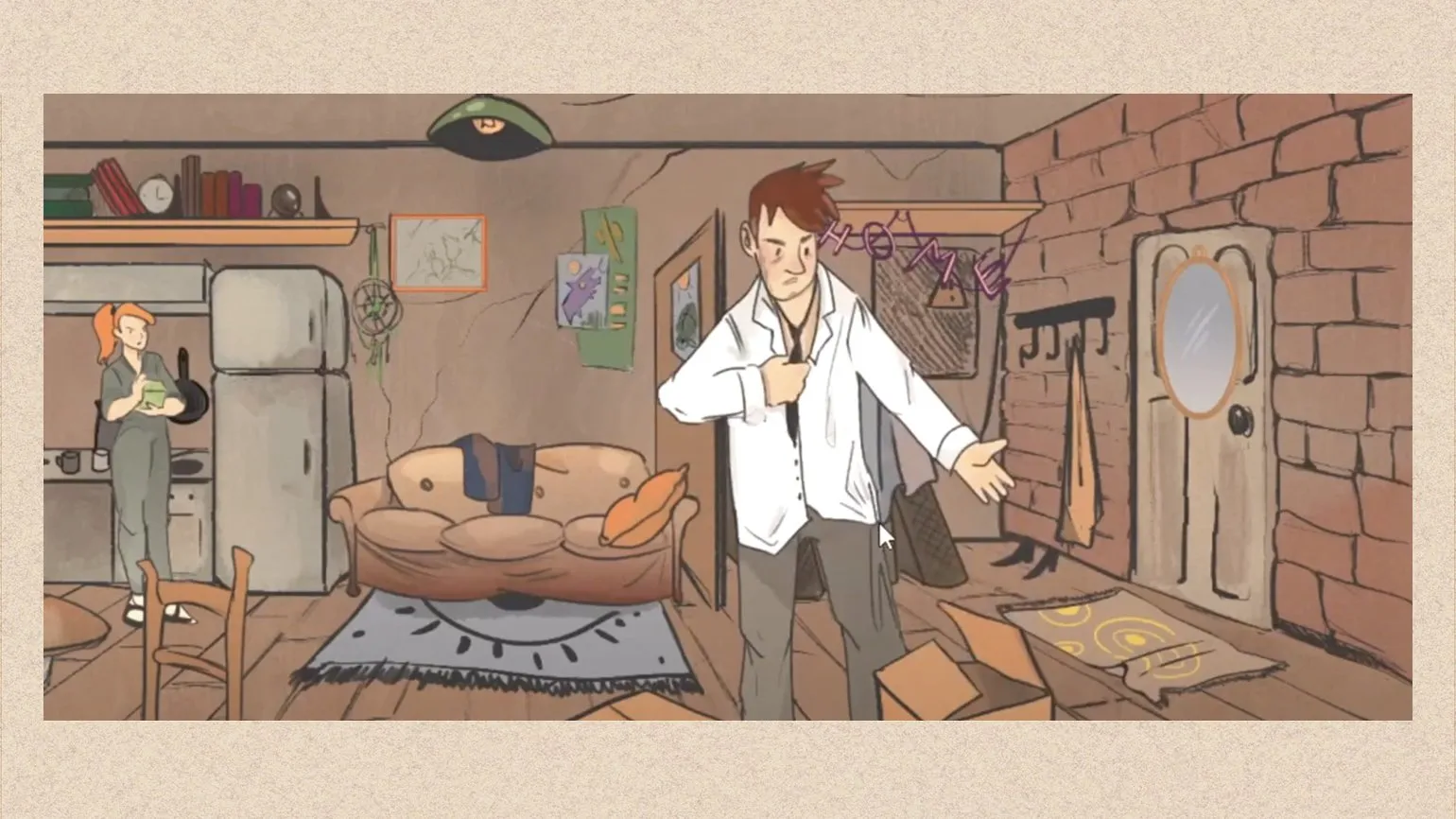
The arrangement of text clouds in comics plays an important role in conveying the emotional weight of the story. When characters are in conflict, their text bubbles are spaced considerably apart, symbolizing the emotional distance between them. Meanwhile, in moments of peace and harmony, the text bubbles move closer together, emphasizing harmony and understanding. This approach helps the reader better understand the dynamics of the relationships between the characters and enhances the narrative. Yaroslav Kravtsov noted that the team focused on narrative design during the game's development. Key aspects included the shape of objects, the number of puzzle pieces, and their placement at the bottom of the screen, which contributes to the development of the plot. For example, at the beginning of the game, the puzzle pieces are rounded and straight, but as the conflict between the main characters, Jonathan and Lilia, unfolds, they become sharp and jagged. This design approach helps players become more immersed in the story and experience the changes in the characters' emotional states.
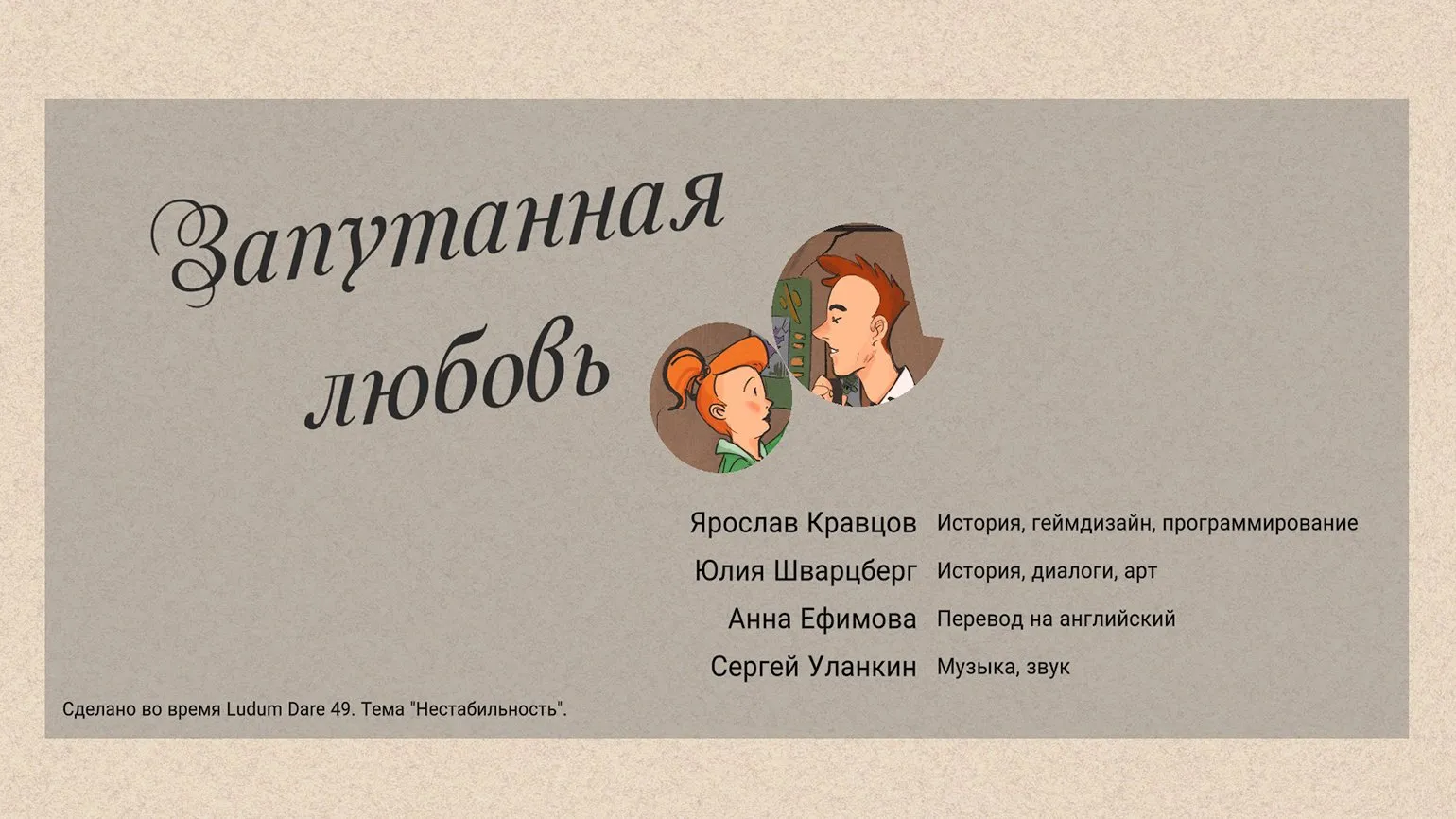
The ending of the emotional story plays a key role. You can't simply end the game with a "Thank you for playing" screen. The final scene contains all the story elements, so I decided to continue the interactive process. I developed a simple feature: when you click on a puzzle piece, it drops down, reminiscent of the process of chipping away old paint. This solution strengthens the narrative, allowing the player to experience the story in reverse. We move from conflicts back to a young loving couple who have just moved into an apartment full of hope. The layers are peeled back unevenly, and the player can see fragments of different episodes at the same time. This creates a powerful emotional effect and immerses them in the story.
Puzzled Love is available to play for free, and anyone can test their skills in this exciting game.
The ending of an emotional story plays a key role in the player's perception. You can't simply end the game with a "Thank you for playing" screen. This scene contains all the elements that allow for continued interactive play. I developed a simple feature that allows you to click on a puzzle piece to move it downwards, creating the sensation of peeling old paint. This innovation significantly enhances the plot, allowing players to experience the story in reverse. From conflict, we return to moments of love, as the young couple enters their new apartment, full of hope. The layers of the story are peeled back unevenly, allowing for different episodes to be seen simultaneously, creating a roller coaster of emotions in the player.
Game Designer Profession from Scratch to PRO
A game designer creates the structure of a game. They think through the idea, rules, and gameplay, and decide what emotions the plot will evoke in players. You'll master game design principles from scratch and learn how to work with popular engines like Unity and Unreal Engine. You'll learn how to retain player interest and monetize your games. And we will help you start a career in the gaming industry.
Find out more