Contents:
Learn: 3D Artist Profession
Learn MoreDigital avatars, known as Digital Humans, are increasingly replacing live actors in film and advertising. They make it possible to create realistic images that can interact with the environment and other characters. A striking example of the use of digital avatars is the film "Terminator Genisys," which features two versions of Arnold Schwarzenegger—the real actor and his younger self, created using modern computer graphics technologies. This trend opens up new horizons in the film and advertising industries, allowing for unique visual solutions and reducing production costs. Digital avatar technology continues to evolve, and we can expect its wider application in various fields in the future.
Creating digital avatars doesn't require outstanding artistic skills or specialized education. All the necessary knowledge can be acquired directly on the job. This makes the process accessible to anyone interested in digital art. You can develop your skills through practice and learning new techniques, allowing anyone to become a master at creating unique digital avatars.
Roman Tsyganov, co-founder of Chromatix studio, shares his knowledge about creating digital avatars. His experience includes working on projects for brands such as Coca-Cola and Mercedes, as well as participating in the development of the game Atomic Heart. Chromatix Studio focuses on cutting-edge digital content technologies, enabling the creation of unique and realistic avatars for a variety of applications.
- What are digital avatars and where are they used?
- About the career path of a 3D artist?
- About the skills of a budding 3D artist and the new Skillbox course.
A digital avatar is a virtual representation of a person in a digital space. It can take various forms, including 2D or 3D graphics, and serves to enable user interaction with virtual worlds, social media, and other online platforms. Digital avatars can be used to create a unique image that reflects the user's personality, interests, and style. The importance of a digital avatar is increasing in the context of increasing online interactions, as it helps shape first impressions and can influence how others perceive the user. The use of digital avatars has become especially popular in gaming, virtual and augmented reality, and social media, where they play a key role in self-expression and interaction.
A digital avatar is a virtual representation of a person with a unique personality and individual visual features. For example, Vanessa Paradis's gap in her teeth or Joaquin Phoenix's scar highlight their uniqueness. It's important to carefully craft the details of a person's appearance to evoke empathy or other emotions inherent in the character's concept. Getting these nuances right can create a deeper connection and immersion in your avatar, making it more realistic and memorable.
Digital avatars are finding wide application not only in films and games, but also in various areas of life. They are used in virtual conferences and webinars, allowing participants to interact in a more personalized way than simply through video communication. In education, digital avatars help create interactive learning materials and simulations, making the learning process more engaging and effective. In medicine, avatars can be used to simulate surgeries or train specialists, improving the quality of medical care. In the social sphere, digital avatars are becoming an important tool for self-expression and the creation of virtual identities, which is especially relevant with the growing popularity of virtual worlds and social media. Thus, the potential uses of digital avatars are much broader than initially apparent.
Avatars are increasingly becoming an alternative to live influencers and brand ambassadors. Using avatars significantly minimizes the risk associated with human error. Such a virtual representative is immune to illness, will not cancel scheduled photo shoots, will not demand a salary increase, and eliminates the possibility of conflict. This makes avatars an attractive tool for brands seeking stability and predictability in their marketing campaigns. In today's marketplace, where time and resources matter, avatars can be a key element in a promotional strategy, ensuring consistent engagement with an audience without the risks associated with human behavior.
There are several key challenges in the production of digital avatars that need to be addressed. For avatars to effectively communicate with people, the correct integration of visual image and artificial intelligence technologies is necessary. Currently, these technologies operate independently, but we are working to integrate them into a single ecosystem. This will create more interactive and natural interactions between users and avatars, improving the user experience and expanding the applicability of digital representations across various fields.
Over the next 2-4 years, avatars will become a part of our reality, and in 5-6 years, we will be able to easily interact with them in our daily lives. Technological progress and the development of artificial intelligence will make communication with virtual representatives more natural and intuitive. Avatars will become an integral part of our communication, changing the approach to interactions in both personal and professional settings.
Voice assistants such as Siri and Alice have become an integral part of our daily lives. The next stage in technological development is the creation of a visual image for these assistants, which will allow them to interact more effectively with users. Such personas can act as bank consultants, Tesla assistants, or personal assistants customizable to each person's preferences. Visual personas can improve interaction and make communication with technology more natural and intuitive.
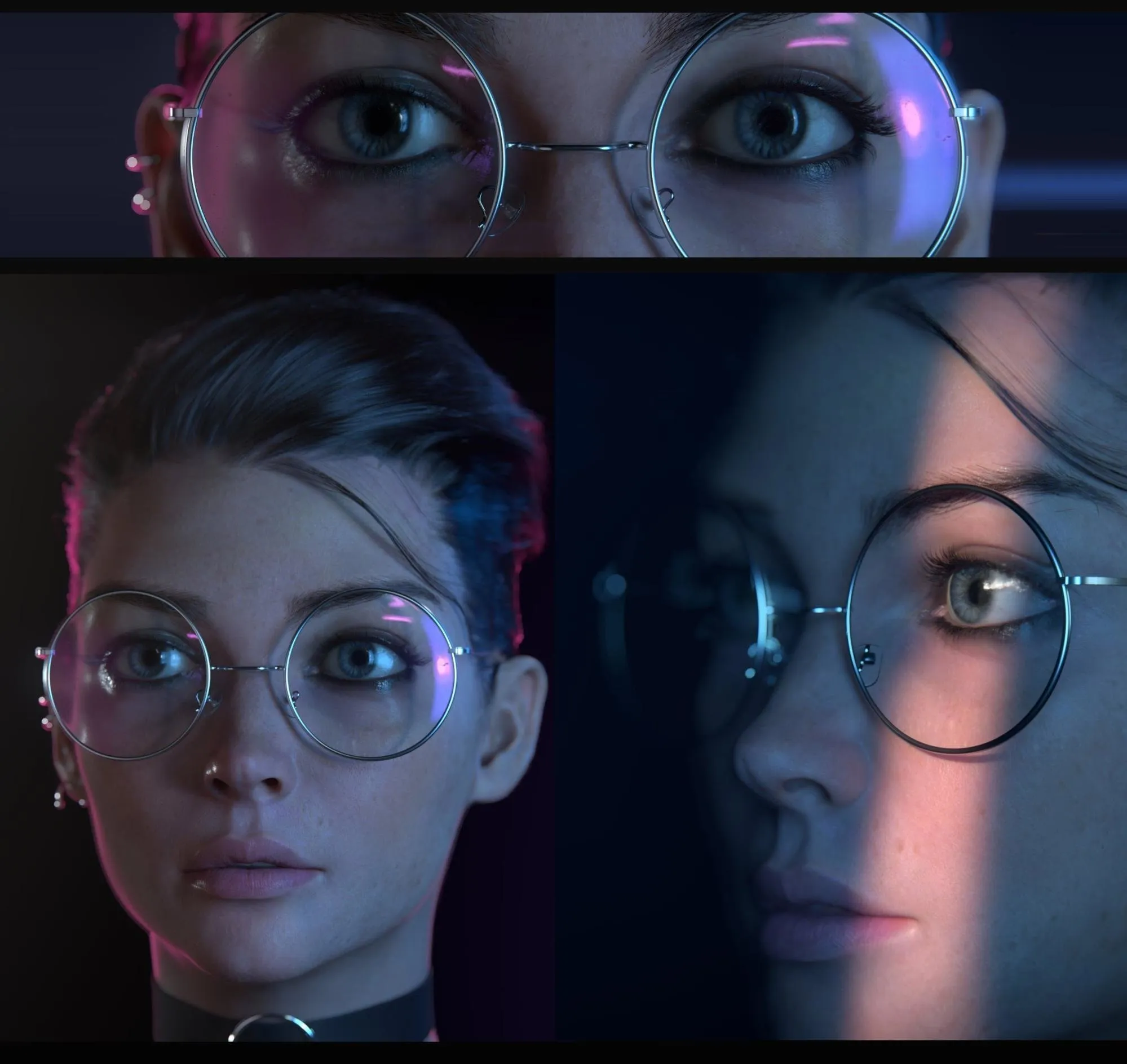
A digital avatar is the result of the process of creating a virtual representation of a person or object in a digital space. This process involves the use of various technologies, such as 3D modeling, animation, and artificial intelligence. First, a digital avatar can be created based on photographs or videos, which serve as the basis for generating a three-dimensional model. Next, software processes and customizes the avatar's appearance, movements, and behavior. An important aspect is the ability to customize the avatar to the user's individual preferences, which allows for the creation of a unique and personalized representation. Digital avatars find application in a variety of fields, including gaming, virtual reality, and social media, where they help improve user interaction and create a more engaging experience.
First of all, it is important to define the purpose of creating an avatar. This will allow you to formulate the concept and tasks that your digital character should solve. For example, if you're developing an avatar for a bank consultant, their image should be friendly and approachable. Meanwhile, an avatar for a youth brand's advertising campaign will require a bold and provocative style. Consider the target audience and the context in which the avatar will be used to achieve maximum effectiveness and attract attention.
At this stage, the character's image and personality are created. We provide the client with a list of key questions as a brief, which will help us create a "life-size cast." This process is the starting point for collecting references and approving the image, which allows us to more accurately reflect the desired characteristics and features. Correctly formulating the image is essential for achieving maximum impact in the final result.
The brief describes the character's characteristics in detail, including their history, age, and life priorities. It also specifies who they are and what emotions they should evoke in the audience. The document contains numerous questions designed for in-depth analysis. Only after this stage is completed does the actual work on character creation begin.
Each project is worked on by a team of specialists. The avatar creation process begins with art direction, where a mood board is created. We select references, including facial features, accessories, character elements, and anatomical forms. This approach allows us to create a unique and attractive avatar that will meet all client requirements and expectations.
Once the mood board is completed, the work moves to the sculpting department, where a 3D cast of the future avatar is created. At this stage, we develop textures, adjust materials, and create hair for the model. Next, the model is prepared for animation, after which the rendering process begins. All this work is aimed at creating a realistic and high-quality digital avatar.
Creating an avatar requires thorough research. It is necessary to analyze the needs of the target audience and assess the technical feasibility of implementing the plan. This process may require collaboration between several departments, which ensures a comprehensive approach to development. Effective research and collaboration will help create an avatar that meets user expectations and the capabilities of the technology.
The collected data ensures the correct functioning of the avatar's facial expressions during movement and guarantees precise interaction with mocap suits. This allows for a high degree of realism and naturalness in character animation.
Our specialists can work on multiple tasks simultaneously. In some cases, each aspect of the project requires the work of a specialized professional, depending on the specific task and deadline. On average, eight specialists work on an avatar, although this number can vary depending on the complexity of the project and the client's requirements.
Creating avatars can present a number of challenges. One of the main difficulties is the need to create a unique and memorable image that reflects the user's personality. It is also important to consider technical aspects, such as image size and format, to ensure avatars display correctly on various platforms. Equally important is the selection of a color palette and style, which must be harmonious with each other and consistent with the overall design. Given these factors, creating a high-quality avatar requires careful preparation and a deep understanding of the target audience's needs.
The main goal, and at the same time the difficulty, is to elicit an emotional response from the audience. A lack of response may indicate flaws in the avatar's design. To avoid this, we conduct focus groups before launching the avatar. We ask participants what they like and dislike about the avatar. This approach allows us to assess the quality of our work and determine whether specific elements require refinement.
Before the focus groups, the avatar undergoes several stages of review under the guidance of the art director. However, even this process cannot guarantee that the work will be approved by focus group participants.
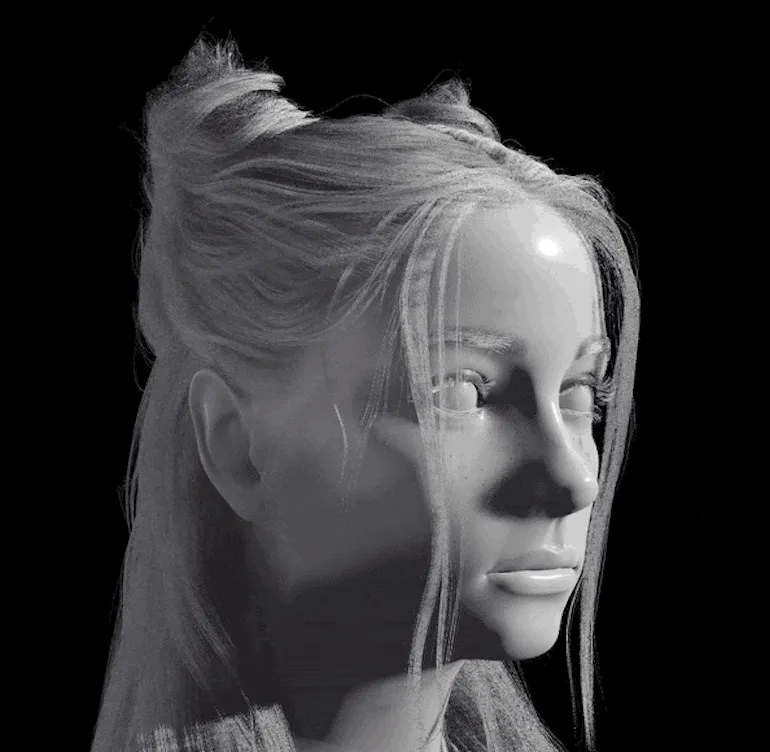
Creating digital avatars indeed faces similar challenges as the work of concept artists. Each client has their own idea of what constitutes a "beautiful" image, which makes the creation process unique and complex. It is important to take into account individual preferences and requirements to achieve the desired result. When developing avatars, it is necessary to carefully listen to the client's wishes and find a balance between creativity and their expectations. As a result, this requires the artist to be flexible and able to adapt to different styles and concepts, which ultimately enriches the creative process.
The problem of diversity in musical preferences is natural. People have different tastes, and that's okay. Some prefer heavy metal, while others enjoy the music of Olga Buzova. If everyone had the same taste, it would make the world a less interesting place. Diversity in musical genres enriches culture and fosters the exchange of opinions, making our society more diverse and engaging.
There is a wide range of both mainstream and niche products. To avoid difficulties, it is important to clearly understand your target audience. Over time, you will develop a unique internal vision that will form the basis for your creative decisions. If you are not yet confident in your abilities, it is useful to consider the recommendations of more experienced colleagues. This will help you develop the right approach and achieve success in creating products that meet market needs.
Focus groups are an effective tool for self-assessment and evaluating products or services. Many companies, including ours, use this method to obtain valuable feedback. By analyzing the opinions of focus group participants, you can identify key areas for improvement. If a significant number of respondents point to the same problem, this signals the need for changes. If the participants' opinions differ, this may indicate that your product or service is on the right track. Using focus groups not only helps improve the quality of your proposal but also better understand the needs of your audience.
Eyes are truly one of the most complex parts of an avatar. They play a key role in conveying the character's emotions and personality. The process of working on the eyes involves paying attention to details such as shape, color, and texture, as well as their interaction with the overall style of the avatar. Creating expressive eyes requires a deep understanding of anatomy and the psychology of perception to make the character more realistic and memorable.
People pay attention to the eyes first, and only then to other features. This is why developing eyes is one of the key and complex tasks when creating a character. Correctly depicting the eyes can significantly affect the perception and personality of a character, making them more expressive and memorable.
Creating eyes involves analyzing anatomical features and physical properties. This process begins with studying the structure of the eye, its internal structure, and the mechanisms of light refraction. In addition, it is important to consider the attachment of the muscles responsible for eye movement. Understanding these aspects is key to a deeper study of eye function and its role in visual perception.
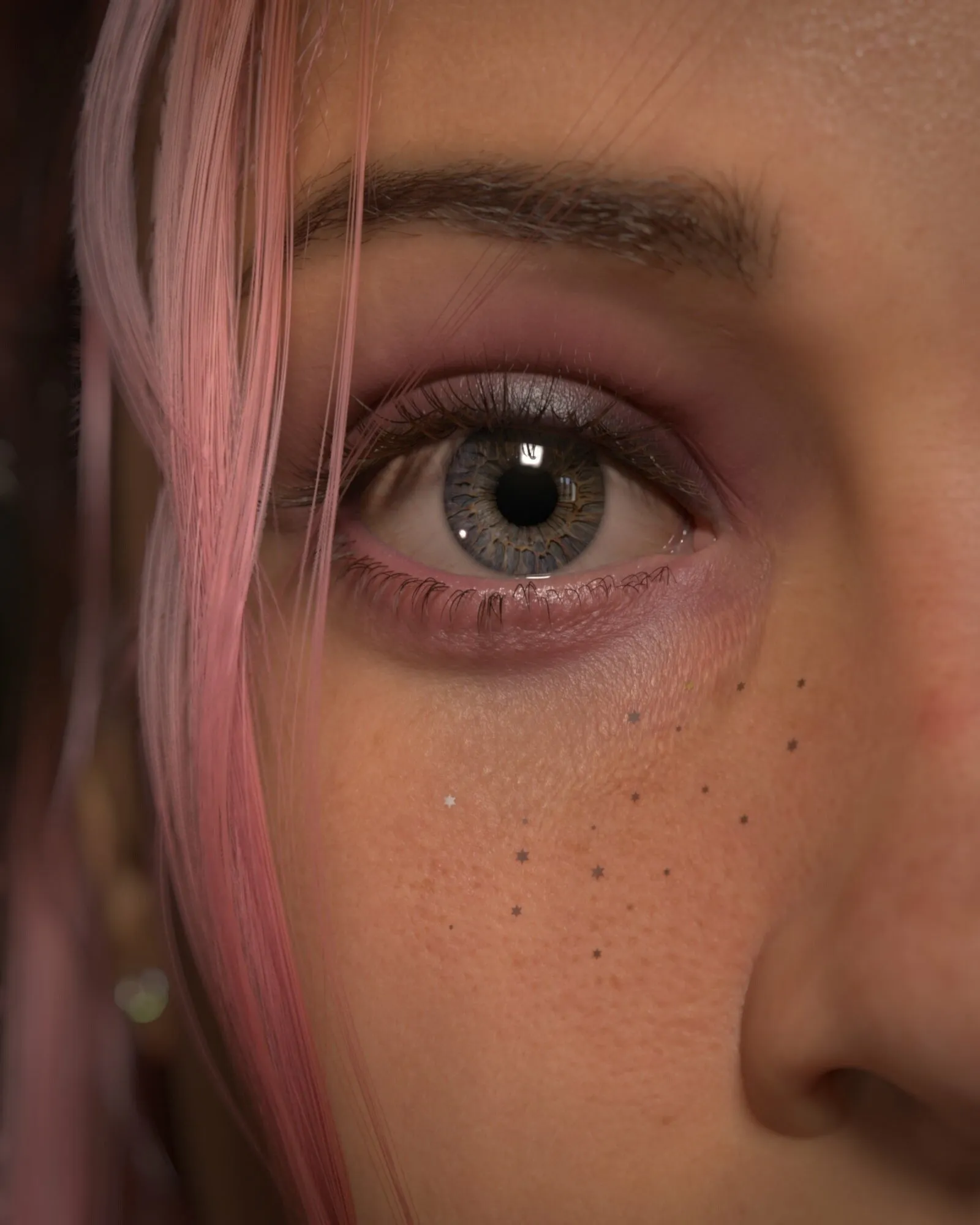
Creating a photorealistic model requires taking into account many factors, including anatomy, textures, and lighting. The question of what is more difficult to create—a photorealistic girl or a cockroach—depends on several aspects. Modeling a human involves complex details such as skin, hair, and facial expressions, making the process more labor-intensive. On the other hand, a photorealistic depiction of a cockroach requires attention to its unique morphology and texture, but can be generally less challenging than working with a human face and body. Ultimately, the difficulty depends on the level of detail and the artist's experience working with different types of objects.
Girls have a more complex and subtle nature compared to cockroaches, which makes the process of creating them more challenging. To achieve the same attractiveness as girls in real life, it is necessary to imbue the character with all the necessary qualities. Creating realistic people, creatures, and objects is always a challenging task, requiring significant experience and deep understanding. The process requires not only technical skill but also artistic vision to ensure the characters appear alive and believable.
To achieve the most realistic result when creating an avatar, it is important to consider several key aspects. First of all, use high-quality images as a basis. This will help convey details and textures that make avatars more believable.
Pay attention to facial characteristics: shape, skin color, eyes, and hair. Choosing the right shades and textures will significantly improve the avatar's appearance. It's also worth paying attention to facial expressions, as they can convey emotion and make the avatar more alive.
Don't forget about details such as accessories, clothing, and background. These elements can add personality and uniqueness to your avatar. Use modern image editing programs that offer tools for detailed refinement.
In addition, study examples of successful avatars to understand what techniques and methods others use. Pay attention to lighting and shadows, as they play an important role in creating volume and depth. By following these guidelines, you will be able to create an avatar that will look as realistic as possible.
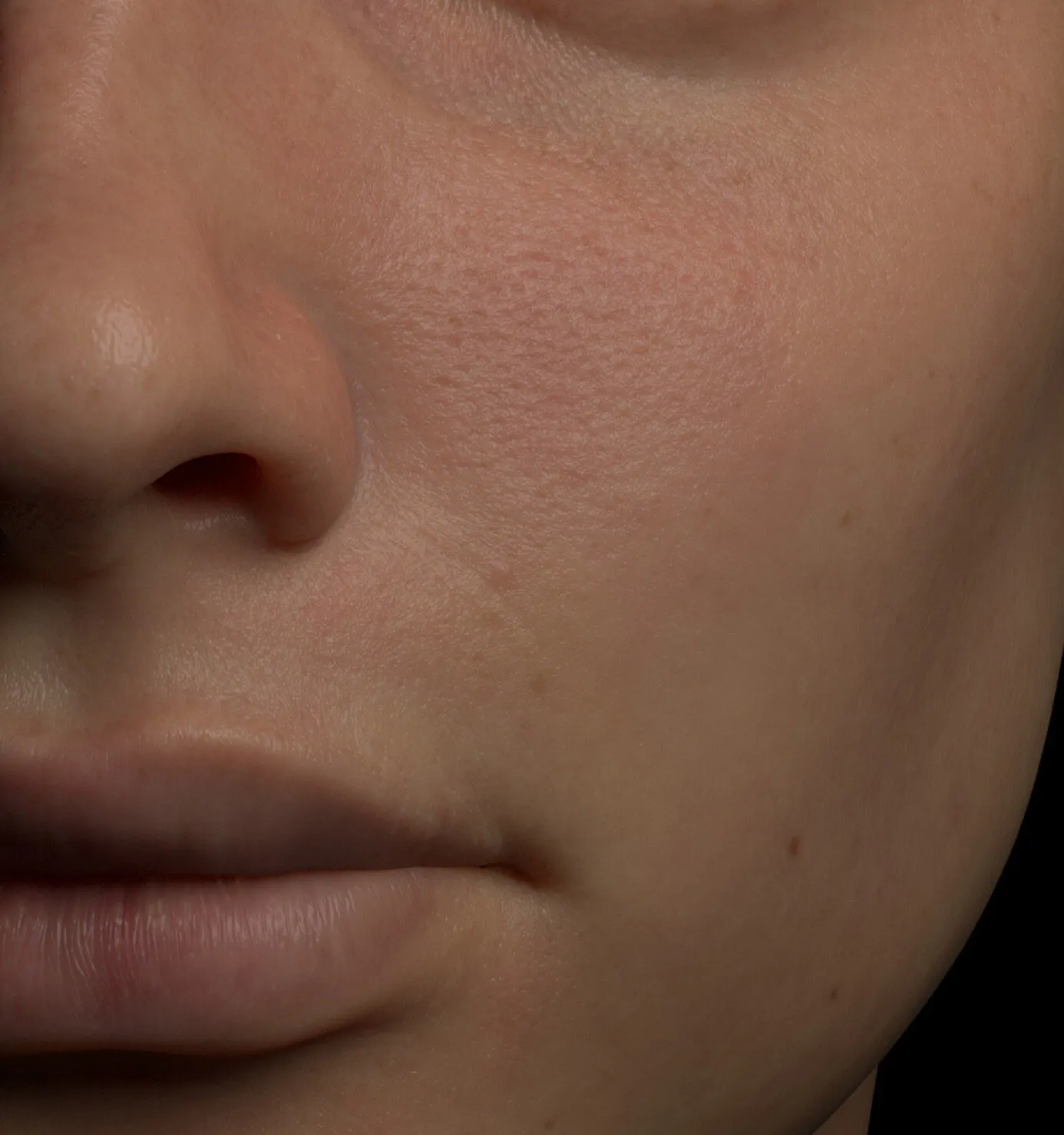
We recommend paying attention to scientific articles and specialized journals. This will allow you to understand that skin is composed of three distinct layers, each differentiated by color: the epidermis, dermis, and hypodermis. Understanding these layers is essential for creating your model's shader, as each layer affects the overall appearance and texture of the skin. Understanding skin structure will help you achieve a more realistic result in your project. Interesting facts about hair: fair-haired people have twice as much hair on their heads as brunettes, which can affect the overall appearance and feel of their hairstyle. Also, the degree of light refraction from hair varies depending on racial characteristics. Understanding these details will help you work with the model more effectively and create more realistic and professional works.
An art education isn't a requirement for working in this field, but it can significantly enhance your skills and understanding of art. If you're pursuing a successful career in the creative field, an art education will help you develop creative thinking, teach you the basics of composition and color theory, and provide an opportunity to explore the work of renowned masters. However, many successful professionals achieve their success through practice, self-study, and experience. The key is passion for the craft and a constant desire to improve your skills.
An art education plays a significant role in the creative industry, but it's not the only key to success. People with an artistic background often have already mastered certain stages of development that newcomers are still learning. It's important to remember that skills and experience can be acquired in other ways, and a successful career in the creative field depends not only on formal education but also on practice, persistence, and a personal approach.
A person may have an innate sense of form, style, and color. However, if this isn't your nature, don't be discouraged. All of these skills can be developed through practice and study. It's important to understand that a sense of style and aesthetics is formed through experience and observation, so seize the opportunity to improve. Develop your perception, study various aspects of design, and over time, you will be able to achieve harmony in color and form.
I didn't have a natural ability to draw. In elementary school, when I first picked up a pencil, I tried to draw a little humpbacked horse, but what appeared on the paper was an object resembling a camel with two humps. At the time, I didn't consider this a successful result. However, over time, I learned to draw and developed my skills. This experience demonstrates that diligence and practice can lead to significant improvement in skills, despite a lack of natural talent.
Anatomy truly requires careful study. It is a complex science that requires memorization of numerous details about the structure of the human body. Knowledge of anatomy is important for future medical professionals, as it serves as the foundation for understanding physiological processes and diagnosing diseases. Effective study of anatomy involves the use of various methods, such as visualization, working with anatomical models, and reviewing material. Therefore, preparation for anatomy requires perseverance and a systematic approach.
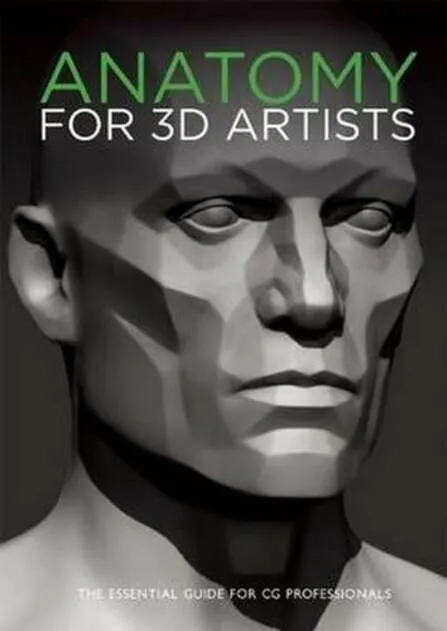
Anatomy plays a key role in creating a compelling character. It is a fundamental aspect that must be continually developed and improved. While you may not know the names of every muscle and bone, it is important to gradually master their location and proportions. Understanding anatomy will allow you to create more realistic and expressive work, which will improve the quality of your content and its perception.
Of course, I'm happy to help with editing. Please provide the text itself that you would like me to revise.
Cultivating artistic vision is a process that takes time and practice. To develop it, it is important to regularly engage in creative activities. Experiment with different techniques and materials to expand your horizons. Pay attention to the works of famous artists, analyze their style and approaches. Visit exhibitions and museums to get inspired and see a variety of artistic movements.
Remember the importance of critical thinking. Evaluate your work and the work of others, ask yourself what you like or dislike, and why. Practice observation—try to notice details in the world around you that can become a source of inspiration.
It's also helpful to keep a visual journal where you can jot down ideas, sketch, and collect images that inspire you. Connecting with other creative people, participating in workshops, and discussing art will help you develop your artistic vision and find new avenues of self-expression.
One of the most effective ways to improve your skills is to create the right information environment. It's recommended to follow specialized groups on Instagram and Facebook, and actively follow works on the ArtStation platform. This will not only help you find inspiration but also expand your horizons by exploring new techniques and styles.
A keen eye creates an internal filter that helps you distinguish high-quality works from low-quality ones. It promotes careful analysis of details and a deeper understanding of the subject. Thanks to accumulated experience, you will be able to easily identify successful solutions, recognize what they were missing, or what was particularly successful about them. By developing a keen eye, you improve your critical thinking skills and enhance your aesthetic perception.
I firmly believe that everyone has the potential for creative thinking. The problem isn't a lack of imagination, but a lack of visual acuity and life experience. Developing your imagination is possible through enriching your personal experience, exploring various artistic fields, and engaging with the world around you. The more a person sees and perceives, the broader his horizons become, and, consequently, the opportunities for creative ideas.
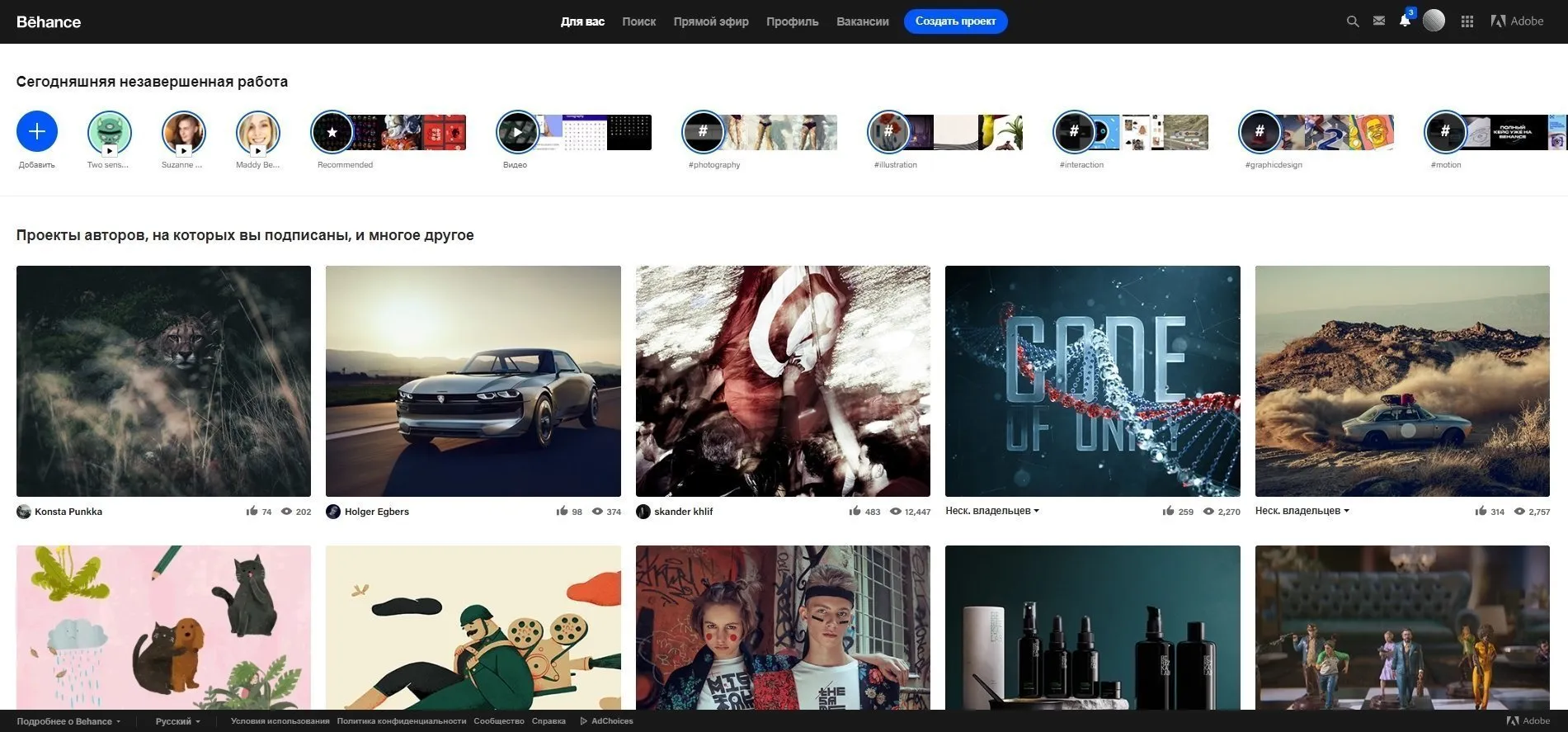
I was educated at a university that is famous for its high level of teaching and relevant programs. This educational institution provided me with the necessary knowledge and skills that I use in my professional work. Studying there helped me develop critical thinking and learn to work in a team, which is an important aspect in any field.
I received my art education at the Stavropol Regional Art School, where I studied in the Faculty of Architectural and Spatial Environment Design. My experience includes the study of various aspects of design and architecture, which allows me to apply my acquired knowledge in practice.
I gained the greatest amount of knowledge through self-study and practice, dedicating all my free time to this.
It is important to realize that students should actively seek information and show interest in learning. They should ask questions, propose their own solutions, and maintain an ongoing dialogue with both classmates and teachers. This approach promotes a deeper understanding of the material and the development of critical thinking, which is a key aspect of successful learning.
Books, galleries, articles, personal observations, and continuous practice - all these elements contribute to the development of skills. The learning process never ends, and new aspects of mastery are revealed every day. I will share this knowledge in the Skillbox course, which will help you deepen your understanding and develop your creativity.
I came to this field by following my passion for technology and innovation. From the very beginning, I was intrigued by the opportunities offered by new developments. I began studying relevant materials, taking courses, and communicating with professionals, which allowed me to deepen my knowledge. Gradually, I began to gain experience and expand my skills, which led to the opportunity to work in this dynamic field. My desire for continuous learning and development helps me stay abreast of the latest trends and technologies.
My path into the world of computer graphics began with a CD in 2004. This disc became the catalyst for my interest in 3D graphics, although before that, I had already delved into classical art forms such as painting and drawing. Since then, I have continued to develop my skills and delve into various aspects of digital art.
The most challenging part was dealing with the ridicule and criticism from others when they were evaluating my work. However, this also became a powerful source of motivation. I am immensely grateful that these challenges shaped me to ignore failures and focus on achieving the end goal.
Following this, I was actively involved in several projects that had a significant impact on my career. In particular, I worked on web application development, which allowed me to deepen my knowledge of programming and design. I also participated in startups, where I dealt with both the technical side and project management. This gave me the opportunity to develop teamwork skills and learn how to effectively collaborate with various specialists. These projects not only enriched my experience but also strengthened my reputation in the industry, which opened new horizons for further professional growth.
It all started with personal projects that I used as a platform for self-improvement. I set clear goals and worked diligently until I achieved worthy results. Although such projects do not bring financial gain, they provide significant skill development. I spent hours studying the work of CG artists, analyzing their techniques and styles, trying to understand if I could achieve the same level of mastery. These efforts became the foundation for my professional growth in the field of computer graphics and artistic creation.
As a beginner artist, I explored various mediums: modeling, sculpting, fluid simulation, and architectural visualization. I tried my hand at each of these areas, which helped me build a solid foundation and define my interests in art. Experience in various techniques and genres not only expanded my skills but also allowed me to understand which aspects of creativity are most close to me.
I realized that I lacked certain knowledge and sought to fill these gaps. I dedicated a significant amount of time to simulations, studying the hair system, and working with various programs. As a result, I was able to achieve satisfactory results in my work.
At the age of 16, I began receiving my first commercial commissions in design and visualization. My projects covered a wide range, including architectural visualization for Rio de Janeiro, creating stills for a short film, and developing the interior design of a synagogue in New York. These early projects formed the foundation of my professional growth and allowed me to develop skills in various design areas.
I actively monitored orders on freelance exchanges such as Upwork and Freelance.com, searched for studio contacts online, and tried to establish communication to offer my services. Dumping is common on exchanges—as a specialist from Russia, I could offer more attractive prices to clients compared to competitors from Europe or the US. Thanks to this, I was able to earn between 50,000 and 90,000 rubles per month. However, it's worth noting that freelancing is highly volatile: you can earn a significant income one month and practically nothing the next.
Do you remember your first commercial project? How do you feel about it now? This experience was certainly a significant milestone in your career. It's important to recognize how it influenced your future development and professional skills. Every project, even if it wasn't perfect, provides valuable lessons and opportunities for growth. Now you can evaluate it in terms of the experience gained and the mistakes that helped you become better.
I created posters for all-Russian sporting events and developed corporate identities, logos, and store designs. I'm proud of my work and am surprised that none of these projects make me feel ashamed. This is probably because I don't remember all the details, but I believe this experience was an important stage in my career. It taught me how to effectively build a dialogue with clients and understand their needs.
One of my first memorable projects was posters for public events. At 16, I developed a passion for drawing, and my skills finally began to bring me not only pleasure but also income. This inspired me to develop and hone my skills. Working on posters became an important step in my creative journey, which marked the beginning of a successful career in design.
Is there nothing new for you in this profession anymore?
The beauty of art is that the tools remain relatively unchanged, yet their use opens up limitless possibilities for creating new images and solutions. Juggling these tools, artists can endlessly experiment, finding unique approaches and interpretations. This makes the creative process not only exciting but also endlessly varied, which attracts both professionals and art enthusiasts.
After completing a project, there is often a wealth of materials left over that do not correspond to the main concept. However, these creative ideas, such as tools, scripts, and algorithms developed specifically for the project, can have value in their own right. I strive to utilize these "byproducts" in the future, which reduces the amount of wasted work and significantly increases overall productivity. Effective use of such materials not only optimizes processes but also fosters the development of new ideas and solutions.
Have you ever experienced burnout at work? Burnout is a state of emotional, physical, and mental exhaustion that results from prolonged stress and overload in the workplace. It can manifest as fatigue, decreased productivity, and loss of interest in work. It's important to recognize the symptoms of burnout and take steps to prevent it to maintain not only your productivity but also your overall mental health. If you experience constant stress and fatigue, it might be time to consider finding ways to improve your work environment and work-life balance.
A thought that constantly evokes reflection: "You can do the same job with different moods. So why get upset if it doesn't make a difference?" This realization helps reduce stress from professional pressures and setbacks. However, there are critical moments when even this approach doesn't help, and fatigue accumulates. During times like these, I prefer to disconnect for a few days to recharge and regain my mental clarity.
Have you ever felt disillusioned with your profession? This phenomenon is familiar to many, especially young professionals in the film industry. They often expect significant and interesting challenges, but the reality is often different: they are entrusted with routine and insignificant work. This can lead to dissatisfaction and doubts about one's career choice, as the desire for creative expression and professional growth collides with the limitations inherent in the early stages of a career.
I have never experienced disappointment in my profession. Most often, disappointment arises from failing to achieve the desired result. Sometimes it seems that the work is not done well enough, lacking beauty or charisma. However, in such situations, it is worth remembering a simple but important truth: patience and hard work will overcome all. A constant desire to improve and develop helps overcome difficulties and achieve success in your work.
Creating 3D avatars is becoming an increasingly popular field in Russia. Advances in technology and growing interest in virtual environments are driving demand for specialists in this field. Employers are looking for professionals capable of creating high-quality, realistic 3D avatars for a variety of purposes, including games, animation, and virtual reality.
The job market is already full of vacancies related to 3D avatar development. Companies are actively seeking talented 3D artists and animators, creating excellent employment opportunities. Professionals with knowledge of 3D modeling, texturing, and animation can expect a successful career in this promising field.
Therefore, creating 3D avatars is not only a relevant but also a lucrative profession in Russia, opening many doors for specialists.
Russia is experiencing a shortage of qualified specialists, and this is important to consider when beginning your training. If you study hard and develop, you have every chance of finding a good job. The starting salary for entry-level specialists is approximately 70,000 rubles. More experienced specialists can expect an income of 100,000 to 150,000 rubles. Developing in this field opens up opportunities for career advancement and increased earnings.
For a newcomer to the industry, it's important to approach building a portfolio and choosing job openings wisely. Start by creating a diverse portfolio that showcases your skills and creativity. Include projects completed as part of your studies or personal initiatives, as well as internships or freelance work. This will help demonstrate to employers your work ethic and ability to handle a variety of tasks.
Look for openings that match your level of knowledge and experience. Consider entry-level positions, such as internships or assistantships, that will help you gain the necessary experience and skills. Use professional networks and job search platforms to find current offers and expand your connections in the industry.
Don't forget the importance of continuous learning. Participate in webinars, courses, and masterclasses to develop your skills and stay up-to-date on the latest industry trends. This will not only enhance your portfolio but also increase your competitiveness in the job market.
First, you need to determine what exactly you want to do in the visual arts. There are many fields, from visual effects to animation. Browse showreels of various artists online and choose the one that inspires you most. This will help you focus on a specific area and develop your skills in your chosen field.
After that, start practicing and create at least three high-quality works you can be proud of. Three high-quality projects are usually enough to secure a Junior position at any company.
Attend specialized events such as CGevent and the Animators' Convention to expand your professional networks and learn about new opportunities in the industry. Regularly check job openings on platforms like HH.ru and Staya.vc to stay up-to-date on current offers. It is also recommended to subscribe to thematic groups on Telegram, where new vacancies and employment information are periodically posted. This will help you stay on top of the game and successfully develop your career in your field.
In our course, we'll focus on creating a visual image, avoiding in-depth analysis of facial expressions, muscle dynamics, hair, and clothing. We'll cover key aspects such as anatomy, sculpting, character development, textures, and hair. This will allow you to effectively develop your skills in creating expressive and realistic characters. Join us to learn everything you need to achieve high results in your creative work.
We have also prepared training materials that help create models for subsequent transfer to other departments involved in rigging and animation.
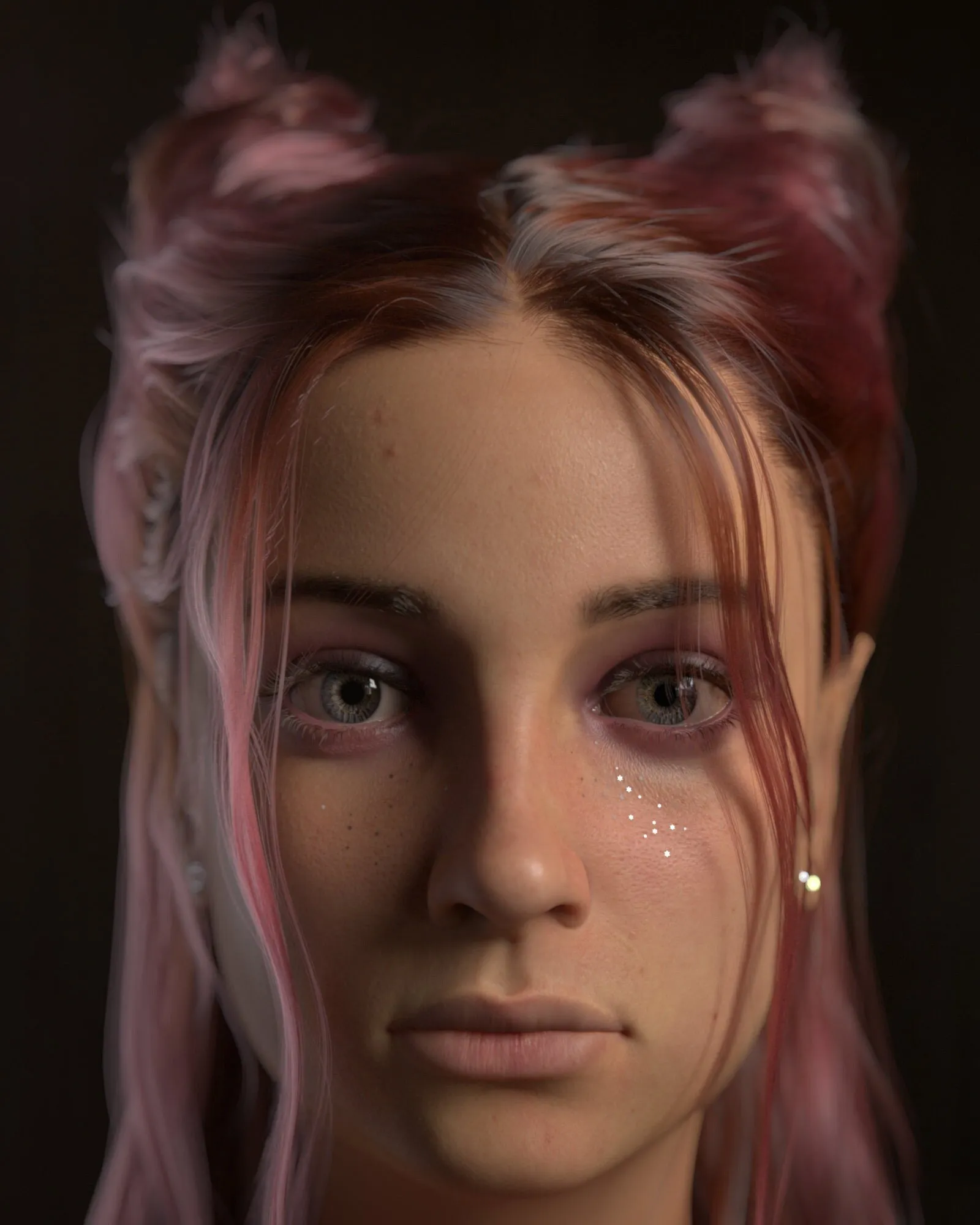
Students in this course work with a variety of programs that help develop their skills and knowledge in their chosen field. Core programs include popular tools for design, data analysis, programming, and project management. Depending on the course focus, students may use applications such as Adobe Creative Suite for graphic design, Microsoft Excel for data manipulation, and popular programming languages such as Python and Java. These programs provide students with the necessary tools to practically apply theoretical knowledge and prepare for professional work.
Students will become familiar with a variety of programs necessary for 3D modeling and texturing. ZBrush is used for digital sculpting, allowing the creation of detailed models. Houdini is designed for working with details and procedural systems, making it ideal for creating complex animation and visual effects. Substance Painter and Mari are used to develop high-quality textures, ensuring realism and attention to detail in projects. Knowledge of these programs will significantly enhance students' professional skills in 3D design and visualization.
This course places special emphasis on procedural systems in Houdini. Procedural systems are a content creation method based on algorithms and rules, rather than traditional manual modeling. This allows for the creation of complex and detailed scenes, and the easy modification and adaptation of results. Using procedural systems in Houdini significantly simplifies the workflow, as changes to one element automatically update all related aspects of the project. This is especially useful for animation, visual effects, and creating realistic simulations. Ultimately, working with procedural systems improves production efficiency and quality, making them indispensable tools for 3D graphics and animation professionals.
A procedural system significantly speeds up the project process. You set it up once, and then the computer does all the heavy lifting. As a result, you only need to adjust the parameters, freeing up time for other important tasks. Using a procedural system not only streamlines the workflow but also increases overall efficiency, allowing you to focus on the more creative aspects of a project.
Procedural systems are widely used to generate diverse landscapes, such as cities, mountains, and forests. They also allow for the creation of unique variations of objects, such as furniture or vehicles like airplanes. Using procedural generation provides a high level of originality and variety, which is especially relevant in computer games and architectural design. Such technologies help developers reduce content creation time and costs, while simultaneously increasing user engagement due to the uniqueness of each element.
For those just starting out in the profession, I would advise not to be afraid of making mistakes and to view them as opportunities for learning and growth. It is important to continually develop your skills and deepen your knowledge in your field. Keep up with the latest trends and new technologies to stay competitive. Don't forget about networking: communicating with colleagues and professionals will help you expand your horizons and find new opportunities. Be persistent, open to new ideas, and don't be afraid to ask for help when needed. Success comes to those who are willing to work and learn. Learn and don't be shy about asking questions of both others and yourself. Follow famous artists, study their work, and draw inspiration. It's important to find your own creative outlet: visit platforms like Behance or ArtStation and browse popular artists and projects. Collect everything you see into your "idea bank," practice constantly, and remember that while you're relaxing, others are creating and creating. We wish everyone harmony and see you in class!
3D artist profession
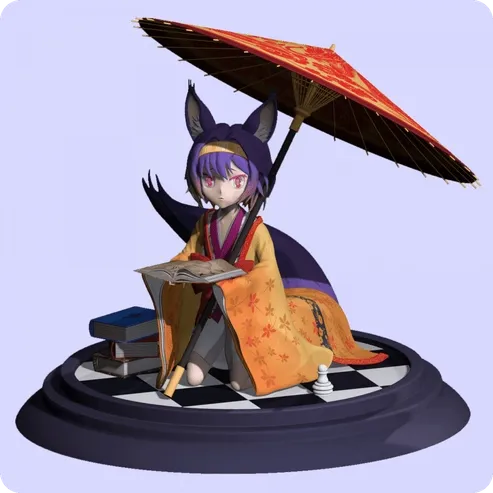
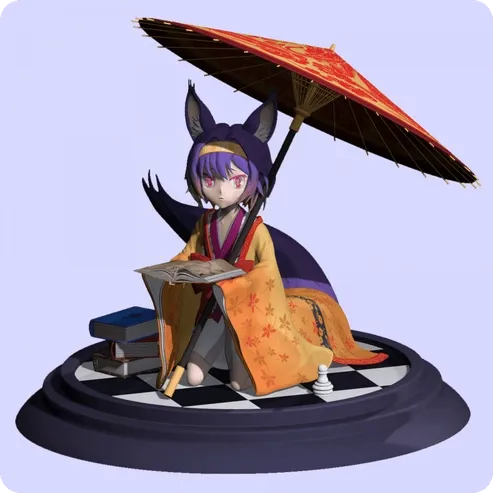
By taking the course, you will learn Autodesk Maya, Blender, Houdini, Substance Painter and Photoshop from scratch to a professional level. Learn 3D modeling and add more than 20 practical works to your portfolio, and become a sought-after 3D artist. In a year, you will master a profession in demand in the film and gaming industries. In the picture: the work of course participant Dmitry Danilov.
Find out more