Contents:
Learn: The Game Designer Profession from Scratch to PRO
Find out moreBlack Book has become a shining example of a successful Kickstarter campaign. With a goal of $35,000, Morteshka Studio raised over $160,000. The game was released on August 10th and sold over 100,000 copies in its first week. This success underscores the high interest in the project and its high-quality implementation.
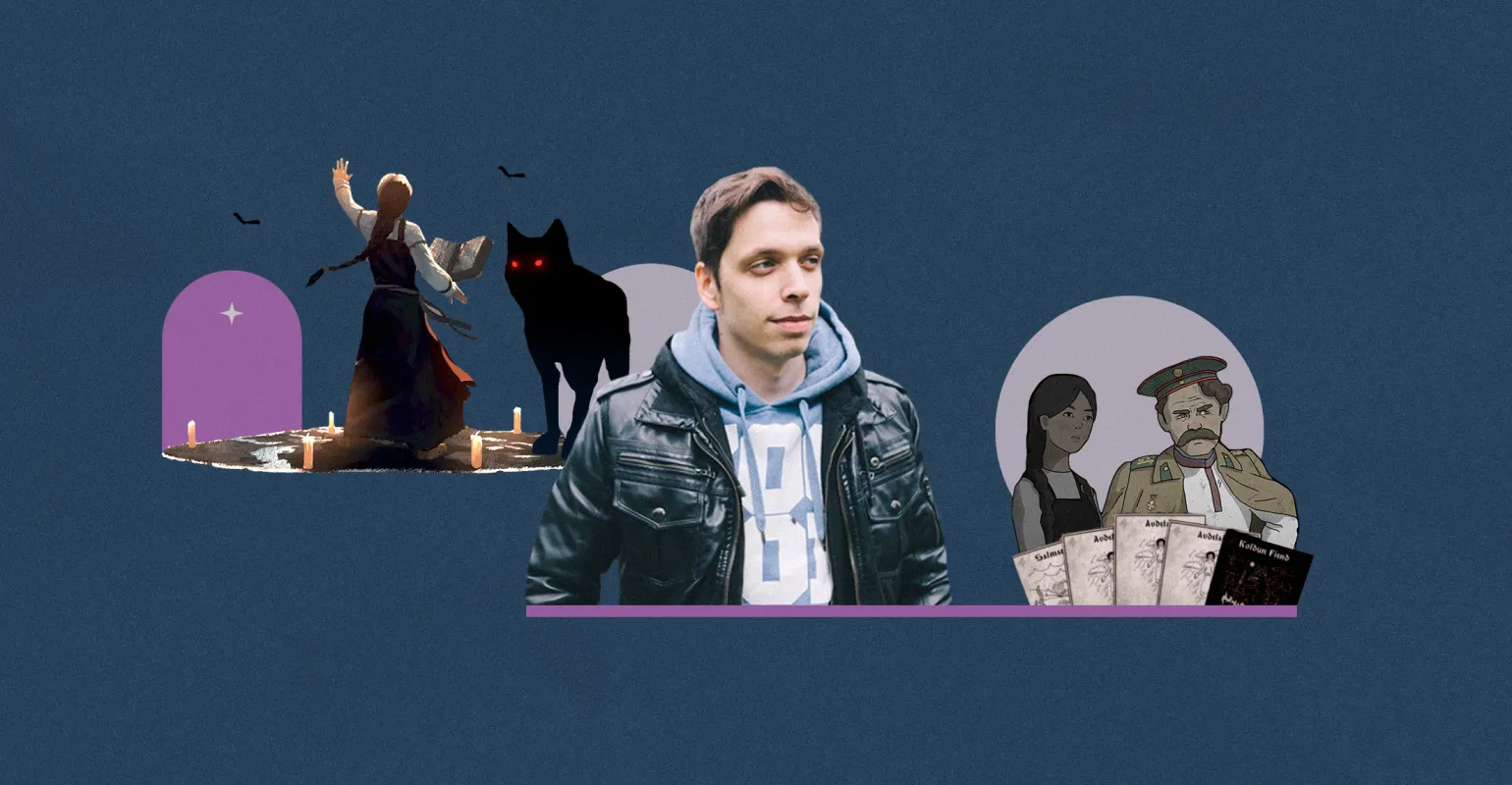
We interviewed Vladimir Beletskiy, the mastermind behind the Black Book project. During our conversation, we discussed the game development process and the challenges faced by creators of unique, original projects.

Black Book's budget was over $160,000. Is this enough to implement most of the planned ideas?
We successfully raised almost $167,000 on Kickstarter, significantly exceeding our initial funding expectations. Thanks to this, we reached several stretch goals, allowing us to add DLC with a new battle mode. In addition, we have already implemented a separate card game, "Durachok," and implemented full Russian voiceover. "Durachok" was not initially planned, as Black Book had a game called "More or Less" before it.
If we had twice the funds, we would significantly improve our current projects and implement new ideas. First and foremost, we would invest additional resources in developing technologies that would help improve operational efficiency and the quality of our services. We would also consider expanding our team to attract more experts and implement innovative solutions. It would be important to strengthen our marketing campaigns to increase visibility and attract new audiences. Furthermore, we would invest in employee training to enhance their skills and improve the overall level of service. These measures would contribute to strengthening our market position and ensuring sustainable growth for our business.
When we launched our project on Kickstarter a year ago, we had a clear plan and an idea of the scope of development. We not only prepared the prologue but are also almost halfway through the game.
We successfully implemented additional features, such as Russian voiceovers and the "Durachok" game, which allowed us to achieve our goals. However, we have yet to implement a full roguelike mode, which is the only stretch goal we have not yet achieved. If we had received more funding, the team would have been able to develop new ideas and improvements for the project.
The project had a clear structure and was complete a year ago, but some additional features were being developed at secondary levels. Character models and facial animation remain the primary areas for improvement. These aspects require special attention to improve the quality of perception and interaction of users with the project.
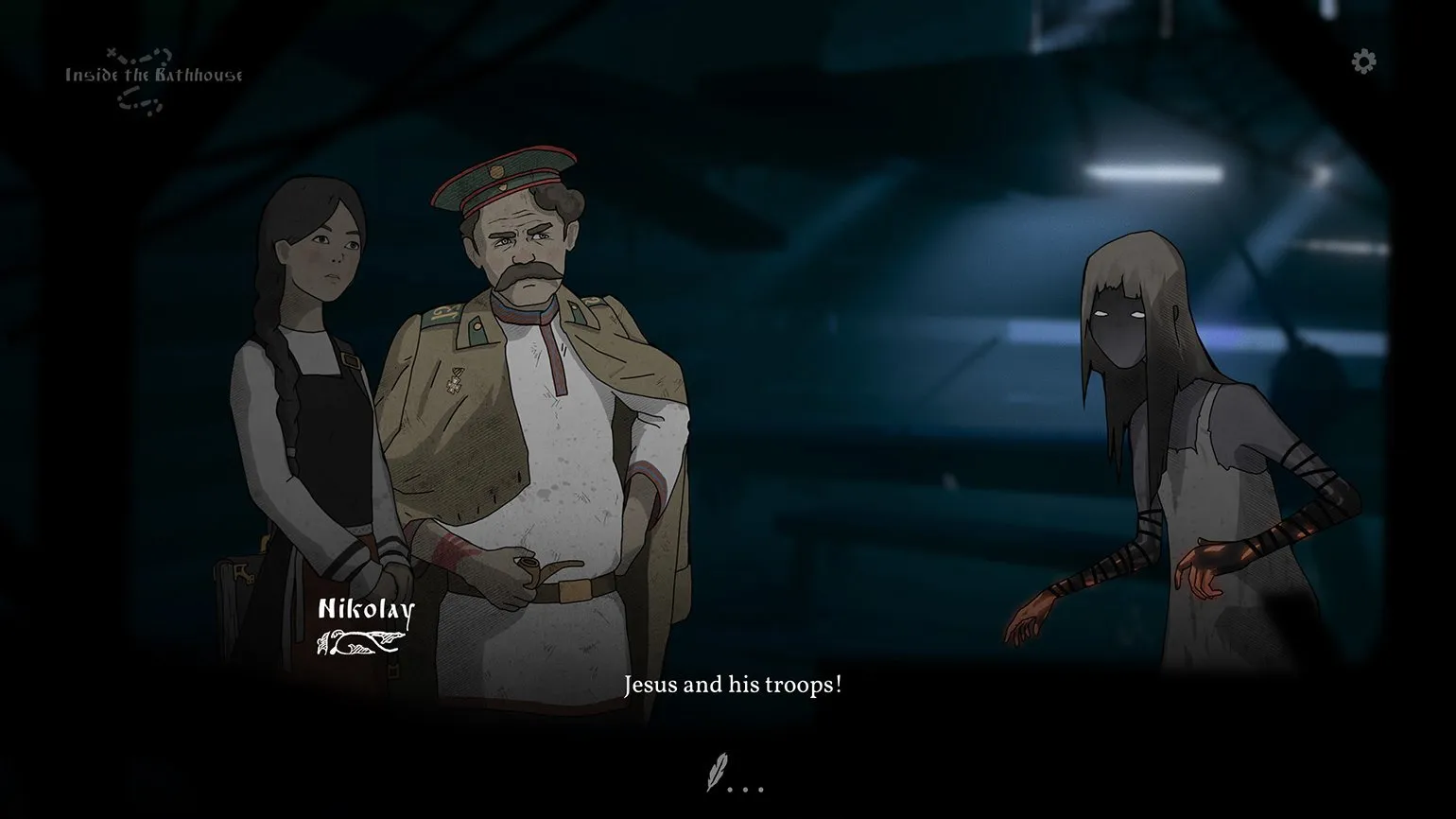
The idea of creating Black Book began to take shape several years ago. We launched the project in 2020, focusing on high-quality content and unique user solutions. Black Book was the result of an in-depth analysis of market needs and a desire to offer something new and useful.
The idea for the game arose in 2017, immediately after the release of our previous game, The Mooseman. When developing Black Book, I set myself the goal of creating a project entirely dedicated to Slavic mythology. The preparatory phase took about a year, during which my team and I worked on the first prototypes. Many ideas arose during the development process: some were rejected, while others immediately began to be implemented.
After developing a prototype that differed significantly from the final version, we began looking for a publisher.
The Black Book development team is only five people, but they created a large-scale game. Can you share how difficult it is to organize work processes in a small team?
I have worked in various roles, including programmer, scriptwriter, game designer, and development lead. My colleague Mikhail Shvachko was responsible for the project's sound design and musical score. Andrey Khudozhidkov wrote the code, Daria Salanets handled animation, and Ildar Alimov created the game's visuals, including 2D illustrations and 3D models. This teamwork allowed us to create a unique product, combining the diverse skills and talents of each team member.
We encountered no significant challenges during the game's development, as we used Unity, a powerful and user-friendly game engine. Furthermore, we had a clear, pre-defined plan that we followed throughout the project. The plot was developed in advance, and we knew exactly what would happen and when, as well as which chapters would feature mythical creatures, enemies, and key plot twists. We immediately identified the locations where the action would unfold. Each chapter was meticulously crafted, broken down into smaller elements, allowing us to formulate specific tasks for each team member. This approach ensured effective interaction and high quality of the final product.
How many times did you have to rework? How often have you encountered schedule delays?
Most of the overtime falls on my shoulders, as I am the project's mastermind and curator. Team members also occasionally work outside of normal working hours, especially when key development milestones need to be reached. Their efforts help us move forward successfully and achieve our goals.
We chose HypeTrain Digital for several reasons. First, they have proven themselves to be a reliable partner in publishing and digital content promotion. Their experience and professionalism in working with various projects inspire confidence. Second, the HypeTrain Digital team has a deep understanding of the market and current industry trends, which allows them to effectively promote projects. We are confident that their publishing responsibilities will help us achieve our goals and attract the target audience.
We learned about HypeTrain Digital even before we began searching for a publisher. This company has established itself in the indie development community thanks to successful releases. Having closely monitored the market, we noted their high professionalism and the quality of their work, which makes them a reliable partner in the gaming industry.
When searching for a publisher, it was immediately clear to our team that HypeTrain was the ideal choice. We considered several publishing companies, but HypeTrain immediately showed interest in our project. We appreciated their professionalism and approach, which made our decision obvious. We are confident that partnering with HypeTrain will open up new opportunities for the successful implementation of our project.
HypeTrain had a significant impact on the development process and continues to actively support us in the rapid release of post-release patches.
The team took into account several key factors when choosing an engine. The main criteria were performance, scalability, and support for the necessary functionality. User feedback and the developer community were also taken into account, which allowed us to evaluate stability and the availability of technical support. An important aspect was the chosen engine's compliance with modern security standards and updates, which guarantees reliability and data protection.
The choice of the Unity game engine for creating Morteshka was dictated by my five years of experience as an engineer, during which I actively used this engine. I have a deep knowledge of Unity, which allows me to effectively implement ideas. Previously, I worked at Alternativa Games, where I participated in the development of the online project Tanki X, which, unfortunately, was closed in 2019. My experience developing in Unity and participating in large projects allows me to confidently move forward in creating unique gaming experiences at Morteshka.
During those years, I developed our previous project, The Mooseman, on the Unity platform. This game project was created entirely in my free time.
The game features a complex, branching narrative, including a central story arc and numerous side quests. All plot elements harmoniously connect the mysterious Slavic myths of Perm, Cherdyn, and Pokcha with deep drama. The game also offers variety in gameplay mechanics and situations that arise during the gameplay. How much time was spent developing the narrative and creating plot forks?
The plot was developed gradually. During the pre-production stage, a story plan was drawn up, key characters were developed, and the final resolution of the plot was determined.
During the development stage, I carefully worked out each chapter, devoting one to two weeks to it. In the end, it took me about two months to create the entire story, plus another month to develop the narrative framework. So, the entire plot took me about three months, not including the numerous adjustments and revisions. Also, a significant amount of time was spent editing and proofreading the text.
More than a month has passed since the release of Black Book. Can you share information about whether the game has broken even and what the current circulation figure is?
The Black Book has currently sold over 100,000 copies worldwide. It's too early to assess breakeven or profitability. We plan to conduct an analysis with the publisher soon, which will allow us to understand the book's financial return.
Overall, I believe the release of our game was a success. Many original projects often go unnoticed and get lost among more popular games. However, our release was a success, largely thanks to strong support from media platforms. We were able to draw attention to our project and create a positive image, which is important for the game's further development.
When developing Black Book, you immersed yourself in Slavic mythology. Who supported you in this process? Did scientists, museum workers, or archival staff participate?
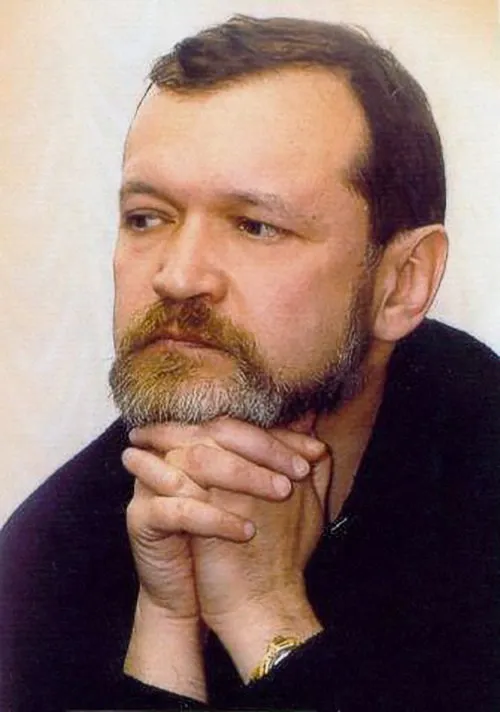
We conducted extensive research, examining numerous sources, including specialized literature. We received active assistance from scholars throughout this process. One of the key experts was the renowned Perm folklorist Konstantin Eduardovich Shumov, who prepared a comprehensive encyclopedia for the Black Book project, containing byliks (true tales) that players can collect during the game. Konstantin Eduardovich also provided us with consulting services during the plot development stage, for which we express our sincere gratitude.
We received valuable advice from the renowned ethnographer Alexander Vasilyevich Chernykh. We spent significant time in the archives of the Perm Museum of Local History, where the staff provided us with invaluable assistance, for which we are sincerely grateful. Another important stage of our work was our collaboration with the Khokhlovka Architectural and Ethnographic Museum, where we were able to film a video for the Kickstarter campaign.
We consulted with various specialists, and, fortunately, all the experts supported us.
Before starting work on the Black Book project, did you have an interest in Slavic folklore and mythology?
Slavic mythology has always been a subject of deep fascination for me. Since childhood, I have eagerly studied Permian and Slavic bylichki, tales, and various folklore stories about evil spirits. I have always felt that in the modern media space there are not enough works devoted to this topic. After Gogol, who touched upon Slavic folklore, many authors moved away from its study, leaving this rich heritage in the shadows. Slavic mythology and its images deserve wider coverage and research, as they represent not only interesting stories but also deep cultural roots that shaped the worldview of an entire people.
I was inspired to discuss Slavic mythology after researching the animal art style in The Mooseman. Perm is renowned for its folklorists, and our region boasts a unique blend of diverse beliefs. This makes the topic of Slavic mythology particularly relevant and interesting to explore. The diversity of mythological characters and stories, combined with local traditions, creates a rich cultural palette worth exploring and promoting.
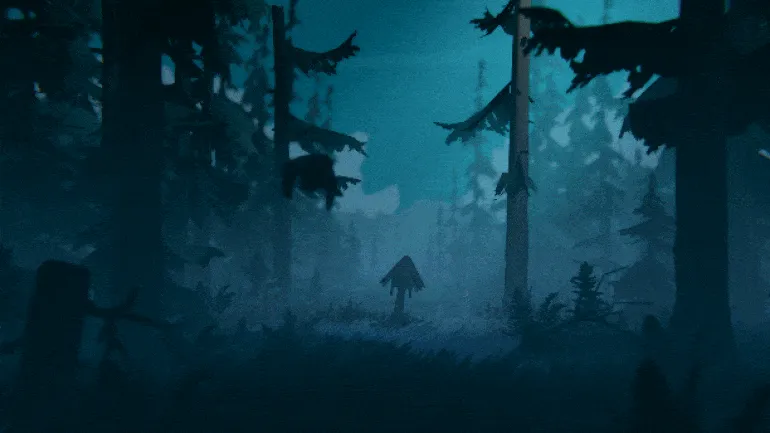
The game's locations are highly realistic and were designed with real-world locations in mind. We meticulously researched various geographic regions and architectural styles to create atmospheric and believable spaces. Each location in the game recreates a unique atmosphere, allowing players to immerse themselves in a world inspired by real landscapes and cities. Using modern technology, we strived to convey not only visual details but also atmospheric sound, making the gameplay more engaging and immersive.
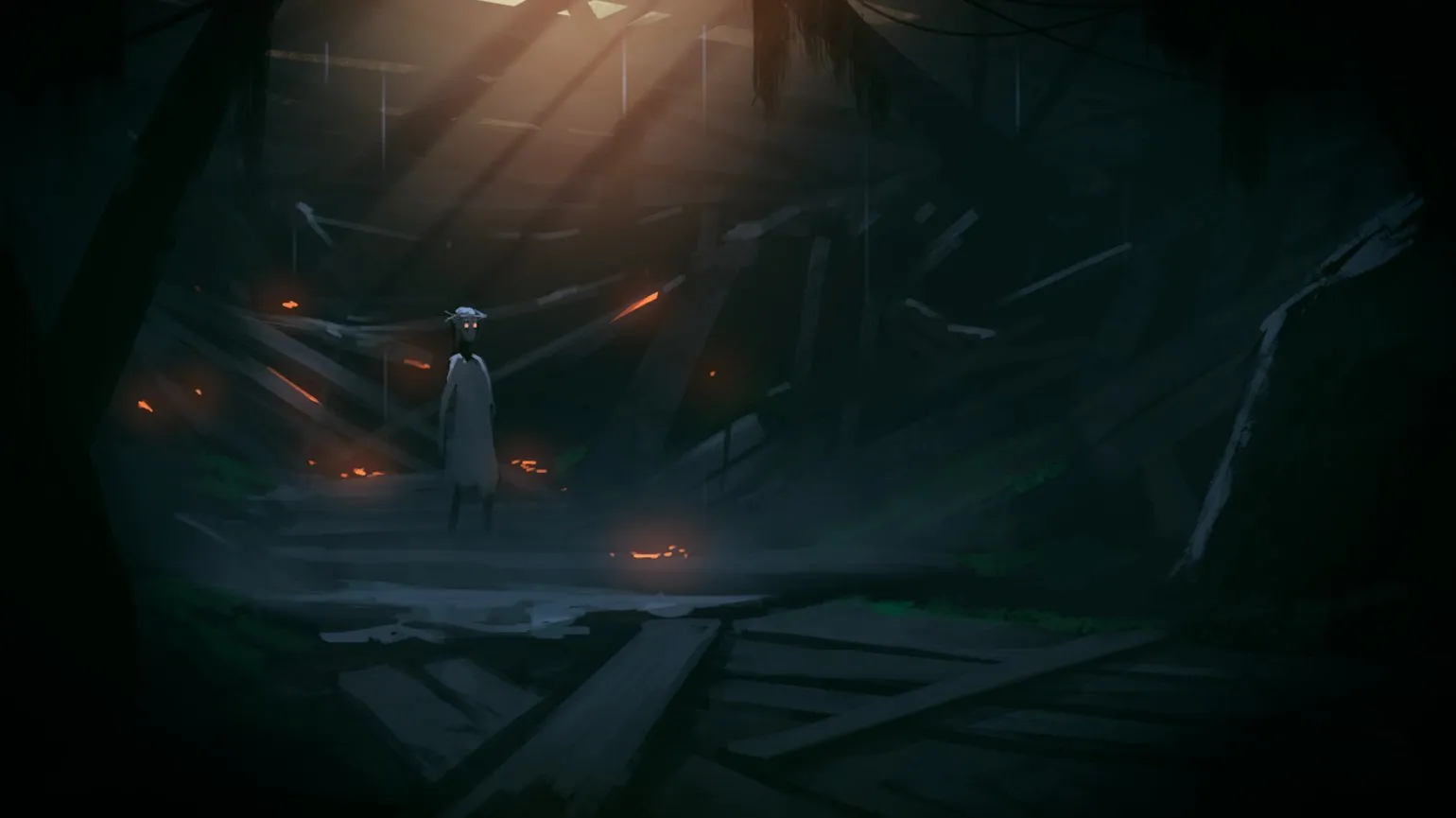
We drew on a variety of sources of inspiration to create our project. During our work, we collected references and analyzed real, significant locations in the region. In particular, we focused on the abandoned churches in Cherdyn. Our goal was to create an interesting interpretation of their significant sites for residents of the region.
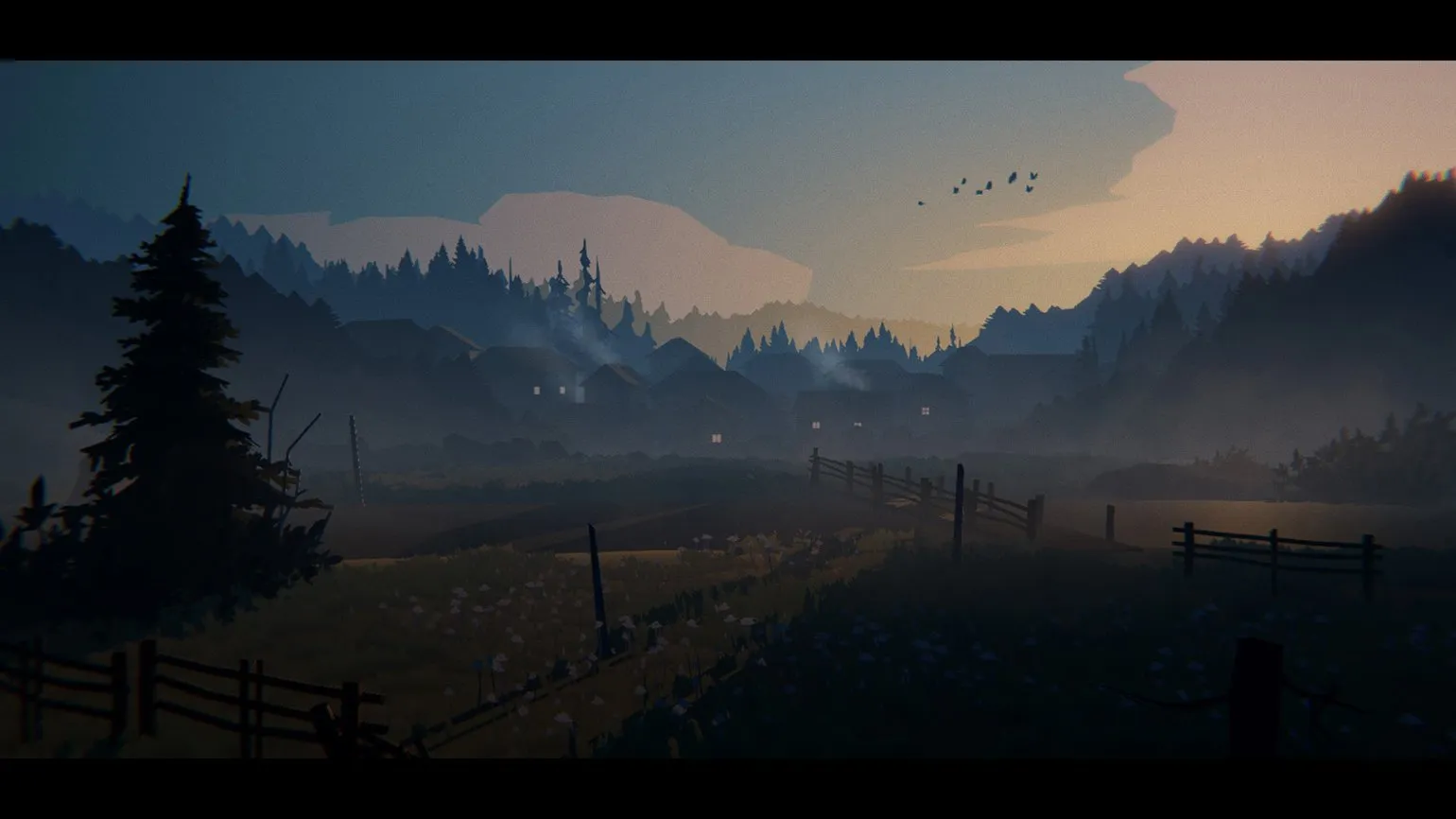
The game Black Book uses real locations, such as Vilgort and Cherdyn. The events take place in these locations. When creating the levels, we studied old photographs of these places taken by Sergei Mikhailovich Prokudin-Gorsky in the early 20th century during his travels through the Perm region. Color photographs preserved in the US Library of Congress have become a valuable source of information and inspiration for us.
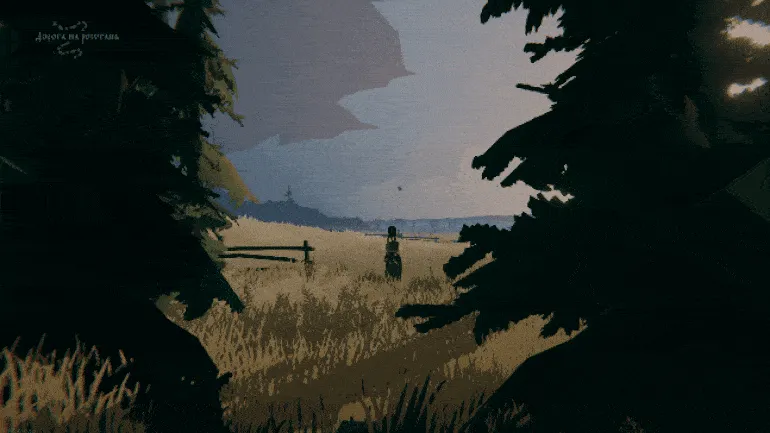
The game was warmly received in Perm. Local players and critics noted the high quality of the graphics and fascinating storyline. User reviews highlight the engaging gameplay and original mechanics, making the game appealing to a wide audience. Furthermore, in Perm, there is active discussion about participating in future tournaments and events related to this game. This demonstrates growing interest in the gaming community in the region.
Numerous local newspapers and magazines have written about Black Book. The local press gave the game a positive reception, noting its uniqueness and quality.
The Russian Ministry of Foreign Affairs unexpectedly supported Black Book by publishing a separate post about our project on Twitter. This support was pleasant news for me and a confirmation of the importance of our work.
The game received mixed reviews in the West. Some critics noted the high-quality graphics and engaging gameplay, while others pointed out shortcomings in the storyline and mechanics. Overall, the project generated interest among players, which was reflected in sales and active discussion in gaming communities. The game's success in the Western market can be attributed to its innovative elements and attractive design, which makes it competitive among similar products.
Rock, Paper, Shotgun was one of the first foreign sources to write about our game. The review was overwhelmingly positive. Black Book was also noted by other well-known foreign publications and magazines. On Metacritic, the game received an average critic score of 75 out of 100 and a user rating of 8.7 out of 10. This confirms the high quality of the project and the interest of players in it.
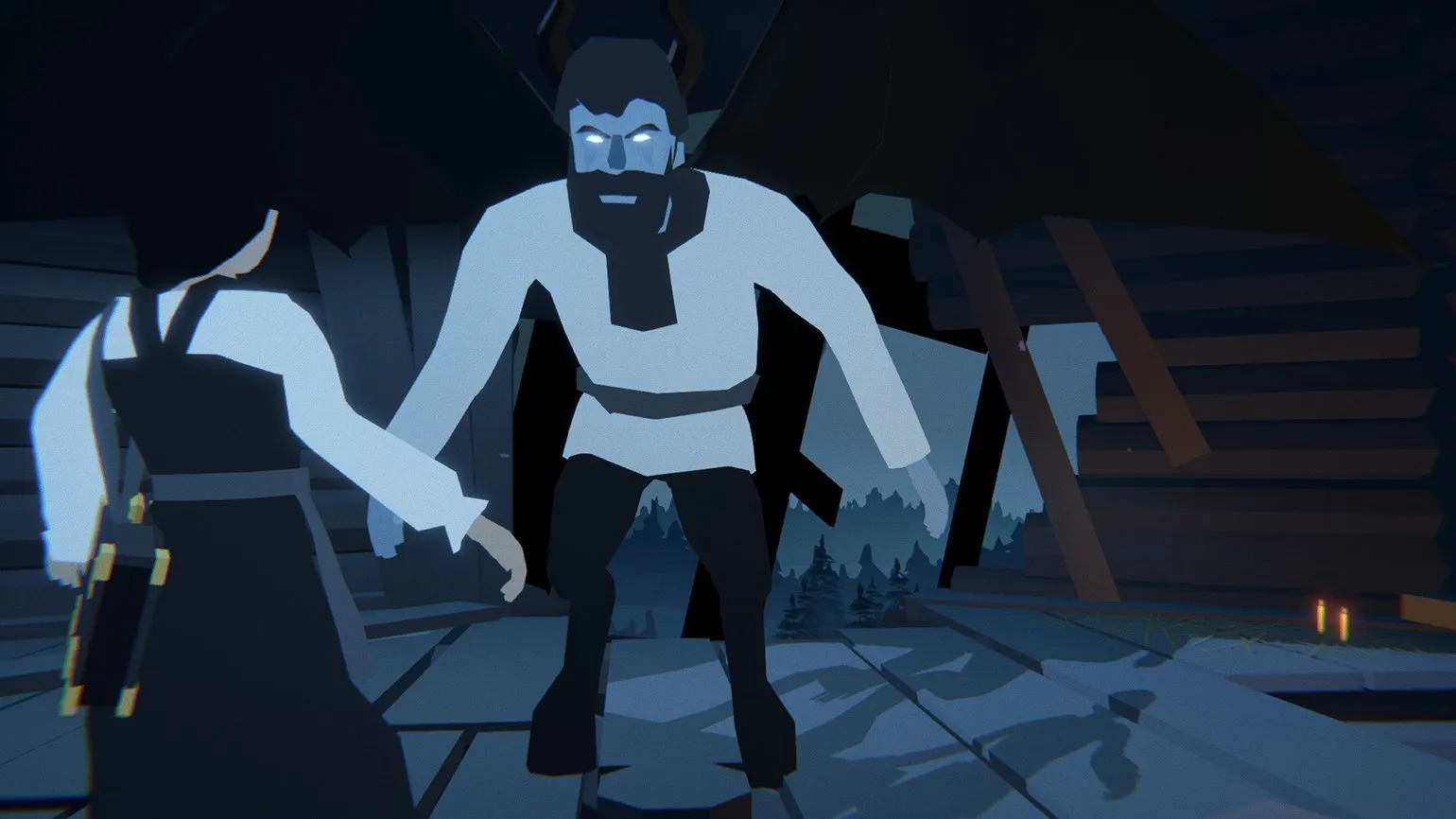
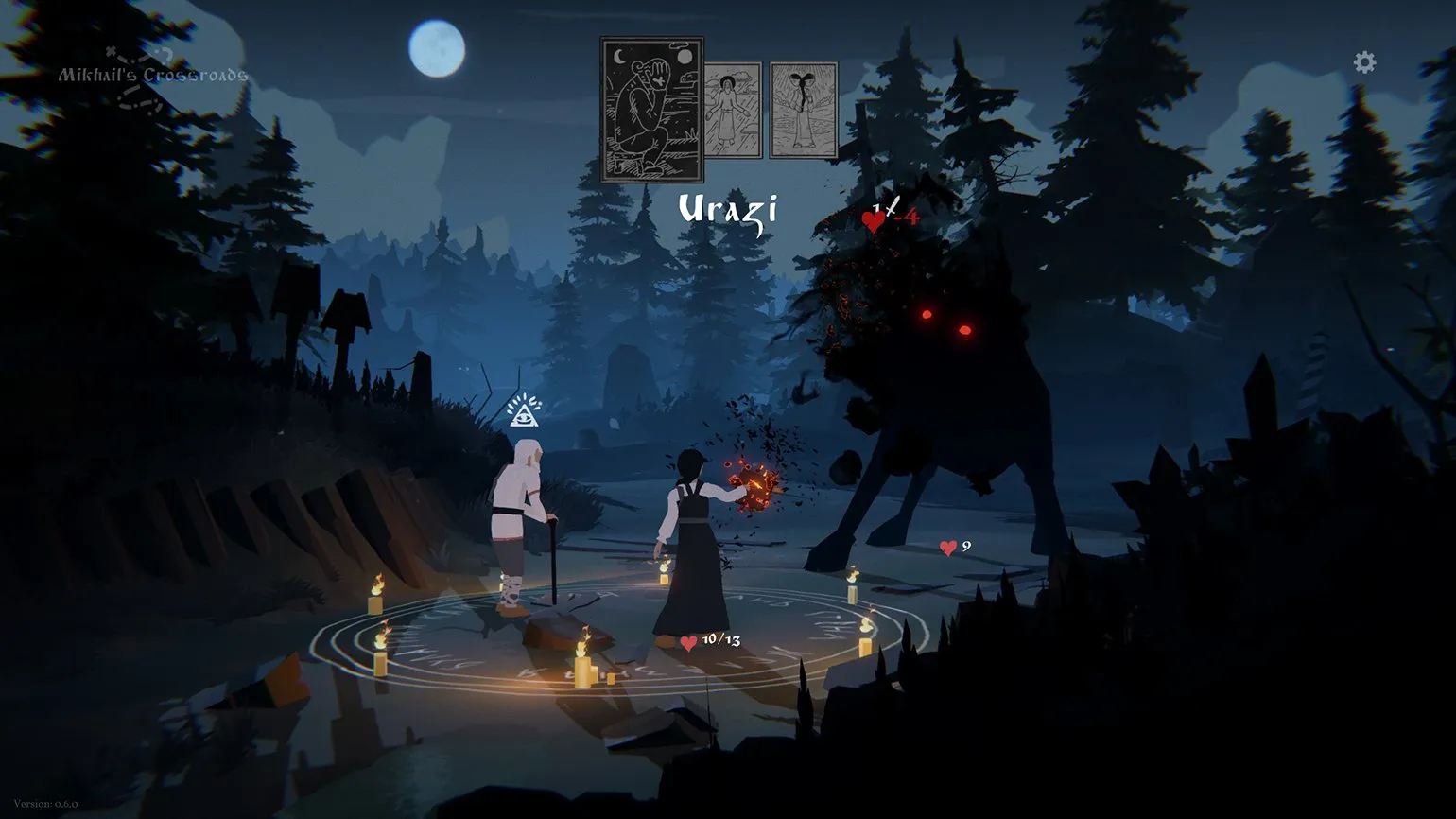
The complex combat system in Black Book was inspired by many sources. Dark and light maps, artifacts, and other elements were carefully crafted to provide players with a unique experience. We drew ideas from classic role-playing games and card strategies, and also considered the influence of folklore and mythology. Our goal was to create a deeply integrated combat system where every card has its own meaning and can affect the outcome of the battle. We aimed to allow players to experiment with different combinations and strategies, which gives the game added value and replayability.
We initially planned to develop a game with a tactical combat system inspired by the mechanics of Dungeons & Dragons, and created several prototypes. However, during the development process, we came to the conclusion that in the context of a narrative centered on a single hero, using card-based combat was a more suitable solution. This allows for a deeper exploration of the hero's character and makes the gameplay more engaging and strategic.
We studied popular roguelikes on Steam and chose Slay the Spire as a starting point. Instead of copying its mechanics, we decided to integrate the narrative into the combat system. We replaced mana with word slots, allowing players to create plots during battles. Each word will interconnect with the others, adding depth and strategy to the gameplay.
The combat mechanics in Black Book are organically tied to the game's narrative. Initially, I aimed to allow players to form conspiracies during battles, which became the basis for the card-based combat system. This approach not only enhances storytelling but also makes each battle unique, allowing players to make strategic decisions based on the unfolding story. Thus, the card mechanics serve not only as a tool for battles, but also as an important element of the narrative, which makes the gameplay more engaging and deep.
The game features enchanting choral music, which creates a unique atmosphere and Enhances immersion in the gameplay. The musical compositions harmoniously complement the storyline and help players better feel the characters' emotions. Choral elements give the game a special depth and scale, making it even more captivating.
The music for the game was created by Mikhail Shvachko, who also designed the entire sound design. During the development of The Mooseman, he demonstrated his ability to create memorable musical compositions.
The choral music in the Black Book project was created with the support of the Perm Regional College of Arts and Culture. The college choir recorded a significant portion of the tracks, which added uniqueness and depth to the sound. Additionally, some songs were recorded by folklorists in locations related to the plot, such as Cherdyn and Vilgort. These elements emphasize the cultural heritage of the region and enhance the atmosphere of the work.
Slavic themes are currently generating significant interest and discussion. Many are exploring the rich heritage of Slavic myths and legends, which indicates a growing trend. This could be both a peak in popularity and the beginning of a new phase in the development of interest in Slavic culture. Slavic myths and folklore are becoming an important part of modern cultural trends, inspiring artists, writers, and filmmakers. A deeper study of Slavic mythology can open new horizons for creativity and self-expression, making this trend relevant and promising. Slavic themes in the gaming industry depend on the willingness of modern developers to delve into the mythology and history of the Slavic peoples. Until recently, this topic remained on the periphery. I conducted a study examining games in which Slavic mythology is either central or present in the plot. The results showed that in the entire history of the gaming industry, only just over a hundred such projects have been released. This indicates that the potential of Slavic themes in games has not yet been fully realized.
The future of Slavic mythology in video games remains uncertain, but there is hope for an increase in such projects. This applies not only to Russian fairy tales and beliefs but also to the myths of other peoples. During the development of Morteshka, I strived to create games with unique and distinctive worlds, emphasizing the importance of leveraging cultural heritage in the gaming industry. The integration of mythological elements can significantly enrich and diversify the gaming experience, bringing depth and atmosphere rooted in the richness of folk traditions.
We strive for players to become more educated as they immerse themselves in our games. For example, Slavic mythology is often presented inaccurately in school curricula, and few are familiar with its true form, especially in the context of the 19th century. In Black Book, we included a comprehensive encyclopedia that offers a more accurate and authentic understanding of Russian mythology and folklore. This allows players to not only enjoy the gameplay, but also deepen their knowledge of cultural roots and traditions.
In the 1990s, many of us witnessed the massive spread of piracy, which had a significant impact on The entertainment industry. Today, from the other side of the spectrum, I believe a comprehensive approach is needed to combat piracy. First, it's crucial to improve the availability of legal content. The easier and cheaper it is to access products, the fewer people will turn to pirated sources. Second, it's essential to raise user awareness of the negative consequences of piracy, both for content creators and consumers. Technological solutions, such as digital protection systems and pirated content blocking, also play a vital role. The combined efforts of copyright holders, platforms, and government agencies can significantly reduce piracy and create a more sustainable ecosystem for all market participants.
It's difficult to determine what exactly motivates pirates to pay for content. However, a positive trend is emerging thanks to the rapid growth of streaming services and convenient digital stores like Steam. Piracy is also significantly declining with the advent of subscription services like Game Pass, which are shrinking the market for illegal content. These changes contribute to the legality of digital product consumption and improved conditions for developers.
Growing up in the 1990s, the concepts of licensed and pirated products were unfamiliar to us. We simply bought what the market offered. Given the low income levels of the population in our regions, pirated products were affordable, although not always. This period was a time when the quality and legality of goods faded into the background, and availability and price became the main selection criteria.
You mentioned Game Pass. If you were offered favorable conditions for placing your games on this service, would you accept it?
Game Pass truly has significant potential. This subscription gives users access to an extensive library of games across various genres, making it attractive to a wide audience of gamers. The ability to play new releases at no additional cost, as well as access to classic games, significantly increases interest in this platform. In addition, Game Pass is constantly updated, allowing players to always stay up to date with the latest releases and trends in the gaming industry. This makes Game Pass not only beneficial but also a convenient solution for anyone who values a high-quality gaming experience.
We are considering the possibility of creating large-scale story expansions for Black Book. Our team is constantly working to improve the gaming experience and expand the world, which includes the possibility of introducing new storylines and characters. We strive to offer players deep and engaging content that will complement and enrich the core game. Stay tuned for updates to stay up-to-date on announcements of new expansions and interesting events in the world of Black Book.
At the moment, we are not considering the possibility of continuing the current project. We believe it would be more effective to focus our efforts on creating an entirely new game that can offer a unique gaming experience and attract the attention of the audience.
The game has a dark and atmospheric setting, which is perfectly suited for adaptation into film, comics, and other media formats. Are you considering expanding the franchise beyond the gaming industry?
That's an interesting idea. My team and I have also thought about similar concepts. However, it is too early for a detailed discussion at this time.
Beginning game developers are advised to focus on several key aspects. First, it is important to learn the basics of programming and game engines such as Unity or Unreal Engine. These platforms provide powerful tools for creating games and allow you to quickly implement ideas. Secondly, it's worth paying attention to design and user experience, as this directly impacts player engagement. Developing prototypes and testing gameplay will help you identify the strengths and weaknesses of your project. Also, don't forget about the developer community: participating in forums and events can bring useful connections and new ideas. Finally, don't be afraid to experiment and learn from your mistakes. Every mistake is a step towards success in the game development industry.
It's recommended to continue doing what you truly enjoy. With experience comes a deeper understanding of the fundamentals of development. The more you practice, the more effectively you develop your skills and improve your mastery.
Black Book is a significant project, but its creation was the culmination of a long process involving numerous experiments and mistakes. Before beginning the development of Black Book, each member of the team worked on a number of smaller, less visible game projects. This experience became the foundation for the creation of the unique and memorable game world of Black Book.
I don't recommend giving up paid work to start your own studio, as it can be risky. Personally, I worked on The Mooseman in my spare time, alongside my main job. Once the game started generating income, I was able to fully focus on creating my own games. This approach helps minimize risks and ensures stability at the initial stage.
Game designer profession from scratch to PRO
A game designer creates the structure of a game. They think through the idea, rules, gameplay, and decide what emotions the plot will evoke in players. You'll master game design principles from scratch and learn how to work with popular engines like Unity and Unreal Engine. You'll learn how to retain player interest and monetize your games. And we will help you start a career in the gaming industry.
Find out more