
Who are you in the world of game development? Find out in our free course ➞ You will try out three professions in practice: game designer, 2D artist, and Unity developer. Create your first Mario-style game. Click here for details.
Learn moreDeathmatch is a popular multiplayer game mode in which two players or teams battle it out on a map, aiming to eliminate opponents. The goal is to score more points by eliminating opponents or to survive until the match timer runs out. This mode provides dynamic gameplay and requires players to use quick reactions and strategic thinking. Deathmatch is often used in various game genres, including first-person shooters and action games, and attracts the attention of both novice and experienced gamers.
First introduced in DOOM in 1993, the mode has become a fundamental element of online shooters. Since then, it has found its place in most games in the genre, from classics like Quake to modern titans like Call of Duty and Battlefield. This mode continues to inspire developers and players alike, remaining a vital part of the gaming experience.
We examine how this situation came to be and why, nearly thirty years later, this mode still captivates players.
The Birth of a Phenomenon
The "DOOM Bible," developed by id Software co-founder Tom Hall in the early days of the game, made a bold claim. This document became fundamental in shaping the concept of one of the most influential first-person shooters, laying out the key ideas and principles that formed the foundation of a unique gaming experience. The "DOOM Bible" not only defined the game's visual style and mechanics, but also had a significant impact on the development of the entire video game industry, setting new standards for graphics, sound, and gameplay.
In 1993, we strive to be the leader in reducing productivity in businesses worldwide. Our goal is to become a key factor influencing business performance and help companies optimize their processes and resources. We are confident that our solutions will bring significant changes to the way organizations manage their performance globally.
"The DOOM Bible" is an iconic book, released in 1993, that has become an essential source of information about the famous video game DOOM. This guide covers all aspects of the game, including its development, gameplay mechanics, and tips for completing it. It details levels, enemies, weapons, and secrets, making it an indispensable tool for players striving to succeed in DOOM. The book also includes interviews with the developers and an analysis of the game's impact on the video game industry as a whole. "The DOOM Bible" remains a relevant and important document for fans and video game historians, highlighting the legacy of DOOM as one of the first first-person shooters.
Tom Hall will soon be cutting ties with the rest of the team and leaving the company. As a result, DOOM, previously distinguished by a complex storyline, is transformed into a dynamic linear shooter. However, the ambitious and daring ideas of the developers will remain unchanged. Interestingly, id Software pinned its main hopes on the single-player campaign and cooperative mode, and the deathmatch mode was added solely because of the team's love of the game in the office. Level designer Sandy Peterson noted that in the early 1990s, successful multiplayer games were rare, and therefore the popularity of Deathmatch was not expected. Nevertheless, this mode became an important part of the game and marked the beginning of a new direction in gaming, which continues to develop to this day. The deathmatch format is not an invention of the creators of DOOM. It was developed two decades before the release of this game by Steve Collee, Greg Thompson, and Howard Palmer. This style of gameplay had a significant influence on the development of the genre and laid the foundation for many subsequent projects in the video game industry.
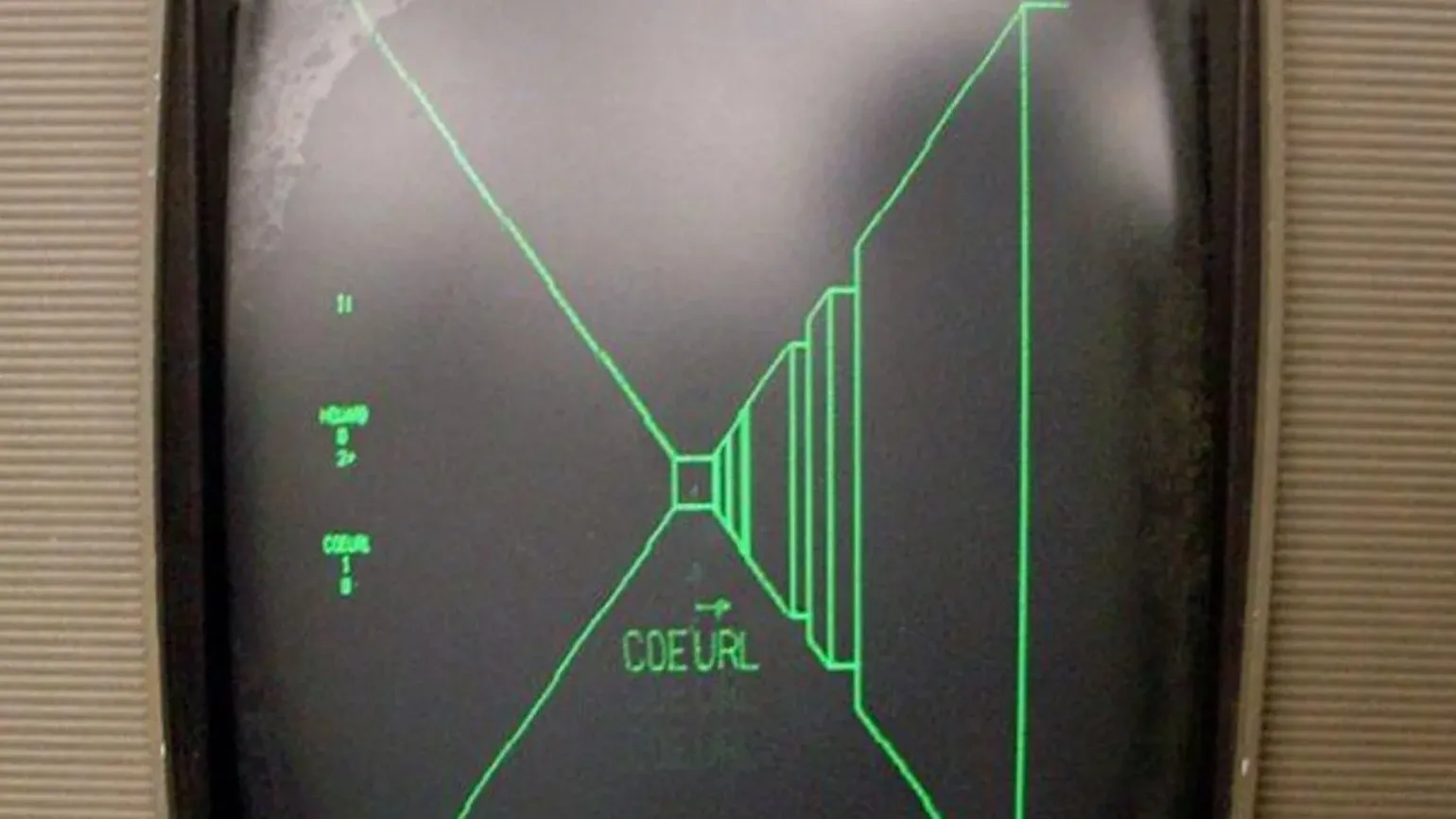
In 1973, programmers developed Maze War, which ran on Imlac PDS-1 computers at NASA's Ames Research Center in California. This shooter game allowed multiple players to explore a maze and try to eliminate each other. Points were awarded for each successful kill, and death resulted in a loss of balance. Maze War is considered one of the first multiplayer games and played a significant role in the development of video games, laying the foundation for future shooters.
While not comparable to modern shooters, Maze War played a key role in the development of the genre. In it, players were only able to turn 90 degrees and move along a grid. Nevertheless, Maze War pioneered the concept of "deathmatch" and became the basis for all subsequent first-person shooters. This game project demonstrated how to create engaging and competitive gameplay, which subsequently inspired developers to create more complex and dynamic games in this genre.
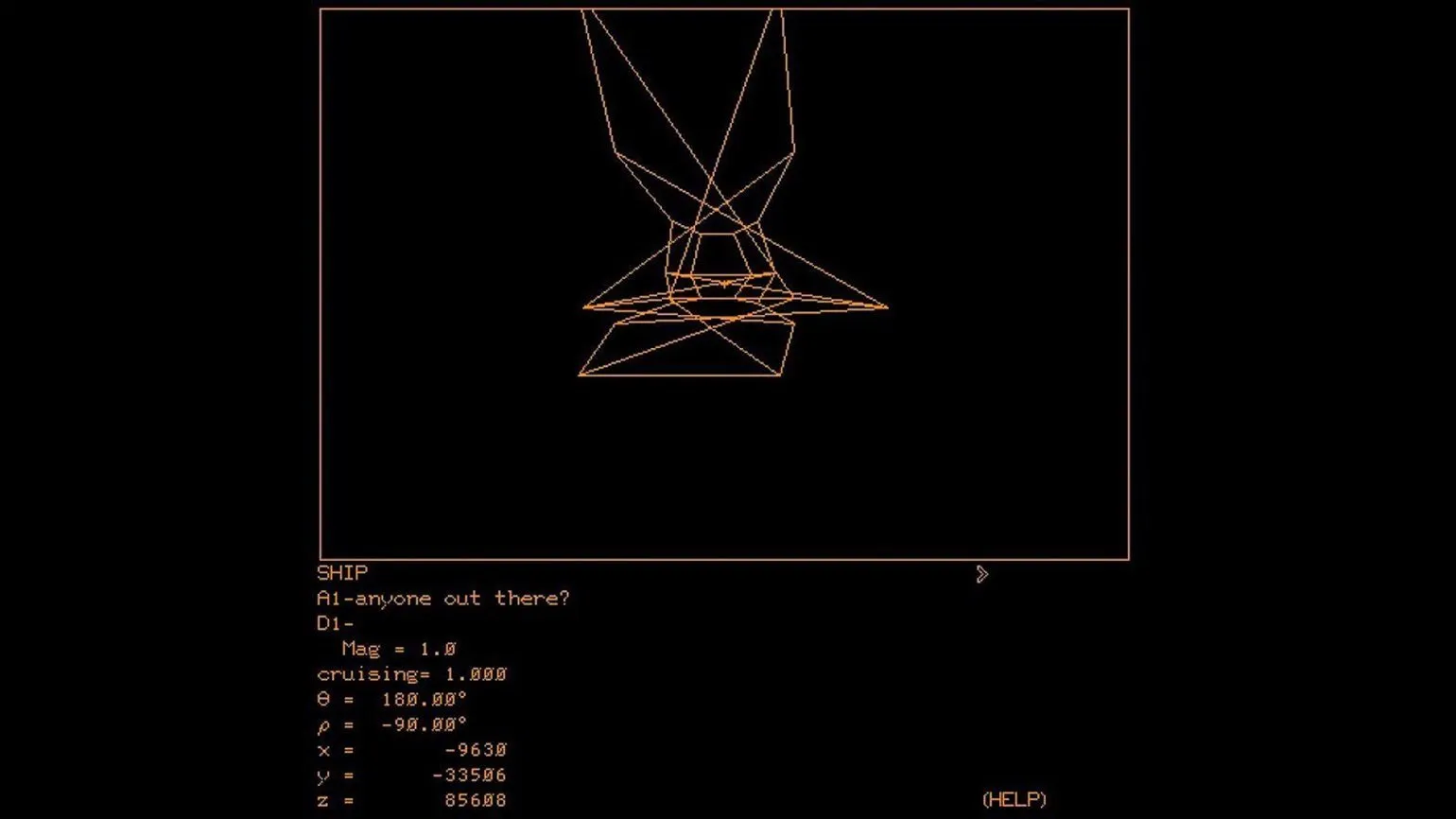
In 1974, the work of Colley, Thompson, and Palmer was continued by the Spasim project, short for Space Simulator. This innovative game was created for the PLATO educational electronic system and allowed players to pilot spaceships. Unlike its predecessors, Spasim offered 3D graphics, which significantly improved the perception of the game world and immersion.
Game designer Dan Pinchbeck, in his book "DOOM: How Demon Battles Forged a New Genre," notes that the term "deathmatch" first appeared in 1982 in the context of the game Triple Action Biplanes. This statement underscores the importance of historical context in the development of video games and the action genre. The introduction of new terms and concepts like "deathmatch" was a key moment in the evolution of game mechanics and the formation of modern standards in game design.
MIDI Maze, released in 1987 for the Atari ST, was a true revolution in multiplayer gaming. In this game, players control Pac-Man-like characters and explore mazes. One of the key advantages of MIDI Maze was that it supported sixteen-player matches over a local network, which was unusual at the time. This innovation made the game popular among Atari ST users and opened up new horizons for multiplayer gameplay.
The popularity of the deathmatch mode began with the release of the first DOOM game in October 1993. This game offered two variations of the mode: four-player matches over a local network and two-player duels over the internet. The scale of previous games was incomparable to what DOOM offered. The game stood out for its difficulty and fast-paced gameplay, making it a cult classic and laying the foundation for future multiplayer shooters.
Id Software's game stands out for its high difficulty thanks to a variety of unique elements never seen before in multiplayer. It features such nuances as ammo counters, power-ups placed throughout the maps, exploding barrels, acid lakes, rising platforms, and lowering ceilings. These features make the gameplay more dynamic and engaging, adding strategic depth and encouraging players to actively interact with the environment.
Patch 1.2, released in February 1994, significantly sped up DOOM's multiplayer by introducing Deathmatch 2.0. In the original version, power-ups and weapons on maps only spawned once and could not be picked up again. However, in the new version, items began respawning after a short period of time, usually around 30 seconds. This update made the gameplay more dynamic and varied, introducing new strategic elements to multiplayer battles.
Game designer John Romero identifies two key factors that contributed to the strategic and psychological depth of DOOM's multiplayer. These aspects not only enrich the gameplay, but also make it more engaging and multifaceted for players. Strategic thinking and psychological elements of interaction between players allow each participant to make conscious decisions, which in turn enhances the competitive atmosphere and increases the level of engagement in the game.
In the past, deathmatches lacked situations that required a deep understanding of the enemy's psychology or the development of a strategy aimed at identifying their behavioral patterns. This knowledge was useful only for forcing the enemy to fail or predicting their next move. Understanding the psychology and strategy of combat is key in modern conflict, where success depends not only on physical strength but also on the ability to analyze the enemy's movements.
In his 2011 book, DOOM: How Demons Forged a Genre, John Romero explores in detail the influence of DOOM on the development of video games and the formation of the first-person shooter genre. He describes how the innovative mechanics and graphics introduced in DOOM changed the approach to gameplay and set new standards for developers. Romero shares his memories of the game's creation, its conception, and the technical achievements that laid the foundation for future projects in the industry. The book covers not only aspects of development but also the cultural significance of DOOM, its impact on gamers, and the popularization of a genre that continues to evolve today.
Pinchbeck supports the developer's opinion, linking the psychology of "deathmatch" with the concept of emergence—the ability of a game to create complex gameplay situations from a simple set of rules. For example, in DOOM, your opponent might lie in wait for you while you're trying to get your rocket launcher ammo. This strategy isn't available to Kicks or Cacodemons, the AI-powered virtual opponents. Thus, emergence in games not only enriches the gameplay but also adds an element of interactivity and strategy, significantly enhancing the overall experience.
Reaction speed loses its significance in this situation. The game resembles chess with elements of shooting, where deep knowledge of the map and the ability to anticipate the opponent's actions are key.
The depth of gameplay and the ability to play over a local network made Deathmatch popular on college campuses. However, programmer John Carmack and level designer Tim Willits emphasize that DOOM's contribution to the development of online shooters should not be overestimated. "Multiplayer turned out to be an interesting feature, but it attracted few people - it was difficult to understand the mechanics," Willits noted.
Nevertheless, the start had been given, and soon many contenders began to declare their ambitions to take the throne of the king of multiplayer shooters. With each new game, competition grew, and developers sought to offer players a unique experience, combining exciting gameplay with innovative mechanics. This led to a rapid evolution of the genre, with each new game trying to outdo the previous one, setting new standards for quality and engagement. As a result, the world of multiplayer shooters found itself on the threshold of a new era, full of opportunities and challenges.
Map Matters
Before continuing to explore the history of the genre, it is important to note one key aspect that made deathmatches so exciting. This is certainly true for maps.
In an interview with Dan Pinchbeck, Tim Willits shared his universal recipe for creating deathmatch arenas. He noted that the basis should be a spacious hub, represented by a large room with several levels. Additionally, to improve the gameplay, it is recommended to add several passages and passages outside. This simple and effective approach creates a dynamic game environment that encourages engaging battles and strategic thinking among players.
The devil is in the details, and in this context, we decided to turn to Sergey Morozov to find out what aspects should be considered when creating a deathmatch map. Properly crafting map details can significantly impact gameplay and the overall atmosphere. Key points include location selection, environmental elements, and balancing the combat space. These factors largely determine how exciting and dynamic the battle will be.
Deathmatch arena design principles play a key role in creating an engaging gaming experience. A key aspect is the balance between open spaces and cover, allowing players to exercise strategy and tactics. A vital element is also the variety of terrain, which includes both vertical and horizontal elements, contributing to dynamic gameplay.
Effective arena navigation requires a clear structure where players can easily navigate and find cover or access points. Visual cues such as contrasting colors or lighting help highlight key areas and routes, promoting more intuitive interaction.
An equally important aspect is the ability for players to use the environment to their advantage. Design elements should contribute to the creation of unexpected situations, such as ambushes or unexpected encounters. Furthermore, it is worth considering the possibility of creating different game modes in the same arena, which increases its replayability.
Overall, the design principles of deathmatch arenas should be aimed at creating an engaging and competitive environment where every player can demonstrate their skill and tactical thinking.
- Pyramid-shaped map construction: something important and interesting for the player should be in the center to attract their attention.
- Cyclical arenas and the entire level: maps are designed in such a way as to force the player to run around the battle arena. It is desirable that they have a minimum of dead ends. This creates a constant dynamic and helps opponents find each other.
- Map size is usually small and directly correlates to the number of players to maintain the intensity.
- Spatial orientation: it's important for a player to be able to orient themselves after spawning and understand where to run. Deathmatch gameplay is very chaotic, so navigation on maps should be as simple as possible.
- Visual horizon clarity: how clearly an enemy is visible against their surroundings. The sooner a player learns to "read" their opponents, the more enjoyment they will get from the game.
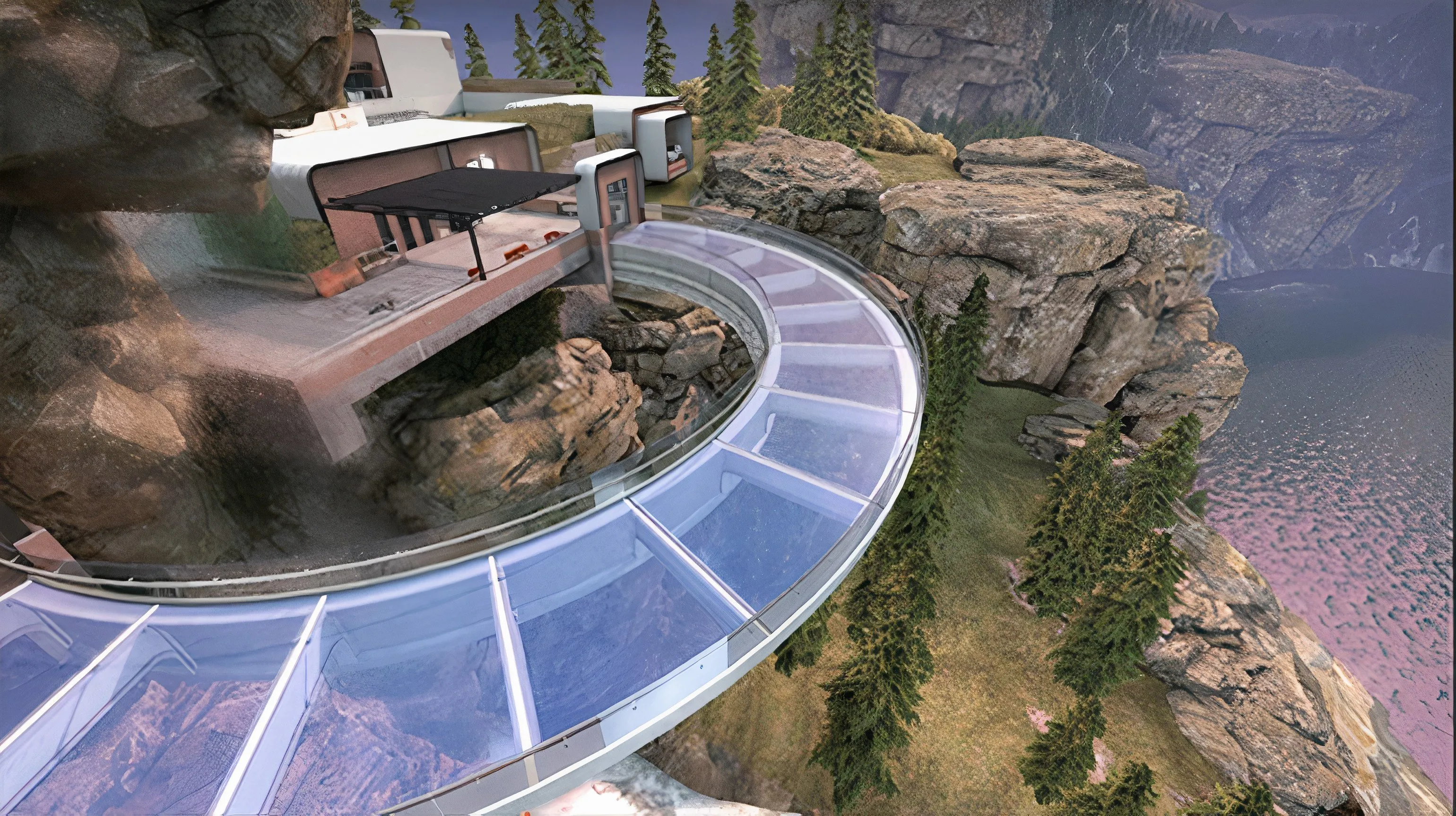
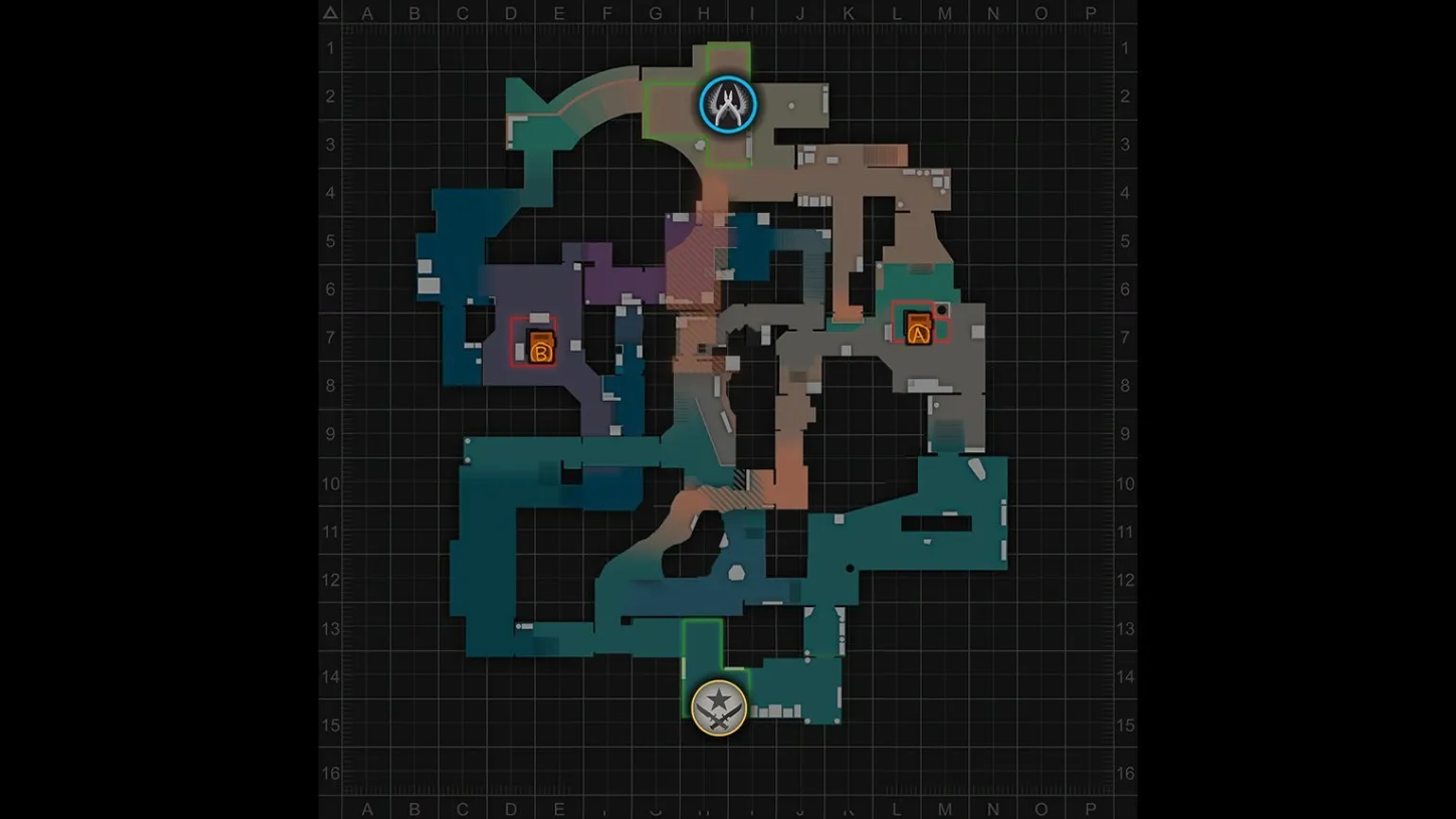
Waterfall Residence, developed by Sergey Morozov, is designed for the "Defuse" and "Deathmatch" game modes in the popular game Counter-Strike: Global Offensive. This project is available on the Steam Workshop and offers unique gameplay elements that provide an immersive gaming experience. Waterfall Residence combines thoughtful design and strategic options, allowing players to effectively use tactics in a dynamic combat environment.
In an interview with Mark Saltzman, Tim Willits emphasizes the importance of simplicity in the architecture of sports arenas. He argues that overly complex architectural solutions can negatively impact gameplay. Complex structures may look attractive, but they slow down the dynamics of the game. Willits recommends creating zones that are as simple in design as possible, which will provide a more comfortable experience for spectators and participants. Simplicity in arena architecture promotes better interaction between players and fans, creating a more effective atmosphere at events.
Deathmatch Today
In March 2020, Bethesda vice president Pete Hines announced that DOOM Eternal would not have a deathmatch mode. He emphasized that this mode has been around for a long time, but the developers don't want to add it simply for the sake of tradition or following established standards. Hines noted that the team strives to create a unique gaming experience that goes beyond familiar elements.
By the time Deathmatch became less popular in most multiplayer shooters, its retreat to the periphery of online battles seemed quite natural. This change had been brewing since the late 1990s, when players began looking for new formats and mechanics for interaction. As a result, new game modes, such as team battles and modes with strategy elements, began to attract more attention. The evolution of gaming preferences created a demand for deeper and more varied gaming experiences, which led to Deathmatch fading into the background.
The second part of the Quake game, released in 1997, introduced the "capture the flag" mode, which significantly enriched the gameplay with tactical elements. Tactics became even more important in games like Tom Clancy's Rainbow Six, released in 1998, and Counter-Strike, released in 1999. In these games, players not only fought but also completed objectives, such as defusing bombs and rescuing hostages, which required coordinated teamwork and strategic thinking. Unreal Tournament introduced the point control game mode, which was later adapted into Battlefield 1942 (2002). This project allowed players to participate in large-scale battles during World War II. Planetside (2003), meanwhile, developed the concept further, offering conflicts between hundreds of players on several continents, determining the fate of an entire planet. These games marked significant steps in the evolution of multiplayer shooters, offering players unique opportunities for teamwork and strategic interaction.
At this time, Deathmatch spawned a spin-off called Last Man Standing, which became the precursor to the battle royale genre. In this format, all players fight each other until only one survivor remains. Last Man Standing introduced an element of competition and strategic thinking, making it popular among gamers.
Compared to other modes, Deathmatch seems somewhat primitive and bland. "Deathmatch, when viewed in isolation, is a rudimentary game with basic mechanics. However, relying solely on one core mechanic to create an engaging gaming experience is impractical," emphasizes Sergey Morozov.
Classic deathmatch games can be too challenging for beginners. These games require a deep understanding of mechanics, strategy, and skill, which can be intimidating for those just getting started with the genre. New players often struggle to master the complex combinations and tactics required to succeed. Therefore, it's important to choose more accessible options that will help beginners gradually immerse themselves in the world of deathmatch and develop their skills.
If you've watched Quake matches, you've probably noticed that many of them ended in a crushing defeat. Players would often capture a level and follow a specific route, leaving the opponent no chance. This led to final scores reaching twenty-one. Quake's gameplay wasn't always friendly to beginners, making the learning process challenging for new players.
John Carmack is a renowned programmer and video game developer who has become a legend in the industry for his innovations. In an interview with the Joe Rogan Experience podcast, he shared his thoughts on technology, gaming, and the future of virtual reality. Carmack discussed his views on artificial intelligence, as well as the importance of open source technologies and their impact on the gaming industry. His thoughts on how modern games are evolving and what trends will shape their future can be useful for both developers and players. This interview is a valuable resource for anyone interested in the development of technology and its impact on entertainment.
Every year, classic multiplayer loses popularity, giving way to new formats that are rapidly capturing the attention of players. For example, Battlefield 2, released in 2005, attracted 1.2 million customers in its first month of release. In contrast, Battlefield 3, released in 2011, sold five million copies in just its first week. This clearly demonstrates how quickly player preferences change and what new formats are becoming relevant in the world of video games.
Battlefield 3 introduced a new mode, "Gun Master," in the Close Quarters expansion, in which players unlock more powerful weapons by getting kills. This version of "deathmatch" adds an element of strategy and competition to the gameplay. The classic Deathmatch mode, known since the spin-off Bad Company 2, released in 2010, remains popular among fans of the series. In these modes, players can demonstrate their skill and tactical thinking, making Battlefield 3 one of the most exciting games in the first-person shooter genre.
"Gun Master" is reminiscent of the Deathmatch mode from Counter-Strike: Global Offensive, released in 2012. In this mode, players have the opportunity to choose a weapon of their choice or receive a random one that changes every 30 seconds. This approach adds an element of surprise and strategy to the gameplay, allowing participants to adapt to different situations on the battlefield.
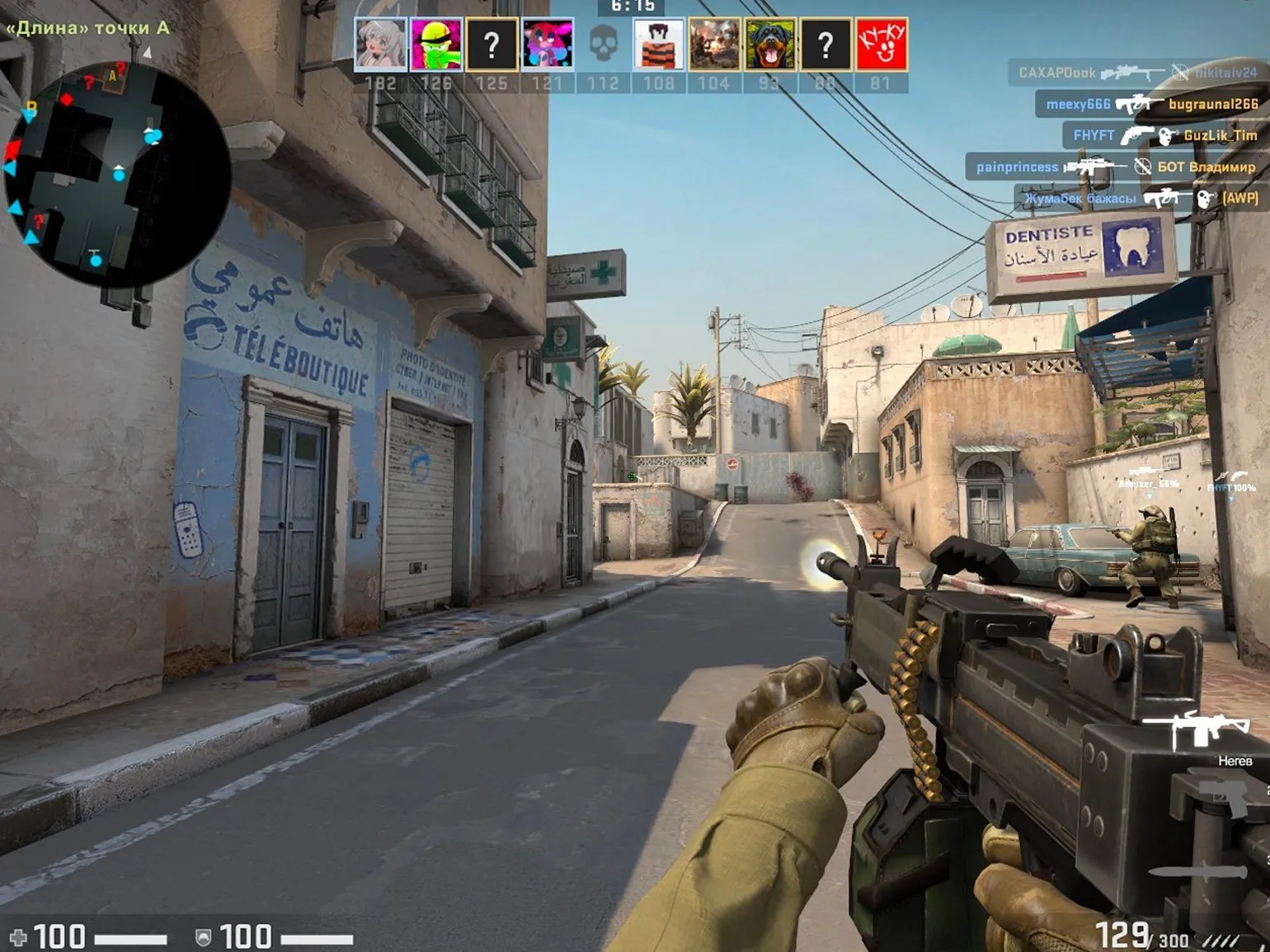
Overwatch (2016) offers a variety of deathmatch modes that attract players. In addition to the classic team option, there is a "Deathmatch" mode in which participants fight against each other, but the main focus is on a confrontation with one specific player. This mode allows you to not only develop shooting skills but also improve your tactical thinking.
Deathmatch is invariably present in every new Call of Duty installment, and the series regularly offers fresh variations of this mode. Modern Warfare 3 (2011) introduced Kill Confirmed, in which players must collect dog tags from killed opponents to confirm kills. Meanwhile, Modern Warfare 2019 introduced Gunfight, where teams of two players fight to the last one standing. These innovations enrich the gameplay and make it more engaging and dynamic for players.
Modern deathmatch formats are indeed different from the tactical complexity of Quake duels. However, according to Sergey Morozov, it is precisely their simplicity that gives the mode its remarkable longevity. The designer draws a parallel between Deathmatch and checkers, emphasizing that the ease of learning and accessibility make these games attractive to a wide audience. With players seeking accessible and understandable formats, the simplicity of modern deathmatch variations is becoming a key factor in their popularity.
It is possible to play checkers using chess pieces, but the reverse is not possible. Deathmatch, thanks to its simplicity, may attract attention, but as a standalone genre, it is unlikely to become popular.
Sergey Morozov is a level designer at Wargaming. He is responsible for creating engaging game levels that provide players with a unique experience. With his experience and deep understanding of game mechanics, Sergey develops concepts that help improve user experience. His work includes level design, game data analysis, and implementing changes based on player feedback. At Wargaming, Sergey is an active part of the team's commitment to creating high-quality content, which contributes to the successful development of the company's projects.
Mortal Kombat, like checkers, will likely remain in the shadow of larger, more popular modes, but it will certainly find a place in future multiplayer games. At the core of any shooter is the destruction of opponents. While other modes may offer more complex tactics and large-scale battles, it's hard to overstate the satisfaction of picking up a powerful weapon and delivering a headshot to an enemy. The Deathmatch mode provides exactly these opportunities, which makes it always relevant and attractive to players.
Who are you in the world of game development? A mini-course for those who want to make games.
In this free mini-course, you'll try yourself as a game designer, 2D artist, or Unity game developer and choose the profession that's right for you.
Find out more.