Learn: Game Designer Profession from Scratch to PRO
Learn MoreI've recently discussed how to effectively convey story through environments in games. However, there's an opportunity to take this approach further and use games' unique elements—mechanics and gameplay—to create a richer narrative. Player interaction with game mechanics can not only enrich the story but also deepen the emotional connection with the characters and the game world. Properly integrated game mechanics can reveal plot twists and deepen understanding of character motivations, making the gameplay more engaging and memorable. Thus, the combination of narrative and gameplay elements opens new horizons for developers and allows for the creation of truly unique game stories.
In this article, we explore how various video games convey ideas and concepts through their gameplay. We will analyze how game mechanics, visual elements, and player interactions contribute to the conveyance of storytelling and emotion. Games can leverage their unique capabilities to create engaging experiences that allow players not only to be entertained but also to immerse themselves in worlds imbued with meaning and significance. Understanding how gameplay elements impact the narrative and overall feel of a game is crucial for developers and players alike.
Character Development
Character development in an RPG is one of the core elements that makes the game engaging and exciting. As your hero develops, they become stronger and gain new abilities. This allows the player to more effectively deal with enemies, improve their trading skills, and find hidden items. Gameplay becomes more dynamic and engaging, as each new skill opens up additional opportunities for exploring and interacting with the game world. Progression not only increases character power but also enriches the gaming experience, allowing players to enjoy the process of developing and reaching new heights.
Different games approach character development significantly. In the first Witcher, the protagonist Geralt suffers from amnesia, which results in the loss of most of his skills. However, as the game progresses, he gradually regains his abilities and, by the end, becomes a deadly killing machine. This contrast in character development emphasizes the dynamic nature of the gameplay and allows the player to feel a sense of progress, making the story more engaging.
In the second game, the character begins with underdeveloped skills, and legendary equipment mysteriously disappears. A similar situation occurs in the third game: if the player hasn't paid enough attention to leveling up, the Butcher of Blaviken can be killed by a common guard. These elements emphasize the importance of character development and a strategic approach to the game, which can significantly impact the outcome of battles and the overall dynamics of the gameplay.
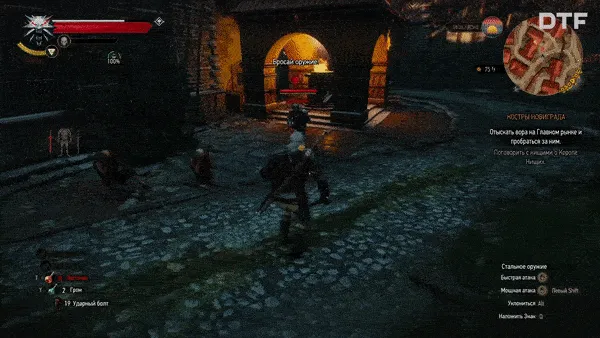
In this case, character development is a characteristic feature of the genre, and only in the first part is it justified in the plot.
An example is the games Star Wars: Knights of the Old Republic 1 and 2. In these games, you assume the role of various characters, each facing memory loss and the loss of their abilities. This narrative trope is becoming a common theme in video games, highlighting an interest in themes of identity and self-discovery.
In The Witcher, the choice of abilities determines the playstyle, allowing players to focus on swordplay, magic, or alchemy. In contrast, in Knights of the Old Republic, character development is determined by the player's moral decisions. Your actions and choices influence your progression, shaping a unique experience and interaction with the game world. This creates a deep connection between morality and gameplay, making each playthrough unique and unrepeatable.
If you favor the light side, healing and stunning are optimal choices, as these abilities help you conserve Force. In case you gravitate towards the dark side, it is recommended to use lightning and life drain to make the most of your abilities.
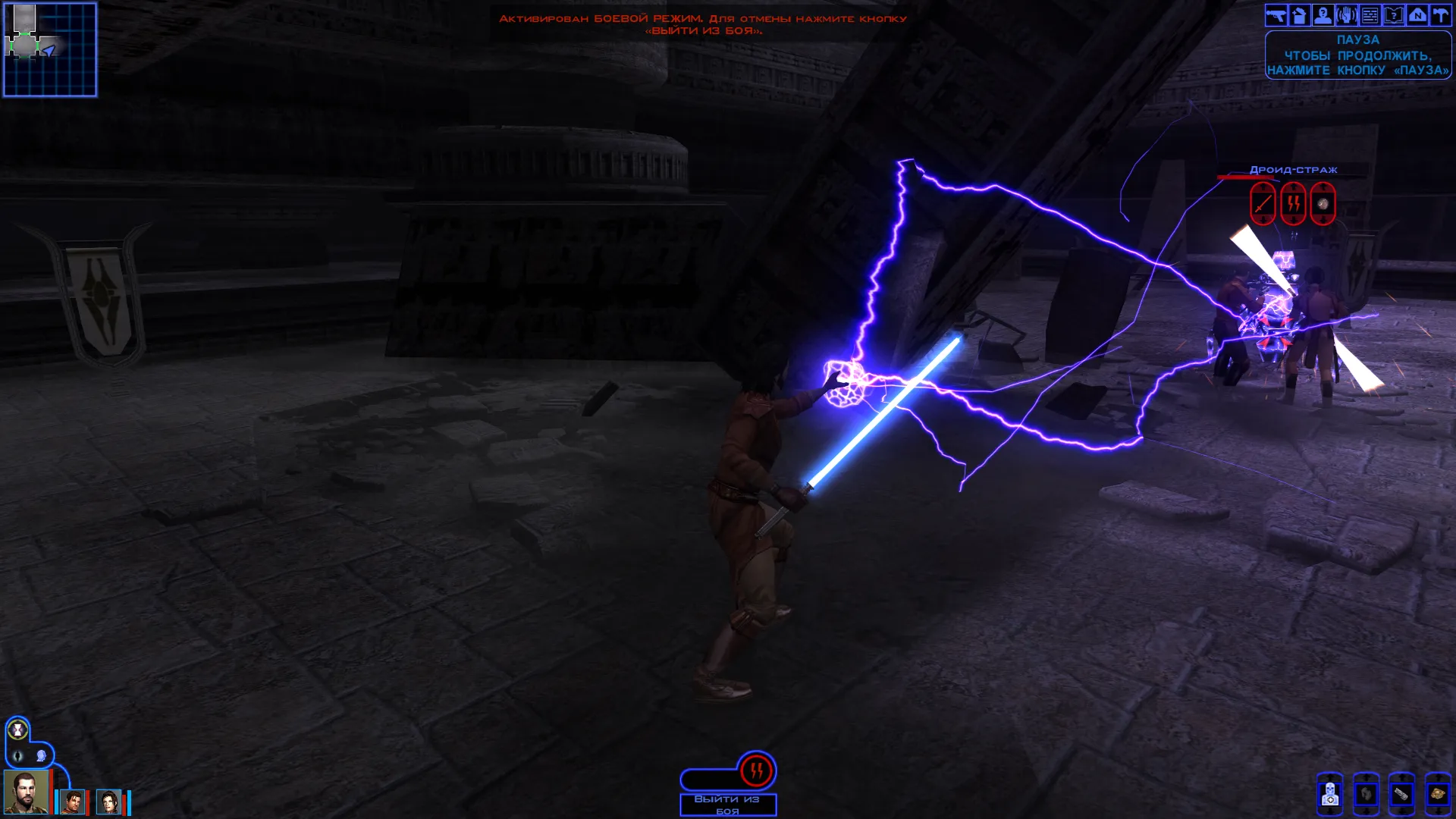
Some character abilities are revealed as the story progresses, which emphasizes their uniqueness and depth. These characteristics play a key role in the development of the story and help to understand the motivations of the main characters.
Emotional state
Demonstrating a character's actions in the game allows for a deeper understanding of their emotional state. In the game Tomb Raider (2013), a young Lara Croft finds herself on a mysterious island after a shipwreck. By controlling her, the player can sense her physical state, and most importantly, her emotional state. Lara's behavior in various situations reflects her fear, determination, and struggle for survival, which creates a deeper connection between the player and the character.
At the beginning of the game, the character crosses a log, demonstrating her balancing skills. This moment is important for understanding the mechanics of the game and requires precision and concentration from the player. Successfully negotiating obstacles such as a log helps develop dexterity and confidence in controlling the character. By mastering such elements, players can improve their gaming skills and increase their chances of success in the future.

She moves slowly, constantly looking down, and her body sways slightly from side to side. Over time, the heroine adapts to life on the island and learns to confidently overcome obstacles such as logs. Like Lara, the player will need less effort to cope with such tasks, which will make the gameplay more exciting and accessible.
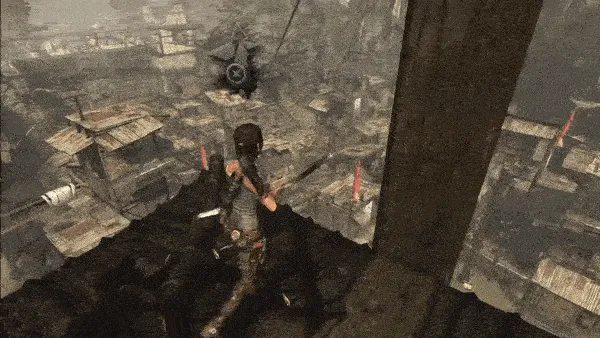
As the game progresses, we witness the protagonist's character transform. At the beginning of the story, Lara couldn't even imagine herself capable of taking a life. However, in her quest to survive, she is forced to kill first a deer, and then a man. While she quickly makes the decision in the first instance, the second act of violence becomes a difficult ordeal for her. This contrast in her reactions highlights the depth of her inner struggle and her character development throughout the game.
The player is not provided with weapons and is forced to hide and survive in difficult conditions. However, at a critical moment, when there is no choice, he is forced to make a decision that puts his life above the lives of others.
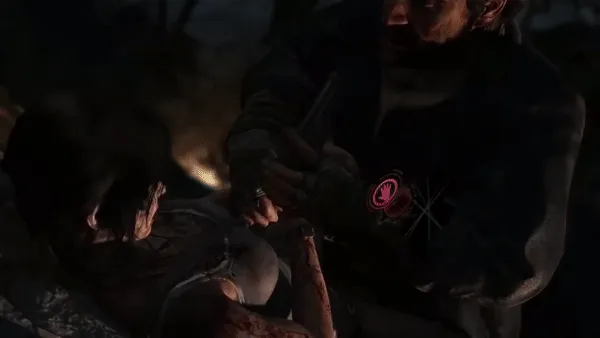
Over time, the main character will have to master the skills of a professional killer. The player will need to perform just a few simple steps to defeat enemies.
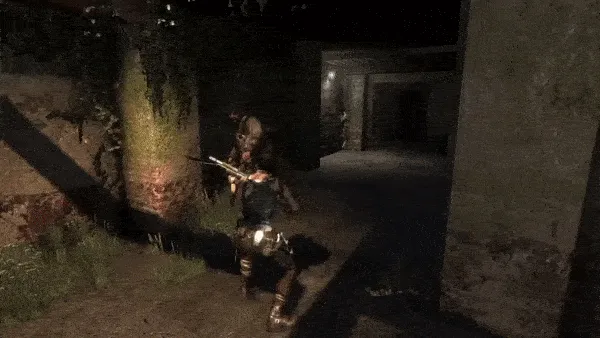
The game allows you to choose any playstyle. If you prefer to eliminate enemies with a shotgun, this is entirely possible. However, it is worth noting that for careful use of ammunition and minimizing noise, you will receive more significant rewards. This approach is more consistent with a survival strategy than direct confrontation with enemies.
Lara's reactions to enemy encounters early in the game are sympathetic. She expresses regret at having to fight, uttering phrases like "Oh, no!" or "Damn!" However, over time, her lines become less frequent, and by the end of the game, she responds more confidently to enemies, demonstrating her transformation and readiness to fight. This character evolution highlights her character development and inner strength, making the gameplay more engaging and emotional.
How to Tell a Story Through Gameplay
Gameplay is the foundation of a successful game. Even the most engaging story can't make up for weak game mechanics. Therefore, it is important to focus on developing mechanics first and then creating a story that supports and complements them. This will ensure a harmonious interaction between gameplay and narrative, ultimately leading to deeper player engagement and a better overall gaming experience.
In Tomb Raider, the story plays a key role, giving depth and meaning to the gameplay. The game mechanics effectively highlight the challenges and experiences Lara Croft faces. Even without the main narrative, Tomb Raider remains an engaging and exciting entertainment, providing players with many hours of enjoyment.
Nintendo games often feature unique mechanics that make gameplay engaging. For example, in Mario, jumping is a core element. Even if you are in empty space in Super Mario Odyssey, the ability to jump remains interesting and exciting. This highlights Nintendo's mastery of creating game mechanics that provide continuous enjoyment and player engagement.
Develop unique gameplay mechanics and integrate them into a compelling story so they complement each other. Even a simple running game can be enhanced with engaging elements that will enrich the gameplay. For example, you can add various obstacles for the player to overcome or special missions that advance the story and motivate the player to move forward. It's important that mechanics not only entertain but also deepen understanding of the story, thereby creating a more engaging and memorable experience.

Creating a game in which players run and jump on There are many reasons for choosing to climb rooftops to get from point A to point B. Firstly, such games offer a unique gaming experience, infusing it with dynamism and adrenaline. Players can enjoy a sense of freedom and speed as they overcome obstacles and explore urban environments. Secondly, such mechanics can help develop dexterity and coordination, making the game not only entertaining but also rewarding. Furthermore, a game can attract attention thanks to its original level design and engaging challenges, creating an opportunity for the player to immerse themselves in an immersive world. It's also worth noting that such games often become popular due to social interaction, where players can share their achievements and compete with each other. Thus, developing a game with rooftop parkour elements can be justified by many factors, including interesting gameplay, skill development, and community building.
- To reach the target and eliminate them - Assassin's Creed.
- To deliver a secret message - Mirror's Edge.
- To reach the mansion and steal the most - Thief.
- To reclaim the throne - Prince of Persia 3.
Creating unique gameplay based on an existing story can be a challenging task. When developing mechanics for an existing narrative, you face certain limitations. For example, if your story focuses on a professional assassin, this means that assassination mechanics must be integrated into the gameplay. Thus, it is important to find a balance between the storyline and game mechanics to ensure a harmonious interaction between them and create an engaging experience for players.
If playtesting reveals that the gameplay is boring, this will create difficulties in changing it, since all the accompanying elements of the game will have to be adapted.
Profession Game Designer with From scratch to PRO
A game designer creates the structure of a game. They develop the concept, rules, and gameplay, and decide what emotions the story will evoke in players. You'll master the principles of game design from scratch and learn how to work with the popular Unity and Unreal Engine. You'll learn how to keep players engaged and monetize your games. And we'll help you start a career in the gaming industry.
Find out more