
Table of Contents:

Game designer from scratch to PRO: 7 Steps to Professional Success
Learn MoreCurrent Upscaling and Anti-Aliasing Technologies: What You Need to Know
Upscaling is the process of increasing the resolution of images, which improves their visual quality. One of the most well-known upscaling methods is NVIDIA DLSS (Deep Learning Super Sampling). This advanced technology uses machine learning algorithms to improve the quality of graphics in video games, making it a key tool in the development of modern gaming projects. Using DLSS allows players to enjoy sharper and more detailed images without significantly impacting system performance. As a result, upscaling becomes an essential element in creating high-quality graphics, which enhances the immersive user experience.
When DLSS is enabled, anti-aliasing is typically disabled in games. This is because anti-aliasing algorithms are already included in the upscaling process. The interaction of these technologies requires separate analysis, as DLSS effectively improves image quality and performance, minimizing artifacts and ensuring a smooth gameplay experience. Using DLSS allows players to enjoy high resolutions without losing frame rates, making it an essential tool for modern video games.


One of the most effective anti-aliasing methods is post-processing, which fills high-contrast areas of the image with intermediate colors. Algorithms such as FXAA (Fast Approximate Anti-Aliasing) are widely used in video games due to their low system load. This allows for high frame rates, significantly improving the gaming experience and visual perception. The use of FXAA and similar technologies is becoming an important element in the development of modern games, as it allows achieving high-quality graphics without significant resource expenditure.
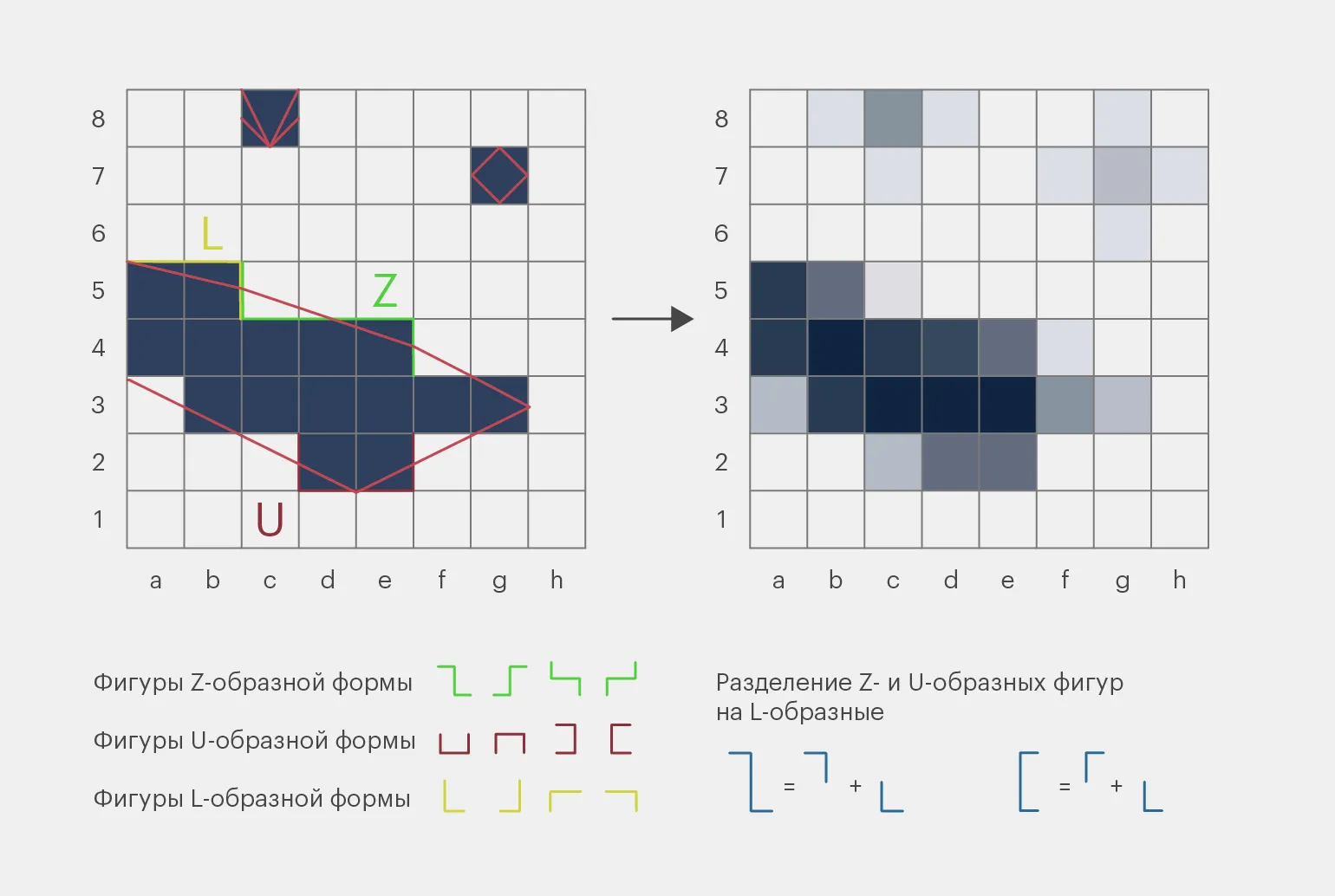
The effectiveness of modern post-processing methods often has a negative impact on image quality, as they can result in blurriness of the entire image. To achieve optimal results, algorithms require information about scene details, including the location and distance of objects. This knowledge allows them to improve the quality of the final image by minimizing blur and preserving the clarity of details.
More sophisticated anti-aliasing methods, such as multisampling with anti-aliasing (MSAA), process the scene at a higher resolution. This can significantly improve the quality of anti-aliasing of the edges of objects, but such technologies require significant computing resources from the video card. Using MSAA provides sharper and smoother lines, which is especially important in modern video games and graphics applications where visual clarity is key.

DLSS, or Deep Learning Super Sampling is a technology developed by NVIDIA. It uses machine learning to improve graphical quality in video games. DLSS allows for higher image resolution without significantly increasing the load on the graphics card, resulting in smoother gameplay and improved visuals. This technology is especially relevant for modern games with high performance requirements, allowing players to enjoy high-quality graphics even on less powerful systems. Anti-aliasing is a process that reduces visual artifacts in images by creating smooth transitions between contrasting pixels. This is achieved by blending colors, resulting in a more natural and pleasing image perception. Anti-aliasing is especially important in graphics and computer animation, where sharp edges can be distracting and degrade image quality. The use of anti-aliasing improves overall visualization and makes content more appealing to users. There are several methods of anti-aliasing in graphics. These include post-processing methods such as FXAA and MLAA, which effectively reduce the sharpness of edges without significantly increasing resource consumption. There are also more resource-intensive methods, such as multisampling, which provides higher image quality by increasing the number of samples per pixel. These anti-aliasing methods play a significant role in improving the visual perception of graphics and providing smoother and more realistic images in video games and computer graphics.
Temporal Anti-Aliasing: A Graphics Revolution
In the world of video games, players have long faced the dilemma of choosing between image quality and performance. Previously, it was necessary to sacrifice one of these aspects, using post-process filters to increase FPS or applying resource-intensive anti-aliasing methods to improve visual quality. However, with the introduction of temporal anti-aliasing, the situation has changed dramatically. This innovative method can significantly improve image quality while minimizing the load on the graphics card. Temporal anti-aliasing uses information from previous frames to create a sharper and smoother image, making it an ideal solution for modern video games. Now players can enjoy high-quality graphics without significant performance loss, opening up new horizons in gaming experience.
Temporal Anti-Aliasing (TAA) is a method that uses data from previous frames to improve the quality of the current image while minimizing system load. This approach is achieved through subpixel jitter, where the image is shifted by an amount less than one pixel. Although image changes may be imperceptible to the human eye, this method allows the graphics engine to efficiently obtain information about the boundaries of objects, which improves overall rendering quality. Temporal anti-aliasing is widely used in modern video games and graphics applications, providing smooth and clear images without significant resource consumption.
Temporal anti-aliasing has proven itself as an effective tool for developers, allowing them to produce high-quality images with minimal resource consumption. Thanks to their benefits, such as improved visual clarity and reduced artifacts, technologies such as TAA (Temporal Anti-Aliasing) continue to be actively used in modern video games. This makes games more realistic and engaging for users, ensuring smooth gameplay and high-quality graphics.
Temporal anti-aliasing, despite its advantages, also has a number of disadvantages. One of the most significant problems is graphical artifacts, including a phenomenon known as "ghosting". This occurs when the current frame differs significantly from the previous one, causing some parts of the image to remain on the screen. This is especially pronounced in racing games, where cars can travel large distances in just a few frames. Such artifacts can negatively impact the player's experience and reduce the overall graphical quality.
To minimize unwanted effects, developers use heuristic algorithms. While these methods do not provide absolute effectiveness, they significantly improve the quality of visual results and help eliminate most, though not all, artifacts. Heuristic algorithms are an important tool in enhancing graphics and optimizing image processing, making them indispensable in modern technologies.
Temporal Upscaling: Understanding the Technology
Temporal upscaling (TAA) is a modern graphics anti-aliasing technique that offers efficient solutions for extracting additional information from game engines. The basic concept is to distribute graphics calculations over multiple frames, which helps minimize performance loss. This approach forms the basis of technologies such as NVIDIA's DLSS and AMD's FSR, providing improved image quality without significantly increasing system load. TAA allows gamers to enjoy sharper and more detailed graphics, significantly improving the overall gaming experience.
Theoretically, a standard TAA approach could be applied by distributing a high-resolution frame into a group of lower-resolution frames and then removing artifacts using heuristic algorithms. However, this method can lead to a deterioration in image quality, as the system must restore a significant amount of detail. This is clearly illustrated by early versions of TAAU, where the image loses sharpness and becomes blurry. In such situations, running the game at a low resolution may be a more appropriate solution, which avoids significant loss of image quality and ensures smoother gameplay.
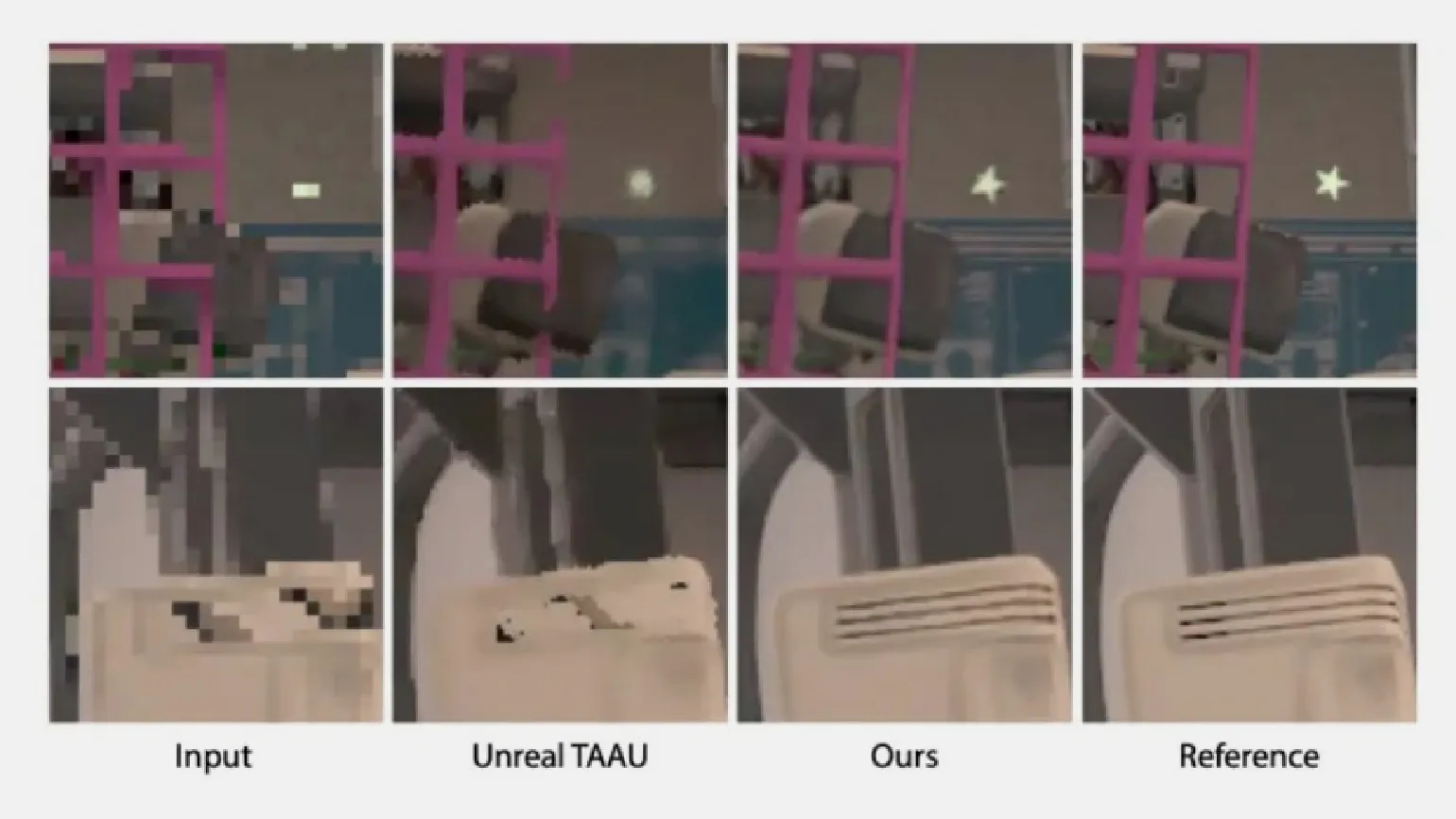
Over time, temporal upscaling techniques have improved significantly. In the mid-2010s, developers began using checkerboard rendering on consoles. Each frame is rendered at half resolution, alternating black and white squares, which allows for a higher final resolution for users. These technologies increase graphical quality and improve the overall gaming experience, allowing players to enjoy sharper images without significantly straining hardware resources.
In game development, the use of checkerboard rendering techniques can lead to significant improvements in graphical quality. The game engine is able to feed the algorithm motion vectors, which indicate the movement of objects in space. This allows for more accurate image compositing and contributes to the creation of high-quality visual content, which in turn increases player immersion and improves the overall gaming experience.

What is DLSS: A Revolution in Gaming
In 2018, NVIDIA introduced DLSS (Deep Learning Super Sampling), a technology that revolutionized the methods of improving image quality in video games. Using neural networks, NVIDIA was able to efficiently combine low-resolution frames to create high-quality images. This process is based on a method similar to TAAU, but uses pre-trained neural networks, making it more effective than traditional heuristic algorithms. DLSS not only improves the visual perception of games but also optimizes performance, allowing players to enjoy a smoother gameplay without significant hardware costs. This technology has become a significant step in the evolution of video game graphics and continues to rapidly evolve, opening up new possibilities for developers and players.
Tensor Cores, first introduced in the RTX 2000 series graphics cards, are a key factor in the successful operation of DLSS technology. These specialized processors are designed to perform machine learning-related calculations with efficiency significantly exceeding the capabilities of standard compute units. Thanks to Tensor Cores, DLSS can deliver high image quality and performance in games, making them an essential element in modern gaming.
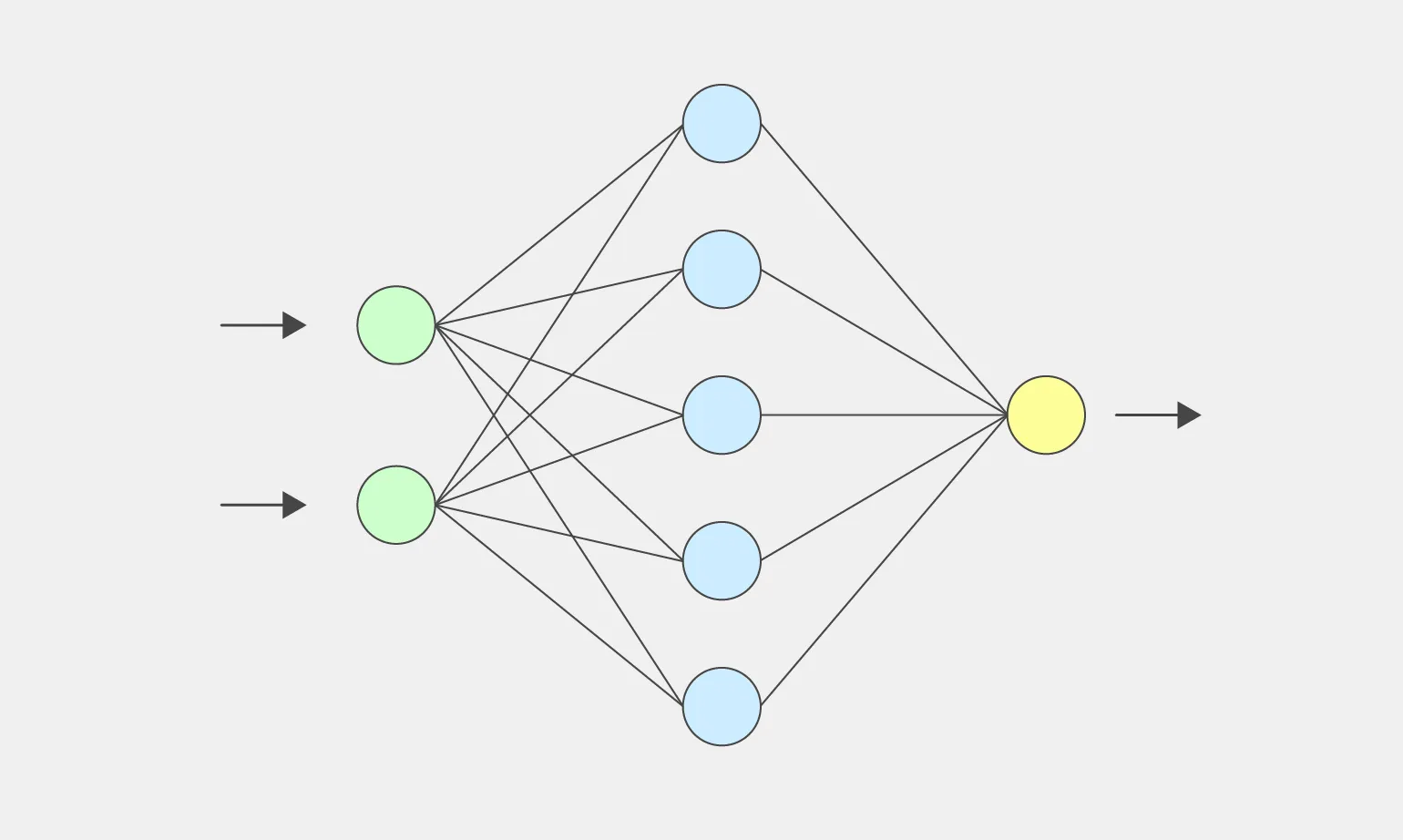
The neural network used in DLSS technology operates on the following principle: it consists of three main layers: input, hidden, and output. Neurons, which represent digital values, process the information received at the neural network's input. During the training process, the network identifies optimal algorithms and paths for achieving a given result. Importantly, DLSS uses deep learning methods to improve image quality in games, effectively enhancing visual effects and ensuring smooth gameplay without significantly consuming resources.
The neural network processes input data, which represents various parts of an image in numerical format, and performs mathematical operations to transform them into output data. Although the process is complex, it can be viewed as a set of simple calculations, making it suitable for use on any computer. However, these operations require significant time. Neural networks are widely used in computer vision, making them an essential tool for image analysis and processing. Tensor cores provide high-speed data processing, significantly reducing the rendering time of each frame. According to NVIDIA, processing a single frame takes only 1.5 milliseconds. This leads to a significant increase in frame rate: with reduced resolution and the Tensor cores operating efficiently, 57 FPS can be achieved. Tensor cores are especially useful for games and graphics-intensive applications, where every millisecond counts to ensure smooth and realistic images.
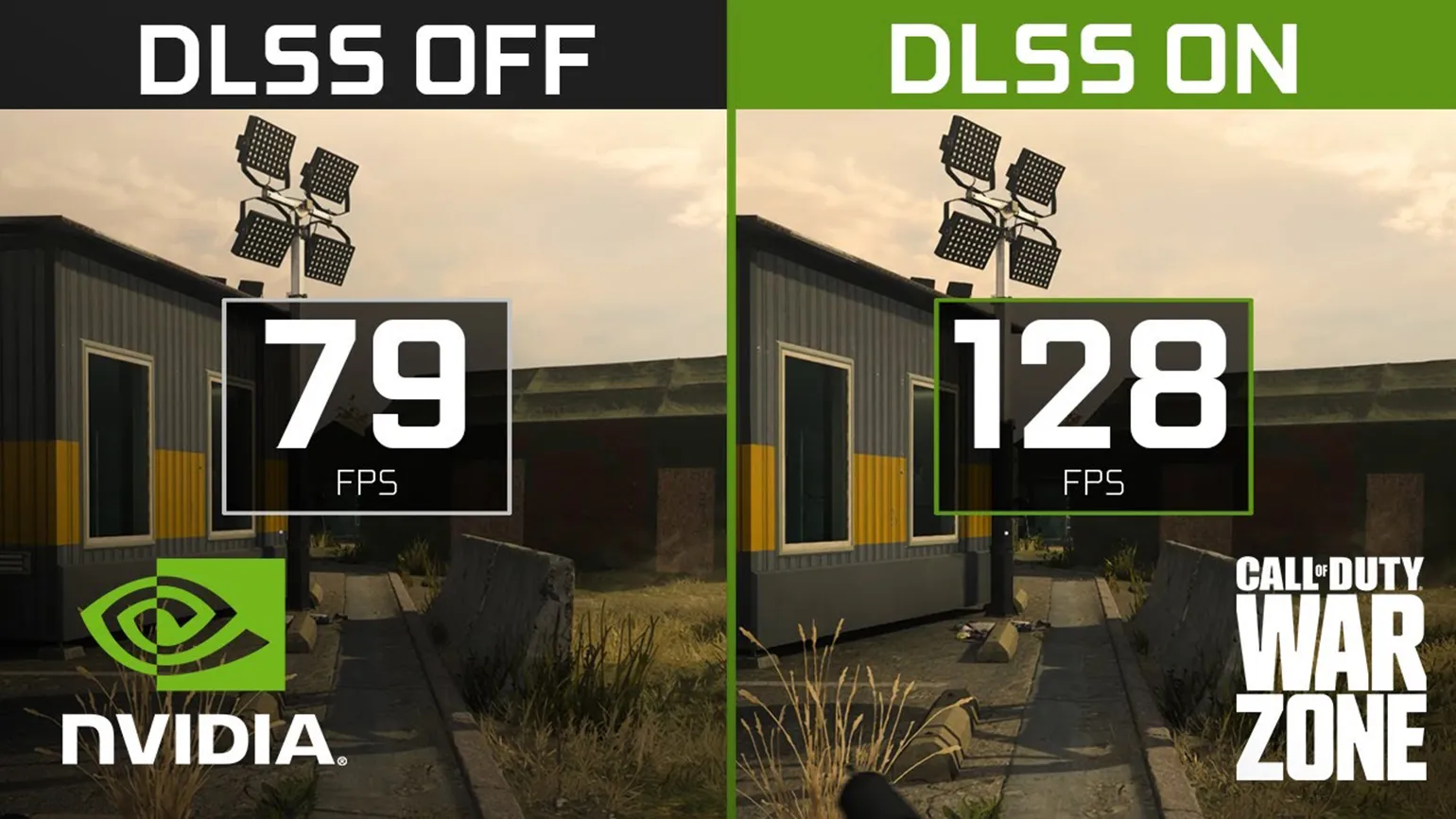
In the first version of DLSS, each neural network was trained separately for Each game. The input to the system was a low-resolution image, and the output was a high-quality image. Despite the performance gains, the original version of DLSS failed to achieve significant success due to the additional work required by developers and a lack of visual clarity. The neural network was unable to extract new information to enhance the image, resulting in a blurry effect. To improve graphics quality and optimize performance, developers continued to refine the DLSS algorithms, resulting in sharper and more detailed images in subsequent versions.
DLSS has been a significant step in significantly improving the quality of graphics in video games. With each update, NVIDIA refines this technology, increasing its effectiveness and accessibility for developers. Thanks to DLSS, players can enjoy higher resolutions and improved detail without a significant loss of performance. This technology opens up new horizons for graphic design and makes it possible to create more realistic game worlds.
What is DLSS 2.0?
NVIDIA's DLSS 2.0 is a revolutionary upscaling technology that has significantly changed the approach to graphics in video games. Unlike the first version, DLSS 2.0 is capable of creating high-quality images by combining data from multiple frames. This provides impressive clarity and a level of detail comparable to native resolution. The technology allows players to enjoy smooth gameplay without loss of image quality, making DLSS 2.0 an essential tool for developers and users in the world of video games.
DLSS 2.0 represents a significant improvement over the first version, as it uses a more advanced and versatile neural network. This allows developers to avoid wasting time training the system for each specific game, significantly expanding the list of supported projects. As a result, graphics quality has improved significantly, making DLSS 2.0 attractive to both developers and players. The technology provides smoother gameplay and improved visual perception, which in turn contributes to increased interest in modern video games and their graphical capabilities.
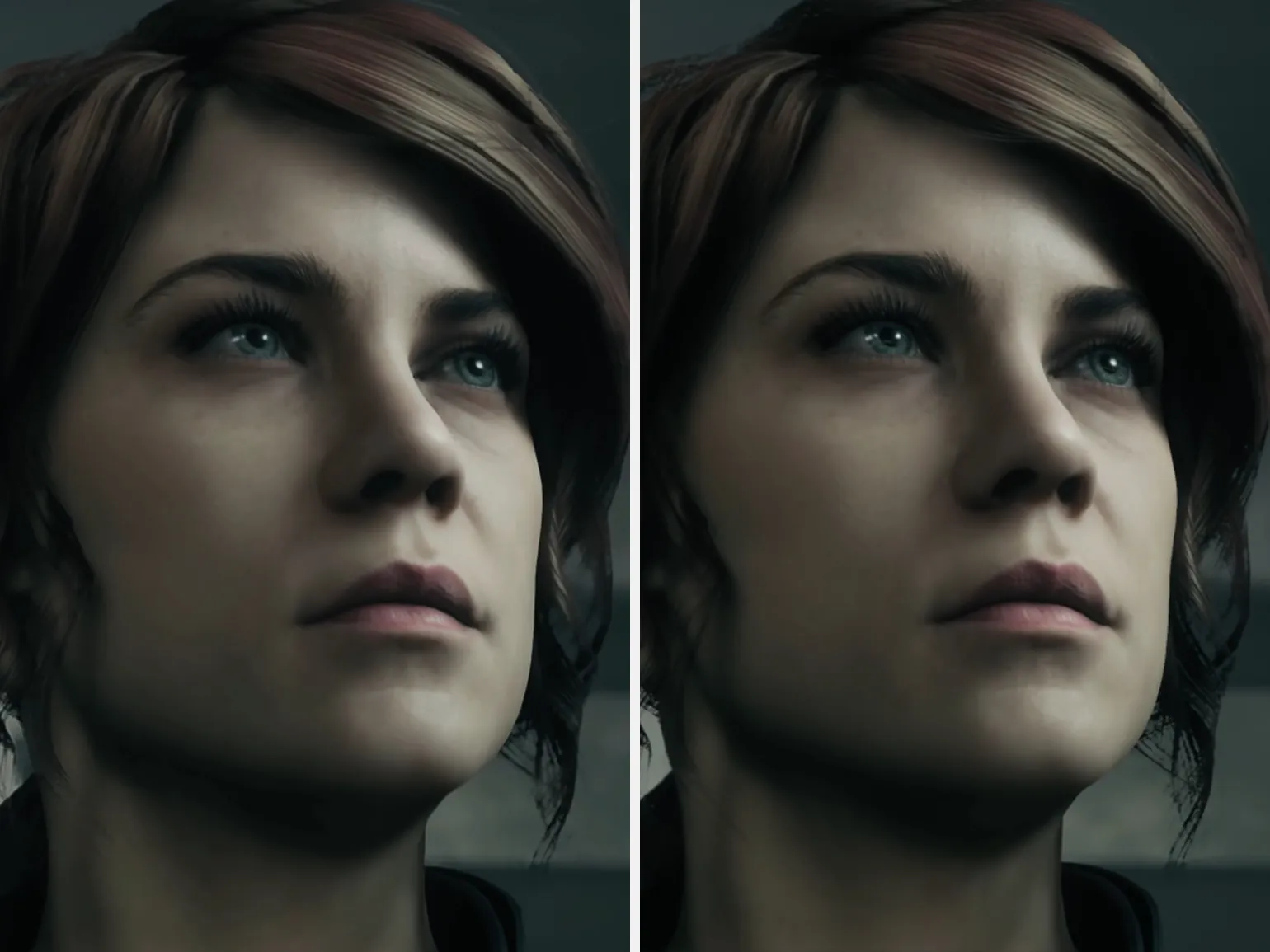
The DLSS 2.0 neural network ensures optimal image fusion and minimizes graphical artifacts, making it a full-fledged analogue of TAAU technology. This system does not create information from scratch, but uses data from several low-resolution frames, which provides additional advantages in graphics quality and performance. Using DLSS 2.0 can significantly improve visual perception in games while maintaining a high frame rate, making it an essential tool for modern video games and graphics applications.
With each update, DLSS technology evolves, while the basic principle remains unchanged. The latest version, DLSS 3.5, represents an improvement on the existing technology, introducing new frame generation methods without changing the basic principles of its operation. This allows game developers to continue to leverage the benefits of DLSS to improve performance and image quality without abandoning proven solutions.
Upscaling technologies, once considered controversial, have now become an integral part of the gaming industry. Nearly all major titles support DLSS, allowing developers to focus on implementing more complex graphics solutions, such as ray tracing and advanced particle systems. This not only improves the visual quality of games but also optimizes performance, ensuring smoother gameplay. The implementation of such technologies opens up new horizons for developer creativity and significantly increases player immersion in the virtual world.
With the growing popularity of upscaling, there has also been an increase in the number of under-optimized games. However, given the significant performance gains, technologies like DLSS and its analogs have taken a firm place in the gaming industry. We shouldn't expect any dramatic changes in this area anytime soon. Upscaling technologies continue to evolve, improving graphics quality and game performance, confirming their importance for modern developers.
Game Designer: From Zero to PRO in 5 Steps to Success
Want to become a game designer? Learn 5 steps to a successful career in the gaming industry! Read the article.
Find out more