Contents:
The Profession of 2D Artist: 7 Steps to Career Success
Find out moreHow Creativity Leads to the World of Game Development: The Path of Mikhail Rfdshyra
Mikhail, share how you began your journey in game development. What events or circumstances led you to this profession? What experience was decisive for you in choosing a direction? Tell us about your first projects and what inspired you to develop in this field.
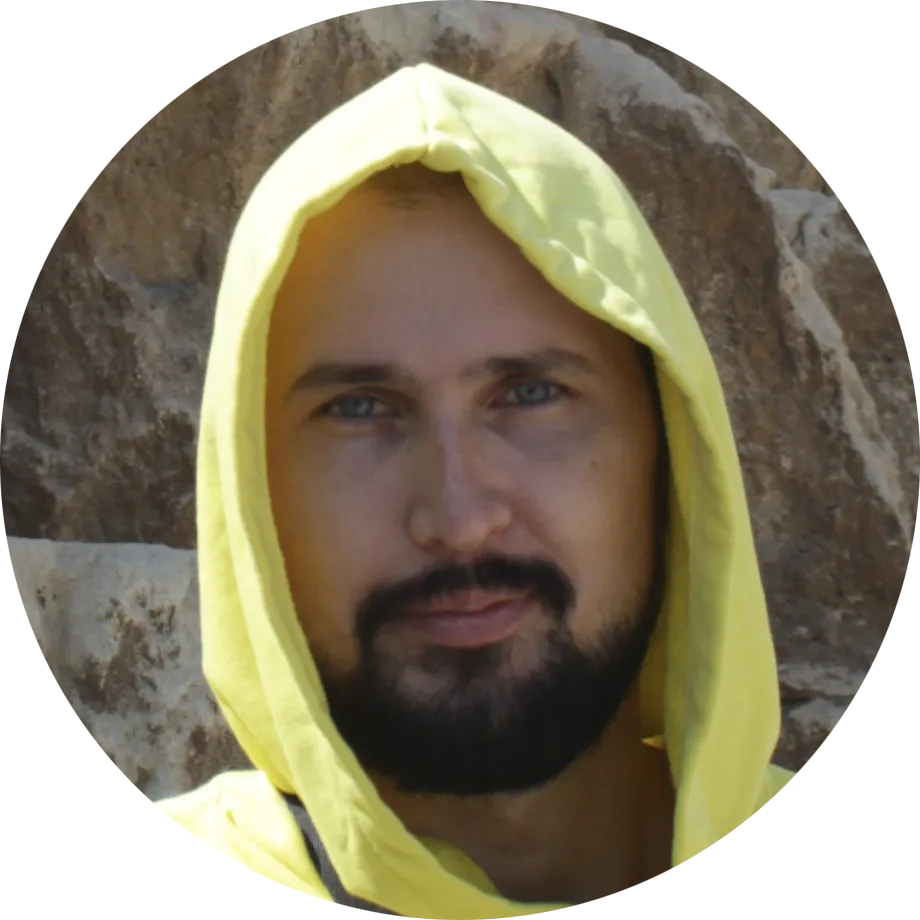
Mikhail Rfdshyr is a talented game developer and creative person who discovered the world of game development, following his passion for creativity. His passion for video games and drive for innovation enable him to create unique game projects that capture players' attention. Mikhail actively works on developing interesting concepts and mechanics, which contributes to his growth in the industry and helps him find new ideas for implementing in games.
From an early age, I showed an interest in creativity, creating comics in notebooks and enjoying modeling with clay. Although I have no formal art education, I received a technical degree in management information systems, which broadened my horizons and gave me the opportunity to combine creativity with technical skills. This combination allows me to find unconventional solutions and effectively implement my ideas in various projects.
In addition to technical skills, I was interested in photography and even tried my hand at writing novels. After working in this field for several years, around the age of 30, I realized that I wanted to radically change my life and focus on creativity. I chose game development because it combines all my passions. I was also interested in the possibility of earning money in this field, which at the time seemed quite clear. Game development opens new horizons for me and allows me to realize creative ideas, combining technology and art.
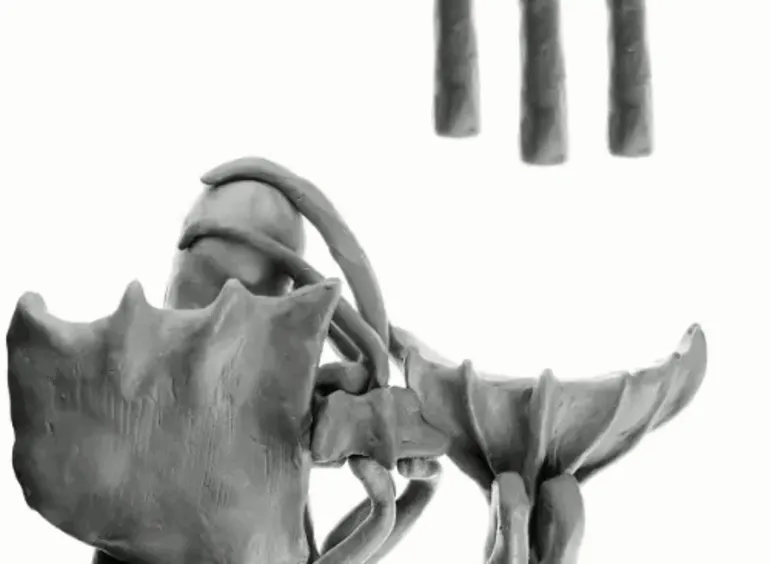
Clay animation appeals with its uniqueness and expressiveness. This style allows for the creation of original and memorable characters that come to life through handcrafted craftsmanship and meticulous detail. Clay provides the opportunity to experiment with textures and shapes, making each animation unique. Furthermore, the process of creating clay animations allows for complete immersion in the creative process, and the final result always delights with its visual aesthetics and emotional richness. Clay animation is not only entertaining but also inspiring, opening up endless possibilities for self-expression.
While exploring various artistic techniques, such as computer graphics, vector graphics, and 3D modeling, I came to the conclusion that my work remained rather primitive. However, at some point, I came up with the idea of creating a game based on macro photographs featuring clay characters. This was a real discovery for me. Sculpting inspired my creativity, and I was amazed by how clay models can combine realism and a certain imperfection. Stop-motion animation gives these characters a special charm, and details like fingerprints and slight twitches create a unique "handmade" atmosphere. This inspiration became the basis for my new project, which I plan to develop further.
In the creative process, it is important to explore different approaches to determine what truly interests you and allows you to reveal your strengths. Each new challenge opens doors to new possibilities and promotes skill development.
First Steps in Game Development: From Protein Motel to New Projects
You talked in detail about the creation of your first game, Protein Motel, and even successfully completed the Steam Greenlight process, but ultimately decided to put the project on hold. What prompted this decision?
"Protein Motel" was originally conceived as a student project, but my lack of experience made its implementation difficult. During development, I experienced emotional burnout. My goal was to create a game with a deep narrative without using text, which ultimately led to a creative impasse. This experience taught me the importance of balancing ambition and realistic expectations in game development.
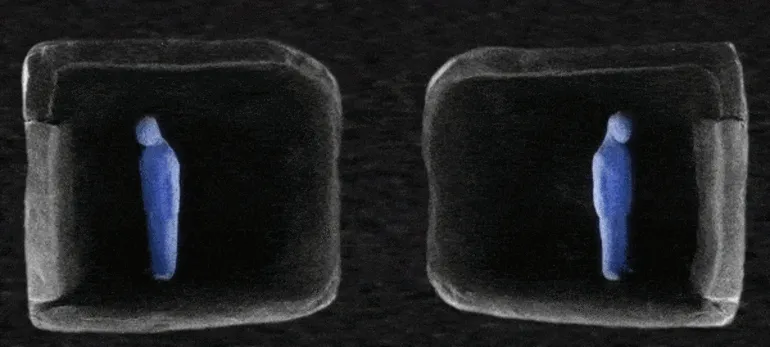
I do not regret the suspension of the project. Sometimes you have to acknowledge your failures and start over. It's important to learn valuable lessons from experience and avoid repeating the same mistakes. If all goes well, I might return to Protein Motel, but in a more compact game format.
The point-and-click game Wurroom was released in 2019. The nearly two-year gap between projects was due to the need to refine the gameplay and improve the graphics. The developers paid close attention to player feedback, which allowed them to create a higher-quality and more engaging product. This period was also used to explore new technologies and implement innovative gameplay solutions, which ultimately contributed to increased interest in the game and its successful launch.
After the failure of the Protein Motel project, I decided to focus on a vibrant and unusual project called Ultra Strangeness, inspired by games from Amanita Design and the classic game The Neverhood. However, during the development process, I again encountered the same difficulties as before. On the verge of a nervous breakdown, I realized that if I didn't release this game, I wouldn't be able to continue my career in development.
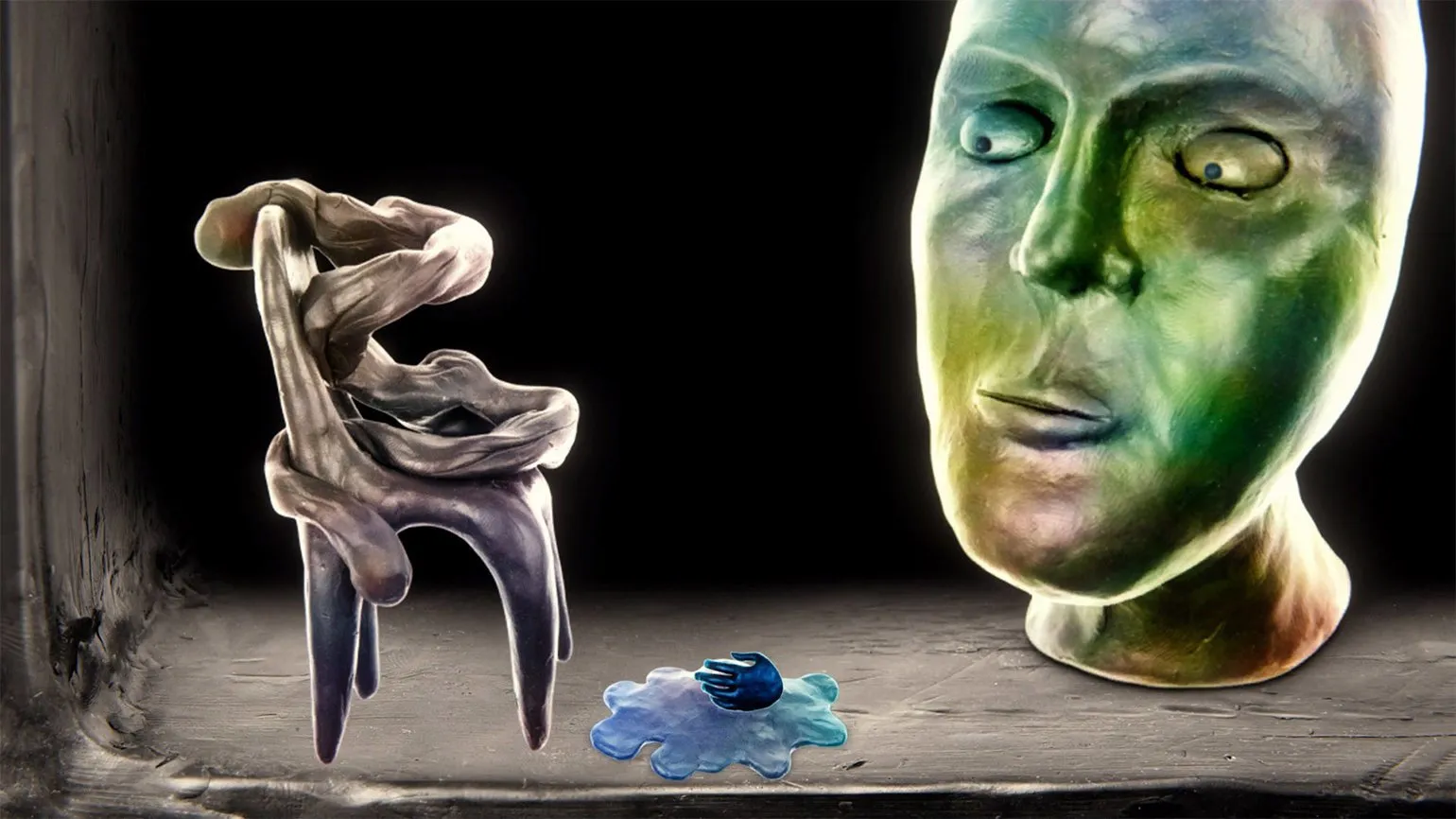
Wurroom took about six years to create. Months, a significant portion of which was devoted to rewriting the plot and graphical experiments. Initially, the project was planned as a musical accompaniment to Sergey Bulat's album, Wurmenai. This set a tight deadline, resulting in the release of only the content that could be completed on time. Ultimately, 60-70% of the story remained unfinished, giving the game a strange and psychedelic character. However, had I chosen a different approach, the project could have dragged on indefinitely. Wurroom is a short and free project that can be completed in 20 minutes. Despite its length, it offers players the opportunity to support the developers by purchasing the soundtrack and artbook. This sales format can be quite effective, as it allows users to enjoy the game without upfront costs and also provides additional opportunities to support the creators and obtain unique content. This creates a strong connection between developers and players, which can generate interest in future projects.
Opinions on Wurroom may vary, but the project's revenue barely covered the costs of creating a Steam page. It was originally conceived as a free marketing project. Selling the soundtrack and the "Support the Developer" DLC is more of an experiment. A significant achievement is the nearly 500 positive reviews, which have become a significant motivation to continue working in game development.
Wurroom's sales on the Switch platform showed good results, but the project failed to meet its financial expectations. Despite this, its primary goal was not to make a profit.
The sales format for indie games on Steam is not always justified. Even with a minimum price for a product, developers can make a large profit. Releasing free games is only justified if it helps attract attention to other projects. Indie developers must carefully evaluate their sales strategy to maximize revenue and ensure the long-term success of their games.
Isolomus is a dark horror adventure game exploring the theme of isolation, often compared to the works of Franz Kafka. The game's primary inspiration came from literary and artistic explorations of human nature in the face of loneliness and alienation. We aimed to convey an atmosphere of hopelessness and anxiety, reflecting the characters' internal conflicts and their struggle for salvation. By exploring such deep and complex themes, we hope to evoke powerful emotions in players and make them reflect on their own fears and experiences.
One day, while attending DTF, I came across a jam session on the theme of "isolation," and it was a real revelation for me. Vivid images immediately began to appear in my head, including one of the final scenes with the crawling rooms. This experience inspired me to come up with new ideas and reflect on how isolation can impact our perception of space and emotional state.
While I didn't experience self-isolation during the pandemic, I have experienced periods of isolation and depression in my life, which were reflected in the project "Isolomus." I wasn't able to complete the game during the jam, but I finished it and released it on Steam. Development took about two months, and the result is completely in line with my original vision. This made it possible to create a unique gaming experience that combines elements of both personal experiences and deep themes that are relevant to many people.
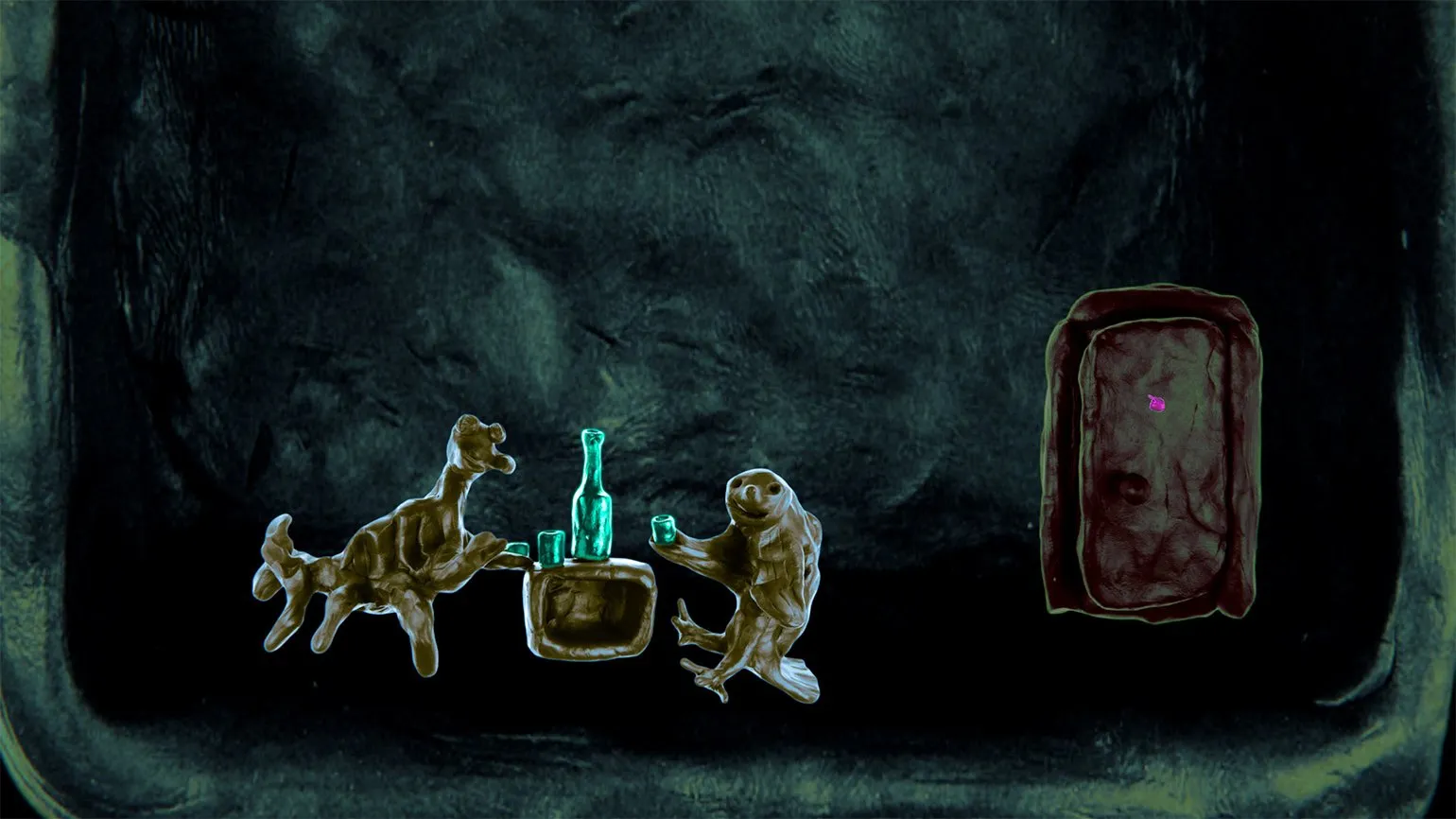
Considering the game's release on the Switch platform and limited development time, The project as a whole justified its costs, although it failed to achieve significant success in the market.
You are currently developing two games, Ultra Strangeness and Visceratum. How do you manage to combine work on such different projects?
I encountered a certain fatigue during the development of Ultra Strangeness. However, I do not plan to finish the project, as its completion is near. I need a break and an opportunity to change the environment. That is why I am now actively working on Visceratum. At the moment, all my efforts are focused on this new game.
I have often tried to work on several projects simultaneously, but more often than not, this leads to one of them being forgotten. In the best cases, I manage to devote attention to writing the script for one of the parallel projects. Effective multitasking requires careful organization and planning to avoid scattered attention and loss of interest in each project.
The Visceratum trailer shows an interface that is causing controversy among users. What's your opinion on this?
In the fall of 2021, I completely redesigned the game, reworking its genre. It's now a Distraint-inspired side-scroller adventure instead of the previous point-and-click quest. As a result, the old trailer no longer matches the current version, and the new trailer is currently a clip from the demo. The clunky interface of the first version of the game was a deliberate choice that has significant implications for the final version.
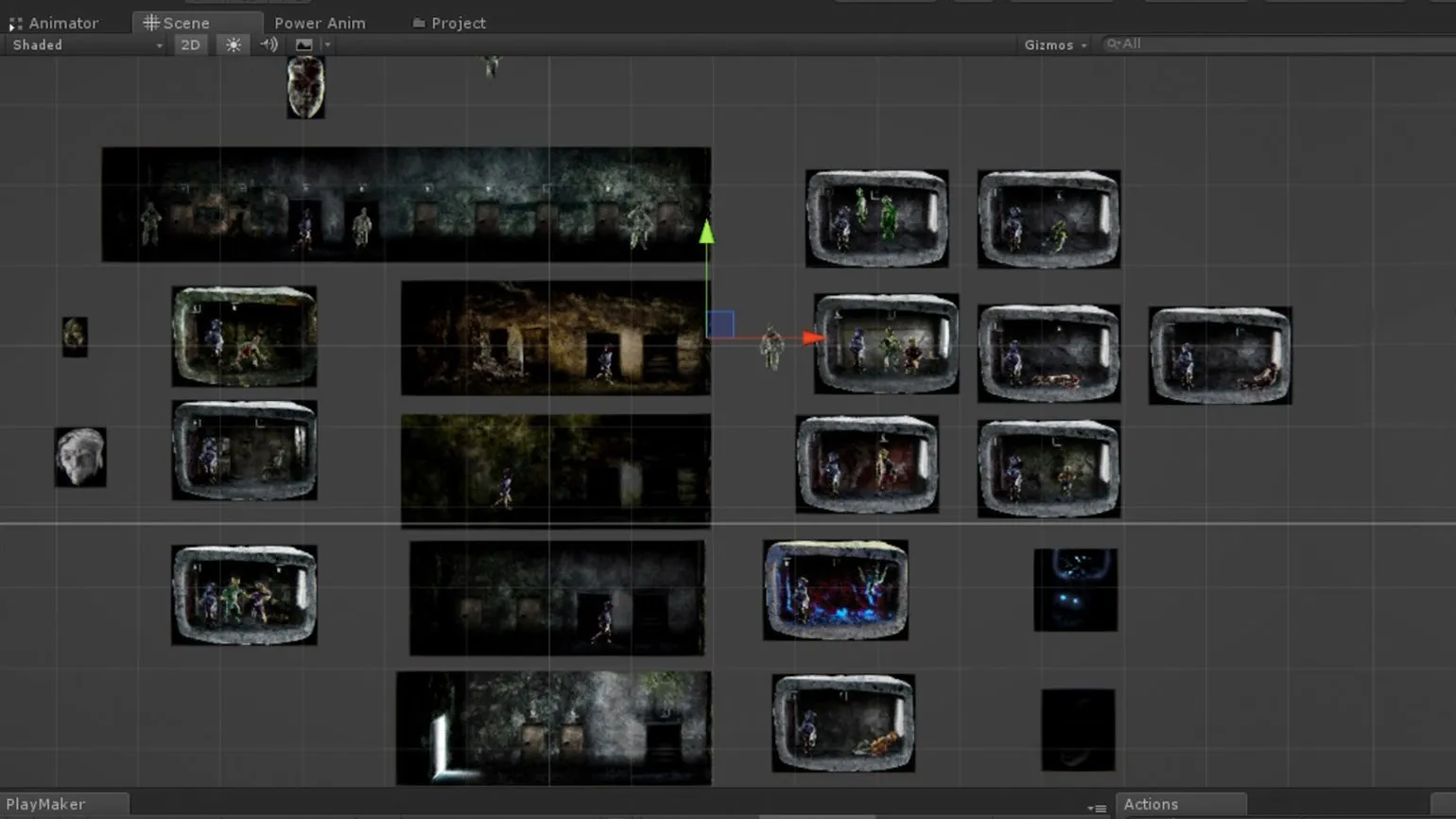
Users react to my abstract works in different ways. Some of them find deep meaning and understand the message embedded in the games. Others may have difficulty perceiving them, as abstraction requires a certain level of interpretation. I strive to create multilayered narratives that open up space for reflection and discussion. It is important that each viewer brings their own thoughts and emotions to the experience, which makes engaging with the work especially valuable.
My projects often elicit comments such as "a drug-free trip" and "the strangest game ever." It's difficult to expect anything else from abstract and surreal content. Sometimes it's offensive when someone asks, "What was the author on?" I want to assure you: inspiration comes solely from my imagination.
In "Isolomus," the encrypted message manifests itself more in the emotional context than in a specific semantic interpretation. I've encountered many interesting comments on Steam and YouTube, where users have come close to the ideas I put into the game. However, in abstract works, there is no single correct interpretation, and the idea of "encryption" itself was not the primary goal of its creation.
Currently, I strive to move away from abstract concepts and focus on creating a game with a clear and understandable meaning. The main goal is to effectively convey the idea and presentation to make it engaging for players.
Your games are distinguished by their atmospheric soundtracks. Can you tell us about your collaboration with Sergey Bulat, a musician working in America?
We have been friends for a long time and always support each other in creative endeavors. I create covers and videos for his albums, and he writes music for my games and helps with idea generation. As I mentioned, Wurroom has become our joint musical art project, in which we combine our talents and strive to create unique works of art.
I recently met Sergey in real life, and it will be a memorable experience for both of us. Our trip to Egypt was not only exciting but also productive. We have an even more successful collaboration ahead, which will undoubtedly bring new achievements and opportunities.

When gamers encounter claymation games, The Neverhood comes to mind. I wonder what you think of Armikrog? This game, like its predecessor, uses a unique animation technique, which makes it visually appealing to fans of the genre. Armikrog offers a captivating storyline and an original style, which attracts the attention of both old and new players. It is important to note that, despite its similarities to The Neverhood, Armikrog has its own characteristics that make it interesting. How do you rate this game in the context of claymation animations?
Ultra Strangeness was originally conceived as an homage to "Ultra Strangeness." Interestingly, since then, my work has almost ceased to be associated with The Neverhood.
I spent some time playing Armikrog, but, unfortunately, I found it uninteresting. Even watching a walkthrough couldn't captivate me, and I almost fell asleep from boredom. My inspiration came from the acid-clay JRPG Hylics, which has a unique style and captivating atmosphere.
Key Aspects of Game Development
Developing stop-motion games is a unique process that combines artistic vision and technical skill. In his previous article on DTF, the author shares his experience of game creation, covering key stages, from scriptwriting to visualization. Much time has passed since then, and he has acquired new tools and technologies that significantly simplify and improve the development process. Using modern software and techniques allows for the creation of higher-quality and more engaging animations, making games in this genre even more engaging for audiences.
The developer's primary equipment remains the same: a reliable Canon 600D camera with a kit lens and three LED ceiling panels replacing the traditional lightbox. This underscores the importance of not only technological tools but also professional experience and a creative approach to work. In an environment of constant technological advancement, the ability to use older equipment to the highest standard demonstrates a specialist's skill and creativity. Thus, even with minimal resources, it is possible to achieve high results in creating high-quality content.
Scriptwriting is a crucial aspect of game development. The author shares that, until recently, this stage presented the greatest challenge for him. He recommends that aspiring developers devote time to studying literature on screenwriting and taking specialized courses. This will help them master the fundamental principles and techniques necessary for creating engaging and captivating game stories. Understanding the fundamentals of screenwriting allows developers to better understand narrative structure and character interactions, which in turn significantly improves the quality of their games. Creating scripts for video games like Ultra Strangeness requires significant time and effort. The storyboarding process for this project is time-consuming due to the complexity of the scenes and their detail. However, in Isolomus, the author took a different approach, preferring to work directly with models and avoiding the preliminary storyboarding stage. This method allows for faster development progress, but may impact the quality of the final product.
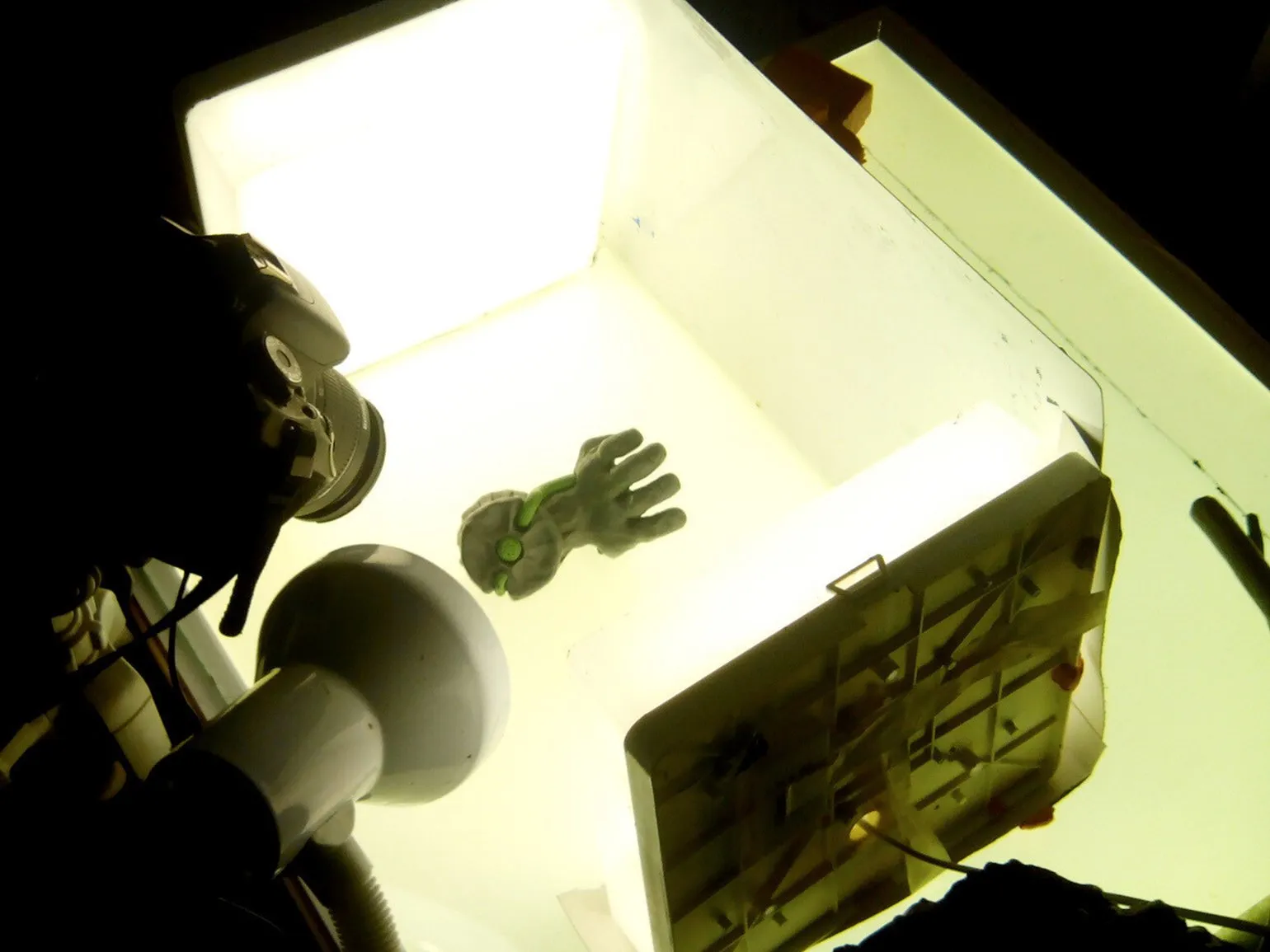
The visual aspect of video games plays a key role, and the choice of materials for creating models is an important element of this process. Typically, single-color plasticine is used for modeling, but additional colors are used to add accents. The final stage is image processing in graphics editors, which allows for high-quality visual design and improves the game's user experience. This approach to model creation contributes to the creation of a unique visual style and makes the game more appealing to players.
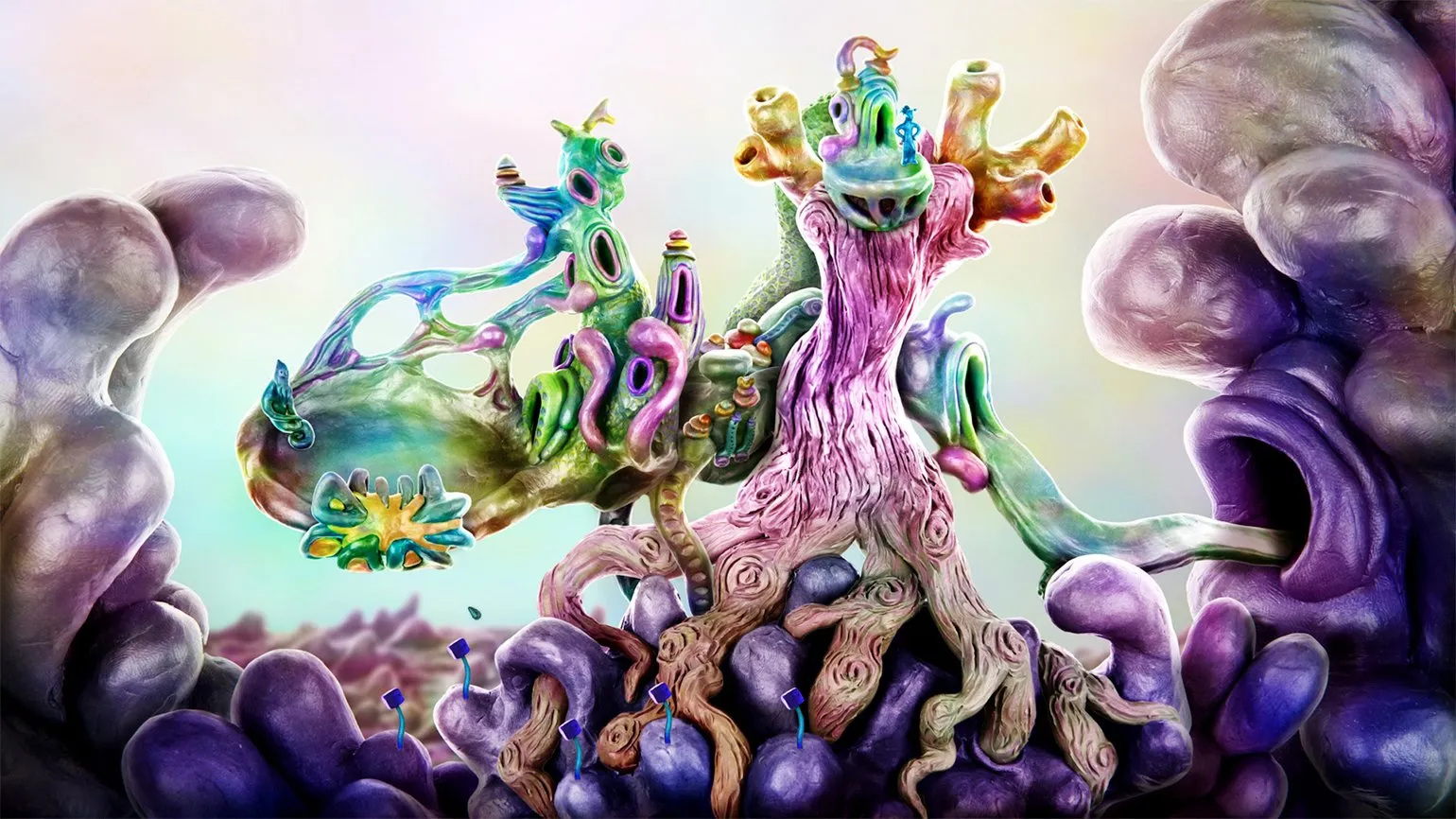
The author shares an interesting fact about the consumption of plasticine when creating games. For the Isolomus project, only two kilograms of clay were used, as many models were created and destroyed during the process. Meanwhile, for Ultra Strangeness, approximately 10-15 kilograms were required, as some models were saved for further refinement. This highlights the importance of planning and resource management in game development. Unity is a powerful game engine that simplifies the game development process. The author uses the Playmaker visual programming add-on, which allows him to create games with virtually no coding. Although he works with the outdated version of Unity 2017, it is sufficient for the implementation of his projects. The choice of Playmaker in combination with Unity 2017 demonstrates how effective game development can be even using older tools. With the development of technologies such as 3D scanning, many developers are considering the transition to 3D graphics. However, the author prefers to remain within the framework of 2D, focusing on mechanics and forms. In Visceratum, clay objects are harmoniously combined with real photographs, significantly enriching the visual experience and creating a unique atmosphere. This emphasizes the importance of choosing a graphic style based on the game's concept and the developer's goals.
In conclusion, the author continues to hone his skills and experiment with creating original game worlds. He remains true to his style and methods, allowing him to create unique content for players. This commitment to innovation and self-improvement makes his work in demand and interesting to a wide audience.
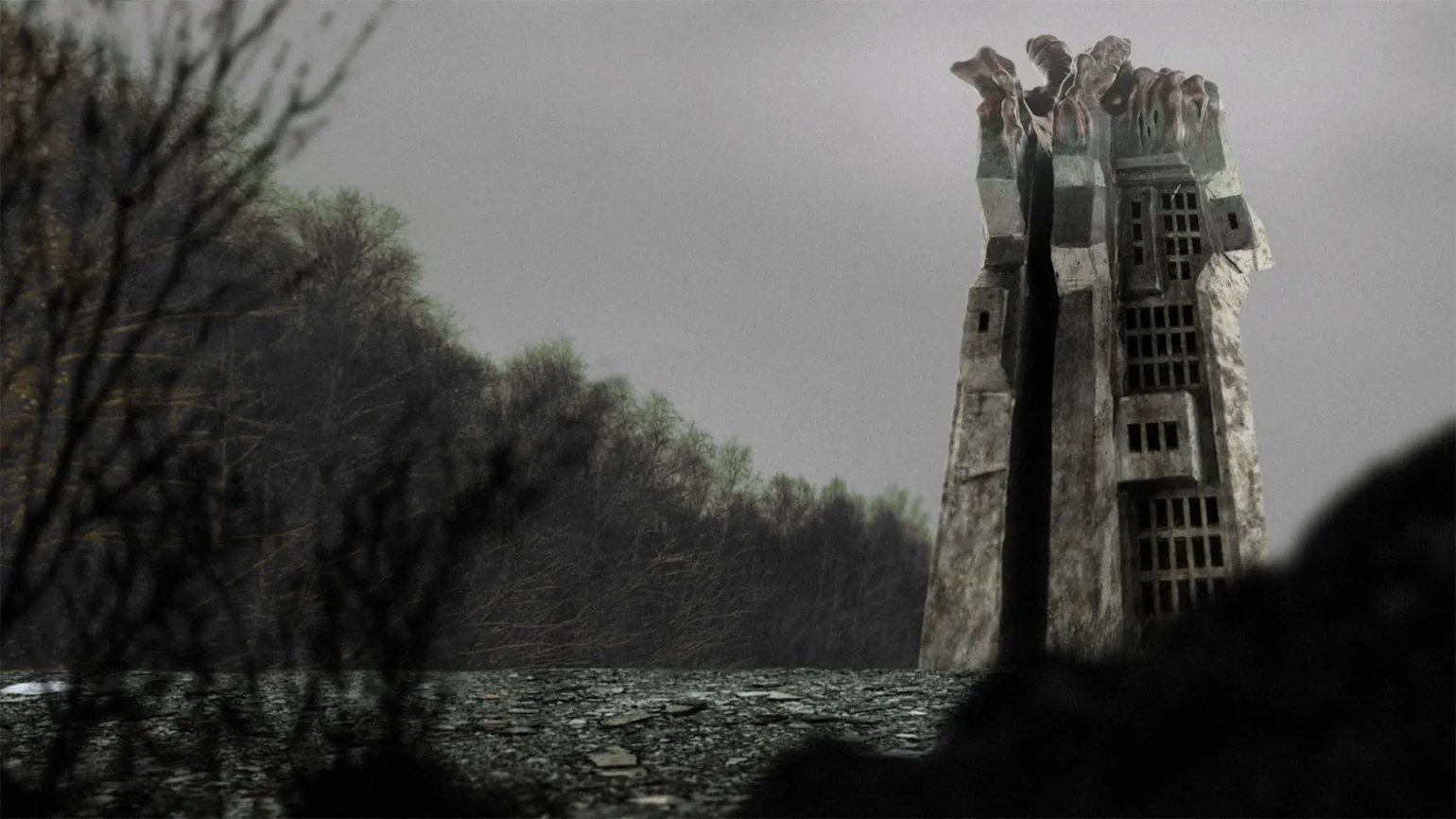
Useful tips for aspiring developers If you're interested in exploring the world of game development using handmade props but don't know where to start, you've come to the right place. We've prepared some helpful tips to help you along the way. Start by learning the basics of game development, including design, character, and environment creation. Pay attention to the materials and tools needed to create props. Experiment with different techniques to find your style and approach. Don't forget to share your work and get feedback from the community. This will help you develop your skills and be inspired by new ideas.
To create high-quality content, all you need is a smartphone and a tripod. The key isn't expensive equipment, but your desire and creativity. Start with simple ideas and experiments to develop your skills. Use your smartphone's capabilities for shooting, paying attention to composition and lighting. This way, you can create engaging content that will interest your audience.
If you're just starting out in game development, it's a good idea to start by learning about game engines and using free assets. This will help you master the basic principles of game development without investing money or unnecessary stress. By starting with simple tools, you can focus on learning key aspects of game creation, such as programming, graphics, and game design. This approach not only facilitates the learning process but also allows you to gradually accumulate experience that will serve as the foundation for more complex projects in the future.
For those with some experience, it's worth trying to complete a small project from start to finish. Even if the project is simple, it will help you assess your skills and identify areas for improvement. Consider creating a game for a game jam—it's a great opportunity to test your abilities and gain valuable development experience.
If you decide to pursue this direction, it's important to develop a clear pipeline. This will significantly streamline the process from model creation to integration into the game. Game development requires patience and attention to detail, and manually processing every photo can lead to burnout. Using automated tools and streamlining your workflow will help maintain motivation and increase efficiency. Developing a structured approach will allow you to focus on the creative aspects of development, which will ultimately improve the quality of your game.
Before embarking on more complex projects, it's important to master the basic stages of development. This will allow you to lay a solid foundation for future successful game projects and creative experiments. Good luck in implementing your ideas and creating unique games!
2D Artist: 5 Steps to Success in Graphics
Want to become a 2D artist? Learn 5 steps to creating cool characters and illustrations!
Learn more