Table of Contents:

Learn: Profession Game designer from scratch to PRO
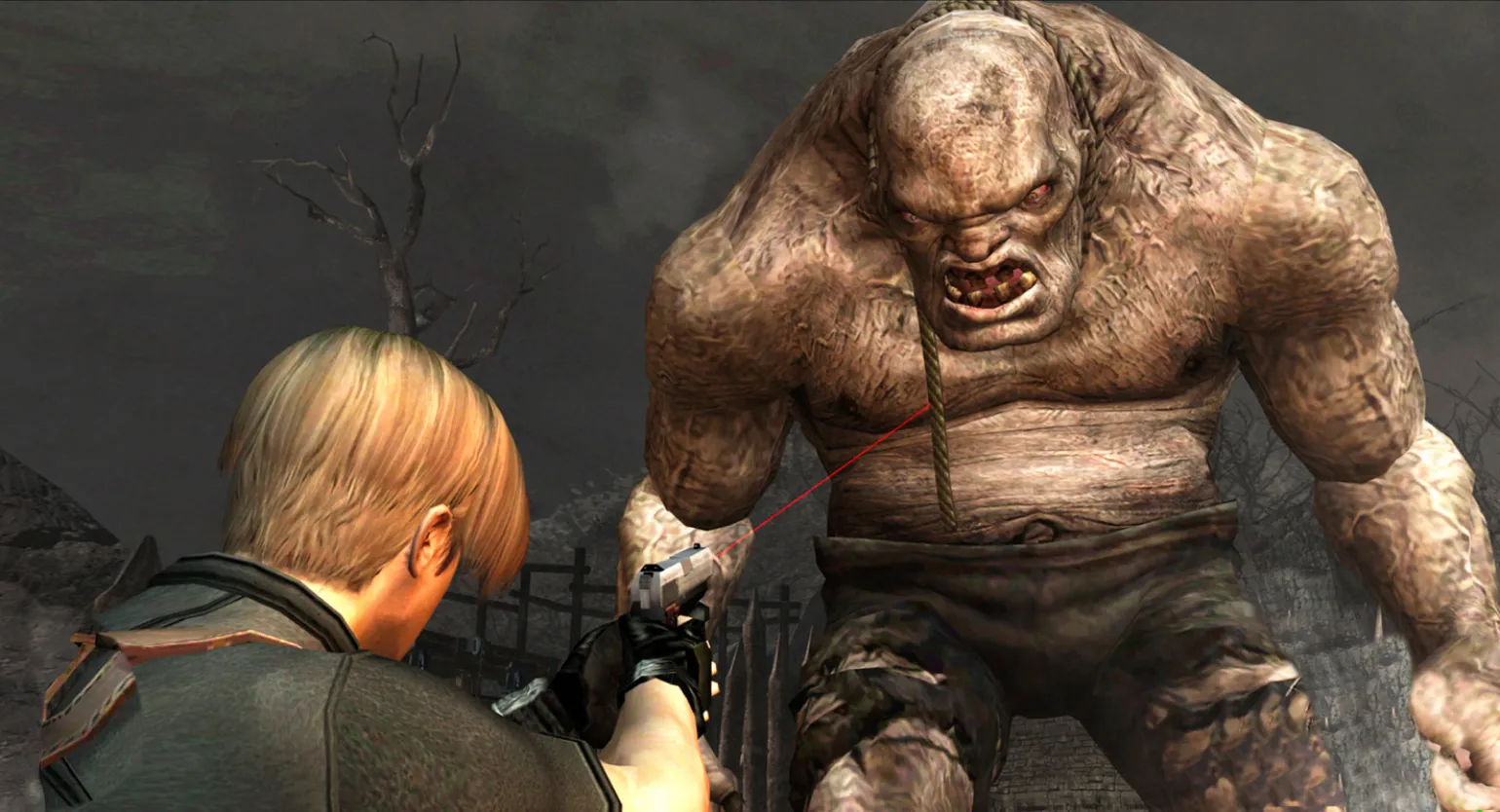
Find out moreIn June, Capcom announced a remake of the cult game Resident Evil 4. The updated version of the project will be released on March 24, 2023. In this remake, the developers intend to reimagine the plot of the original game, improve the combat and shooting mechanics, adapting them to modern standards. Significant graphics are also expected, which will allow players to immerse themselves in the atmosphere of the game on a new level. The remake of Resident Evil 4 promises to be an important event for fans and attract the attention of a new audience.
The Resident Evil series has received remakes several times. In 2002, an updated version of the first part was released, in 2019, Capcom presented a remake of the second part, and in 2020 - the third. Each time, the Japanese company modernizes and reimagines classic games. However, Resident Evil 4 stands out. The original version, released in 2005, not only transformed the series itself but also had a significant impact on the survival horror genre as a whole. This influence is still felt today, as Resident Evil 4 set new standards for gameplay and design that continue to inspire developers worldwide.
Resident Evil 4 had a significant impact on the third-person action genre, setting new standards and defining key elements that have become staples of many modern games. It masterfully combined a tense atmosphere, a gripping story, and dynamic gameplay, earning it a cult following among players and critics. The use of modern technology and innovative mechanics, such as shoulder-based aiming and an advanced cover system, changed the approach to game development. Resident Evil 4 not only expanded the boundaries of the genre but also set the tone for subsequent projects, inspiring developers to create unique gaming experiences. As a result, many modern third-person action games have adopted elements first introduced in Resident Evil 4, confirming its significance in video game history.
A Successful Reimagining of a Popular Franchise
The first game in the Resident Evil series, released in 1996, laid the foundations of the survival horror genre. The gameplay included fighting zombies, solving puzzles, and exploring the confusing corridors of a huge, maze-like mansion. Players had to slowly move through this place, looking around every corner, which was necessary not only to progress through the story, but also to replenish scarce resources such as ammunition and first aid kits. Resident Evil became a cult classic and had a significant influence on subsequent games in the genre, setting the standard for creating a tense atmosphere and the interplay between exploration and survival.
Resident Evil was one of the first games in the industry to actively integrate techniques previously used exclusively in film. A striking example of this is the cutscene in which the first encounter with a zombie occurs. Hearing the protagonist, the undead creature sitting with its back to the player slowly raises its head, and the player is shown a close-up of its bloody face turning towards the player. This approach not only enhances the atmosphere of fear but also creates a unique gaming experience that is memorable.
These memorable moments, combined with tense gameplay, made Resident Evil a true cult classic in the horror genre. The game not only immerses players in an atmosphere of fear, but also sets the standard for future video games in this direction. Resident Evil has had a significant influence on the development of the genre, inspiring many developers to create their own horror games, which confirms its status in video game history.
Resident Evil 2, Resident Evil 3, and Resident Evil: Code Veronica, released in the late 1990s and early 2000s, continued to develop the gameplay of the original game. The second and third installments introduced new enemies—the mutants Mr. X and Nemesis—who relentlessly pursued the player as they explored environments, solved puzzles, and fought regular enemies. Resident Evil: Code Veronica, unlike its predecessors with pre-rendered backgrounds, presented the action in full 3D, marking a significant step forward for the series. However, the sequels otherwise retained the proven gameplay formula that continued to generate success and profits.
Series founder Shinji Mikami and the development team decided to reimagine the franchise, which marked the beginning of work on Resident Evil 4. They sought to create something new and unique to appeal to both old and new fans. The development of RE4 brought fresh ideas and innovative mechanics that radically changed the perception of the survival horror genre.
Resident Evil series producer Hiroyuki Kobayashi noted: "In previous installments, we mostly followed the Resident Evil template. Now is the time to break free from the limitations that have held us back."
Under Mikami's leadership, the developers have shifted the game's focus, moving puzzle solving and exploration to the background. The primary focus is now on the action, allowing players to enjoy dynamic gameplay.
Instead of slow zombies, players now face the smart and fast Ganado – inhabitants of the southern European outback who have been infected by a parasite. Leon Kennedy, the rookie police officer from the second game, returns as an experienced secret service agent. Locations that were previously complex labyrinths have been transformed into chains of small levels united by a common setting: a village, a castle, and a military base. This transformation adds dynamism and tension to the game, allowing the player to immerse themselves deeper in the atmosphere of horror and the struggle for survival.
Mikami's plan was successful: the release of Resident Evil 4 received rave reviews, and less than a year later, the game's sales exceeded three million copies. This success confirms the high quality and appeal of the game to a wide audience. Resident Evil 4 became a landmark project in the video game industry, setting new standards for the genre.
The impact of the title on the development community can be assessed through an interview with game designer Cory Barlog. He noted that Resident Evil 4 and Resident Evil 7 were a source of inspiration for him when rebooting the God of War series. These projects demonstrated how to update classic games by introducing innovative mechanics and story elements, which had a significant influence on modern game design.
Resident Evil 7 demonstrates that developers with an original vision and a high-quality team are capable of making bold decisions. This confirms that the audience is ready to support innovation in gameplay.
Resident Evil 4 had a significant influence on Visceral Games. In the mid-2000s, the studio was planning the development of System Shock 3, a continuation of the famous series of first-person space horror games with RPG elements. However, the success of Resident Evil 4 forced the developers to reconsider their intentions and change their original course. This change influenced Visceral Games' approach to game development, emphasizing the importance of high-quality gameplay and atmosphere in the horror genre.
We played Resident Evil 4 and were amazed by its quality. The game truly offers a compelling story, accompanied by captivating cutscenes. The gameplay mechanics have significantly improved compared to previous installments, allowing the focus to be on the action without losing the atmosphere of horror. It's a perfect combination, and the enemies look truly impressive. Resident Evil 4 is a shining example of how to successfully update a classic formula and attract a new generation of players.
Ben Wanat is a production designer who worked on Dead Space. His contribution to the project included developing the visual style and atmosphere, which were key to the game's success with the audience. His creative approach and attention to detail gave Dead Space a unique look that sets it apart from other horror games. Wanat managed to create a tense and immersive gameplay environment, which contributed to the project's popularity and recognition in the gaming industry.
The release of Resident Evil 4 forced Visceral Games to radically change the concept of their project. The game, initially planned as a new version of System Shock, was ultimately reimagined and transformed into Dead Space. This metamorphosis became a landmark moment in the gaming industry, demonstrating how successful examples can inspire developers to create innovative products. Dead Space not only retained the elements of sci-fi horror but also introduced unique mechanics and atmosphere that have made it a cult favorite among fans of the genre.
When you play Dead Space, you get the feeling that the developers decided to create Resident Evil 4 in space, as Ben Wanat noted. This was precisely the goal of Visceral Games. To achieve this effect, the team utilized several key elements borrowed from Resident Evil 4, creating a unique experience that blends horror and science fiction elements.
Over-the-Shoulder View
One of the most noticeable additions to Resident Evil 4 is the new camera angle. This change dramatically transforms the gameplay experience, offering players a more immersive experience of horror and tension. By changing the camera angle, gamers are better able to navigate the world around them, enhancing the sense of realism and engagement with the story. The new perspective also allows for more effective interaction with enemies and the environment, making every moment more immersive. These changes not only update the classic formula, but also bring a fresh take on the well-known franchise, attracting both old and new fans of the series.
In previous installments of the series, the player observed events from a fixed point, reminiscent of watching a film or surveillance footage. This approach had practical implications: the static perspective allowed the developers to use pre-rendered textures, which contributed to the creation of highly detailed environments that met the standards of the time. This method provided a sense of immersion and allowed the player to focus on the details of the surrounding world, making gameplay more immersive and engaging.
In the early 2000s, the technical limitations of the previous game were overcome, allowing the developers to change the camera position. It was now positioned slightly behind and above the shoulder of the protagonist, Leon. This innovation significantly impacted the perception of the gameplay and added depth to interaction with the surrounding world.
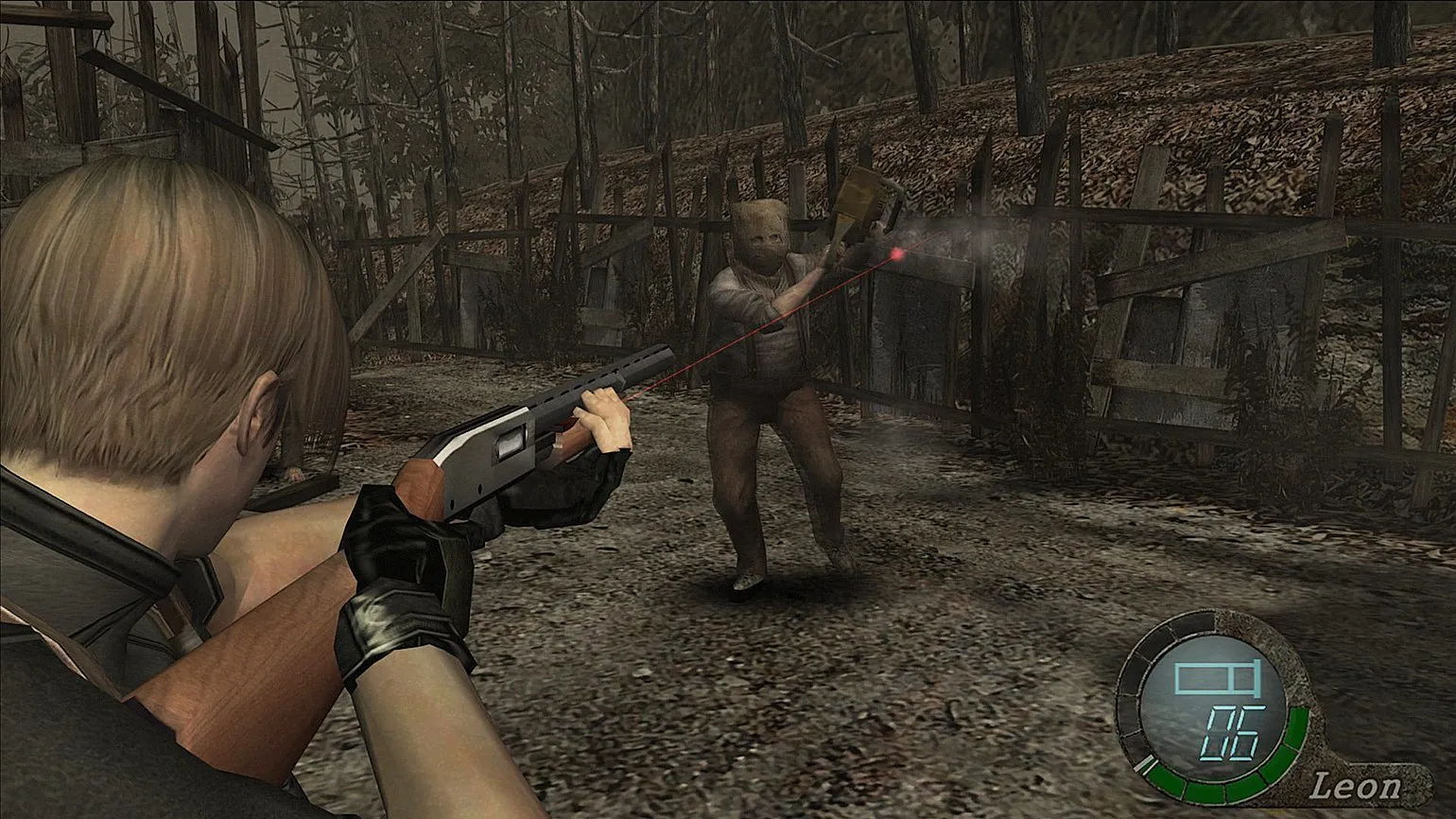
This camera angle was familiar to the gaming industry before: it could be seen in the Western shooter Red Dead Revolver (2004) and Cold Fear (2005), released just a few months after the fourth Resident Evil game. However, neither of these games utilized the over-the-shoulder perspective as effectively as Shinji Mikami's creation. This innovative approach to controls and perspective changed the perception of horror games, making them more tense and interactive.
Capcom managed to make the new camera position both an advantage and a disadvantage for the player. On the one hand, the over-the-shoulder view allows you to see all the threats that may arise ahead, as well as accurately aim at enemies. On the other hand, this angle limits the perception of what is happening behind the protagonist, since the player's field of view coincides with the character's field of view. This creates additional gameplay challenges and requires players to be more attentive and strategic.
Resident Evil 4 successfully maintains the suspense and paranoia found in previous installments of the franchise. This is achieved by retaining the tank-like controls carried over from earlier games in the series. Leon's shaky aim and limited mobility while shooting and reloading also play a significant role in creating a tense atmosphere. These elements interact with each other, providing players with a unique experience that makes them constantly feel threatened and tense.
Designer Cliff Bleszinski, known as the creator of the Gears of War series, was one of the first to adapt the innovations introduced by Capcom. In his lecture dedicated to the first Gears of War, he singled out Resident Evil 4 as a key source of inspiration for his work. This confirms Resident Evil 4's significant influence on the genre and its role in shaping modern gaming mechanics.
Developer Bleszinski shared his opinion on the future of third-person action cameras at the 2007 GDC conference. He noted that he was always annoyed when the protagonist obscured his view in shooters. Bleszinski emphasized that over-the-shoulder viewing is the optimal angle, which not only improves gameplay but also allows players to aim more accurately. This approach to the camera significantly improves the usability of the game and makes it more exciting.
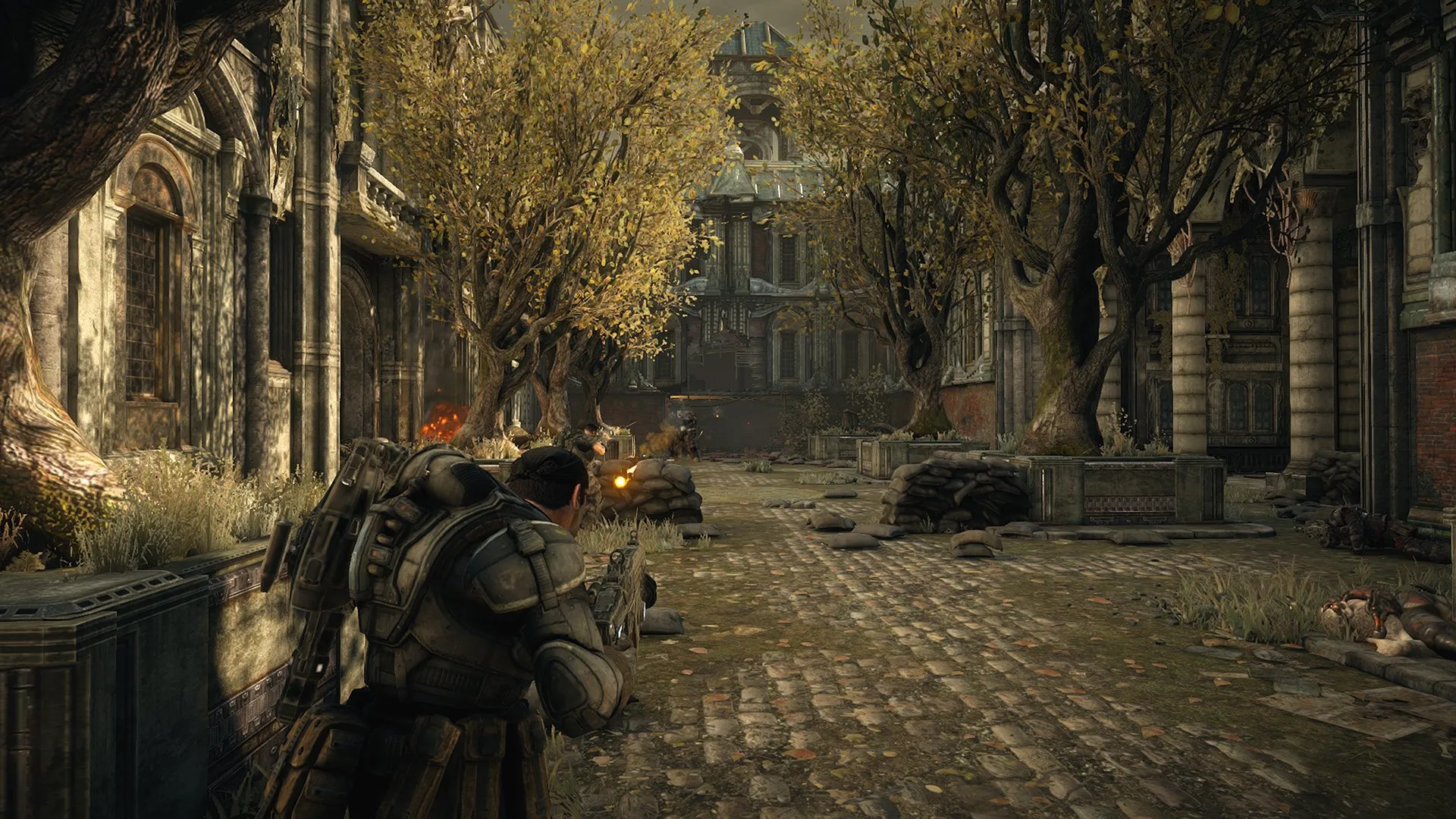
Bleszinski noted that being able to observe protagonist Marcus Fenix up close fosters deeper empathy for the character. This allows players to better identify with Marcus's story and emotions, which enhances overall immersion.
Visceral Games' designers followed a similar concept when creating Dead Space, placing the camera over the shoulder of protagonist Isaac Clarke. This decision created a deeper immersion in the game's atmosphere, heightening the sense of tension and horror. This perspective allowed players to better experience and interact with the world around them.
Despite Isaac's lack of voice acting in the first game, I felt able to form a strong connection with him. This was made possible by the player being able to watch him being captured and torn apart. This visualization helped to better understand the character and their situation, which would be impossible to achieve in a first-person shooter.
Ben Wanat is a production designer on the team that created the acclaimed video game Dead Space. His work covers key aspects of design and visualization, which helps create a unique atmosphere and immersion in gameplay. Wanat is responsible for developing conceptual ideas and visual elements that make the game engaging and memorable. His contributions to Dead Space play a vital role in shaping the style and overall feel of the project, allowing the game to stand out from other survival horror games.
Resident Evil 4's contribution was praised by Neil Druckmann, creator of The Last of Us and screenwriter of the Uncharted series. He noted that the use of the over-the-shoulder camera angle radically changed the gaming industry. This camera angle has become the standard for third-person action games. Today, it can be seen in such famous projects as Uncharted, The Last of Us, Control, Mass Effect, and Grand Theft Auto, as well as in modern versions of Tomb Raider and God of War. Resident Evil 4's influence on game design cannot be overstated, as it set new standards for how players interact with the game world.
Environmental Interactivity and Enemy Design
Resident Evil 4 is more linear than previous games in the series, but this does not mean that it has lost its elements of freedom. The game still offers players a variety of opportunities for exploration and decision-making, which makes the gameplay interesting and tense.
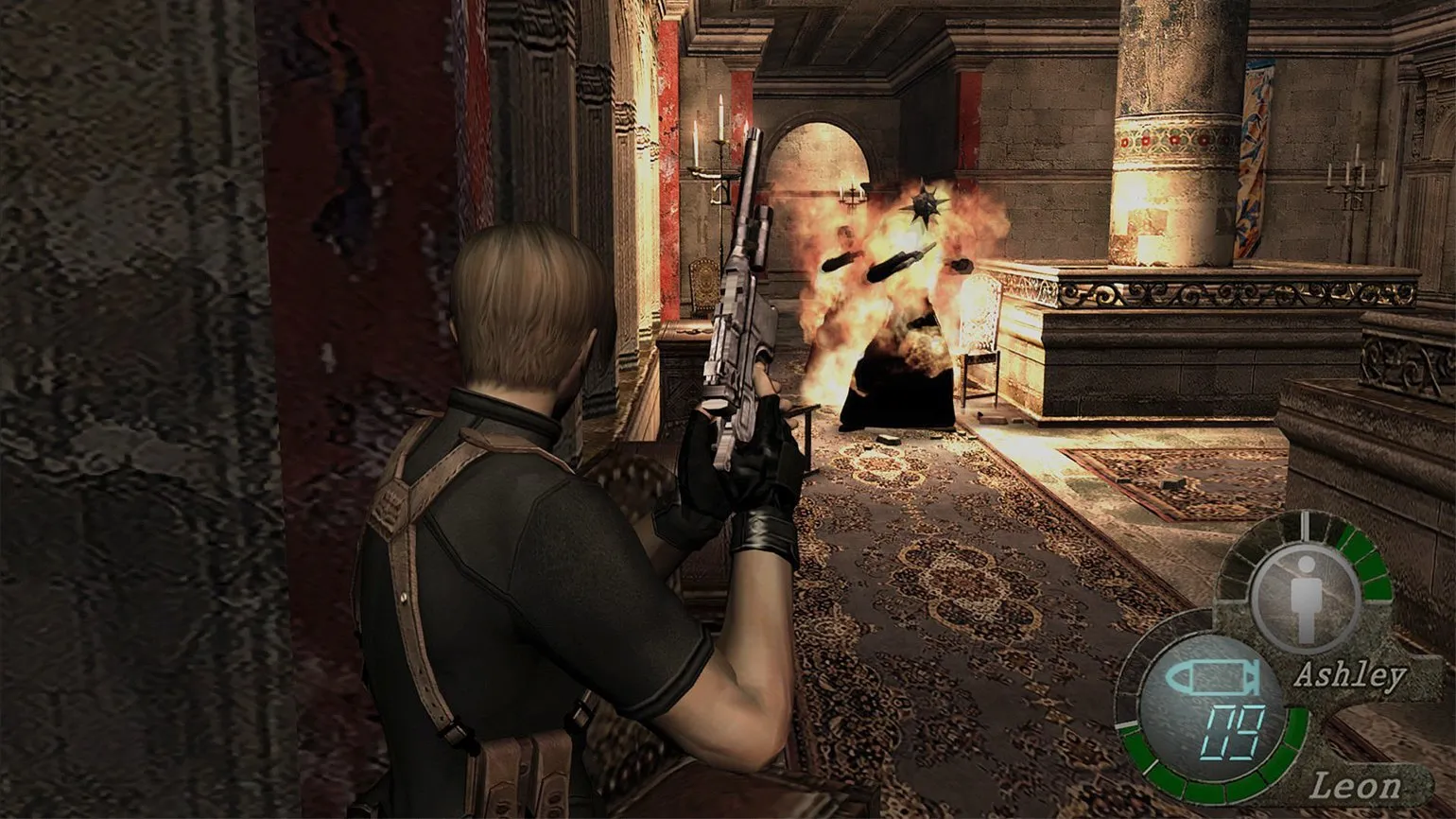
The locations where the player will have to fight Ganado are multi-level arenas with many interactive elements. For example, the village at the beginning of the game was called "the greatest opening battle in the history of video games" by Bruce Straley, the development director of such iconic projects as The Last of Us and Uncharted. These spaces not only create a unique atmosphere, but also offer a variety of opportunities for tactics and strategy, which makes the gameplay more exciting and dynamic. Each arena is filled with details that the player can use in combat, which adds depth and variety to the gaming experience.
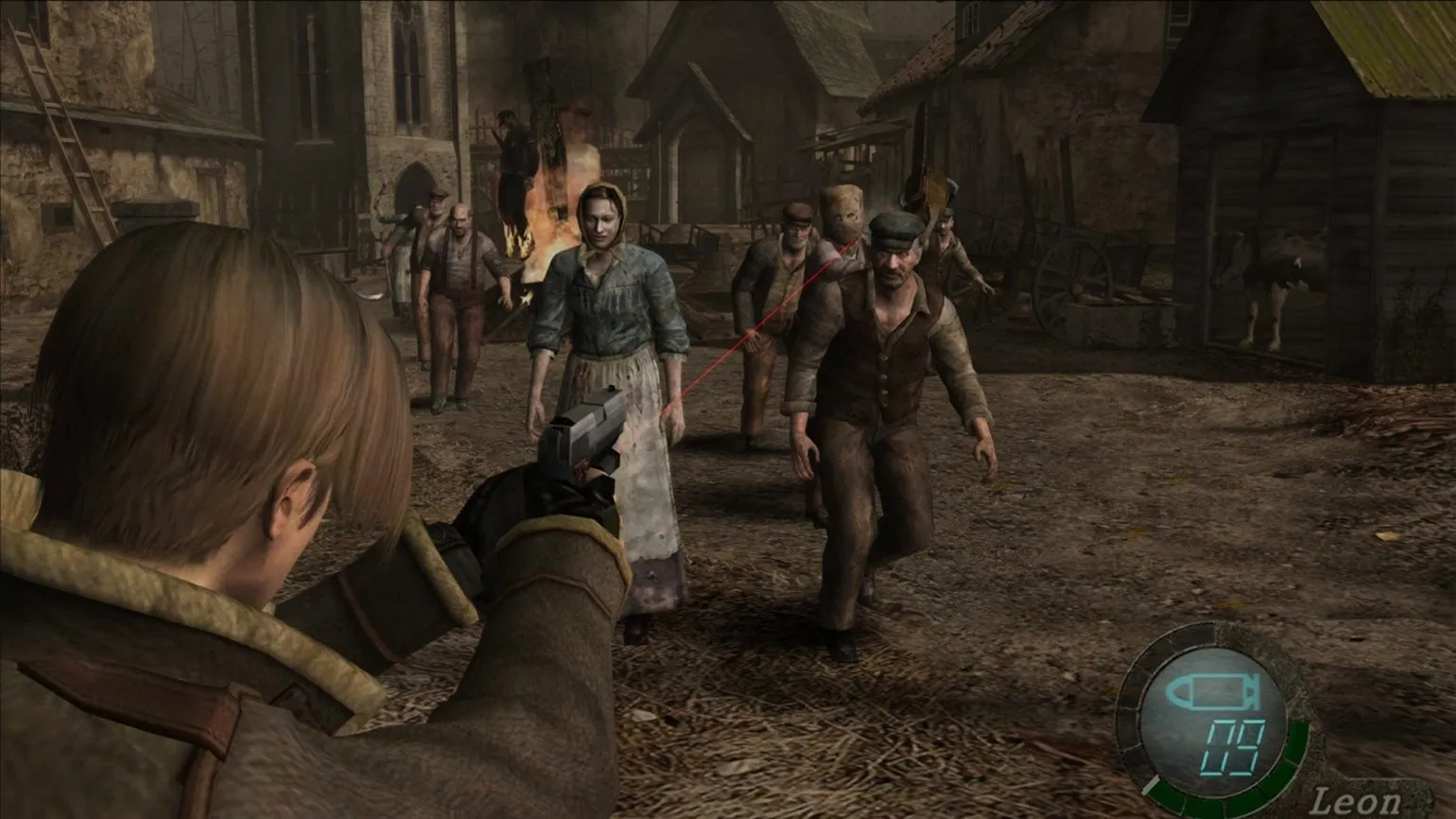
In this game, Leon Kennedy faces a large group of enemies for the first time, creating new challenges and opportunities for the player. This also allows the player to demonstrate a variety of strategies and techniques that will help effectively deal with enemies.
The hero is able to climb onto rooftops and drop ladders to stop Ganado's advance. He can barricade windows and doors with cabinets, creating obstacles for enemies. It is also possible to jump out of windows and off rooftops when enemies try to trap Leon. These gameplay elements add dynamism and strategic thinking to the fight against enemies.
Players are now able to aim precisely, which has led to the addition of weak points for Ganado. Shots to the legs knock them down, and headshots temporarily incapacitate them, giving Leon the chance to quickly approach the enemy and deliver a spinning kick. These mechanics add a strategic element to the game, allowing for a variety of tactics to combat enemies.
In Resident Evil 4, players are not only allowed but encouraged to take a tactical approach to combat. With limited ammo and health packs, enemies become a real threat, making every encounter more tense. Combat requires constant movement, finding strategic positions, and finding ways to slow down enemies. Every shot must be as effective as possible, as resources are at a premium. This evolution of gameplay makes Resident Evil 4 a more engaging and deeper experience than previous installments in the series.
During the development of the first BioShock, the Irrational Games team faced an important question: how would fans of traditional, dynamic shooters react to more complex gameplay mechanics, including non-linear levels and RPG elements?
As the studio's lead level designer, Bill Gardner, noted, the success of Resident Evil 4 dispelled all doubts about the future of the series.
Resident Evil 4 demonstrated that players were ready for new challenges in the shooter genre. This game confirmed that audiences are looking for deeper interaction with the game environment and a variety of tools to use in combat. Players are looking for the opportunity not only to overcome obstacles, but also to actively use environmental elements to achieve their goals. Resident Evil 4 was a shining example of how to combine immersive gameplay with innovative mechanics that meet the needs of modern gamers.
Bill Gardner, the renowned level designer for BioShock, had a significant influence on the development of video games and their aesthetics. His work on BioShock became a benchmark for mastery in creating an immersive game world. Gardner used unique approaches to level design, which allowed him to create an atmosphere filled with deep concept and emotional content. Thanks to his creativity and attention to detail, BioShock became an iconic game that continues to inspire developers and players around the world. Bill Gardner's contribution to the video game industry is undeniable, and his ideas continue to influence modern projects.
According to the developer, Shinji Mikami's game demonstrated how an interactive environment can enrich a combat system. Gardner noted that the team carefully analyzed the village scene at the beginning of the game to understand how Capcom implemented combat in locations that can be described as small sandboxes. In such locations, the player not only has a variety of weapons to choose from but also plenty of opportunities to interact with the environment, making the gameplay more dynamic and engaging.In BioShock, interactive elements create a unique gaming experience, enhancing the effects of Plasmids—special serums that grant the player supernatural abilities. For example, the protagonist can use an electric charge to stun enemies, but it can also be directed at a puddle containing several enemies, damaging them all at once. The Fire Plasmid not only sets enemies on fire but also ignites oil slicks found throughout the levels, opening up new tactical possibilities. Defense turrets, which initially attack the player, can be reprogrammed to engage enemies, adding depth to strategic planning in combat. Mechanics like these make BioShock not just a game, but a true masterpiece, where every action has consequences.
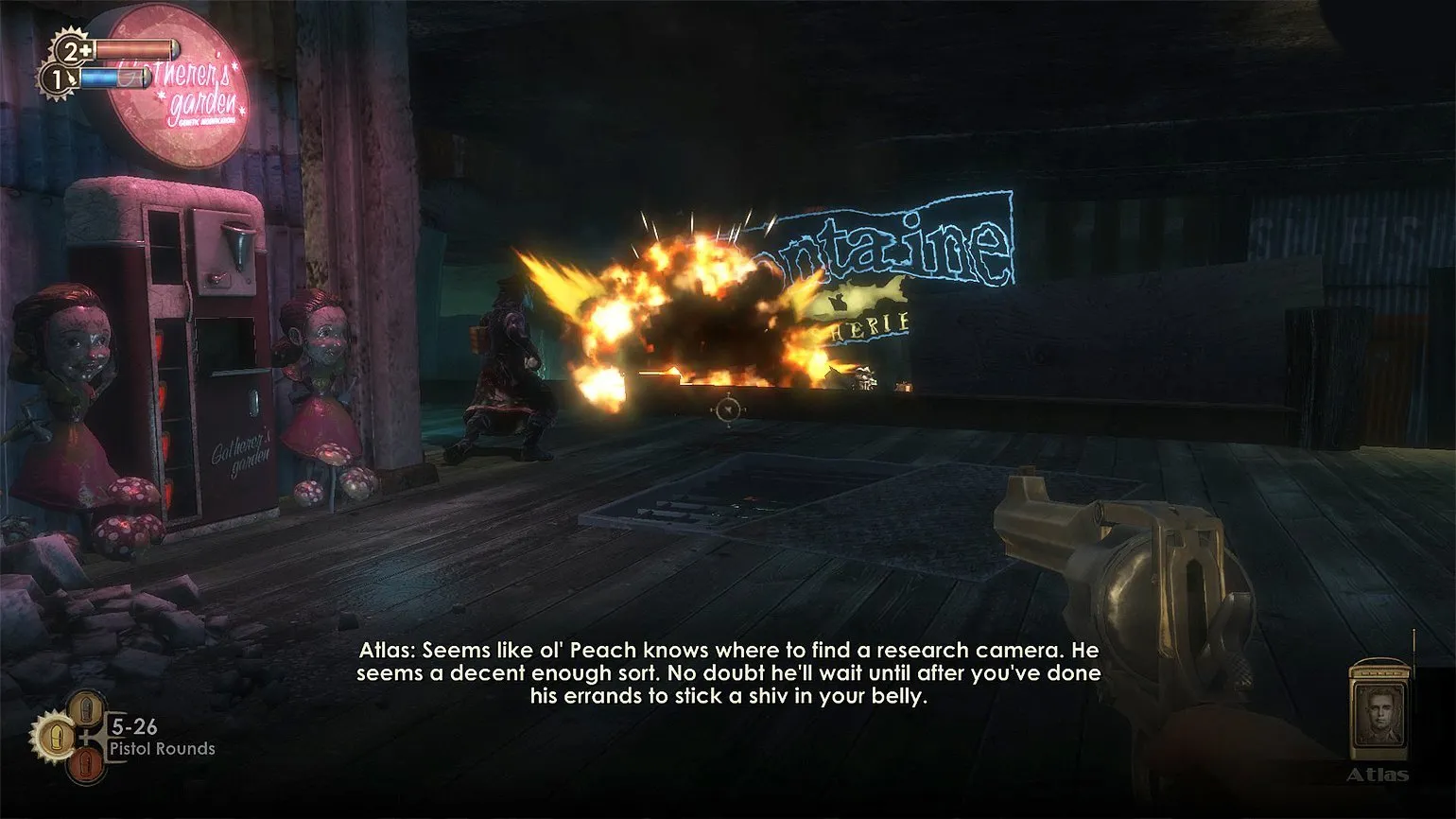
Interestingly, the BioShock developers initially considered using the inventory system from Resident Evil 4 to encourage resource management. Meanwhile, the Gears of War team also planned to implement a currency system similar to the one used in the Capcom game, allowing players to purchase weapons and resources. These ideas highlight the importance of resource management mechanics in modern video games, as well as the influence of classic games on the development of new projects.
In some cases, the developers decided against borrowing from the game to maintain the pace of gameplay. However, the concept of players making the most of their available resources was reflected in the 2018 game God of War. This game demonstrates the importance of effectively managing available resources, which adds depth and strategy to the gameplay.
This idea, according to the game's lead level designer, Rob Davis, became the basis for one of the game's key features: the ability to throw an axe into a crowd of enemies and return it back to inflict maximum damage. This mechanic not only adds dynamism to the gameplay, but also allows players to apply strategy, choosing the optimal moment to attack.
The concept of enemy weak points is actively developed in the design of the Necromorphs in the game Dead Space. In this project, characters cannot be destroyed with a simple headshot; they die only after the protagonist, Isaac Clarke, shoots off their limbs. This approach to gameplay adds an element of strategy and tension, forcing players to carefully plan their actions and choose the optimal methods of fighting enemies.
The Last of Us also borrowed monster designs from Team Mikami. Neil Druckmann, the game's development director, acknowledged that the iconic chainsaw-wielding enemies, who can easily kill Leon with a single blow, inspired the creation of the Clickers. These creatures, like their predecessors, are capable of ending Joel's life with a single bite. Thus, the influence of classic games on modern game design and character development can be traced. Inspired by Resident Evil 4, Naughty Dog sought to create a unique gaming experience, which game designer Ricky Cambier described as a blend of action and suspense. In this context, the developers emphasized survival elements. Unlike Uncharted, where the protagonist's wounds heal quickly, in The Last of Us, players encounter realistic healing mechanics: damage does not regenerate automatically. Furthermore, ammo shortages force players to actively seek out resources needed to craft tools, Molotov cocktails, and first aid kits. This creates tension and enhances the game's survival atmosphere, making every enemy encounter crucial.
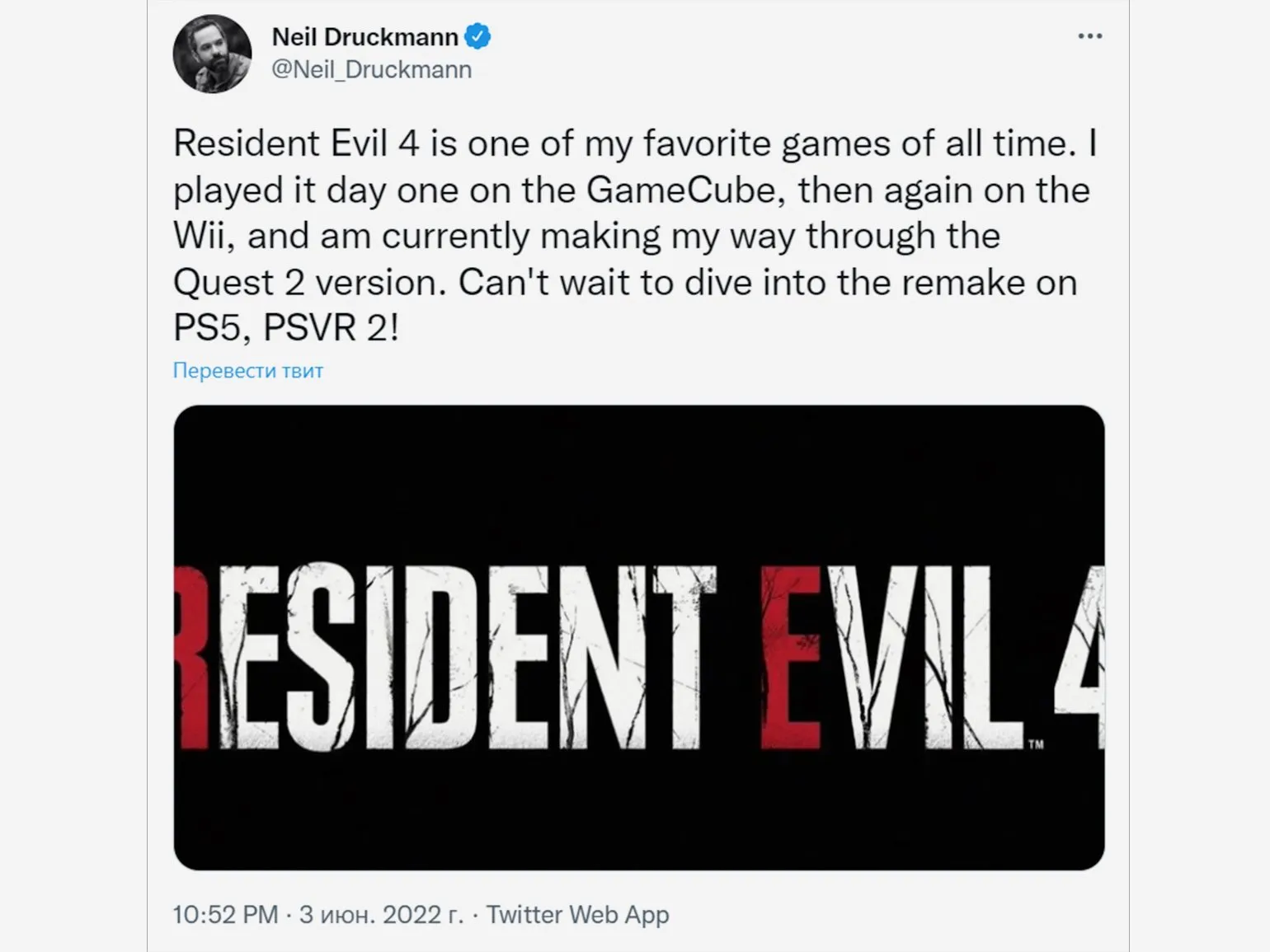
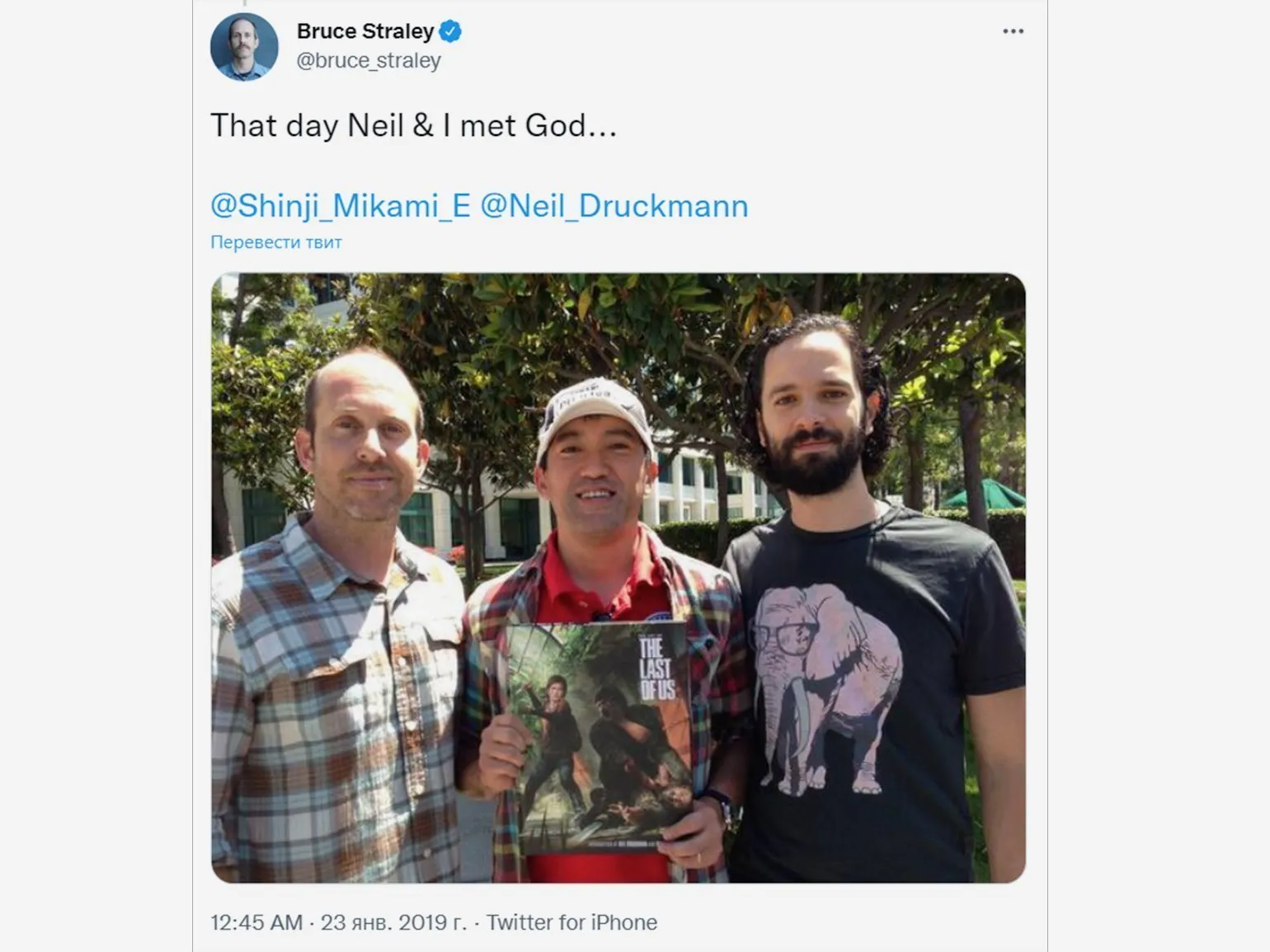
Naughty Dog employees are devoted fans of the Capcom series, especially its fourth installment. For example, Neil Druckmann responded to the announcement of the Resident Evil 4 remake with a post calling it one of his favorite games. In 2013, Tetsuya Mikami, the creator of Resident Evil, visited the studio as a guest. Bruce Straley described the meeting as the day they met "God." This passion for video game classics underscores the influence Capcom games have had on the development of Naughty Dog and their own projects.
The games created by the developers have largely adopted elements from Resident Evil 4. This applies not only to the design of enemies, but also to the general structure of the gameplay. They also exhibit a similar approach to the combination of game mechanics and storylines. Resident Evil 4's influence has been visible across many titles, confirming its significance in the video game industry.
Cinematic Gameplay
The creators of Resident Evil initially set out to create a game franchise that would capture the atmosphere of zombie thrillers and B-movies. This became the basis for a unique blend of survival horror elements that captured the attention of players and led to the game's cult status. Resident Evil masterfully interweaves elements of a tense storyline, an eerie atmosphere, and survival mechanics, making each installment in the series unforgettable.
While developing the game, I realized how exciting it would be to kill zombies myself. These emotions cannot be experienced while watching a movie. At that moment, I realized that we had essentially created a new genre in the gaming industry, one that combines elements of horror and active interaction with the surrounding world. This discovery was a significant milestone for our project and laid the foundation for future innovations in games.
Resident Evil 4 continues the series' tradition by immersing the story in a world of absurdity. At the beginning of the game, Leon Kennedy travels to remote areas of Spain to find Ashley, the missing daughter of the US President. He soon discovers that she has been kidnapped by the religious sect Los Illuminados, who intend to implant her with parasites discovered during excavations. The cult's goal is to send Ashley back to America to infect the country's inhabitants.
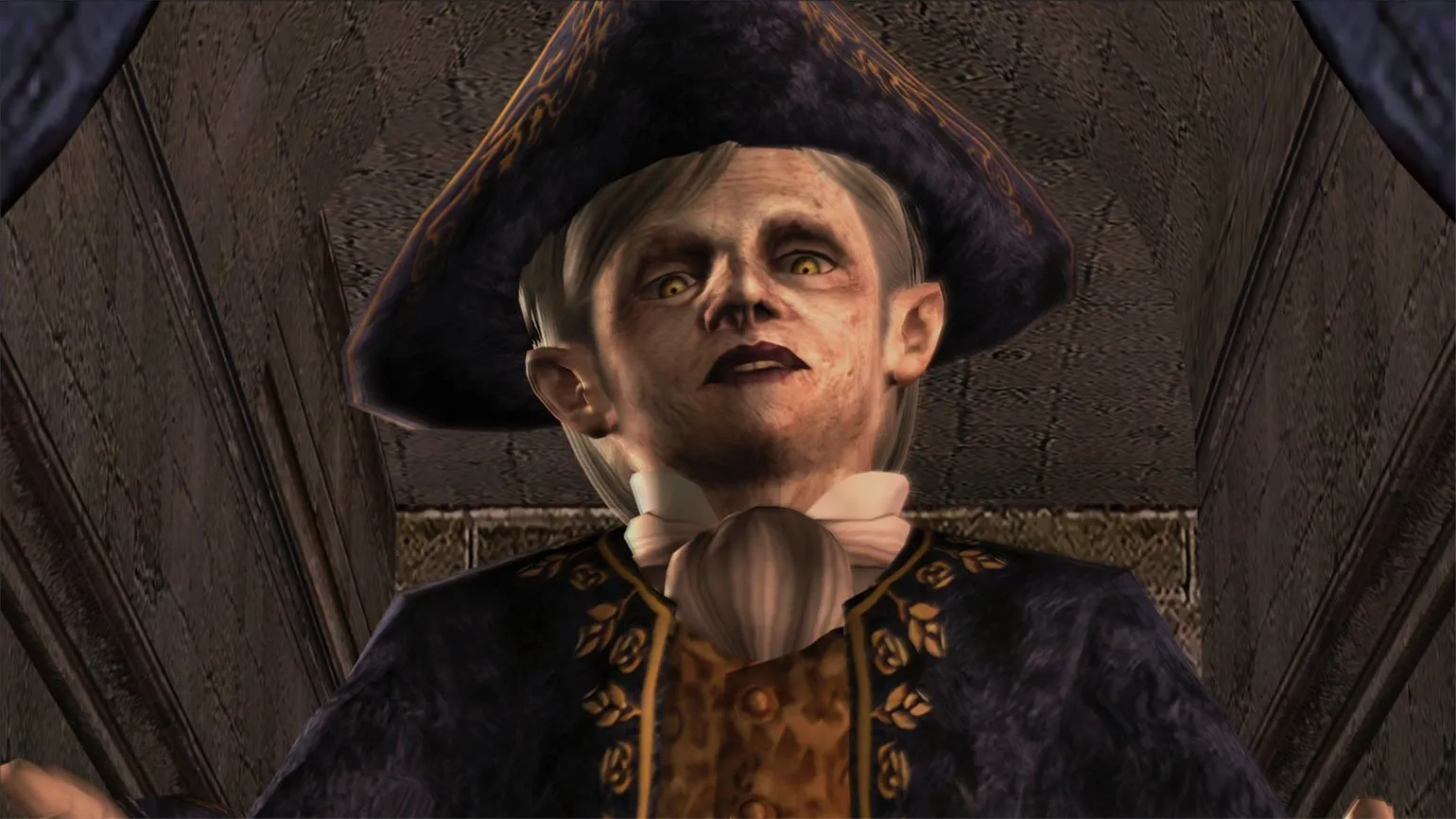
The plot may seem absurd, but it successfully holds your attention thanks to its ironic narrative style and the skillful combination of various plot and gameplay elements. The gameplay relies on several key aspects that constantly change and interact with each other. This variety allows players to experience new sensations and maintain interest throughout the game.
- battles with Ganado and other mutants: dogs, giant bugs, or blind monsters - Wolverines;
- cut-scenes, which serve as exposition and an opportunity for Leon and other heroes to make a few witty remarks, as well as to test the player's reaction with the help of QTE elements;
- horror episodes designed to dilute the usual pace;
- solving simple puzzles and overcoming traps (including with the help of QTE);
- purchasing weapons and upgrades from a charismatic merchant with the famous phrases "What are you buyin'?" and "Not enough cash, stranger!";
- a spectacular climax scene, be it defending a house from a crowd of Ganado or a battle with a boss, after which the tension subsides and the player is given the opportunity to rest.
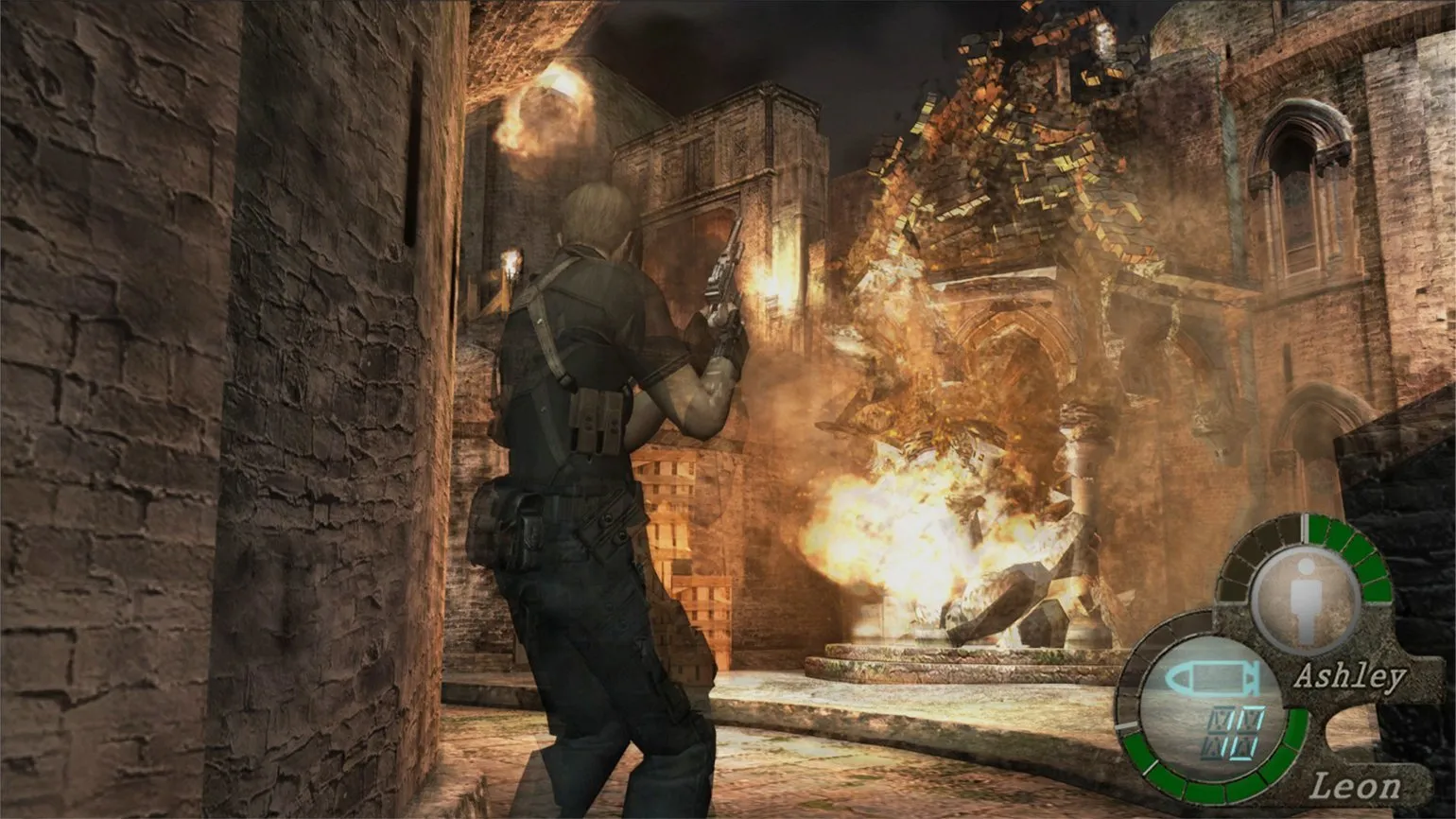
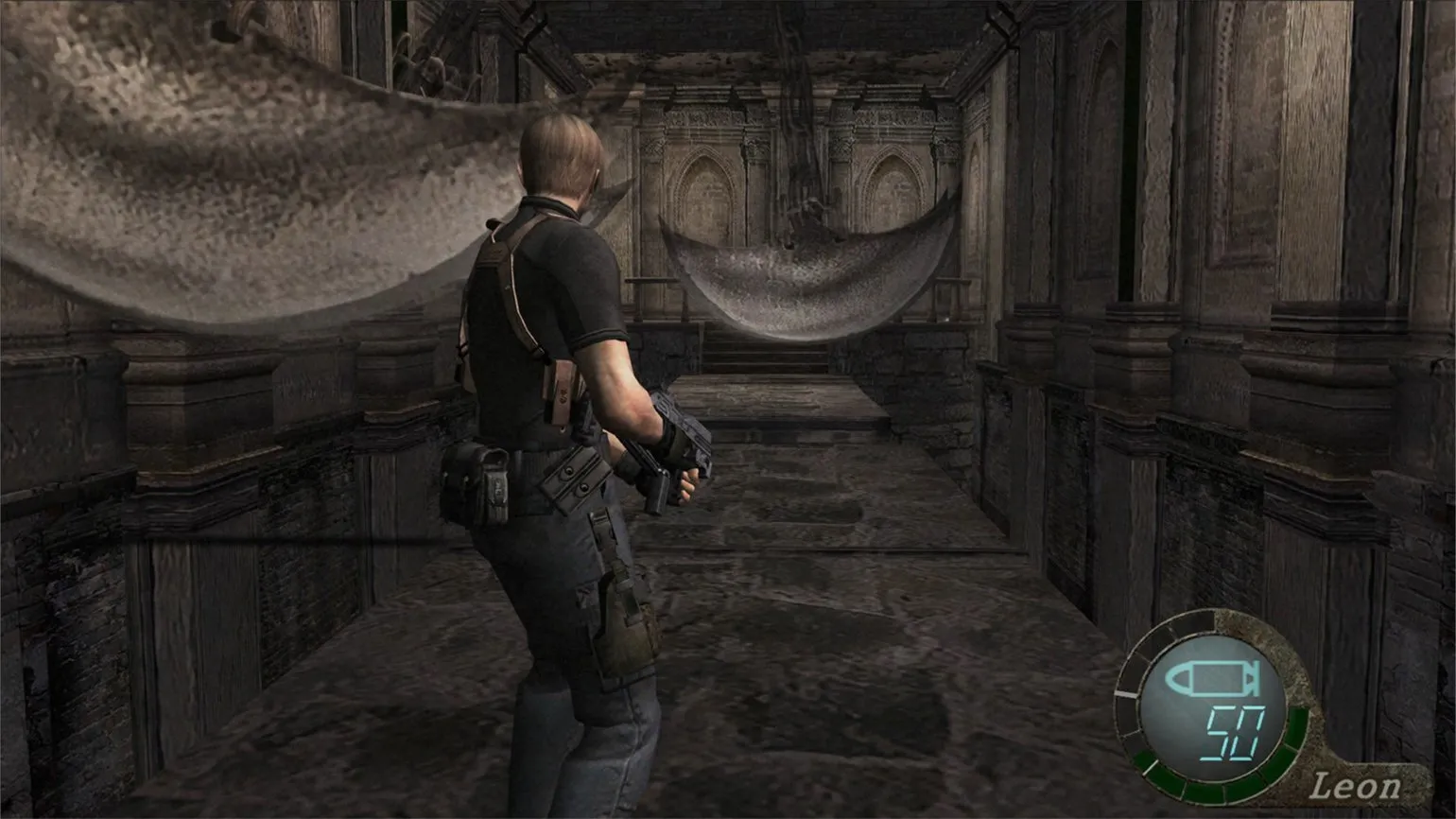
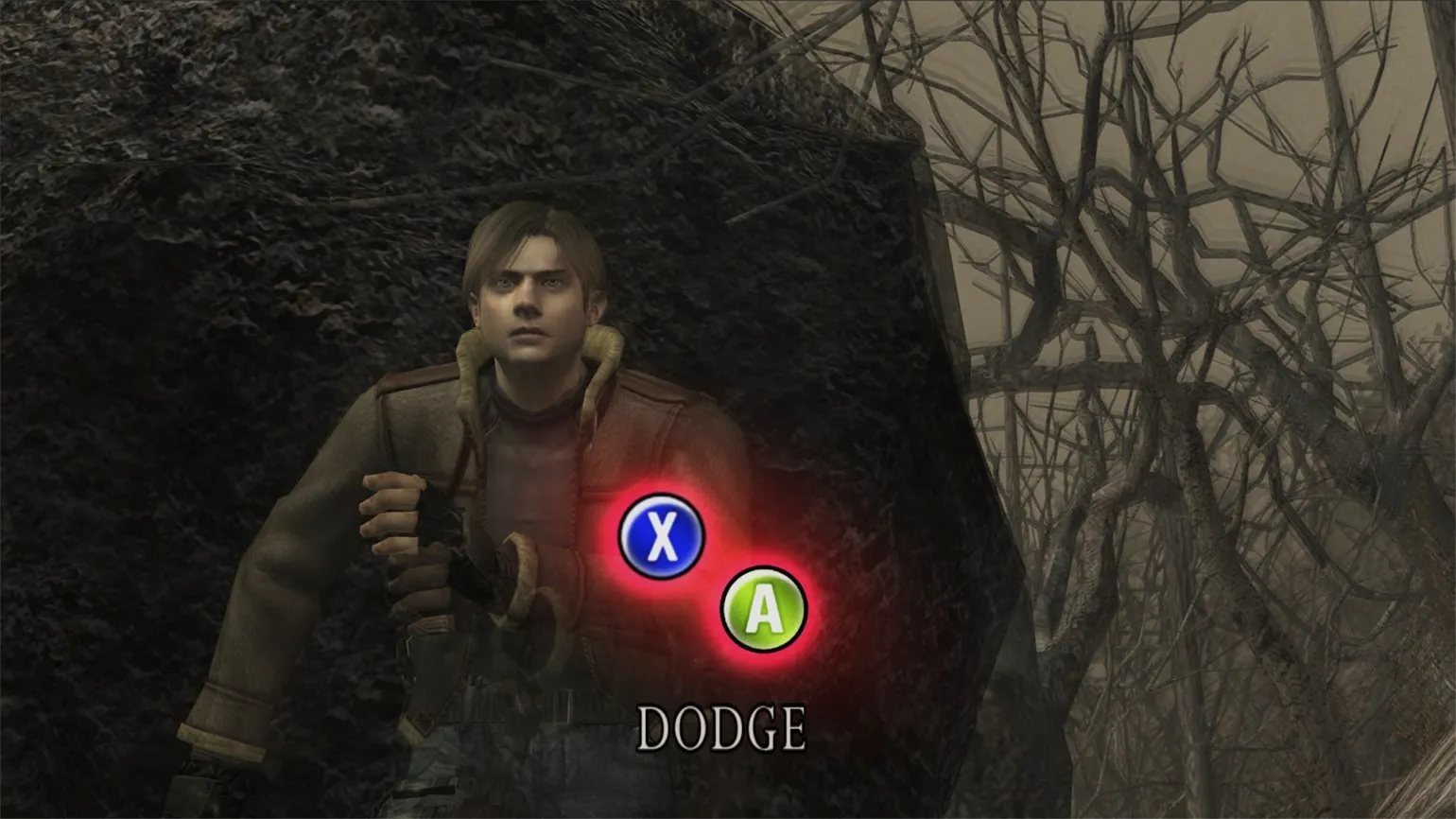
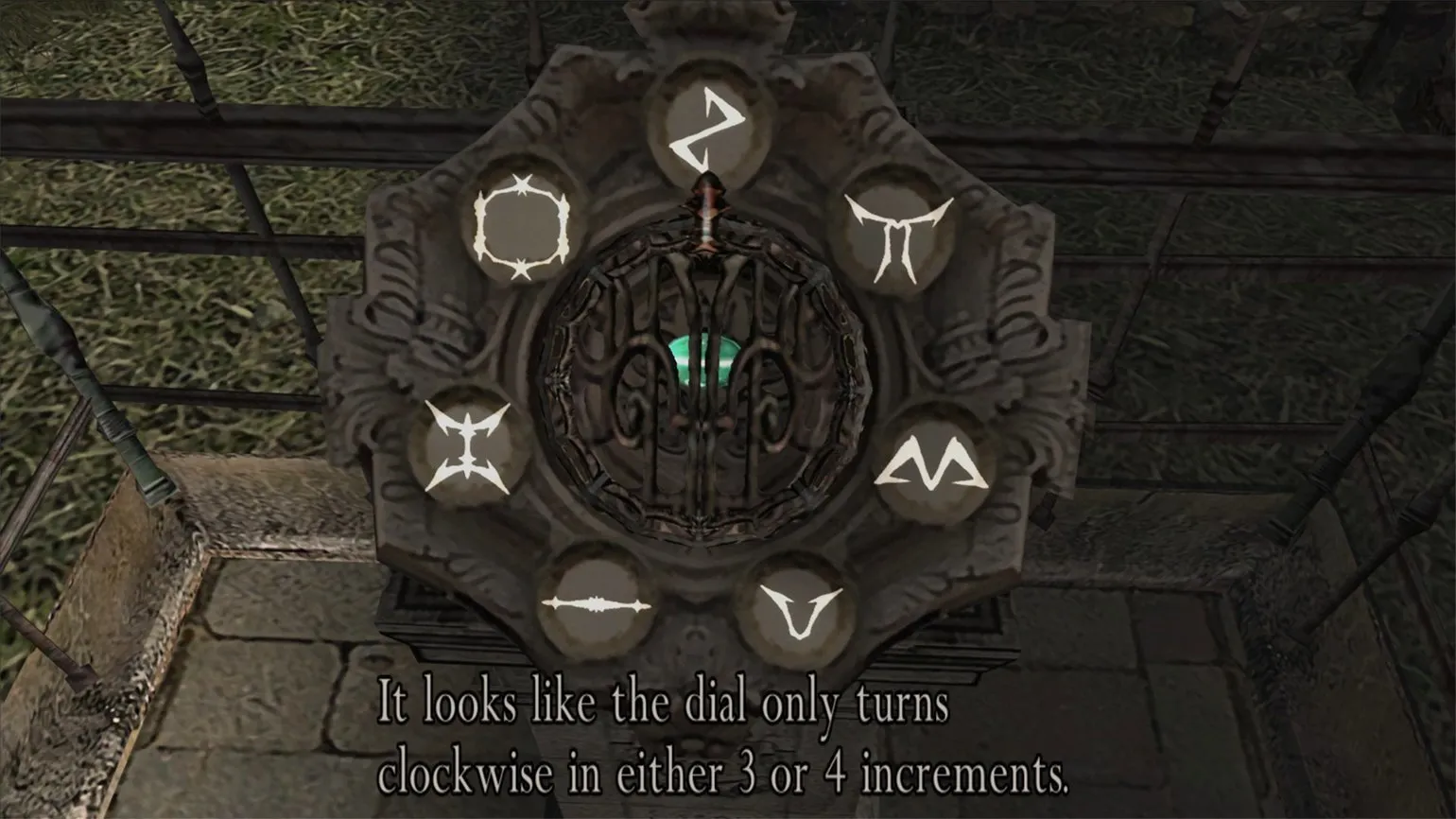
Alternating gameplay elements to keep players engaged is a classic technique in game design, but it was Resident Evil 4, along with Half-Life 2, that raised the bar in terms of pacing and gameplay variety. These games not only introduced innovative mechanics but also set new standards for the genre, introducing dynamic moments and unique gameplay situations. As a result, they became benchmarks for subsequent projects, demonstrating the importance of balancing action and exploration.
The game offers players a variety of situations, enemies, and mechanics, making the experience exciting. Battles with Los Illuminados cultists can unexpectedly give way to horror segments in which Leon confronts elusive monsters in the sewers. After this, the player must navigate a room full of traps, where giant blades create additional obstacles, before reaching a room where they must solve several puzzles and meet Ganado again. All of these events take place within a single level, maintaining a high pace throughout the 16-hour story campaign. The developers masterfully build tension and provide the player with necessary rest periods, maintaining interest and engagement throughout the gameplay.
The cutscenes in Resident Evil 4 (RE4) stood out among games of their time thanks to their high-quality animation, masterful cinematography, and complex production design. Ben Wanat noted how struck he was by the opening scene, in which Leon is driving a car and discussing a mission with local police officers. This scene not only sets the tone for the entire game but also demonstrates an attention to detail that makes it memorable for players. The high quality of RE4's cutscenes was a crucial element in creating a deep and engaging atmosphere, which in turn cemented the game's position as one of the best in the genre.
The game's more linear structure allowed for the integration of numerous scripted moments that seamlessly integrate into the gameplay. For example, the first encounter with the blind mutant Wolverine Garrador, who suddenly breaks free from his prison shackles, is memorable. Also worth noting is the scene of assaulting a military base with the support of a combat helicopter, which creates a sense of dynamism and tension reminiscent of the Call of Duty series. These elements add depth and variety to the gameplay, making it more engaging and interactive.
Resident Evil 4 wasn't the first significant third-person action game to strive for a cinematic feel. It was preceded by titles like Max Payne and Metal Gear Solid. However, Capcom offered a unique approach to combining various gameplay elements that became the foundation for the structure of modern games in the genre. The innovations introduced in Resident Evil 4 had a significant impact on the development of gaming, setting new standards for interactive storytelling and game mechanics.
Mikami's influence is evident in the Uncharted series, which dynamically combines gameplay mechanics, environments, and narrative tone. A prime example of this is the famous sequence from Uncharted 2: Among Thieves, which centers on a thrilling shootout on a train. This moment illustrates how elements of action and tension can effectively interact to create a unique gaming experience for users.
Mark Brown, host of the YouTube channel Game Maker's Toolkit, in his essay "Keeping Players Engaged," analyzes how games can effectively switch between different types of gameplay to maintain user interest. He demonstrates this by transitioning from slow puzzle-solving to intense city combat scenes, then to a calm exploration of a train yard. It culminates in a thrilling train assault and derailment, followed by a quiet episode of the protagonist, Drake, recovering in a Tibetan village. This approach to gameplay structure not only keeps players engaged but also diversifies their experience, making the game more engaging and memorable.
Naughty Dog, like Capcom, uses a dynamic pace and thoughtful gameplay structure to create the atmosphere of a large-scale adventure, in line with the philosophy of the Uncharted franchise. The game immerses players in a captivating world where every moment is filled with tension and unexpected twists, making it a prime example of the adventure game genre.
In the modern gaming world, many adventure games follow a similar formula, from 2013's Tomb Raider to Marvel's Guardians of the Galaxy. These games share several key elements: a linear narrative, action-packed sequences where the player encounters enemies in confined arenas, and carefully crafted climaxes filled with quick-time events. This approach creates an immersive gaming experience that holds players' attention and immerses them in a world of adventure. Yahtzee, author of the Zero Punctuation series of video game reviews, aptly compares the gameplay to a ride on a ghost train at an amusement park. This comparison highlights the linear nature of many video games, where spectacular moments and a variety of gameplay styles are used to maintain player engagement. This combination of effects and dynamics makes for a memorable, if not always profound, gaming experience.
The Death and Transformation of Survival Horror
Shinji Mikami, the creator of the survival horror genre, could perhaps have said in 2005, "I gave birth to you, so I will kill you." While his intentions were not actually to destroy the genre, he did seek to update the outdated elements that defined it. Mikami understood that for survival horror to continue to evolve, it needed to change and adapt to new player demands. As a result of his work, the genre was given a new lease on life and became more relevant while maintaining its original atmosphere of fear and tension.
After the release of Resident Evil 4, classic video game horror games created by the standards of the late 1990s, with their slow pace and clunky combat, began to be perceived as dated. They were replaced by games that harmoniously combined intense action with resource management and a tense atmosphere. These changes in game design have led to new standards in the genre, making it more dynamic and engaging for players.
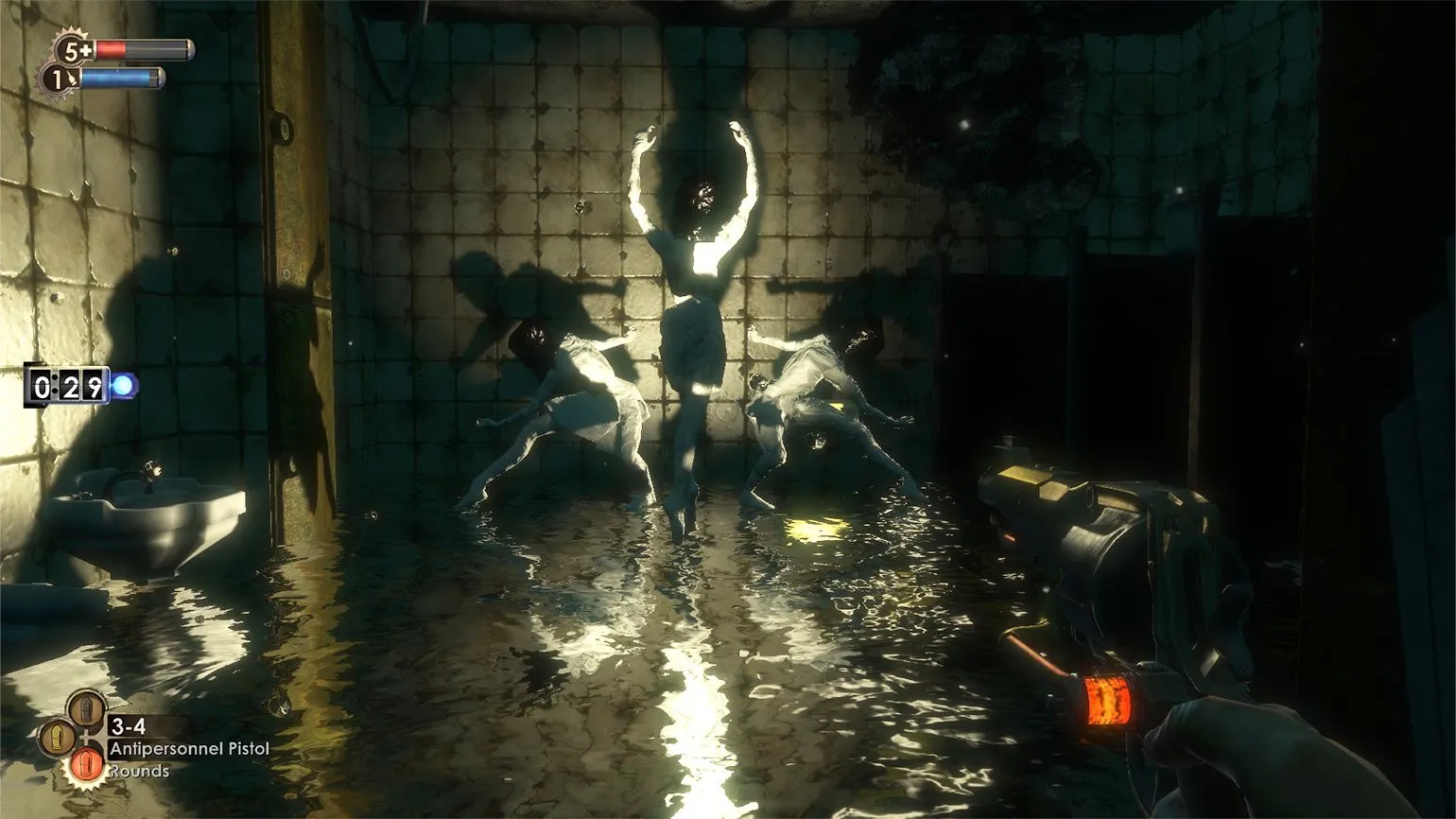
The first BioShock was memorable not only for its gripping storyline and engaging gameplay, but also for its many frightening moments, such as the scene with the plaster statues in the Fort Frolic level. Alan Wake demonstrated that classic shooter mechanics could be successfully combined with frightening scenes and a tense atmosphere. In this context, The Last of Us is also worth mentioning, where the developers managed to harmoniously combine third-person action mechanics with elements of survival horror. These games became role models, demonstrating how to effectively integrate horror elements into various genres, creating a unique gaming experience.
The shift in trends in the gaming industry has become obvious, and this was confirmed by Shinji Mikami himself. In 2013, he noted: "The survival horror genre is transforming into pure action. Currently, there are practically no true survival horror games in the world." These words highlight a significant shift in gaming culture, where horror elements are giving way to dynamic gameplay mechanics.
Takashi Mikami is one of the few horror game designers who hasn't gone into the indie scene. In 2014, he released The Evil Within, which received positive reviews and became a landmark project in the world of video games. A sequel was released in 2017, continuing the story and expanding the game's universe. Mikami continues to be an influential figure in the industry, bringing fresh ideas and a unique approach to game creation.
The shift in gaming trends initiated by Resident Evil 4 had a significant impact on the series itself. Subsequent numbered installments increasingly distanced themselves from the original elements that defined the franchise at its dawn.
In Resident Evil 5, the main character was given a companion, who could be controlled by a second player. This change had a negative impact on the horror atmosphere, as the co-op mode reduced the feeling of loneliness and tension. In Resident Evil 6, the game deviated further from the traditional survival horror genre, turning into a standard action game. As a result, the game practically lacked survival mechanics, which reduced the level of tension and interaction with the environment. Interestingly, the series' popularity hardly diminished: the games continued to sell several million copies. However, the new direction drew criticism from both fans and professionals. This change in game development approach did not meet fan expectations, which became a subject of discussion in the gaming community. Despite successful sales, it is important to consider the opinions of the audience, as they can influence the future direction of the series. Capcom made the decision to reboot the Resident Evil franchise, which was an important step in its development. Resident Evil 7: Biohazard returned to the series' roots, offering players an atmosphere of survival horror. The game takes place on an abandoned farm, which must now be explored from a first-person perspective, adding a new dimension to the gameplay and heightening immersion in the eerie atmosphere.
The achievements of the fourth installment of the Resident Evil series have left their mark. In 2019, a remake of Resident Evil 2 was released, preserving the key gameplay elements of the original while significantly improving controls and changing the camera perspective to an over-the-shoulder view. This update has attracted both long-time fans and new players, providing a fresh take on a classic game and strengthening the franchise's position in the video game industry.
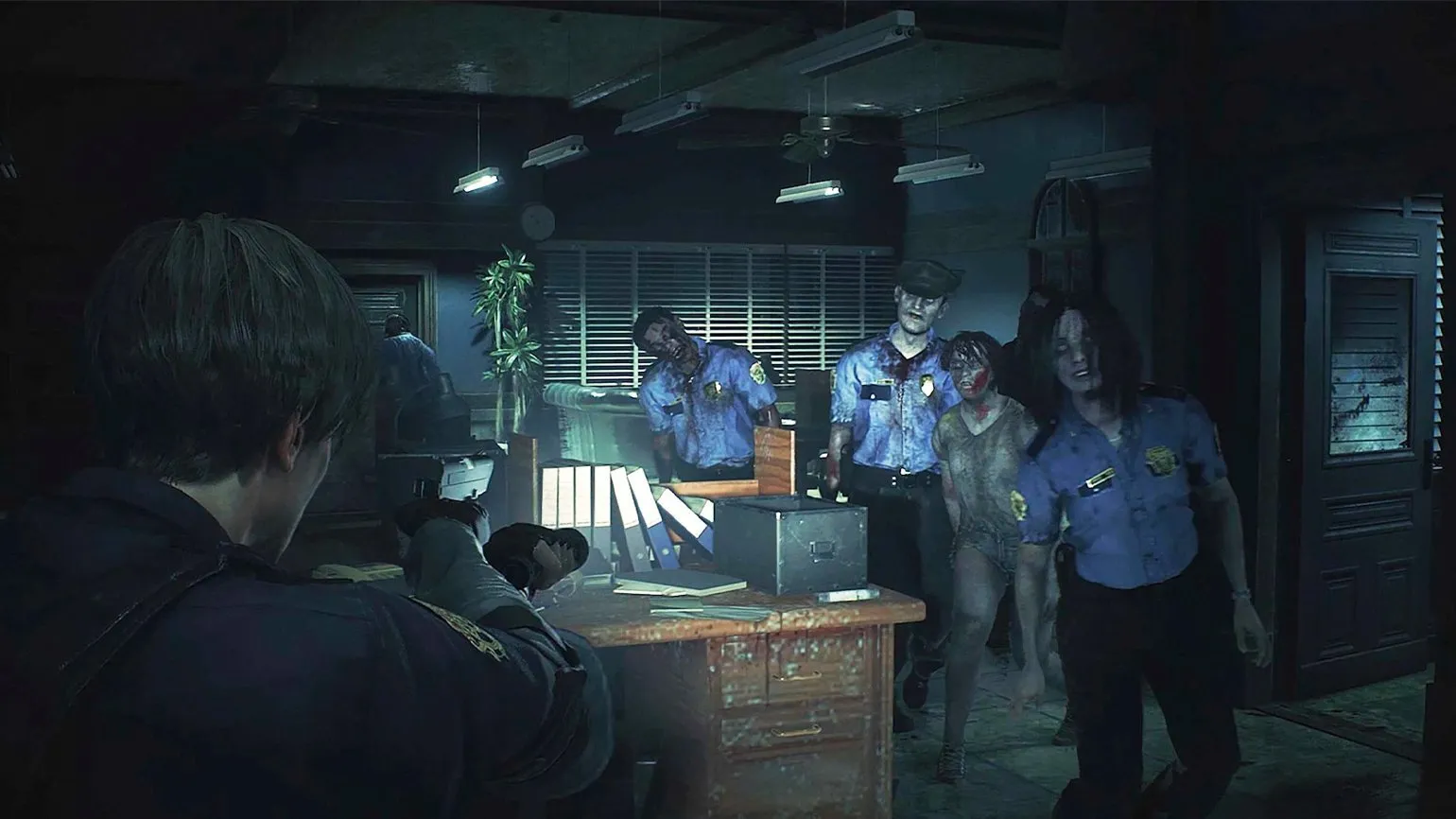
In 2020, a remake of Resident Evil 3 was released, executed in a similar style. In 2021, Capcom released Resident Evil: Village, which, while serving as a direct sequel to the seventh game, also incorporates many elements from Resident Evil 4. The game emphasizes action, features frequent changes in pace and mechanics, and features a charismatic merchant who evokes associations with the iconic Spanish character. These elements create a unique atmosphere and immerse players in the world of Resident Evil, combining modern gameplay with the traditions of the series.
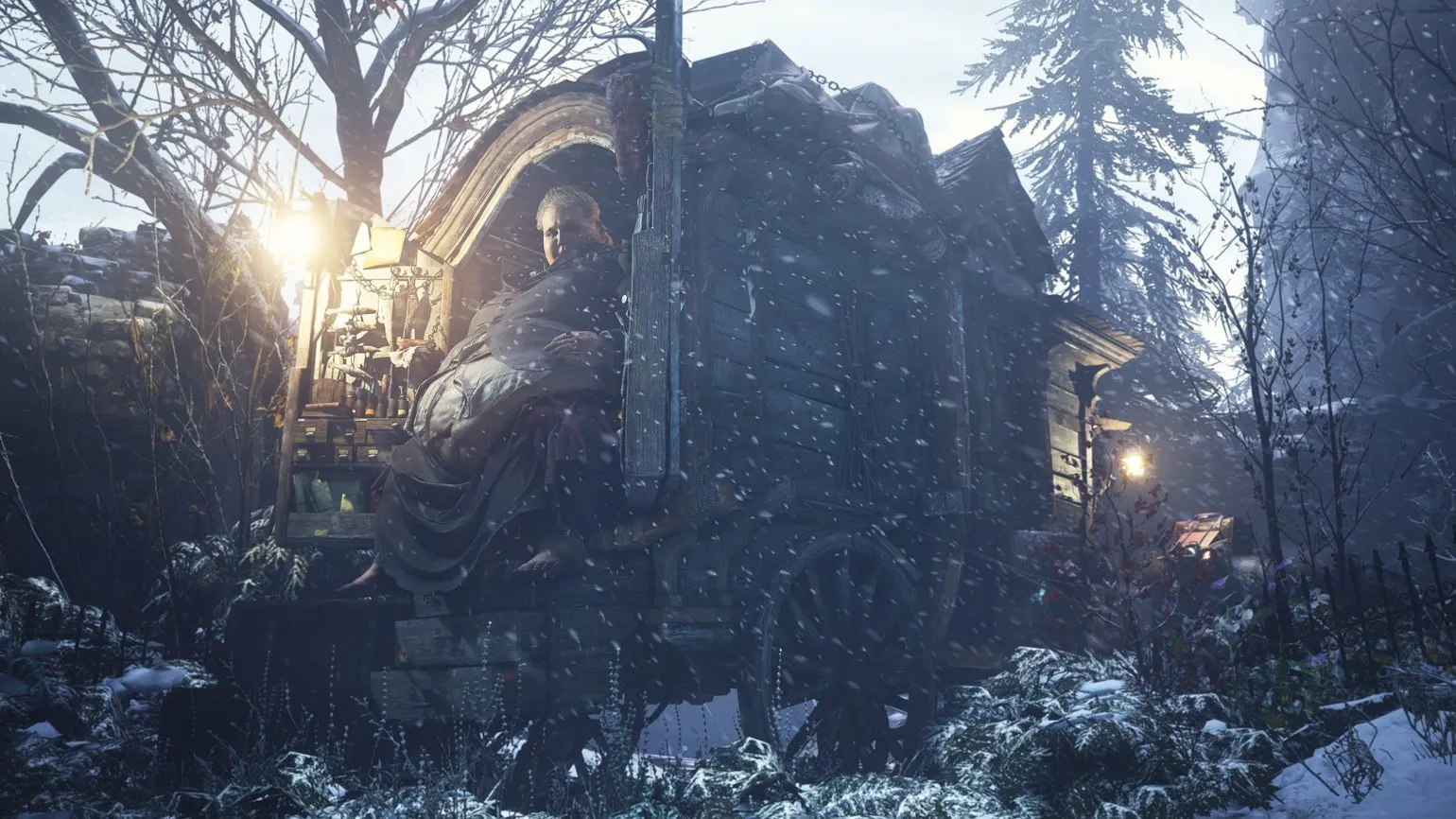
The eighth installment of the Resident Evil series confirms the longevity of Resident Evil 4's success. Camera placement isn't as critical as it might seem at first glance. That's why Capcom added the option to play Village DLC in third-person. Much more important is high-quality, thoughtful game design that is grounded in a cohesive artistic vision. This makes the game not only interesting, but also capable of attracting the attention of both new and loyal fans of the franchise.
Bruce Straley argues that games like Resident Evil 4 attract the attention of players and developers because their creators follow their creative instincts. This dedication to their own vision allows them to create unique gaming experiences that remain in the memory for a long time. The developers' strategy, focused on originality and quality, makes such games not only popular but also significant in the industry.
Shinji Mikami, the creator of the Resident Evil series, did what he considered the natural progression of the franchise. The game designer claims the goal wasn't to create revolutionary changes, but simply to follow his inner convictions. This approach allowed him to preserve the essence of the game while adapting it to the new demands of the times. Mikami's strategy demonstrated the importance of trusting your instincts during development, which was key to Resident Evil's success.
Game Designer Profession from Scratch to PRO
A game designer creates the structure of a game. They think through the idea, rules, gameplay, and decide what emotions the plot will evoke in players. You'll master game design principles from scratch and learn how to work with popular engines like Unity and Unreal Engine. You'll learn how to retain player interest and monetize games. And we'll help you start a career in the gaming industry.
Learn more