
Who are you in the world of game development? Find out on a free course ➞ You will try out 3 professions in practice: game designer, 2D artist, and Unity developer. Create your first Mario-style game. Details are available by clicking here.
Learn MoreWe've all experienced that moment in a role-playing game where, while trying to get important information from a character, we accidentally say something offensive. The conversation quickly escalates into conflict, and you find yourself in the center of chaos, surrounded by numerous enemies. The first thought that comes to mind is: "What did I do?" The second thought is: "Where did I last save?" Moments like these highlight how easy it is to get lost in interactive stories and the importance of paying attention to dialogue to avoid unnecessary conflicts and preserve your progress.
Save scumming is a method in which players replay specific moments in a game to achieve the best possible outcome. This technique allows players to minimize mistakes and achieve desired outcomes using saved game data. Save scamming is often used in role-playing and strategy games, where every decision can significantly impact the course of the game. Thanks to this approach, players can experiment with different scenarios without fear of serious losses.
Abusive use of the save system has drawn criticism from both developers and players. Despite this, many gamers continue to actively use this feature. The reason lies in the specific game mechanics and design of some projects. Players strive to simplify the process by minimizing risks and avoiding repeated difficult stages. This creates a paradoxical situation where the save system, designed to improve the gaming experience, becomes a tool for simplifying it.
Birth of a Phenomenon
The official guide to The Elder Scrolls II: Daggerfall (1998) includes an important chapter devoted to Save & Load tactics. In it, the developers criticize the practice of turning gameplay into an endless cycle of lucky outcomes and perfect decisions. This phenomenon significantly impacts the game's perception and difficulty, upsetting the balance between risk and reward, making playthroughs less engaging. Players who rely on frequent saving and loading miss out on the true challenges the game offers. This chapter serves as a reminder of the importance of fair playthroughs and how they can enrich the experience of interacting with the world of Daggerfall.
Roleplaying is not focused on a perfect run through the game, but on creating a unique character and a compelling story. The developers at Bethesda Softworks invested a lot of effort into The Elder Scrolls: Daggerfall to ensure that players don't feel the need to replay because of mistakes. Every challenge can be overcome, with the possible exception of character death. It's important to understand that the most interesting elements of a game are only unlocked by continuing to play after a setback.
The phenomenon of "replayability" has existed for a long time, long before The Elder Scrolls series. Josh Sawyer, development director of Fallout: New Vegas, in his lecture on freedom of choice in games, drew parallels between RPGs and the "Choose Your Own Adventure" books published from the late 1970s to the 1990s. These books allowed readers to make decisions that influenced the course of the story, laying the foundation for the dynamic gameplay found in modern RPGs. Replayability allows players to explore different scenarios, which significantly increases the replayability of games and promotes deeper immersion in the story.

This series features stories with branching narratives, where the reader can choose from several plot developments. The choice determines which of several endings the story will lead to—from optimistic to tragic, including options with the death of the character. Readers who prefer positive outcomes have found a way to bypass negative endings.
Josh Sawyer notes that unless you were a completely reckless child, after reading a few books, you probably started sticking your finger between the pages before making a decision. This behavior has much in common with the practice of saving and loading in video games, where players often use this mechanic to achieve a desired outcome. Thus, both processes are linked to the desire to optimize choice and control the outcome.
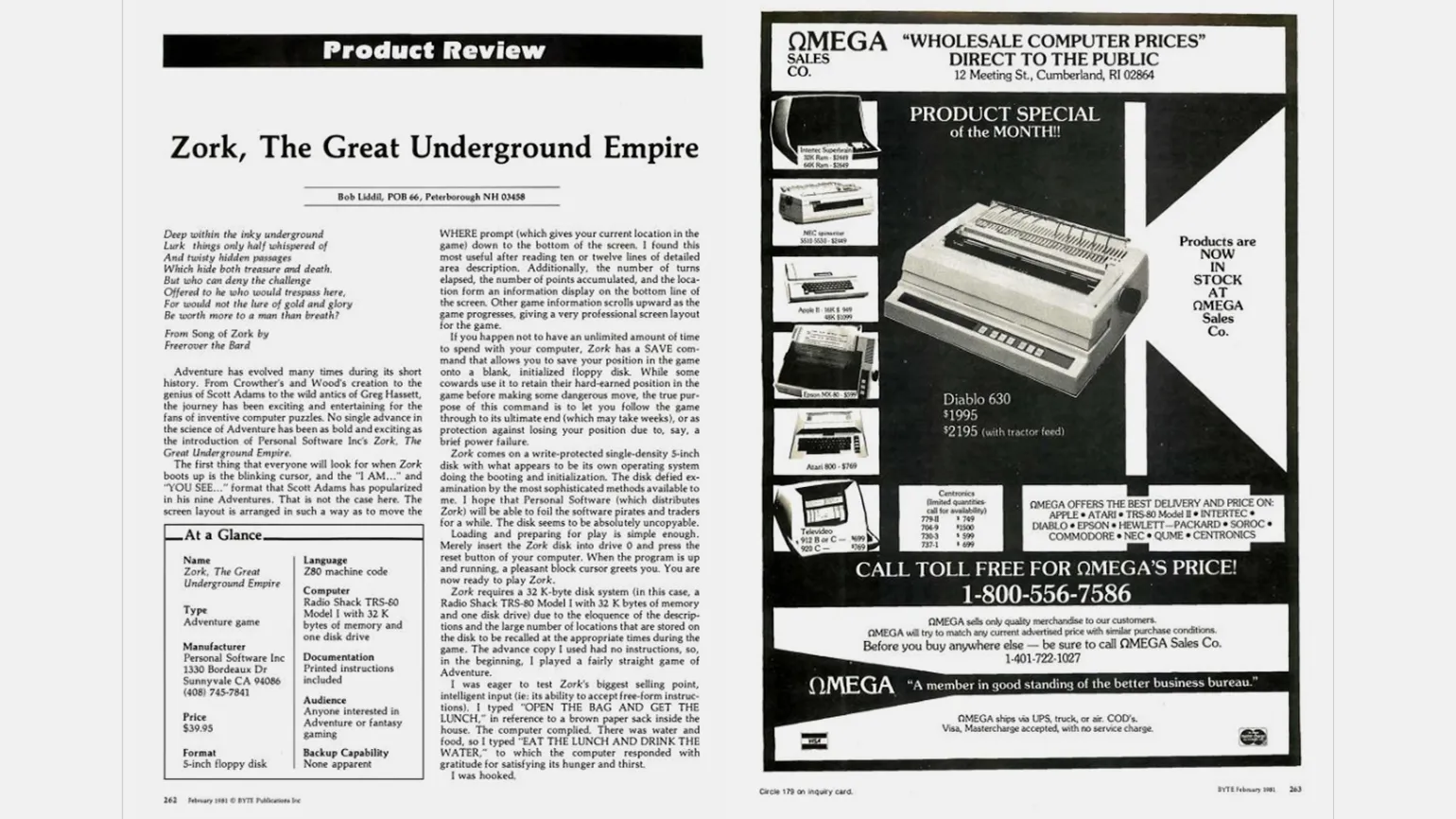
The text adventure game Zork, also known as The Great Underground Empire, is one of the first games to implement a password-saving feature. A 1981 review of the game, published in Byte magazine, mentions the importance of this feature to the gameplay. The password system allowed players to return to their adventures without losing their progress, which significantly increased interest and engagement. Zork became a shining example of how text-based games can offer a deep and interactive experience, opening new horizons for the genre.
Some players use the save feature to hold onto their progress before making a risky decision. However, the main purpose of this feature is to help you achieve completion of the game, which can take a long time, or to prevent the loss of progress, for example, due to sudden power outages.
Some players use save features to preserve their progress before taking on risky actions. However, the main purpose of this feature is to help you reach the final ending of the game, which can take a long time. Saving games also prevents progress from being lost due to unforeseen circumstances, such as power outages.
There are many earlier analogs of the Save & Load functions that existed long before the advent of video games. One example is board games, where players encounter situations where the dice rolls are unsuccessful and their result is insufficient. In such cases, players can re-roll the dice in an attempt to improve their result. This mechanism is reminiscent of modern game features that allow you to save and load your progress, making gameplay more flexible and convenient.
In chess, there is an important touch rule, which states that if a player touches a piece, he or she must move it. This rule serves as a safeguard against players who may want to evaluate all possible developments of the game before making a decision on a move. Adherence to this rule promotes fairer and faster play, preventing the process from dragging out and allowing you to focus on strategic thinking. The touch rule emphasizes the importance of confidence and responsibility in every move, which is a fundamental aspect of chess discipline.
Save scamming can be considered a phenomenon that arose in parallel with the development of interactive entertainment. This is due to the fact that with the advent of video games and digital platforms, new methods of cheating have emerged.
Why We Love to Replay
Malicious save scammers are most often found among fans of RPGs and immersive simulators. These game genres emphasize player choice and branching narratives, making them particularly vulnerable to cheating. Players immersed in complex storylines and making important decisions can fall victim to save scammers who use various tricks to gain access to game data. To avoid such situations, it's important to be mindful of the sources you download saves from and check the community's reputation.
Josh Sawyer describes this problem as a conflict of choice. This situation occurs when an action that provides gameplay benefits conflicts with how you envision your character. Such conflicts of choice can significantly impact players' immersion in the story and their emotional attachment to characters. It's important to consider that the balance between game mechanics and character personality can enrich the gaming experience and make it more engaging.
Sawyer points to players who create sarcastic, rude characters, but ultimately realize that this approach is not successful. He emphasizes that as game designers, we inform players that their character design is ineffective.
The player often finds themselves in a situation where they must follow the game's dictates rather than their own desires. For example, in Deus Ex: Human Revolution, you need to analyze your interlocutor's reactions to choose a line that will help establish rapport or convince them of your point. This game features a special perk that suggests the most effective response options, making interactions with characters more interactive and engaging.
Dialogues in such situations become like puzzles, where instead of natural interaction, you need to search for the only correct answer. However, unlike a typical puzzle, you won't have the opportunity to try again. In this situation, the key is to regularly save your progress to avoid losing important decisions and results.
Save scamming isn't limited to RPGs. Game consultant James Portnow identifies four key elements that facilitate the use of the Save & Load tactic. First, there's a generous save system, allowing players to easily return to previous moments. Second, there's a branching narrative that offers multiple story development options and choices. Thirdly, rewards for optimal completion or, conversely, harsh penalties for mistakes also encourage players to use save scamming. Finally, the random factor can make game progress unpredictable, further encouraging this tactic.
We have already become familiar with the first two elements, but the third requires a more detailed analysis.
A famous quote from Soren Johnson, the developer of the third and fourth parts of the Civilization game, states: "If given the opportunity, the player will optimize his enjoyment of the game." The reward for effective completion serves as an incentive to optimize the gameplay. In this context, the save and load tactic becomes an important tool for achieving the best results and maximizing enjoyment from the gaming experience.
If you have brought your city to bankruptcy in the game Cities: Skylines, do not despair. It is always useful to have a save game in case of unforeseen circumstances, especially when everything was going smoothly. And if you accidentally collide with a car on the road in Euro Truck Simulator 2, don't worry—your Quicksave can confirm that nothing serious happened. Games offer the opportunity to correct mistakes, which makes the process even more exciting.
Journalist Mark Brown analyzes the turn-based tactics of XCOM: Enemy Unknown and XCOM 2 on the YouTube channel Game Maker's Toolkit. In these games, players face the risk of losing soldiers during missions, which can lead to returning to base with fewer or even no survivors. These aspects make the gameplay more tense and strategically complex, requiring the player to carefully plan and make decisions that can impact the outcome of the entire campaign.
In this case, instead of experienced soldiers, you will have to recruit newcomers, which will complicate further progress. This is especially true in XCOM 2, where there is a limit on the number of turns. Players are given an additional incentive to load a previous save as soon as something does not go according to plan. Using the save scamming method becomes necessary for successfully completing missions and achieving the desired results.
Considering the random misses when shooting at point-blank range with a hit probability of 95%, a perfect situation arises for abuse of the save system. This creates an opportunity for players to exploit the game mechanisms to their advantage, which can negatively affect gameplay and balance. It's important to consider how such elements affect the overall experience and user interaction with the game.
Randomness itself isn't a problem. However, if a player loses due to randomness, they may feel cheated. In such situations, players often resort to loading a recent save to correct the loss. This behavior demonstrates users' desire for control over the gameplay and a desire to avoid unfair losses. Thus, the perception of randomness in games becomes a key aspect influencing the player's experience and their attitude towards the game.
Every choice in the game affects not only the player, but also the world of the Wasteland as a whole. Completing the game as each faction unlocks all aspects of the main story, which avoids the problems familiar to fans of the Metro series, where they have to spend a long time striving for the perfect ending. This adds depth to the gameplay and gives players the opportunity to explore all the nuances of the story.
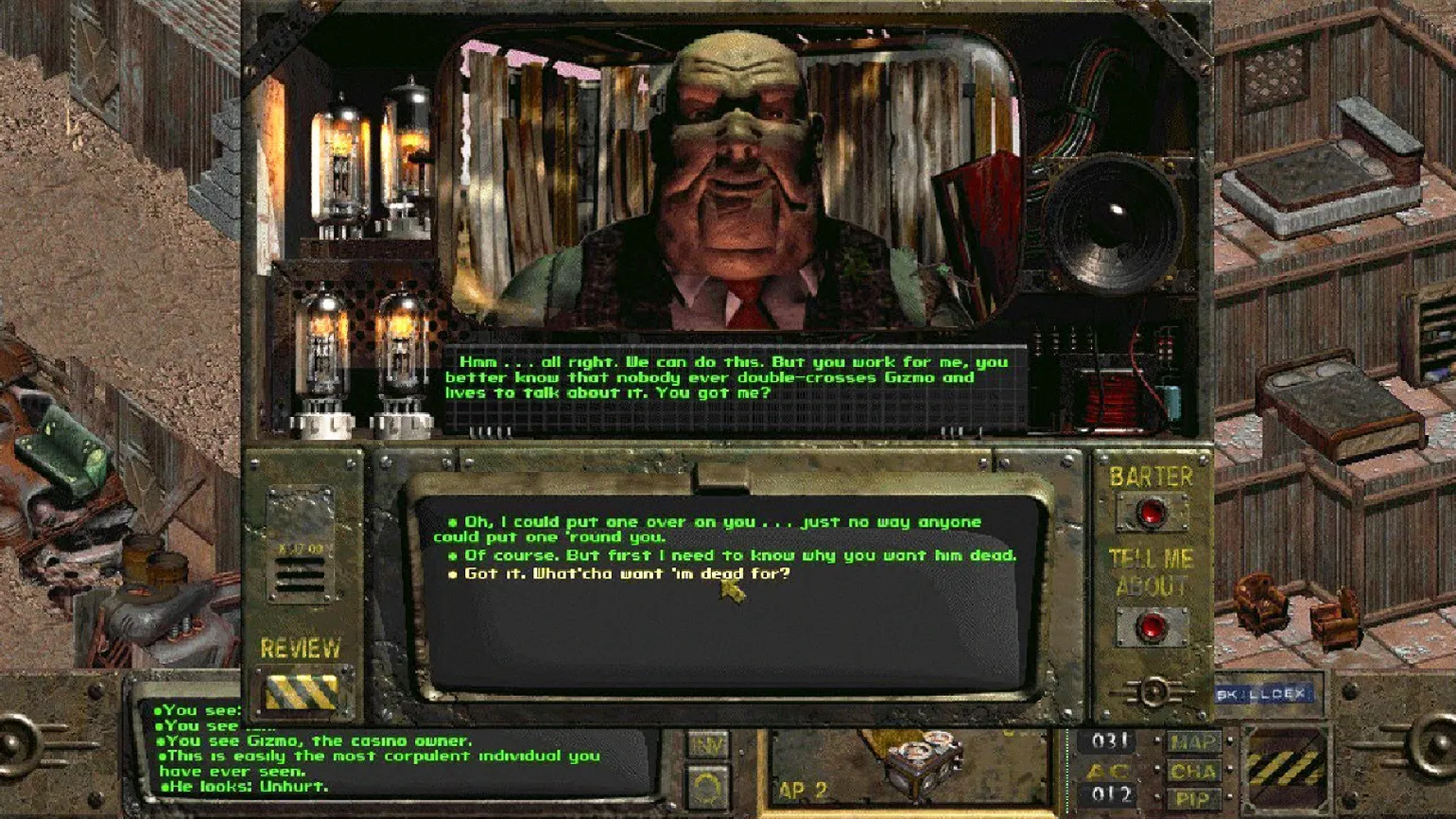
Josh Sawyer emphasizes the importance of conveying the consequences of choices in games. He cites the example of Junktown from the first Fallout, where the player can appoint either Sheriff Killian or the bandit Gizmo as mayor. Interestingly, if Gizmo is appointed, Junktown begins to prosper. This demonstrates how player choices influence the development of the game world and its economy, highlighting the importance of decisions in role-playing games.
The game doesn't provide clear clues that Gizmo is the better choice. This leads to an unexpected plot twist that can leave the player feeling cheated. When faced with such a situation, the player often opts to load a previous save to change their mind. This highlights a flaw in the game's mechanics, which fail to guide the player toward the right choices and can lead to frustration.
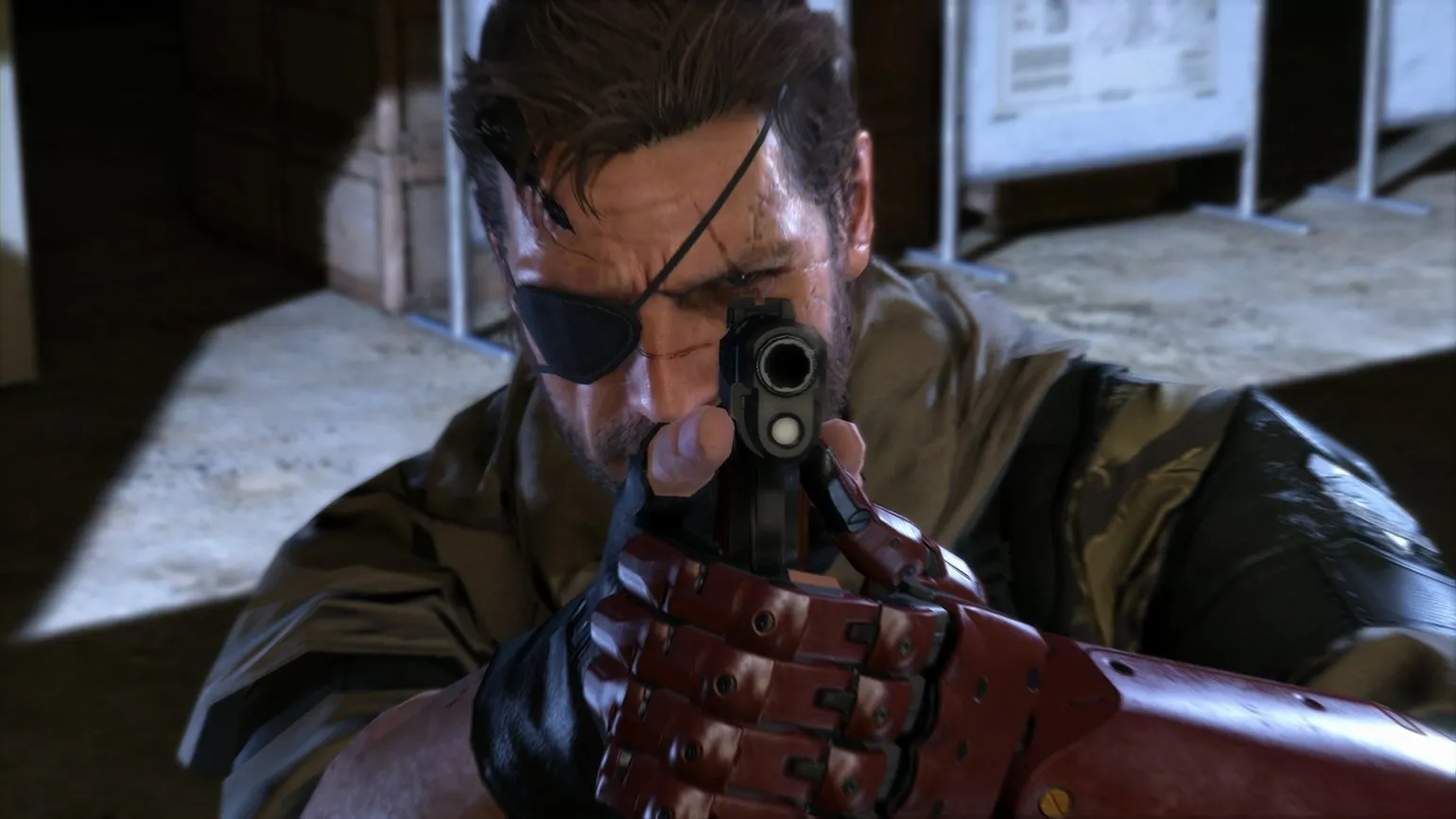
In Fallout: New Vegas, it is important for players understand the potential consequences of their decisions. Dialogue contains hints about how the game will unfold. For example, if you ask Mr. House about the other factions in the conflict, he will detail their shortcomings. Caesar and many other characters will do the same, providing players with valuable information for forming strategies and choosing a side in the conflict. These elements make the game a deeper and more engaging experience, emphasizing the importance of each choice. Continuing the game after a mistake is supported by a concept proposed by Gunpoint creator Tom Francis called the "Failure Spectrum." This spectrum represents a scale of states between apparent success and complete failure. Players can experience different emotions and sensations along this spectrum, which makes the gameplay more engaging and allows them to learn from their mistakes. This approach promotes skill development and increases interest in the game. Metal Gear Solid V: The Phantom Pain is an example of a game that is extremely forgiving of player mistakes. Even if you are spotted during a mission, the enemy will not immediately raise the alarm but will first check the situation. This allows players to adapt to the situation and use their skills to successfully complete the mission.
In this situation, you have several options. You can take cover in a safe location to avoid detection. You also have the option of neutralizing the guard who spotted you, if necessary. Another option is to retreat and attempt to flank the guard from the other side. Finally, you can choose open confrontation if you believe it is warranted.
Each of these options carries a different level of risk, but none will automatically result in mission failure. Even if he takes serious damage, Snake will not die; he will only receive a wound that will not prevent him from completing the mission. If you act effectively, you have the opportunity to return your anxiety level to its original state.
Metal Gear Solid gives players the opportunity to make mistakes and improvise without requiring constant use of the save function. This game creates a unique atmosphere in which every decision matters and players can adapt to changing conditions. This approach allows for deeper immersion in the gameplay and develops strategic thinking.
Not a bug, but a feature
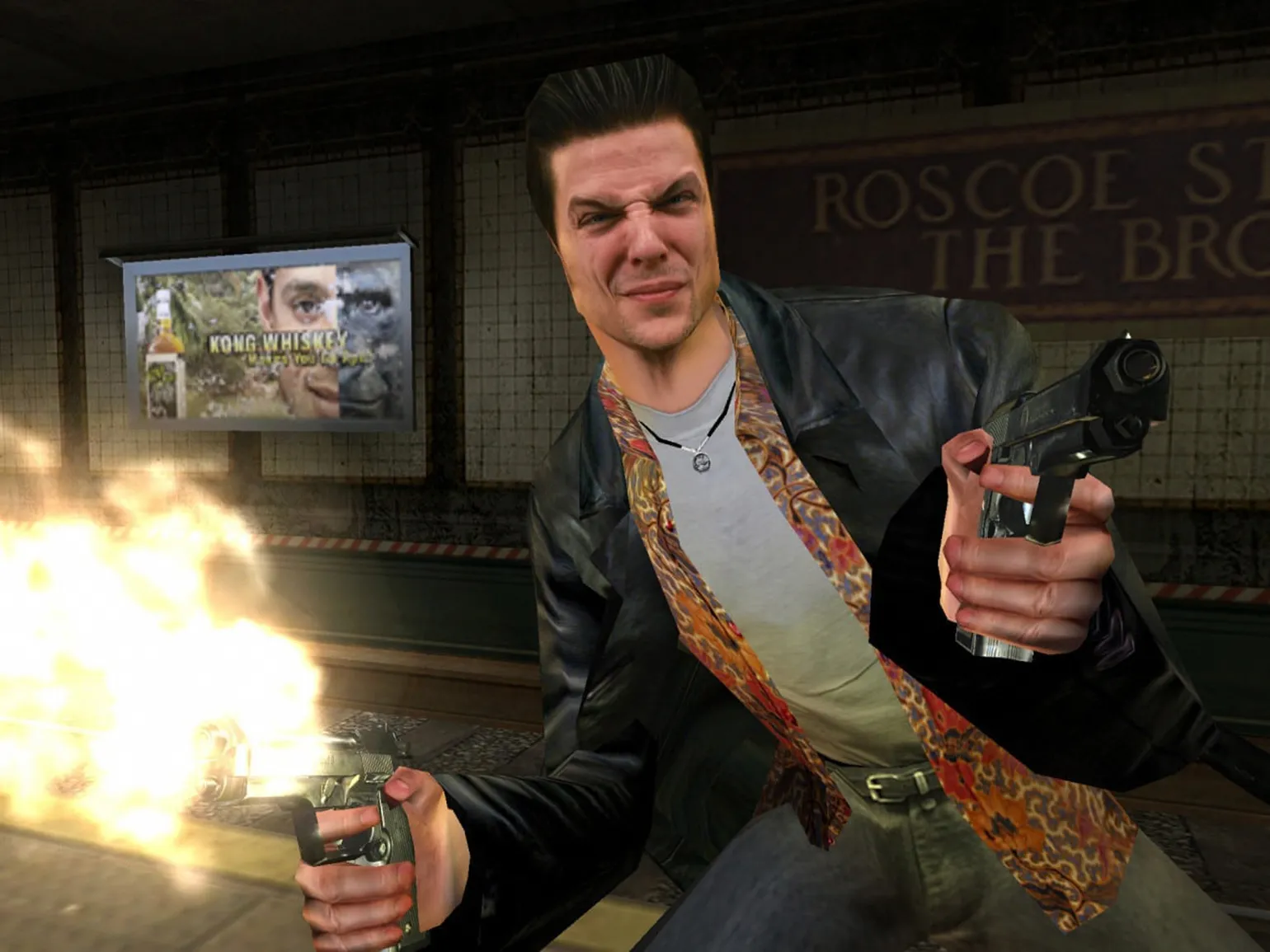
What if Is save-scamming the playstyle you envisioned from the start? Perhaps you want the player to repeatedly test their luck, make mistakes, and search for optimal strategies to successfully complete the game. This approach allows for skill development and adaptation to changing conditions, making the gameplay more engaging and exciting. Save-scamming creates a unique atmosphere where every action matters, and mistakes are part of the path to victory. Don't worry! James Portnow, following Josh Sawyer's example, suggests thinking of these games as puzzles. In these games, players also find the right solutions through trial and error. This makes them engaging and encourages the development of logical thinking. The levels of the Max Payne trilogy are rife with traps and enemies that are difficult to predict. This creates a unique gameplay experience focused on cinematic progression. Players are immersed in the story of a cop avenging his murdered family, battling enemies with stylish moves like dual-wielding in slow motion. This approach to gameplay makes Max Payne not only engaging but also emotionally charged, allowing players to feel part of a gripping story.
In Max Payne, save scamming takes second place to the slow-motion mechanics. You repeatedly encounter setbacks until you perfect your plan. Ultimately, you effectively clear a room or other section of the level. Failed attempts can be thought of as takes that didn't make the final cut. This mechanic allows players to improve their skills and increase their mastery level, which makes the gameplay more engaging and intense.
Save Scumming In role-playing games, players have a unique opportunity to experiment with game mechanics. This phenomenon was discussed in a review of the adventure game Zork published in the InfoWorld newspaper. Players can save their progress at key points, allowing them to explore different scenarios, which enriches the gaming experience and makes it more interesting. This approach helps them better understand the game mechanics and adapt their strategy depending on the situation.
Modern games offer many opportunities for experimentation. For example, in Divinity: Original Sin, you can shoot an oil barrel and observe the consequences. The save and load function allows you to try different courses of action without fear of losing significant progress. This makes the gameplay more engaging and allows you to explore the game world from different angles.
Undertale, a game that parodies the JRPG genre, offers a unique gaming experience by recording your actions. Even if you reload the game, it will remember your actions and remind you of them at the appropriate moment. Unlike many other games, saves can be reloaded not only by players but also by bosses, adding an element of surprise and challenge to the game. This mechanic makes every decision matter, emphasizing the importance of choices and the consequences of your actions in the game.
Players are given the opportunity to decide for themselves whether to use the save system in the game. The developers of Civilization 3 took into account the feedback from fans dissatisfied with the automatic saving of battle results and offered the option to disable this feature. This decision allowed players to customize the gameplay according to their preferences, increasing the level of engagement and satisfaction with the game.
The colony-building simulator RimWorld features a unique "responsible" mode. In this mode, the game is saved only upon exit, adding realism and tension to the gameplay. Players cannot replay events, such as bandit raids, using procedural generation. This makes each gaming session unique and unpredictable, enhancing emotional engagement and the strategic component.

Soren Johnson, a game designer, emphasizes the importance of giving players control over their gaming experience. Games are created for players, not for the developers' abstract goals. If using save scams helps improve gameplay enjoyment, it should be discouraged. However, if this practice opens up alternative paths and encourages experimentation, it can be entirely justified. The main thing is to take into account the interests of players and their desire to explore game worlds.
Who are you in the world of game development? A mini-course for those who want to make games.
In this free mini-course, you'll try your hand at being a game designer, 2D artist, or Unity game developer, and choose the profession that's right for you.
Find out more