Contents:

Learn: The Game Designer Profession from Scratch to PRO
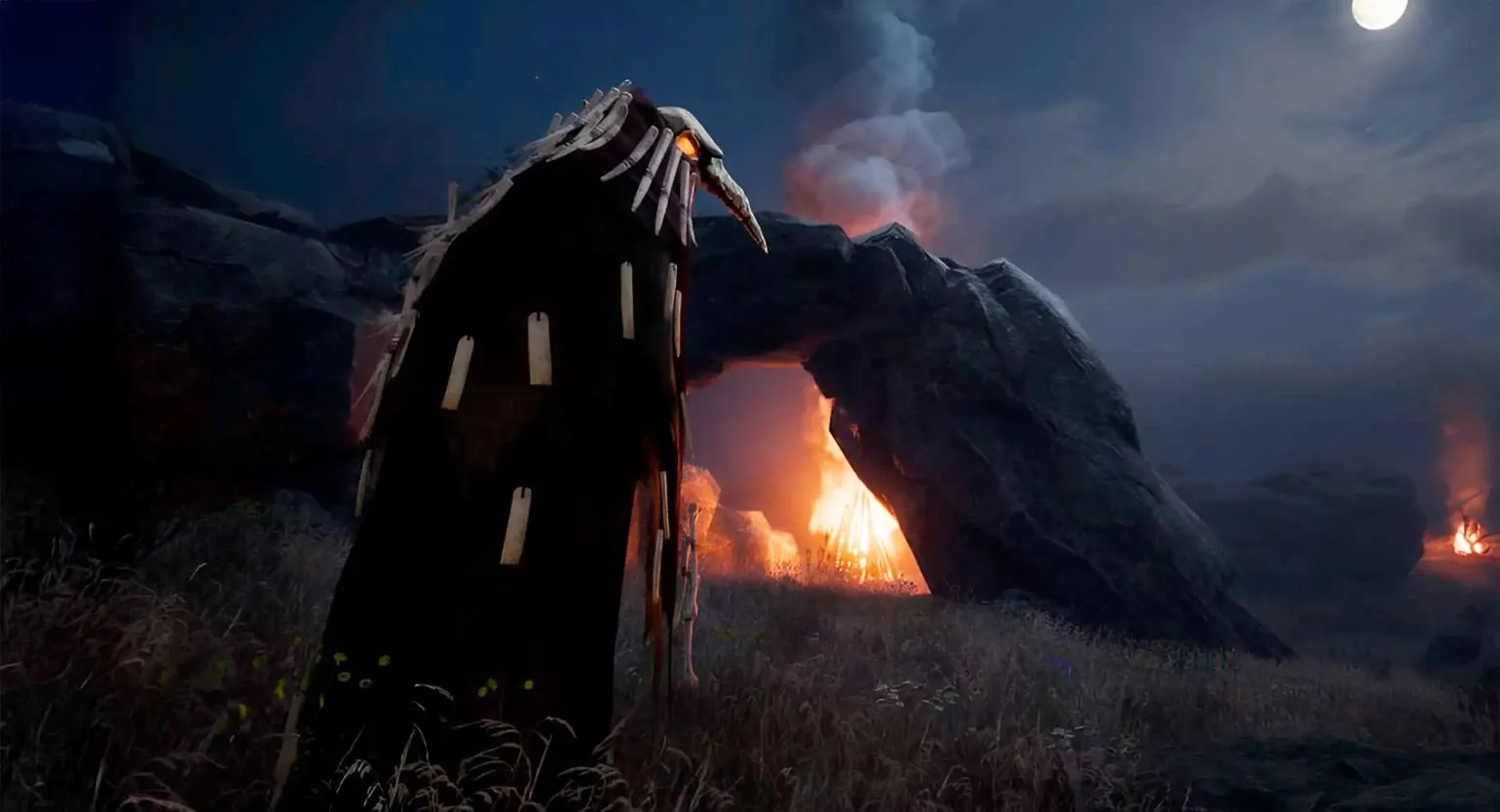
Learn MorePathologic 2, known as "Pathologic", was released in May 2019 and is a creative reimagining of Ice-Pick Lodge's original game, "Pathologic. Utopia". This is a survival game in which the player faces a brutal confrontation with death itself. The protagonist is Artemy Burakh, the Haruspex, who returns to his hometown engulfed in a plague epidemic. The player must understand the situation, find a cure, and try to save as many people as possible. However, the game emphasizes that it is impossible to save everyone, creating an atmosphere of hopelessness and heightening the drama of the gameplay.
The original game "Sea. Utopias" featured the Bachelor and Changeling storylines in addition to the Haruspex campaign. However, the developers at Ice-Pick Lodge lacked the resources to complete all three stories simultaneously. Currently, we are awaiting the Bachelor's route—a scientist from the capital who arrives in the city to research the nature of life and death. Along with the Haruspex, he finds himself drawn into a dark game with death. The game is scheduled for release in 2025, with a free prologue set to be released on March 17th, allowing players to familiarize themselves with the game's world and mechanics. The Haruspex was familiar with the locals' way of life and unusual traditions, and he saw opportunities and avenues for action—figuratively speaking. In contrast, the Bachelor is a metropolitan scholar, symbolizing science and rational thinking, for whom myths and local legends remain alien. Thus, the gameplay in Pathologic 3 promises to be completely different, combining unique mechanics for interacting with the world and deep character development, creating a unique gaming experience. We spoke with the developers at Ice-Pick Lodge to learn more about upcoming projects and new releases. Experts in their field answered our questions, providing accurate and relevant answers. Each answer is based on deep knowledge and experience, providing valuable insights. We strive to provide readers with complete and comprehensive information on the issues they are interested in. By turning to professionals, we guarantee the high quality of the data provided, which makes our content a reliable source of information.
- Alexander Suslov - Lead Game Designer;
- Alfina (Alexandra Golubeva) - Narrative Director;
- Alexander Yadrikhinsky - Project Manager;
- Ayrat Zakirov - Managing Director;
- Vasily Mushroomer Kashnikov - Audio Director.
Our Telegram channel "Checkpoint" offers useful resources for aspiring developers. In our channel, you will find articles about game design, software guides, and interviews with developers who have already released their games. Subscribe to Checkpoint to stay up-to-date on current content and improve your game development skills.
In the first Q&A on the Steam platform, you mentioned that the heroes in Pathologic 2 and 3 are significantly different. The Haruspex survived in harsh conditions, exploring junkyards and facing dangers, while the Bachelor is vested with authority and is obliged to give orders, which changes his approach to survival. This raises the question: will the Bachelor even face the challenges of survival? Are the threats of disease and death still relevant for him? Can we say that the survival elements in the game are losing their significance?
Alphyna is a game that goes beyond the traditional survival genre, as implied by the tags on the Steam page. However, it retains its essence, offering players a tense experience of survival and fighting threats on many levels. Players will face various challenges that require strategy and ingenuity to overcome.
Alexander Suslov describes Dankovsky as a figure reminiscent of Babel's heroes. These characters appear exhausted, their faces gray with fatigue, they live on tea and work at night on plans related to firewood collection and sentencing. In the morning, they are scheduled to hold a rally. This reflects the survival of a person engaged in intellectual labor, who does not experience physical hunger, but feels the suffering of thousands of needy people in his region. In this context, personal burnout becomes a central theme.
The survival system is divided into two key levels: Dankovsky's internal confrontation with himself and his mental state, and the external struggle for the survival of the city. Dankovsky's internal conflict reflects his desire to overcome his own fears and insecurities. At the same time, his actions and decisions influence the fate of the city, where he must fight to preserve the life and stability of the community. These two aspects are interconnected, as Dankovsky's inner experiences shape his approach to external challenges, making his struggle not only personal but also social.
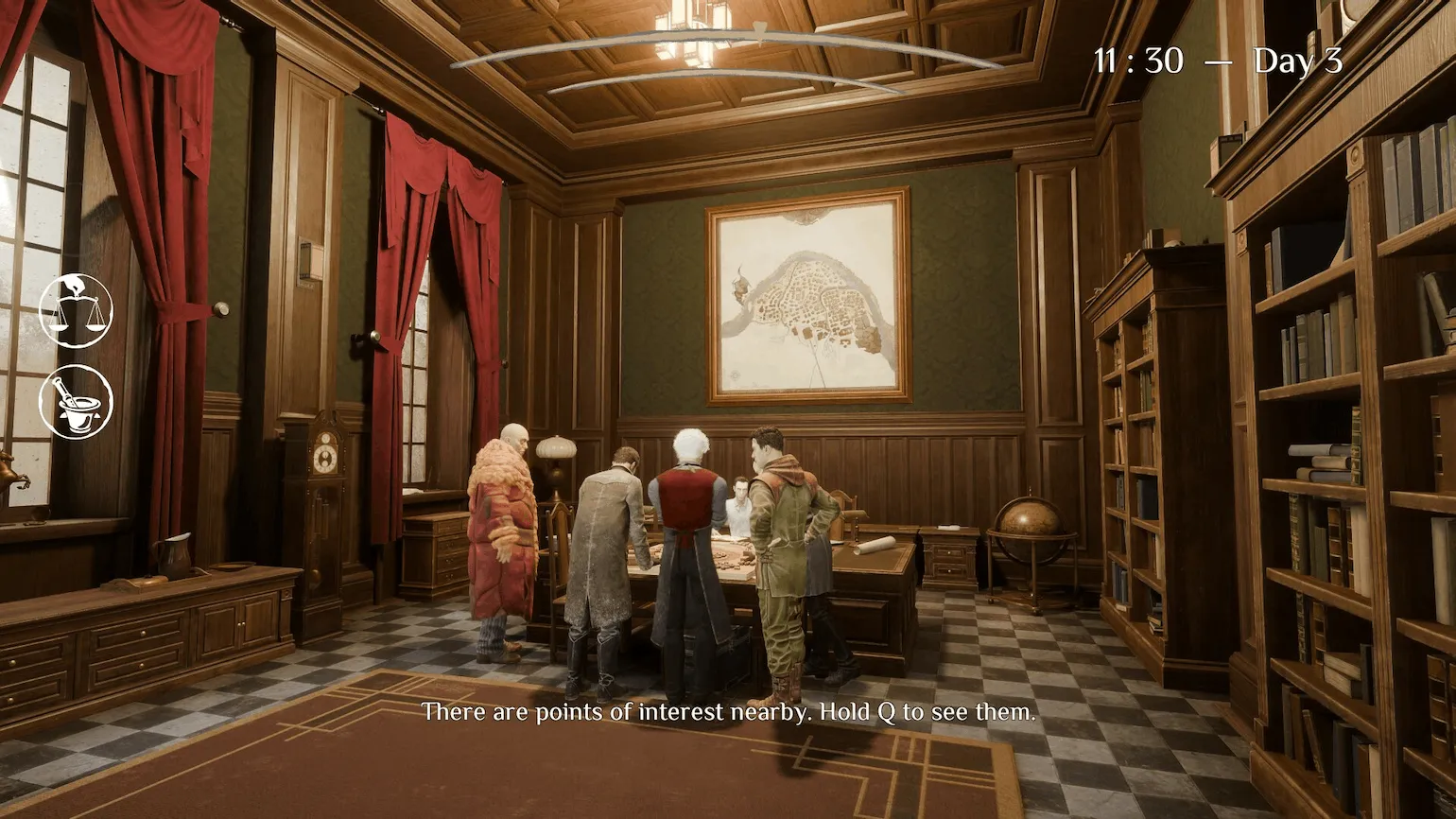
In Pathologic 2, on the third day, the ruling families establish a headquarters to combat the epidemic. In this game, the player takes control of the headquarters' activities. Success in maintaining mental stability and fighting the plague is crucial. If the player fails to accomplish these tasks or takes measures that provoke discontent among the townspeople and lead to revolution, Dankovsky's character will face death.
Alexander Yadrikhinsky emphasizes that the Haruspex's story focuses on local and personal aspects related to his environment and the fate of the Order. In contrast, the Bachelor's plot covers larger, more global issues, which is reflected in the gameplay. The Bachelor's gameplay emphasizes these themes, creating a broader context for players' interactions with the world around them.
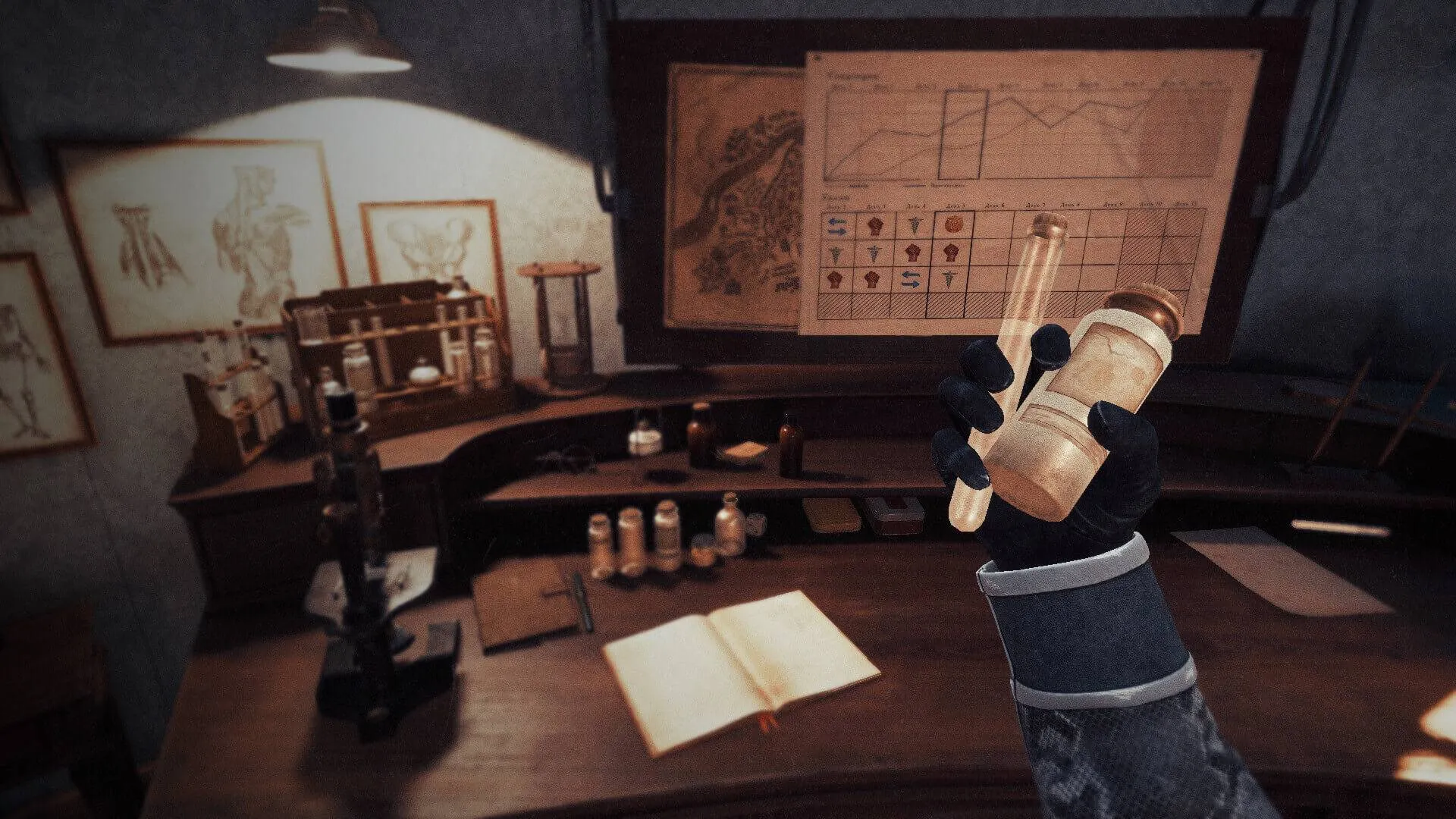
Pathologic 3 will also feature mechanics for hunger, sleep, and other important stats that impact a character's survival. Players will need to consider these aspects to effectively navigate the challenges of the game world. Hunger and sleep systems will significantly impact gameplay, adding elements of strategy and resource management. Unlike previous games in the series, Pathologic 3 will offer new approaches and mechanics that will deepen interaction with the environment and NPCs. Players will need to closely monitor their character's state and adapt their actions based on current conditions to successfully overcome emerging challenges.
Alexander Yadrikhinsky: The Bachelor's key personal stat is their sanity, which is compromised by constant stress, lack of sleep, and high levels of responsibility. This isn't a typical "madness meter"—we envision our mechanic as "mental metabolism." The player must manage their character's mental state, like a tightrope walker balancing over a precipice. It's important to consider that every action the player takes can significantly impact the Bachelor's fate and their perception of the world around them, adding depth and tension to the gameplay.
Alexander Suslov: The Bachelor, in a state of apathy, slowly wastes time and opportunities instead of taking active action. Deep apathy can rob them of the will to live. In contrast, in a state of mania, the Bachelor demonstrates speed and efficiency, but this leads to rapid exhaustion. They must constantly find a balance between these extremes, which requires considerable effort and emotional awareness.
Alfina: The second level of systems involves moving through a nonlinear narrative, often called "time jumps," but the storylines are much more complex. The Inspector listens to the Bachelor's story about his trip to Gorkhon, which does not always follow chronological order. This approach to storytelling requires the hero to utilize a special resource—amalgam. The reasons for this become clear as you progress through the game.
Alexander Suslov emphasizes that choosing the narrative order requires decisions within 10-15 minutes. Jumping between days, for example, from the third to the fifth and then from the fifth to the second, can significantly impact the use of amalgam. The decision to time jump is comparable to the choice to eat a loaf of bread in the Haruspex game. The loaf is a valuable resource, and amalgam can be restored, as can the money needed to purchase loaves. However, the primary method of obtaining amalgam consumes the stimulants needed to actively engage with the first level of gameplay. Choosing the right order of actions and resource management is key to successfully completing the game.
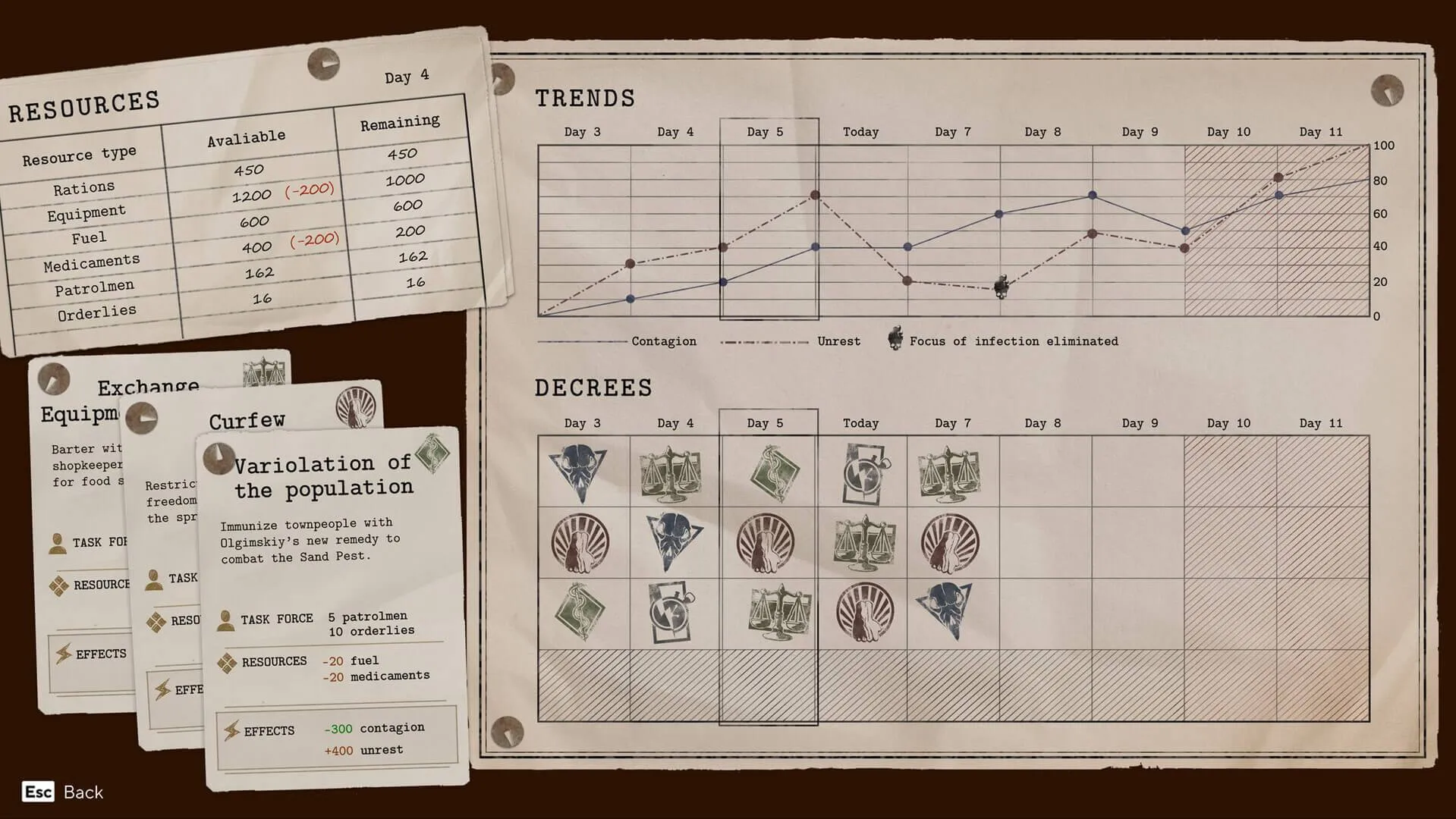
The third resource circuit in the game focuses on administrative measures to combat the plague. The player has the ability to issue decrees that can reduce the level of infection or revolt in the city. Sanitary dictatorship methods tend to increase revolt, while decrees aimed at satisfying the population's needs, such as "jam festivals," promote the spread of infection. It is important to note that resources are provided to the player from the third day and remain available until the end of the game. The player can only redistribute these resources, as it is impossible to build new industries, such as pill factories, or expand the resource base. However, it is possible to accept economic decrees, exchange resources, or forcibly requisition them from citizens, which, in turn, can lead to increased revolt. Thus, resource management and decision-making become key elements in the strategy for combating the plague.
The key is that, under the initial conditions, the city faces the threat of destruction much earlier than the final, 12th day. This isn't just a "bad ending," but a complete nonexistence: the future that leads to death has no existence, and it's impossible to travel to such a time, as Dankovsky won't be there. The player must unlock closed days, delaying the city's extinction. To do this, it is necessary to suppress riots, find resources (possibly by going back in time), receive new decrees, and manipulate time to prevent Dankovsky from descending into madness or falling into apathy.
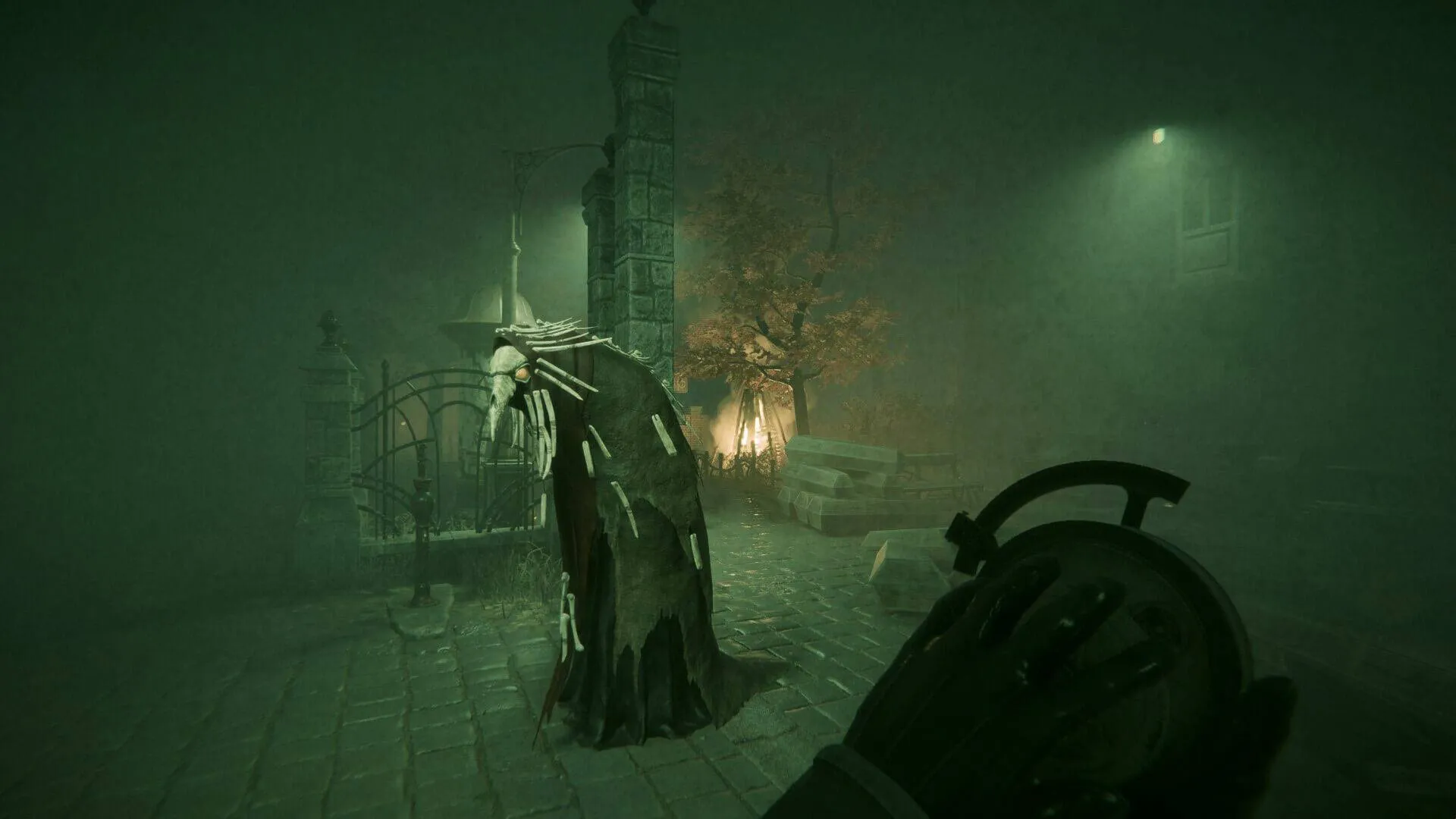
Walking through Pathologic 2 is not necessary to understand the plot of Pathologic 3, but knowledge of the events and mechanics of the previous game can significantly enrich the experience. The third part will be accessible to new players, providing an opportunity to immerse themselves in the unique world without prior familiarity with the first part. It is worth noting that Pathologic 2 can seem complex due to its atmosphere and mechanics, but these are precisely the aspects that make the game exciting. If your friends are hesitant to start with Pathologic 2, they can try Pathologic 3 to appreciate the gameplay style and story before delving into the previous part.
Alfina: Pathologic 3 is a great start for new players for several reasons. Firstly, the main character, Dankovsky, is an outsider in the city, which makes him more accessible to newcomers. Secondly, he is a city dweller and a rationalist, which, in my opinion, is closer to the mindset of a modern player compared to other characters in the series, such as the semi-mystical Haruspex or the enigmatic Clara. Pathologic 3 offers a unique experience that will be interesting for both new players and those familiar with the previous games.
There is a category of games that attract viewers on YouTube, but do not inspire a desire to play. A prime example is the game Fear & Hunger, as well as the game Pathologic. The reason for this phenomenon is that we strive to create gaming experiences that induce stress and pressure in players, and also disrupt the usual reward mechanics typical of many genres. People, even if they appreciate the concept of the game, prefer to watch the game on Twitch, where someone else experiences these emotions, rather than experiencing them themselves.
In Pathologic 3, we focused on changing the structure of pressure exerted on the player. The game hasn't become more fun or lively, but, for example, eliminating hunger and thirst prevents the story from ending due to the player's economic mistakes. Furthermore, unsuccessful story choices can be corrected, although the question of successful solutions remains. In any case, we are striving to introduce new methods of influencing the player, hoping that more people will want to play the game themselves, rather than simply watch it on YouTube. We are confident that this approach is in line with our goals and will create a unique gaming experience.
The essence of "Pathologic" is not the search for loaves, but the search for quality solutions, which often remain elusive. In the third part, players encounter a changed rhythm of the game, which, in our opinion, makes the entry threshold more accessible. This will allow new players to more easily immerse themselves in the gameplay and enjoy the unique mechanics and storyline.
How often and to what extent do you use assets from Pathologic 2?
Alexander Yadrikhinsky notes that the new game was created practically from scratch, including the technical part. It does not contain code from the previous version, and the mechanics and interfaces are completely updated. We updated and supplemented the art as much as possible, although only a few assets were completely reworked; this mainly concerned updating existing elements.
The gameplay loop in Pathologic 3 is based on a unique combination of exploration, interaction with NPCs, and resource management. Players are immersed in the atmosphere of a mysterious city where every choice has consequences. The main gameplay loop involves exploring the environment, completing quests, and solving puzzles.
Players gather information about the city and its inhabitants, which helps them make more informed decisions. Managing resources such as health, energy, and reputation is crucial, as they impact survival and the progression of the story.
Furthermore, players face time constraints, adding an element of tension. Interaction with other characters also plays a key role, as their reactions and relationships can change depending on the player's actions. This holistic approach to gameplay creates a captivating and multi-layered experience that forces players to consider their actions and the consequences.
Alexander Suslov emphasizes the player's key task: overcoming the epidemic. Unlike Pathologic 2, in this game, the city faces destruction much earlier. This means that approximately half of the game's days are inaccessible to the player. To change the course of events, it is necessary to postpone the defeat of the plague to a later date, thereby opening up an unknown future.
How is this "later" achieved? We immerse ourselves in the city's stories, intrigues, and secrets, discovering clues and ideas for future actions. These ideas are transformed into draft decrees that we, as the Head of Staff, can adopt. Decrees have a cost—both in resources (personnel and materials are needed) and in consequences: public discontent can arise, especially regarding vaccinations. Dankovsky is developing a vaccine against gerbils, but many residents refuse to be vaccinated with an unknown substance. Sometimes, decrees must be issued that are intended to either calm or intimidate the public.
To obtain a diverse and complete deck of decrees, it is necessary to complete story-based quests. These quests require significant time and mental resources, as interacting with people can be irritating. Struggling with obsessive apathy, Dankovsky begins taking medications that stimulate him, giving him strength and creating a sense of time passing faster. He manages to accomplish many tasks, but this negatively impacts his health and makes it difficult to communicate with others. Ultimately, he is forced to resort to sedatives, which also have their drawbacks.
The core gameplay loop involves interacting with people to gain ideas for decrees that will help prevent the city's destruction and avoid a riot. We communicate with various characters, research, and take the necessary medications. As our decrees are implemented, the plague and riot recede, opening the door to new days and opportunities. This leads to encounters with new people and situations that can inspire the creation of new decrees. Thus, we continue to progress towards the end of the game, overcoming challenges and improving the state of the city.
Additional systems and features are added to the core gameplay loop, among which the hospital gameplay stands out. This element, which we have already mentioned, is one of the main sources of new decrees. The player, playing as Dankovsky, examines special patients and diagnoses them. If no errors are made, he is given the opportunity to create a vaccine element and issue a decree mandating vaccination for the city. This adds depth to the gameplay and expands the possibilities of population health management strategy.
There are several other significant subsystems that we will leave for later.
The gameplay space in this game is organized so that players can freely explore the city, similar to the Haruspex. However, depending on specific locations, there may be small areas with loading zones between them. This allows for more detailed and detailed environments while maintaining fluid gameplay. Players are given the opportunity to immerse themselves in the atmosphere of the city, interact with various NPCs, and explore its mysteries.
Alphyne: The Haruspex personifies the process of mending the fractured, while the Bachelor represents the concept of breaking the stitched. This can even be seen in his Steam profile picture, where his face appears split. For the Bachelor, the city is not a living, breathing organism, but rather a map with key points and addresses that he is forced to visit. He's not a vagabond or a survivalist, but a strategist focused on planning his next steps.
The city is divided into zones, and these aren't just small areas—there's plenty of space for walking and active pastimes. Despite the Bachelor's attempts to distance himself from what's happening, the city won't give him peace. If chaos and confrontation reign everywhere, then no matter what route he chooses on the map, he will inevitably have to face reality and protect his interests.

Pathologic 3 will feature new locations. The screenshots show new buildings and objects that will enrich the city map. This variety of locations promises to make gameplay more engaging and multifaceted. The new locations will offer players additional opportunities to explore and interact with the game world.
Alexander Yadrikhinsky confirmed the information.
The Bachelor will travel through time, performing actions in the present and witnessing their consequences. This raises questions about the impact of these actions on the Haruspex's story. We are already familiar with the main plot and can assume where it will lead. However, it is possible that we are talking about a multiverse, where every action creates new timelines and alternate realities. This adds depth to the understanding of the story and opens up new possibilities for plot development. It is important to consider how different timelines can interact with each other and the consequences this may have for the main characters and their destinies.
Alfina: As already mentioned, the main plot is as follows: Dankovsky is interrogated and accused of terrible crimes and tragedies, but he maintains his innocence. During the investigation, you must carefully analyze events, revisit them, and constantly ask, "No, wait, it wasn't like that, it was like this."
Achieving this goal requires a resource known as amalgam, which Dankovsky accumulates throughout the story. This raises certain questions about the logic of what is happening. Perhaps there is something unsaid in this plot structure. We will discuss this in more detail during gameplay.
Pathologic 2 was characterized by high difficulty, and the developers implemented difficulty settings, but recommended that players play the game at a high level. Pathologic 3 is expected to maintain this approach to difficulty. The main challenge for players in the new part will be the need to make difficult decisions that affect the plot and characters. Players will have to cope with limited resources and interact with unique NPCs, each with their own goals and motivations. This will create a tense atmosphere and compel players to delve deeper into the game's world.
Alexander Suslov reports on the game's serious approach to death mechanics. Time jumps provide the opportunity to correct mistakes without having to load saves. However, this is achieved by introducing a resource that limits the number of such loads. When the resource is depleted, the game ends. This creates the risk that Amalgams—the in-game currency of time—may run out, leaving the player with only one life. If the character, Dankovsky, encounters danger, such as being hit with a bottle in a riotous district, he will die permanently, and the player will have to start the game over. This adds an element of tension and strategy, forcing players to carefully consider every decision and action in the game.
It's a bold approach that we believe will add the necessary excitement. Otherwise, it's like playing poker for fun: what's the point of not raising the stakes if everything is being played for fun and I'm not risking anything? However, when I bet something real—money or my own things—my behavior changes dramatically. We believe that a game should influence human behavior, encouraging them to act differently and make more conscious decisions.
Alfina: Over the years, I've realized that the concept of game difficulty isn't always relevant. It's appropriate within certain genres, such as shooters, where the number of shots needed to destroy an enemy or aim assist are important, and in rhythm games, where the speed of the music determines the level of difficulty. However, can this be applied to the game Pathologic?
The game Pathologic can be considered an example of rule discovery, although it is not particularly difficult. It resembles the project Fear & Hunger, where a dark atmosphere and frequent deaths are commonplace. However, by mastering optimal strategies for eliminating enemies, you can succeed without losses. This means that the game's difficulty is mainly related to the process of learning its mechanics. Pathologic 2 works similarly. In the Haruspex's story, the narrative structure shows how everything first collapses, and then the player gradually realizes which elements can be changed and how they are interconnected, allowing for effectiveness. While the Bachelor requires different challenges and a unique approach.

Death in Pathologic 2 left a significant impression on players. It represents a powerful element of gameplay, interacting with the hero and sometimes directly addressing the player. This aspect makes death not just an end point, but a significant event that strips the character of everything valuable. Many players even want to deliberately experience death to find themselves back in the theater. This raises the question: what role will death play in Pathologic 3? Will it still be an active participant in the plot and will it have the ability to influence events?
Alfina: Sasha Suslov deeply explores the theme of death in his new work, "Pathologic." He presents death as an insurmountable and absolute boundary, which one strives to approach. The text also traces an archetypal dialogue between the doctor and Death, which permeates the entire story and adds depth to reflections on life and death.
The role of this strange and key substance that hovers above us will lie not only in the concept of death, but also in something deeper. It may prove to be an important element of gameplay, influencing the development of the plot and the interactions of characters. I will leave the details without spoilers, but one thing is clear: this aspect will be central to the perception of the game.
The game "Sea" implements an interesting mechanic that prevents savescumming. The system is configured so that if the character is supposed to die, they inevitably die. Are similar mechanics planned for Pathologic 3? Or will users be able to use savescumming in this game?
Alexander Yadrikhinsky describes the game as a unique savescumming experience, in which the main character, the Bachelor, has the ability to return to the past and change his decisions. This gameplay mechanic is integrated into the game's balance, creating new opportunities for strategic thinking. The save system will resemble FromSoftware's approach, where reverting progress by loading an earlier save is not possible. Therefore, if players wish to change the past, they will have to use the available in-game methods. This adds depth and complexity to the gameplay, emphasizing the importance of every decision made.
Do you consult with doctors? How accurate is the gameplay from a medical standpoint?
Alexander Yadrikhinsky: We actively consult with medical specialists. In addition, many of the developers working on medical features have experience in this field. Our work includes fictional diseases and concepts, where sometimes dramaturgy is more important than precise accuracy. However, we make every effort to ensure that our fictional elements do not appear ridiculous.
Since the release of "Pathologic: Utopia" in 2005, the Bachelor's character and values have undergone significant changes. The core themes explored in the game remain relevant, but they have acquired new nuances in light of modern realities. The Bachelor has become a more complex and multi-layered figure, reflecting the contradictions and challenges of modern society. His values, such as the pursuit of justice and the desire for understanding, have become more conscious, allowing for a deeper exploration of moral dilemmas and philosophical questions. These changes make the character more relatable to players, giving them the opportunity to reflect on their own life priorities and choices in the face of uncertainty.
Alfina: An important aspect is that this work lacks the fundamental change found in the works of Haruspex and the Changeling. However, the emphasis is placed differently. The story now includes more references to the "Thanatics" and to life in the capital, which the protagonist left behind. The figure of the immortal but dead Simon Cain and his research occupy an even more central place in the narrative, enhancing its significance and depth.
Dankovsky's key mission remains unchanged: to conquer death. This isn't simply a desire to prolong human life, but a profound existential challenge—overcoming human nature. Dankovsky aims not only to alter the physical nature of existence but also to transform our understanding of life and death. His approach invites reflection on how we can radically alter our perception of existence and human potential. The Haruspex, with his familiarity with the Order, represents a unique combination of characters that immerses the player in the game's complex and multilayered lore. The Bachelor, who hails from the capital, lacks a thorough understanding of local realities, creating an interesting contrast. Although he is second in command to the Haruspex, his role could prove pivotal in introducing players to the world of Pathologic 3. This opens the possibility of a deeper exploration of the Order and its impact on the environment. Players will be intrigued to discover how the steppe interacts with these characters and what new aspects of the lore will be introduced in the game. It's important to note that every element in Pathologic 3, including the region's natural and cultural characteristics, plays a vital role in creating atmosphere and immersing the player in the story.
Alexander Yadrikhinsky emphasizes the importance of the Bachelor's ability to share his knowledge of the world around him. Unlike the Haruspex, who is a native of the City-on-Gorkhon, the Bachelor is an outsider. For him, the steppe and the local way of life are unfamiliar. However, his perception of these realities will be shaped through the lens of an urban scholar. This leads to him being shocked and surprised by the events unfolding within the Way of Life. Thus, the Bachelor becomes a conduit for a new perspective on phenomena familiar to the locals, enriching their understanding of reality.
Alfina: He doesn't necessarily have to be second—we assume the games can be played in any order. In any case, there will be plenty of surprises.
Is saving Eve possible?
Alfina: Could Eve be our salvation?
The length of a game depends on its type and format. On average, game sessions can last from 30 minutes to several hours. For example, board games often last around 1-2 hours, while video games can drag on for longer depending on the difficulty level and storyline. Some multiplayer games can last indefinitely, as players can engage in endless battles or missions. It's important to consider that the time spent playing can also vary depending on the number of participants and their experience.
Alfina: That's a really interesting question! I can't say for sure, since time has become non-linear. The length of a playthrough will vary significantly depending on how much the player decides to go back in time, replay, or change their actions. Currently, there is more story content than Haruspex, and we continue to work on it!
Have you updated your version of the Unity engine? Did you consider switching to a different engine, given that Unity may have difficulty handling open spaces?
Ayrat Zakirov noted that their collaboration with Unity has historical roots. In the context of the development of Pathologic 3, where the city was initially conceived as a divided space, the team chose Unity due to their experience working with this engine. However, for future projects, they are also considering using Unreal Engine.
The question of the graphical quality of the new game compared to the previous one remains relevant. Many note that the visual elements have become more attractive since the announcement. However, it is also important to pay attention to optimization. In the previous part, Pathologic 2, players encountered certain issues in this area. It is expected that the developers will take this experience into account and make the new game more stable and optimized to ensure a comfortable gaming experience for users.
Ayrat Zakirov asserts that it is up to the audience to evaluate aesthetics. We invite you to watch the videos for yourself and compare. In Pathologic 3, objects are placed more densely across locations, indicating increased detail. Improved lighting processing, as well as overall game optimization, makes the gaming process more comfortable and exciting.

According to the latest news, Ressa Schwarzwald's studio is actively working on a new project called "Pathologic." This has generated great interest among fans, as the game is likely to have a different sound from its predecessor. The new game is expected to offer a unique audio experience that will match the changed atmosphere and gameplay mechanics. More detailed information about the project's sound and music will be available later, but we can already talk about significant changes that promise to make the game more engaging and memorable.
Vasily Mushroomer Kashnikov: We are very pleased to be collaborating with Ressa and her team. We are now using FMOD, which significantly expands the capabilities of our interactive systems. We discussed the sound in more detail in our first developer blog.
In Pathologic 2, you invited Theodor Bastard, and their music is still featured in the playlist. Are you planning to use their music in the new game? Will there be vocal tracks in the game?
Alfina: We continue our collaboration with Theodor Bastard, and we have a license to use their music. We believe the sound Theodor Bastard created for Pathologic 2 perfectly suits the game's atmosphere. The Bachelor perceives the world differently. According to current plans, one or two tracks from this soundtrack will be featured in the game during quests where they are appropriate for the story.
You can expect unexpected musical surprises that are sure to amaze you. These unique compositions and performers will pleasantly surprise you with their originality and novelty. Don't miss the opportunity to discover something new in the world of music.
Are there any ideas yet about developing Pathologic 4, dedicated to the Changeling? The project may already be in development.
Alfina: We have vision documents, but we currently lack the resources to move from concept to production. After the release of The Bachelor, we'll be able to move on to the next stage.
So, frankly, we didn't intend to turn Pathologic into a franchise, but it happened by accident. Now it's hard to imagine the Changeling's story in any format other than a standalone game with unique mechanics. It deserves no less attention than The Bachelor with Haruspex. This game offers a deep immersion into a world rich with story and interesting characters who develop the overall concept. We're confident that The Impostor will attract not only fans of the original but also new players who will appreciate its unique features and atmosphere.
Currently, there are no specific plans for the name of the new project, but it's likely that the game will be called something like Pathologic 4. This strikes us as somewhat ironic, but the concept of turning one game about three heroes into three separate games, each delves deeper into the worldview of its protagonist, seems quite interesting. This approach allows us to create unique gaming experiences, conveying differences in perception not only through the plot and visual elements, but also through game mechanics.
Overcoming difficulties is an integral part of the life of any studio. Throughout our existence, we have repeatedly faced various challenges that required resilience and a creative approach. It is important not to lose focus and continue to follow through on our promises, both to ourselves and to others. We learn from mistakes, analyze situations, and adapt to new conditions. Every challenge becomes an opportunity for growth and improvement, which helps us stay true to our principles and continue to create high-quality content.
Alexander Suslov emphasizes that it is impossible to generalize about the difficulties people face, as each person's are unique. Everyone must overcome their own difficulties. This can lead to the risk of sinking into self-pity or panic, even when the fear concerns loved ones. Ultimately, behind this lies a deep-seated fear of possible personal loss.
How to cope with the lack of information about ancient civilizations? Consider the case of the Tocharians, a people who lived in Central Asia approximately 3,000 years ago. It is known that there were true Tocharians and pseudo-Tocharians, who were not closely related. They are believed to have spoken languages of the Eastern Iranian group. However, very little is known about their lives. Studying their legacy, we are faced with a void: cities existed, culture developed, politics was conducted, but only a few mummies and many hypotheses survive. This underscores the importance of archaeological research and historical scholarship in understanding the past.
Perhaps we are all future Tocharians. Discussing our problems, experiences, thoughts, and achievements can generate interest comparable to the concept of the "Afanasyev culture." If perceived this way, any stress can be seen as insignificant in the context of global history. This allows us to rethink our experiences and realize that they may be less significant than we are accustomed to thinking.
Immoderate consumption of tea with gingerbread is an excellent way to improve your mood. It's important to serve at least two types of jam to ensure a variety of flavors. Tea with gingerbread not only satisfies hunger but also creates a cozy atmosphere.
Alfina: I've decided to leave the studio.
I came back because, in addition to the skills and experience for which I'm sincerely grateful to my colleagues, I realized that I need to be truly passionate about what I do. This isn't just respect and appreciation for my work; it's important to experience genuine delight and inspiration from each project. I need to feel like I'm creating not only high-quality but also truly interesting things. Games from the Ledorub studio inspire me and give me this feeling, and everything else can be solved.
If you were in the City on the Gorkhon, who would you visit first? What words would you say if you found yourself on the threshold of this house?
Alfina: Perhaps I would continue to search for the answer to the question of what true strength is, even if it took all my strength and led to exhaustion on the fourth day from the gerbil.
Profession Game Designer from scratch to PRO
A game designer creates the structure of a game. They develop the concept, rules, and gameplay, and decide what emotions the story will evoke in players. You'll master game design principles from scratch and learn how to work with popular engines like Unity and Unreal Engine. You'll learn how to keep players engaged and monetize your games. And we will help you start a career in the gaming industry.
Find out more