Contents:

Learn: Profession Game Designer from Scratch to PRO
Learn MoreWhat are Tabletop Role-Playing Games
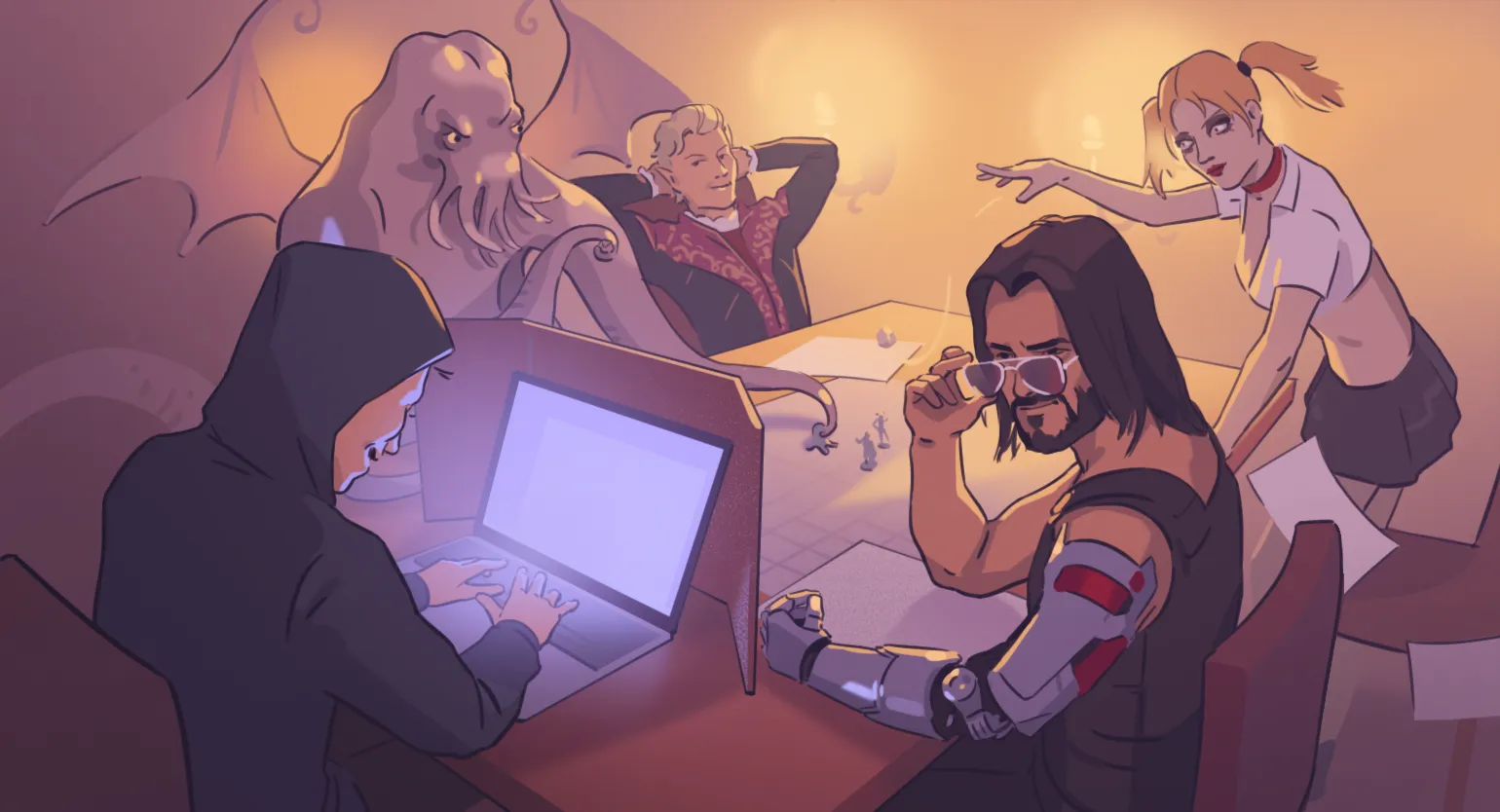
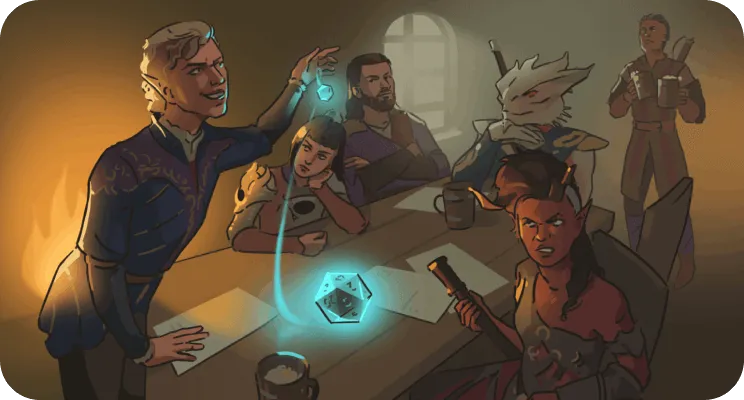
Tabletop role-playing games (RPGs) are an exciting genre of games in which participants assume the roles of fictional characters. Players actively describe the actions of their characters, including their reactions, lines, and the use of various abilities. An important element of an RPG is the GM, who directs the course of the game, controlling the plot and describing how the world around them reacts to the actions of the players. RPGs promote creativity, teamwork, and critical thinking, which makes them popular among various age groups. A passion for tabletop role-playing games allows you not only to have fun, but also to immerse yourself in unique stories and interact with other participants, creating unforgettable moments.
Different RPG systems have different rules and mechanics. In some games, such as Dungeons & Dragons requires considerable time to learn the various races, classes, and spell lists, which can complicate the preparation process. In contrast, there are systems with minimal mechanics, allowing players to quickly master the rules and begin playing without prior preparation. This diversity allows you to choose the appropriate RPG system depending on the preferences of the players and their skill level.
Find out more:
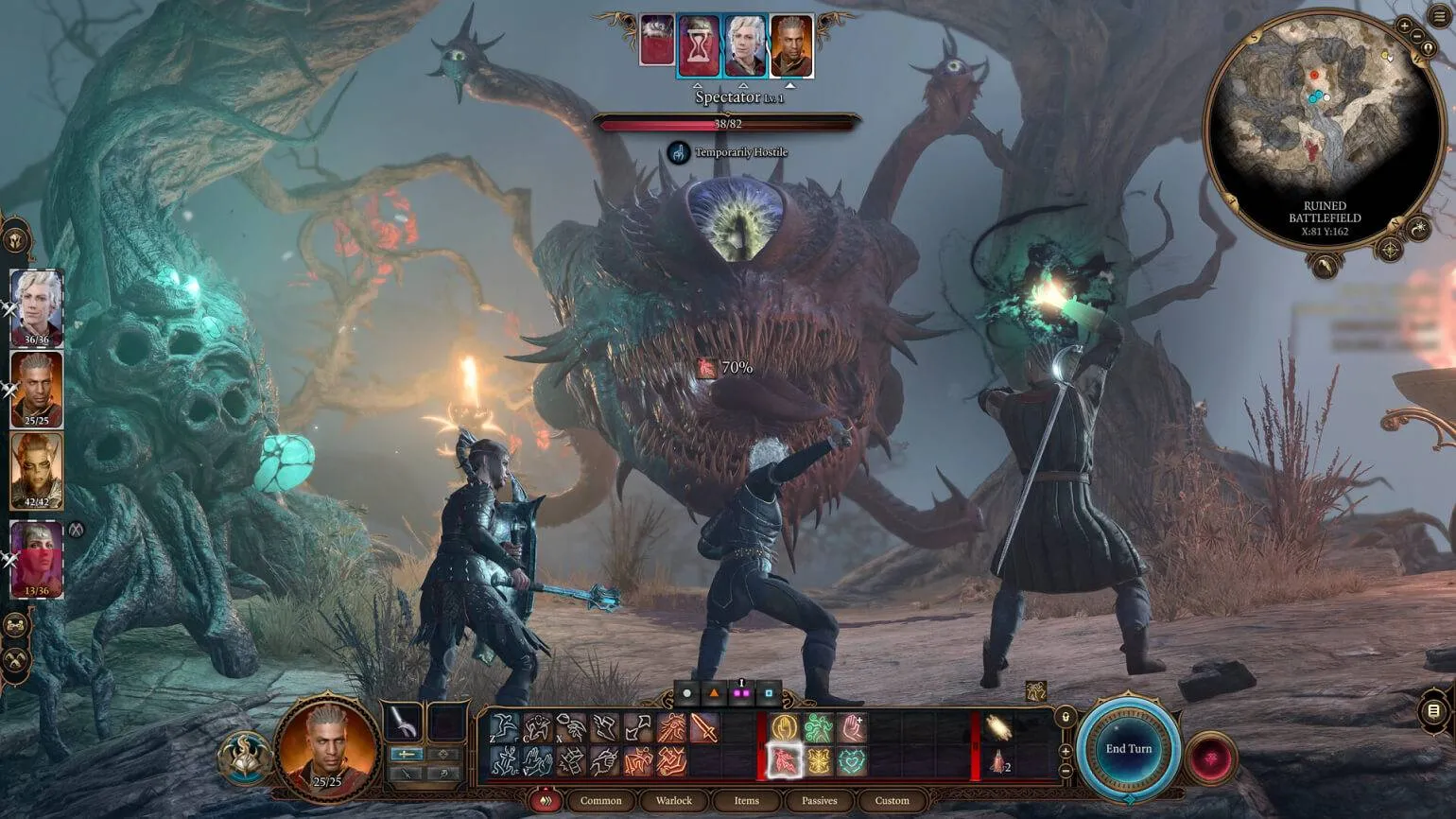
Baldur’s Gate 3 vividly demonstrates how the mechanics of Dungeons & Baldur’s Gate 3 has been adapted into a video game format and offers innovative elements that enhance the gaming experience. The game is based on the 5th edition D&D rules, allowing players to immerse themselves in a world of role-playing interaction and strategic thinking.
The use of dice rolls, a skill system, and character class features gives the game depth and variety. Players can choose different approaches to solving problems, making each game session unique. In addition, Baldur’s Gate 3 introduces new mechanics, such as the ability to interact with the environment and apply various tactical solutions in combat, which adds dynamism and realism.
The game also emphasizes story choices that affect the development of the story and the relationships between characters. These elements make Baldur’s Gate 3 more than just an adaptation of Dungeons & Dragons Dragons, but a full-fledged work that preserves the spirit of the tabletop RPG while incorporating modern gaming innovations.
Creativity is a key element of tabletop role-playing games (RPGs) such as Dungeons & Dragons and Cyberpunk. A game master typically guides players along a predetermined plot, but players can easily deviate from the intended path. In such situations, the GM must improvise, creating new opponents and presenting unexpected challenges. Players, in turn, actively participate in creating the story through their actions and role-playing their characters, which makes this process unique. This combination of narrative and real-time game design allows for the creation of exciting and unpredictable adventures. It's no surprise that many well-known game developers begin their careers in RPGs and use these skills to further advance the industry.
There are many popular tabletop RPGs that can have a significant influence on narrative writers and game designers. These games not only develop creative thinking but also help improve storytelling skills and the creation of game mechanics. They provide the opportunity to experiment with different storylines, characters, and game worlds, which is a valuable experience for developers. The use of role-playing game elements can inspire the creation of unique game projects and deepen the understanding of the interaction between players and the plot. Thus, role-playing games become an important tool for those who strive to improve in the field of narrative design and game design.
Dungeons & Dragons is the most famous and popular tabletop role-playing game in the world, existing since the 1970s. During this time, five editions of the game have been released, each of which revised the rules, improving and expanding them. The D&D community is one of the largest, which makes finding players or GMs easy: even in small towns, you can find fans of this system. Dungeons & Dragons Dragons continues to attract new players thanks to its versatility and engaging storylines, making it an ideal choice for role-playing game enthusiasts.
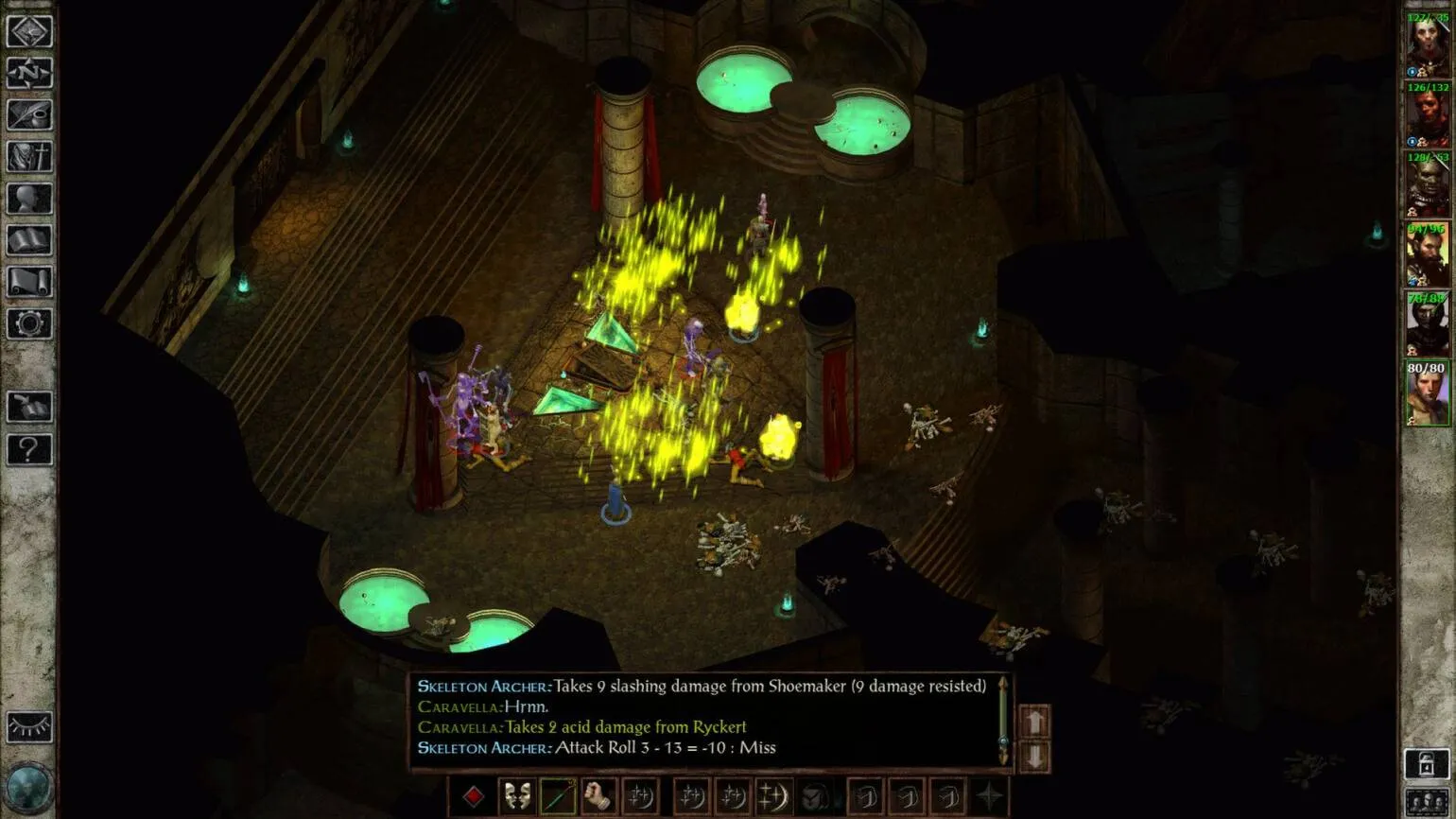
This classic fantasy game is based in the Forgotten Realms, a setting familiar to players from games like Baldur's Gate 3 and Icewind Dale. The system focuses on combat mechanics and exploration of a vast world. Players can choose from a pre-made adventure—many scenarios are available online—or create their own. There's also the option to develop a unique universe if desired.
The benefits include significant improvements in quality of life, health, and overall well-being. Proper nutrition, physical activity, and mental health contribute to increased energy and productivity. A mindful approach to lifestyle helps prevent many diseases and promotes longevity. Furthermore, developing self-organization and time management skills allows you to more effectively manage everyday tasks, which also has a positive impact on your emotional well-being. It's important to remember that every small change in habits can lead to significant results in the future.
Dungeons & Dragons is an exciting role-playing game in which a team of adventurers battles various monsters. Game Masters carefully prepare each battle to provide players with a challenging yet surmountable challenge. This includes selecting opponents, adjusting their abilities and characteristics, testing combat encounters, and creating additional hazards, such as difficult terrain. D&D is an excellent tool for learning how to design and balance combat encounters. Furthermore, the game provides many opportunities for narrative designers: they need to develop interesting characters and quests, respond to player actions, and manage the economic aspects of the game. Ultimately, Dungeons & Dragons Dragons offers a full range of opportunities for creativity and strategic thinking.
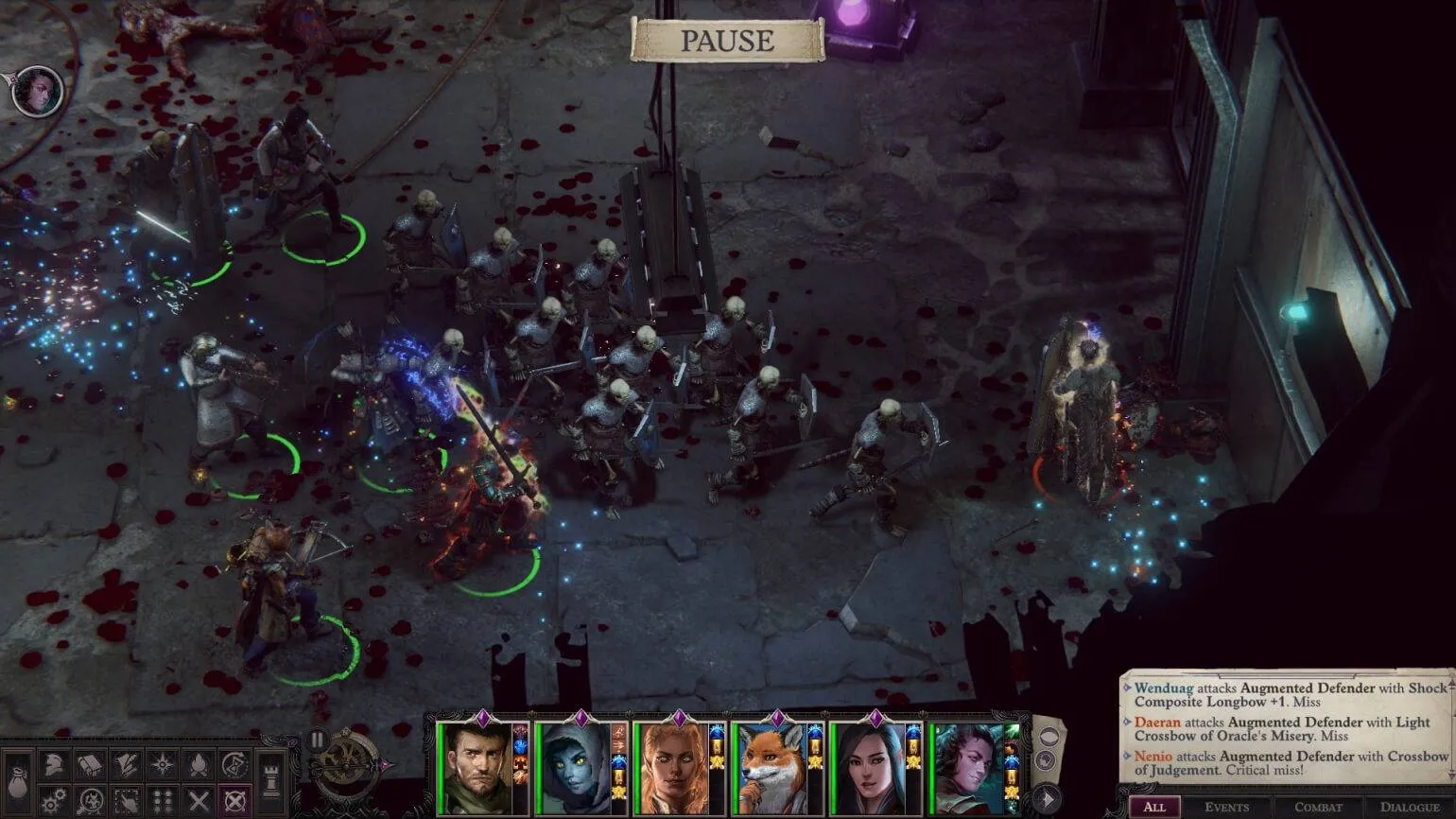
The Pathfinder game is based on the 3.5 edition of Dungeons & Dragons, which makes their systems share common features. However, unlike D&D, which has become more accessible to beginners with each new version, Pathfinder has retained its hardcore nature. It features more rules and numerical values, and the character creation process requires care and thoroughness. Pathfinder is suitable for those looking for a deep system with many opportunities for character development and strategic planning.
The events take place in the fantasy world of Golarion. Several popular titles are based on this world, including Pathfinder: Kingmaker and its sequel Pathfinder: Wrath of the Righteous. Both the tabletop and computer versions of the game emphasize tactical combat. However, unlike Dungeons & Unlike Dungeons & Dragons, Pathfinder offers a more detailed approach, requiring players to carefully plan and take notes. This allows for deeper immersion in gameplay and considers every detail, making the game more engaging and strategic. The benefits of adopting certain methods and practices can be significant. They can contribute to a better quality of life, increased productivity, and the achievement of personal goals. Such approaches can include physical activity, proper nutrition, mental health, and workflow organization. All of these factors are interconnected and influence overall well-being. Improving lifestyle habits can lead to increased energy, reduced stress, and an improved mood. Incorporating beneficial practices into your daily life not only promotes personal development but also creates a harmonious atmosphere in your surroundings. Pathfinder, like Dungeons & Dragons, retains the core principles but is more challenging. This game has become one of the most popular among build-building fans. Pathfinder shows game designers how to effectively design classes and skills in RPGs, as well as what aspects of optimization attract players. Complex mechanics and a variety of options make Pathfinder an attractive choice for those looking for depth and variety in character creation.
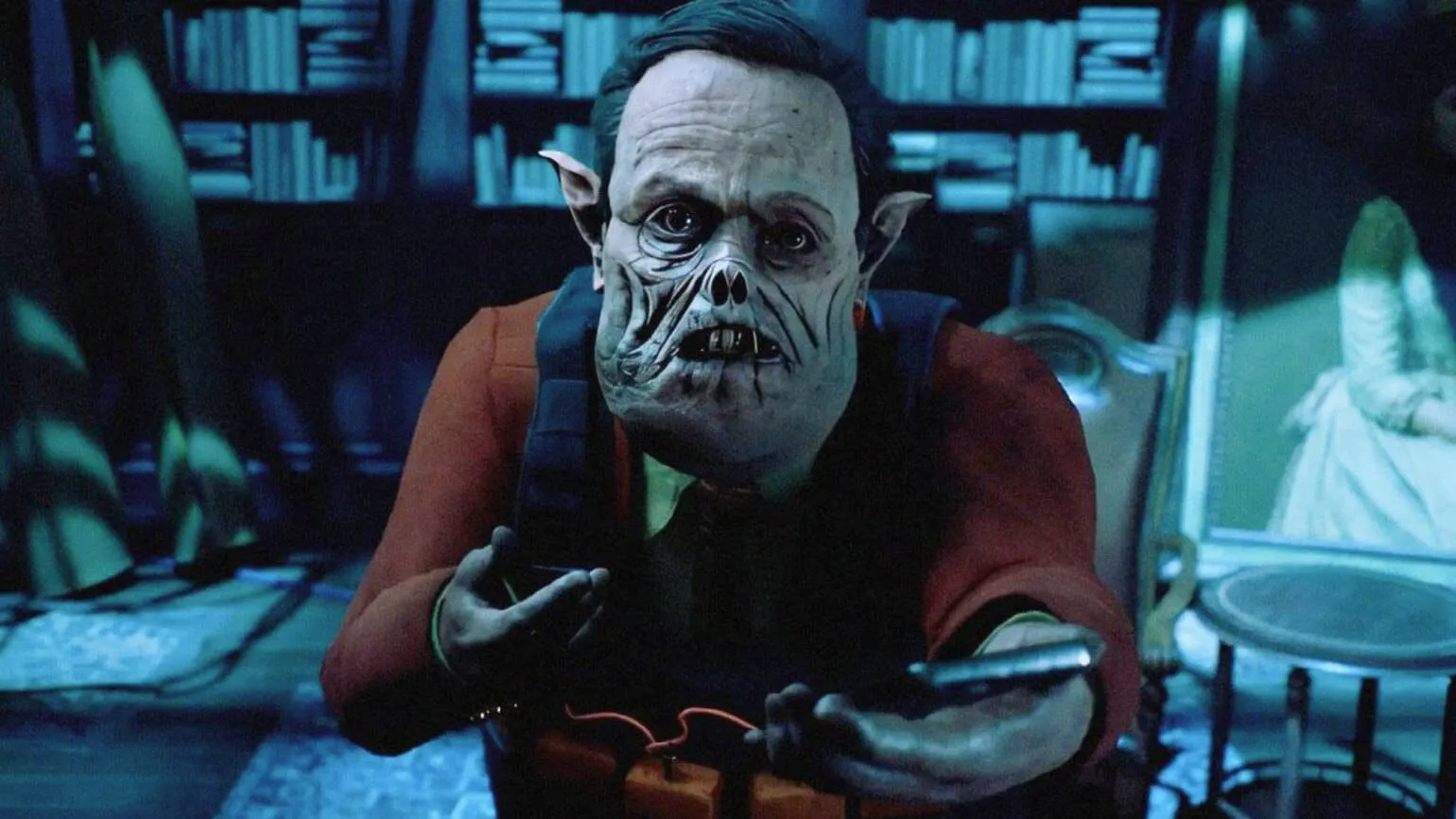
The Call of Cthulhu tabletop roleplaying game is based on the works of H. P. Lovecraft and differs from games like D&D and Pathfinder, which emphasize combat encounters. In Call of Cthulhu, players become detectives immersed in a world of investigation. They gather information, solve puzzles, and uncover mysteries, which adds an atmosphere of tension and intrigue to the game. With sufficient attention and wits, players can avoid combat conflicts, focusing on intellectual challenges and exploration. This game appeals to fans of horror and mysticism, offering a unique experience interacting with the myths and mysteries of Lovecraft.
Instead of traditional RPG races and classes, players can take advantage of a flexible skill tree, which allows them to create characters with unique specializations. This approach opens up ample opportunities for customization and the development of an individual playstyle. The narrative tone is characterized by a dark atmosphere, rich with psychological elements and deep storylines, which enhances player engagement in the game world.
The benefits include improved quality of life and increased overall effectiveness. By engaging in self-development, people gain new knowledge and skills, which contributes to career advancement and personal fulfillment. Furthermore, active participation in social and educational activities strengthens connections with others, facilitates the creation of useful contacts, and improves communication skills. As a result, all these aspects lead to increased self-confidence and the ability to cope with various life challenges. Thus, the benefits of self-development and active participation in society are undeniable and multifaceted.
Call of Cthulhu offers an excellent opportunity for narrative designers to develop their adventure game design skills. The unique setting makes detective, horror, and thriller genres particularly suitable. This will be especially useful for narrative designers working with detective stories. Each adventure must have a clear structure, clear character motivations, compelling heroes, and other elements that contribute to a compelling plot. Otherwise, players may lose interest, as plot plays a key role in this game. Game designers should also pay attention to this system, thanks to its engaging mechanics and opportunities for experimentation. For example, the game features a separate madness meter: as characters encounter horrific events, they move along this meter toward zero. Upon reaching zero, they lose their sanity and are eliminated from the game, adding additional tension and drama to the gameplay.
By implementing this mechanic, Call of Cthulhu established its main goal: confronting madness. Characters must battle their inner demons, making the psychological aspect of the game key. Combat encounters play a minor role, as the game lacks predefined character classes, eliminating the element of tactical combat. Much more important are the skills that players can use during investigations and travels, which allow for a deeper interaction with the plot and the surrounding world.
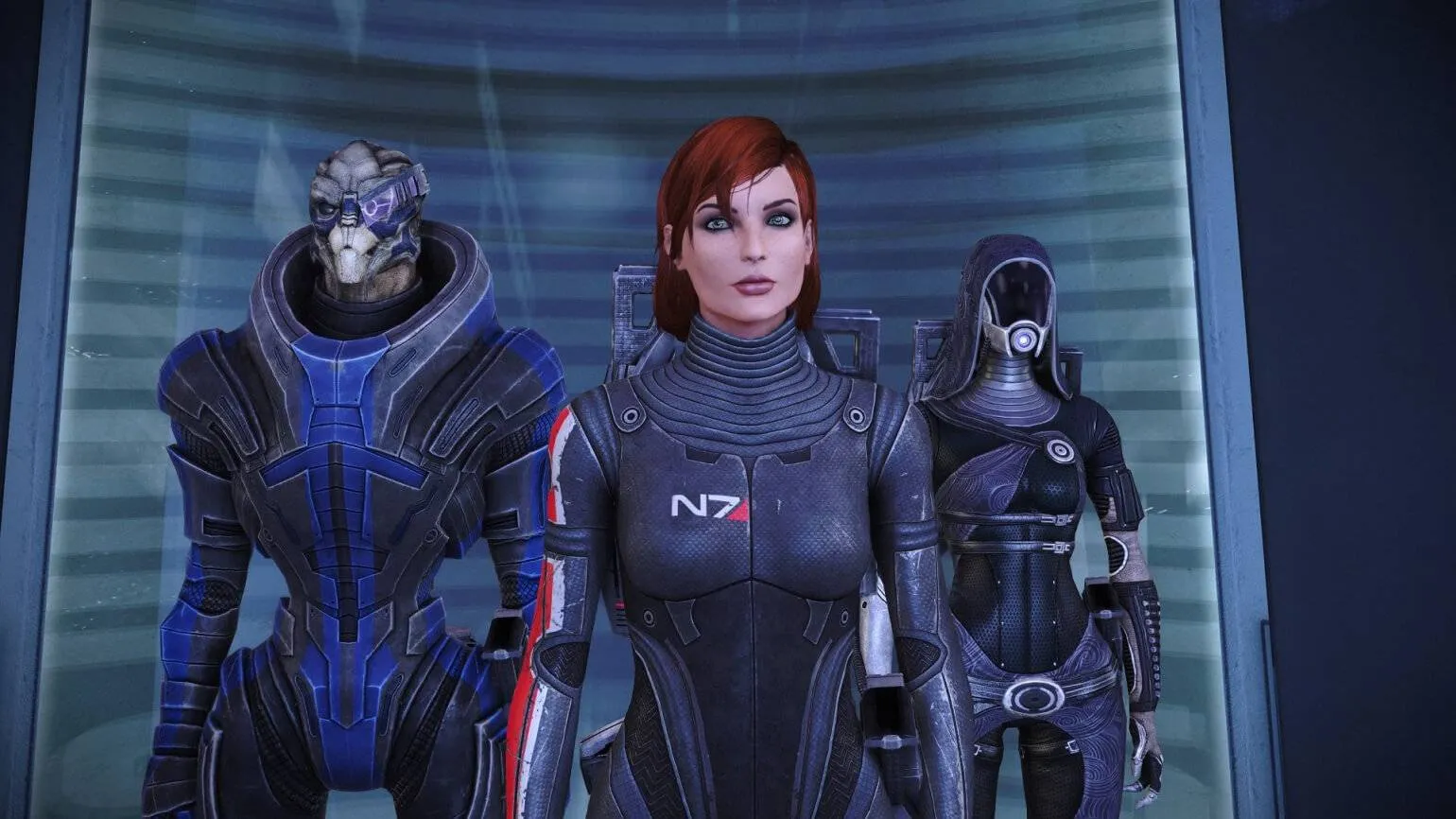
Released in 2020, Cyberpunk 2077 is based on the tabletop role-playing game Cyberpunk and successfully captures the key gameplay mechanics of the original. The title of both games clearly indicates their genre: the action takes place in a dystopian future where body modification has become as commonplace as a visit to the dentist. However, technological progress does not contribute to the survival of the characters. On the contrary, greedy megacorporations drain the citizens' resources and deliberately keep them on the brink of poverty. This grim world highlights social problems and inequality, making Cyberpunk 2077 not only entertaining but also a profound exploration of human nature in the face of a harsh reality.
While Dungeons & While Dragons allows players to feel like immortal heroes, Cyberpunk, in contrast, emphasizes the need for modesty and caution. In this world, combat encounters can be fatal with just one shot. Players must be aware that the environment is full of dangers, and acting prudently is a key strategy for survival. This approach requires players to constantly assess risks and make informed decisions, making the gameplay more intense and exciting. The benefits include improved quality of life and overall well-being. Good habits, such as physical activity, healthy eating, and stress management, promote good health and prevent disease. They help maintain optimal energy levels and promote improved mental and emotional well-being. Furthermore, an active lifestyle and a balanced diet can improve productivity and concentration, which has a positive impact on work and school. It's important to recognize that taking care of your health is an investment in the future, which pays dividends in longevity and well-being.
The example of lethality in Cyberpunk provides game designers with a clear example of how to create a sense of high stakes in gameplay. This board game demonstrates how mechanics interact to create a unique gaming experience. For example, if a shot can result in the death of a character, the order of turns becomes critical. The player who goes first gains an advantage, as they can attack opponents before they can respond. This strategy element emphasizes the importance of planning and risk management in games, creating tension and engagement.

Fate is a versatile game system that can adapt to any setting. Unlike previous RPGs that limited the scope of the game world, Fate offers flexibility and ease of creation. Using the Fate rules, you can immerse yourself in the world of Harry Potter, explore the Star Wars universe, or even develop your own original world. This system allows players and game masters to freely experiment, creating unforgettable stories and characters.
The Fate system is ideal for creating narrative-driven stories that emphasize character interaction and exploration of game locations rather than tactical combat. It is also an excellent choice for newcomers to tabletop roleplaying games, as the number of mechanics is minimal and can be mastered in just one game session. Fate offers flexibility in storytelling, allowing players to focus on developing the plot and characters, making gameplay engaging and accessible. The product's benefits lie in its ability to improve quality of life and increase the efficiency of everyday tasks. It helps streamline workflows, saving time and resources. Users report that using this product helps reduce stress and increase productivity. Furthermore, the product has unique characteristics that make it indispensable in various fields. Its use can significantly improve work results and increase user satisfaction. Importantly, regular use of this product promotes the development of healthy habits and improves overall well-being. Fate is an excellent platform for narrative designers to master the creation of memorable characters. The aspect mechanics in this board game allow for succinctly describing each NPC in just two or three sentences, which influences their development in the game world. Fate also helps develop storytelling skills by allowing players to observe how they interact with the story, what details they notice, and which plot twists resonate most. This system not only simplifies the character creation process, but also deepens the understanding of the dynamics of interaction between players and the story, making it an indispensable tool for anyone who aspires to master narrative design.
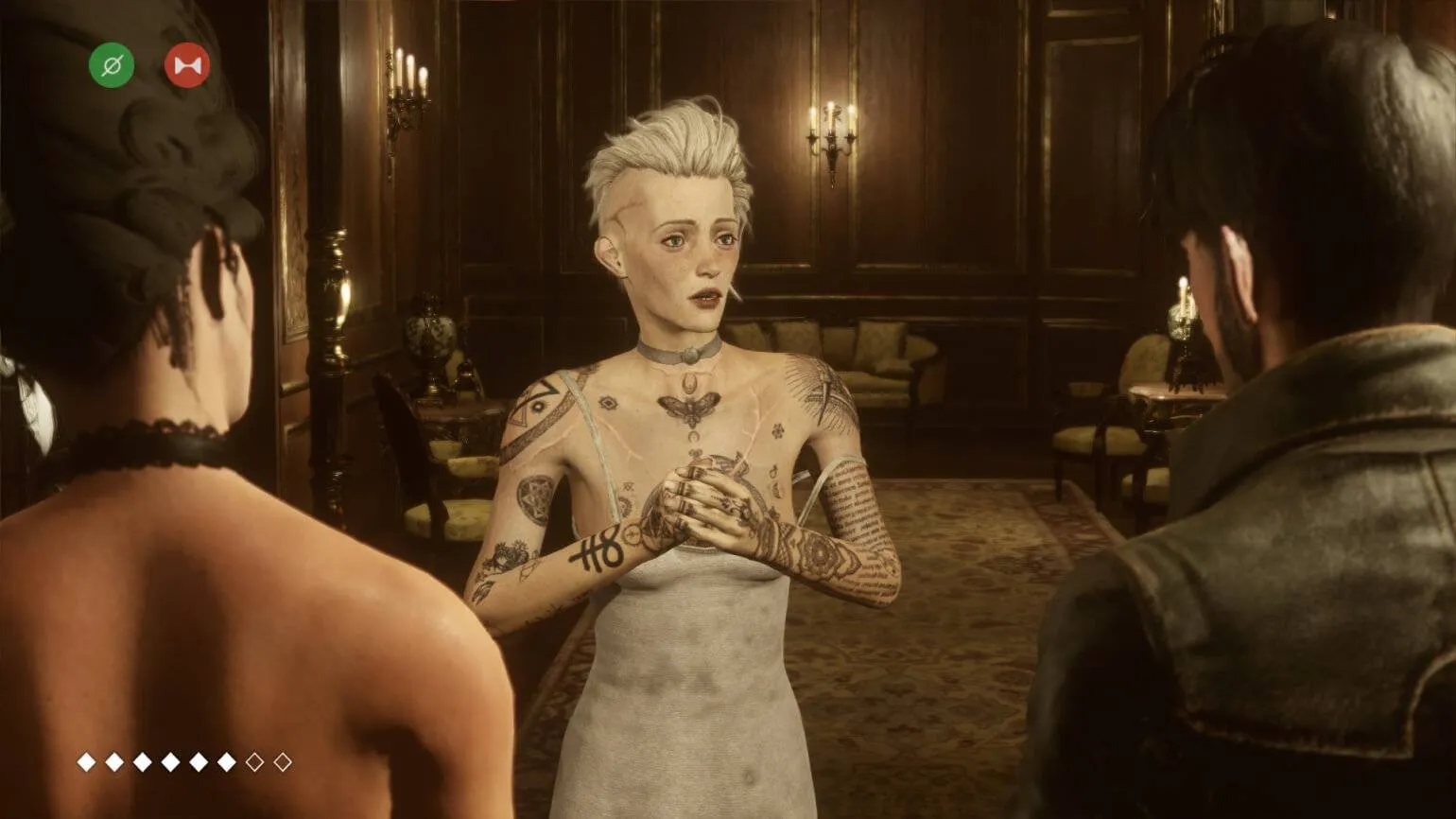
The board game Vampire: The Masquerade is a unique blend of gothic and punk in the modern world. This role-playing game for adults is often called "RPG for adults" by RPG fans. Unlike Dungeons & Dragons, which focuses on fighting evil with the power of friendship and epic superpowers, Vampire: The Masquerade explores darker and more complex themes. The plot centers on questions of survival, political intrigue, and social conflict in the world of vampires, which makes the game deep and multi-layered.
In Vampire: The Masquerade, there are few combat scenes, and battles often come down to a few dice rolls. Most conflicts occur through verbal sparring. Fans of role-playing games will find VvM to be an atmosphere where the focus shifts from killing enemies to creating multifaceted characters and watching them interact with the world around them. This immersive experience with vampires emphasizes storytelling and interactions with other characters, making every game unique.
Several video games have been created based on the tabletop role-playing game Vampire: The Masquerade, preserving the core mechanics of the original. Vampire: The Masquerade - Bloodlines 2 is expected to be released in 2025, attracting both fans of the tabletop version and new players. This game will continue to expand on the Vampire: The Masquerade universe, offering engaging gameplay and a deep storyline.
The benefits of a particular product or service can be significant. These include improved quality of life, increased productivity, and convenience in everyday tasks. Using this product allows you to optimize processes, save time and resources. Thanks to its functionality, users can achieve better results in their work. It's also worth noting that using this product helps reduce stress and improve overall well-being. Another important aspect is the cost savings this option offers compared to alternatives. Thus, the benefits of using this product are clear and multifaceted. The tabletop role-playing game Vampire: The Masquerade, like Fate, is an excellent tool for narrative designers. It helps develop skills in creating multifaceted characters, compelling storytelling, and elaborating the game world. The game features multiple vampire clans, adding elements of confrontation and interaction between characters. This creates a rich atmosphere and promotes deep immersion in the story, allowing players to explore complex moral choices and dynamic relationships. Vampire: The Masquerade not only entertains, but also offers valuable lessons for creating compelling narratives.
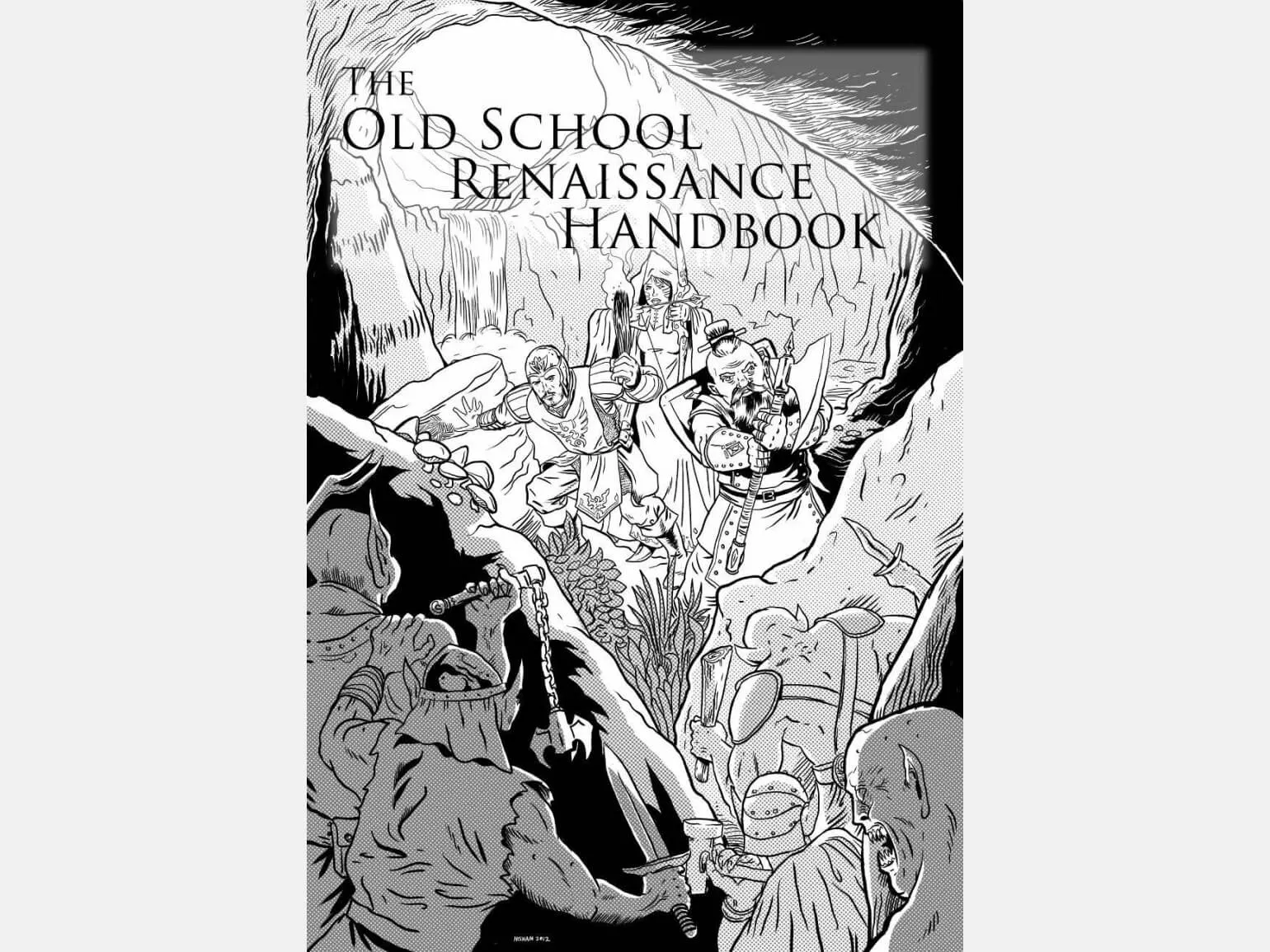
The latest example of irregular games (RPGs) is an entire movement known as Old School Renaissance (OSR). Games from this movement, such as Dungeon Crawl Classics RPG, Old-School Essentials, OSRIC, and Lamentations of the Flame Princess, create the atmosphere of classic tabletop role-playing games of the 1970s, in particular the first edition of Dungeons & Dragons. OSR recreates the spirit of old games, inviting players to immerse themselves in the unique game mechanics and style characteristic of that era.
Retro games differ significantly from modern ones, offering players a unique experience. In such games, characters often died, and plot lines were not written in advance, which added an element of randomness to the gameplay. Nostalgic old-school RPGs are significantly more hardcore due to the high mortality rate of characters. However, they remain accessible to beginners and are ideal for those who prefer to avoid a long start with zero sessions. The rules in such games are usually concise, character creation takes no more than an hour, and participation does not require extensive preparation on the part of players. Retro games provide the opportunity to quickly immerse themselves in a world of adventure, which makes them attractive to both experienced players and newcomers.
Of course, I am ready to help with text editing. Please provide the text itself that you want to revise.
The benefits of various aspects of life can be significant and multifaceted. Healthy eating, physical activity, and emotional well-being contribute to a better quality of life. Proper nutrition provides the body with essential vitamins and minerals, strengthens the immune system, and increases energy levels. Regular exercise improves physical fitness, promotes weight loss, and enhances overall well-being. Emotional health helps cope with stress, improves social connections, and promotes more harmonious relationships with others. Thus, a holistic approach to health care brings tangible benefits and promotes longevity.
This approach is especially relevant for "pure" game design. Unlike other systems that emphasize storytelling, OSR (Old School Revival) allows for a deeper dive into game mechanics and exploration of the game's framework. The primary focus is on exploring environments, dungeons, and creating hazards. Therefore, the GM must carefully design maps, conceive or improvise content, and create enemy and item tables. This approach fosters a unique gaming experience based on player interaction with the world and its mechanics.
As an NRI
Screenwriters develop their skills by studying and analyzing various films. Narrative writers and game designers can also expand their horizons by playing board games. Although board games and computer games differ, many board game mechanics can be adapted for digital formats. Analyzing board games helps identify unique elements of narrative structure and gameplay that can be successfully implemented in video games. Thus, the interaction between different game formats helps enrich the developer's experience and improve the quality of the final product.
Not every game will guarantee you the status of a top narrative designer or game designer. For example, playing Monopoly for ten years will not lead to confidence in the gaming industry. However, after experience in Dungeons & Dragons, some masters successfully transition to game development: they begin developing scripts and mechanics, creating their own projects. Job postings at game studios sometimes emphasize that experience running tabletop role-playing games is a significant plus for candidates.
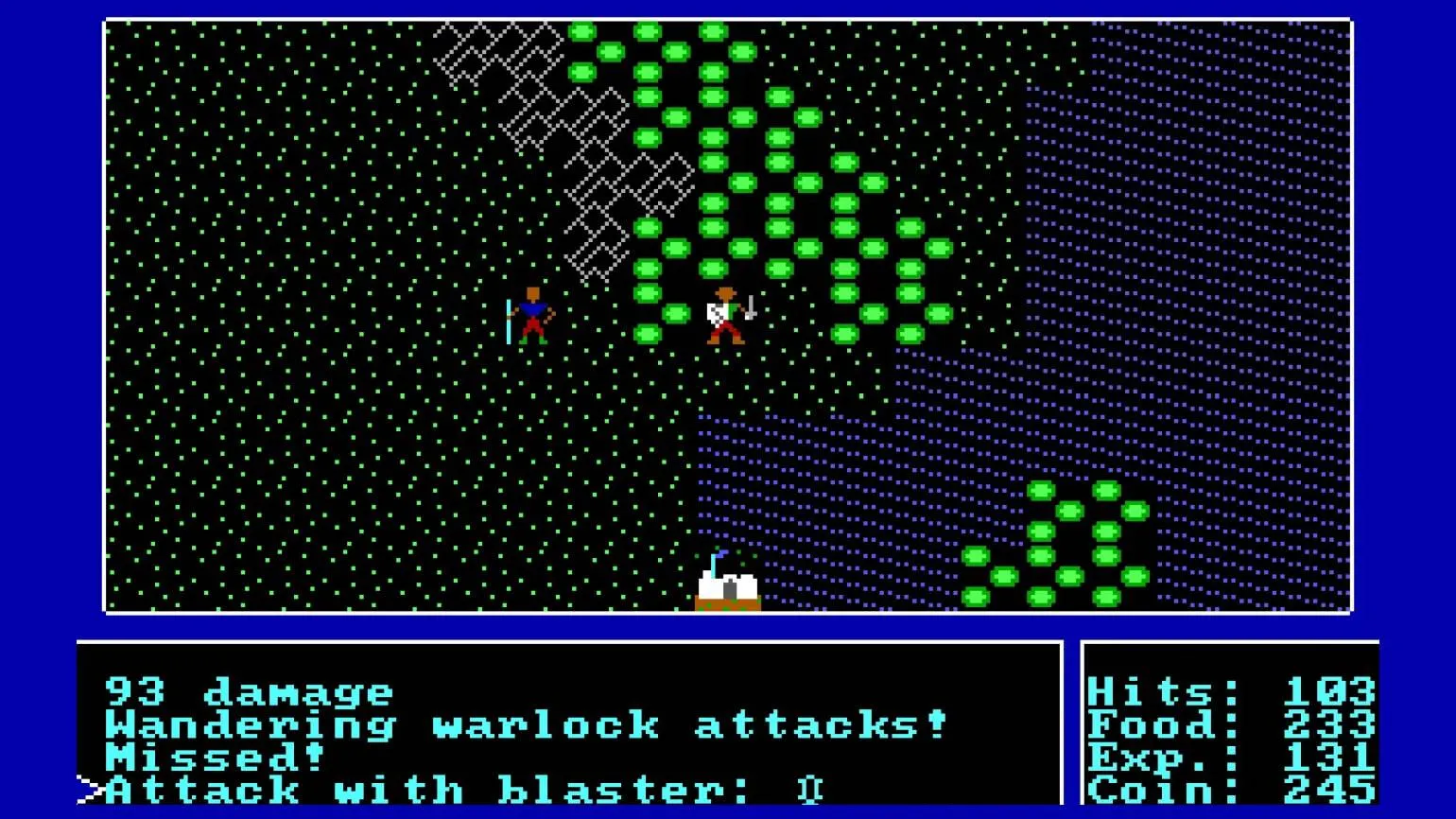
Warren Spector, creator of the iconic games Deus Ex and System Shock, began his career in the video game world as a Dungeons & Dragons player. Renowned writer Bruce Sterling, considered one of the founders of cyberpunk, served as the game master. Spector recalls that while working on Ultima, he strove to capture the unique feel of Dungeons & Dragons and demonstrate what it means to immerse oneself in this narrative-driven tabletop game. This experience inspired him to create deep and interactive game worlds, which became the hallmark of his work.
Josh Sawyer was an avid Dungeons & Dragons player in college, which significantly influenced his work on Icewind Dale. Chris Avellone also began his career in the gaming industry by designing quests and campaigns for D&D, which played a key role in shaping his skills and creativity. These experienced developers have successfully translated elements of tabletop role-playing games into video games, enriching them with storytelling and depth.
Anyone aspiring to pursue game design is strongly encouraged to play high-quality tabletop games. These games represent the essence of game design. Video games often mask gameplay flaws with flashy graphics, sound design, and a high budget. However, this is impossible with tabletop games: a game's success depends solely on its design. Board games offer a deeper understanding of mechanics, balance, and player interaction, which are the foundation for creating engaging gaming experiences.
Nels Anderson is a game designer at Campo Santo, known for his work on games that boast a unique style and deep storytelling. His contributions to the video game industry include developing titles that capture players' attention through high-quality graphics and engaging gameplay. Anderson actively creates content that combines innovative mechanics and interactive elements, making his work highly sought after. Nels Anderson's expertise and passion for game design contribute to the creation of memorable gaming experiences that leave a deep impression on players.
Role-playing games (RPGs) are a powerful tool for developing the skills of storytellers and game designers. The main reasons for their usefulness are as follows. Firstly, RPGs foster creative thinking, allowing participants to create unique stories and characters. Secondly, they improve storytelling skills, as players learn to construct stories and interact with others. Thirdly, RPGs develop teamwork, which is critical for successful game design. Furthermore, they help master the fundamentals of game balance and mechanics, a key aspect of game creation. Thus, RPGs are not only engaging but also an excellent way for narrative and game design professionals to improve their skills and deepen their knowledge. Tabletop role-playing games (RPGs) are systems of game mechanics that can be analyzed, adapted, and developed. For example, Pathfinder was developed based on Dungeons & Dragons, but its creators made changes to emphasize more complex mechanics. The indie studio St.Celest, with whom we spoke, uses the same D&D mechanics to create pixel art quests, focusing on the story component. RPGs offer a high degree of flexibility, allowing them to be customized and altered to suit the preferences of players and creators. This makes tabletop roleplaying games incredibly appealing to those who want to experiment with gameplay and create unique stories.
RPGs teach storytelling, including the use of environmental elements. The GM begins to understand the structure of a good story and how to build a game around it. In this process, it is important to create compelling characters, develop unexpected plot twists, and fill the world with details that contribute to its depth. Effective storytelling in RPGs not only engages players but also creates a memorable experience that fosters engagement and emotional resonance.
Translating questions of motivation from non-game activities into the gaming industry, especially game development, is an important aspect of development. For example, it is necessary to understand why an innkeeper provides quests to adventurers rather than using the city guard. Without clear motivation, the game world becomes merely functional, which negatively impacts players' perception of the story. Deeply elaborating character motivations and actions creates a more engaging and memorable gaming experience, allowing players to become more immersed in the story and world of the game.
Sergey Khabarov is a narrative designer at St.Celest. He focuses on creating engaging stories and deep characters, allowing the studio's projects to stand out from the competition. With extensive experience in developing game stories, Sergey applies innovative approaches to narrative, contributing to the creation of truly unique gaming experiences. Under his leadership, St.Celest continues to develop its projects, focusing on player interaction with the story and the surrounding world.
Tabletop role-playing games offer a unique opportunity to experiment with various mechanics and rules. Unlike computer games, where mechanics are defined by pre-written code and players can only perform the actions intended by the developers, tabletop roleplaying games offer much more freedom. The story in these games evolves in the players' imaginations, allowing the GM to adapt the rules and mechanics on the fly. This creates a dynamic game environment where every decision can impact the course of events, making the gameplay more engaging and personalized.
A standard D&D session can incorporate mechanics from Savage Worlds by replacing the traditional initiative roll with drawing cards from a deck. Players draw cards, and the one with the highest number goes first. If someone draws a joker, they can act at any time. This innovation is ideal for campaigns where cunning ploys and trickster elements are important, adding dynamics and unpredictability to the gameplay.

The GM maintains constant contact with the players, allowing them to better understand their needs and preferences in the game. Regular feedback from participants helps identify gaps and promptly address them in future sessions. This approach significantly improves the overall gaming experience, making it more engaging and tailored to player expectations. As a result, interactions between the GM and the players become more effective, contributing to an immersive atmosphere and increasing interest in the game.
In tabletop role-playing games (RPGs), it is important to engage players in the story throughout the session. The lack of a user interface, as in video games, makes the process more challenging. Players cannot open a quest log or see quest markers on the map, forcing them to independently search for clues and explore various elements of the game world. The GM's role is to provide necessary hints, clearly mark interactive elements, and formulate tasks and goals. This contributes to a smoother gameplay and helps avoid game drags. Proper game mastership creates a captivating and dynamic experience for all participants.
Being a game master is like creating your own open-world sandbox. Game masters have the unique ability to shape the world where players can interact, explore, and develop their stories. They create rules, develop storylines, and develop the world's population, allowing players to immerse themselves in engaging adventures. By guiding gameplay, game masters balance challenges and opportunities, allowing players to reach their full potential and make important decisions that impact the story. This process requires creativity, attention to detail, and the ability to adapt to player actions, making the game master's role key to creating a dynamic and engaging gaming experience.
As a game master, you work within defined rules to create unique content, design engaging challenges, and develop combat encounters. Your job is to make them interesting, exciting, vibrant, balanced, and original. You create a gaming space, but only for those in the room with you. Your art lies in the ability to control the game, adapting it to the interests and preferences of the players, thus creating a special atmosphere of interaction and engagement.
Nels Anderson is a game designer at Campo Santo, a company known for its unique games. His contribution to game development is marked by original ideas and engaging gameplay. Thanks to his creativity and attention to detail, Anderson creates projects that attract the attention of players and critics. Under his leadership, Campo Santo continues to evolve and leave a significant mark on the video game industry.
How RPGs Influenced Modern Game Design
The tabletop role-playing game Dungeons & Dragons has gained worldwide fame due to its significant influence on the gaming industry in the United States. In the 1980s, the popularity of this tabletop role-playing game helped shape a new generation of developers who today create unique and innovative video games. The influence of Dungeons & Dragons is felt not only in the mechanics but also in the stories of modern games, underscoring its importance in the history of game design.
Warren Spector emphasizes that Dungeons & Dragons had a significant influence on the development of computer games in the 1980s and 1990s, including the work of Origins. In particular, when creating the Ultima series, the developers focused on the mechanics of player interaction with the game world embedded in D&D. This role-playing game offers multiple solutions to each problem, which allows for freedom of choice. Players can make decisions based on their own preferences, rather than simply guessing at the game master's expectations, as was the case with Ultima, where the game master was a programmer. This fundamental difference made Ultima and other games of the era more interactive and engaging, ensuring their popularity and influence on the future of the industry.
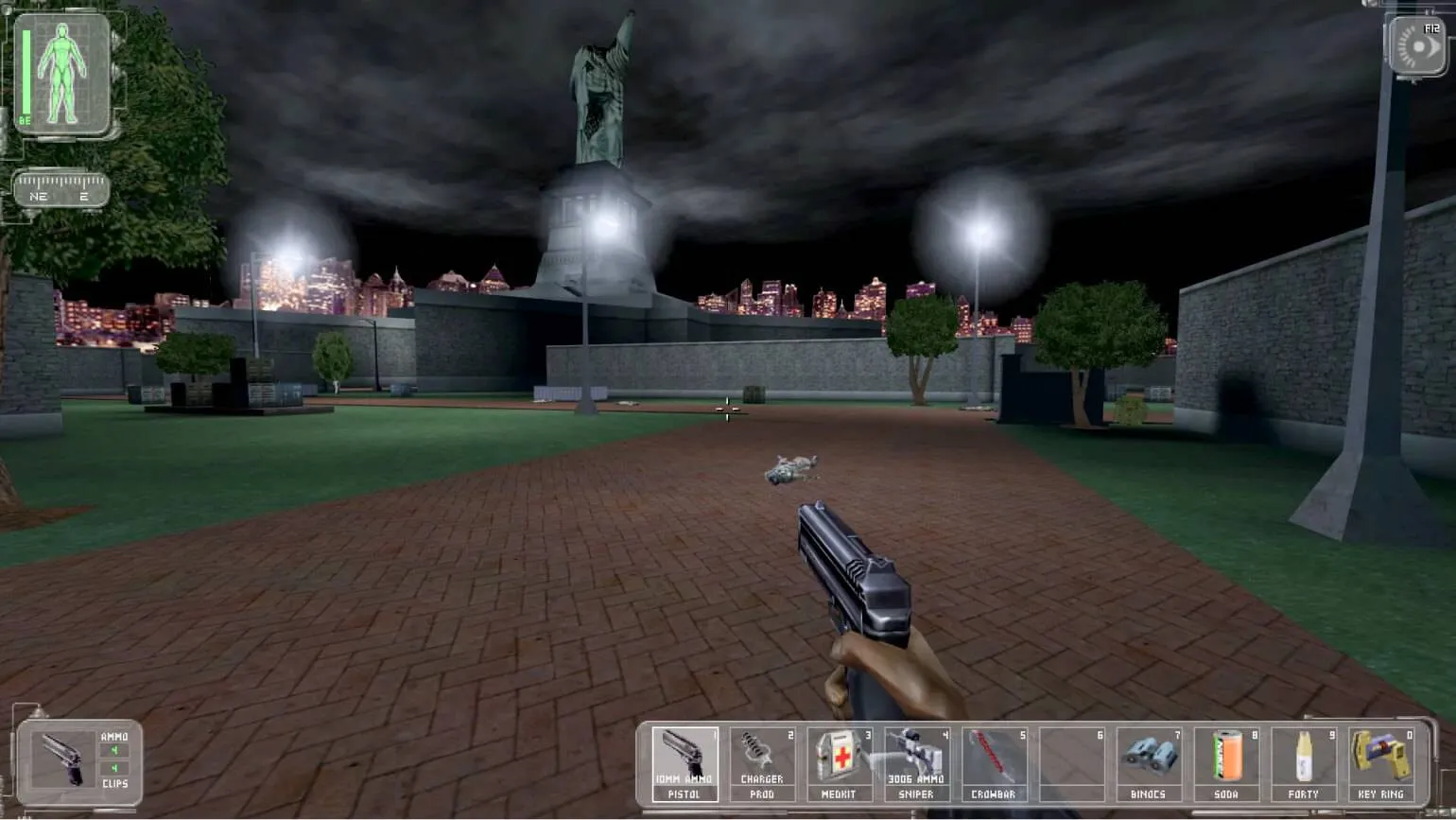
Inspired by D&D, game designers focused on creating challenging obstacles for players, allowing for their creative decisions. This led to the development of Deus Ex, in which players were able to independently choose their actions and experiment with various options. Although the technical implementation was primitive compared to modern standards, Spector is confident that this was the right path. Deus Ex became an example of innovative game design, giving players freedom of choice and the ability to influence the story.
In 1980, developers Michael Toy and Glenn Wickman presented the game Rogue, in which players explored dungeons with a procedurally generated world. The game's theme was inspired by D&D, reflected in the RPG's name, which translates as "Dungeons and Dragons." Rogue also adopted the mechanics of hit points and experience points. This game laid the foundation for the entire roguelike genre, which continues to evolve to this day, inspiring many new projects in the world of video games.
The creators of the cult game Doom, released in 1993, drew inspiration from a game of Dungeons & Dragons. Game designer John Romero shared his impressions of how this experience influenced the creation of the game. Inspiration from D&D helped the developers create an engaging gameplay and a unique atmosphere that became iconic for the shooter genre. Not only did Doom set new standards in game design, but it also introduced role-playing elements, significantly expanding its audience and cementing its place in video game history.
Of course, I'm happy to help you with text editing. Please provide the text you wish to change.
One day, at the id Software office in Texas, we were playing Dungeons & Dragons under the guidance of our lead programmer, John Carmack. My desire to obtain a magic sword led to the world being controlled by demons. In that moment, we had an epiphany. We were all fans of science fiction, especially the movie Alien, which was known for its fast-paced action. This inspired id Software to create games with a similar level of action. We wondered: what if, instead of the traditional aliens found in most movies, the player encountered a portal to Hell? Demonic creatures will burst forth from this portal, and your character, a marine on a Martian base, will have to fight them. This concept became the basis for new game mechanics and stories that we began to develop.
John Romero is a renowned video game developer, known as one of the creators of the iconic game Doom. His contribution to the gaming industry is invaluable, as Doom was one of the first first-person shooters that had a significant influence on the development of the genre. Romero not only developed the game mechanics but also actively participated in level creation and character design. His innovative ideas and approach to gameplay helped shape modern gaming culture, and he continues to be an important figure in the world of computer games. John Romero's work inspires many developers and gamers, and his legacy lives on in new gaming projects.
Dungeons & Dungeons & Dragons (D&D) significantly influenced the development of modern gaming, introducing many mechanics such as experience points, damage, character classes, and builds. These elements became the basis for many popular titles, including Neverwinter Nights. BioWare, which created three D&D-based games, later developed its own role-playing games, such as Star Wars: Knights of the Old Republic and Dragon Age. However, even in these projects, the developers continued to use concepts borrowed from D&D, as they proved too effective and convenient for implementing game mechanics. Fantasy tabletop games like Dungeons & Dragons made significant contributions to the gaming industry, particularly the concepts of health bars and character leveling. These ideas became fundamental to many video games, and it is difficult to imagine the modern gaming experience without them. Dungeons & Dragons provided game designers with important building blocks that formed the basis of many genres. Every gameplay element, based on these concepts, retains the influence of the source material, creating a unique gameplay atmosphere and mechanics that continue to attract players around the world.
The Bottom Line
In high school, James Ohlen organized Dungeons & Dragons sessions for his friends. Later, when they founded BioWare, Ohlen joined the team as one of the first employees. Although he had no programming skills, his creativity and experience as a game master became indispensable for game development. When Ohlen left BioWare after 22 years, he held the position of Senior Creative Director, having left a significant mark on the video game industry.
Of course, I am available to help you with text editing. However, to get started, please provide the actual text you wish to rework and optimize for SEO.
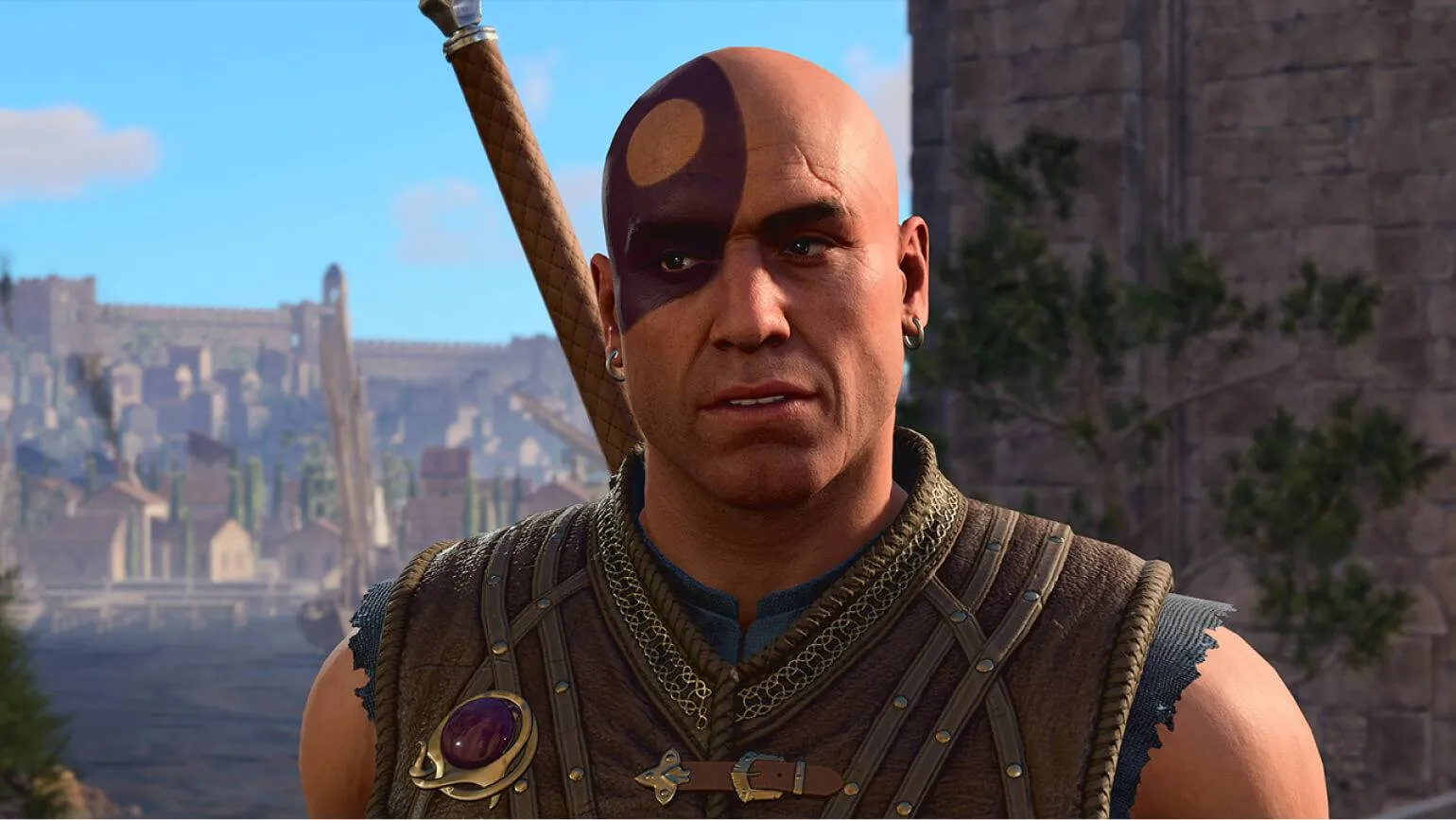
Characters from the Baldur's Gate series, including both villains and companions, were originally created by players in Ohlen's D&D campaigns. Programmer Cameron Tofer, for example, created the character of Minsc, but when filling out the character sheet, he accidentally set his intelligence too low. Thus was born the charismatic and somewhat dimwitted barbarian who became a legend. This iconic character was brought back by Larian in Baldur’s Gate 3, underscoring his importance and popularity among fans of the series.
Olen isn't the only one who entered the video game industry thanks to tabletop role-playing games (RPGs) like D&D. In fact, any tabletop RPG can be a starting point for game development. They all share similar mechanics and require a high level of involvement from the GM. Regardless of the chosen RPG system, the GM constantly develops narrative and game design skills, which are extremely useful for working in game development. Tabletop RPGs serve as an excellent foundation for mastering storytelling elements and creating engaging game mechanics.
Tabletop RPGs offer a unique opportunity to develop various competencies. Participation in such games helps improve communication skills, as players learn to interact with each other, formulate their thoughts, and listen to the opinions of others. Furthermore, tabletop RPGs develop creative thinking and imagination, allowing players to create unique characters and stories.
Also important is the development of strategic thinking. Players learn to plan their actions, make decisions under uncertainty, and adapt to changing circumstances. Teamwork skills are strengthened during the game, as success depends on the coordinated actions of the group.
Thus, running tabletop role-playing games is an effective tool for personal and professional growth, allowing you to develop key skills that can be useful both in life and in your career.
When playing Dungeons & Dragons, you may need additional rules if the existing ones are insufficient to address certain issues. For example, when introducing a new artifact, the game master will have to independently determine its characteristics and properties. This approach in the D&D context is called "homebrew." Homebrewing allows you to tailor the gameplay to the unique needs of the group, adding elements that make the game more engaging and varied. This can include creating new spells, character classes, or even entire game worlds, making each session unique and memorable.
Some roleplaying game masters (RMGs) develop unique character classes. For example, Matt Mercer, host of the popular web series Critical Role, created the original Bloodhunter class. This class stands out for its special skills and mechanics that make the game more engaging and varied. Bloodhunters possess unique abilities that allow them to effectively hunt monsters and overcome challenges, making them valuable allies in any adventure.
Story is a key element of the gaming experience in tabletop roleplaying games (RPGs). To attract and maintain the attention of players, the RM creates a compelling story for the adventure. They describe the events, establish the main conflict, and lead to the climax. In this process, RMGs learn to effectively manage the audience's attention, balancing dynamic scenes with quieter moments. It's also important to be flexible in responding to player choices, which allows for a unique and engaging experience for each player. Developing a story requires creativity and collaboration skills, making role-playing games engaging and engaging.
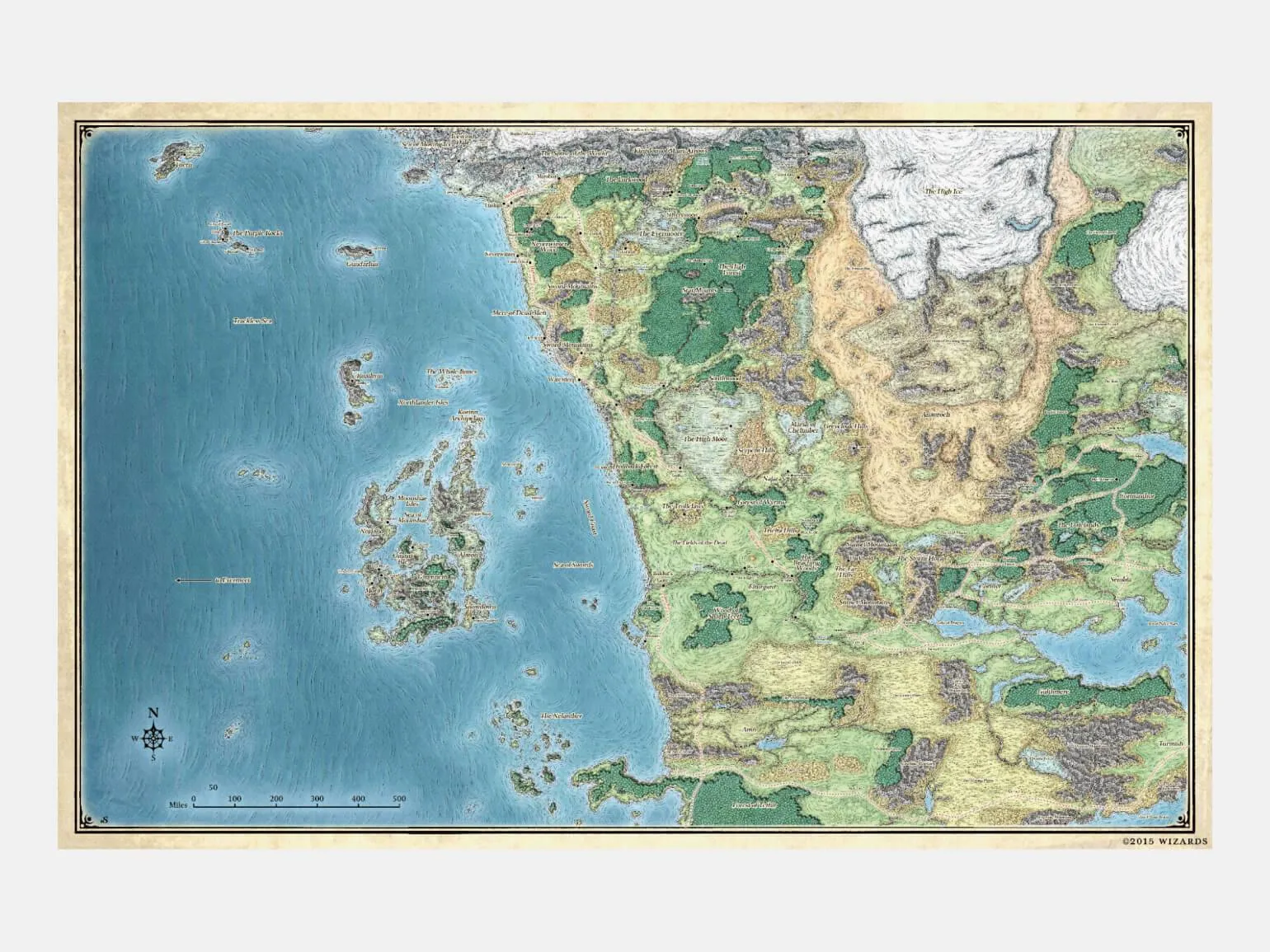
The process of developing the setting in which the game takes place is called worldbuilding. As part of this process, the gamemaster creates the geography of the continent, names the countries, develops the history of the world, and defines the cultural traditions of the peoples who inhabit it. A deep and detailed setting gives the game's events meaning and context, enriching the experience and engaging players in exploring the unique world.
Players will interact with characters in the game world, who significantly influence the development of the plot. Every compelling narrative features not only heroes but also villains, who play a key role. It is important for the GM to carefully craft the biographies, motivations, and personalities of antagonists, which adds depth to the gameplay. This will allow players to enthusiastically explore their secrets, try to persuade villains to cooperate, or, conversely, fight them. Creating multi-layered characters enriches interactions and makes the game more immersive.
The interactive space in the game world plays a key role in player engagement. GMs create game boards, develop terrain maps, and conceive unique locations, placing various elements, including traps, within them. Every detail of a location should serve a specific function: it can reveal part of the story, shape the atmosphere, or help solve problems. If an element can be removed without affecting the game's core meaning, it only creates unnecessary burden for players, distracting them from the main plot and interactions with the environment. Therefore, it's important to carefully consider and balance game world elements to create an engaging and memorable experience.
The game master orchestrates encounters themselves, making the battle design process vulnerable to error. A battle that seems easy may prove too challenging for players, while a seemingly difficult encounter may end too quickly. To avoid such situations, the game master regularly tests their ideas, testing enemy stats and abilities in mock battles. If necessary, they make adjustments to achieve balance in encounters. This approach helps create a more engaging and balanced gameplay experience, which ultimately improves player experience.
Game Designer Profession from Scratch to PRO
A game designer creates the structure of a game. They think through the idea, rules, gameplay, and decide what emotions the plot will evoke in players. You'll master game design principles from scratch and learn how to work with popular engines like Unity and Unreal Engine. You'll learn how to retain player interest and monetize your games. And we will help you start a career in the gaming industry.
Find out more