
Who are you in the world of game development? Learn more with our free course ➞ You'll experience three careers in action: game designer, 2D artist, and Unity developer. Create your first Mario-style game. Click here for details.
Learn moreSubscribe to our Checkpoint Telegram channel, where we share news about games and their creation processes. Discover the exciting world of gaming and learn more about your favorite projects. Join our community and stay up to date with the latest trends in the gaming industry.
Unreal Engine 4 is a powerful game engine from Epic Games used to develop computer, mobile, and console games. Thanks to its flexibility, Unreal Engine 4 is suitable for creating games of various genres, including shooters, platformers, open-world games, simulators, and strategies. The engine offers developers extensive tools for creating high-quality graphics and realistic physics, making it a popular choice among professionals in the gaming industry. Using Unreal Engine 4 enables the creation of interactive and engaging gaming projects that attract players worldwide. Unreal Engine is widely used not only in game development but also in fields such as education, architecture, industry, and film. This powerful engine is actively used to create special effects and visual effects in renowned projects such as The Mandalorian and Westworld. Thanks to its capabilities, Unreal Engine is becoming the tool of choice for professionals in various fields, enabling the implementation of the most ambitious ideas and projects. The engine is freemium, with Epic Games charging a 5% royalty on project monetization revenue. However, royalties are waived on the first $1 million earned. For VR projects listed on the Oculus Store, the royalty-free threshold is $5 million. In 2018, Epic Games' royalties reached $124 million, and in 2019, they were $97 million.

We've selected ten games that best showcase the capabilities of Unreal Engine 4. Our list includes remakes and remasters, as well as flagship projects from Epic Games, as well as games from independent developers and popular AAA projects. This is the first part of our series, in which we will discuss five of these games. We will tell about the remaining five in the second part.
In our material, you will find information about the graphics engine and other freemium graphics technologies. We will take a detailed look at their features, advantages and disadvantages, which will help you better understand their application in various projects.
Fortnite
This free-to-play online game, released in Early Access in 2017, is the flagship project of Epic Games. Fortnite combines elements of the most popular genres, offering players three unique modes: battle royale, building, and co-op survival. This makes Fortnite one of the most popular games on the market, attracting millions of users thanks to its varied gameplay and regular updates.
- Battle Royale is a battle royale where one hundred players fight each other until only one is left alive. It is this mode that brought the game its immense popularity.
- Save the World is a co-op open-world survival simulator: players build fortifications and fight off monsters together.
- Creative is a sandbox game similar to Minecraft. The emphasis is on construction and creativity.
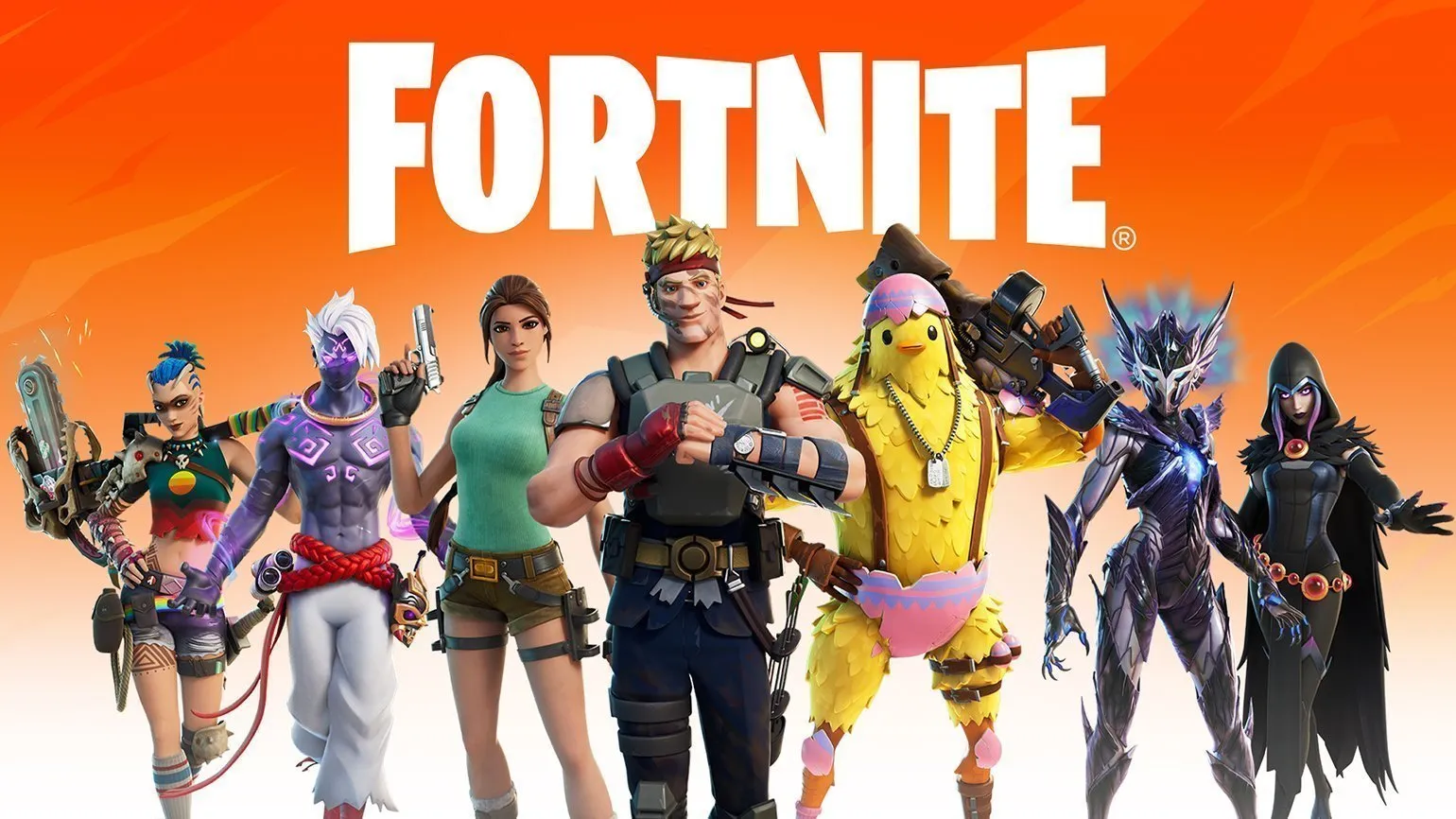
Accessibility, multiplayer mode, low entry barrier and the possibility of creativity make this game attractive to a wide audience. Vibrant graphics with elements of cartoon violence, as well as regular online events and pop culture images, including famous football players and superheroes, add additional dynamism. Epic Games was able to combine all the current trends in a single game, which became the key to its unprecedented success.
Microtransactions and loot boxes play a key role in generating revenue for gaming companies. For example, Epic Games earned $5.4 billion from Fortnite in 2018, $3.7 billion in 2019, and $5.1 billion in 2020. Currently, the number of registered Fortnite players exceeds 350 million. These data highlight the importance of the microtransaction model for the success of games and confirm its popularity among players.
The game Fortnite became popular due to its cross-platform support, but it is no longer available on mobile devices. On August 13, 2020, Epic Games introduced the ability to make in-game purchases directly in the game, bypassing the Apple and Google payment systems. This decision was caused by the developer's reluctance to share a fixed 30% commission from each transaction. As a result, the application was removed from stores. We previously examined the details of the conflict between Epic Games and Google and Apple.
Today, Fortnite is not just a game, but a full-fledged metaverse. Development based on the Unreal Engine continues to evolve as part of the large-scale cross-platform online future that Epic Games is creating. Fortnite is currently planned to be ported to Unreal Engine 5, the latest version of the engine, which promises to improve graphics and gameplay capabilities, opening up new horizons for users.
The metaverse is a real-time, 3D social space where users can interact with each other in a virtual environment, rather than simply exchanging messages and photos. One of the key aspects of the metaverse is that it is not the product of a single large corporation, but the result of the collaborative creativity of millions of people. Each participant can contribute through content creation, programming, and design. This creates a new type of media that unites users and offers unique opportunities for interaction. Although games like Fortnite, Minecraft, and Roblox are already moving towards the metaverse, the path to fully realizing this concept still requires time and effort.
Tim Sweeney is the founder of Epic Games, a company known for its innovations in video games and technology. Under his leadership, Epic Games developed popular games like Fortnite and created the Unreal Engine, one of the most powerful gaming engines in the industry. Sweeney is a vocal advocate for open platforms and a fair developer ecosystem, making him a key figure in the world of gaming. Through his vision and leadership, Epic Games continues to influence the development of the gaming industry and virtual reality technologies.
PlayerUnknown’s Battlegrounds
PUBG is a game that defined key trends in the gaming industry in the late 2010s. It became the founder of the battle royale genre. Korean studio Bluehole released its first significant game focused exclusively on battle royale, which attracted the attention of millions of players around the world. Thanks to its innovative approach and immersive gameplay, PUBG gained recognition and became the basis for many subsequent projects in the genre.
The game is based on ArmA 2 mods developed by Brendan "PlayerUnknown" Greene. The game's concept draws inspiration from the 2000 Japanese film "Battle Royale." His passion for mods became the starting point for creating an independent project, in which Green took the role of lead game designer.
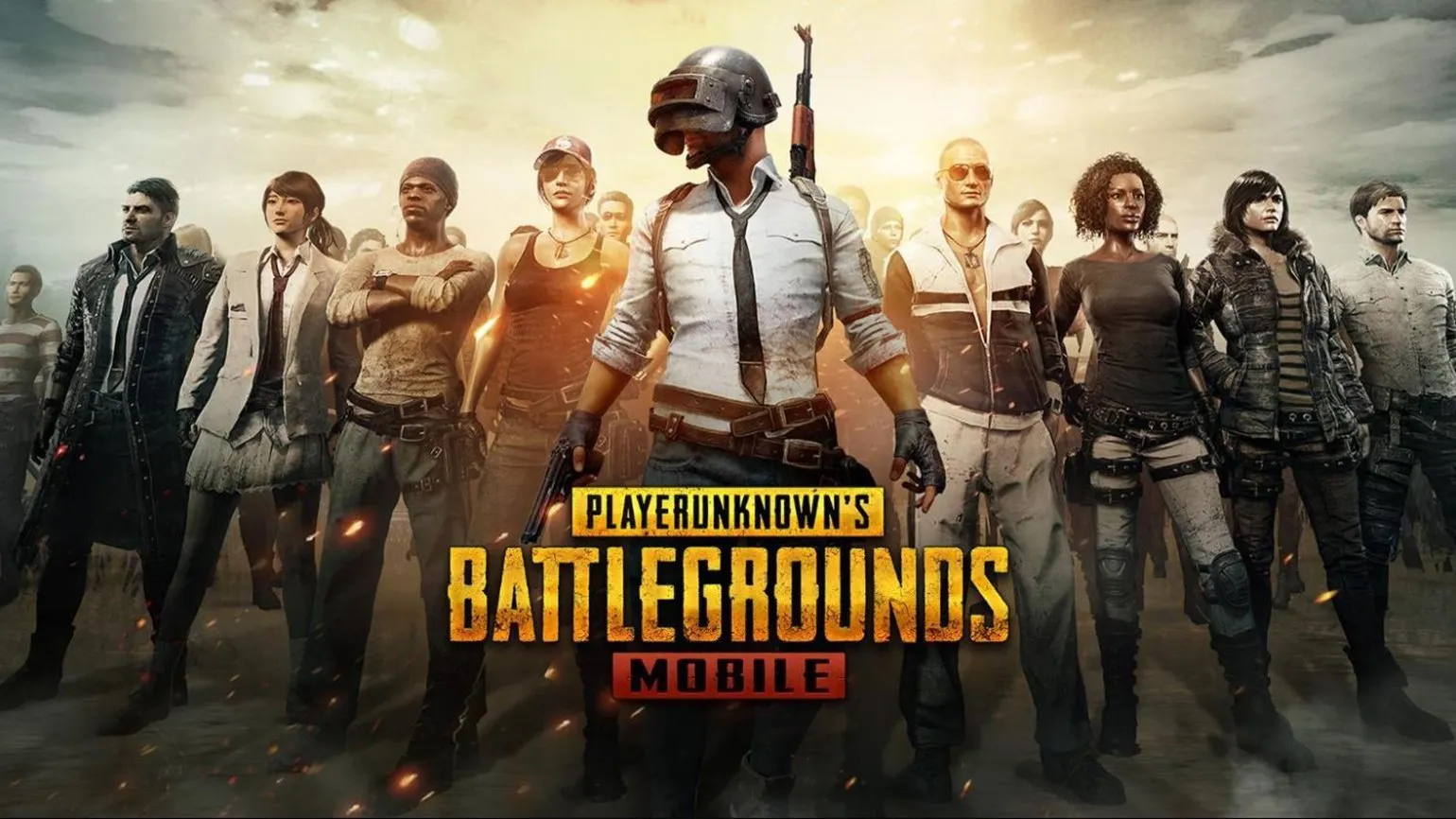
A genre that emerged from the mode Deathmatch has become one of the most popular games among gamers. This is confirmed by sales exceeding 70 million copies, as well as one billion downloads of PUBG Mobile. In 2020, PlayerUnknown's Battlegrounds generated $2.6 billion in revenue, highlighting its immense popularity and impact on the video game industry.
We aimed for a realistic art style to ensure maximum player engagement and immersion. Certain Unreal Engine features, such as atmospheric fog and exponential fog height, play a key role in creating believable lighting and maintaining the desired atmosphere. Thanks to these tools, we can quickly and efficiently adjust outdoor lighting by changing various parameters and instantly checking the results in the editor. This allows us to achieve high-quality graphics and enhance the overall gameplay experience.
Tae-seok-chan, art director for PUBG, plays a key role in developing the project's visual style and aesthetics. His unique vision and experience help create an immersive game world that attracts millions of players worldwide. Under his leadership, a team of artists and designers creates detailed locations, characters, and interface elements that immerse players in the game. Tae-seok Chan actively monitors the latest trends in the gaming industry and implements innovative approaches, making PUBG not only popular but also visually appealing.
Hellblade: Senua’s Sacrifice
This adventure game about a Pictish warrior’s journey to the Scandinavian world of the dead was developed and released by the British studio Ninja Theory in 2017. During the three-year development process, a team of twenty people used their own funds, which allowed them to implement the project with the level of quality typical of AAA games. This indie game has gained attention thanks to its unique storyline and high-quality graphics, making it one of the landmark titles in the adventure game genre.
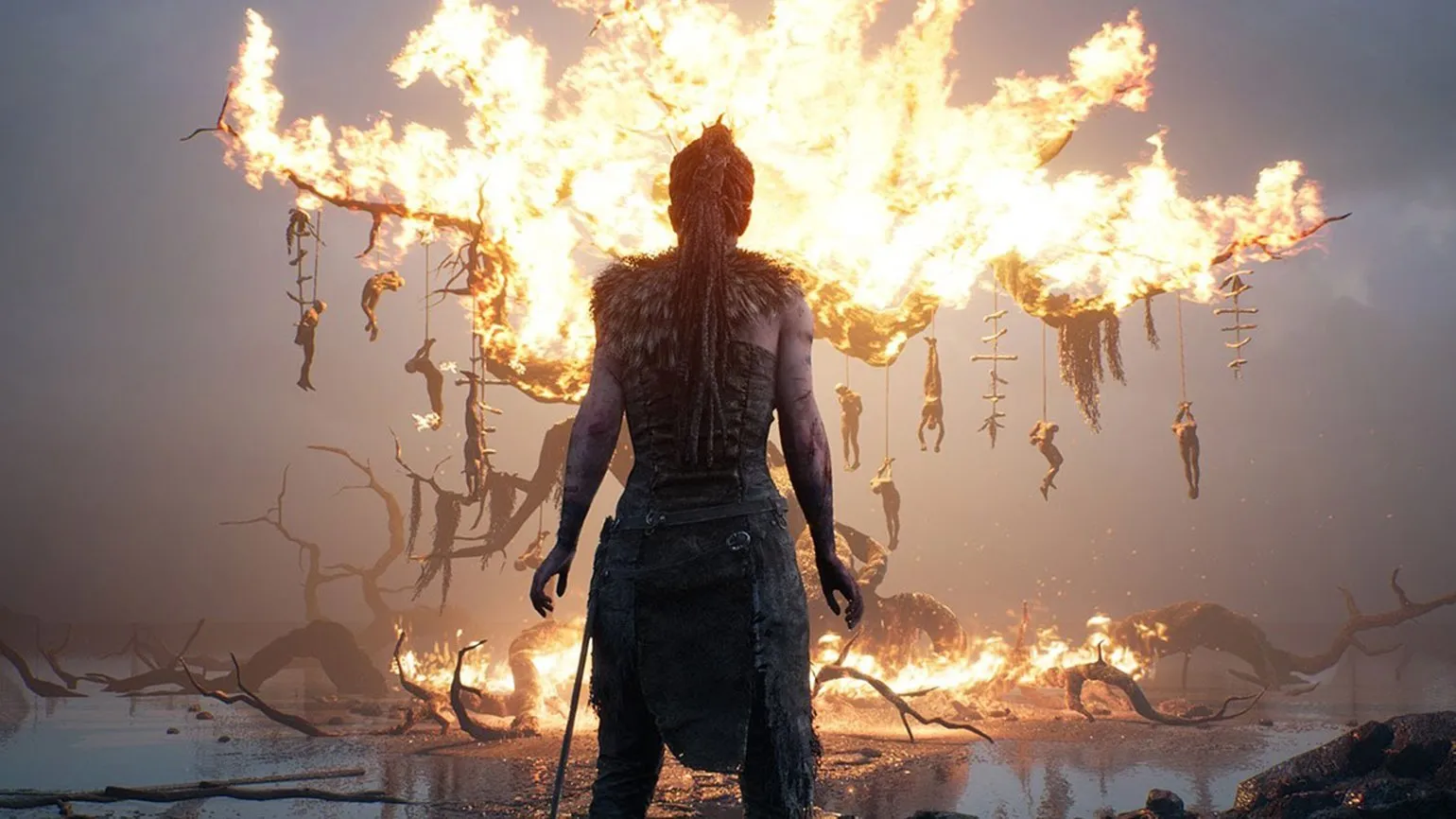
The setting of the Hellblade game combines elements of dark fantasy with Celtic and Scandinavian mythology. The protagonist, Senua, journeys to Helheim to resurrect her beloved, Dillion. She carries his severed head with her, convinced it contains his soul. This journey is filled with trials and internal conflicts, reflecting her struggle with mental illness and fear. Hellblade offers a deep and emotional experience, exploring themes of love, loss, and fortitude in a dark world of mythology.
The heroine faces mental breakdowns, haunted by voices and visions. To accurately convey the state of psychosis, Ninja Theory collaborated with psychiatry experts, charities, and people with experience of mental illness. This collaboration allowed for a more realistic and empathetic portrayal of the character's inner world, helping to raise awareness of mental illness and its impact on a person's life.
The developers created realistic animation for the character Senua using motion capture technology. Melina Jurgens, who previously worked as a video editor at Ninja Theory and had no acting experience, became the embodiment of the main character in the game Hellblade. She gave Senua not only the appearance, but also expressive facial expressions and voice. A conference room in the Ninja Theory office was converted into a makeshift motion capture studio. The technologies used ensured a high degree of realism in Senua's animation, allowing players to more deeply immerse themselves in her emotional state and experiences.
- Bonita cameras from Vicon;
- poles from IKEA;
- cheap LCD TVs;
- GoPro action cameras;
- a cricket helmet with a webcam attached;
- a lighting system built into a flower pot.
The sound design, reflecting the psychological horrors, was created using binaural audio recording. Microphones located on an anatomically accurate mannequin accurately convey the sound source, which creates the effect of auditory hallucinations as perceived by Senua. This approach enhances the atmosphere of fear and anxiety, immersing the listener in the world of the character's inner experiences. Binaural recording allows for a realistic soundscape, making the listening experience deeper and more emotionally charged.
The game's creators defined its business model as "independent AAA." Ninja Theory successfully combined the strengths of two opposing segments of the gaming industry. Senua's Sacrifice boasts impressive graphics, a rarity among indie games. At the same time, the developers were able to keep the budget low, avoiding the need to sell millions of copies to break even.
Hellblade is priced at just $30, half the price of a typical AAA game, which typically costs $60. With sales exceeding 500,000 copies, the project recouped its costs and became profitable just three months after release. This confirms the success of our strategy based on affordability and high product quality.
We have achieved significant success creatively, but our primary goal remains to demonstrate that there is a sustainable space between indie and AAA titles that can function commercially. We are committed to sharing our commercial model to help other developers. Accumulating data on alternative business models will allow more studios to take conscious commercial and creative risks. This will help develop the video game industry and open new horizons for independent developers.
Tamim Antoniades is one of the key founders of Ninja Theory, a studio known for its innovative approaches to video game development. Under his leadership, the company has created a number of successful projects, including the renowned Hellblade series, which has received acclaim from both critics and players. Antoniades actively works to introduce new technologies and storytelling methods into games, which makes Ninja Theory's work unique and memorable. His contributions to the video game industry continue to inspire future generations of developers.
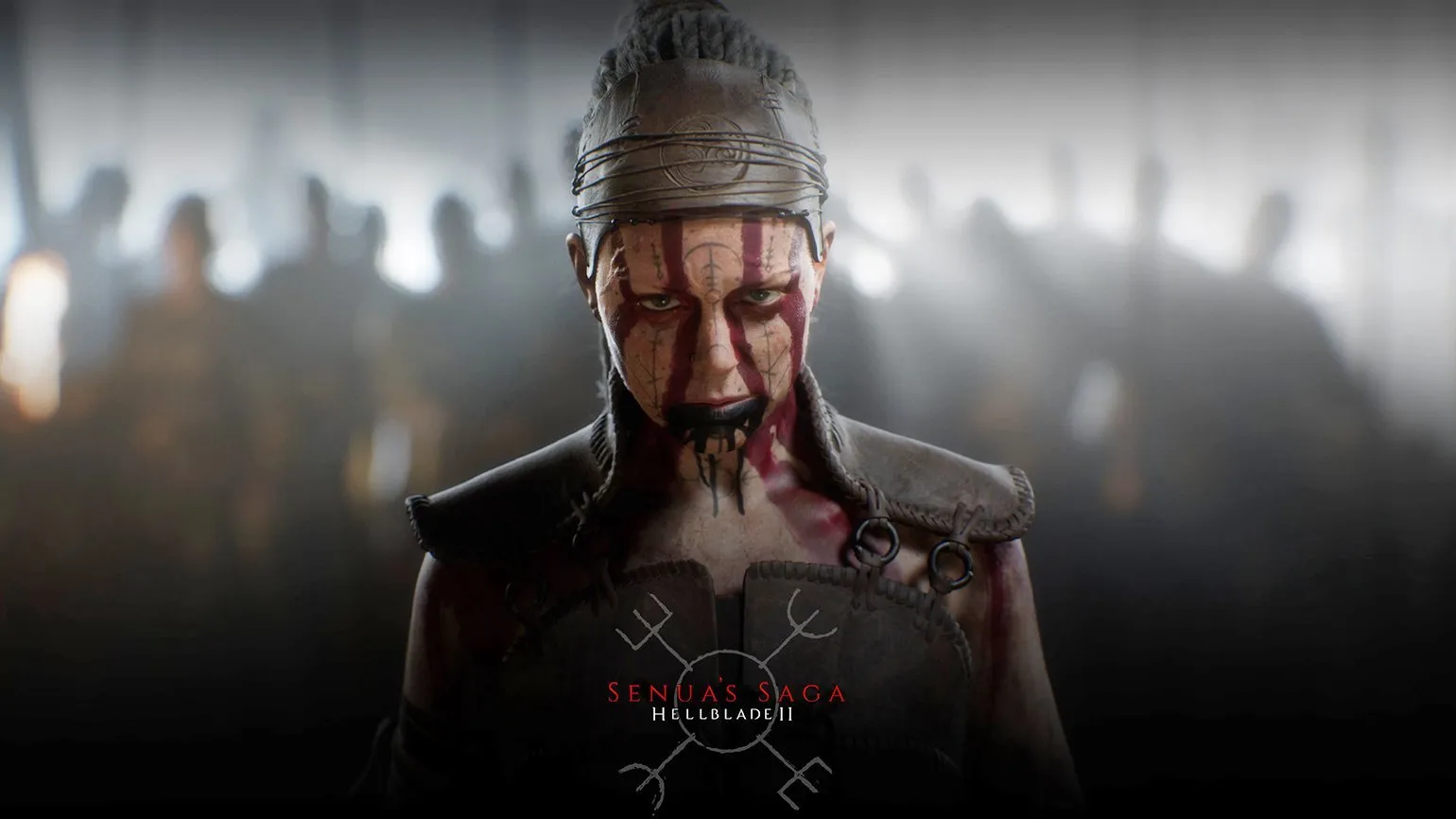
Studio Ninja Theory was able to avoid creating games in popular genres that appeal to a mass audience, giving her the opportunity for creative experimentation. This approach proved successful: the game received critical acclaim, leading to the announcement of a sequel, Senua's Saga: Hellblade II. This project is one of the first to be developed using the new Unreal Engine 5, promising impressive graphics and an innovative gaming experience.
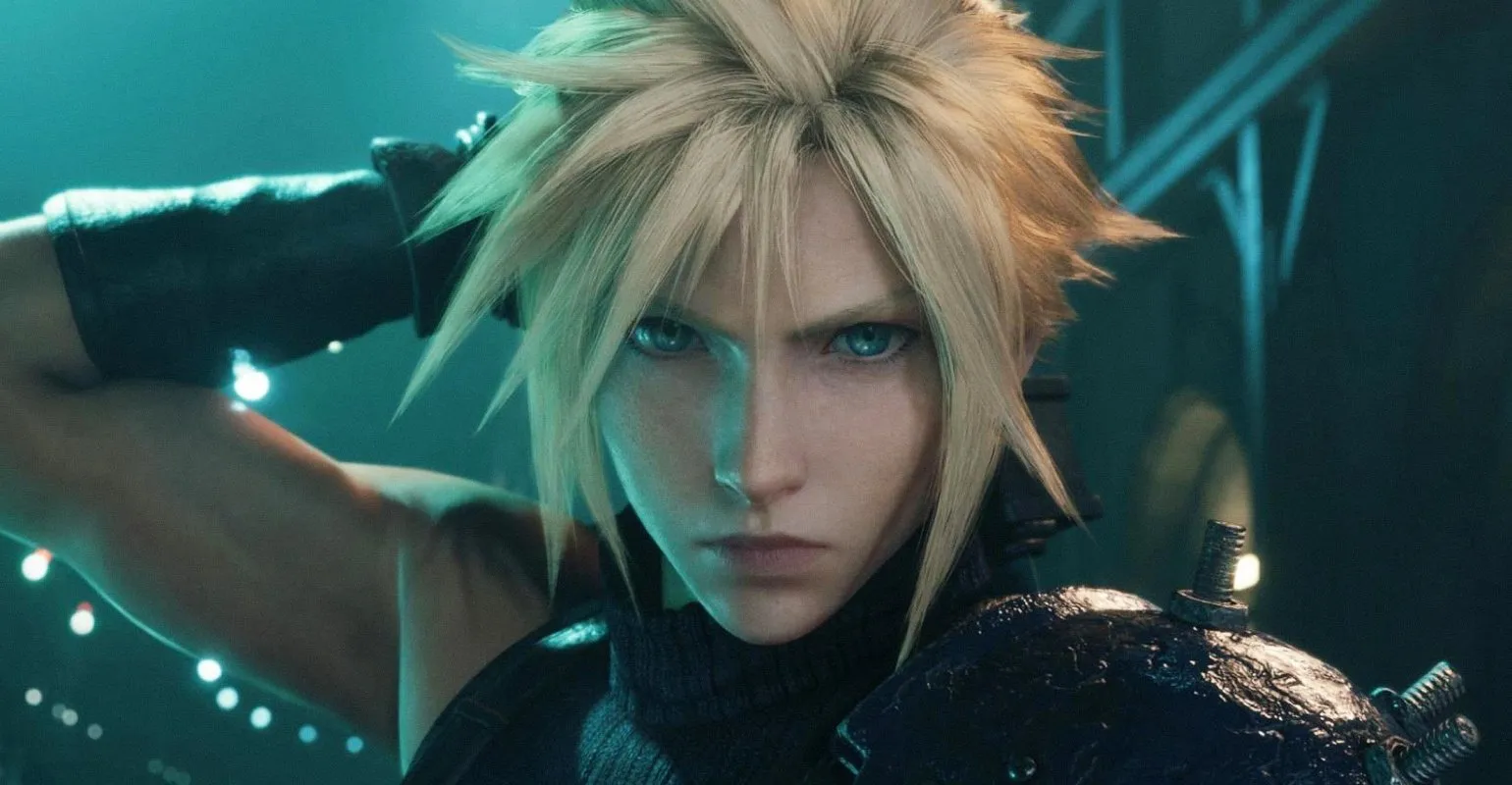
Final Fantasy VII Remake
Square Enix's remake of the acclaimed 1997 RPG was released for PlayStation 4 in 2020. This updated version attracted the attention of players and critics, and sales reached an impressive 3.5 million copies in the first three days of release. The remake not only preserved the original plot, but also significantly improved the graphics, gameplay, and sound, making it attractive to both new players and fans of the classics.
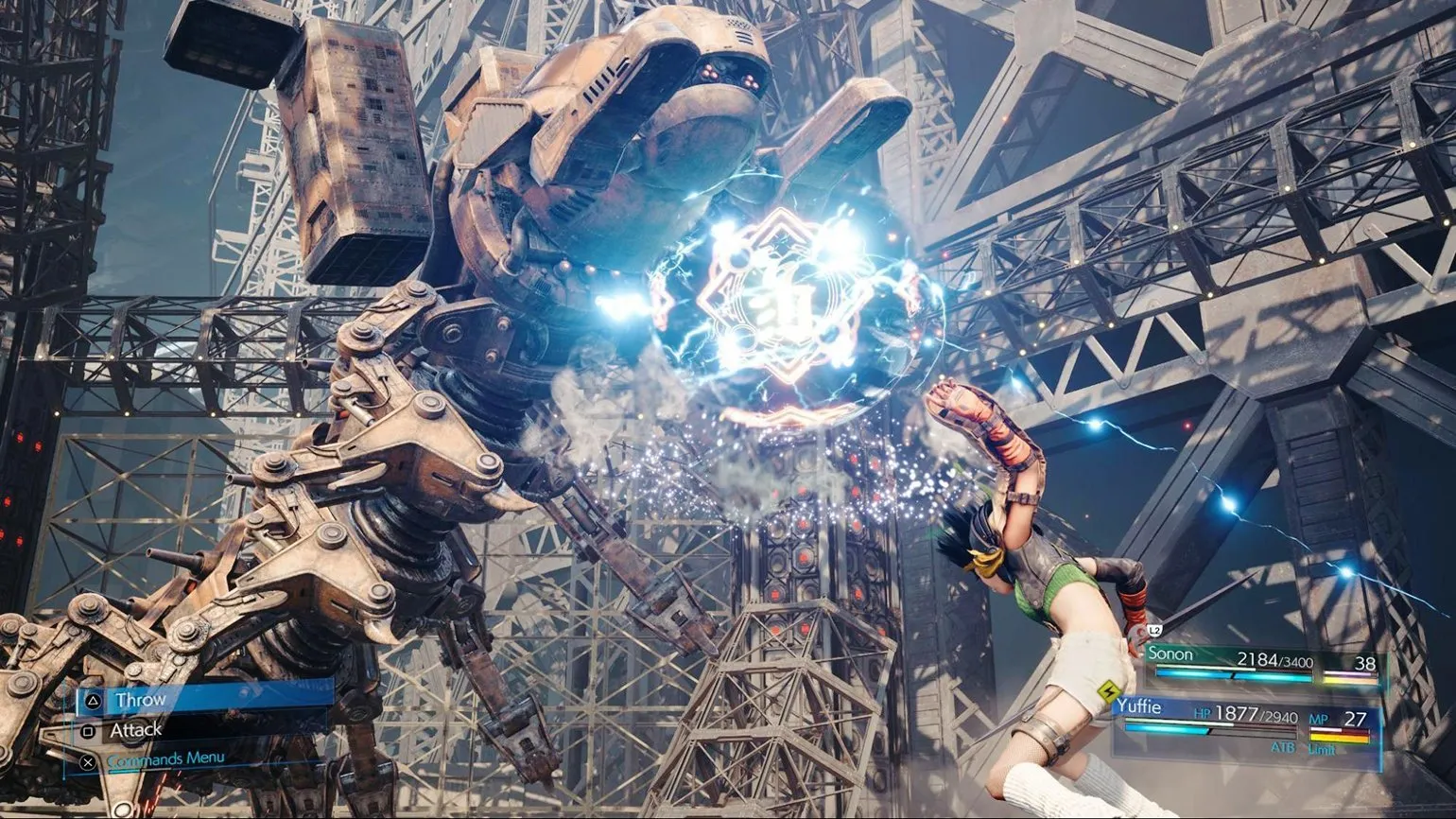
In the original Final Fantasy VII, traversal of the world was accomplished through fixed screens, creating numerous shortcuts with quick transitions between locations. In developing the remake, Square Enix set out to improve and expand the game's locations, filling in gaps and adding new elements that make exploration more engaging and interactive. These changes allow players to more deeply immerse themselves in the game's atmosphere and better understand its storylines and characters. The remake offers more dynamic and rich interaction with the environment, significantly improving the overall experience of the classic story.
To recreate the HoneyBee Inn nightclub, the developers drew inspiration from Las Vegas, the French Moulin Rouge, and Japanese burlesque. A spectacular dance battle show illustrates how Square Enix respects the original, capturing a familiar yet updated feel that permeates the entire game and its world. This combination of cultural elements creates a unique atmosphere that draws players in and immerses them in vibrant, dynamic gameplay.
For Final Fantasy VII, we used the Unreal Engine renderer as a base, but much of the reflections, skinning, post-effects, tone mapping, as well as materials and lighting, were created from scratch. I believe that thanks to the powerful engine and its customization options in UE4, we were able to successfully integrate and adapt technologies based on the accumulated experience of Square Enix. This combination allowed us to achieve a high level of graphical quality and visual effects, which makes the game unique and attractive to players.
Naoki Hamaguchi is one of the lead developers of Final Fantasy VII Remake. His experience and expertise play a key role in creating a remastered version of this iconic game. Hamaguchi is actively involved in the development process, striving to preserve the spirit of the original while implementing modern technologies and improvements. Final Fantasy VII Remake attracts both long-time fans and new players with its immersive gameplay and impressive graphics. Naoki Hamaguchi's contribution to the project confirms his status as one of the leading experts in the video game industry.
Giant Sparrow became the first studio to join the Unreal Marketplace Collection program, offering free access to three thousand assets from their game What Remains of Edith Finch. These assets, including materials, environment models, and a variety of game objects, are available for use by any developer on the UE Marketplace platform. This significant offering provides the opportunity to enhance projects with high-quality assets from a recognized studio.
The second part of our review focuses on five outstanding games built with Unreal Engine 4. This powerful development tool enables the creation of visually stunning and high-quality projects. We'll examine games that showcased the full capabilities of Unreal Engine 4 and left a significant mark on the industry. Each of these games is unique in its own way and offers players an immersive experience. Immerse yourself in the world of innovative technologies and creative ideas that made these projects true masterpieces.
Who are you in the world of game development? A mini-course for those who want to make games.
In this free mini-course, you'll try yourself as a game designer, 2D artist, or Unity game developer and choose the profession that's right for you.
Find out more.