
Who are you in the world of game development? Learn more with this free course ➞ You'll experience three careers: game designer, 2D artist, and Unity developer. Create your first Mario-style game. Click here for details.
Learn moreUnity is a powerful video game development tool developed by the American company Unity Technologies in 2005. This game engine supports more than twenty platforms, including PCs, consoles, smartphones, web browsers, and Smart TVs. Unity enables developers to create high-quality 2D and 3D games, as well as interactive applications, using flexible tools and functionality. Unity can be used to develop games for a variety of genres and target devices, making it an ideal solution for both indie developers and large studios.
We present a selection of ten games that demonstrate the capabilities of the Unity game engine. Our list includes both indie projects and games from major AAA studios, spanning a variety of genres, including platformers, strategies, survival simulators, and role-playing games. In this article, we'll continue our discussion of five other games developed using Unity. You can find the first part of our material at the link.
Learn more about the engine and other freeware graphics technologies in this article. Here you'll find up-to-date information that will help you understand the features and benefits of using these technologies.
Cuphead
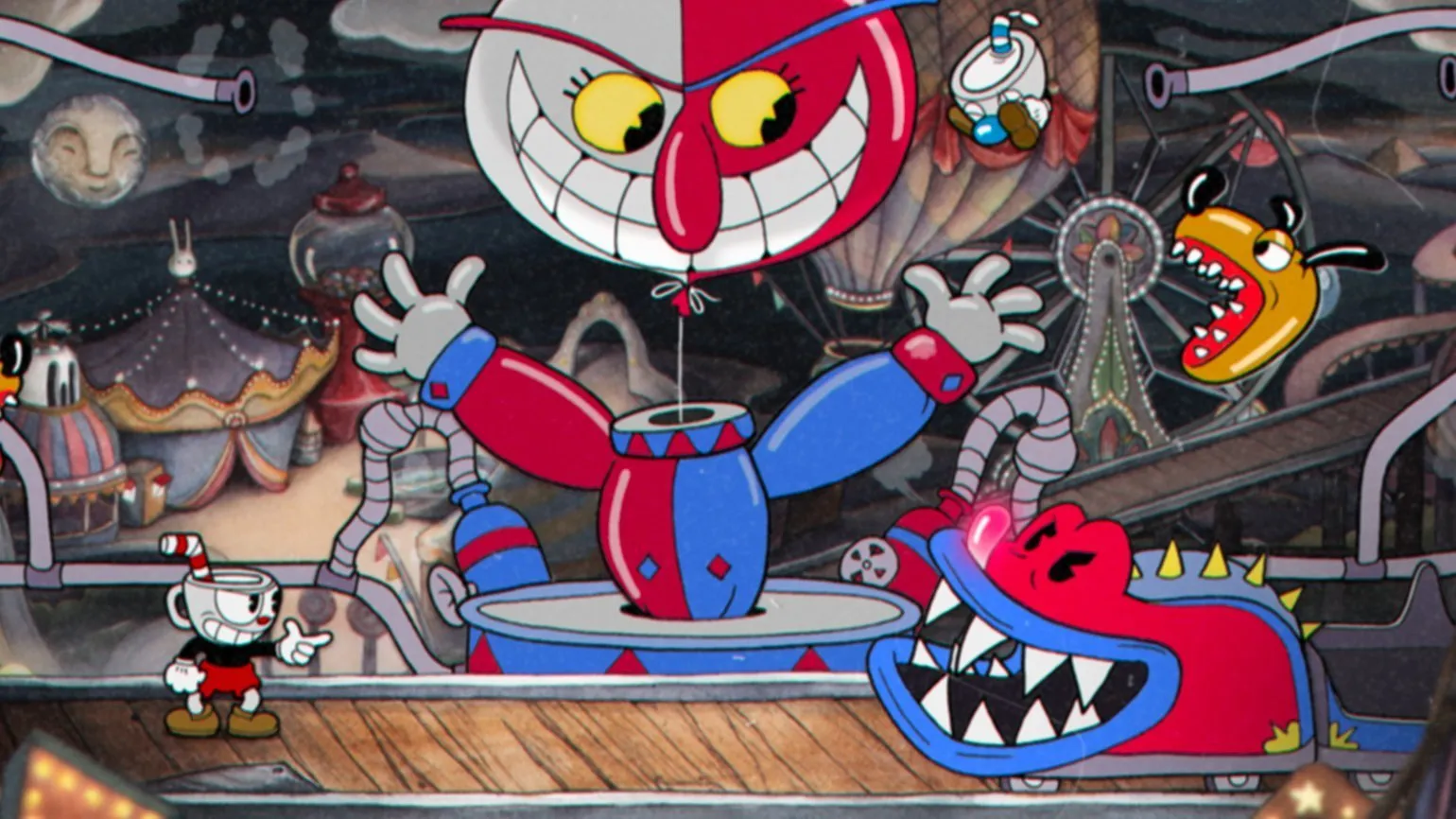
Cuphead is a run-and-gun game with platformer elements, featuring unique, fully hand-drawn graphics. The project was developed by MDHR, a true family-run company. The studio's name is an abbreviation of the founders' last names—Chad, Jared, and Maya Moldenhauer. Cuphead draws attention not only for its visual style but also for its highly challenging gameplay, making it popular among retro gamers and challenge seekers.
The gameplay draws inspiration from iconic games such as Gunstar Heroes, Contra III, Contra: Hard Corps, Super Mario World, the Thunderforce series, and Street Fighter III. The gameplay of old-school platformers from the 1990s has had a significant influence on the high difficulty level in Cuphead, which makes this game attractive to fans of hardcore gaming.

PC: 88
PS4: 86
XONE: 86
NS: 87

The creators were inspired by the visual style of retro cartoons from the 1930s, such as Popeye, Betty Boop, and Mickey Mouse. The stylization, based on the surreal approach of early Max Fleischer and Walt Disney cartoons, added complexity to the development process. This unique visual language allowed us to create original and memorable content that attracts attention and evokes nostalgia in viewers.
We applied the same animation tools and techniques used by animators in the 1930s: hand-drawing, blackening each frame, and painting backgrounds with watercolors. We managed to achieve an accurate reproduction of the 1930s style, which would not be possible using today's digital technology. This approach preserves the authenticity and uniqueness of the animation, making it more appealing to viewers who appreciate traditional creative methods.
Chad Moldenhauer is the founder of MDHR, a studio known for creating the popular video game Cuphead. His commitment to a unique style and quality led to the project becoming a real hit among players and critics. MDHR continues to evolve its ideas, offering players exciting adventures and an original artistic approach. Moldenhauer and his team inspire a new generation of developers, showing how to combine classic animation with modern gaming technology.
Artists and animators created all objects on the screen by hand. To animate the characters' movements, MDHR developed fifty thousand frames. The main difficulty was the lack of an undo button, as is common in digital painting. Every unsuitable image required reworking, which significantly increased labor costs and development time. This approach emphasizes the high quality and uniqueness of the animation, making it an integral part of the gameplay.
The team spent seven years meticulously working on the project. In addition to the animation, the artists developed unique handwritten fonts and created watercolor backgrounds stylized to resemble the 1930s. The Cuphead soundtrack features three hours of original jazz, recorded specifically for this project, adding atmosphere and depth to the gameplay.

In the first two weeks of its release, the cartoon platformer Cuphead was purchased by one million players on PC and Xbox One. Since its release on Nintendo Switch and PlayStation 4, total sales have reached six million copies. The franchise continues to evolve: Studio MDHR has released The Delicious Last Course expansion, which adds new locations, bosses, weapons, and a new playable character. In 2021, fans will be able to enjoy the animated series Cuphead Show on Netflix.
You can play Cuphead while driving a Tesla. Elon Musk's company is actively porting games to its electric cars, allowing drivers to enjoy the gameplay while driving. Tesla gaming systems are based on Unity technology, which ensures high-quality graphics and smooth gameplay.
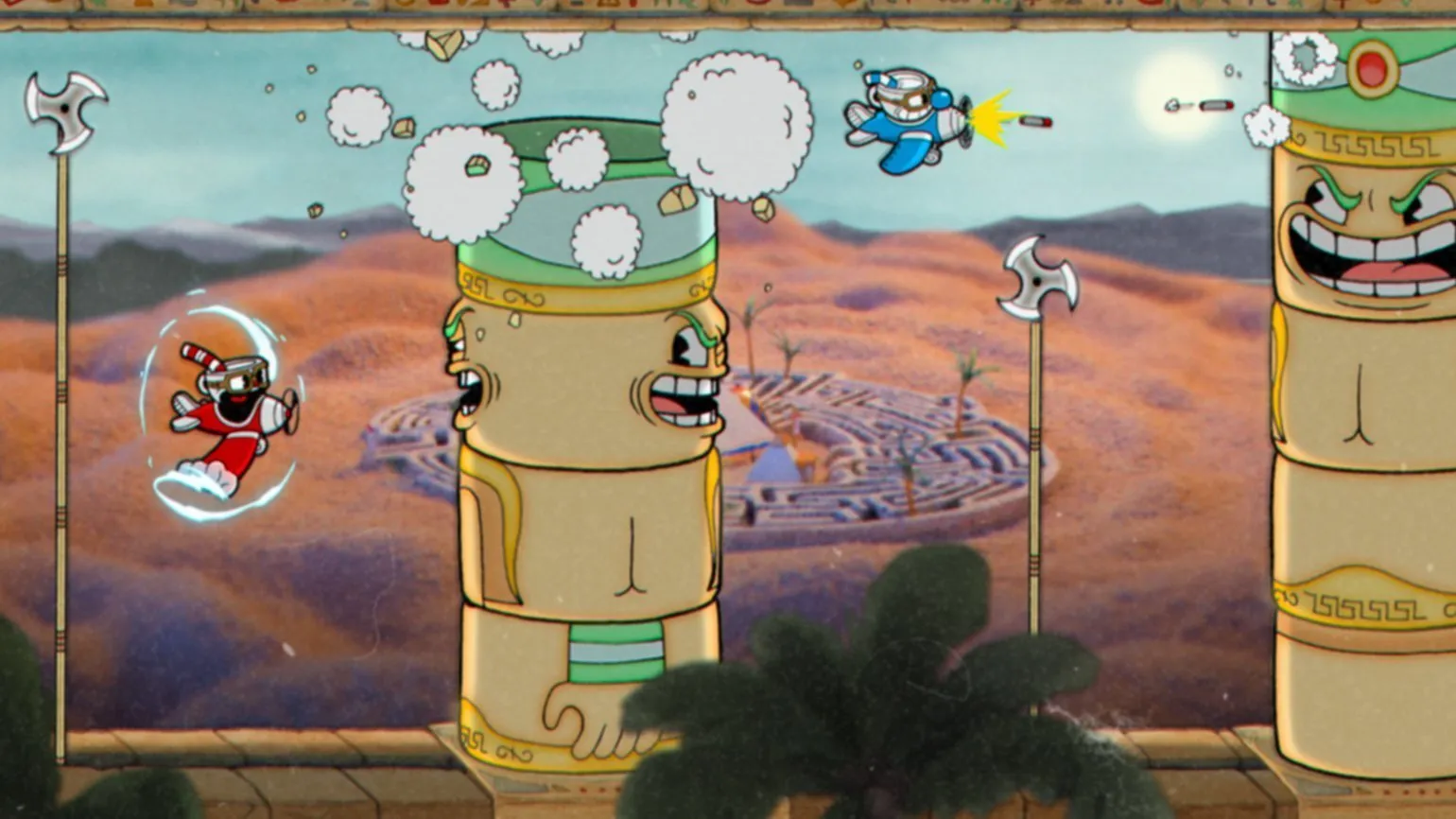
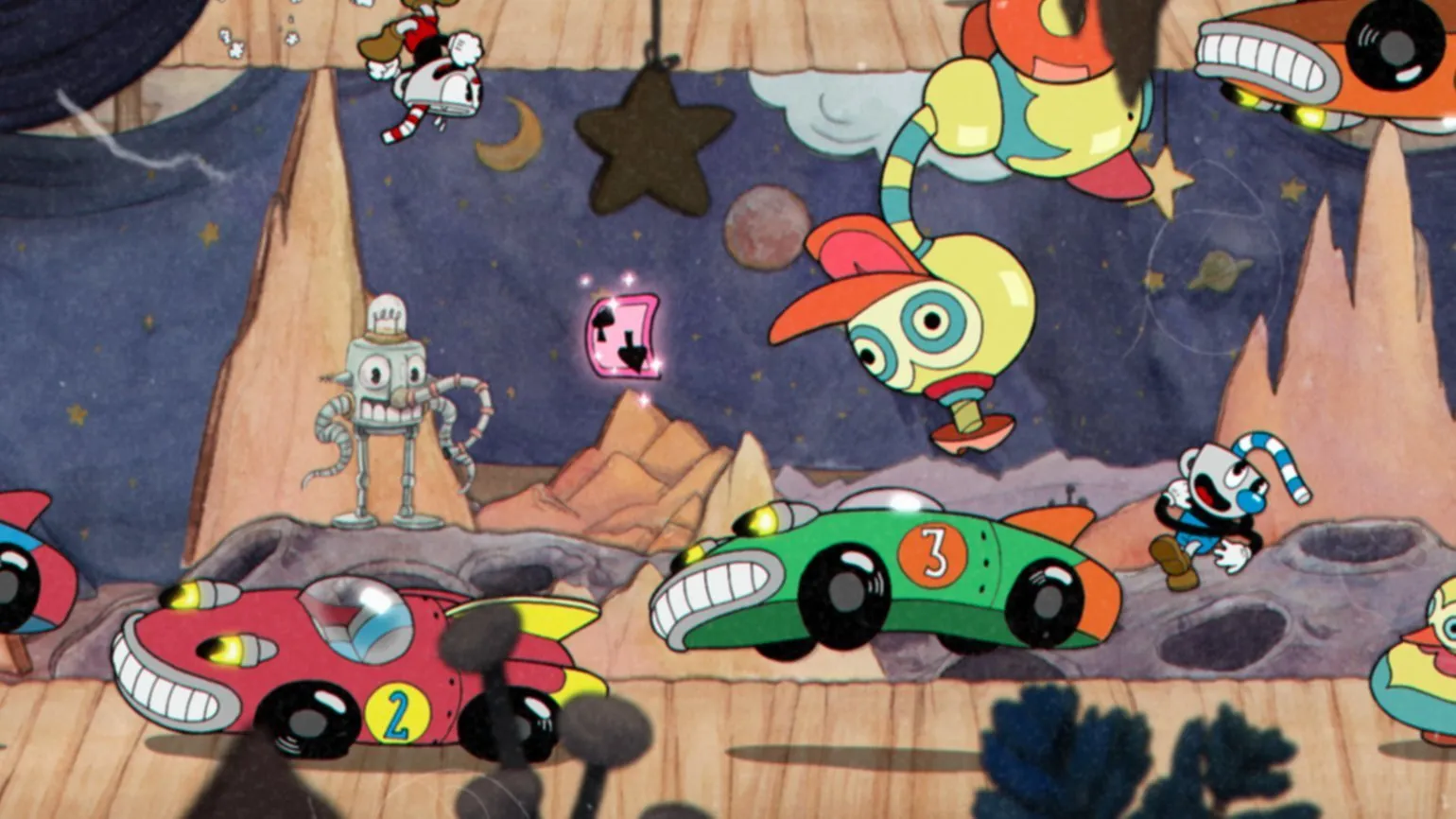

We offer Unity games like Cuphead, a fun but incredibly challenging title developed by MDHR. We encountered some challenges porting games to Tesla, including limited storage. You'll need to select the game you want to play, and it will then download to your device.
Elon Musk is the CEO of Tesla, a company known for its innovations in electric vehicles and sustainable energy. Under his leadership, Tesla has become a leader in the electric vehicle market, implementing advanced technologies and developing new models. Musk actively promotes ideas of sustainability and the fight against climate change, which is reflected in the company's strategy. His vision of the future includes not only cars, but also the development of autonomous systems, solar energy, and energy storage. Thanks to Elon Musk's efforts, Tesla continues to expand its influence and change the perception of transportation and energy as a whole.
The retro platformer Cuphead won "Xbox Game of the Year" and "Best Visual Design" at the 2017 Golden Joystick Awards. MDHR Studio received congratulations from Canadian Prime Minister Justin Trudeau for its success at The Game Awards, where Cuphead won three prestigious awards: "Best Art Direction," "Best Indie Debut," and "Independent Game of the Year." This project stands out for its unique visual style and complex gameplay, making it one of the most talked about indie games of its time.
Hearthstone
More than 50% of all mobile games are created using the Unity engine. This engine is ideal for mobile platforms due to its low hardware requirements and compact build size, which is of great importance for mobile development. An example of the successful use of Unity is Hearthstone, a free-to-play collectible card game based on the Warcraft universe. Unity provides developers with flexibility and the ability to create high-quality game content, making it a popular choice in the mobile gaming industry.
The Hearthstone card game was initially released on PC. Quick game sessions and an interface optimized for touch controls were important factors that prompted Blizzard to release Hearthstone on mobile platforms. This solution allowed players to enjoy the game anytime and anywhere, significantly expanding the audience and increasing the project's popularity. Hearthstone on mobile retains all the key elements that players loved about the original, while offering convenient access to tournaments and matches.

PC: 88
iOS: 93

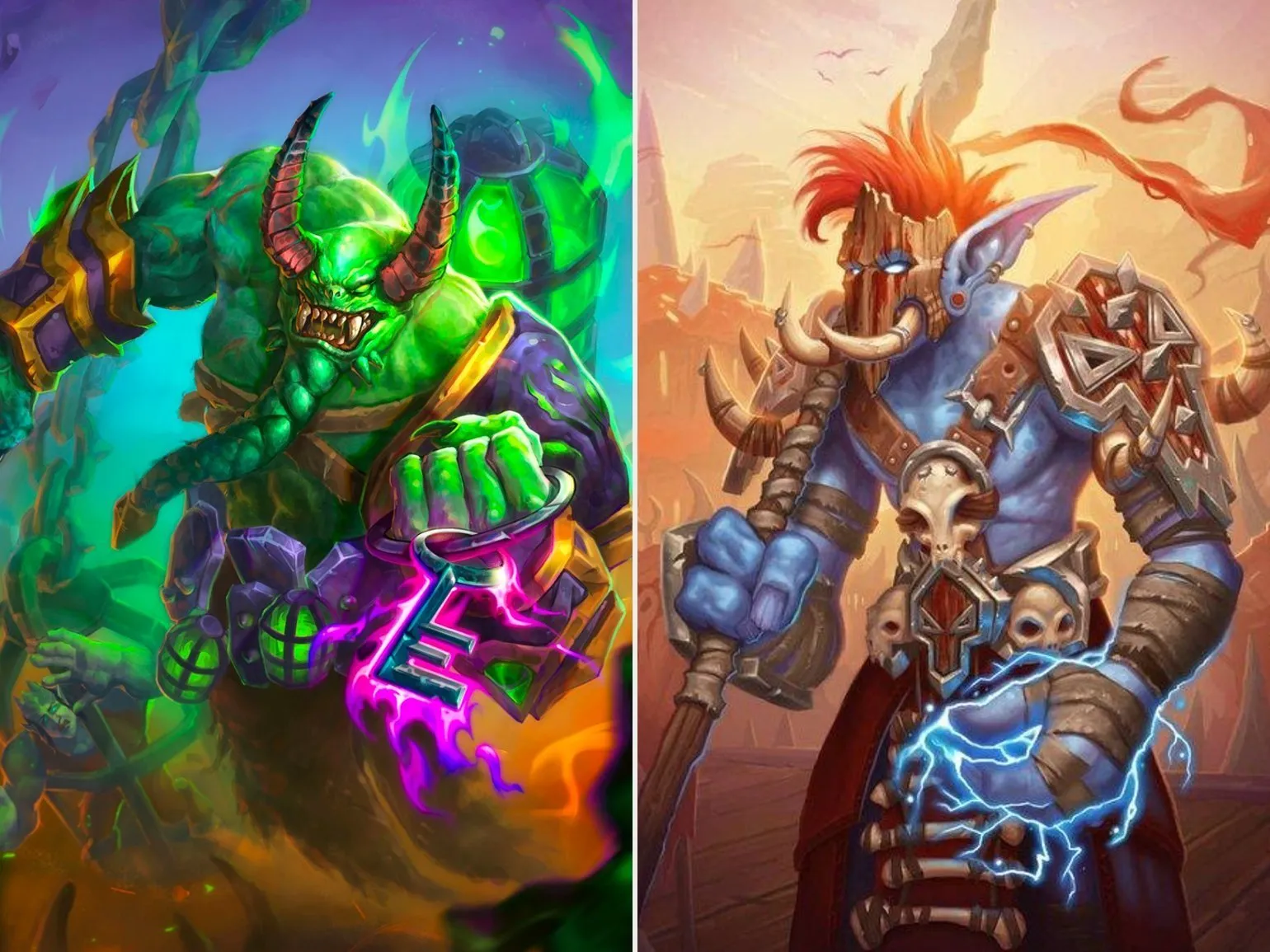
The main source of inspiration for the developers was the game Magic: The Gathering. This game was recognized as the most popular card game according to the Guinness Book of World Records. Magic: The Gathering has had a significant influence on the development of card games and continues to attract the attention of players around the world.
We wanted to ensure that our game would look and function great on all platforms, so we chose the Unity engine. One of its key advantages is its cross-platform ability, which allows you to make changes, such as bug fixes, simultaneously on all devices. At Blizzard, we value an iterative development process. We place significant emphasis on repeatedly testing and improving game mechanics. The rapid iteration speed of Unity allows us to quickly identify broken components. Developers can launch an editor that displays what players will see in Hearthstone, then pause it to diagnose and fix issues.
Jason Chase serves as Director of Production at Hearthstone. In this role, he is responsible for managing the development and content release processes for the popular card game. Thanks to his experience and leadership, Hearthstone continues to engage players and expand its audience. Jason is actively involved in the creation of new game mechanics and updates, which helps maintain interest in the game and its development in the market.
The low barrier to entry and the high popularity of the Warcraft universe have contributed to the success of Hearthstone. In 2020, the number of active players reached 23.5 million. Blizzard's game has also established itself as a popular esports discipline. Hearthstone has won numerous awards, including Best Mobile and Online Game at the 2014 Golden Joysticks Awards.
Desperados III
The third installment in the Desperados tactical Western series was developed by Mimimi Games. The franchise belongs to THQ Nordic, which entrusted the creation of the sequel to this German team. Mimimi Games established itself with the game Shadow Tactics: Blades of the Shogun, which successfully continued the tradition of classic real-time strategy games such as Commandos and Desperados.
The gameplay of Desperados III offers a variety of options for overcoming each obstacle. The combination of unique character abilities gives players the opportunity to creatively approach missions, allowing them to choose between classic stealth progression and dynamic shootouts using the active pause mechanic. This variety of tactical possibilities makes the game exciting and gives every player a chance to find their own style of play.

PC: 86
PS4: 82
XONE: 85
Desperados III was developed with the aim of presenting a modern interpretation of the original tactics game. Classic games like Commandos and Desperados are known for their detailed elements, crisp textures, and realistic style. Our team of artists strove to create a visual style that would look like a work of art. In this context, we integrated elements imitating hand-painted textures into the textures. This allowed us to not simply reproduce the style, but to create a unique visual identity for the game.
Bianca Dörr is the Art Director on Desperados III. She plays a key role in creating the visual style and atmosphere of the game. Under her leadership, the development team is working to create a unique world that combines elements of strategy and adventure. Bianca is actively involved in the development process, ensuring high-quality graphics and art direction. Her professionalism and creative approach significantly contribute to the success of Desperados III, making the game more engaging for players.
Mimimi Games brought the levels to life using visual effects such as dust, falling leaves, and flags fluttering in the wind. Artists embedded small stories in environmental details that deepen understanding of the game world. To achieve realistic character animation in Desperados III, motion capture technology was used, significantly improving the quality of gameplay and interaction with the environment.
When developing Desperados III for multiple platforms, we drew on the experience gained during the port of Shadow Tactics. However, we encountered bugs and performance issues specific to the console versions. Our programming team spent several weeks investigating memory leaks. After contacting technical support, we received assistance from the Unity developers, who analyzed the issue and offered effective solutions.
Tom Kersten serves as Production Manager at Desperados III. His responsibilities include managing the game's development process, coordinating the team's work, and ensuring high-quality project delivery. Thanks to his experience and professionalism, Desperados III has become a successful continuation of the renowned tactical game series, offering players unique gameplay and a gripping story. Kersten is actively involved in decisions regarding the game's design and mechanics, helping to create an engaging gaming experience for fans.
Mimimi Games has announced the start of development on a new real-time strategy (RTT) game. The studio plans to self-publish its next game, which will allow it to retain full control over the project. The development team has received funding from investors and won a grant from the German government as part of a program to support local game developers. This will allow them to realize their ambitious ideas and create a high-quality product that will attract the attention of players.
Disco Elysium
Before creating the video game, the Estonian studio ZA/UM functioned as a community group of artists and writers. This creative collective developed musical compositions, wrote literary works, and created art paintings. The group members were also interested in games, including Dungeons & Dragons, which contributed to their artistic and gameplay development.
In 2013, author Robert Kurvitz released the novel "A Sacred and Terrible Scent," which became the basis for the setting of the popular RPG Disco Elysium. The game's story unfolds in the unique world of Elysium, specifically the city of Revachol, which is experiencing a period of decline. The game offers players a deep immersion and exploration of complex social and political issues, making it not only entertaining but also philosophically rich. Disco Elysium stands out from other RPGs thanks to its original approach to storytelling and character development, which attracts the attention of both gamers and literature lovers.

PC: 97
PS4: 86
PS5: 89
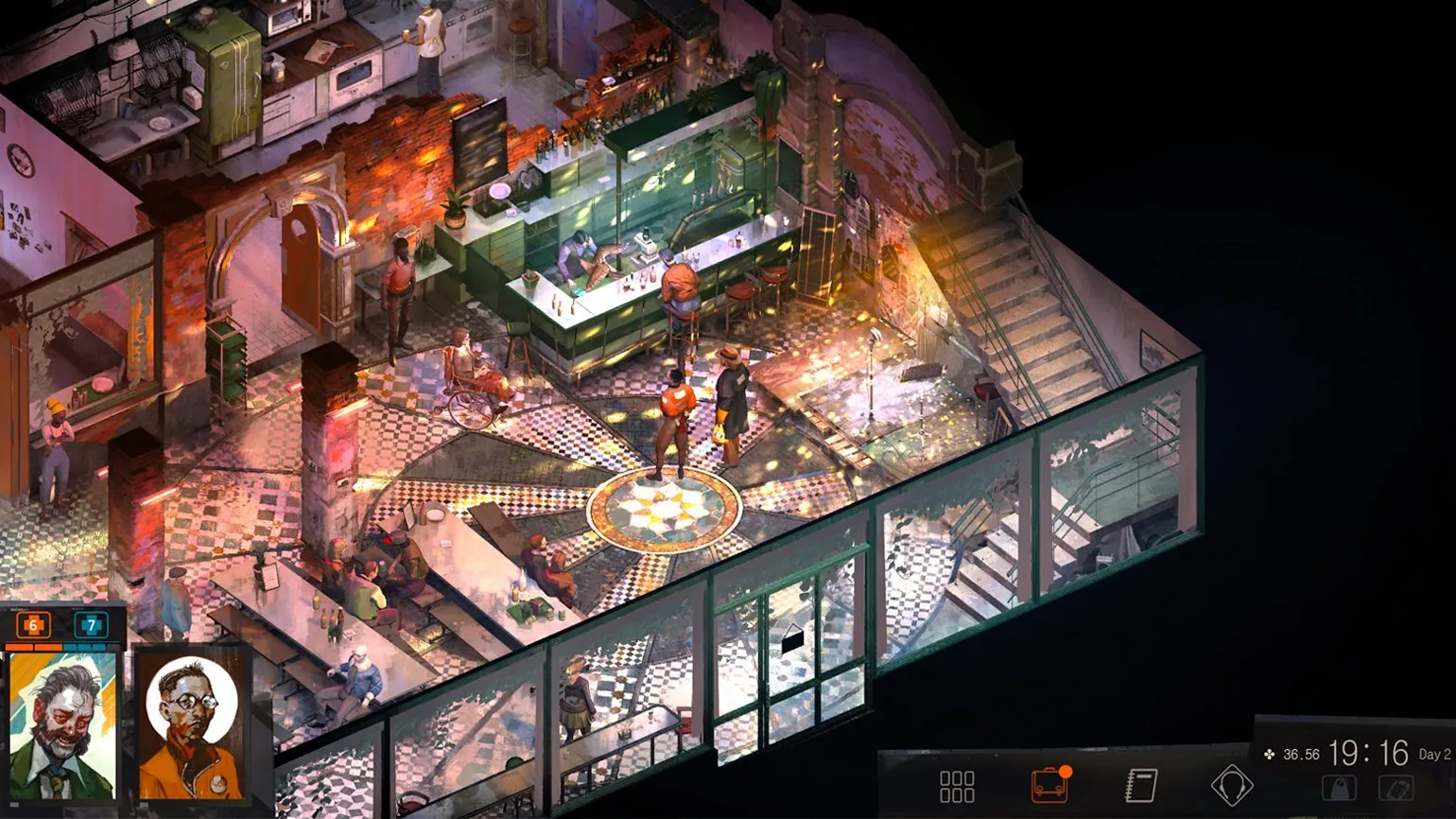
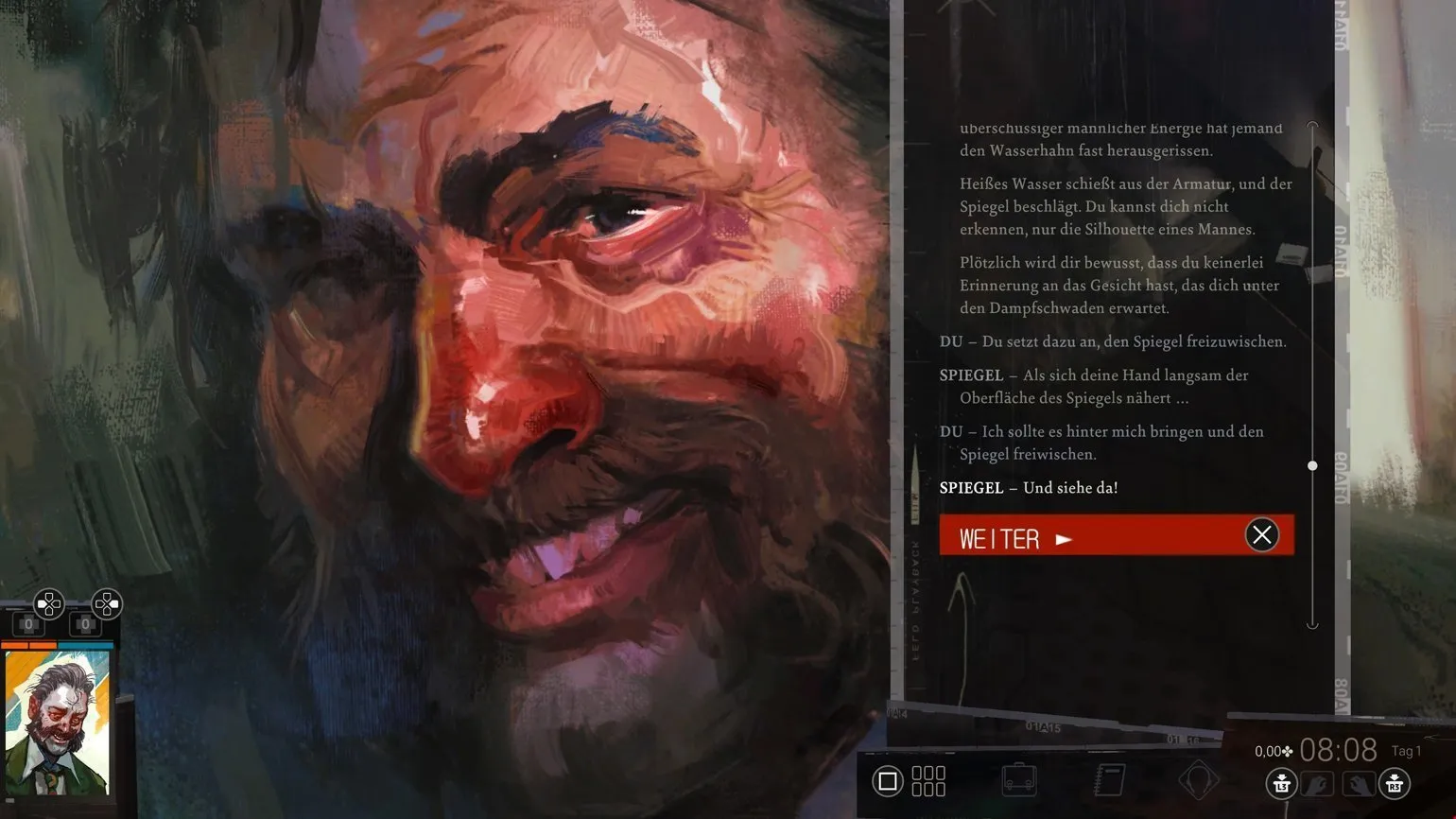
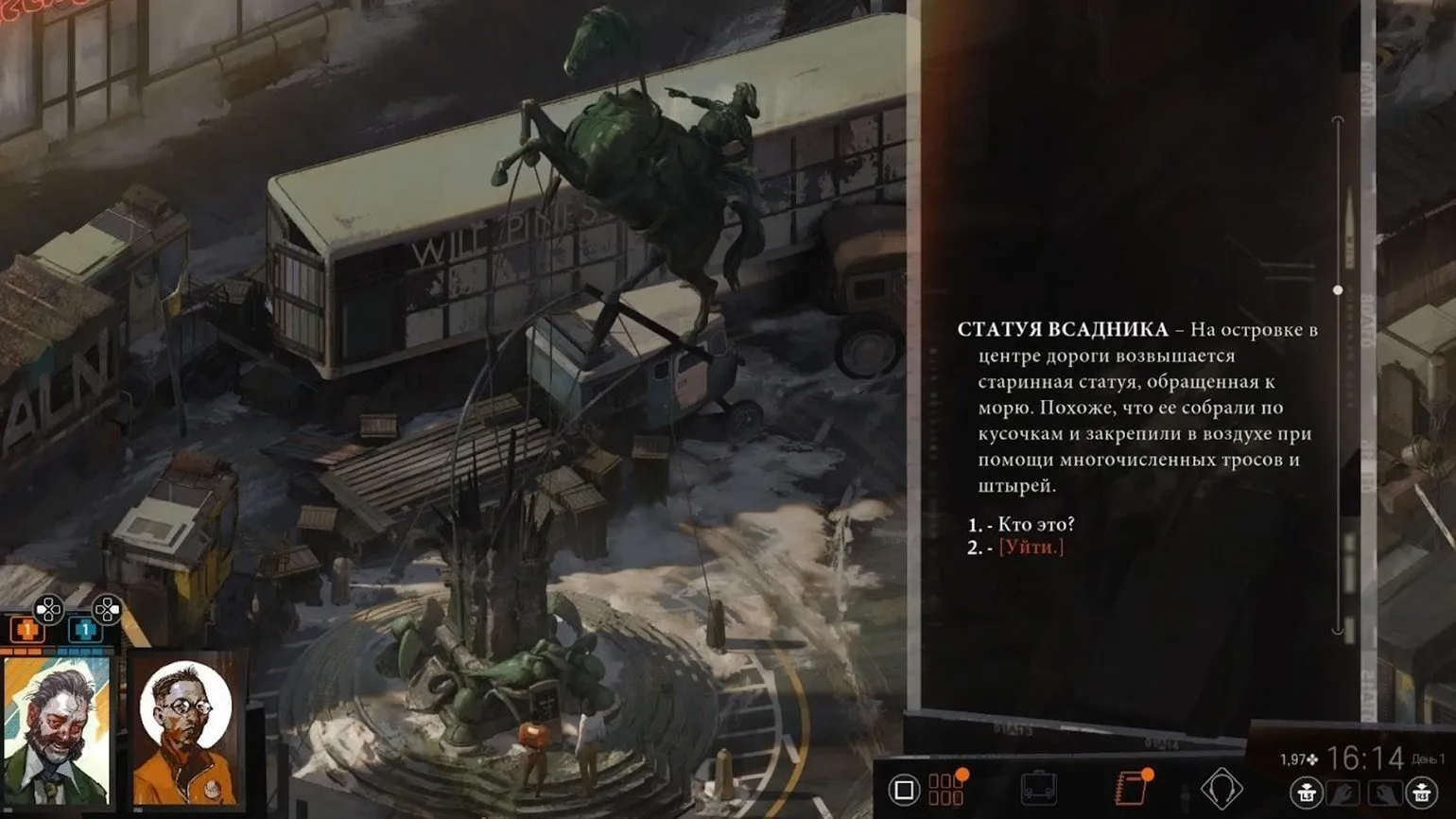
The creators of Disco Elysium transferred elements of Dungeons & Dragons from a traditional fantasy world to a unique setting that combines fantasy and realism. The game offers detective stories inspired by 1970s television series and neo-noir. We previously discussed the influence of noir style on video games in a separate article. Disco Elysium brings a fresh perspective to the genre, creating a deep and multi-layered narrative structure that has captured the attention of players and critics alike.
Disco Elysium is an isometric RPG that is a successor to cult classics like Planescape: Torment and Baldur's Gate. Gameplay focuses on open-world exploration and dialogue interaction, allowing the player to conduct investigations and deeply immerse themselves in their role. In our interview with the translators of Disco Elysium, we discussed the game's dialogue structure and the challenges Alexandra Alfina Golubeva and Anna Mironova faced during the localization process.
Disco Elysium is one of the most challenging writing projects in the gaming industry today. The game features fast-paced dialogue and a high density of alternate storylines and perspectives. As a detective project, it demands complete logical consistency and coherence in the narrative. This makes Disco Elysium a unique example of integrating a deep story and interactive gameplay, captivating both players and critics.
Robert Kurvitz is the renowned writer and lead designer of Disco Elysium. His work on this unique role-playing game has captured the attention of players and critics alike thanks to its deep story and innovative approach to gameplay. Kurvitz has created a world that blends elements of philosophy, psychology, and social criticism, making Disco Elysium not only entertaining but also an intellectual experience. Thanks to his vision and creativity, the game has become one of the most talked about video games in the modern world, receiving numerous awards and recognition for its originality and depth.
The RPG system includes skills that reflect various aspects of the protagonist's psyche and personality. These skills range from motor skills and aggression to erudition and emotional intelligence. In Disco Elysium, gameplay features the central character's natural reactions to the world around them, creating a uniquely reflective and intricate investigation. Players can explore complex interactions between skills, enriching the story and deepening their understanding of the character.
Details of the dialogue system in Disco Elysium can be found on the asset website. One of the key aspects that adds complexity to the dialogues is the diversity of political views of the characters in Revachol. The inhabitants of this city adhere to various ideologies, such as liberalism, communism, fascism, and moralism. During the game, the player not only relies on their skills but also chooses answers in dialogues based on their ideological beliefs, which makes interactions with characters more multifaceted and engaging.
The visual style of Disco Elysium is noticeably reminiscent of painting, which is no coincidence. The game's art director, Alexander Rostov, has a classical art education. The elusive, blurred contours, as well as Revachol's silver-pink palette, all testify to ZA/UM's artists' desire to convey the tactility of painting in their graphics. This approach creates a unique atmosphere that immerses the player in the game's world and emphasizes its emotional depth.
The project's graphics are inspired by the Russian avant-garde, realism, and abstract art. Primary references include the works of artists such as Ilya Repin, Rembrandt, Jenny Saville, Alex Kanevsky, and Wassily Kandinsky. We've explored the influence of painting on the visual style of an RPG and on developers like ZA/UM in a separate article.
Knights of Unity, a company founded in 2015 by three experienced Unity developers, participated in the development of Disco Elysium. The company's mission is to provide development services on the Unity platform to studios worldwide. Knights of Unity has successfully collaborated with over 50 companies and delivered over 90 projects using this game engine.
For a year and a half, a team of six specialists, known as "Knights," supported ZA/UM studio in various aspects of development. They worked on bug fixes, performance optimizations, user interface improvements, localization, character creation, and dialogue system development. Knights of Unity also contributed to the console port of the game, ensuring widescreen support and developing a hardcore game mode. This collaboration significantly improved the game's quality and expanded its audience.
Disco Elysium has been purchased by one million players and has won numerous awards and nominations. At The Game Awards 2019, the Estonian developers received recognition in categories such as Best Narrative, Best Independent Game, RPG of the Year, and Debut of the Year. The game stands out for its unique storytelling style and deep character development, making it one of the most significant in the RPG genre.
The franchise continues to evolve: on March 30, 2021, an expanded edition, The Final Cut, was released, which includes full voice acting, new locations, animations, and sound effects. ZA/UM also announced the development of a sequel and a TV series based on the game's story. These developments underscore its commitment to expanding the universe and attracting new fans to the game.
Pillars of Eternity II: Deadfire
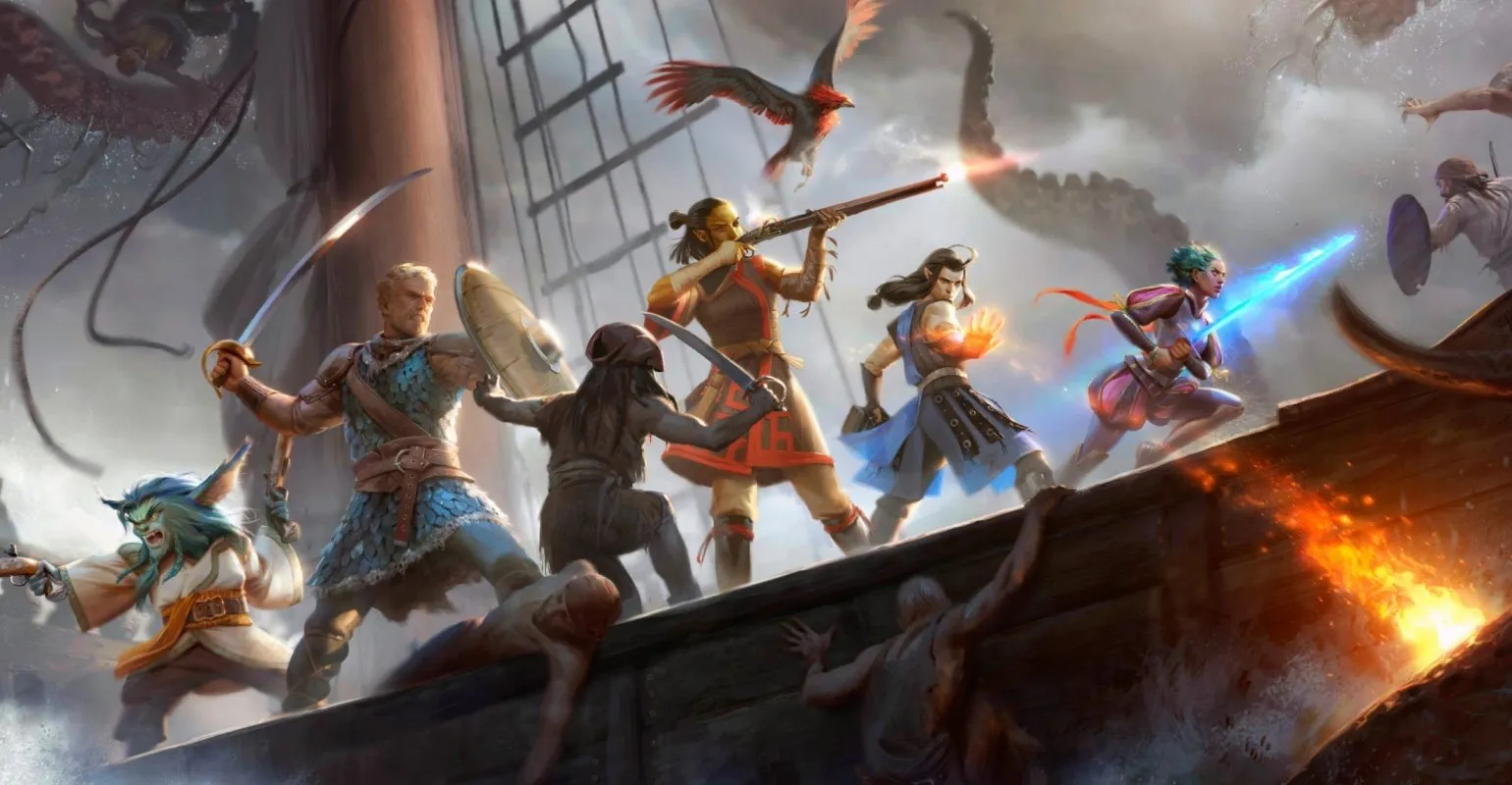
The Pillars of Eternity series is a modern successor to the RPG classics. The game's developers, Obsidian Entertainment, are veterans of the genre, and the publisher is the American indie company Versus Evil, which specializes in high-quality games. Pillars of Eternity offers players a deep story, a rich world, and a classic combat system, making it attractive to RPG fans.
Experienced designers of both tabletop and computer RPGs worked on this old-school role-playing game. Among them is Josh Sawyer, a game designer at Black Isle Studios, known for his work on the Icewind Dale series. Later, at Obsidian, Sawyer participated in the development of such games as Neverwinter Nights 2, Fallout: New Vegas, and The Outer Worlds. These projects confirm his high qualifications and confident approach to creating exciting role-playing game worlds.

PC: 88
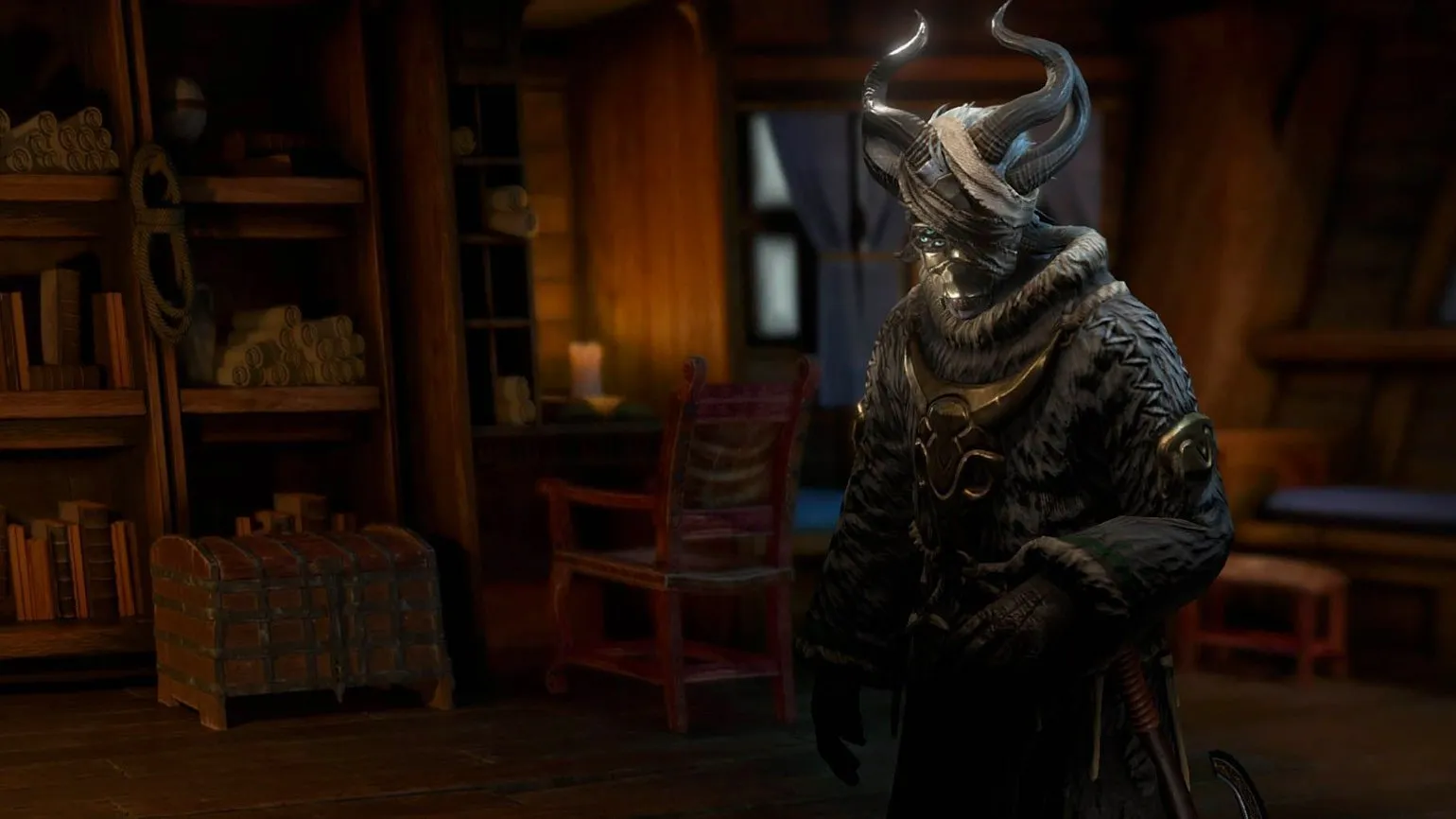
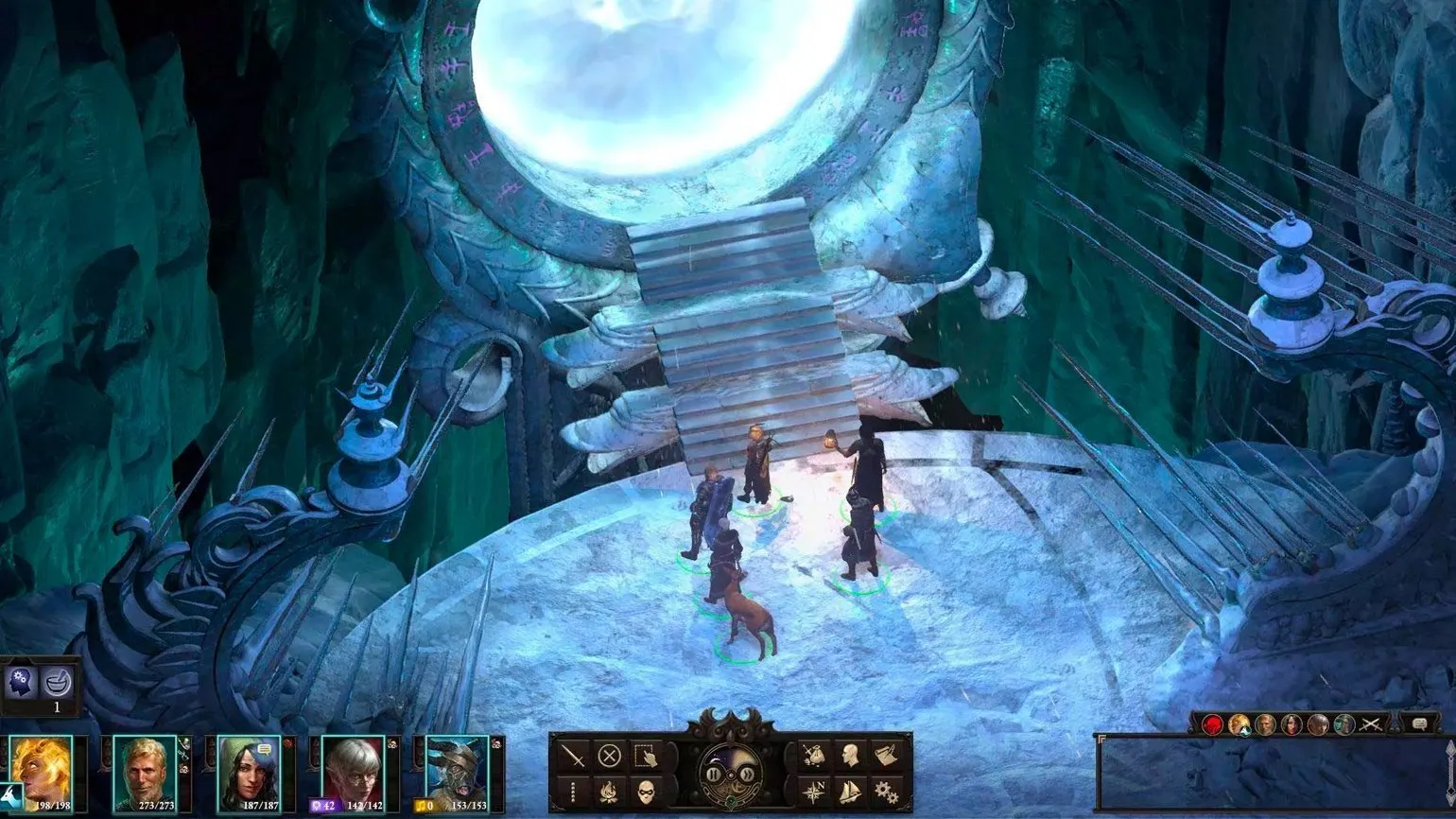
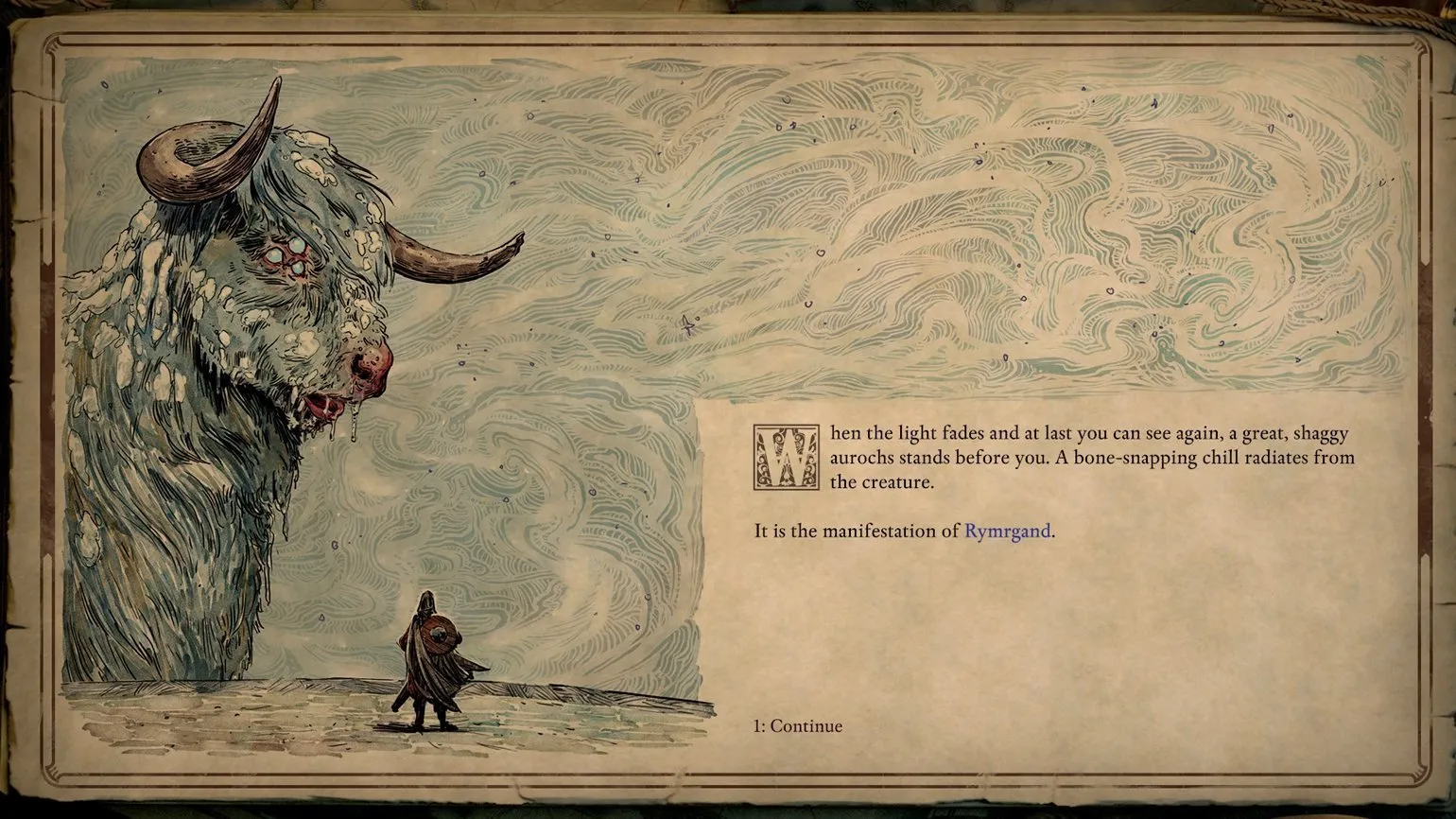
Pillars of Eternity continues the tradition of games created on the Infinity Engine. This engine was developed by Bioware and was used in legendary games such as Planescape: Torment, as well as in the Baldur's Gate and Icewind Dale series. Pillars of Eternity successfully recreates the atmosphere and gameplay that made these classic RPGs iconic, offering players a deep story, a detailed world, and strategic combat elements.
Our goal was to create environments that would resemble Infinity Engine games, but would also be brought to life through visuals and lighting. Early on, we strived for a harmonious blend of 2D and 3D elements. Understanding how to properly construct and render levels to avoid the flatness typical of older games was crucial.
Josh Sawyer is the lead developer and narrative designer on Pillars of Eternity II. His work involves creating engaging storylines and detailed characters, making every play session unique. Sawyer is actively involved in the development process, ensuring the high quality of game content and its meeting player expectations. His experience and creative approach contribute to the creation of a deep game world that will engage both new and experienced players. Pillars of Eternity II continues to expand its audience thanks to its outstanding narrative and carefully crafted gameplay elements.
The Infinity Engine was developed for creating 2D environments and sprite-based characters. Obsidian faced the challenge of transferring the familiar visual style that fans love into Unity while giving Pillars its own identity. The developers managed to preserve the spirit of classic CRPGs while integrating new elements of the gameplay experience, while avoiding outdated systems and complex mechanics.
Unity enables small teams to be highly productive thanks to its powerful development environment. This engine significantly simplifies collaboration between programmers, artists, and designers. We used some of our own tools in conjunction with Unity for creating dialogue and editing RPG-specific game data. Furthermore, Unity offers easy ways to extend the development tools, allowing us to integrate proven solutions from our previous projects into Obsidian. This makes the workflow more efficient and flexible, which is especially important in game development.
Chris Jones is the Chief Technology Officer at Obsidian. In this role, he is responsible for the development and implementation of innovative technologies that drive the company's product development. Jones is actively involved in strategic planning and process optimization, which allows Obsidian to remain at the forefront of its industry. Under his leadership, the team achieves high results, ensuring competitiveness and product quality. Thanks to his experience and skills, the company successfully implements its projects and meets customer needs.
In the first chapter of his book "Blood, Sweat, and Pixels: The Dark Side of the Video Game Industry," game journalist Jason Schreier takes a detailed look at the original game Pillars of Eternity. This chapter focuses on finding funding, which is one of the main challenges for many game studios, including Obsidian. Schreier examines how funding difficulties impact RPG development and the entire video game creation process.
Obsidian Entertainment announced the start of development on an isometric RPG and launched a Kickstarter campaign. The project's funding was raised in just one day. In its first year of release, Pillars of Eternity sold 700,000 copies, underscoring the high interest and support from players.
In 2015, Obsidian, along with inXile and Double Fine, launched Fig, a crowdfunding platform aimed at raising funds for video game development. The Pillars of Eternity II: Deadfire project was successfully funded by Fig investors. Despite the commercial success of the first part and positive reviews from critics, sales of the second part of Pillars were lower than expected, as mentioned by one of the investors.
Deadfire was named "Best RPG of 2018" by PC Gamer. Obsidian's RPG also won two Unity Awards: Best PC and Console Game and the Golden Cube, the highest honor awarded to any Unity-powered game. These achievements highlight the high level of quality and innovation Deadfire offers, cementing its place in the world of video games.
To Sum Up
Unity is a leading development environment supporting all modern platforms, including PCs and Tesla car screens. Every month, 2.5 billion users engage with content created with Unity. This game engine is used in over 190 countries, making it easy for aspiring studios to find talent to bring their projects to life. Furthermore, Unity enjoys high popularity in Russia and the CIS, fueling the development of the local game and app development industry.
The low entry barrier, extensive toolkit, and wide range of ready-made solutions in the Asset Store make Unity accessible to users of all skill levels, not just programmers. Those with programming experience can deeply customize the engine, significantly expanding its functionality and adapting it to specific needs. Unity provides the flexibility needed to create unique projects, making it an ideal choice for game and app developers.
Who are you in the world of game development? A mini-course for those who want to make games.
In this free mini-course, you'll try your hand at being a game designer, 2D artist, or Unity game developer, and choose the profession that's right for you.
Find out more