Contents:

Gamedev: 3 professions and your first game during the course!
Find out moreDive into the world of Edmund McMillen
Edmund McMillen, the famous indie game developer, gained popularity in 2001 thanks to his The provocative Flash game Dead Baby Dressup! was released on Newgrounds. The game stood out due to its unusual choice of character – a dead baby serving as the main character in a dress-up game. This approach caused a stir and brought attention to McMillen’s work, who went on to create original and daring projects in the world of video games.
The dead baby character first appeared in the comics “Things to do with Dead Babies!”, created by McMillen during his teenage years. These works reflected his rebellion against the strict religious views in his family. Edmund grew up in a religious family: his mother was Catholic and his father was a Christian convert. This context had a significant influence on his work, which is imbued with themes of rebellion and contradiction.
In his memoir, McMillen talks about how his passion for games such as Dungeons & Dragons: Legends of Zelda influenced his work. Dragons and Magic: The Gathering, provoked a negative reaction from his family. He recalls, "They told me I'd go to hell for it." These feelings of isolation became the catalyst for the creation of comics, including This is a Cry for Help!, which provided him with a platform to express his internal struggles. McMillen uses his work to address themes of misunderstanding and the search for identity, making his work relevant and resonant with a wide audience.
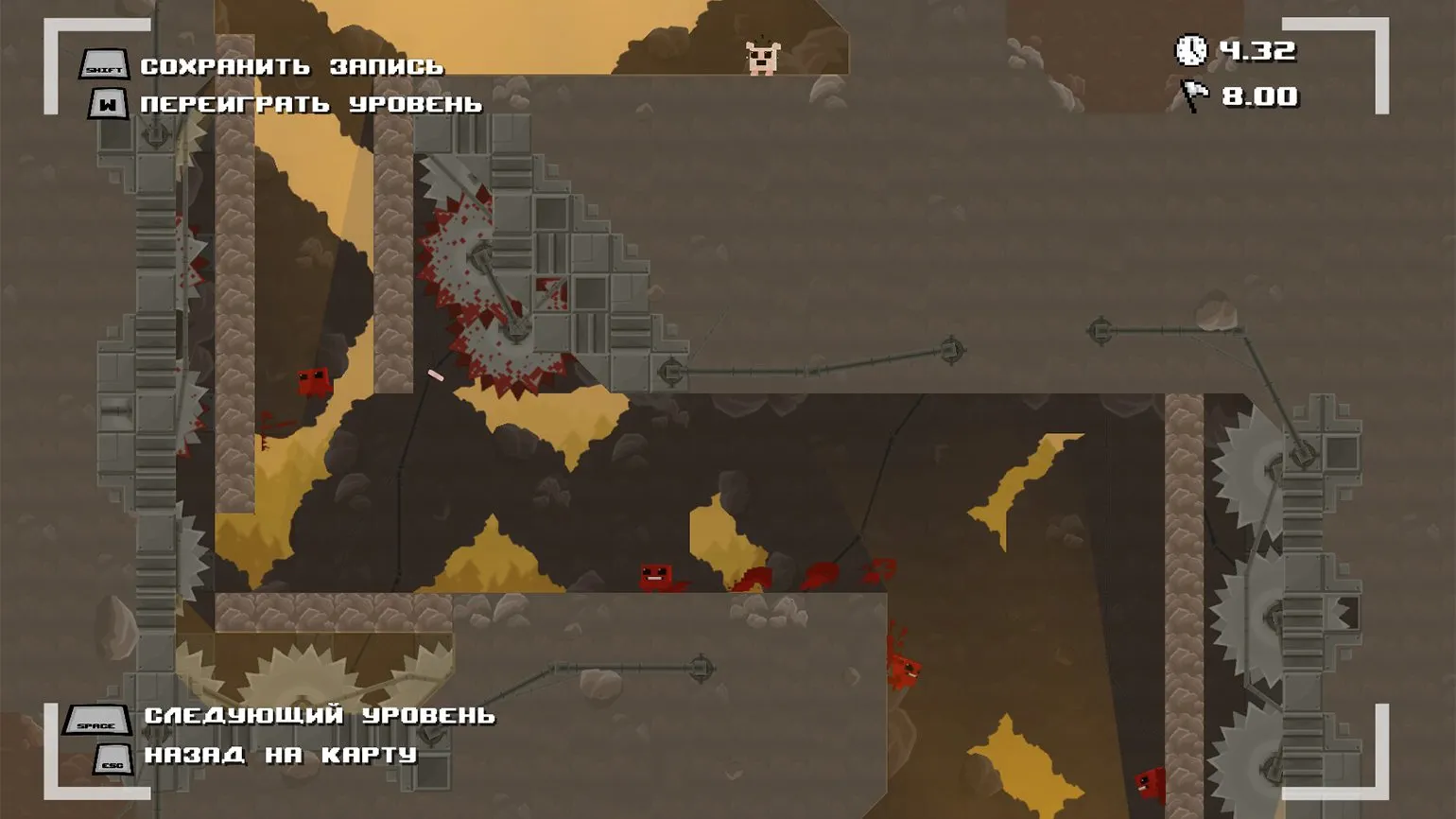
McMillen's style, combining eye-catching graphics with brutal themes like dismemberment and gore, was clearly evident in his successful project Super Meat Boy. Originally developed as a simple Flash game in just three weeks in 2008, it quickly captured the attention of players with its original mechanics and unique visual style. Super Meat Boy stands out from other platformers, offering challenging levels and addictive gameplay, making it a cult classic in the indie gaming world.
The development of Super Meat Boy lasted two years, during which its creator, Edmund McMillen, faced serious financial difficulties and conflicts with Microsoft. During this process, he suffered a nervous breakdown and described his feelings as "stuck in an endless nightmare." These trials not only tempered him as a developer, but also became an important part of the story of the creation of one of the most famous indie games.
For creator Tom McMillen, the development of Super Meat Boy was not only a difficult but also a key experience in his career. Released in October 2010, the game quickly gained popularity among players and became one of the first indie hits. Super Meat Boy attracted millions of fans thanks to its high difficulty and nostalgic references to classic platformers like Mega Man. The game's success not only showcased McMillen's talent but also opened up new horizons for indie developers, inspiring them to create unique and memorable projects.
The success of Super Meat Boy freed Edmund McMillen from financial troubles, opening the door for him to develop riskier and more innovative projects in the future. He notes, "I wouldn't say I 'sold out' on that game, but I was definitely getting closer to industry standards." This experience allowed McMillen to gain a deeper understanding of the gaming industry and generate new ideas for his future projects.
Roguelike Evolution: The Binding of Isaac
The Binding of Isaac, designed by Edmund McMillen, is an outstanding roguelike that combines elements of classic games like The Legend of Zelda with the creator's personal and deep story. This game not only offers engaging gameplay, but also raises important themes regarding religion and childhood trauma, forcing players to reflect on difficult life questions. With a unique style, randomized levels, and a variety of items, the game provides opportunities for endless reinterpretation and replayability, making every play session unique and engaging.
The Binding of Isaac's story began at a game jam, where Edmund McMillen and programmer Florian Himsl developed a prototype using ActionScript 2 for Adobe Flash. According to McMillen, it was an opportunity to test his skills and realize his creative potential. Initially conceived as an experiment, the project soon became the basis for one of the most popular indie games, captivating players and critics alike with its unique gameplay experience and deep storyline. The Binding of Isaac continues to be a significant part of the gaming industry, inspiring new developers and players around the world.
The developers did not initially aim for commercial success, but even in the early stages, the qualities that would later make the game popular were evident. In his "eulogy," McMillen emphasizes that the main goal was to create "magic" - a feeling of infinity and vitality in the gameplay. These elements captured the attention of players and formed a unique experience that continues to inspire developers around the world.
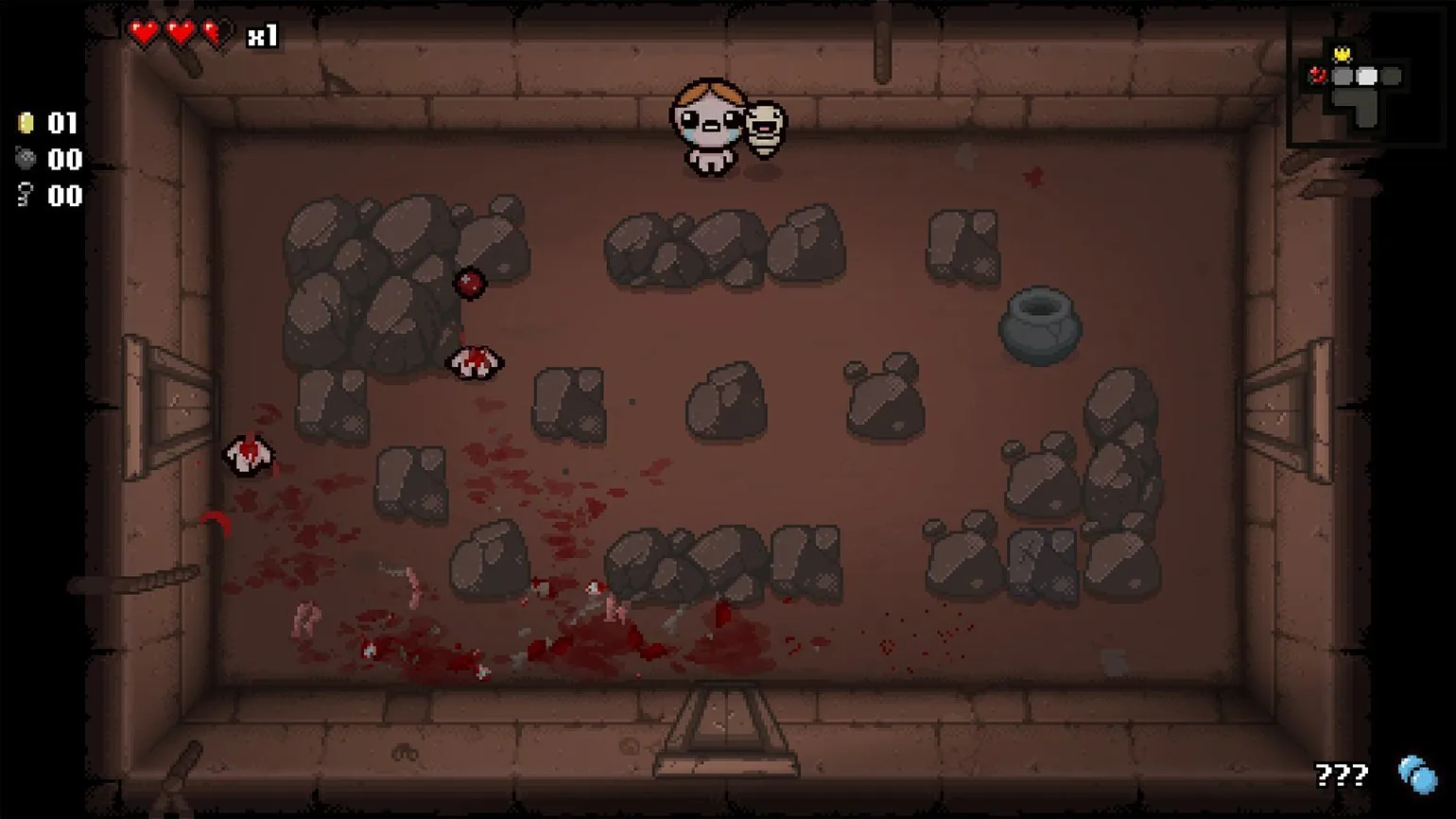
The Binding of Isaac includes core roguelike elements, such as randomly generated levels, permanent character death, and a variety of items that change the gameplay. Players explore dungeons, fight a variety of enemies and bosses, and discover secrets and upgrades. Each playthrough is unique thanks to the variability of content and mechanics, making the game exciting and unpredictable.
- Permade death, where each time after death the player starts a new run from the first level.
- Procedural level generation, making each gameplay session unique.
McMillen sought to move away from outdated elements of the genre, implementing modern real-time mechanics. The game is more similar to action games in the bullet-hell subgenre, where the player must not only dodge enemy attacks, but also actively strike back. This creates a dynamic and tense game atmosphere, allowing players to test their reflexes and strategic skills.
The visual style and story of The Binding of Isaac have undergone significant changes, making it unique in its genre. The game is based on the biblical story of sacrifice, but examines it through the lens of childhood fears and fantasies. Isaac's mother, obsessed with religious beliefs, serves as the antihero, creating a unique atmosphere and tension. This game not only attracts attention with its original artistic design but also with the depth of its story, which forces players to reflect on complex themes such as fear, sacrifice, and family relationships.
The launch of The Binding of Isaac on Steam was a significant event in the gaming industry. The game's creator, Edmund McMillen, emphasizes that Steam has become a unique platform for games free from censorship and age restrictions. This freedom has allowed the developers to experiment with content, resulting in an original gaming experience. The game receives regular updates and patches, which help fix bugs and introduce new content, thereby ensuring player interest over time. The Binding of Isaac remains relevant thanks to its dynamic support and community engagement.
Initially, sales were modest, but viral marketing from streamers and bloggers skyrocketed interest. As a result, The Binding of Isaac began selling 1,500 copies per day. This success was made possible by active social media promotion and recommendations from popular personalities, which contributed to a significant increase in audience and sales.
Inspired by the success of the original game, the developers released the Wrath of the Lamb expansion, which increased the content by 80%. This expansion is a shining example of how creative ideas can revitalize a successful project and introduce new elements to the game universe. Wrath of the Lamb not only enriched the gameplay experience but also demonstrated how expansions can significantly improve the user experience and sustain long-term engagement.
Experts believe that The Binding of Isaac is more than just a video game, but a cultural phenomenon that has significantly influenced a new generation of developers. Orc Work studio founder Sergey Himmelreich notes that the game galvanized the community around its narrative, something previously rare in the roguelike genre. This player interaction and deep storytelling made The Binding of Isaac a landmark in the history of indie games and roguelikes, inspiring numerous projects and furthering the genre's development.
The Binding of Isaac is more than just a game; it's a deep, multi-layered story exploring themes of fear, sacrifice, and childhood trauma. It offers a unique gaming experience that engages and excites. Since its release, the game has had a significant impact on the roguelike genre, setting new standards in mechanics and storytelling. It continues to inspire both players and developers worldwide, becoming a cult classic in the video game industry.
The Evolution of The Binding of Isaac: Remake and Expansions
Since the release of the Wrath of the Lamb expansion, sales of The Binding of Isaac have increased significantly, reaching three thousand copies per day. By 2014, the total circulation of the game exceeded three million copies, which confirms its impressive popularity among players.
During the same period, Ed McMillen, the creator of the game, received an offer from Tyrone Rodriguez, the founder of Nicalis, to develop a remake for game consoles. McMillen agreed, as he wanted to port Isaac to a more powerful engine. This would allow him to realize ideas that could not be realized due to the limitations of the Flash platform. The remake was an opportunity for McMillen to improve the graphics and gameplay, as well as add new content, which significantly increased interest in the game and expanded its audience.
A team of talented artists led by McMillen reworked the original content, added new elements, including the original soundtrack, and fixed numerous bugs present in the Flash version. The remake, titled The Binding of Isaac: Rebirth, was released in November 2014 and received positive reviews from both critics and fans, who appreciated the improved graphics and deeper gameplay. Players highly praised the updates that made the game more attractive and engaging, which contributed to its popularity and positive perception in the gaming community.
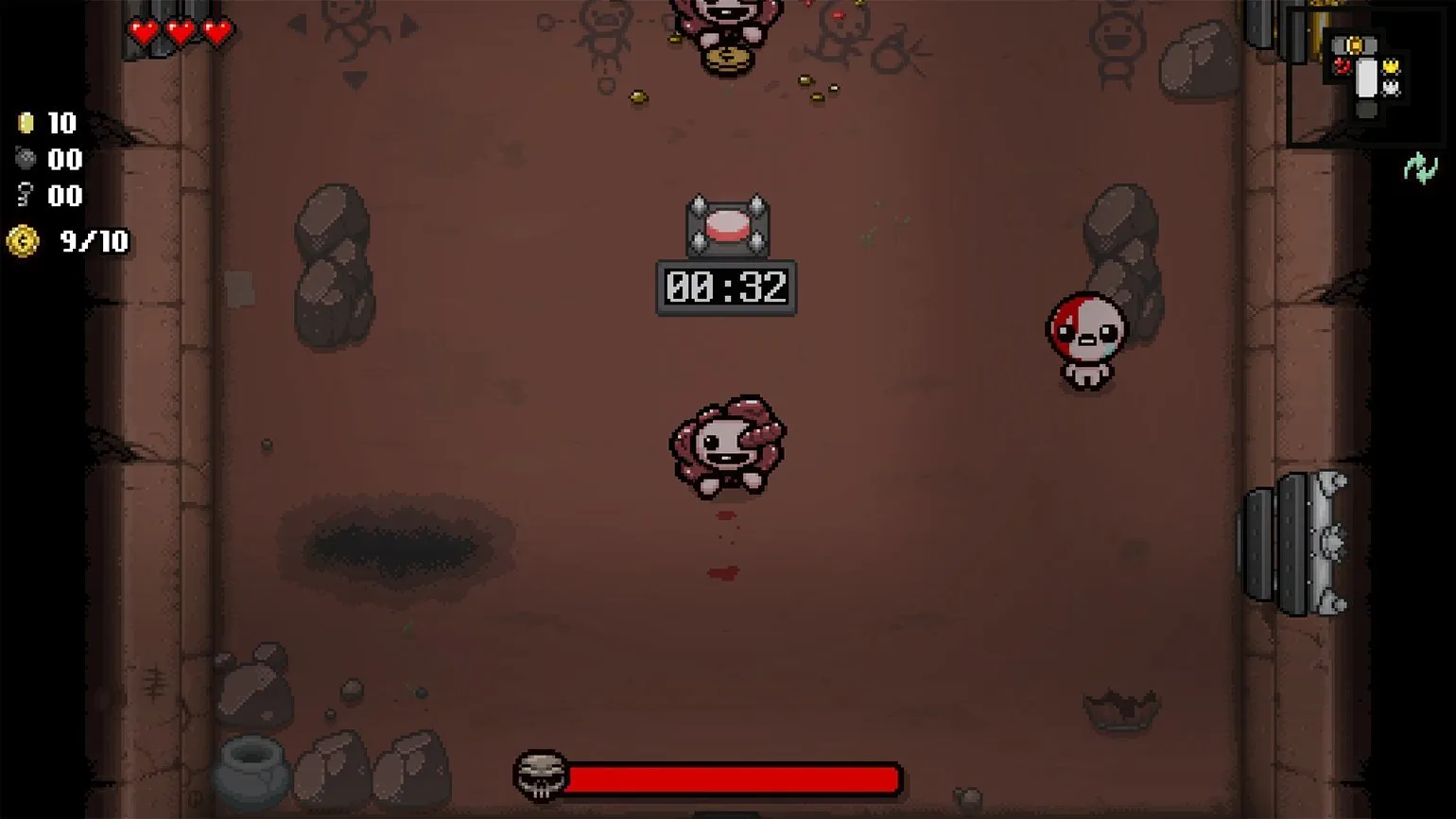
McMillen's success wasn't limited to early releases. In 2015, he released the significant Afterbirth expansion, which enriched the game with new bonuses, rooms, challenges, and endings. One of the highlights was the Greed mode, in which players battle waves of enemies and earn coins in the arena. Afterbirth+ followed in 2017, but unfortunately, it failed to live up to the expectations of fans and critics.
"I found myself in a situation where I couldn't devote as much time to the game as I had before," McMillen said. Personal circumstances, such as the birth of his daughter and depression, forced him to outsource some of his work. Furthermore, as the amount of content increased, the author found it difficult to navigate the game, sometimes resorting to a fan wiki to find information about the functions of various bonuses. This highlights the importance of community support and access to resources for developers, especially in the face of personal difficulties.
The Afterbirth+ expansion for The Binding of Isaac was unsuccessful due to a lack of fresh ideas and balance. While previous releases in the series enjoyed a positive reception, Afterbirth+ received a more subdued reaction from players. This created the need to find new solutions and ways to improve the gaming experience.
Edmund McMillen's Journey into the World of The Binding of Isaac
The game that Edmund McMillen planned to complete in three months ended up taking an entire decade of his life. This project was transformed from an initial idea into a full-fledged work of art, becoming a significant event in the world of indie games. McMillen invested not only his time but also his ideas into it, making the game unique and deep.
During this period, McMillen developed the police simulator Fingered and the dark platformer The End is Nigh, but his main focus remained on The Binding of Isaac. Even the turn-based roguelike The Legend of Bum-Bo, released in 2019, served as a prequel to Isaac, thereby expanding its universe and deepening its storylines.
In March 2021, Edmund McMillen unveiled the final expansion to the game, titled Repentance. This expansion was created in collaboration with The-Vinh Truong. McMillen was impressed by the Antibirth mod and, seeing its deep understanding of the Isaac universe, decided to join forces with Truong to create high-quality content. Repentance was a significant milestone in the game's development, adding new content and expanding player options.
First, a series of free updates were released to improve balance in the Afterbirth+ game, after which the developers focused on creating the Repentance expansion. This expansion not only brought back forgotten elements from the original Flash version but also added an impressive 169 new bonuses. This expansion completed the protagonist's story, significantly enriching the gameplay experience and introducing new mechanics. Repentance was a milestone for fans, giving them the opportunity to relive the adventures with new features and a new storyline.
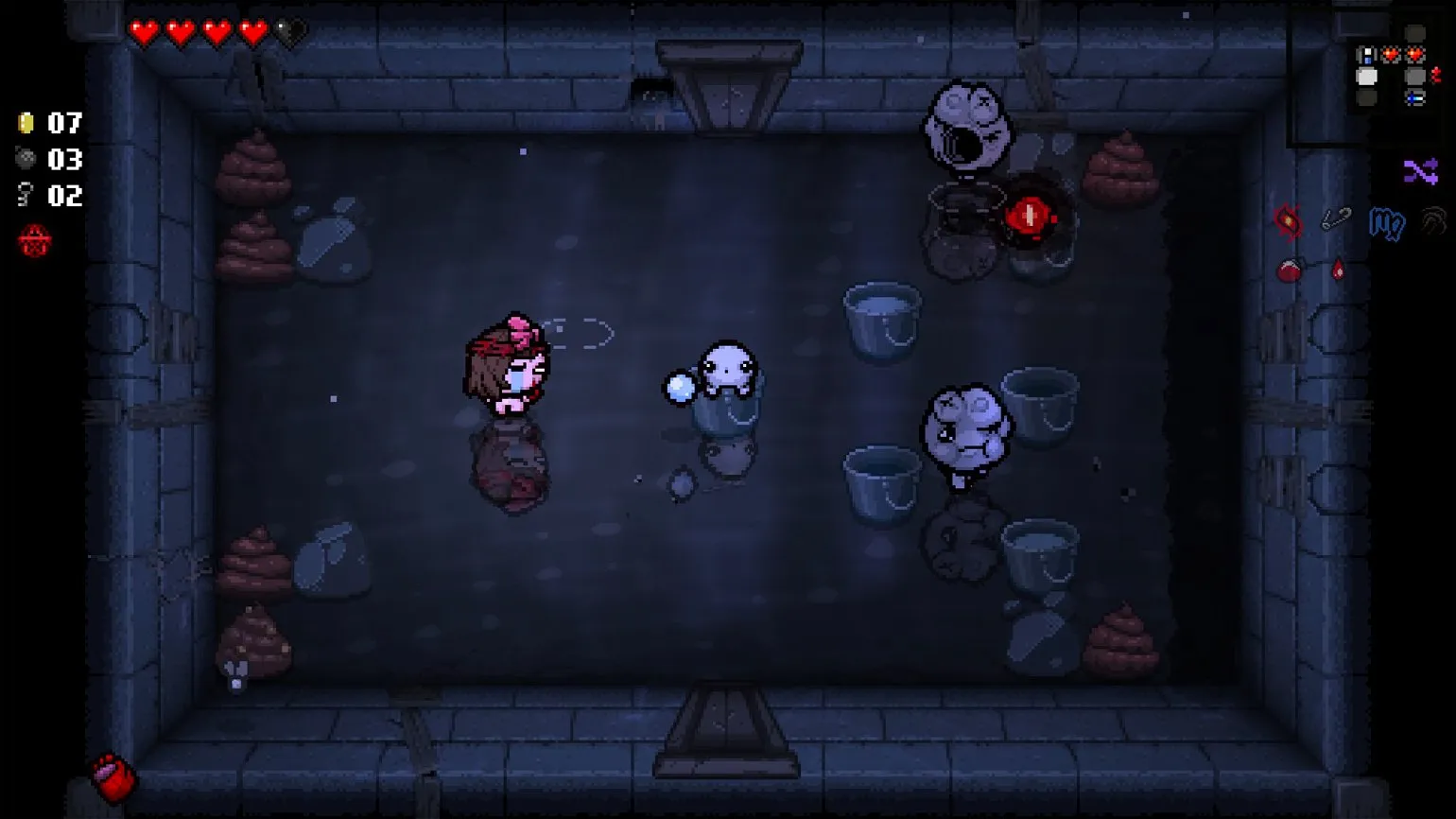
Edmund McMillen spent nearly a decade developing multiple endings for the adventures Isaac. He explored various scenarios, including his death at the hands of his mother and his transformation into Satan. In the Repentance expansion, all of these stories were brought together, revealing that the entire plot is a fiction told by a father to his son before bed. This adds depth and layers to the narrative, emphasizing the theme of parent-child relationships and exploring the psychological aspects of fear and hope.
The Binding of Isaac's optimistic ending became emblematic for developer Edmund McMillen, reflecting his ideas and feelings. While he hasn't ruled out the possibility of a full-fledged sequel, McMillen is currently focusing on smaller projects, such as the Mew-Genics Tamagotchi cat. This new project demonstrates his desire to experiment and offer players a unique gaming experience.
McMillen shares his thoughts on the need to move forward: "This may sound strange, but I don't want to be a burden to people. It's been ten years, and I feel like it's time for a change." It's important to understand that such reflections on personal growth and change are a natural part of life. Moving on to new stages can open up new opportunities and help with self-realization.
However, he's in no rush to completely let go of his creation. Over the summer, fans raised an impressive $6,720,000 for the board game expansion The Binding of Isaac: Four Sticks. This underscores the importance of the community in maintaining the cultural phenomenon that Isaac has become. Fan contributions not only demonstrate their dedication but also ensure that the game continues to engage and inspire players.
The Binding of Isaac fans are one of the most dedicated and creative communities in the gaming industry. They actively create crossovers with other well-known franchises, write stand-up comedy routines, and participate in ARGs. Members of this community solve puzzles and find statues of the dead Isaac to unlock new endings for the game. This passion not only fosters creativity but also creates a unique atmosphere in which fans share their findings and ideas. The Binding of Isaac community continues to grow, attracting new players and creative individuals.
This community is a clear testament to the fact that even niche, complex, and unusual games have a devoted audience. McMillen notes: "Challenging games are the most engaging because no one likes to be talked down to. Most modern games treat the player like a child. I respect you enough to know that you're capable of playing video games." These words emphasize the importance of respecting players and their intellectual abilities, which makes complex games more attractive to true connoisseurs of the gaming process.
Game Development: Find Your Profession in 5 Steps
Want to Create Games? Take a free mini-course and choose your role in game development! Find out more.
Find out more