Contents:
Learn: Profession Game Designer from Scratch to PRO
Learn MoreIn late 1999, a group of four developers founded the video game studio Arkane in Lyon, France. Raphaël Colantonio led the team and became the company's president for the next 18 years. Arkane quickly established itself in the video game industry, creating unique and engaging titles that captured the attention of both players and critics.
Before founding his own company, Raphaël spent several years at Electronic Arts, specializing in video game testing and localization. During this period, he worked on projects created by Looking Glass, such as Ultima Underworld, System Shock, and Thief. It was these games that prompted him to enter the gaming industry.

Optimizing text for SEO requires focusing on keywords and improving the structure. Here is the reworked text:
Read also:
In our blog you will find useful articles and tips on various topics. We share relevant news, analysis, and practical recommendations. Subscribe to updates to stay up-to-date with new materials that will help you stay informed and improve your skills. Use our content for self-education and gaining new knowledge.
Production Hell: How Games End Up in It and How to Get Out of It
Games enter production hell when the development process faces multiple challenges, such as a lack of resources, time, and ineffective project management. This stage can be associated with poor planning and a lack of a clear strategy, leading to delays and a decrease in product quality.
Escape from production hell is possible through the implementation of effective project management methods, such as Agile or Scrum. These approaches allow teams to adapt to change and find optimal solutions. It is also important to ensure communication between all participants in the development process to quickly identify and resolve any issues that arise.
Furthermore, using modern project management and progress tracking tools can significantly improve the situation. Regular reviews and adjustments to the development plan help keep the project on schedule and within budget, which ultimately leads to the successful completion of the game.
Understanding the reasons why games end up in production hell and knowing how to get out of it are key factors for successful game development.
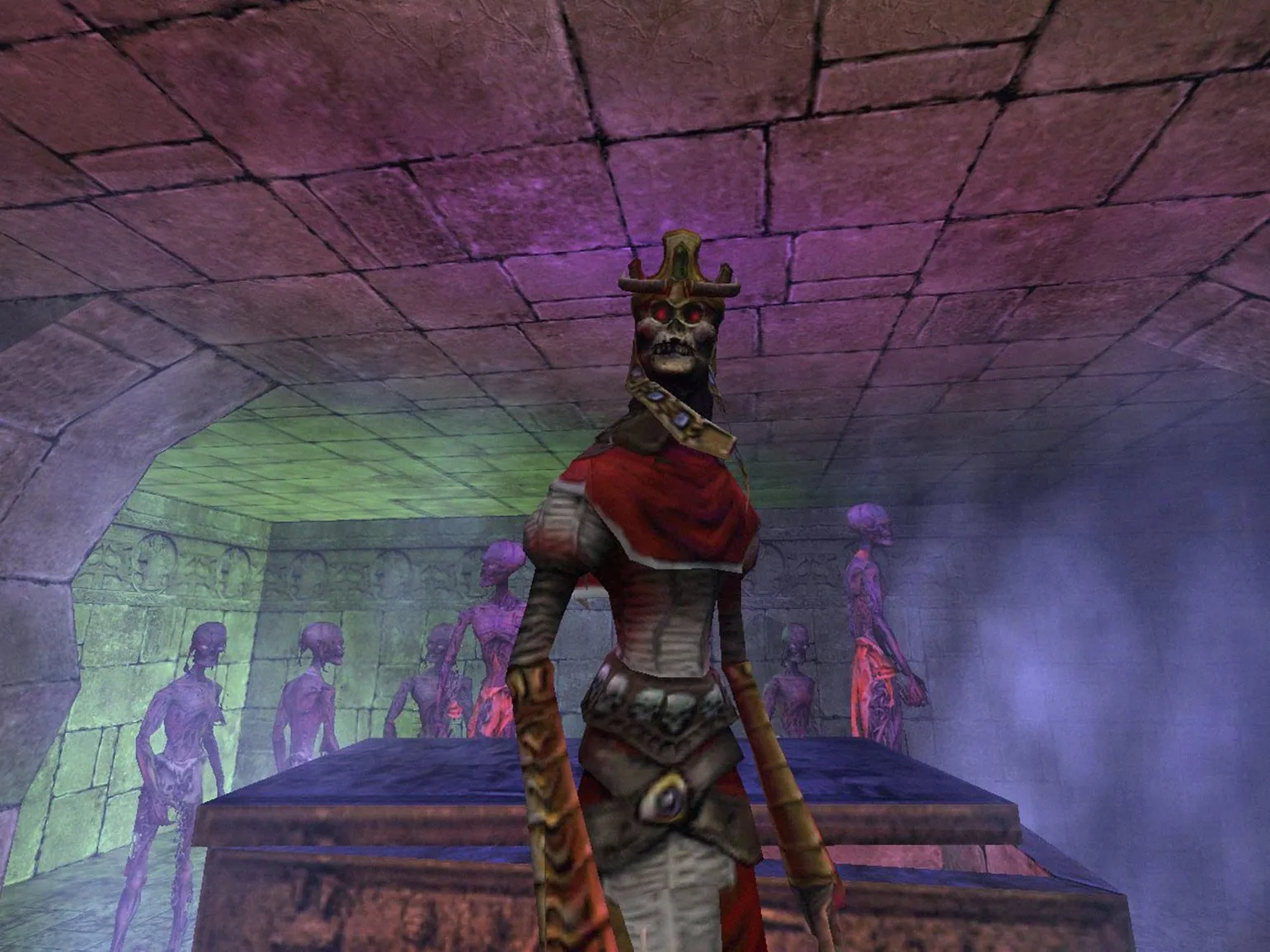
These games pioneered the immersive simulator genre, which today is a hybrid of action and role-playing games, providing players with deep immersion in virtual worlds. In the 1990s, the term "immersive simulator" did not yet exist, and such games were not very popular, which did not meet the expectations of Electronic Arts. As a result, the company gradually began to scale back its PC RPG production and shift its focus to sports simulations and console platforms. This change in direction inspired Colantonio to found his own studio and develop Arx Fatalis, a spiritual successor to Ultima Underworld. Over the next two decades, Arkane Studios gradually established itself as one of the world's leading RPG studios, releasing a number of iconic titles such as Dishonored 1 and 2, Prey, and Deathloop. Each of these projects brings something new to the genre while maintaining the DNA of the games that initially inspired Raphael to become a game designer. Arkane Studios continues to develop unique ideas and mechanics, which makes their games relevant and in demand among players.
In early 2017, Arkane Austin game designer and creative director Ricardo Bare expressed his thoughts on the studio in an interview on the YouTube channel Noclip, calling it a "haven for immersive sim developers." This statement highlights Arkane Austin's uniqueness as a place where innovative and immersive game projects are created, which draws attention to their work and contribution to the video game industry.
When creating Arkane, it was important to me to revive values that had begun to disappear in other genres. We aimed to become the guardians of the immersive sim tradition, preserving its unique elements and immersive experiences.
Raphaël Colantonio is the founder of Arkane Studios, a renowned game studio specializing in the development of unique and innovative video games. Under his leadership, the team created such projects as the Dishonored series and Prey, which have received acclaim from both players and critics. Colantonio's exceptional vision and commitment to creating deep game worlds make him a prominent figure in the video game industry. Arkane Studios continues to thrive, offering players immersive and original gaming experiences, and Raphaël Colantonio's name is synonymous with quality and creativity in game development.
In 2017, the game designer left the studio due to burnout. Raphaël later explained that the reason for this is that developing major blockbuster games today involves creating not just games, but full-fledged products. This shift in approach to game development impacts the creativity and emotional well-being of industry professionals.
Ricardo Bare, known for his work on the Deus Ex series, has teamed up with Harvey Smith to create Redfall, a co-op looter shooter about vampires. The game was released in May 2023, but unfortunately, it failed to live up to expectations, receiving negative reviews from both players and critics. The project's development was aimed at creating not just a game, but a full-fledged product, but the results fell far short of expectations.
The game was criticized for numerous flaws, including numerous bugs, performance issues, an empty open world, ineffective AI, a weak storyline, and excessive looter mechanics. Skillbox Media's Gamedev editorial team also joined the discussion, presenting their analysis of the bugs that made Redfall a significant creative failure for Arkane.
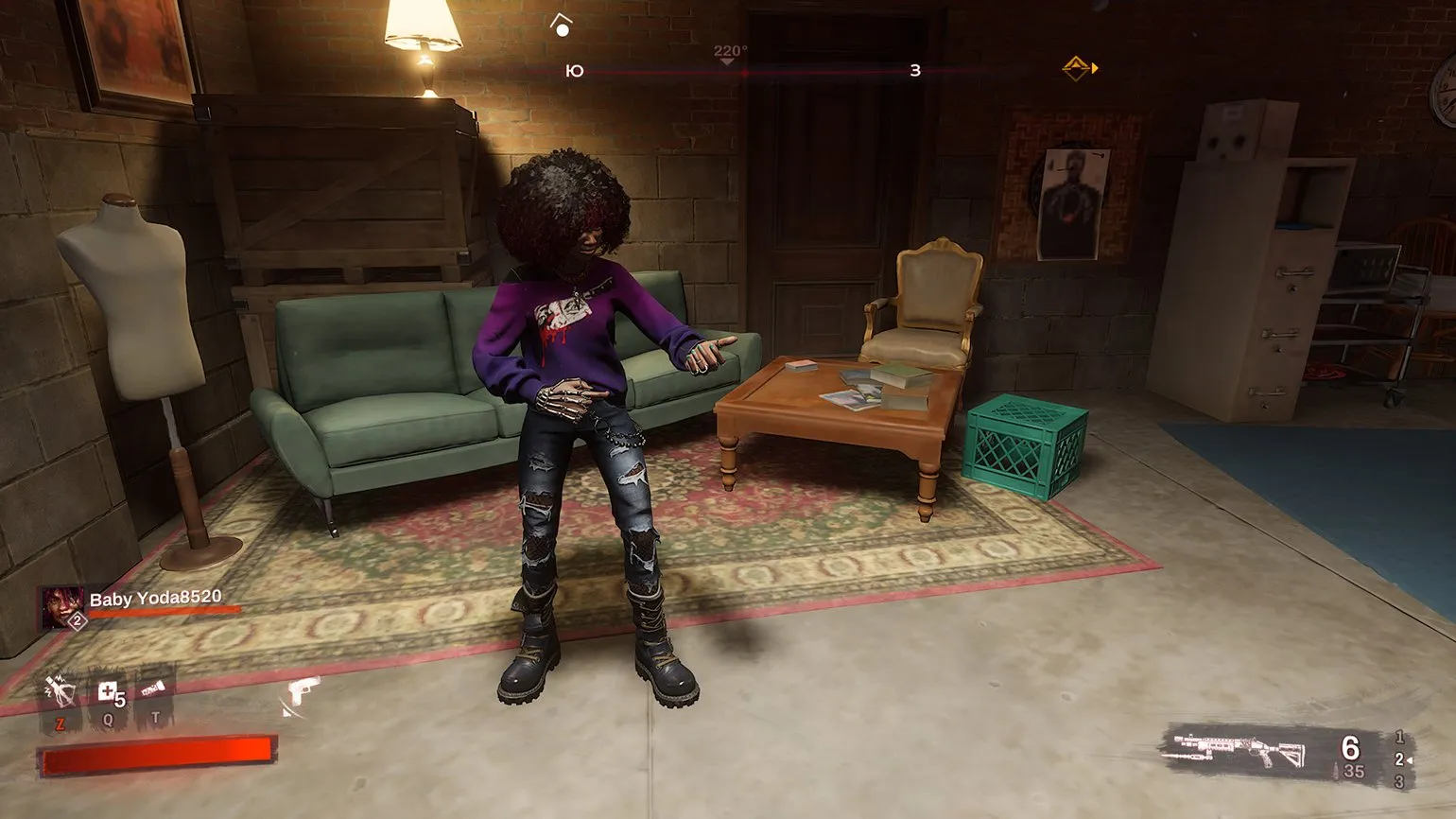
Redfall symbolizes the end of an era for immersive sims, a genre that is experiencing a gradual decline. Many studios previously focused on developing such games have either closed or changed their focus, switching to completely different projects. This shift highlights the changes in the gaming industry and the growing competition among various genres. Immersive sims, which once attracted players with their deep atmosphere and interactivity, are now facing challenges that require a rethinking of the concept and approach to development.
Does this mean that the genre has exhausted itself and should be buried? Not quite. In fact, we have been looking at immersive sims from a slightly different angle all this time. The genre continues to evolve and attract attention, and its potential is far from being exhausted.
Not a Genre, but a Philosophy
It's hard to believe, but after three decades of existence, immersive simulators continue to be the subject of active discussion and research. Despite extensive experience and numerous technologies, the application and influence of these simulators continue to generate interest and new ideas. The diversity of approaches and innovative solutions in this field allows them to be viewed from new angles, opening up opportunities for further development and application in various fields.
The Game Development section on the Skillbox Media platform features no less than six articles that deeply explore the gaming genre. These materials cover key principles, which can be summarized into eight main points. These principles will be useful for our further analysis, so we will briefly list them again.
- Mixing Genres. Sims are essentially a hybrid of action and RPG, but they often incorporate even more gameplay styles: for example, Dishonored makes stealth the core of its gameplay, while System Shock and its spiritual successor BioShock incorporate survival horror elements into their shooter gameplay.
- First-person view. Since simulators strive for maximum immersion, we typically see the world through the eyes of the game character.
- Player control over gameplay. While, for example, in Half-Life, different gameplay types alternate at the direction of the game designer, games like Deus Ex or Dishonored offer a choice: complete a mission stealthily or engage in open combat, choose a particular route to the goal, leave the location or linger in it longer.
- Believable world. The layout of locations should follow the logic of the real world. Gadgets and objects in the levels should be interactive. Every puzzle and combat scenario must have a storyline justification. Immersive sims sacrifice scale in favor of relatively small but detailed locations, whether it's the Los Angeles districts of Vampire: The Masquerade — Bloodlines or the labyrinthine Talos I space station from Prey.

- A convincing simulation. Sim worlds follow a common set of predictable rules that remain constant regardless of the situation. Water arrows in Thief invariably extinguish any torches, and Colt's radio in Deathloop invariably hacks security cameras and turrets—and this helps players come up with unconventional plans and quickly improvise if something goes wrong.
- The importance of narrative. Since sims are games about immersion in a fictional world, story and lore play a primary role. It's no coincidence that games like Dishonored or Deus Ex are remembered primarily for their setting—however, this is usually conveyed indirectly.
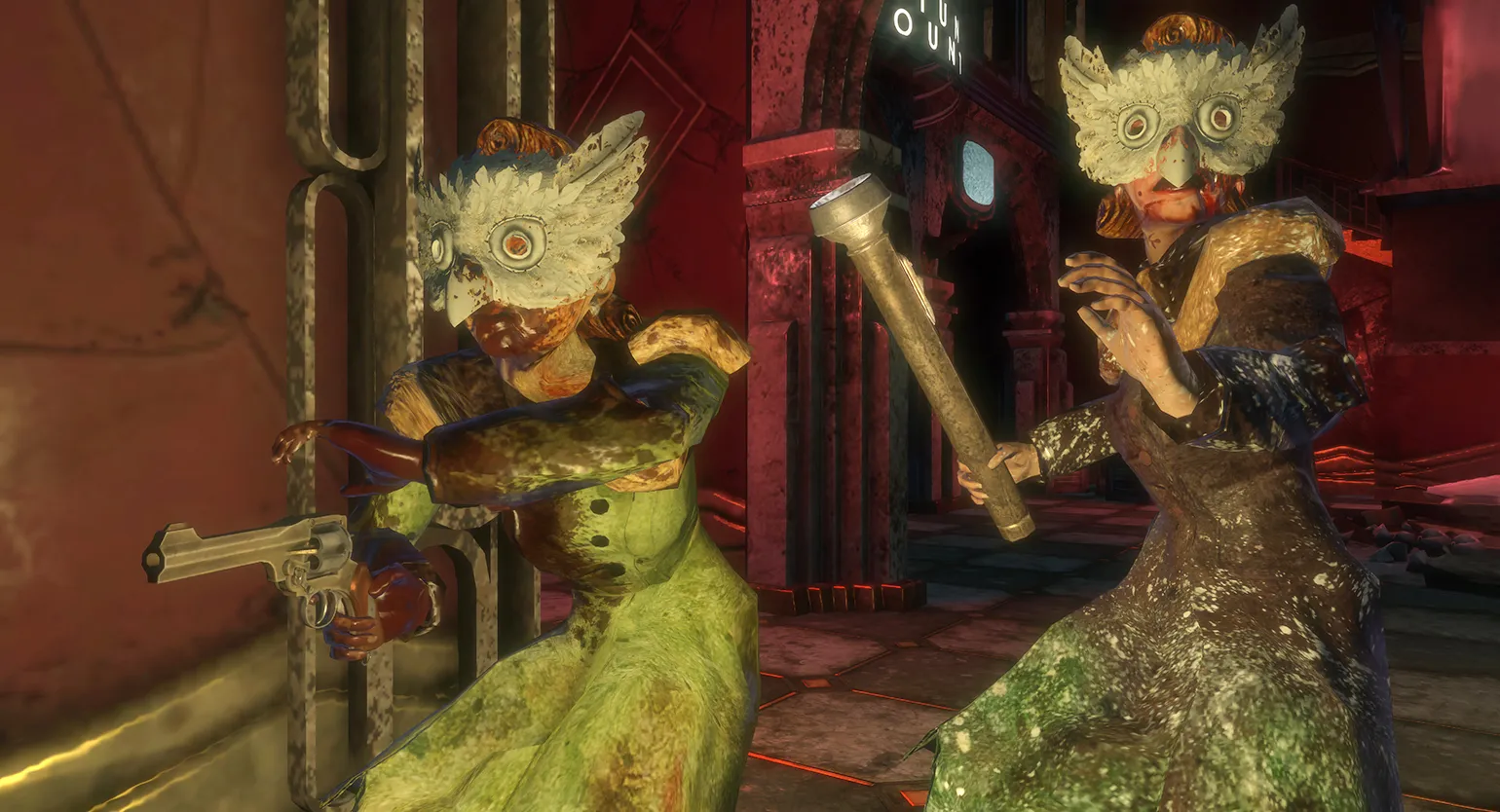
- The plot is conveyed through the environment. Even in the cinematic BioShock, cutscenes are not so common—the game is much more active in telling the story of the city of Rapture through its architecture, decor, advertising, propaganda, and the audio diaries of its residents.
- Freedom of choice. For the sake of immersion, sims make players the creators of their own destiny—at least within the virtual world. For example, in Dishonored, you can kill villains or dispose of them using non-lethal methods, and Deus Ex presents you with difficult moral choices at almost every turn—and in both cases, your decisions will come back to haunt you in the future.
If you think these criteria are too detailed, you will certainly be surprised by the list of Arkane design principles, which includes twenty points. Among them are such unique ones as "Fuck stairs" and "Reuse spaces." These principles demonstrate Arkane's approach to developing game worlds, emphasizing innovative solutions and efficient use of space.
Why do studios limit their games to such narrow boundaries? The answer is simple: immersive sim is not only a genre, but also a game design philosophy. The main goal of this philosophy is to create the most vivid and convincing game world that is simultaneously interesting from a story and gameplay perspective. An immersive sim offers deep interactivity and freedom of action, allowing players to explore and interact with the environment. This requires developers to meticulously craft details, which in turn can limit them in certain areas, such as the game's scale or complexity. Thus, the desire to create a holistic and engaging gaming experience determines the choice of restrictions that may seem strict, but in fact serve to achieve high standards of quality and engagement.

Simulation designers have developed many values that are taken into account when creating this type of game. However, in recent years, these same values almost led to the decline of the genre.
Achilles Heels
"Tell the player: "Yes"" is the main mantra of the Arkane studio. Game designers believe that if the player finds an unexpected approach to solving a problem that was not originally envisaged, this should be welcomed. Moreover, it is best to integrate such opportunities directly into the game's script. This approach significantly expands the gameplay experience and increases player engagement by providing freedom of choice and creativity.
This approach to employee freedom is a key characteristic of IMs, but it also represents their primary vulnerability. It creates numerous vulnerabilities, making the development process of each game risky from both a creative and commercial perspective. It's important to consider that such freedom can lead to project instability, making it difficult to meet deadlines and budgets. Developers must find a balance between creativity and structure to minimize risks and ensure a successful product launch.
Developers face their first challenges when creating complex game mechanics. The need to integrate multiple gameplay systems to support player actions and choices is a key challenge. These systems interact with each other, sometimes leading to unexpected results and requiring thorough testing and refinement. It's important to consider how each element contributes to the overall gameplay experience to create a harmonious and engaging gaming environment.
An example of an innovative approach to gameplay is the touchscreen monitors and buttons located throughout the Talos I space station in Prey. In most games, such elements are static objects or scripted menus. However, the developers at Arkane decided to make these elements interactive. They respond not only to direct clicks but also to other actions, such as firing a dart. This decision adds a new level of interaction to the game and makes the gameplay more dynamic and engaging.
Lead designer Ricardo Bare supported this concept, which necessitated thorough testing by the quality assurance department. The team conducted dart testing on every screen and button to ensure that players would not be able to access content intended for later stages of the game before its official release. This precaution ensured that the game retained surprise and interest, which is an important aspect of successful gameplay.
One of the key challenges of simulators is the conflict between gameplay and narrative. Despite the freedom of action granted to players, game developers strive to convey a specific story. As a result, game designers must constantly find a balance between these two opposing directions. This requires creativity and the ability to integrate story elements into gameplay to provide a compelling and engaging experience for players.
In 2013, Raphael Colantonio and Harvey Smith, director of Arkane Austin, presented a talk at the Game Developers Conference (GDC) dedicated to addressing the challenges of integrating player choice into the narrative of Dishonored. The game designers had to develop additional systems, including side quests and a morality system that continues to be controversial among fans of the series. These elements have become important aspects of the gameplay, allowing players to influence the development of the plot and make decisions that reflect their moral values.
The abundance of game systems creates a tension between depth and accessibility. Incorporating a multitude of features and options into a game is only part of the success; providing players with the tools to use them is also crucial. Simulation game developers have repeatedly faced the challenge of training players, highlighting the importance of balancing the complexity of mechanics with their comprehension.
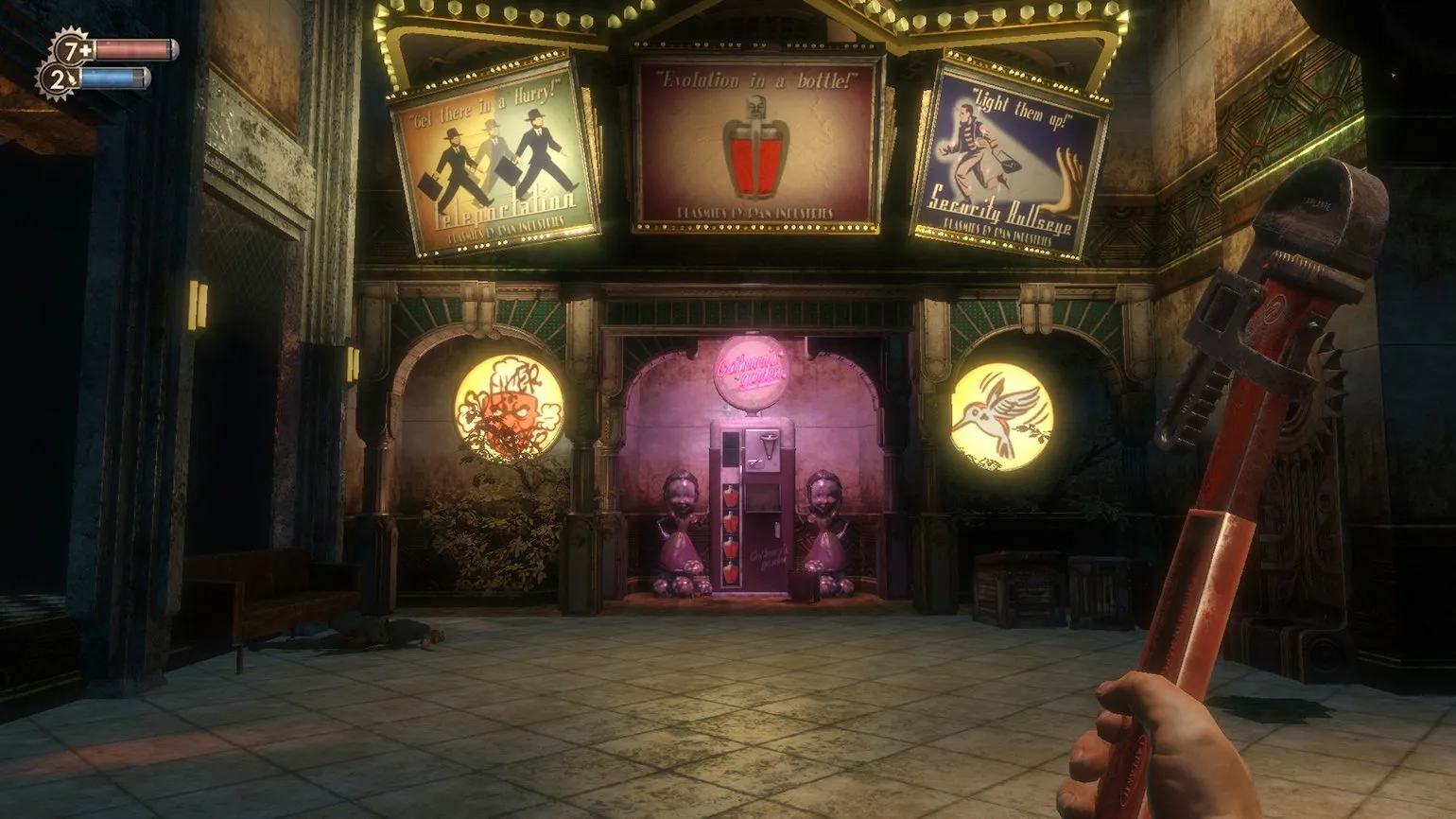
During the development of the first BioShock game, Ken Levine was constantly conflicted between his desire to develop an intelligent action RPG and the need to tailor the project to a general audience oriented toward Halo-style play. His concerns were realized when the team conducted playtesting with casual players shortly before the game's release in 2007. This experience was a significant milestone, demonstrating the critical importance of considering the target audience's preferences when developing complex and in-depth gameplay mechanics. BioShock ultimately achieved a unique blend of action and narrative depth, earning it a cult status in the video game industry.
The results were disappointing: many players were unable to navigate Rapture's labyrinthine and dark labyrinths. One player didn't even realize the game was taking place underwater, forcing the developers to quickly make changes to the lighting and navigation systems. They also had to develop new methods of presenting the story to improve the perception of the game and increase interest in it.
Nightdive Studios' recent remake of System Shock also drew criticism. Journalists and players noted the difficulties encountered in the early stages of the game, as well as the lack of clarity in quest instructions. Confusing logic puzzles also caused frustration, which made progress difficult and detracted from the overall experience.
Only Deathloop was able to address the issue of insufficient player training. Game director Dinga Bakaba formed a dedicated team to develop a three-hour tutorial that explains the game's core mechanics in detail. This approach significantly improved understanding of the gameplay and increased user engagement.
The challenges faced by newcomers to immersive sims are best described by Colantonio. He highlights the genre's unique characteristics and provides valuable tips for successfully immersing yourself in the game's atmosphere. Understanding these aspects will help players adapt more quickly and enjoy the unique experiences that immersive simulators offer.
Many players are likely satisfied, even happy, with the tranquility of more linear, canyon-like games. This format offers a controlled experience with clearly defined boundaries. In these games, players watch cutscenes that tell part of the story, then continue the game, fighting monsters, and return to cutscenes again. However, not everyone shares this approach, and some prefer more open and free-flowing game worlds.
Raphaël Colantonio is the founder of Arkane Studios, a renowned game studio known for its unique projects. Since the company's founding in 1999, Colantonio has played a key role in developing games that are distinguished by their innovative approach and deep immersion in game worlds. Arkane Studios has gained recognition thanks to such successful titles as Dishonored and Prey, which have become iconic in the video game industry. Under Raphaël's leadership, the studio continues to explore new horizons in game design, combining stealth, action, and rich storytelling to create unique and memorable experiences for players.
Long development times are a consequence of all of these challenges. The complex and contradictory nature of Sims requires regular revisions and revisions to initial plans, which significantly increases the amount of additional work. This, in turn, negatively impacts overall project timelines and requires more careful planning and resource management.
Game development is time-consuming. For example, Prey took at least four years to develop. The first BioShock game was developed over five years, and Deus Ex required three years of active work. These timeframes seem enormous, especially given the realities of the late 1990s, when the gaming industry was just beginning to develop.
The lengthy process of game development requires significant financial investment, and there are no guarantees of return. Moreover, complex projects traditionally face low sales. Nearly half of the classic games in this genre failed to live up to expectations and were commercially unsuccessful. These include Vampire: The Masquerade - Bloodlines, System Shock 1 and 2, Dishonored 2, Prey, and Dark Messiah of Might and Magic. These examples highlight the risks associated with investing in complex gaming projects.
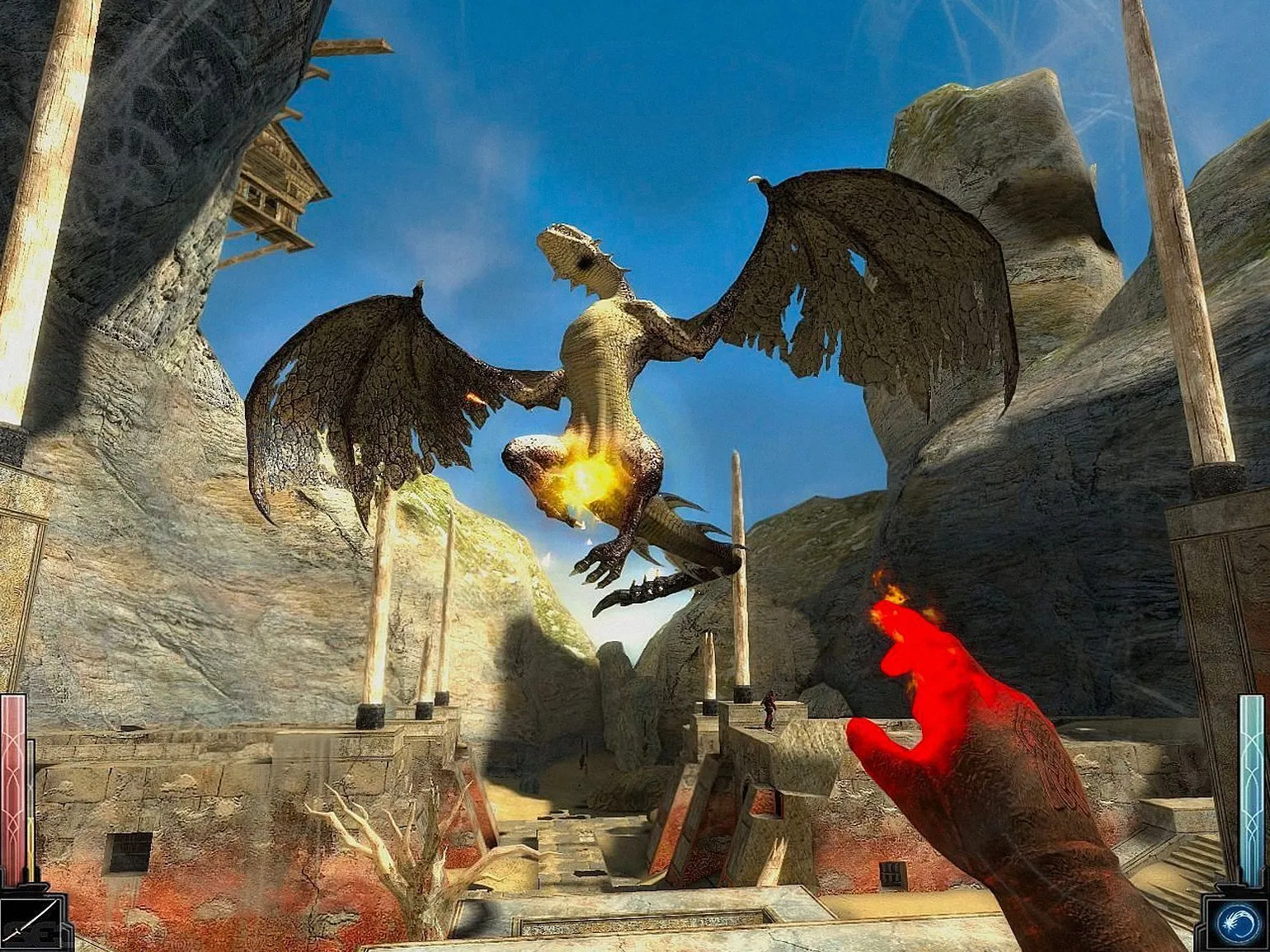
Even the most successful games in the genre often fail to achieve outstanding sales. For example, Deus Ex: Human Revolution sold 2.18 million copies in its first six months, half the sales of Fallout: New Vegas, which achieved the same sales in just one month. This highlights that critical acclaim doesn't always translate into significant commercial success.
The video game industry currently offers numerous large, hardcore projects with long development times and significant budgets. However, many of these games fail commercially, raising questions about whether publishers are satisfied with this result. The answer to this question is likely familiar to many. In a highly competitive environment with rising player expectations, publishers need to rethink their strategies to avoid financial losses and create games that truly resonate in the marketplace.
Creativity vs. Capital
Arkane Austin isn't the first immersive sim developer the video game industry has encountered. Looking Glass, whose team, according to Warren Spector, deservedly held the title of "kings of cult classics," closed in 2000. Looking Glass left a significant mark on the gaming industry, creating innovative projects that influenced the development of the genre. The closure of studios like Arkane Austin and Looking Glass highlights the complex nature of the gaming industry and the constant shifts in player preferences.
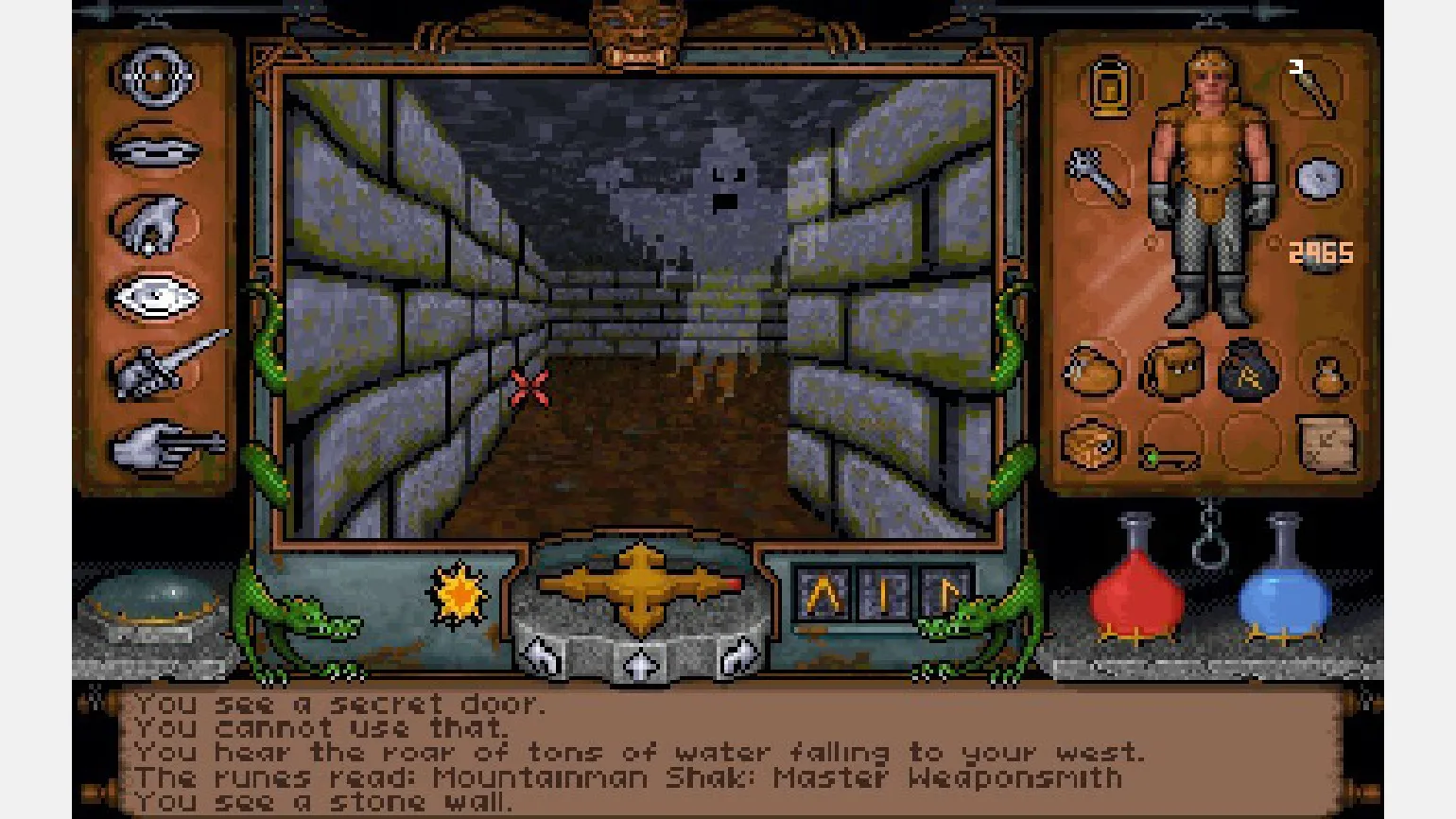
In 1992, Looking Glass released Ultima Underworld: The Stygian Abyss, considered by many to be the first immersive simulator in the gaming industry. Despite successful sales, the studio failed to receive adequate support from its publisher. Looking Glass continued to develop innovative projects like System Shock and Thief: The Dark Project, but sales revenues failed to cover their substantial $2 million budgets, ultimately leading to the company's bankruptcy. Ultima Underworld was a significant influence on the genre and inspired many subsequent projects, but financial difficulties prevented Looking Glass from realizing its full potential.
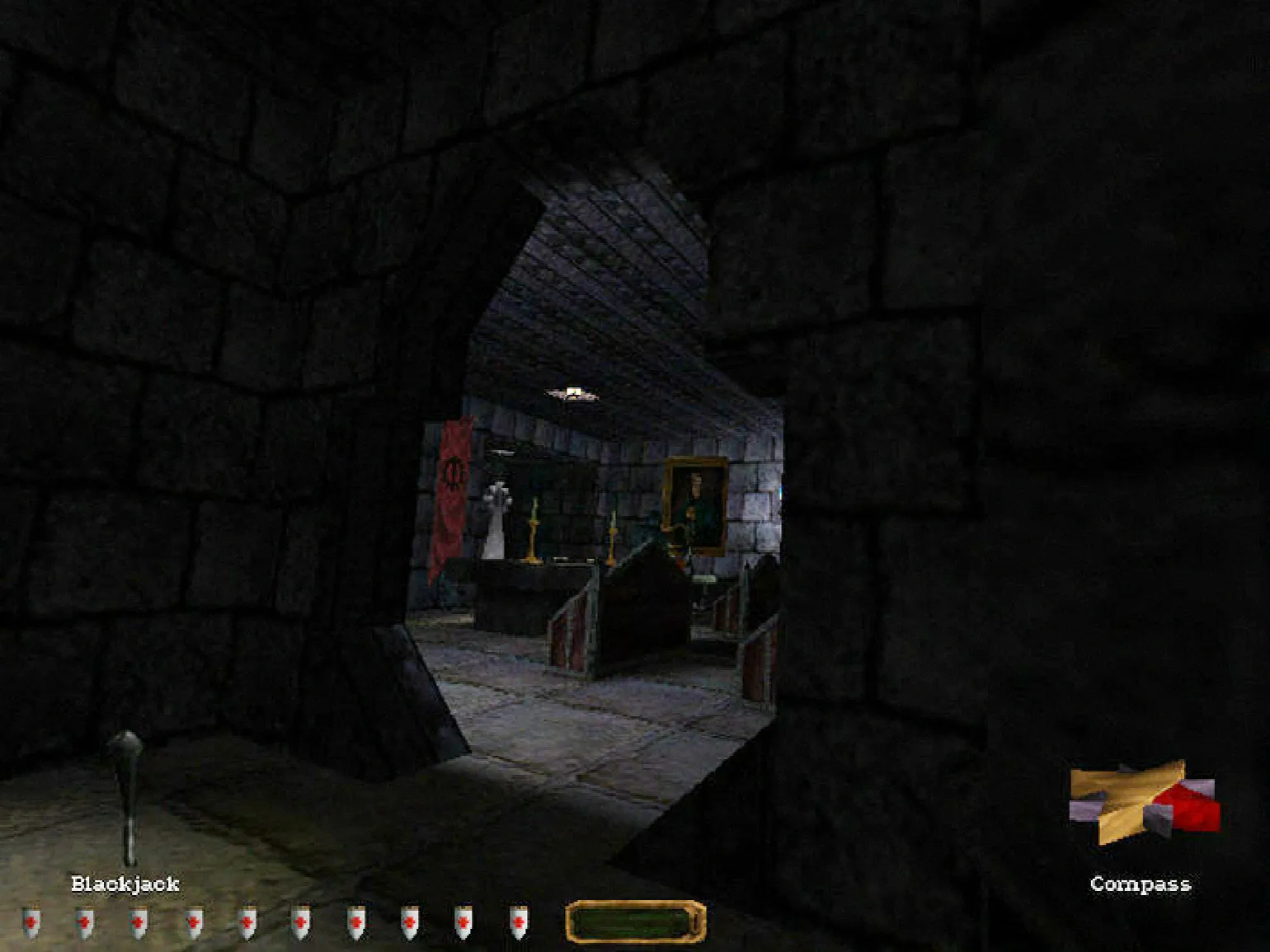
History repeated itself at Troika Games in early 2005, when the studio ceased operations after the failure of Bloodlines. That same year, Ion Storm Austin, the developer of Deus Ex, closed its doors. The departure of Warren Spector, along with disappointing sales of Deus Ex: Invisible War and Thief: Deadly Shadows, led to financial difficulties that prevented the studio from surviving. These events highlight how critical the success of game projects is for the survival of studios and their reputation in the industry.
The struggle between capital and creativity accompanies every new generation of sims. As soon as a genre begins to experience relative prosperity, it is immediately followed by commercial failures and questionable business decisions. This contradiction is an integral part of the development of an industry, where creativity collides with market demands. It's important to find a balance between artistic value and commercial success to ensure the genre's sustainability and further evolution.
Following the closure of Ion Storm Austin, the rights to the Deus Ex franchise were transferred to Eidos Montreal. They successfully released Human Revolution, which received positive reviews from both critics and players. However, the sequel, Mankind Divided, failed to meet sales expectations, leading to the series being shelved. As a result, the developers switched to creating games based on Marvel Comics. Thus, the fate of Deus Ex remains uncertain, and its devoted fans hope for a revival of the beloved series in the future.
In 2013, Irrational Games, known for creating System Shock 2 and the BioShock series, closed its doors. The company's most recent game, BioShock Infinite, was its most successful project. However, its creation was accompanied by five years of difficult trials, during which the developers had to abandon many of the initial ideas and change the concept of the game from an RPG element to a shooter.
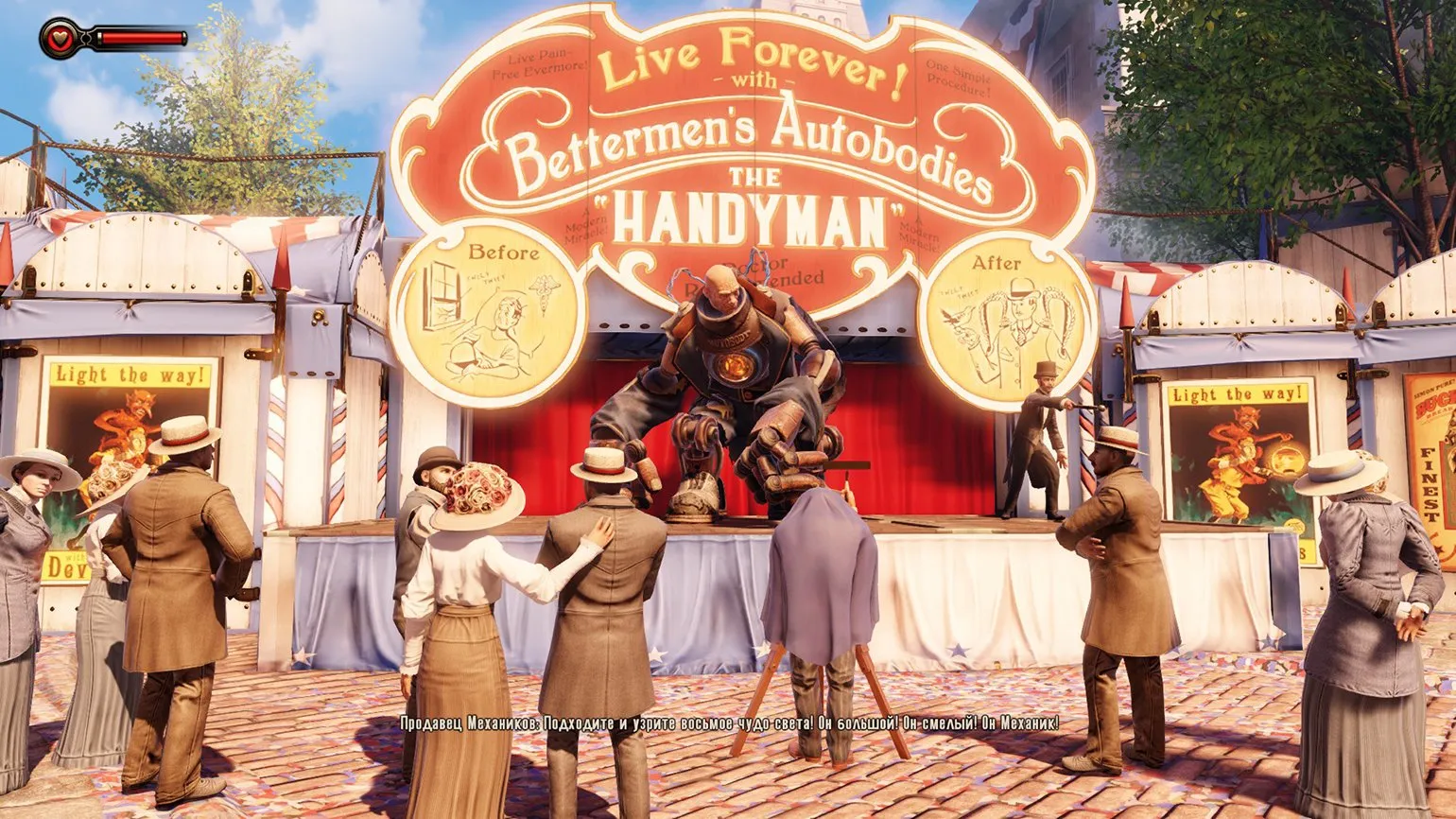
Company founder Ken Levine, tired of the intense work process, decided to leave the team. According to him, this is necessary for the preservation of mental health, family relationships, and the ability to focus on smaller, more experimental projects. Publisher 2K, realizing that without its leader, the Irrational Games studio is losing its value, decided to close it.
For many years, Arkane Studios remained the last stronghold of the genre. It was here that developers from Irrational Games and Ion Storm gathered for a long time, creating games that they loved. However, in recent years, Arkane's future has become uncertain. The studio is facing challenges that call into question its continued existence and creative potential. It's important to monitor developments to see if Arkane can maintain its uniqueness and continue to delight players with high-quality titles.
In 2016, the first warning sign for the Arkane series sounded when Dishonored 2 underperformed the first game in its first week of release. This forced the developers to put the series on hold. In 2017, the situation worsened further: Prey sold 60 percent less than Dishonored 2. Recognizing the need for change, Arkane decided to create a more accessible title for a wider audience, which ultimately led to the development of Redfall.
After the game's release, journalist Jason Schreier published an investigation detailing its chaotic development process. According to his information, in the late 2010s, ZeniMax, the owner of Arkane, tasked its divisions with integrating multiplayer elements into new titles. This decision was aimed at enabling monetization through microtransactions. This approach changed the original concept of the game and influenced its final result.
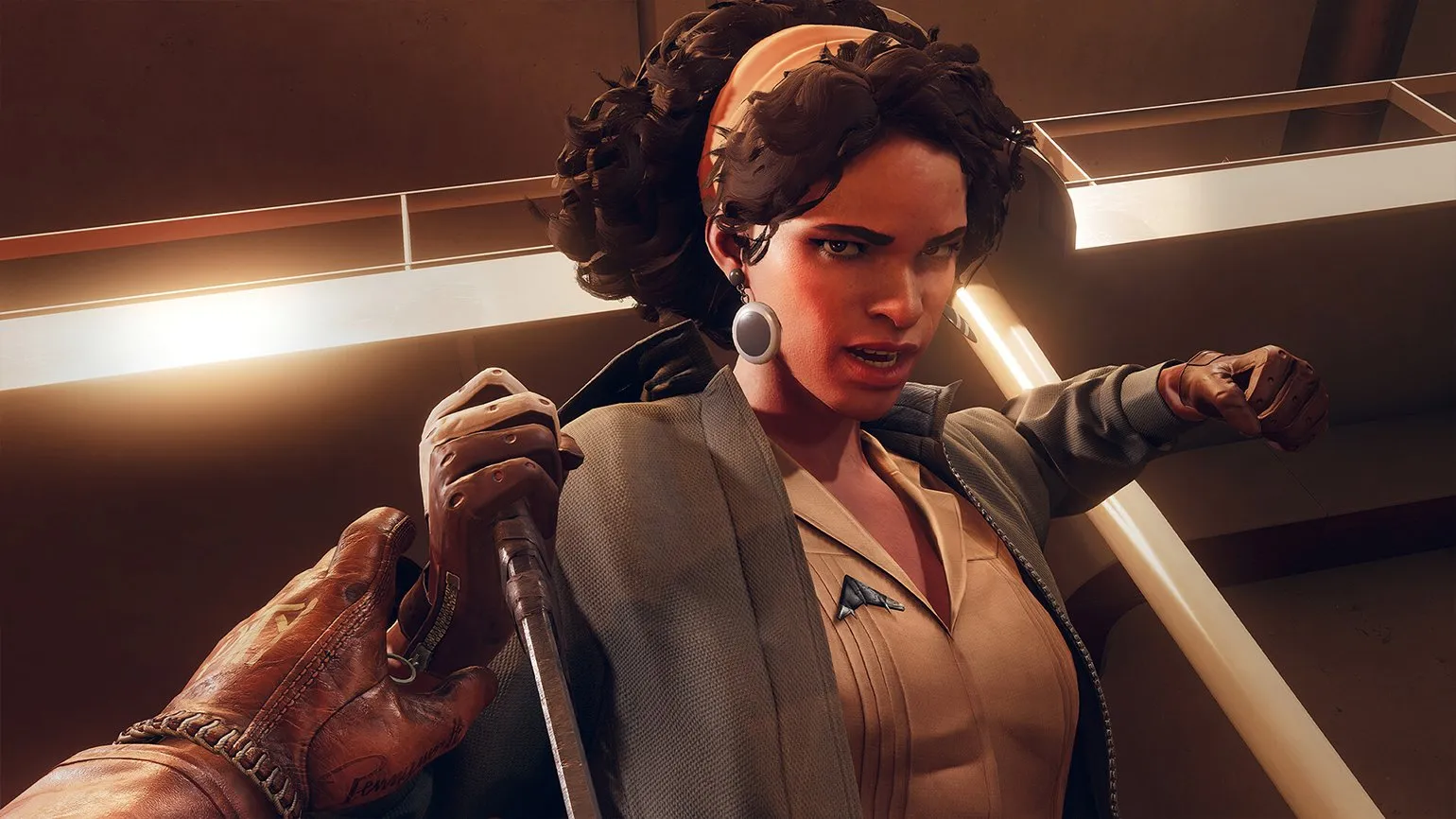
Harvey Smith and Ricardo Bare developed a co-op shooter in which players fight vampires and collect loot, as well as purchase cosmetic upgrades. Despite initial plans to include microtransactions, they were removed several years before release. However, the game's concept remained the same, and the main problem—a lack of developers with experience in creating multiplayer projects—was also not resolved.
The situation had serious consequences not only for Redfall, but also for Arkane Austin. According to Schreier, about 70 percent of the team that had previously worked on Prey left during the project's development. The recruitment problem was exacerbated by the fact that the studio was primarily staffed by people who wanted to create single-player games. This negatively impacted the development process and the final product.
Several years before the game's release, the developers decided to abandon microtransactions, but this didn't save Redfall. The promised "Arkane magic" that Smith and other game designers had hoped for never materialized. As a result, the studio released a product that was unpolished and a mixture of contradictory trends. This has once again sparked discussions about the possible demise of immersive sims.

The situation is truly dire: the genre's last stronghold has fallen under the pressure of big business. However, it's not worth talking about the veracity of this statement, as we are most likely on the brink of a new heyday of immersive simulators. This process is now unstoppable, despite the limiting framework of gaming blockbusters. There are at least two reasons that support this optimistic view of the genre's future.
Outside the Cage
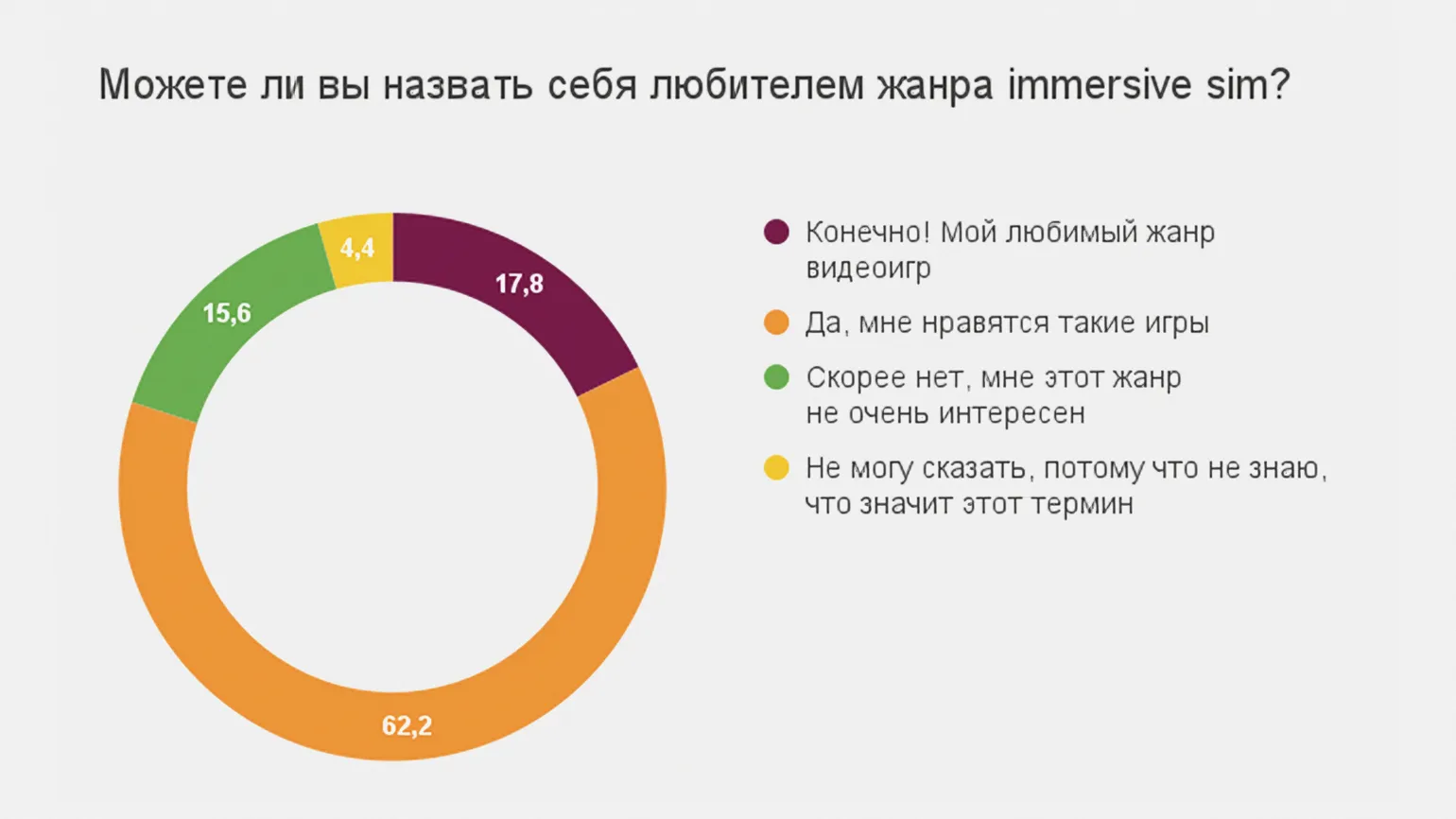
Before analyzing this text, we conducted a survey among subscribers of the Skillbox Media "Gamedev" editorial team's Telegram channel. The purpose of the survey was to determine the audience's level of familiarity with the genre and their attitudes toward it. The survey results are available for review. Хотя выборка не является обширной, на основе полученных данных можно сделать определенные выводы о восприятии жанра среди нашей аудитории.
Мы задали нашим читателям вопрос о том, какие игры они считают симуляторами. Ответы оказались весьма разнообразными. Среди упомянутых игр и серий можно выделить S.T.A.L.K.E.R., Alien: Isolation, Pathologic 2, Cyberpunk 2077, Half-Life, Gothic, Divinity: Original Sin, а также последние части The Legend of Zelda. Эти названия отражают широкий спектр жанров и стилей, что подчеркивает интерес пользователей к уникальным игровым опытам.

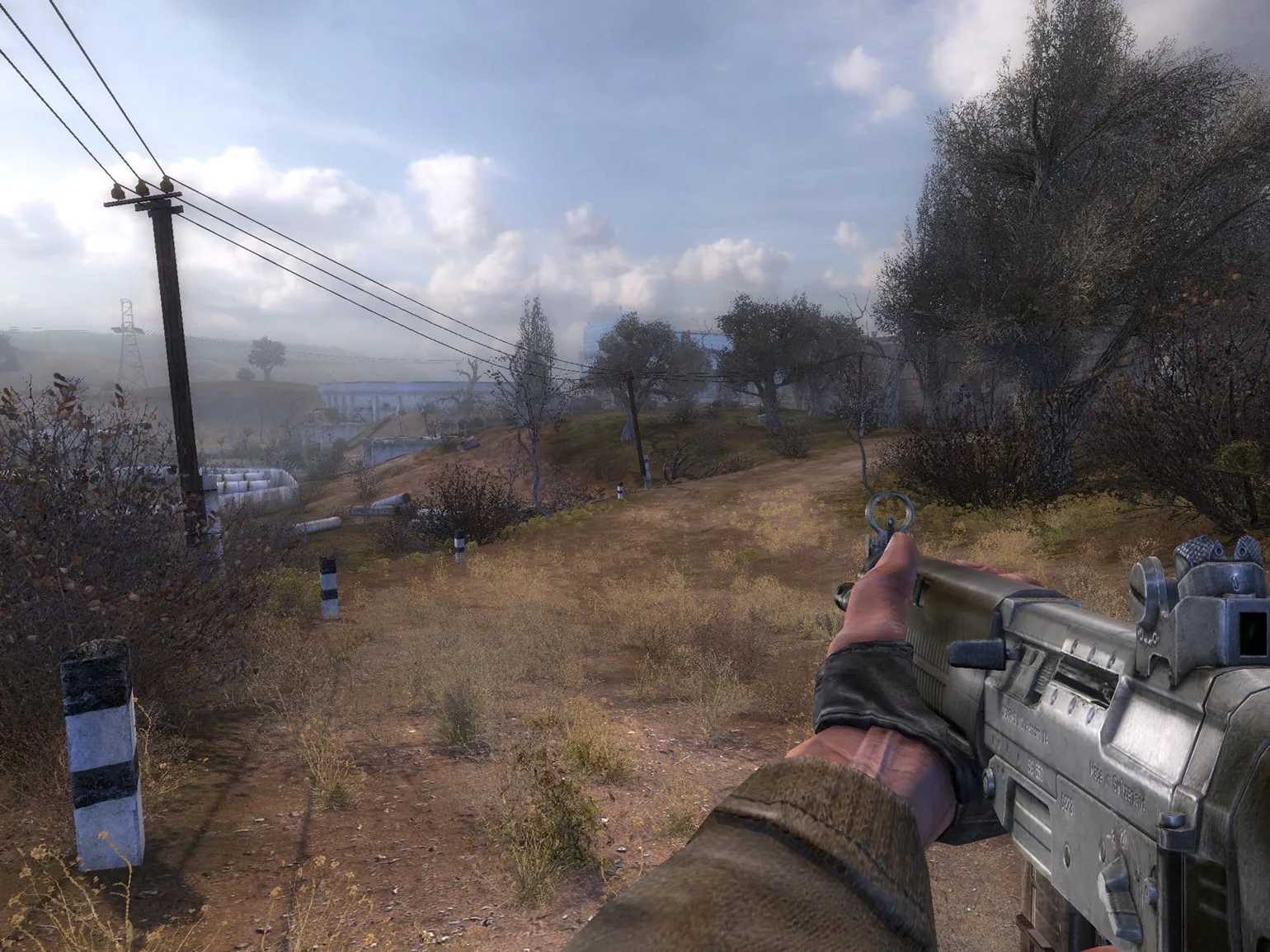
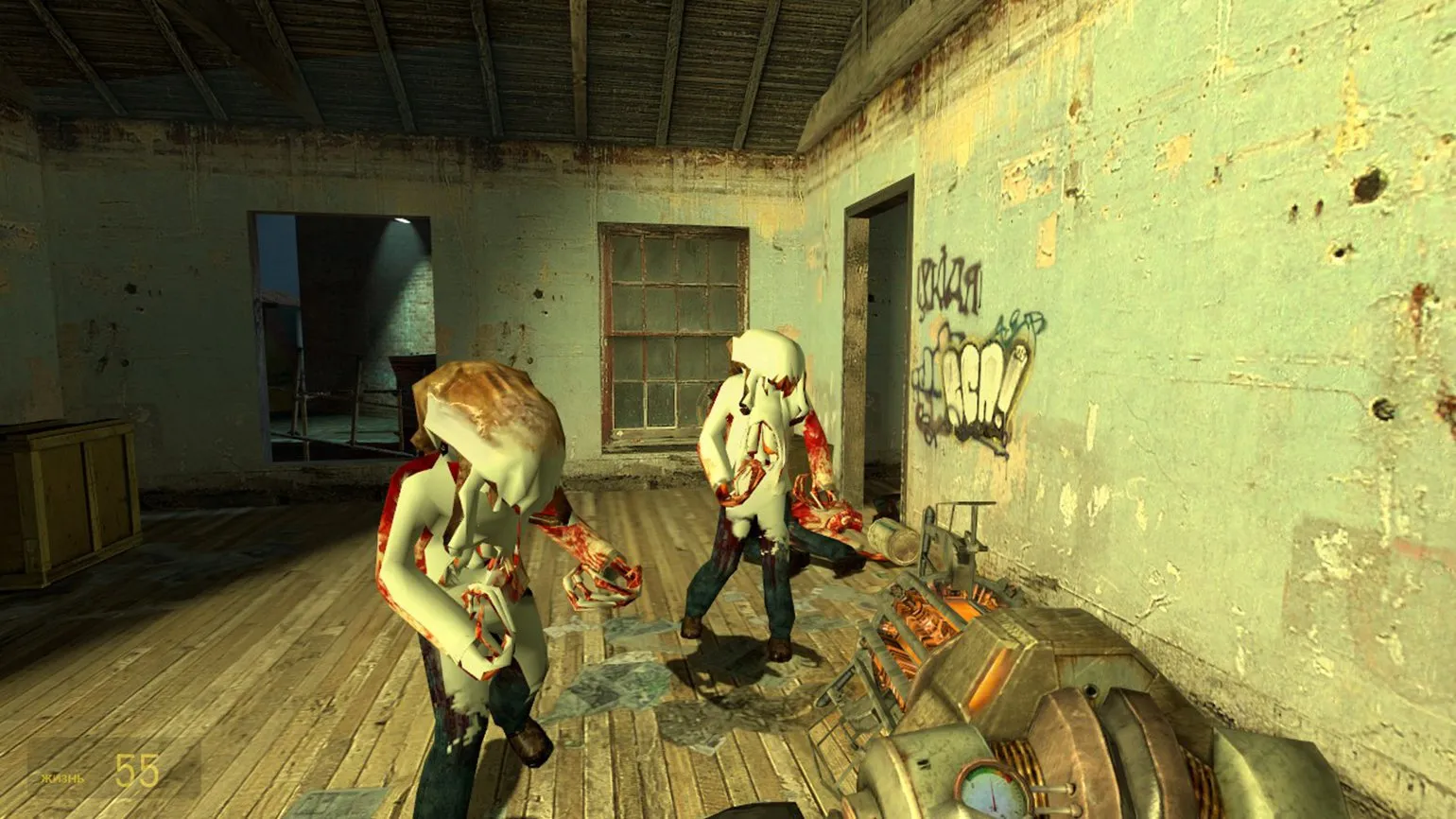
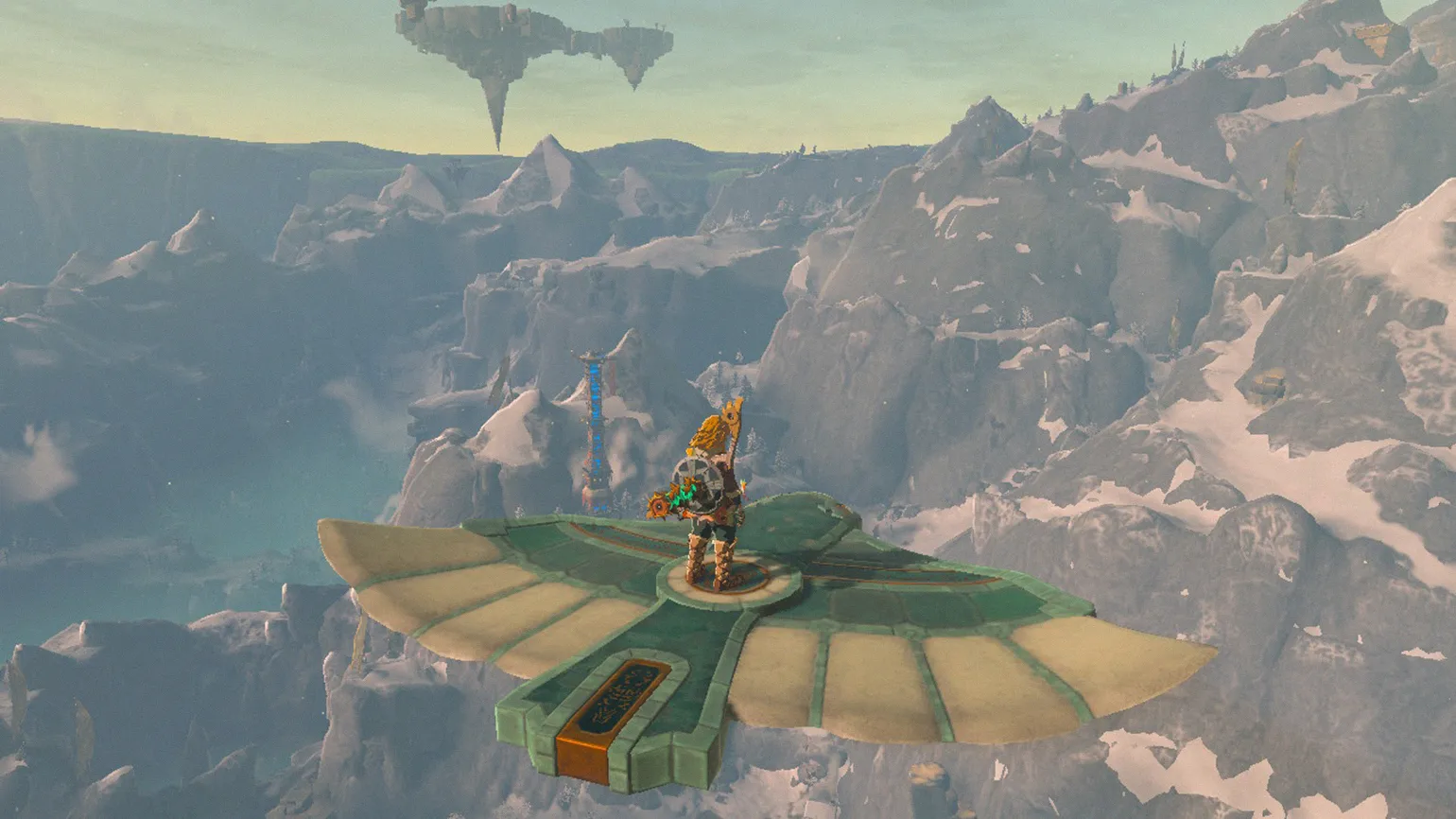
At first glance, video game genres may seem diverse: open-world action, linear shooters, RPGs, and horror. However, in fact, they have much in common, as most of them share three key qualities that most attract players to immersive simulators. These qualities create a unique gaming experience, allowing you to immerse yourself in the game world and experience exciting moments.
- Gameplay variety. By this, players understand both the freedom to choose the route and methods of progression, and the overall variety of mechanics.
- Interactive game world. Players enjoy it when the game offers many opportunities to interact with the environment and receive feedback on their actions.
- A well-developed universe. According to our respondents, system mechanics and freedom of choice work best when they foster immersion in an interesting, unusual setting.
It's important to pay attention to the other characteristics we mentioned at the beginning of the text. This is where the fun begins. Each of these characteristics plays a key role and can significantly influence your perception and choice. Don't underestimate their importance, as they can become decisive factors in your decision. Let's take a closer look at how these characteristics interact with each other and what value they provide to the end user.
The genre boundaries of role-playing games are largely determined by the context of the era in which they emerged and developed. For a deeper understanding of this context, it is worth paying attention to Warren Spector's article "Who Forgot Role in Role-Playing Games?", published in 1998. In this article, the author raises important questions about the meaning of role-playing elements in games, which helps to better understand the evolution of role-playing games and their place in the gaming industry. Analyzing the influence of cultural and technological changes on the genre's development, one can see how role-playing games adapted to the demands of the times and player expectations, shaping their unique characteristics.
In the article, the game designer expresses dissatisfaction with the trends characteristic of role-playing games of the time, such as The Elder Scrolls 2: Daggerfall and Ultima 7. He notes that these games offered vast but often empty open worlds, complex and cumbersome leveling systems, and an excessive focus on combat, which negatively impacted other aspects of the gameplay. These issues remain relevant in modern games.
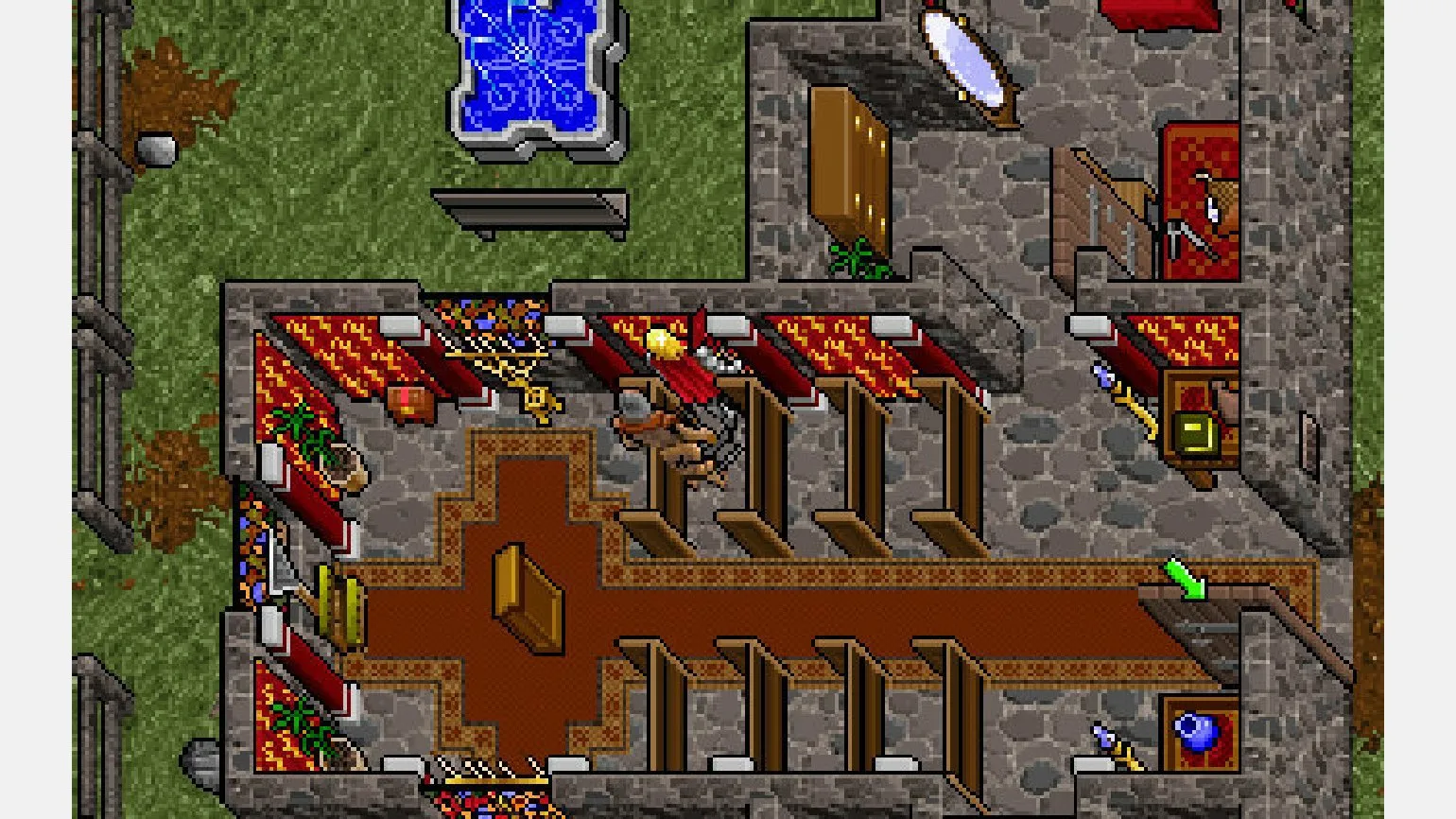
Immersive Simulators have become a response to modern trends in the gaming industry. They offer players small but dense locations instead of vast open spaces. Instead of endless combat, the emphasis is shifted to stealth, persuasion, bribery, and hacking computers and safes. Instead of numerous abilities and characteristics, players are presented with an interactive environment and a limited set of tools. Blogger Alexey Lutsai compares this set to a Swiss Army knife, as its capabilities can be adapted depending on specific goals in the game. This approach makes gameplay more engaging and varied, allowing players to use creativity and strategic thinking. The Thief and Deus Ex series stood out from other RPGs and action games of the late 1990s and early 2000s thanks to their unique gameplay mechanics and deep storytelling. However, the gaming industry has evolved significantly since then, and elements characteristic of these franchises have begun to be actively integrated into other genres. This has led to the creation of more complex and multi-layered gaming experiences that appeal to a wider audience and set new standards for game development.
The creators of the original S.T.A.L.K.E.R. trilogy acknowledged the influence of games like Deus Ex and System Shock. This legacy is evident in RPG elements, including the faction system and the A-Life artificial intelligence. Thanks to A-Life, NPCs continue to lead their lives even when the player is not observing them. These aspects make the world of S.T.A.L.K.E.R. more vibrant and interactive, immersing the player in a unique post-apocalyptic reality.
The classic games inspired the level design of Cyberpunk 2077, which emphasizes verticality and a variety of paths. Even The Elder Scrolls: Arena, which began the popular series, borrowed ideas, such as the first-person perspective, from Ultima Underworld. While four years later, such games would become examples of the genre's shortcomings for Spector, their influence on development remains undeniable.
While there is no concrete evidence that The Legend of Zelda team drew inspiration from life simulators when developing Breath of the Wild and Tears of the Kingdom, the gameplay of these projects is indeed built around an interactive world. The creators of the games follow a philosophy similar to Arkane's approach, striving to give the player the opportunity to explore and interact with the environment as often as possible.
While these games don't fully meet the criteria of life simulations, they have their limitations. As Deathloop game director Ding Bakaba noted, the Zelda developers don't always explain the presence of Shrines—mini-dungeons with puzzles—in the game world. Nevertheless, these games were able to convey the essence of the genre and attract the attention of a wide audience.
About ten years ago, roguelikes went through a similar process. These games were long confined to the genre's limitations, but then Spelunky and The Binding of Isaac came along. These projects removed all the unnecessary elements, leaving only the core elements: procedural generation and permadeath. As a result, hardcore games became unexpectedly popular and attracted a wide audience.
In recent years, the Hitman series of stealth action games has been classified as life simulations. While these games lack a first-person perspective and unique combinations like 0451, they offer expansive and detailed sandbox levels. Players control Agent 47, who has multiple ways to reach and eliminate his target. These aspects make the game engaging and varied, offering players the opportunity to adapt their strategies depending on the situation.
Hitman confirms that immersive sims are not the narrow genre they might first appear. Since the series' relaunch in 2016, its popularity has grown significantly. At the end of 2021, IO Interactive announced that the new trilogy had reached 50 million players. Against this backdrop, BioShock remains relevant: despite the fact that ten years have passed since the release of the last game, it continues to occupy the spotlight. In 2022, series publisher Take-Two reported that BioShock's total sales reached 41 million copies. This information underscores the enduring interest in immersive simulators and their importance in the gaming industry.
Immersive simulators are significantly popular among our readers: 62 percent of respondents in our survey indicated they prefer games of this genre, and nearly 18 percent named immersive simulators as their favorite. Importantly, the majority of survey participants are gaming industry professionals and those aspiring to join the industry. However, even taking this factor into account, the survey results highlight that the immersive sim genre has a much wider audience than it might seem at first glance.
Dishonored and Prey disappointed their fans with low sales, and The main reason for this can be attributed to ineffective marketing. Despite the high quality of the games and their unique concepts, insufficient advertising support prevented them from attracting a wide audience. The importance of competent promotion in the gaming industry cannot be underestimated, as even the most outstanding projects can go unnoticed without proper advertising.
Large publishers often face difficulties in selling games, especially when their marketing strategy does not correspond to the essence of the product. A prime example is Dishonored 2, whose trailers presented the game as a dynamic action game, although in fact, it is focused on thoughtful stealth gameplay. In the context of Arkane and their work, publisher Bethesda employed a questionable policy towards critics, limiting their access to the game until the day of release. This can negatively affect the perception of the game and reduce its chances of success in the market.
Similar problems have been encountered by other game studios. For example, Vampire: The Masquerade — Bloodlines was released in an unfinished state on the same day as Half-Life 2, negatively impacting its reception. Furthermore, the first Ultima Underworld faced a lack of marketing support after failing to become an instant hit on release day. These examples highlight the challenges developers face when launching games and the importance of meticulous pre-release preparation. Errors or publisher distrust of a game's potential negatively impacted sales even before audiences had a chance to appreciate the developers' vision. These projects ultimately became cult classics, but the studios that created them often faced bankruptcy and closure. Lack of confidence in a game's success deprives it of a chance for recognition and makes its fate a foregone conclusion, which highlights the importance of supporting creative ideas in the video game industry.
In recent years, indie game creators have found effective ways to bypass major publishers, giving them the creative freedom they desire. This independence allows developers to implement unique ideas and experiment with game mechanics, which, in turn, leads to the creation of original content. Indie games are becoming increasingly popular, and their success confirms that audiences value innovation and individuality in gameplay.
Back to Roots
After Raphaël Colantonio's departure from Arkane, he wasted no time and founded a new studio, WolfEye, at the end of 2019. The team includes twenty people, most of whom are also former Arkane employees. The creation of WolfEye was an important step for Colantonio, who continues to develop his ideas and approaches to game design.
Colantonio's plan was to continue developing immersive simulations with a small team, avoiding the pressures associated with large budgets and major publishers. This strategy would allow him to focus on the creative process and maintain the high quality of his games, which is essential for attracting loyal players and creating unique gaming experiences. A resource-constrained approach opens up new opportunities for innovation and experimentation, which in turn can lead to the creation of marketable products.
We have a high level of enthusiasm and ambitious goals, and we strive to create a game that will be interesting and engaging for users. At the same time, we can afford to experiment more and take risks without the same level of concern for commercial success as with AAA games. Our goal is to develop a unique product that resonates with players and leaves a significant mark on the gaming industry.
Raphaël Colantonio is the founder of the renowned game studios Arkane and WolfEye. His contribution to the video game industry is invaluable, having played a key role in the creation of such iconic titles as the Dishonored series and Prey. At Arkane, Colantonio oversaw the development of games that combined a unique art style and deep storytelling, making them popular with players and critics alike. After leaving Arkane, he founded WolfEye, where he continues to develop his ideas and aspirations in game design. Colantonio's work is distinguished by innovative mechanics and attention to detail, making him a significant figure in the world of video games.
The game designer decided to transition to indie development, seeking more opportunities for creative experimentation. This move allows him to realize unique ideas and implement unconventional concepts in his games. Indie development opens up new horizons for self-expression and fosters the creation of original game content.
The first result of his work was a fantasy Western called Weird West. This project is an anthology that reveals the stories of five unique characters. Among them are a bounty hunter seeking revenge for her murdered son and a pig-man suffering from amnesia. Weird West offers a captivating blend of genres, immersing the viewer in a world where magic and the harsh reality of the Wild West intertwine to create unforgettable adventures and emotional stories.
This game is significantly different from the previous projects of its developers. It is designed from an isometric perspective and offers an open world divided into zones. The unusual narrative structure and the ability to form your own party make it more similar to Baldur's Gate than Dishonored. This approach opens up new horizons for gameplay and allows players to become more deeply immersed in the world and its story.
The core of Weird West's immersive sim remains unchanged. The project features varied gameplay and an interactive environment that encourage creative problem-solving. Players are immersed in a unique universe where the cinematic Wild West harmoniously blends with witch cults and undead invasions. This combination creates a rich gaming experience and opportunities for experimentation.
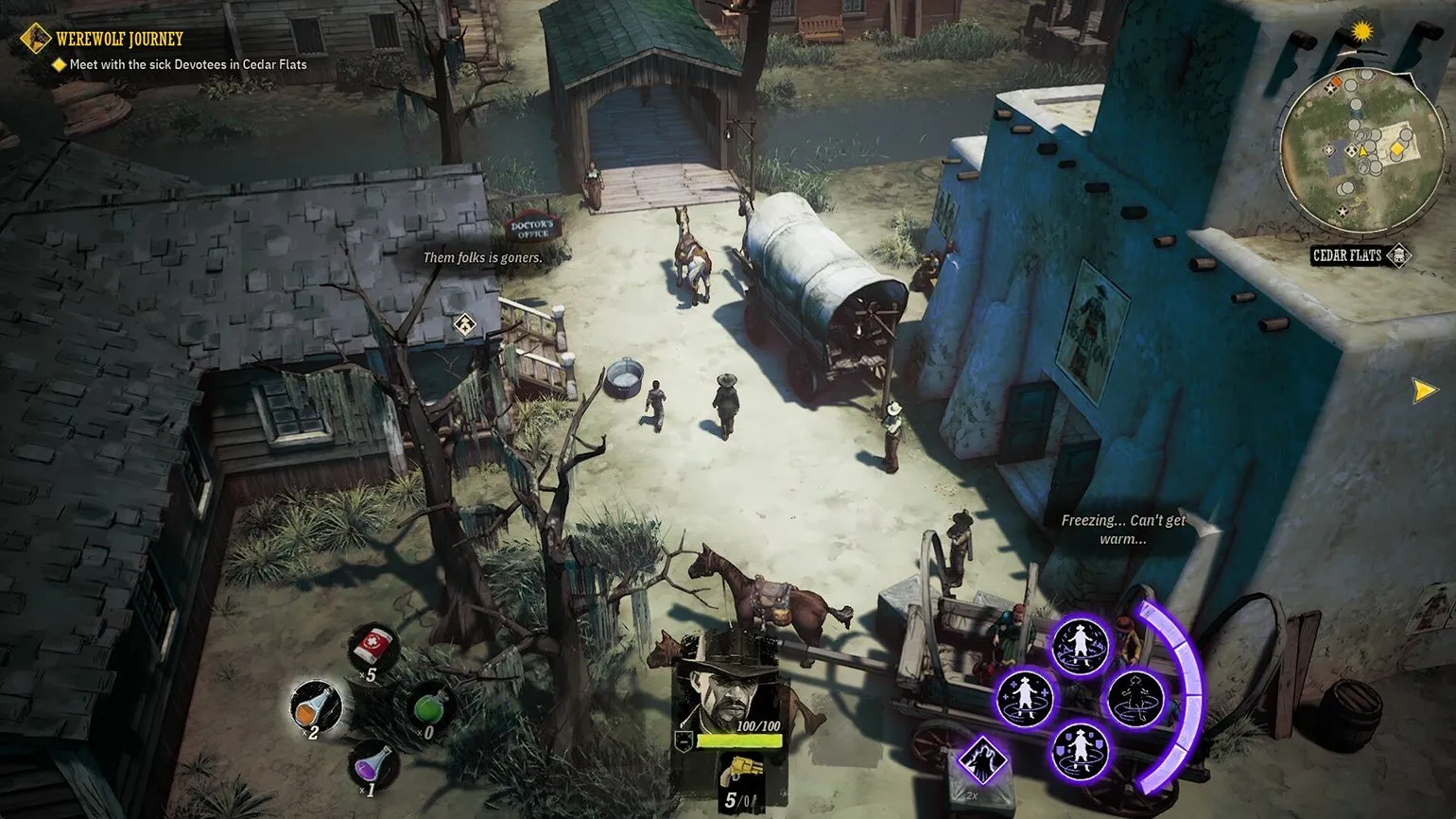
Not All aspects of the game work as expected; many reviewers point out bugs and complex resource management. Nevertheless, WolfEye Studio has demonstrated that independent developers are capable of creating large and complex projects.
Over the past 15 years, a powerful infrastructure for indie developers has been created, significantly simplifying the process of creating and promoting games. Licensed engines like Unreal Engine provide developers with access to modern technologies and tools. Digital game sales platforms provide convenient distribution channels, and experienced publishers know how to effectively promote independent teams' projects. These factors contribute to the growth of indie games and the expansion of their audience.
The simulation genre is increasingly being turned to not only by industry veterans like Colantonio, but also by young indie developers. This trend indicates a growing interest in simulators, which attracts new creators due to their flexibility and variety of possibilities. Indie developers bring fresh ideas and unique concepts, which contributes to the development of the genre and its popularity among players.
Finnish artist Ville Kallio became known for the game Cruelty Squad, released in 2021. This game is a unique interpretation of the Hitman series, passed through the prism of the author's unique artistic vision. The Cruelty Squad universe is a capitalist dystopia, evident in every element of its acid-meat aesthetic. Bright, garish colors, abstract level design, and a haunting electronic soundtrack create a unique atmosphere, reflecting the game's grim mechanics. Cruelty Squad draws attention to social and economic issues through unconventional approaches to gameplay and visual style.
In this world, you carry out contract killings for an international corporation while simultaneously trading stocks on the stock exchange. You are transformed into an ideal killing machine with the help of implants and communicate with the inhabitants of this unusual universe, who are obsessed with earnings and continuous consumption.
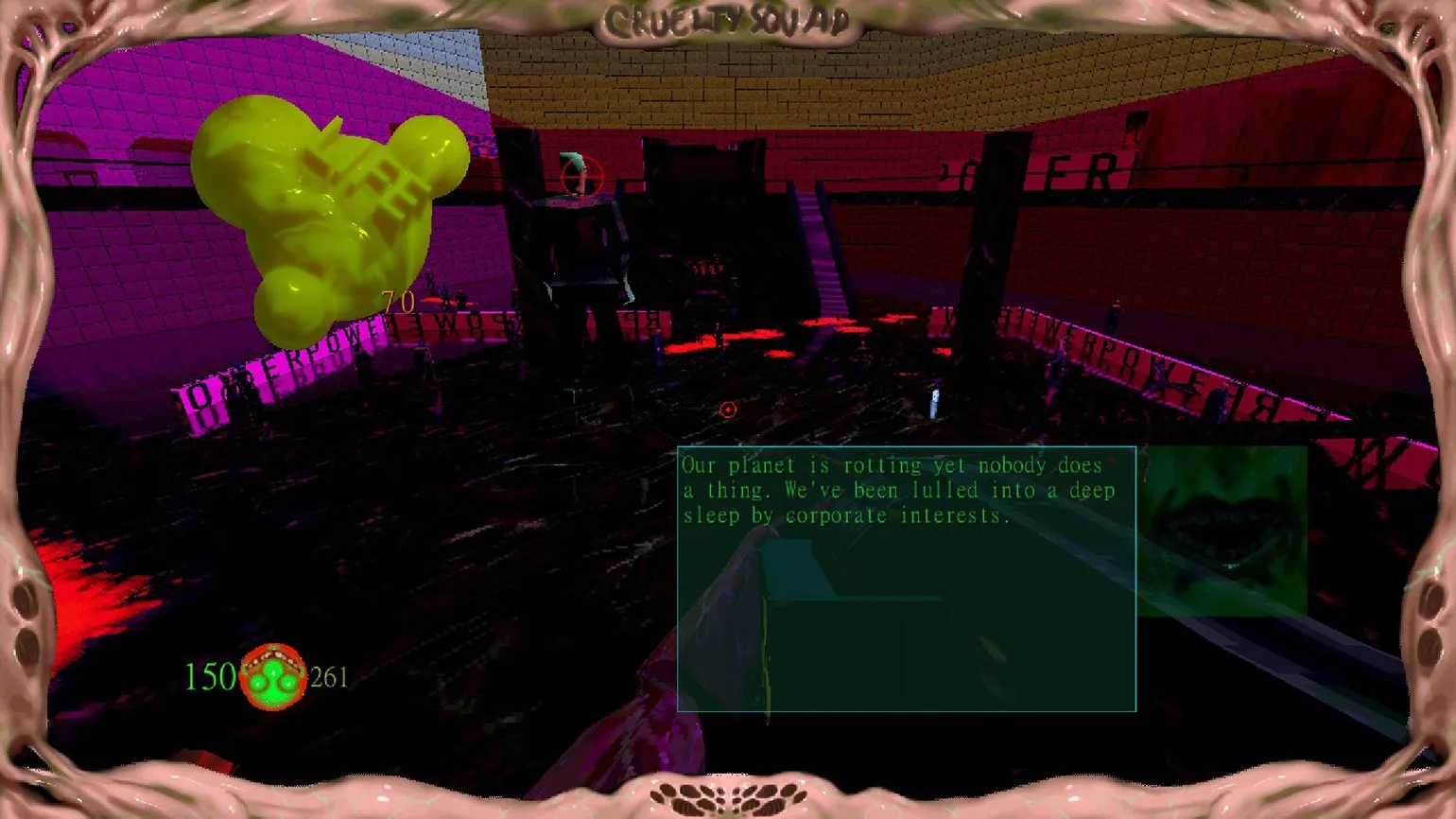
Cruelty Squad exaggerates familiar simulation elements to highlight the darker aspects of modern capitalism. In this game, you can become an affront to human nature by consuming corpses to restore health. During shootouts, innocent people die, and for their deaths, you receive additional money. This provocative approach makes you think about the cruelty and immorality inherent in modern society.
A complete contrast to Cruelty Squad is the restrained Gloomwood from Dillon Rogers and David Szymański, the creators of the popular shooter Dusk. In their new project, the developers retain the visual style of games from the PlayStation 1 and 2 eras, but this time they are inspired by classics of other genres, such as stealth (Thief) and survival horror (Resident Evil). Gloomwood offers a unique gaming experience, combining elements of atmospheric exploration and tense gameplay, making it appealing to fans of the genre.
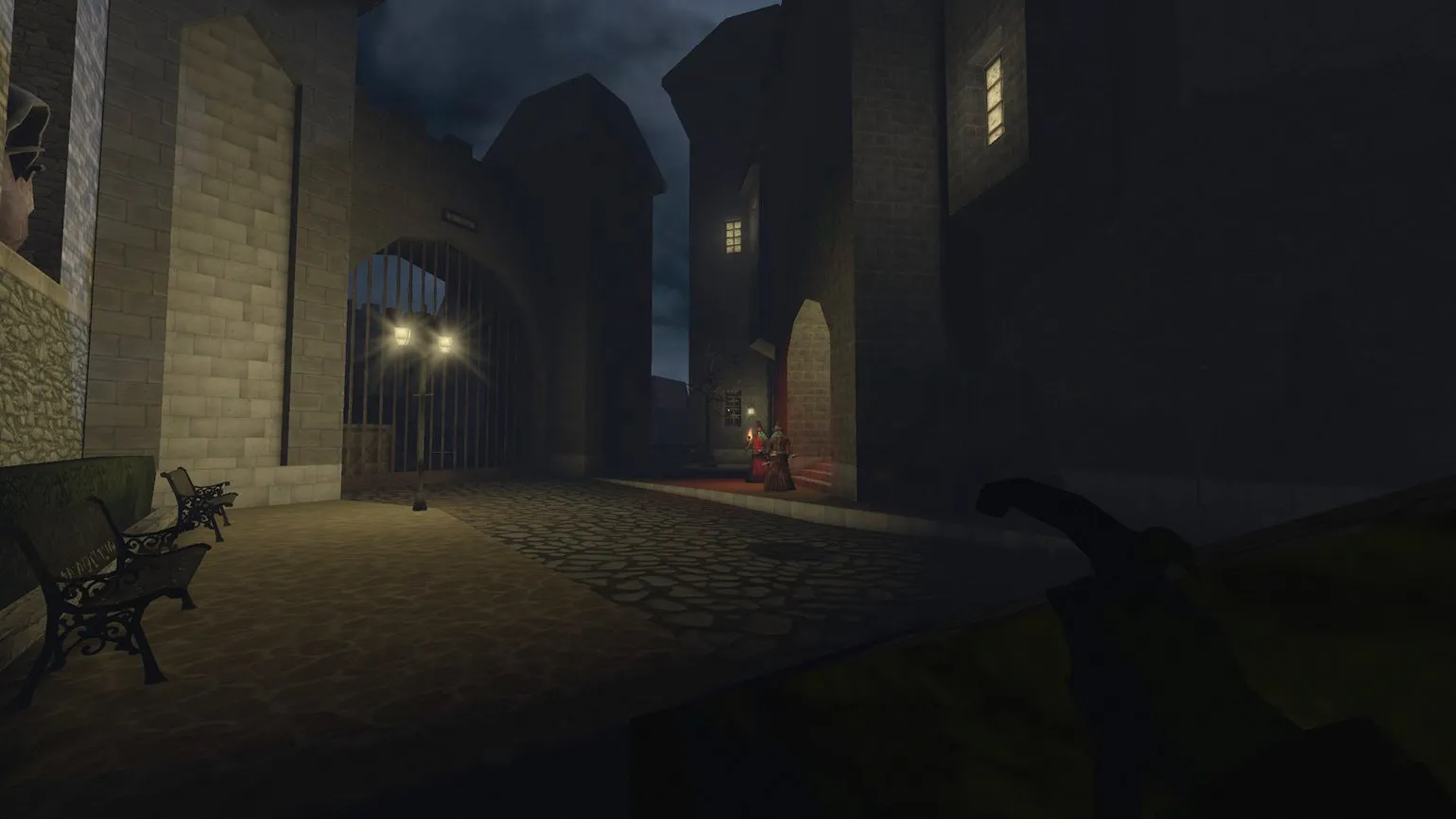
A game like Thief emphasizes stealth and a tactical approach to eliminating opponents. You strive to operate stealthily, avoiding noisy surfaces like iron panels and tiles. Instead of direct confrontation, you solve problems indirectly: setting traps in the path of enemies or extinguishing light sources using water bullets from a silenced pistol. This allows you to remain in the shadows and maintain a strategic advantage, which makes gameplay more engaging.
Using various strategies becomes necessary, as your advantage quickly fades in open combat. Enemies, including passionate hunters and giant bats, inflict significant damage in just a few hits. A constant shortage of resources and inventory space is felt. The game can only be saved at gramophones, which serve the same function as typewriters in Resident Evil. These elements add tension and require careful resource management and combat tactics.
Gloomwood is currently in Early Access and offers players several starting locations. The available content allows for 7-8 hours of gameplay.
One of the most innovative indie games, Shadows of Doubt, is now available in Early Access. This creation from ColePowered Games strives to realize Warren Spector's dream game concept. Shadows of Doubt is an RPG set within a single city block. Although the game features multiple city blocks—usually three or four—it still strictly adheres to the principles established by the founders of the sim genre. This game offers players a unique experience, combining open-world elements with a detective storyline and the ability to explore every corner of the virtual city.
In this game, you play as a private detective investigating murders in a neon-lit city. Your goal is to solve crimes and earn a comfortable retirement. The game's key feature is a detailed simulation of life in this city, where every action and choice influences the development of the plot. Immerse yourself in an atmosphere full of mystery and intrigue, and uncover the secrets that this amazing city hides.

Citizens go to work every morning and return home in the evening. Products on store shelves are more than just decorative elements; they can be purchased, paid for, and used. Security systems in buildings can be hacked, allowing access to cameras, lighting, and doors. Documents received via email require a stamp to be saved in your inventory. However, by detecting information about an impending crime early, you can prevent it from happening. Effective crime prevention requires vigilance and a willingness to act.
Shadows of Doubt impresses with its ability to create a detailed game environment while maintaining balance and narrative. This is achieved through the use of procedural generation algorithms that recreate both the city itself and its inhabitants, as well as the crimes players will investigate in each new game. This approach provides a unique gaming experience and endless variety, allowing each player to immerse themselves in a captivating world where every investigation becomes unique.
The narrative in the gameplay emerges naturally through the interaction of the game's systems. One day, I found myself beaten by a suspect after breaking into her apartment and running into her at the most inopportune moment. Then, I frantically ran through the winter city looking for bandages to stop the bleeding, until I remembered there was a clinic nearby where I could buy them. These small moments become the backbone of your story, adding depth and realism to the gameplay.
When analyzing all four works - Weird West, Cruelty Squad, Gloomwood and Shadows of Doubt - it becomes clear how different they are from each other. Each game offers a unique approach to gameplay, visual style and atmosphere. This diversity allows players to choose the game that suits their interests and preferences.
Immersive simulators have long faced the problem of monotony. Examples of games like BioShock and Dishonored demonstrate different approaches and genres, but in their design they often use similar elements of gameplay, story, lore and interface. This means that someone unfamiliar with these projects might mistakenly believe they were developed by the same studio. Despite the diversity in mechanics and themes, common features make them similar, which can reduce interest in the genre as a whole.
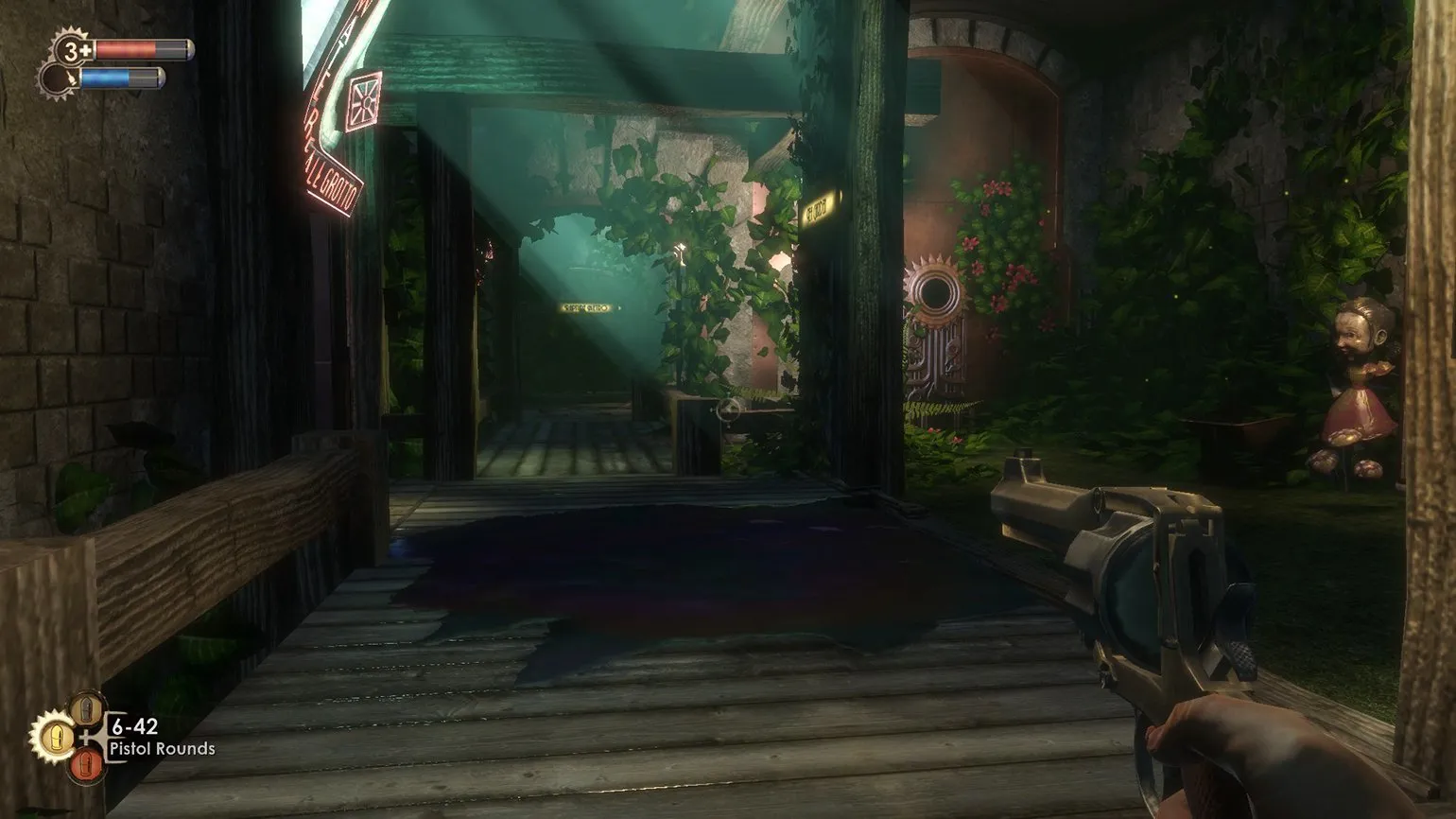
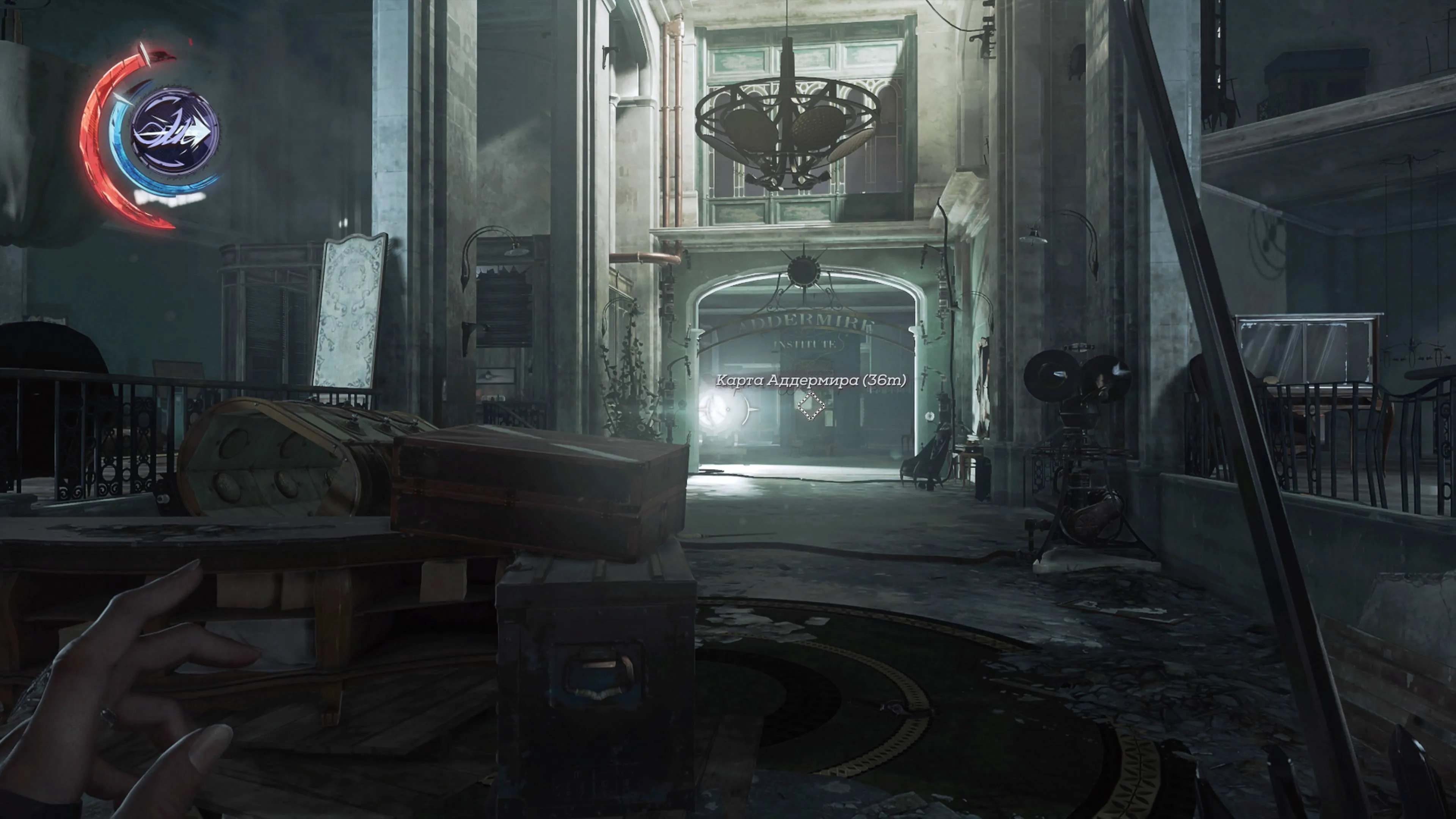
The four games mentioned above can be said to have successfully overcome the strict conventions that have long held back the development of simulation games. For example, Weird West offers a unique perspective on the world and characters, allowing players to appreciate them from a heightened perspective. Meanwhile, Cruelty Squad breaks traditional notions of verisimilitude, but both games contribute to the evolution of the genre, opening up new horizons and opportunities for players.
Indie game creators are free to untether themselves from the demands of a broad audience, allowing them to focus on creating content that will appeal to a specific group of players. For example, the detailed simulation of Shadows of Doubt and the visual style of Gloomwood, inspired by the aesthetics of the early 2000s, were made possible by the independence of the developers. Unlike large studios, indie developers can pursue their unconventional ideas without pressure from publishers, which contributes to the creation of unique and memorable games.
These games may not appeal to everyone. According to our survey, 31 percent of respondents had no desire to try any of the four projects. 33.3 percent of respondents skipped them due to a lack of knowledge of their existence. Even among those who did test them, opinions remained mixed.
Indie games, or indie sims, are an even more specialized phenomenon than Arkane Studios projects. Independent developers have the opportunity to work in a narrow niche, as they do not need to recoup the huge sums spent on the development and marketing of large gaming projects. This is the main reason why Raphaël Colantonio is not eager to return to creating big-budget games. Indie games allow you to experiment with unique ideas and create original gaming experiences, which makes them attractive to both developers and players.
I don't see the point in returning to AAA development. In such projects, most of the effort goes into maintaining stability and surviving in a highly competitive environment. I create games to realize my ideas and creativity, not to constantly struggle to survive.
Raphaël Colantonio is the renowned founder of the Arkane and WolfEye game studios. His contribution to the video game industry is invaluable. Under Colantonio's leadership, iconic projects such as the Dishonored series and Prey were developed, winning acclaim from both critics and players. His unique approach to game design, emphasis on storytelling and atmosphere, made Arkane one of the most respected developers in the world. After leaving Arkane, Raphaël founded WolfEye, where he continues to create engaging and innovative games. The studio focuses on developing unique gaming experiences, reflecting Colantonio's philosophy that games should be not only entertaining but also profound.
In the future, we will certainly see new sims from major AAA studios. For example, in the spring, Arkane Lyon announced it was hiring for its next project. However, the future of the genre will likely lie with more niche projects created by independent teams. These indie developers often offer unique ideas and fresh approaches, which can significantly enrich the gaming landscape and attract the attention of an audience seeking unconventional solutions and new experiences.
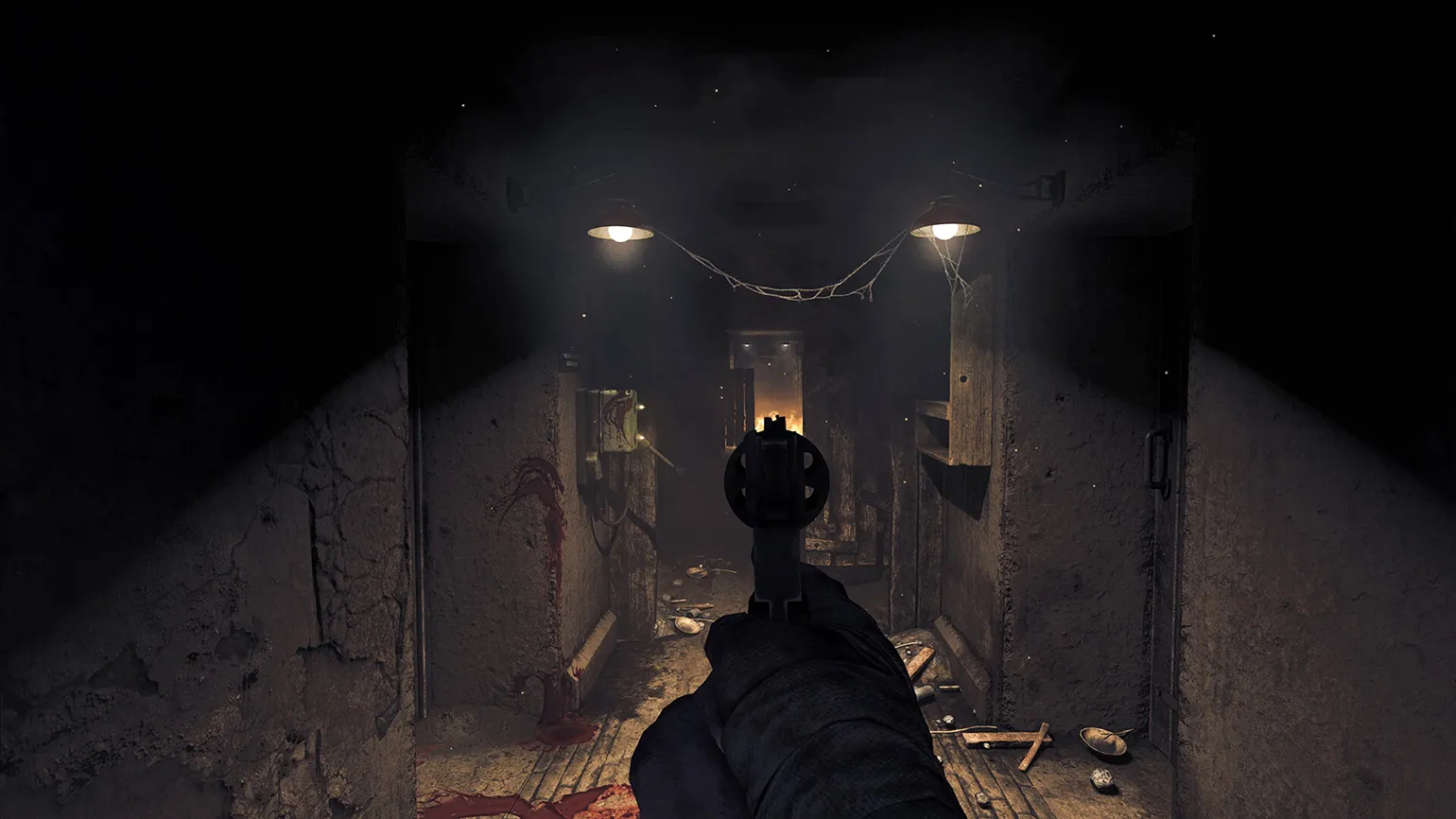
This summer, Frictional Games released Amnesia: The Bunker, a new installment in the acclaimed horror series. This game adds a semi-open world and simulation elements to traditional stealth elements. Players can now use various tactics, such as pouring gasoline on the floor and setting it on fire to scare off a monster. These innovations make the gameplay more dynamic and engaging, giving players more options for a strategic approach to survival in a terrifying atmosphere.
At the end of last year, the first trailer for Judas, a game in development by Ken Levine and his studio, Ghost Story Games, for almost 10 years, was unveiled. This project aims to create a unique "narrative Lego" – a game that gives players the opportunity to experience new story options with each new playthrough. Judas promises to be an innovative experience in the world of video games, combining a deep storyline and a variety of game mechanics.
WolfEye is actively developing and continues to surprise its fans. The complete edition of Weird West was recently released, which received positive reviews from users. The team is currently working on a new, even larger and more ambitious project, which promises to delight fans with a unique gaming experience and innovations in the genre. Stay tuned to WolfEye for important updates and announcements.
The era of blockbusters in the gaming industry is undoubtedly a thing of the past. Regardless of the quality of new projects, such as Arkane or the next BioShock installment, being developed by Cloud Chamber, they will no longer be able to recapture the genre's former significance. This is because the survival of this game design philosophy no longer depends on such major releases. The gaming market is becoming more diverse, and players' attention is increasingly shifting to indie games and experimental projects that offer unique gaming experiences.
The future will see an increase in bold experiments from game designers, who are now able to exercise greater creative freedom. This is a positive trend, as immersive simulators must transcend both genre and commercial constraints. It's time to try new approaches and ideas to diversify the gameplay and make it more engaging.
Game designer profession from scratch to PRO
A game designer creates the structure of a game. They think through the idea, rules, gameplay, and decide what emotions the plot will evoke in players. You'll master game design principles from scratch and learn how to work with popular engines like Unity and Unreal Engine. You'll learn how to retain player interest and monetize your games. And we will help you start a career in the gaming industry.
Find out more