Contents:

Learn: Game Designer Profession from Scratch to PRO
Learn MoreThe era of classic RPGs like Fallout, Planescape: Torment, and Arcanum proved challenging for Western role-playing games, while JRPGs on the PlayStation 2 consoles began to noticeably lose popularity. In the 2000s, the genre experienced a serious decline, and its future seemed to be in jeopardy. However, today we are witnessing an RPG renaissance, as even Felipe Pepe, author of The CRPG Book, confirms. Modern games offer incredible opportunities for immersion in worlds with deep stories and thoughtful mechanics, making the current era one of the most vibrant periods in the development of role-playing games.
Claims of a new golden age of computer role-playing games may seem surprising, but we are ready to explain this trend. We'll trace the evolution of RPGs from their origins to the recent success of Baldur's Gate 3. This will help us understand why we're currently witnessing a resurgence of interest in RPGs. More and more players are turning to the genre thanks to improved graphics, deep stories, and the ability to immerse themselves in captivating worlds. Baldur's Gate 3, with its thoughtful gameplay and rich story, is a shining example of how a modern RPG can impress and attract new audiences. Subscribe to our Checkpoint Telegram channel. Here you'll find interesting materials about the world of games, the creation process, and helpful tips from developers. We also inform you about significant updates to popular programs and share the latest news in game development. The comments are open for your suggestions and discussions on any topic related to the gaming industry. Join us to stay up to date with all the latest news!
The Golden Age of Western RPGs
Let's start with the basics.
After the video game industry crash of 1983, console developers began targeting boys aged 8 to 16. Game companies changed their sales strategy, moving their products from electronics stores to toy departments, which contributed to an increase in interest in games among children. This also affected pricing: the main console of the time, the Nintendo Entertainment System (NES), had an affordable price, which made it more attractive to parents. At the start of sales in the US, it cost $180, and then the price dropped to $80, which contributed to its popularity and successful sales.
Console hardware was ideal for dynamic and exciting games, which were very popular among children. As a result, platformer, shoot 'em up, beat 'em up, and racing game genres began to actively develop on consoles. These trends have become the basis for creating vibrant and engaging gaming projects, attracting the attention of young players and fueling a growing interest in video games in general.
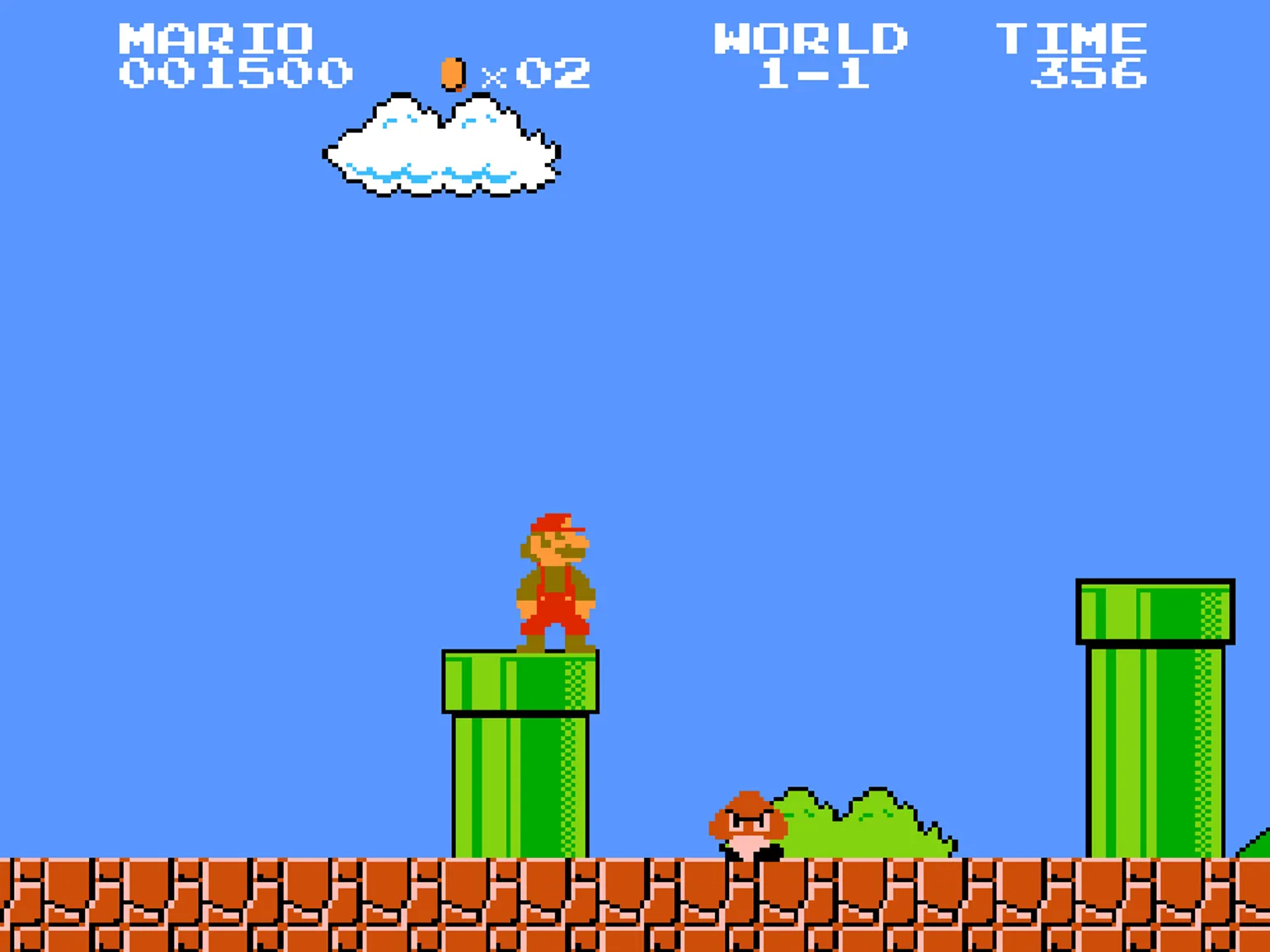
Arcade machines were developed with an emphasis on a family audience, but children became the most popular among players. Developers also focused on the possibility of creating console ports, which contributed to the dominance of similar genres with similar content and game design. This phenomenon is explained by the desire to attract as many users as possible and ensure the universality of games across different platforms.
The situation with home computers was completely different. They were purchased primarily for work, which was explained by the high cost of the devices. For example, the ZX Spectrum cost about $200 but had limited capabilities. Prices for more powerful computers started at around $500, excluding monitors, and not all models could work properly with televisions. This led to a significantly older audience for computer games.
Adults also showed interest in action games, but computers of the time did not always provide a comfortable gaming experience. At the time, the hardware was not optimized for such games. Screen resolutions often left much to be desired, and compared to consoles such as the NES or Sega Master System, the color palette was extremely limited. Some devices only displayed monochrome images, while others, such as the Commodore 64, displayed only muddy brown tones. This created difficulties for players seeking a richer visual experience.
Games loaded slowly and suffered from stuttering. The hardware struggled to handle multiple enemies and vertical scrolling, requiring numerous workarounds. Often, I had to play without sound, as there were either no speakers or games only ran in that mode. This contrasted with the Amiga, which was designed with gaming performance in mind. Most other computers lacked even basic graphics adapters, which negatively impacted the gaming experience.
The difference between home computers and game consoles, as well as arcades, is most clearly evident in the game Ghosts ‘n Goblins. Comparing the NES and ZX Spectrum versions reveals different approaches to graphics, sound, and gameplay. On the NES, the game features brighter and more detailed graphics, while the ZX Spectrum version is characterized by a simpler, yet unique visual aesthetic. These differences highlight how different platforms influence the perception and execution of game projects, as well as player preferences.
As interest in computer games grew, users began to desire more thoughtful content, which was due to their age. Home computers were often placed not in the center of the living room, but in a quiet corner, providing a comfortable gaming environment. While the hardware was capable of handling 2D games, it was significantly more powerful than consoles, allowing for more complex calculations and even displaying simple 3D graphics, such as in Elite. Furthermore, the use of keyboards and attached mice allowed for more sophisticated controls. As a result, new genres began to dominate PCs in the 1980s: simulations, strategy games, adventure games, and RPGs. These changes made computer games more interesting and diverse, attracting an increasing number of players seeking a deep and engaging gaming experience.
The 1980s became a landmark period for RPGs, as tabletop role-playing games experienced a real boom. Dungeons & Dragons grew rapidly in popularity in the United States, attracting the attention of many players. At the same time, new role-playing systems began to appear on the market, attracting both board gamers and video game enthusiasts. Some dreamed of seeing similar adventures on computer screens, while others sought to bring these ideas to life by creating unique game worlds. This period laid the foundation for the further development of RPGs and had a significant impact on the gaming industry as a whole.
In the early 1980s, key games began appearing on personal computers that would become the foundation of the genre. In 1980, Rogue introduced the roguelike concept and introduced players to the possibilities of procedural content generation. In 1981, Wizardry laid the foundation for grid-based dungeon crawlers, which later became known as blobbers. The first Ultima, released that same year, demonstrated how to create open-world games, and the fourth installment, released in 1985, showed that such games could have more complex plots than just "kill the main villain." These games not only defined the development of the genre, but also had a significant influence on the formation of game mechanics in subsequent projects.
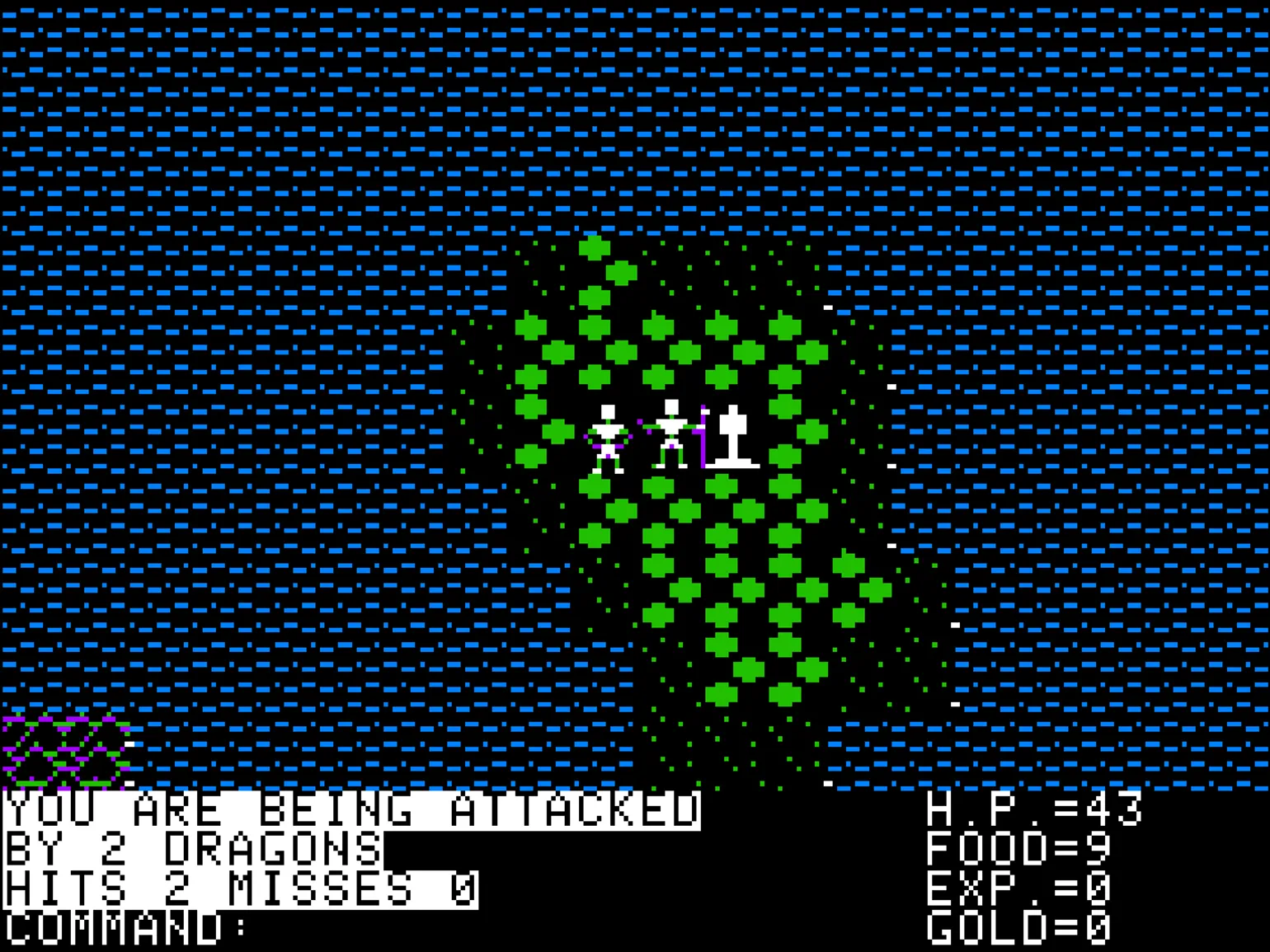
The mid-1980s marked the beginning of the golden age of Western role-playing games (RPGs). This period was significant for the industry, as it saw the development and release of some of the most influential and memorable games that shaped the future development of the genre. Western RPGs of this era featured deep stories, complex characters, and open worlds, which attracted the attention of many players. As a result, this period laid the foundation for the modern concept of role-playing games, significantly influencing subsequent generations of developers and players.
The second half of the 1980s saw a significant growth in the number of RPGs in the West. Many projects appeared, largely inspired by classic games such as Rogue, Wizardry, and Ultima. These new games did not get lost in the background of their predecessors and continued to be remembered by players. Projects such as Might & Games like Magic, The Bard's Tale, Wasteland, and NetHack still evoke nostalgia and interest among role-playing fans. The diversity of gameplay mechanics and engaging stories made this period a landmark in the development of RPGs, and many of these games continue to influence modern development. The gaming world was a diverse mix of genres and styles. Classic fantasy was abundant, but players were also treated to unique and unusual adventures. For example, the futuristic alien city of Alternate Reality: The City, the world of combat robots in BattleTech, and the post-apocalyptic vehicular battles in Autoduel, inspired by Mad Max. Games like Wizardry, Might & Magic, and Ultima seamlessly blended fantasy with science fiction elements in varying proportions. The genre has also seen numerous experiments, with developers inviting players to explore the vast expanses of space in Starflight or to immerse themselves in the life of an ordinary person in Alter Ego. This diversity created a unique experience for each player and allowed everyone to find something to suit their taste.
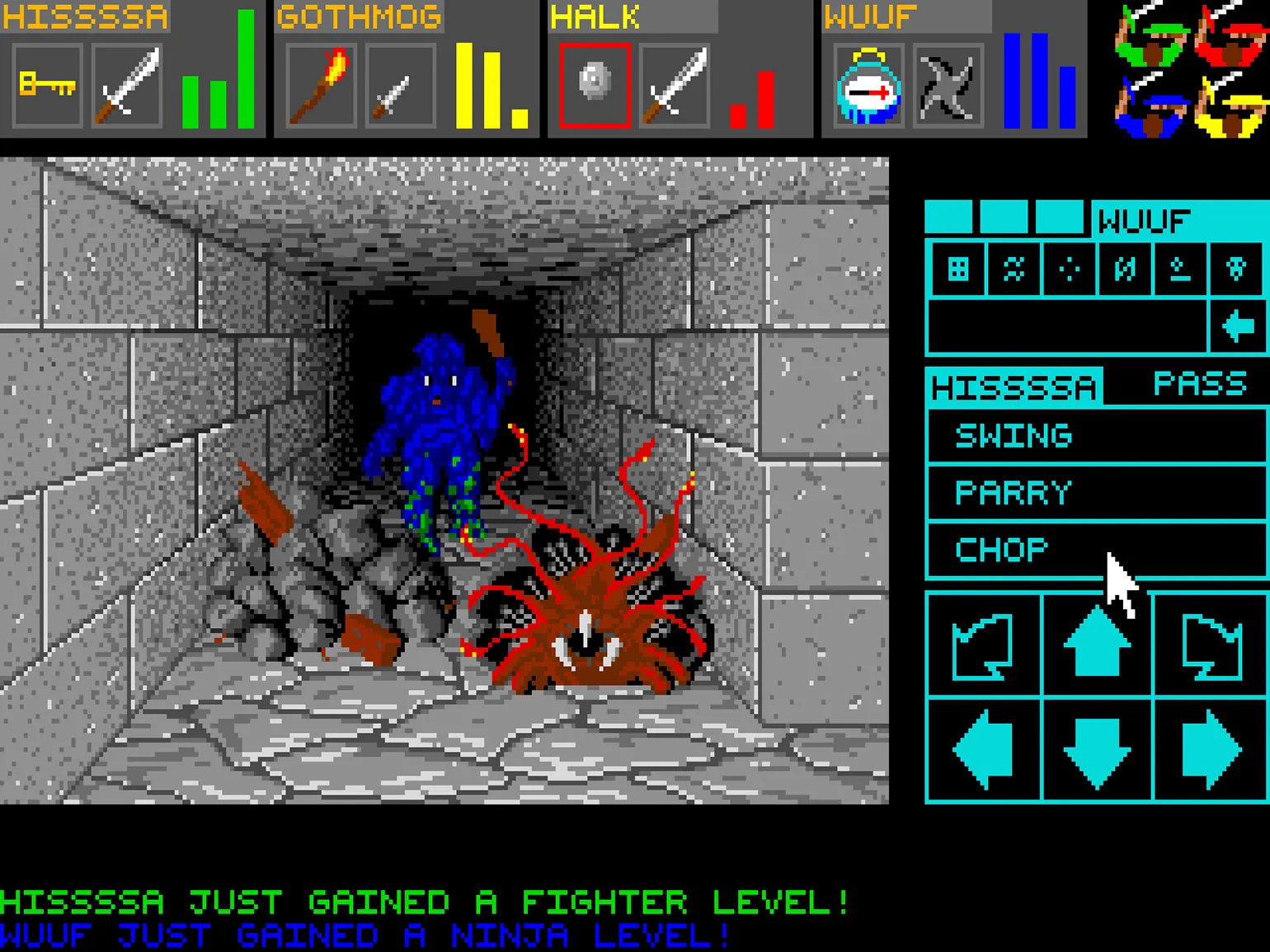
Computer RPGs have consistently generated significant profits for many years. Any studio creating high-quality RPGs could count on a successful launch and sizable income. At the time, sales of 40,000 copies on home computers were considered an impressive achievement. For example, Dungeon Master managed to sell exactly that many copies in a year. However, there were more successful projects in the genre. Starflight sold 100,000 copies upon release, Wasteland – 250,000, and The Bard’s Tale reached the 1 million mark. These figures highlight the level of interest in computer RPGs and how they shaped the video game industry.
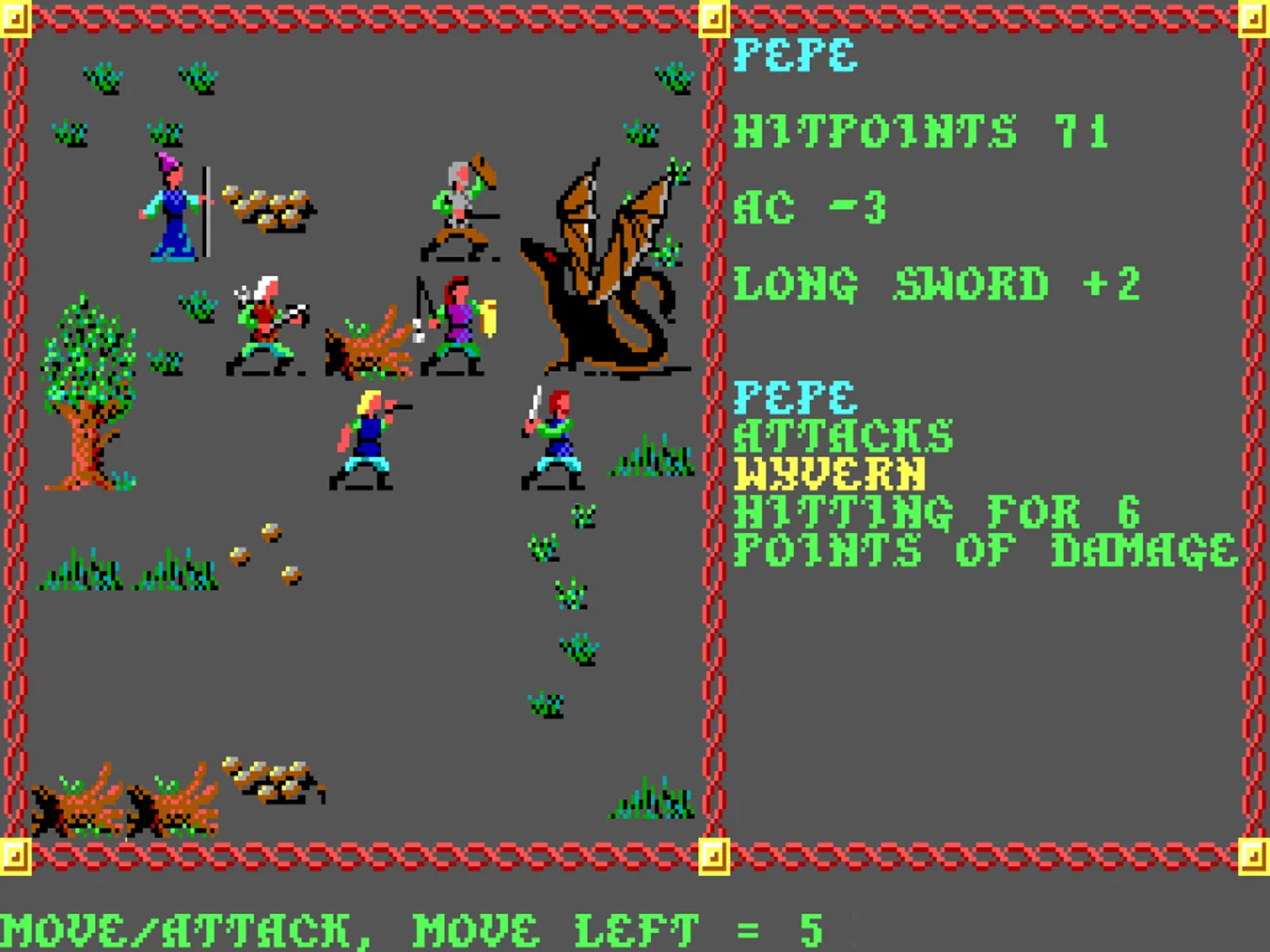
The 1980s saw the rapid growth of RPGs, which began to develop into full-fledged franchises. A prime example of this is Pool of Radiance, released in 1988 and selling 264,536 copies. The success of Pool of Radiance inspired Strategic Simulations, Inc. (known as SSI) to actively develop Dungeons & Dragons games and adapt other projects, such as Baku Rogers, to a similar game engine. The result was the Gold Box series, which released 14 games over five years. This series has become a significant contribution to the development of the RPG genre and left a noticeable mark on the gaming industry.
In 1992, personal computer sales surged, continuing until the early 2000s. Increased PC power removed previous technical limitations for developers, opening up new horizons in software and gaming. The transition to VGA adapters significantly improved graphics quality, improving the user experience and fueling interest in computer technology. This period became a landmark for the industry, defining the future of software and computer game development.
Progress in the gaming industry also revealed its downsides. Improved graphics significantly increased the budgets and development times for new projects. Each innovation required significant financial investment. Under these conditions, even tens of thousands of copies sold were no longer considered a success. RPG developers faced pressure to expand their audience, but player growth remained relatively stagnant.
Role-playing games failed to gain a foothold on consoles, as these platforms boasted significantly more players. Porting computer RPGs proved challenging. Developers lacked experience adapting games to consoles, which led to content cuts. Controls designed for keyboards were poorly adapted to controllers. Furthermore, Western RPGs could not compete with Japanese RPGs, which boasted higher quality and more engaging storylines.
The history of the SNES ports of Ultima VI and VII demonstrates interesting aspects of game adaptation. Ultima VI was ported to consoles without significant gameplay changes, resulting in an awkward interface. In contrast, Ultima VII offered more user-friendly controls on consoles, but the developers significantly simplified the game, cutting out many of the elements that made it a true RPG. This experience highlights the challenges developers face when adapting games for different platforms and demonstrates the importance of balancing usability with preserving the original gaming experience.
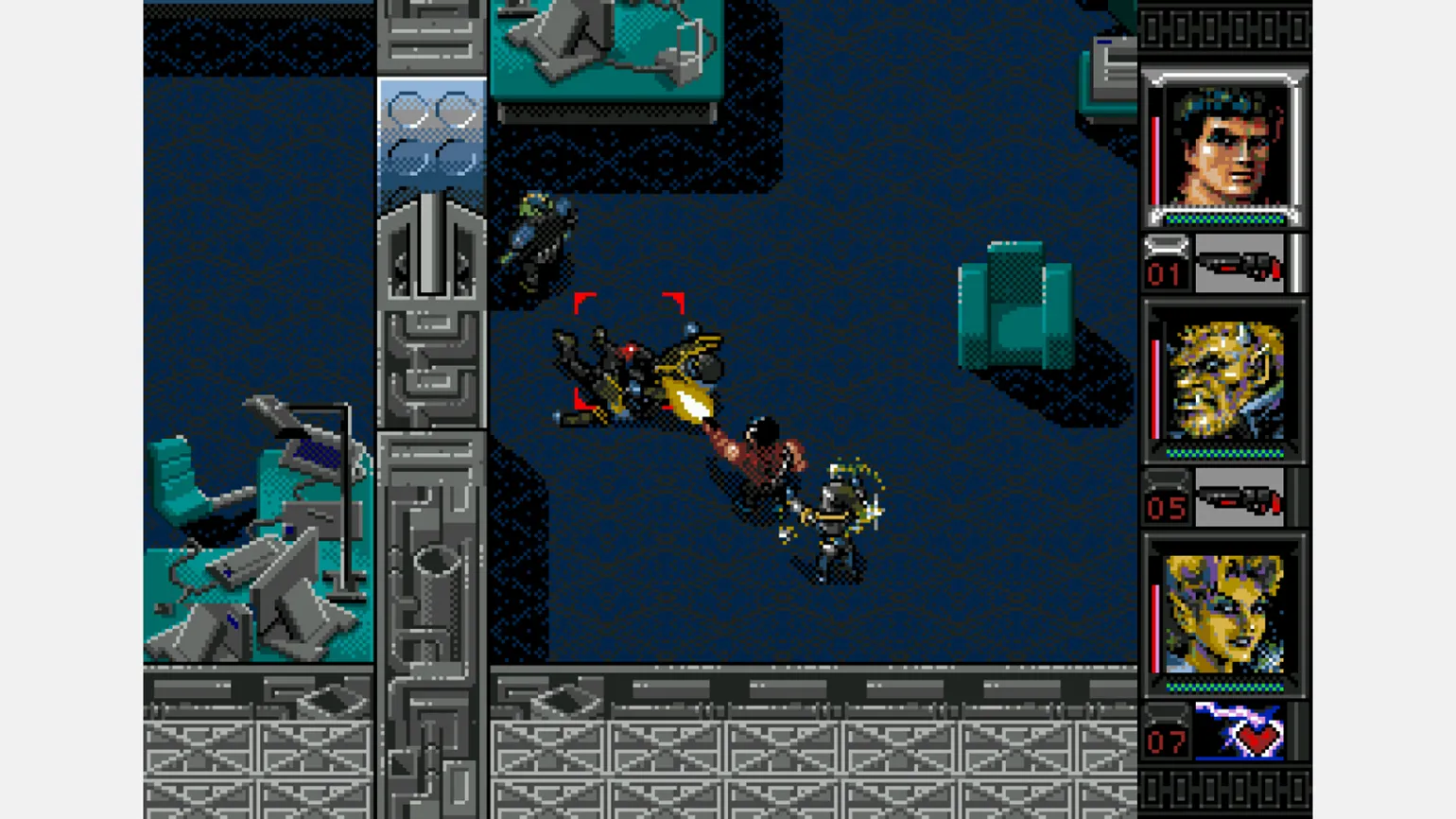
In the West, original RPGs were created exclusively for consoles. Richard Garriott released two parts of Ultima: Runes of Virtue for the Game Boy. Various action RPGs were released for the SNES and Genesis under the general title Shadowrun. Under the auspices of Square, Secret of Evermore was developed in the United States. However, none of these games could compete with Japanese role-playing games, which dominated the market and won the hearts of players around the world.
Many new PC users lacked experience with video games. RPGs, which required extensive rules to learn to create a character, often intimidated newcomers. At the same time, more accessible games like Doom and Myst emerged, allowing players to instantly immerse themselves in gameplay without the need for prior preparation. These games became excellent alternatives for those seeking simplicity and intuitiveness, thereby attracting a wide range of players.
Role-playing games (RPGs) faced the problem of losing their existing audience. After a period of popularity in the 1980s, fans began to feel jaded with the genre and craved novelty. Traditional formulas that had previously ensured consistent success no longer worked, and developers found themselves constantly searching for new ideas. However, they failed to create a truly innovative game that could become a basis for imitation. This led to difficulties in maintaining player interest and finding fresh solutions for the genre's development.
While other game genres were significantly evolving, strategy games offered players deeper and more detailed battles, surpassing many role-playing games that offered a similar but less complex combat system. Adventure games showcased engaging and exciting stories, while traditional RPGs focused on battles and dungeon exploration, paying insufficient attention to dialogue and quests. This has led to many players seeking more diverse and rich gaming experiences, strengthening the position of strategy and adventure games in the video game industry.
The golden age of RPGs had come to an end. Games in the genre began to appear less frequently, and their variety was significantly reduced, focusing on classic fantasy. New projects often failed to live up to expectations, receiving negative reviews from players and critics, which led to the cancellation of further sequels. As a result, the genre lost its former popularity and diversity, which negatively affected audience interest in RPGs.
If a role-playing game was successful, sales usually did not exceed 200,000 copies, which, however, was quite a good result for the time. By comparison, the first Diablo game needed only 20,000 copies to break even. However, against the backdrop of the enormous popularity of shooters and real-time strategy games on PC, which were no more difficult to create, these results looked less impressive to developers. As a result, many studios began to shift to more commercially successful genres or sought to adapt role-playing games to make them more appealing to a mass audience.
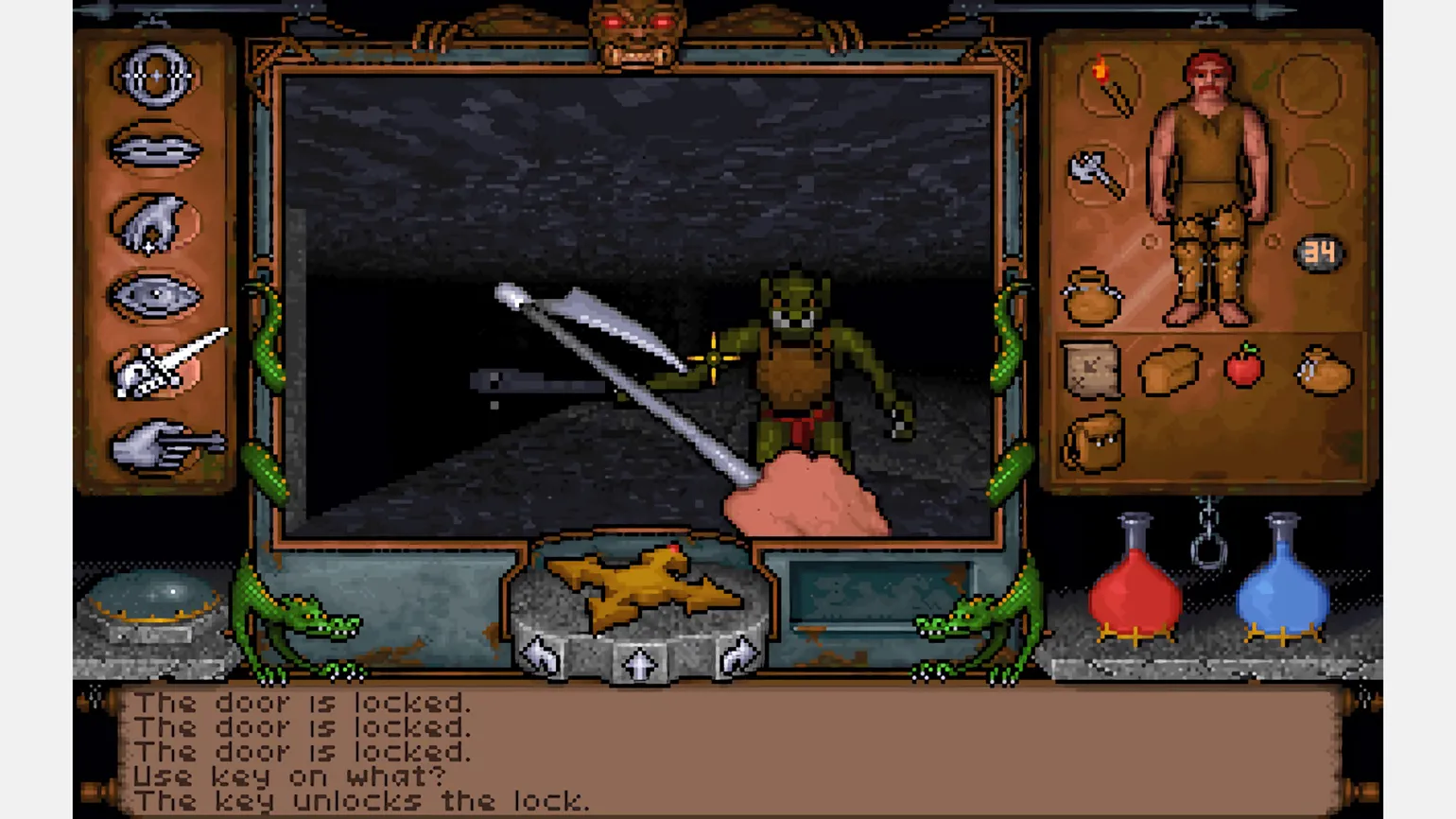
The example of SSI's Dungeons & Dragons games illustrates the sharp decline in RPG sales. Eye of the Beholder, a popular blobber released in 1990, sold 129,234 copies. However, the 1991 sequel sold 73,109 copies, and the 1993 threequel only 50,664 copies. SSI's more experimental projects in subsequent years failed to live up to expectations, such as Al-Qadim: The Genie's Curse, which attempted to be a PC version of The Legend of Zelda. Other studios developing D&D-licensed games faced even greater challenges. As a result, SSI decided to switch to creating strategies and submarine simulators.
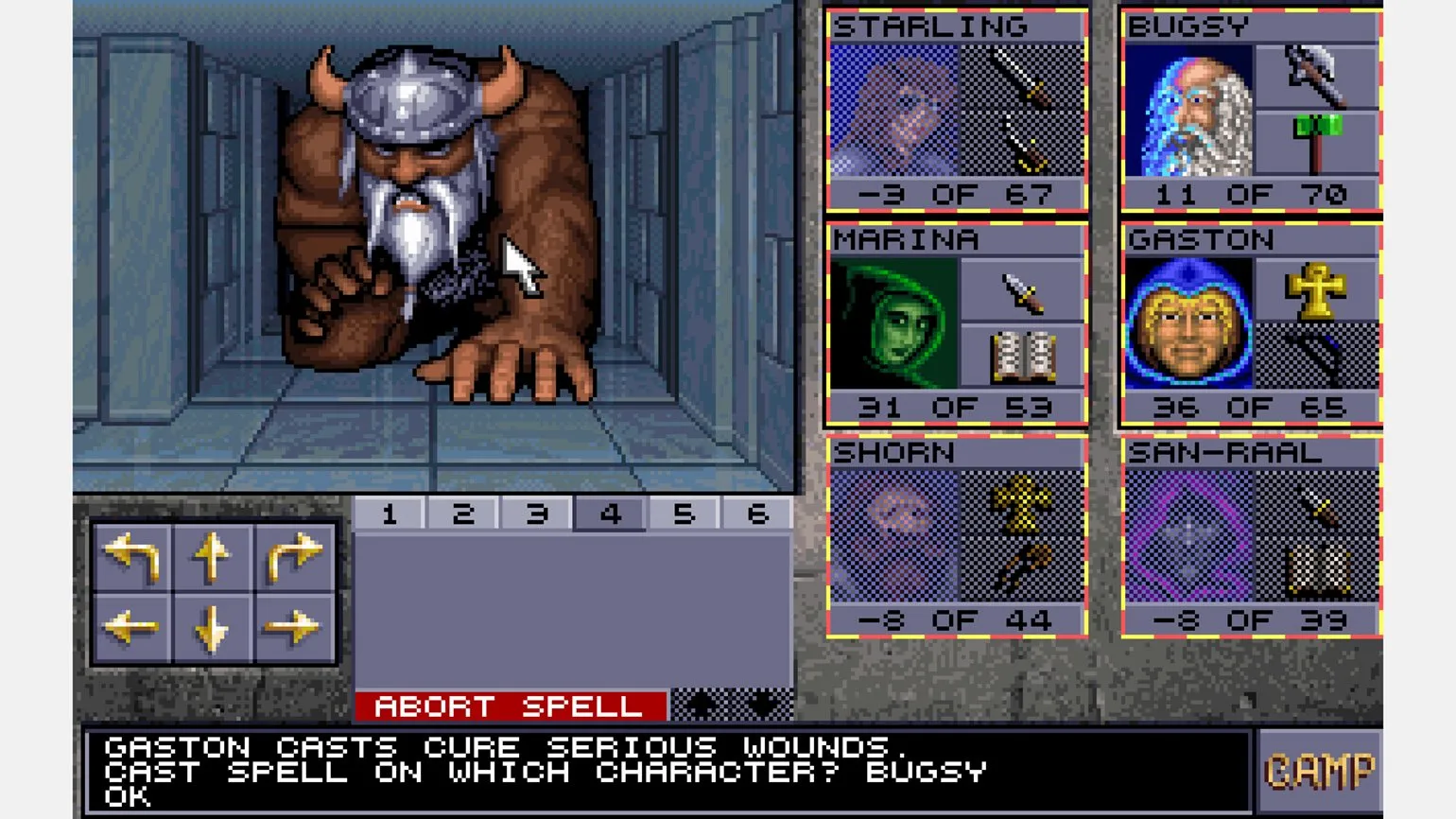
Released in 1992, Ultima 7 is considered one of the most innovative games of its time, and many developers still draw inspiration from its mechanics. The project's budget was $1 million, a record for PC games at the time. Although the game broke even, its sales lagged significantly behind titles like Ultima Underworld and Wing Commander 2, each of which had a lower budget. This forced the development team to consider the future of the series and whether to continue in the same direction. As a result, Ultima 8 was released in 1994, which emphasized action elements, striving to move closer to the role-playing genre, something that would later be successfully achieved by the Diablo project. However, Ultima 8 failed to live up to expectations, and its sales were disappointing.
Among the few Western RPGs of the first half of the 1990s that managed to surpass 300,000 copies sold, the Realms of Arkania series stands out. These games were developed in Germany, which played a significant role in their success. In Europe, since the late 1980s, the focus has been on computer games, which contributed to the popularity of genres traditionally associated with this platform. This was especially true in Germany, where RPGs found a devoted audience.
For example, in Germany, where the population is 3.5 times smaller than in the United States, 50,000 copies of Planescape: Torment were sold by the mid-2000s, while in America, 73,000 were sold. The German market actively supported projects from both local developers and companies from neighboring countries. Moreover, game development costs in Europe were lower. As a result, in the 1990s, a flood of role-playing games flowed from Europe to the United States. While it was small, it stood out against the backdrop of declining competition.
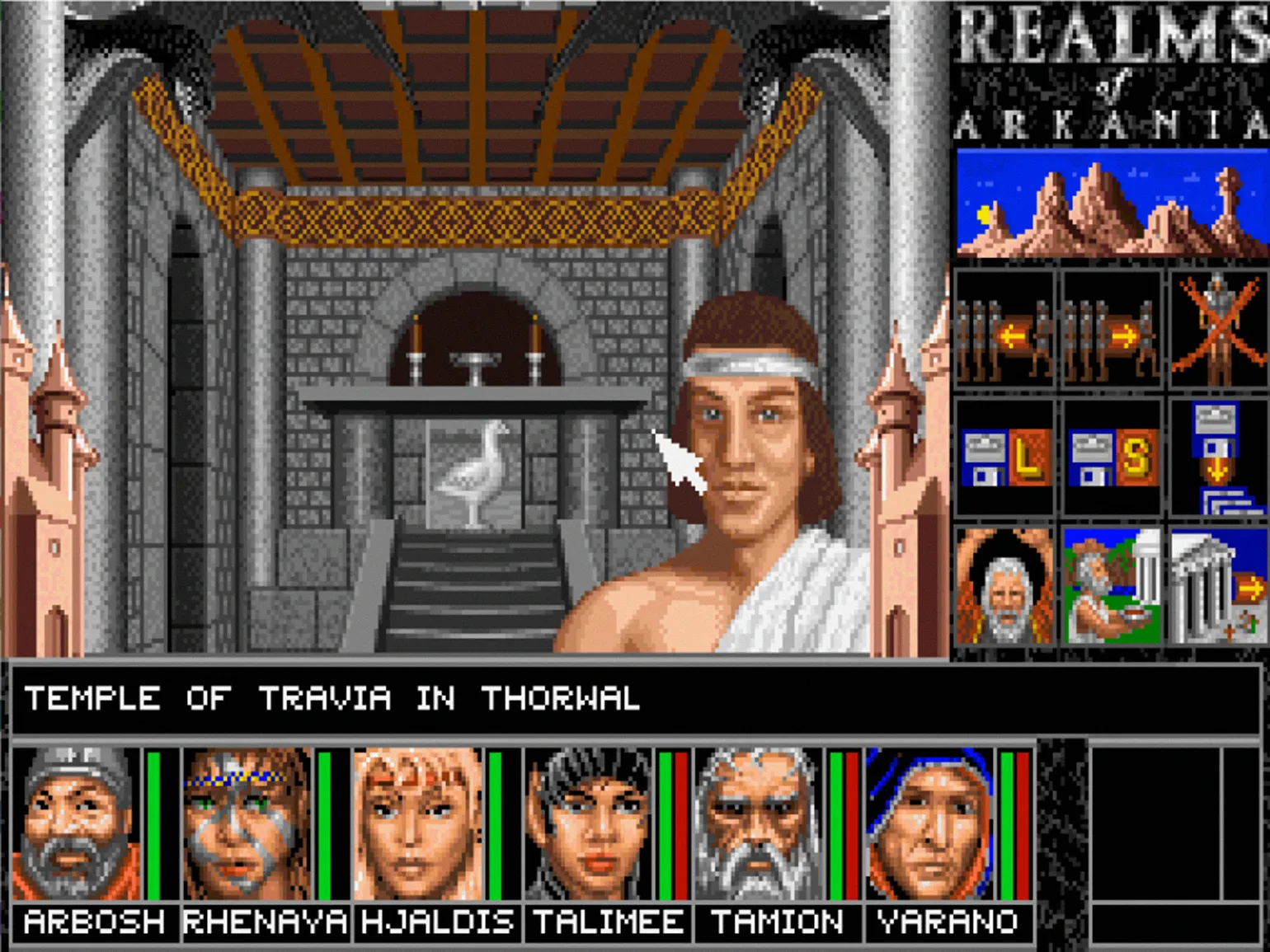
By the mid-nineties, the situation in the world of computer RPGs had significantly worsened. In 1995, Western gaming publications could not find even a few worthy new role-playing games to sum up the year. Many developers came to the conclusion that role-playing games in the West had lost their popularity and were essentially dead. However, soon two games entered the market that radically changed the perception of the genre and breathed new life into the RPG industry.
The first game to revolutionize the genre was Diablo, released in 1996. It combined elements of Rogue-inspired dungeon crawlers with action, creating an accessible and engaging experience. This quickly earned Diablo popularity, selling over 2 million copies in just a few years. The game's success inspired numerous developers to create isometric action RPGs focused on dungeon exploration and collecting vast amounts of loot. Diablo set new standards in the industry, and its influence is still felt today.

The second game, Baldur's Gate, released in 1998, sold 2.8 million copies. The developers sought to preserve the spirit of the tabletop role-playing game Dungeons & Dragons while appealing to a wider audience. They abandoned the turn-based combat system that had become familiar in Golden Box and introduced elements typical of real-time strategy games, making battles more dynamic. The interface was improved, borrowing from strategy games, which simplified interaction with the game. Influenced by JRPGs, the story became more sophisticated, companion characters acquired unique traits, and players were given the opportunity to choose lines, although their impact on the course of events was limited. The isometric graphics looked impressive and stood out from most Western games of the time. Although many elements were not new, their combination made a strong impression on players and critics. Baldur's Gate became a landmark title in the role-playing genre and left a significant mark on video game history.
During those years, Blizzard and BioWare were the main companies achieving significant success in the gaming industry. Deus Ex is particularly noteworthy, a successful combination of RPG and shooter that sold over 1 million copies. Among the more classic games, the Might and Magic series stands out, also showing strong financial results. These projects became iconic for their genres and left a significant mark on video game history.
Most games hit a ceiling of around 200,000 copies. Fallout reached 220,000 copies in two years, while Fallout 2 performed half as well. Initial sales of Planescape: Torment were approximately 150,000 copies. The Elder Scrolls 2: Daggerfall sold only 120,000 copies, despite the fact that the first game in the series, Arena, with its initial sales of 3,000 floppy disks, nearly led to Bethesda's collapse.
Video game sales figures certainly look good, but one must take into account the significant increase in development costs. For example, the first Fallout game's budget was around $3 million, while Deus Ex required $5-7 million, and Diablo 2 $6-9 million. To successfully recoup the investment, hundreds of thousands of copies had to be sold, which only partially covered development costs. At the same time, companies needed funding for new projects. Investors, watching the success of RTS and shooters setting sales records, began to refuse to finance role-playing games, which seemed less promising.
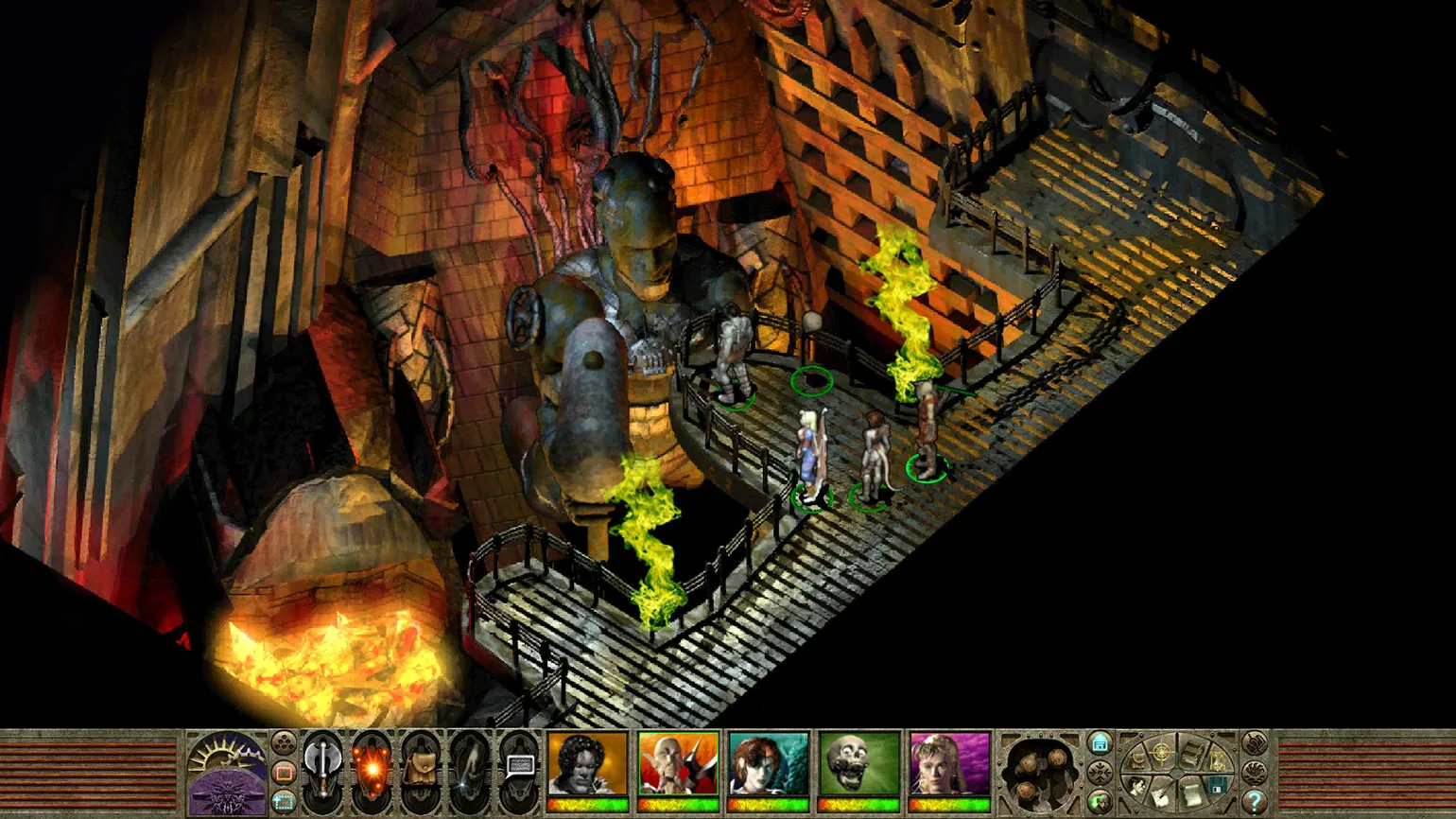
The Japanese branch of the RPG genre demonstrated remarkable success around the time of the original PlayStation's release. A huge number of JRPGs, distinguished by a rich diversity, were released on this console. Games ranged from survival horror elements to light comedy fantasy with musical interludes. Critics praised these projects, often ignoring Western RPGs in their year-end summaries. Japanese RPGs sold tens of millions of copies, making Western developers envious, while Japanese studios continued to ignore Western projects.
The Golden Age of Eastern RPGs
The 1980s saw a significant breakthrough in the world of video games—the emergence of the Japanese role-playing video game genre, which began to develop on personal computers. This period became the starting point for the creation of unique game mechanics and captivating stories that defined the future of role-playing games.
Japanese home computers were not suitable for action games, as they poorly displayed moving sprites. However, they handled static images well, which contributed to the popularity of visual novels on this platform. Many of them were influenced by Western adventure games, such as Zork, Mystery House, King's Quest, and Deja Vu. Furthermore, RPGs became a second genre ideally suited for Japanese computers. The first Wizardry and Ultima titles won over players, and Japanese developers soon began creating their own games in this genre, ushering in a new era in gaming.
The Japanese gaming industry holds a significant position in the global market, rivaling the American one. As a result of the high demand for role-playing games (RPGs), there has been a significant influx of high-quality and well-marketed projects aimed at a Japanese audience. These games often mutually influence each other and also draw inspiration from visual novels. Under these circumstances, Western RPGs face difficulties entering the Japanese market. As a result, JRPG developers almost completely ignore the trends and innovations happening in the West, focusing on domestic developments and the preferences of Japanese players.

In 1986, JRPG developers finally realized that they shouldn't look to new American and European games for inspiration. This became especially clear after the release of the first Dragon Quest, which successfully combined elements of world exploration similar to those found in Ultima with a combat system reminiscent of Wizardry. Influenced by visual novels, the game emphasized storytelling, which set a new standard for the genre. The musical score for Dragon Quest was created by renowned composer Koichi Sugiyama, and the character designs were done by Akira Toriyama, the renowned author of the Dragon Ball manga. At the time, no other Western RPG could boast such a distinguished cast. This groundbreaking project laid the foundation for the further development of JRPGs, opening new horizons in game narrative and artistic design.
Dragon Quest successfully adapted to the Famicom, allowing the developers to effectively tailor the interface to the controller. The game's low difficulty made it accessible to console players inexperienced in the genre. The lack of a need to select stats for leveling up also helped attract players. As a result, the project generated significant revenue, with over 1.5 million cartridges sold in Japan alone.
Following the successful launch of the first Dragon Quest in 1987, not only a sequel but also many other games based on a similar concept were developed. Ys, which combined RPG elements with dynamic combat mechanics, was released on the PC-88 platform. Phantasy Star, featuring a more complex storyline and detailed graphics, was released for the Master System console, making it comparable to anime. The Famicom introduced Digital Devil Story: Megami Tensei, featuring a unique plot in which a teenage hacker summons demons using code. The same console also featured Final Fantasy, offering a sophisticated storyline, a vast game world, and a simple tactical combat system. These games became important milestones in the development of the RPG genre and laid the foundations for modern adventure games.
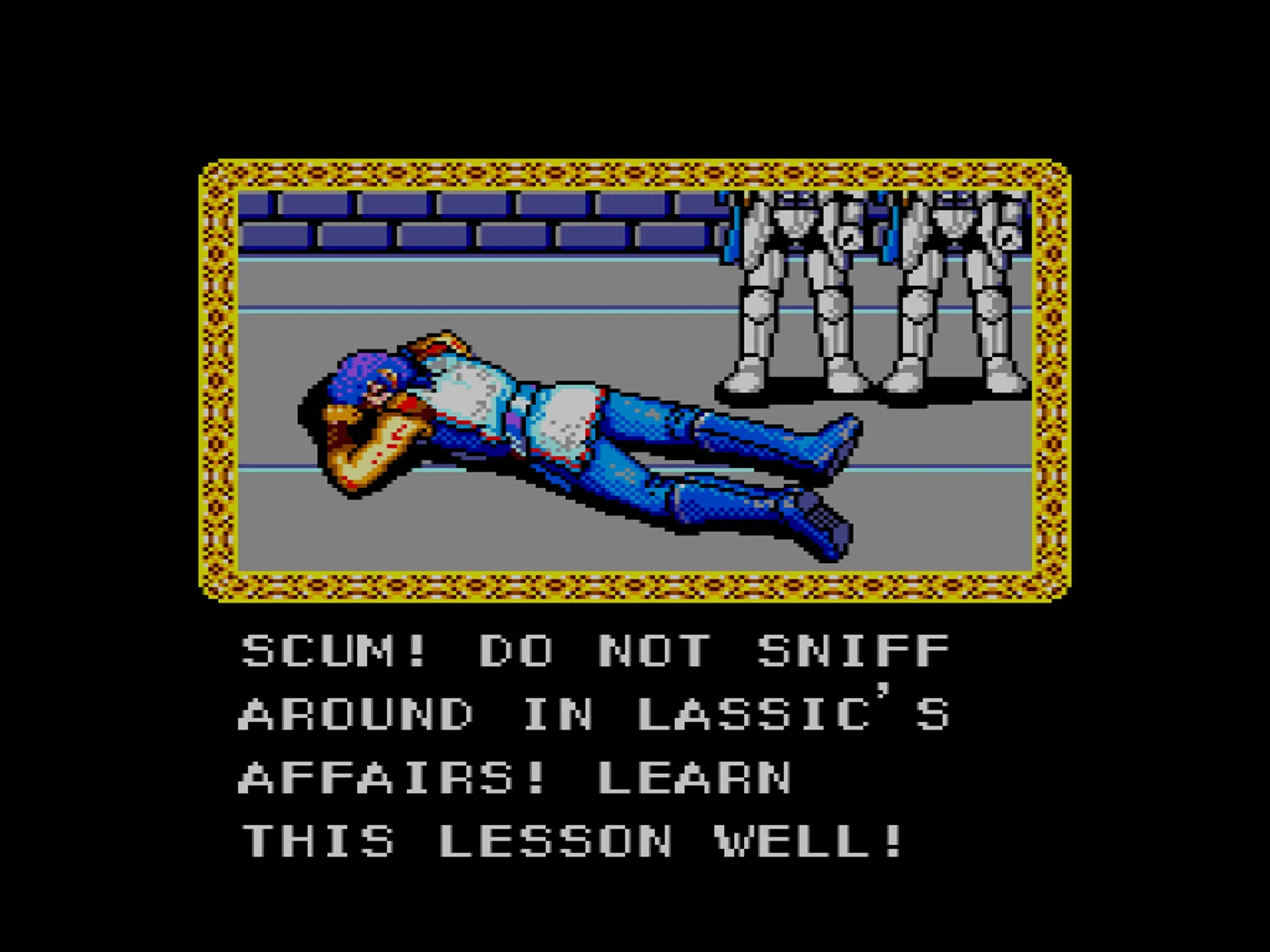
All of these games had high sales, and each of them continues to regularly release sequels. Soon after their success, numerous imitators began to appear, which differed in the degree of success. Thus began the JRPG boom. However, initially, this trend was noticed only in Japan, while in the West, games were released with delays and did not immediately gain popularity.
In the early nineties, Japanese home computers ceased to exist, and all significant JRPG developers moved to SNES and Genesis consoles. At this time, Western players began to actively get acquainted with games like Final Fantasy and Dragon Quest. Unlike Western RPGs, Japanese RPGs were released on more accessible and convenient platforms, were characterized by simplicity and dynamism, and offered higher-quality graphics and stories. On consoles, JRPGs faced virtually no competition from adventure or strategy games. This marked the beginning of the true golden age of JRPGs, when the genre became popular and sought after by a wider audience.
New JRPG projects set sales records: games like Dragon Quest and Final Fantasy quickly sold 5-6 million units. The genre was constantly being experimented with, and developers delighted players with a variety of themes. Some created esoteric dungeon crawlers with randomly generated levels, others developed a tactical RPG with realistic mechs, and still others presented the story of a team of ordinary teenagers fighting aliens. Even the cult role-playing game based on Mario managed to attract fans of the genre. JRPGs continue to evolve, offering players new, engaging stories and unique gameplay mechanics.
JRPGs reached their peak in the second half of the 1990s. During this time, Pokémon Red, Blue, Green, and Yellow were released for the Game Boy, selling tens of millions of copies and launching the global Pokémon phenomenon. In 1997, Final Fantasy 7 was released, becoming one of the first true AAA games, with a budget reaching $145 million thanks to cutscenes and marketing. The game also sold successfully on PC, selling over 1 million copies.
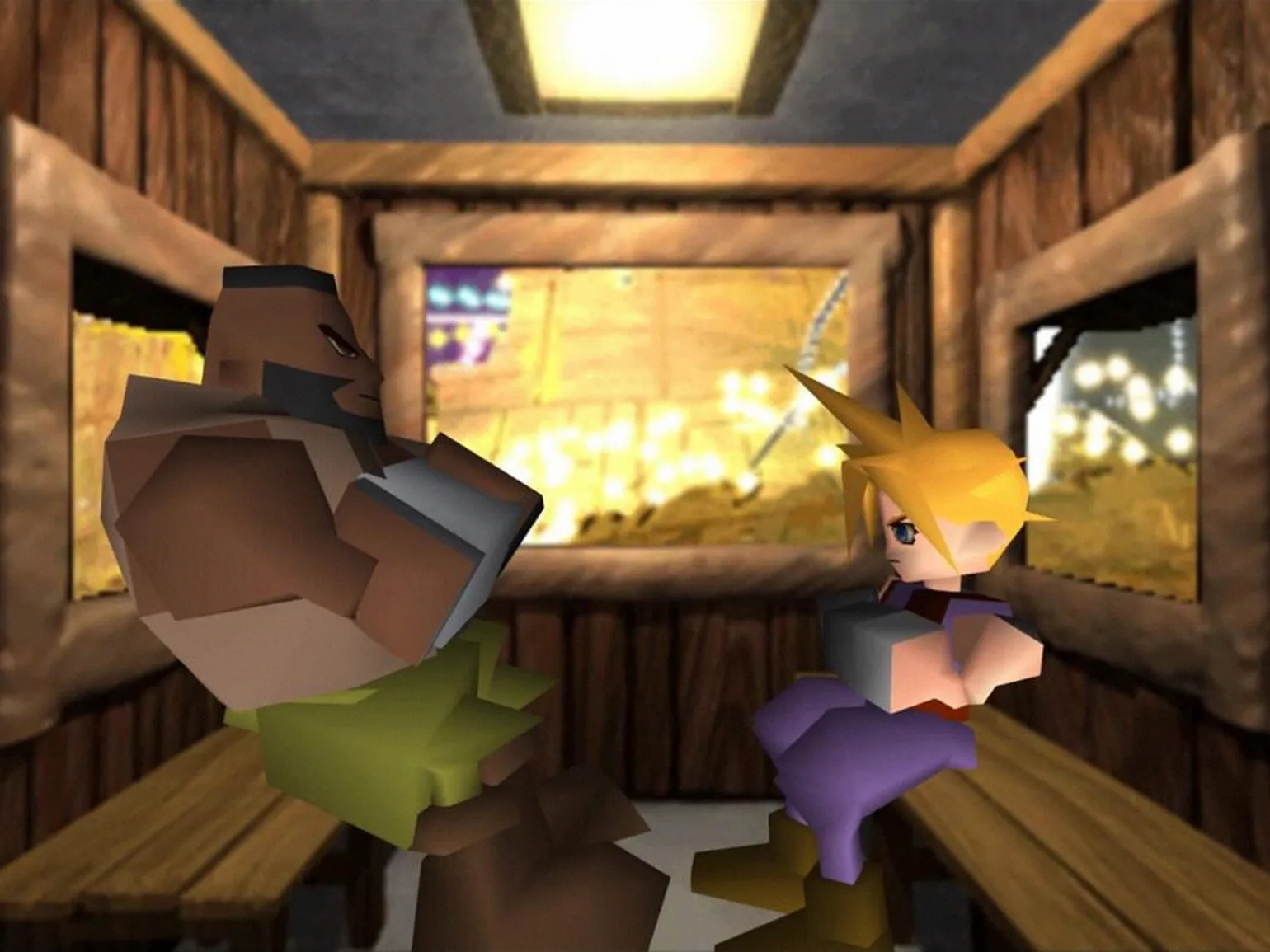
In the late 1990s, JRPGs became one of the most popular video game genres, capturing the attention of players and developers worldwide. The creators of Planescape: Torment credited the creators of Final Fantasy VII and VIII for their inspiration. In the United States, the wave of JRPG popularity led to projects such as Septerra Core and Anachronox, which sought to offer an alternative. In China, developers inspired by JRPGs created a unique branch of single-player role-playing games, adapting the genre to their own cultural characteristics. The game creator RPG Maker became a launchpad for thousands of aspiring developers, allowing them to create their first projects and contribute to the development of the gaming industry. JRPGs have had a significant influence on gaming trends and continue to inspire new generations of developers and players.
The early 2000s saw significant problems.
The Cursed 2000s
At the beginning of the PlayStation 2 era, JRPGs occupied a significant place in the video game market. Numerous sequels to popular series and new franchises appeared. However, over time, development budgets also increased, leading to more complex stories and impressive cutscenes, which began to be actively used in other genres. At the same time, Square Enix, the recognized leader in the production of Eastern role-playing games in the West, faced serious problems, including the unsuccessful film adaptation of Final Fantasy and the departure of key developers. At this time, other studios struggled to achieve the same popularity and success in the US and European markets, reflecting intense competition and shifting player preferences. JRPG sales began to decline significantly. Final Fantasy 10, released in 2001, sold 8.5 million copies, while Final Fantasy 12 sold only 6 million. As a result, entire series like Grandia and Suikoden effectively ceased to exist. The number of major releases in the genre has begun to decrease, which indicates a change in player interests and the need for developers to adapt to new market conditions.

In the early 2000s, Western RPGs faced serious problems, causing concern among players and critics. Articles with headlines like "Are Video Games Dying?" periodically appeared, reflecting a pessimistic attitude towards the genre. Many developers struggled to create innovative content, which led to stagnation and declining interest from the audience. As a result, this period became a time of serious testing for the Western RPG industry, requiring new ideas and approaches.
Wizardry 8 and Might and Magic 9 showed extremely low sales, which led to the closure of the studios that developed these games. Their departure largely ended the blobber subgenre, which had become so niche that only Doom RPGs remained prominent in the West for the next decade. New Wizardry installments continued to be released in Japan, but unfortunately, they were not translated into English, limiting their popularity outside the country. Interplay Entertainment was struggling under the leadership of the creator of the cult but negatively reviewed Superman 64. To improve the company's financial performance, he commissioned the development team to create an action RPG in the style of Baldur's Gate and Fallout for consoles. However, this move failed to live up to expectations: loyal fans of the franchises didn't get what they were looking for, and newcomers were uninterested in the projects. Thus, the attempt to attract a new audience and make money proved unsuccessful, negatively affecting Interplay Entertainment's reputation.
Troika Games, founded by former Black Isle employees, released three unsuccessful projects in a row: Arcanum: Of Steamworks and Magick Obscura, The Temple of Elemental Evil, and Vampire: The Masquerade - Bloodlines. Despite initial failures, each of these games later gained cult classic status. However, financial problems accumulated, and Troika Games eventually closed in 2005. These games continue to generate interest from gamers and critics, highlighting their influence on the RPG genre and the gaming industry as a whole.
In the 2000s, the Diabloid genre enjoyed immense popularity, which contributed to high sales of such games. For example, Torchlight reached 1 million copies in two years. Titan Quest also sold around 1 million copies over several years. Dungeon Siege sold 1.7 million copies, and Sacred surpassed the 2 million mark. There were numerous less successful projects in this subgenre, developed around the world—from the US and Russia to Germany, South Korea, and China. Even Japan, known for its traditions in game development, released Xanadu Next in the style of Diabloids for PC, which was a rare exception.

Among the studios that didn't work on Diablo or its analogs, only four companies have achieved significant success in RPG sales. BioWare is the first to be noted, continuing to develop its unique formula for a party-based role-playing game. Bethesda also achieved strong sales with The Elder Scrolls 3: Morrowind, strengthening its market position. Lionhead achieved success with Fable, bringing an original approach to the genre. Regarding Obsidian, it should be noted that the company created sequels for BioWare and Bethesda games, but its own projects often proved unsuccessful. A key factor in the success of all these studios was their collaboration with Microsoft and their focus on consoles, which significantly expanded their audience and increased sales.
In the mid-2000s, RPGs practically disappeared in America and Western Europe, except for games from the four largest Diabloid development studios. In 2005, only 17 Western RPGs were released in English. Of these, only a few managed to demonstrate decent sales: Jade Empire from BioWare, the expanded edition of Fable from Lionhead, and the Diabloid Dungeon Siege 2. This period became critical for the diversity of the genre, and many players began to experience a shortage of quality content.
The PlayStation 3 and Xbox 360 console generations exacerbated the existing problem in the gaming industry. The transition to new graphics standards significantly increased the budgets of large projects, which reached tens of millions of dollars. Many studios could not afford to compete with AAA projects. As a result, successful Western RPG developers began to earn even more, while other companies found themselves in a difficult position and were unable to establish full-fledged competition. This situation has led to a decrease in the diversity of games on the market and the concentration of resources in the hands of a few large studios, which has negatively affected innovation in the industry.
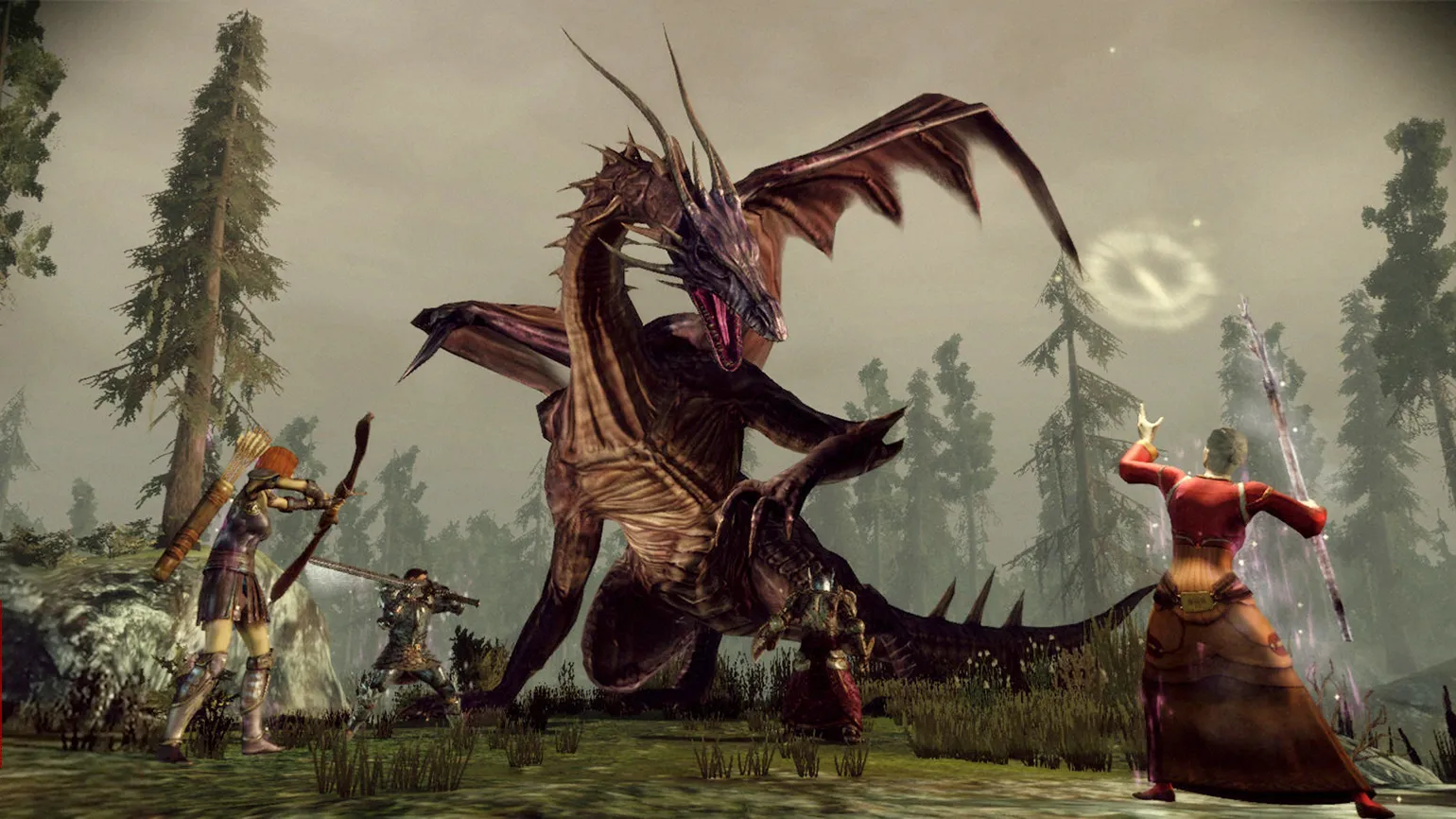
The generational transition proved particularly devastating for JRPGs. Although the Xbox 360 launched successfully in the West, its popularity in Japan was minimal. The release of the PlayStation 3, the previous generation on which most JRPGs were released, was a real disaster. The high price of the console scared off many players, and its complex internal architecture created significant difficulties for developers, complicating the process of game creation. This led to a decline in interest in the genre and negatively impacted its development.
Many Japanese people began to prefer portable gaming consoles, which led to a change in game development strategy by studios. Big-budget Japanese role-playing games (JRPGs) have begun to fail, especially when compared to successful projects from Western companies like BioWare. This created a situation where Japanese studios were forced to adapt to new conditions and focus on player preferences, which influenced the further development of the genre.
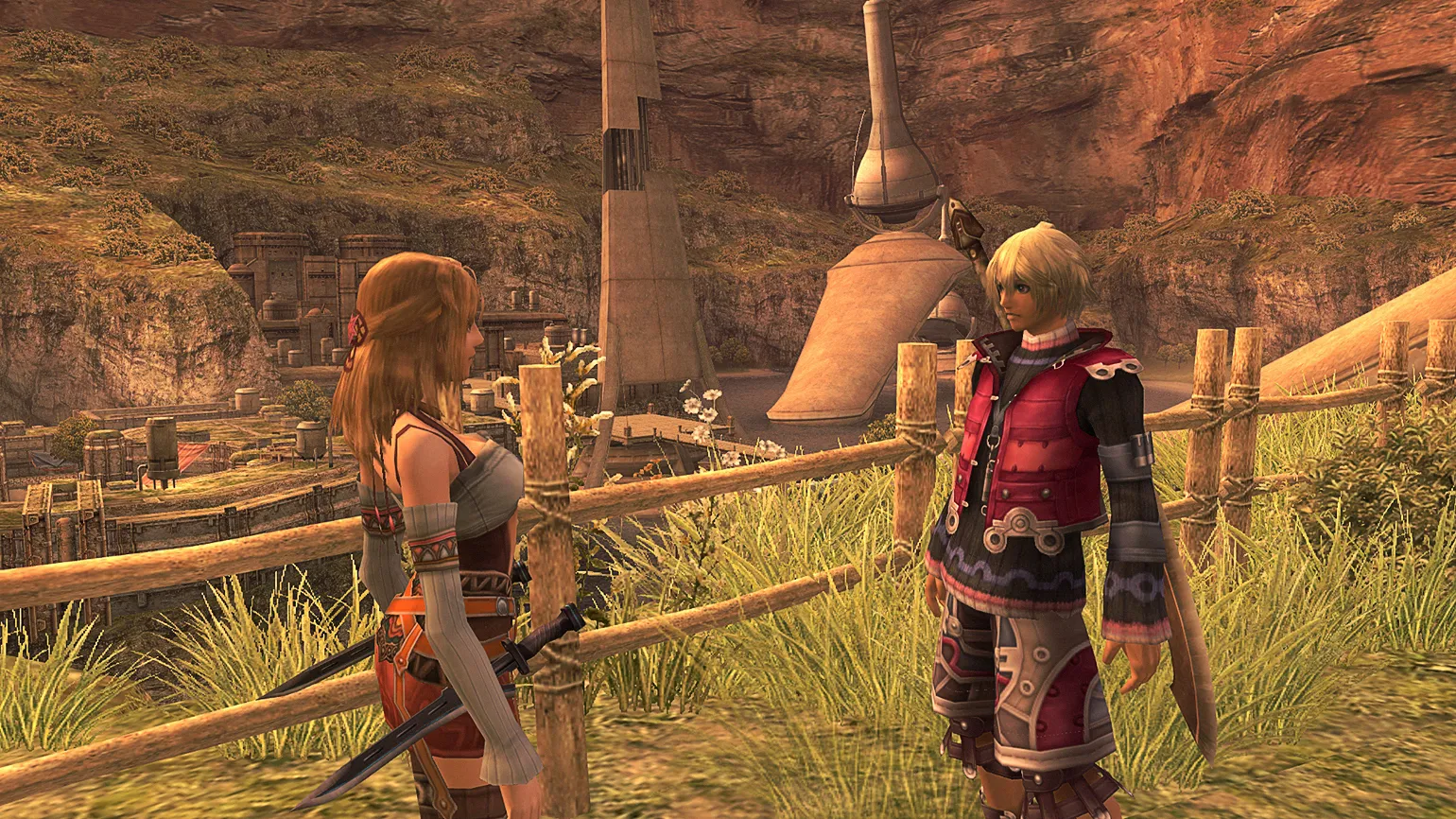
In the early 2000s, Europe became a key region for RPG releases, with games coming out with enviable regularity. European gamers largely remained loyal to PCs and favored Western RPGs, which contributed to the genre's growth. Local studios worked with more modest budgets, and investors were not afraid to invest in risky projects, despite their potential flaws. Eastern Europe also significantly strengthened its position in the market, becoming a full-fledged hub where PC gamers could enjoy a variety of games and generate profits for developers.
European studios have always lacked financial resources. Investors often deceived developers, which led to large losses. Many of them lacked experience, which made porting games to consoles difficult. Marketing strategies in the US were not successful, and the Japanese market remained closed to European projects. Despite these difficulties, in the 2000s, developers in Europe were actively engaged in creating RPGs, which indicated a growing interest in this genre.
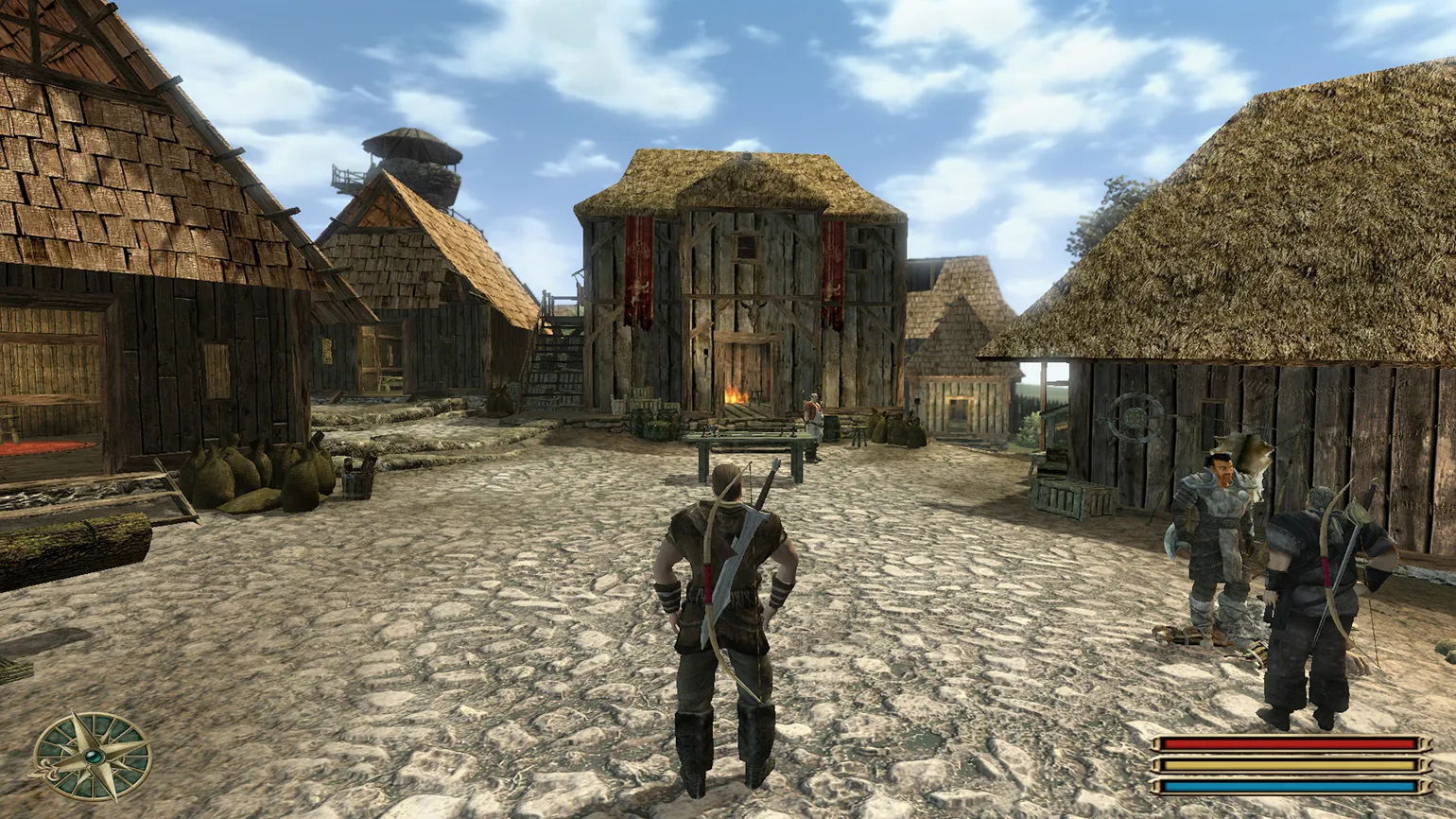
In such an atmosphere, the most unexpected events could occur. Original combinations emerged, for example, the humorous Baldur's Gate clone dedicated to World War II—the Polish game Another War—as well as Zanzarah, a peculiar Pokemon analogue created on the Quake engine. Although most new projects failed, there were also successful examples, albeit achieved with considerable effort.
The first game in the Gothic series was not in great demand, which forced the developers to sign an unfavorable contract with the publisher. However, the second part of the game gained popularity and sold 500 thousand copies. The team that developed the first Witcher essentially learned game development on the fly, ultimately selling 1 million copies. Even with the success of the second installment, which also launched on Xbox 360, more than half of sales came from Central and Eastern Europe. Amazingly, Two Worlds 2 reached the 2 million unit sales mark.
In 2008, the economic crisis dealt a severe blow to the RPG industry. Investors worldwide faced financial difficulties, leading to a decline in interest in risky projects. Virtually all games except AAA titles and inexpensive browser-based or mobile apps were at risk. In Europe and Japan, adequate budgets for single-player projects targeting regional markets virtually disappeared, leading to the disappearance of many such games over the next few years. This period became one of the most difficult for the RPG genre, which faced serious challenges and limitations.
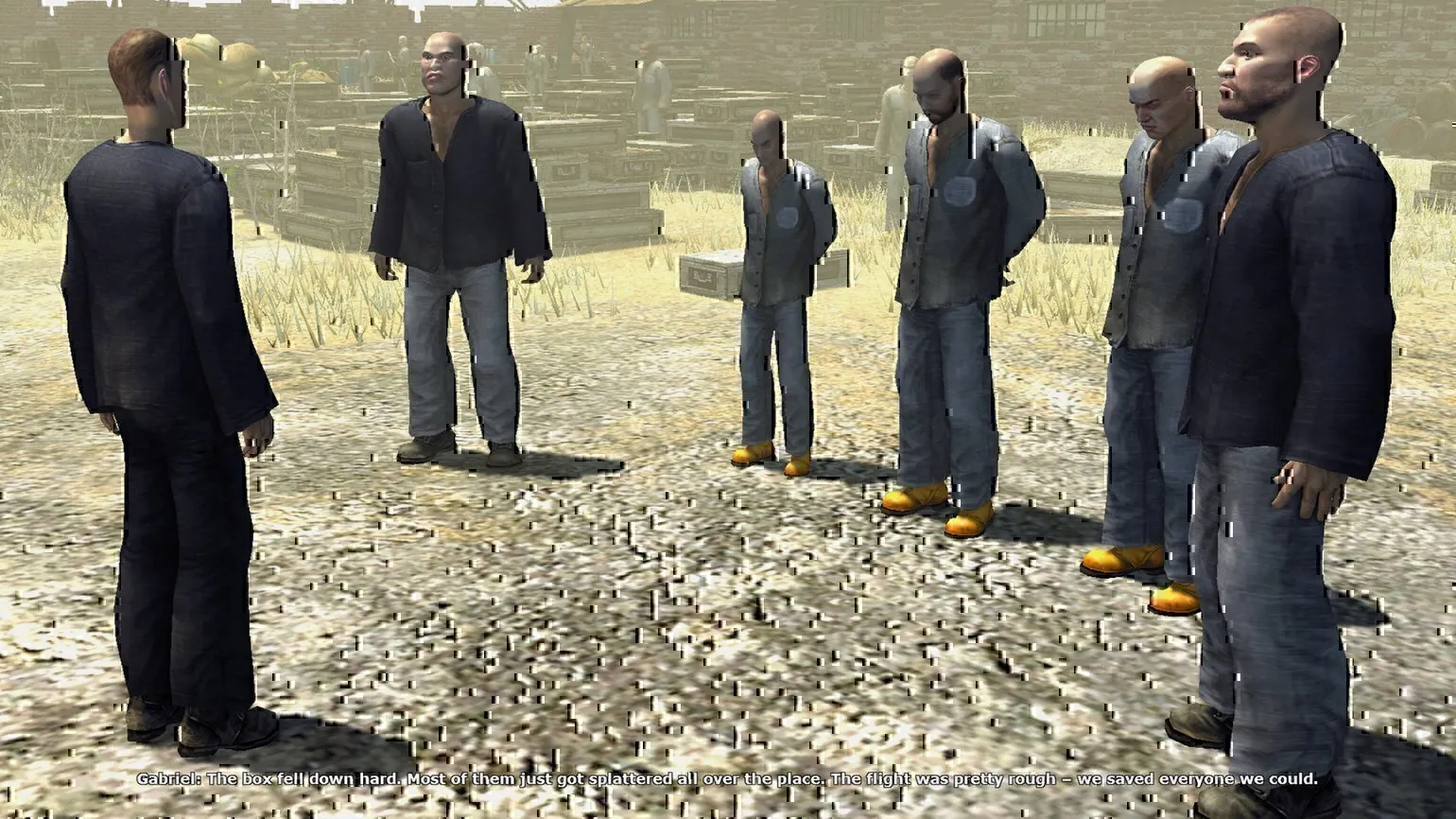
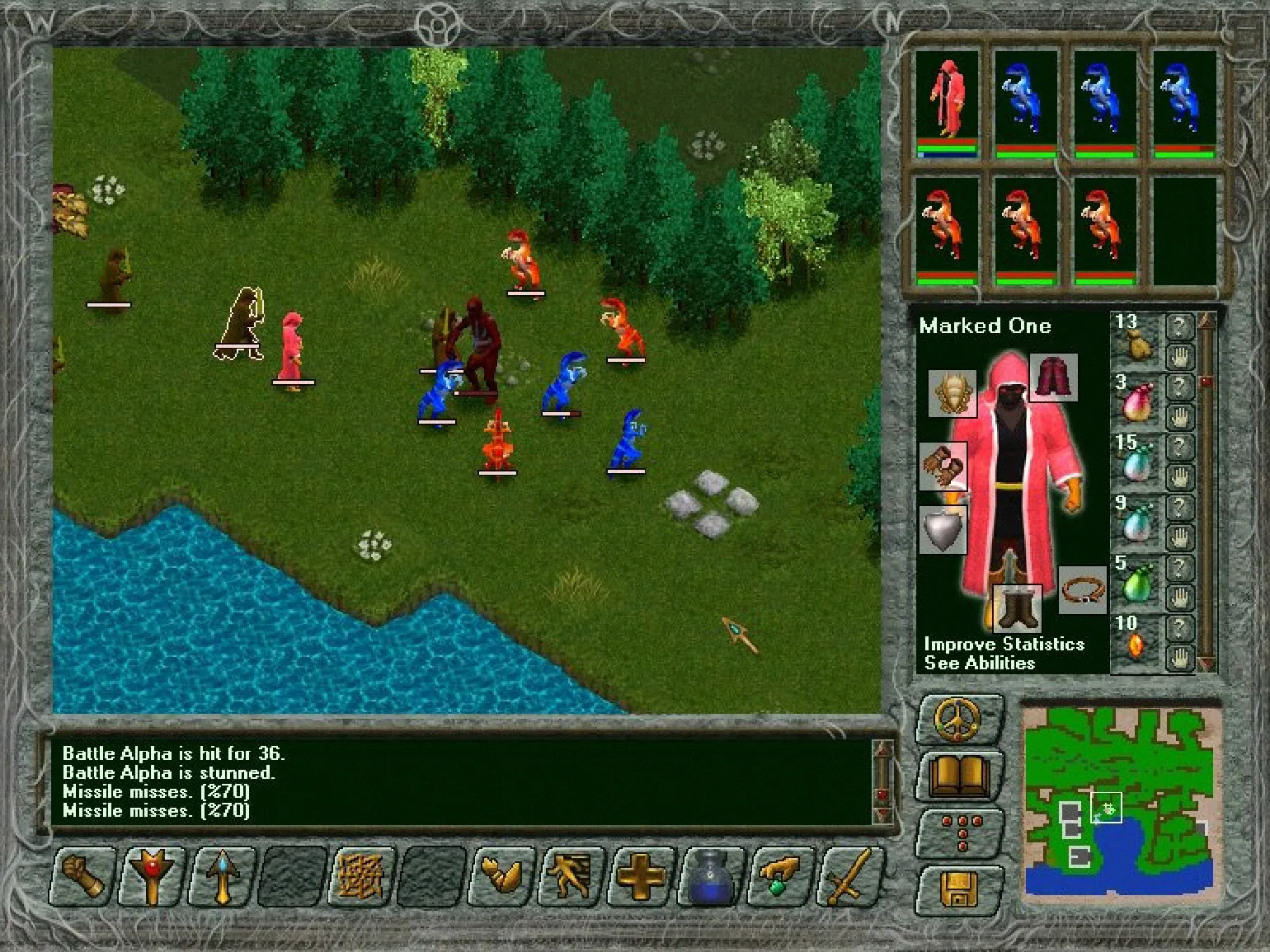
There was a niche that did not experience the crisis - extremely cheap RPGs. Spiderweb Software, a company consisting of just a few people, was the leader in this segment. Back in the 1990s, it released shareware games in the spirit of Golden Box. In the 2000s, the studio focused on creating isometric RPGs with an extensive and deep storyline, while maintaining the graphical standards of the first half of the 1990s. These games attracted attention thanks to their engaging mechanics and interesting stories, which allowed Spiderweb Software to take a strong place in the inexpensive RPG market.
Marketing was practically non-existent. Disks could only be ordered through the developers' website. However, with most competitors quickly disappearing from the market, Spiderweb gained popularity among hardcore RPG fans. For example, Geneforge 4: Rebellion, which had a budget of $120,000, broke even in just a few months.
Over time, other developers began creating projects similar in spirit to the original. A prime example is the Eschalon trilogy of turn-based dungeon crawlers, which strives to capture all the subtleties of tabletop combat featured in Knights of the Chalice. Some fans of the genre even began to call these games the main RPGs of the year, placing them above the works of such famous studios as BioWare and Bethesda.
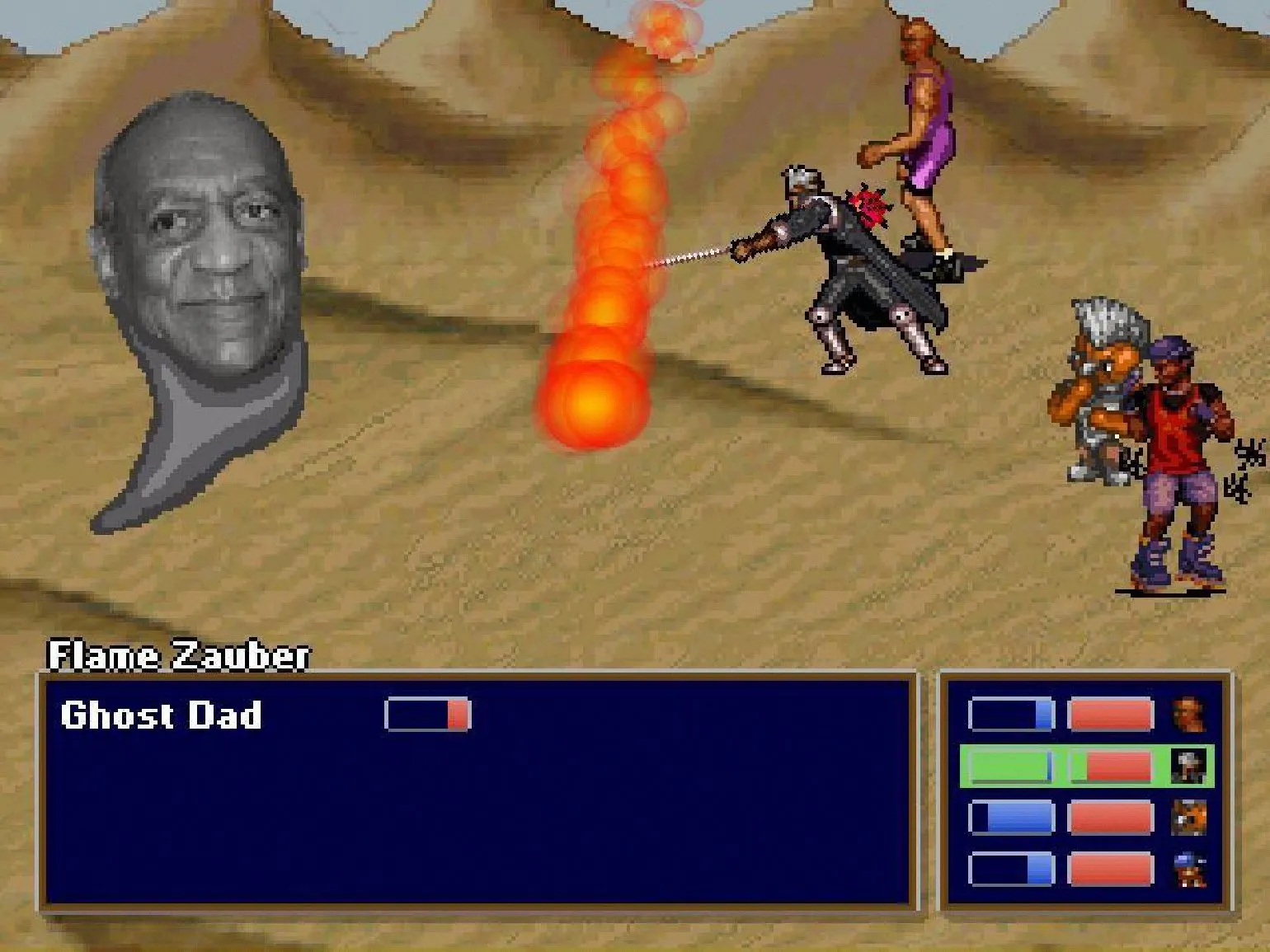
With a shortage of new games in the genre and the expanding capabilities of the internet, non-commercial RPG projects began to appear more and more frequently. Many developers used RPG Maker to create their games. Among them, Japanese projects such as Seraphic Blue and The Way, the Spanish Dhux's Scar, and the Irish Space Funeral stand out. Game Maker was used less frequently, but it was used to create the unique game Barkley, Shut Up, and Jam: Gaiden, which combines a post-apocalyptic setting with a basketball theme. In addition, during this time, modifications were actively developed, sometimes turning into full-fledged games. In the 2000s, mods like The Nameless Mod for Deus Ex and Nehrim for The Elder Scrolls 4: Oblivion were particularly memorable, significantly expanding the gaming experience and showcasing the community's creativity.
Ultra-budget games, free-to-play projects, and large-scale modifications indicate that interest in RPG games really does exist and has even increased in recent years. For the genre to successfully develop, a different approach is required that can meet the needs of players and adapt to modern trends in the gaming industry.
A New Golden Age of RPGs
By the 2010s, the role of RPGs was in a difficult situation. Players were tired of the superficial content of AAA titles and the monotony of Diabloids. However, there were no worthy alternatives on the market. Many studios were closing or switching to developing games for social networks and mobile platforms. Fan-made and ultra-budget projects did not satisfy audience needs, and players were waiting for higher-quality and more detailed games that could revive interest in the RPG genre.
Dark Souls, released in 2011, was one of the first signs of a new era for role-playing video games. It demonstrated that a general audience was ready to accept more complex and hardcore games that differed from the usual offerings in the AAA segment. The PC release, which sold 6 million copies out of a total of 16 million, confirmed that the computer games market continues to develop and thrive.
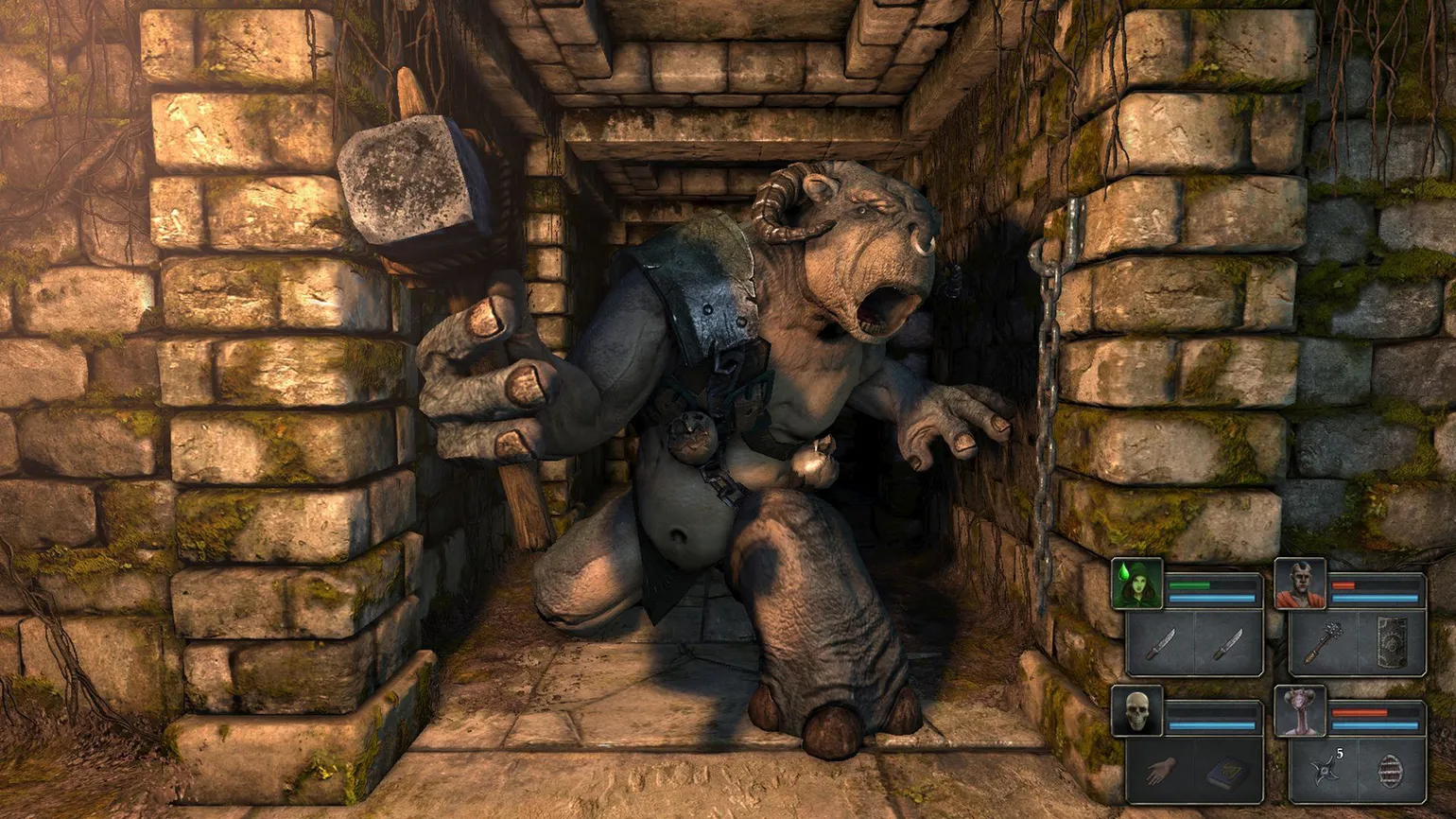
Legend of Grimrock is a landmark project from the early 2010s, created by four developers from different studios. Initially conceived as a fan-made clone of the classic Dungeon Master, the concept evolved into something more original and unique. The creators of Legend of Grimrock left their positions at Remedy and Futuremark to focus on their independent project. In 2012, the game was released on the studio's official website and on GOG, giving a global audience access to the product. Unlike Spiderweb, Legend of Grimrock utilized digital sales, which significantly expanded its audience reach and attracted players from all over the world.
Blobber fans immediately began purchasing the first significant game in this subgenre since the early 2000s. The project received positive reviews even from those who had never played the Might & Magic or Wizardry series. The small studio didn't need much funding for successful development. As a result, 600,000 copies of Legend of Grimrock were sold in just a few years.
The studio began developing a sequel, which breathed new life into the once-forgotten subgenre. Smaller teams also began experimenting in this area, which led to a resurgence of interest in this direction. Even Ubisoft decided to take advantage of this trend and released Might & Magic. Magic 10: Legacy to attract the attention of fans of the series and new players.
2012 saw a significant event in the world of video game development: developers began actively using the Kickstarter platform to raise funds. In February of that year, Tim Schafer's campaign for the classic adventure game Broken Age became known. This campaign attracted the attention of many players and raised an impressive $3.3 million, demonstrating the huge interest in adventure games and the potential of crowdfunding in the gaming industry.
RPG developers also turned to the crowdfunding platform. In March 2012, the producer of the original Wasteland raised nearly $3 million for a sequel, and the creator of the tabletop game Shadowrun received $1.8 million to develop a computer tactical RPG. Obsidian, experiencing financial difficulties, raised almost $4 million in September to implement the Pillars of Eternity project, a party-based role-playing game in the style of Baldur's Gate. Soon, other companies began joining the platform, including the developers of The Banner Saga and the recently released Sea of Stars.
For some studios, Kickstarter became an important tool for raising funds to support small teams. Others used it as a promotional platform: successful campaigns attracted players' attention, and the funds raised served as proof of interest to potential investors. This is especially true for small studios, which require relatively small amounts of funding. With the development of social media and digital platforms, as well as the disappearance of restrictions associated with regional markets, developers were able to interact with players around the world. Now, there was no need to search for small communities of genre fans – they themselves discovered interesting projects, significantly increasing the chances of success.
The RPG renaissance had arrived. During this period, both experienced developers and newcomers to the industry began actively creating projects, reviving a genre that many considered outdated, except for its combination with action. Players responded positively to this revival: campaigns were successful, and games sold well. As a result, RPGs once again established a strong position in the gaming market, attracting attention for their engaging stories, deep characters, and innovative mechanics.
The main problem was that studios tried too hard to imitate classic games. Pillars of Eternity was largely a copy of Baldur's Gate, and Wasteland 2 was overly eager to recreate the atmosphere of Fallout. While more original projects appeared on the market, the overall feeling of derivativeness from many "spiritual successors" was quite noticeable. However, over time, the situation began to change. Developers began to focus more on uniqueness and innovation, creating games that not only referenced classics but also introduced new ideas and mechanics. This contributed to the diversity of the genre and the attraction of a new audience.
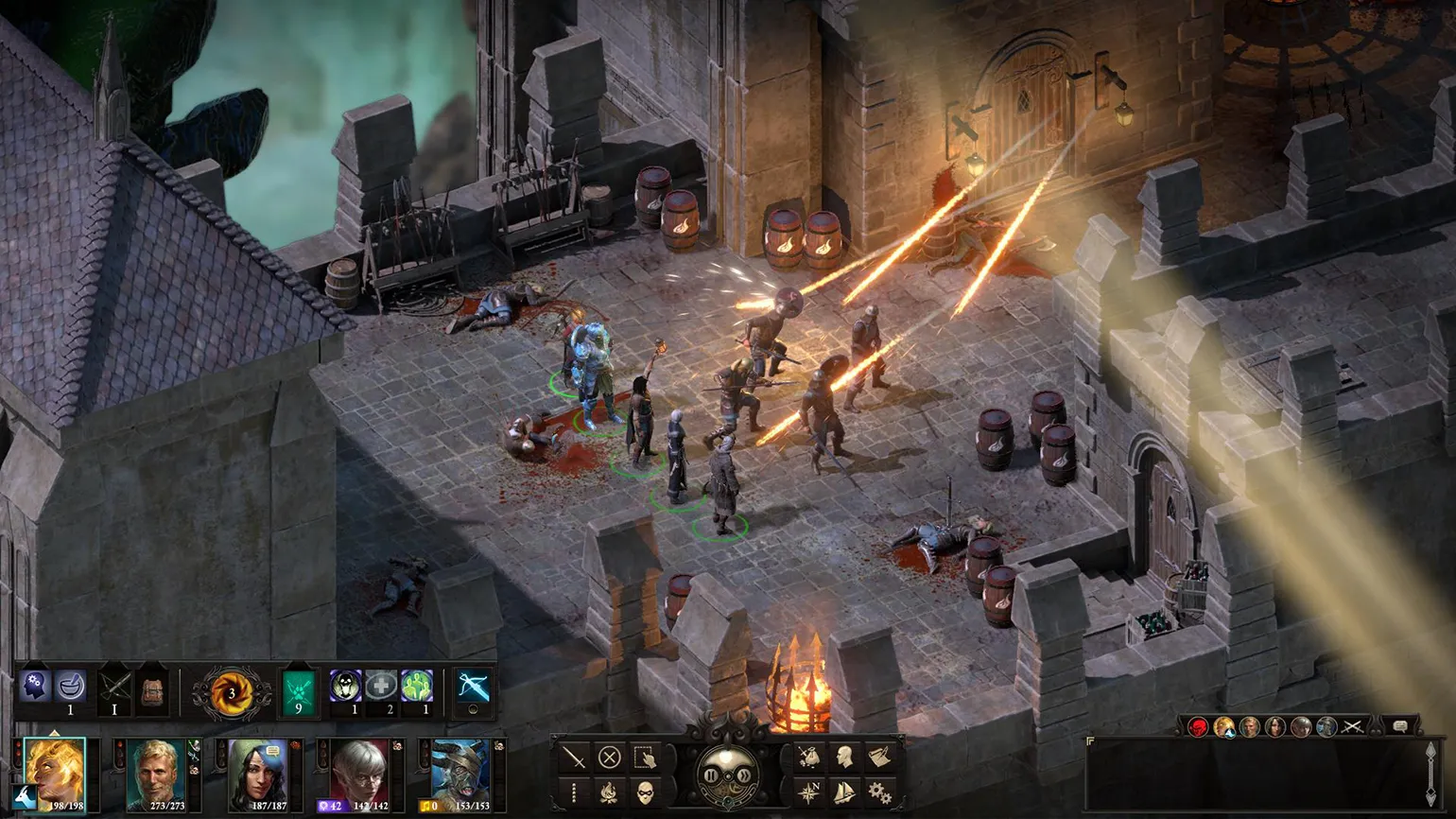
Veterans of classic studios began to recognize their mistakes and strive for innovation. Obsidian set the story of Pillars of Eternity 2 in a Caribbean-inspired fantasy world, while Tyranny told the story of a servant of a dark overlord. The gaming industry was seeing an increasing number of projects that didn't strive to faithfully replicate the old-school genre, such as Darkest Dungeon and Sunless Sea, introducing new ideas and mechanics to the genre. These games demonstrated that it was possible to create unique content while building on classic traditions while exploring new directions and approaches.
Long-term development projects by enthusiasts, who, with virtually no budget, were creating their own "spiritual successors" to classic games, were coming to an end. Projects like The Age of Decadence, UnderRail, and Kenshi, while having their flaws, nevertheless brought fresh ideas to familiar gameplay mechanics. At the same time, commercial games using RPG Maker and Game Maker began to emerge, challenging the genre's foundations. Lisa: The Painful and Undertale were prominent examples of these games, demonstrating how traditional RPG elements could be reimagined and offer unique player experiences. Recent years have seen a rapid increase in the number of large-scale modifications for the early Fallout games. Notable projects include Fallout of Nevada, Fallout 1.5: Resurrection, Olympus 2207, The Sum, and Fallout: Sonora. These fan-made projects not only expand on the original content but also offer new stories and unique gameplay mechanics, attracting the attention of both long-time fans and new players. Fallout mods are becoming an important part of the community, enriching it and maintaining interest in the classic games in the series.
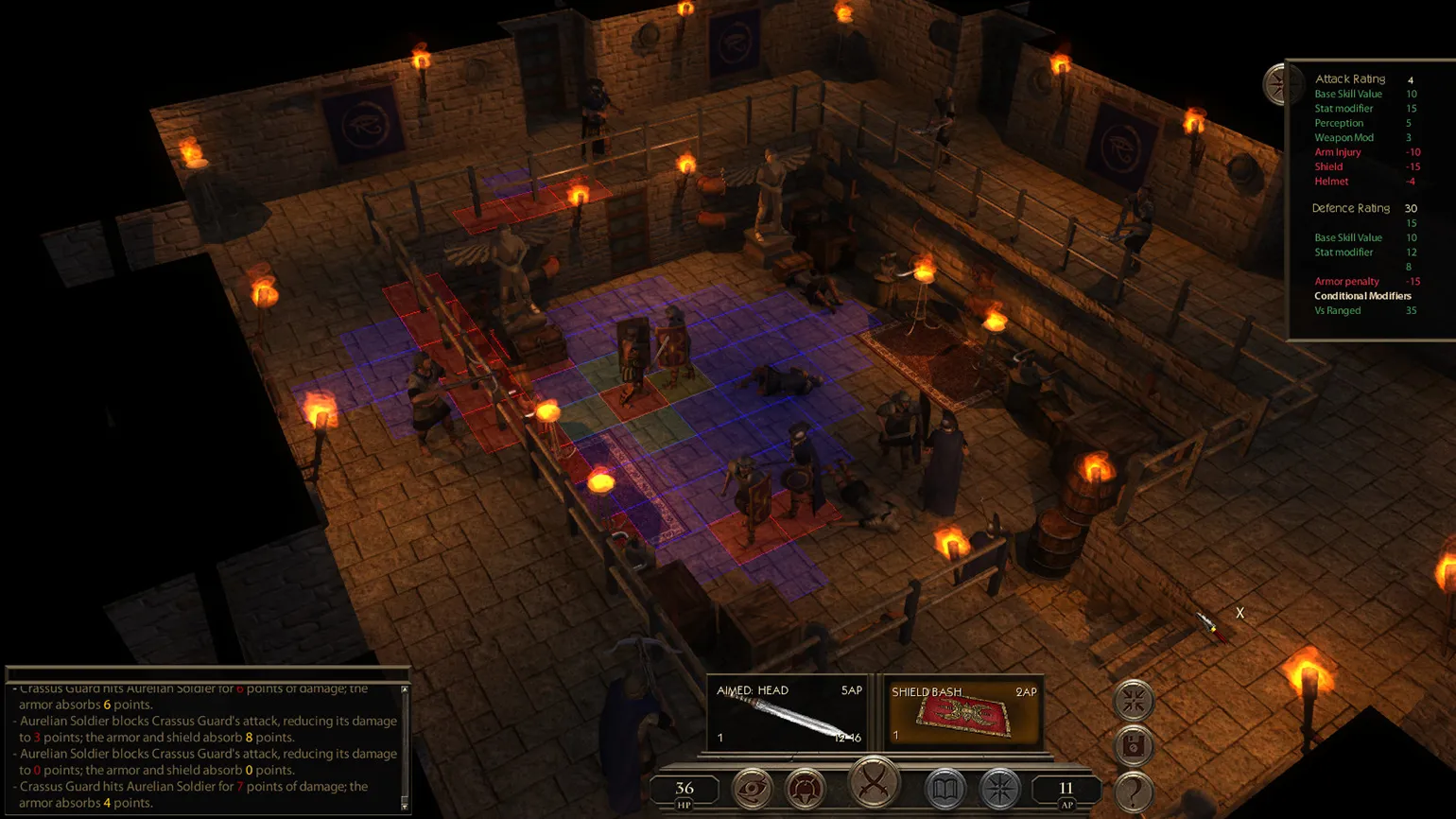
This resulted in the beginning of a second golden age of RPGs, which began around 2017. Since then, there has been a significant increase in the release of games across all RPG subgenres, including even the most rare and niche genres. This diversity opens new horizons for players and developers, contributing to the growth of the genre and its popularity.
Torment: Tides of Numenera aimed to be a spiritual successor to the cult game Planescape: Torment. 20 years after the start of development, Grimoire: Heralds of the Winged Exemplar was released, becoming an unofficial alternative to the famous Wizardry 8. The English release of Persona 5 made a splash online and once again attracted the attention of Western players to the JRPG genre. Following the success of The Elder Scrolls 5: Skyrim, virtually every major AAA title began incorporating RPG elements, and even Assassin's Creed: Origins attempted to offer something along the lines of The Witcher 3. All of these games were commercially successful.
Since RPGs began gaining popularity, a diverse range of games in the genre have appeared annually—from blobbers to open-world roguelite tactical RPGs, from 2D soulslices to card-based RPGs. A prime example is the Yakuza spin-off, which brought classic JRPG elements into the modern era, a real event in the industry, especially considering what was happening ten years ago. Previously untranslated Asian masterpieces such as Live A Live, Moon: Remix RPG Adventure, and Xuan-Yuan Sword have also begun to be officially released in English. Significant games for the genre are regularly released, such as Kingdom Come: Deliverance, Disco Elysium, and Elden Ring, each of which took the ideas of their predecessors to new heights. This whole surge of interest in RPGs is consistently profitable, which is rare for most subgenres since the 1980s.
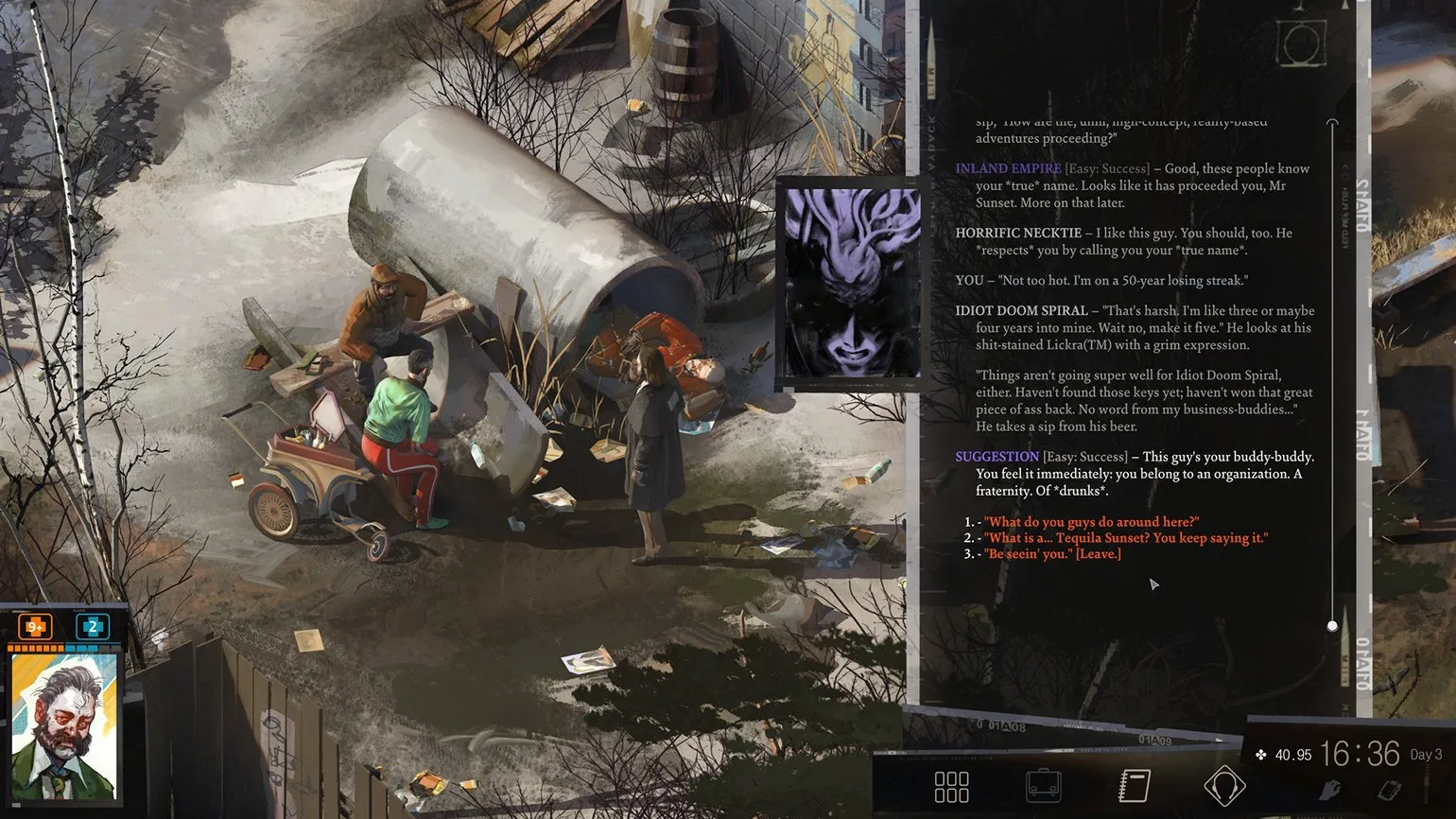
2023 has been a remarkable year for the gaming genre, especially compared to the 1980s, 1990s, and 2000s. We've seen an incredible diversity of games, including two landmark turn-based, party-based RPGs set in space. Furthermore, the return of Jagged Alliance delighted fans with its unique blend of tactics and RPGs. This year also features a variety of exciting projects for JRPG enthusiasts, from epic story-driven adventures to dungeon crawlers inspired by early FromSoftware titles. Thus, 2023 offers something for every gamer.
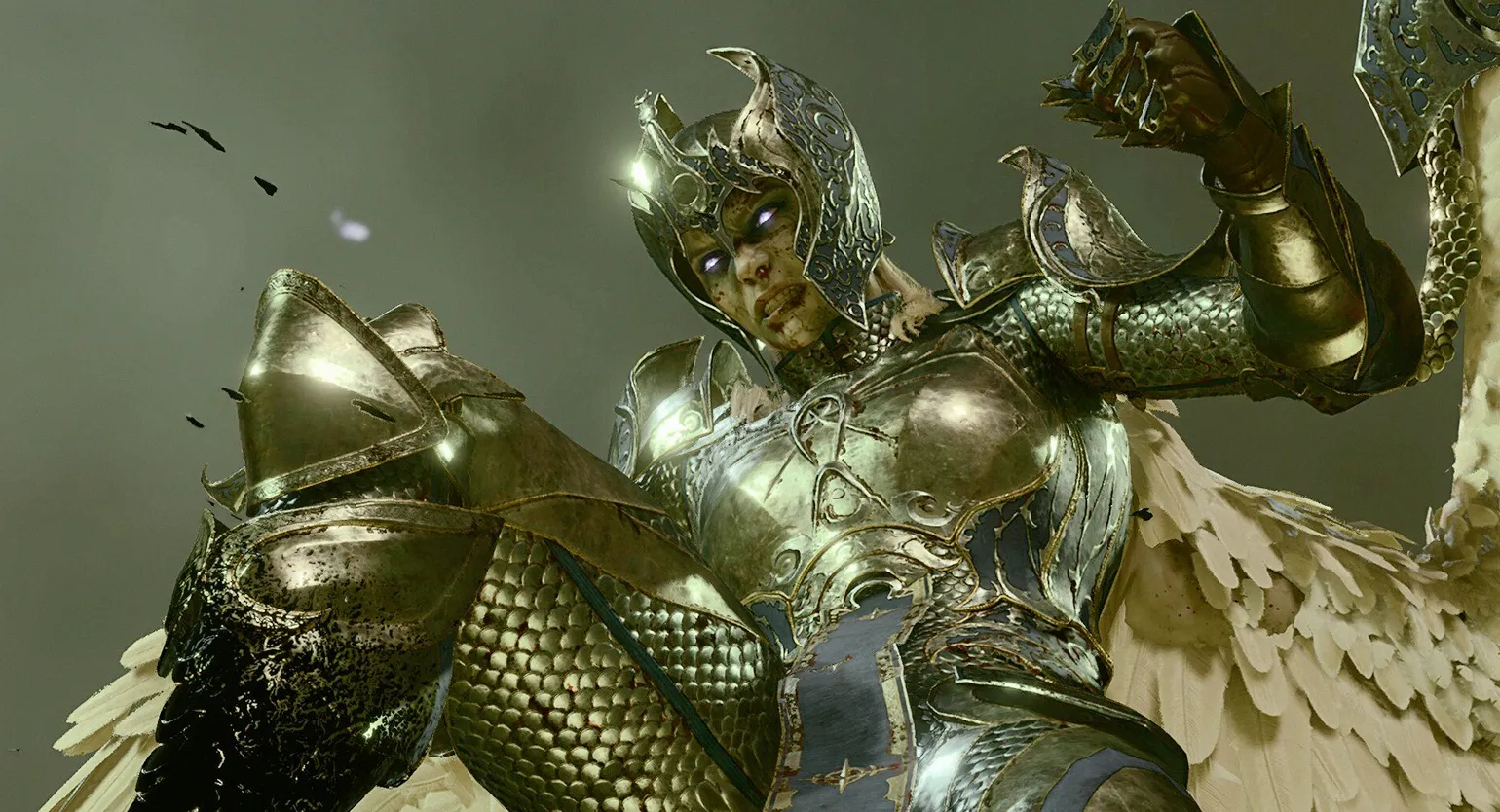
Baldur's Gate 3 from Belgian studio Larian is a shining example of the second golden age of RPGs. The developers have endured numerous challenges in this genre, allowing them to create high-quality and engaging content.
The developers, who grew up on classic games from the 1980s and early 1990s, were inspired by masterpieces like Ultima 7 and Ultima Underworld. Swen Vincke, the studio's head, often cites these games as his favorites. When the team decided to create their own RPG in the second half of the 1990s, they encountered difficulties finding funding. As a result, they had to focus on developing a real-time strategy (RTS) game.
When the studio received the opportunity to create their own computer role-playing game, Divine Divinity, they transformed it into an action RPG, adding engaging quests and unexpected plot twists to the standard Diablo formula. The game's success became a real hit, but the publisher left the developers without support, refusing to pay for copies sold. As a result, the studio was forced to rush out a poorly thought-out sequel, Beyond Divinity, to avoid bankruptcy.
When Larian raised funds to develop Divinity 2, planning to make the project larger and adapt it for consoles, the 2008 financial crisis hit, severely hampering the studio's ambitions. Many ideas were abandoned due to a lack of financial resources. Also, the strategy spin-off Divinity: Dragon Commander barely broke even.

Rework the text to be more SEO-friendly while maintaining the main topic. Make sure the content remains relevant and informative. Don't add extra characters or use bullet points.
Read also:
Sven Vinke: "I'm lucky my wife stayed with me." This quote reflects deep gratitude and appreciation for her support during difficult times. Life's trials can test the strength of any relationship, and it's important to appreciate those who are close to you. Sven Vinke emphasizes the importance of partnership and understanding in marriage. These words remind us that true love and devotion can overcome any obstacles.
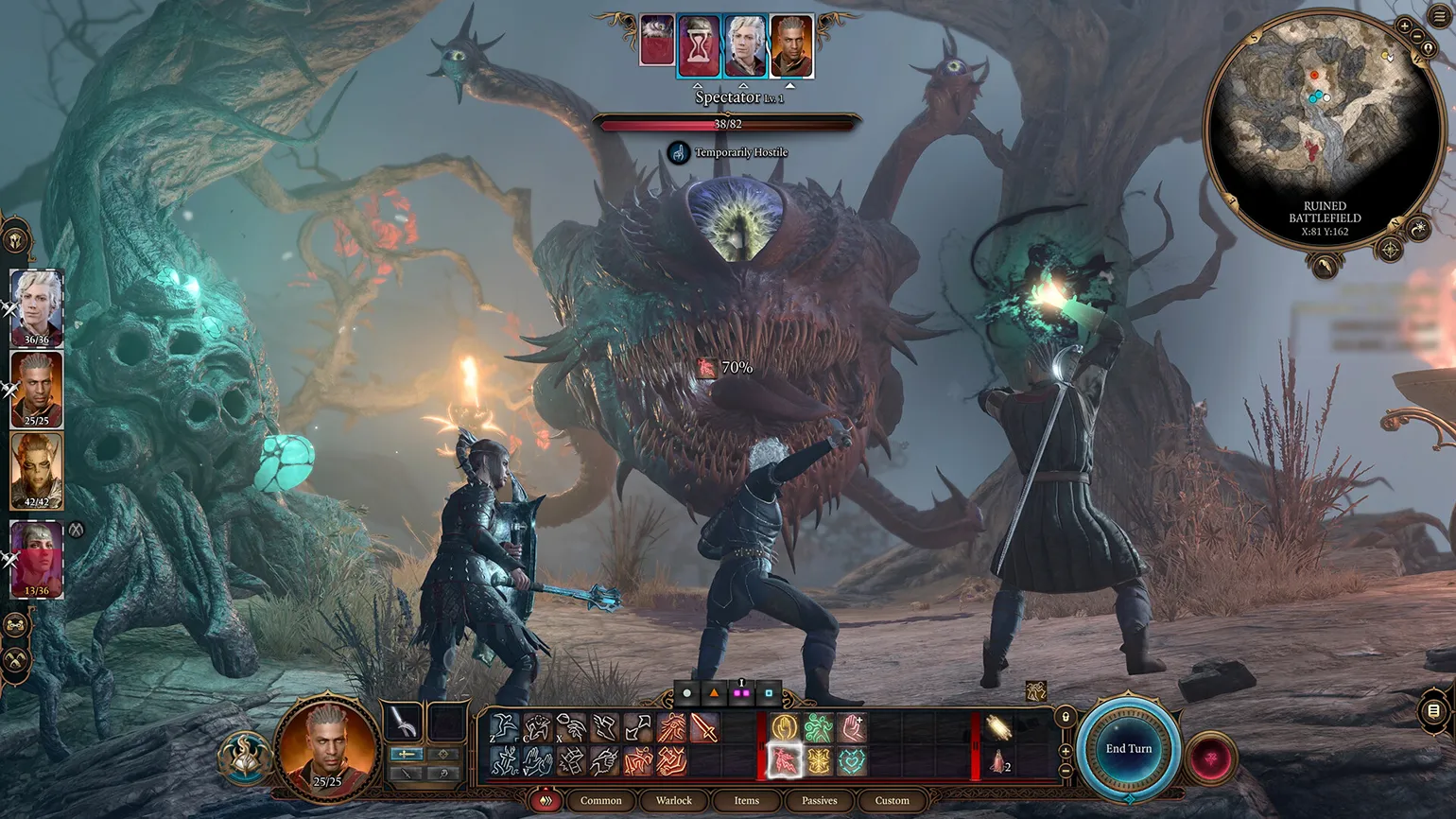
In the early 2010s, Larian Studios became one of the first to use the Kickstarter platform to fund the development of role-playing games. Thanks to the revival of the RPG genre, developers were able to raise funds, hone their skills, and build a large, devoted audience. This ultimately led to the creation of Baldur’s Gate 3, one of the most significant games of 2023. The game received numerous awards, high sales, positive reviews from players, and became the source of numerous memes. Baldur’s Gate 3 not only strengthened Larian’s reputation but also made a significant contribution to the development of role-playing games, continuing the traditions of its predecessors and introducing new elements to the genre.
Currently, we find ourselves in a new era of the Golden Age of RPGs. This era is characterized by a variety of genres, innovative mechanics, and gripping stories that attract players around the world. Advances in technology and the availability of platforms make RPGs more accessible and engaging, creating unique opportunities for immersion in game worlds. Games in this genre continue to evolve, offering new formats and improved graphics, making them attractive to both existing fans and new players.
Game designer profession from scratch to PRO
A game designer creates the structure of a game. They develop the idea, rules, and gameplay, and decide what emotions the story will evoke in players. You'll master the principles of game design from scratch and learn how to work with popular engines like Unity and Unreal Engine. You'll learn how to keep players engaged and monetize games. And we'll help you start a career in the gaming industry.
Learn more