Table of Contents:

Learn: The Profession of Screenwriter
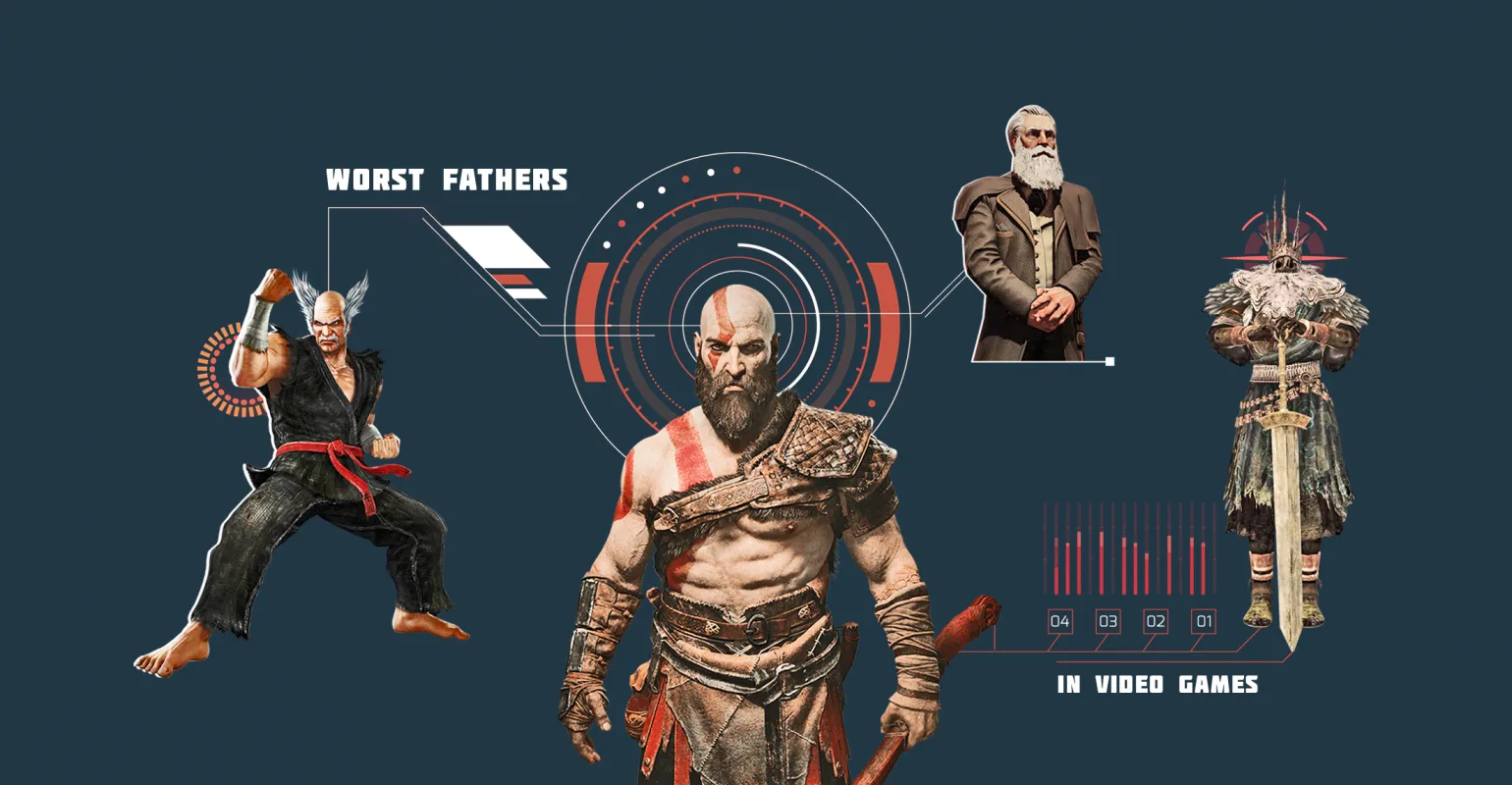
Learn MoreSince 2021, Father's Day has been celebrated in Russia on the third Sunday of October. In recent years, the topic of fatherhood and raising children has been actively discussed not only in society but also in video games, including AAA games. Father's Day is a wonderful opportunity to remember the most memorable fathers in video games and reflect on the life lessons and values they represent.
Michael de Santa - Grand Theft Auto V

Michael de Santa, one of the three central characters in Grand Theft Auto V, is a vivid and down-to-earth portrayal of a failed father in video games. His character embodies the current problems of the upper class in the United States and First World countries. The game explores themes of family relationships, midlife crisis, and the search for meaning in life, making Michael not only an interesting but also a deeply realistic character. His interactions with the world around him and other characters highlight the complexity of life in conditions of material prosperity, which has attracted the attention of players and critics.
In his youth, Michael was an attractive young man and a promising athlete, but injuries curtailed his athletic ambitions. After this, he found himself in the criminal underworld, where his life went downhill, and he even ended up behind bars. Realizing that he had messed up, Michael decided to change his destiny. Family became his support and motivation—for the sake of his wife and two children, he decided to leave his criminal past behind and turn in his former accomplices. However, it's worth noting that family wasn't a goal for Michael, but rather a means of escaping the past. He hoped that immersing himself in family matters would help him forget his mistakes and build a new life.
The mistakes of the past haunted Michael, and raising children and maintaining harmony in his relationship with his wife became a real challenge. Immersed in the family routine, he realized he hadn't been able to leave his gangster life behind, and in retirement, he began to experience deep melancholy. A psychologist who did nothing but extort money from him only worsened his condition.
Michael faces serious family problems: his wife is cheating on him, and his children disrespect him and openly express dissatisfaction. Instead of addressing these issues, he prefers to ignore them, relaxing by the pool with a beer. His infantile behavior makes him merely a source of income for the family, depriving him of the opportunity to become a real father and husband. Instead of actively participating in raising children and building relationships, Michael only occasionally tries to assert his authority, which only causes further resentment from his loved ones. As a result, his attempts to dominate lead to further estrangement from the family, which only worsens the situation.
Michael de Santa is a prime example of family burnout, infantilism, and a midlife crisis. He strives for change, but doesn't know which direction to take. At the same time, he lacks the internal resources to realize his intentions. This complex internal struggle makes him a character reflecting the current problems of many people facing similar crises in life.
According to research, between 25% and 50% of men aged 40 and 60 face similar life situations. However, the protagonist, Michael, finds the strength to change his life and overcome difficulties. It is important to note that not everyone succeeds in overcoming such difficulties. Instead of trying to be like Michael, it's better to realize that every case is unique. You need to find your own ways to solve problems and ask for help when needed.
Henry Lawson - Mass Effect 2
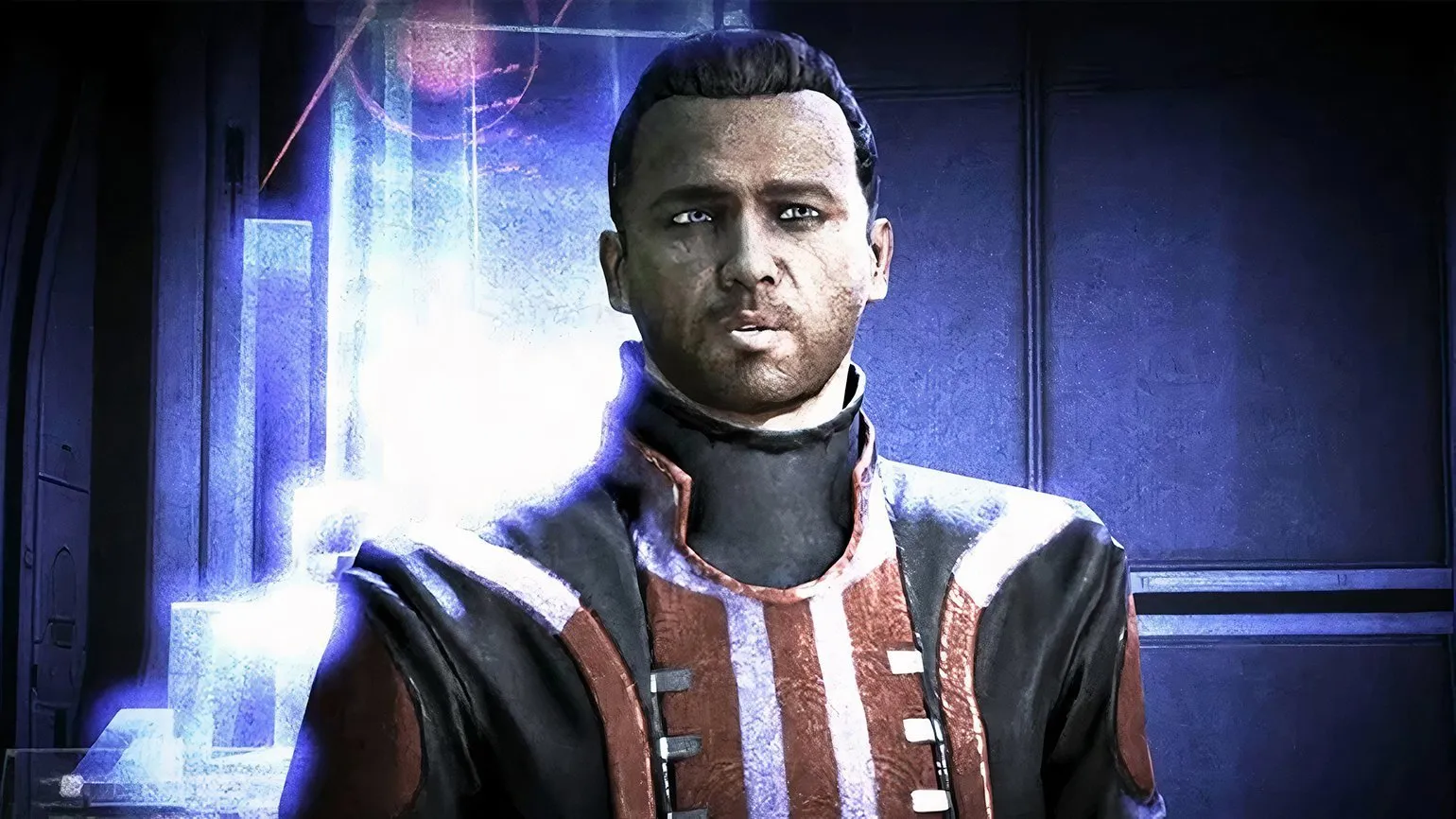
Henry is a minor character, but his personality reflects many contemporary issues surrounding fatherhood. In the Mass Effect storyline, Henry uses his DNA to artificially create a daughter—Miranda Lawson, one of Commander Shepard's companions in Mass Effect 2. He passes on only his best qualities to Miranda, creating a near-perfect human being. This storyline raises important questions about what it means to be a parent and what qualities we pass on to our children. Thus, Henry becomes a symbol of the complex relationship between father and daughter, illustrating both the positive and negative impact of parental heritage.
The girl was a freethinker, but Henry cruelly suppressed her aspirations, trying to create an ideal continuation of himself. Many children face similar experiences in their childhood. Parents often project their unfulfilled ambitions onto their children, forcing them to spend time in music schools and sports clubs. At the same time, the children's opinions are often ignored, and the phrase "you'll thank us later" becomes a kind of meme, reflecting the lack of understanding and support from adults.
When Henry realizes that he was unable to completely break Miranda and the ideal was not achieved, he decides to create a new daughter - an "improved" copy of Miranda, whom he intends to shape from scratch. This highlights another deep and sad problem that exists in real life. Henry strives for the ideal, ignoring human feelings and complexities, which reflects a general trend in society: the pursuit of perfection sometimes leads to the creation of distorted images and expectations.
When a father leaves the family, he often has difficulty rebuilding a relationship with his child. In some cases, he simply doesn't want to do this. In such situations, many men seek solace in starting a new family and having a new child, while consciously severing ties with the "first" child. This can lead to emotional trauma for everyone involved and complicate the process of repairing the relationship in the future. It is important to recognize the importance of the parental role and strive to maintain contact with children, even if circumstances have changed.
Heihachi Mishima - Tekken series
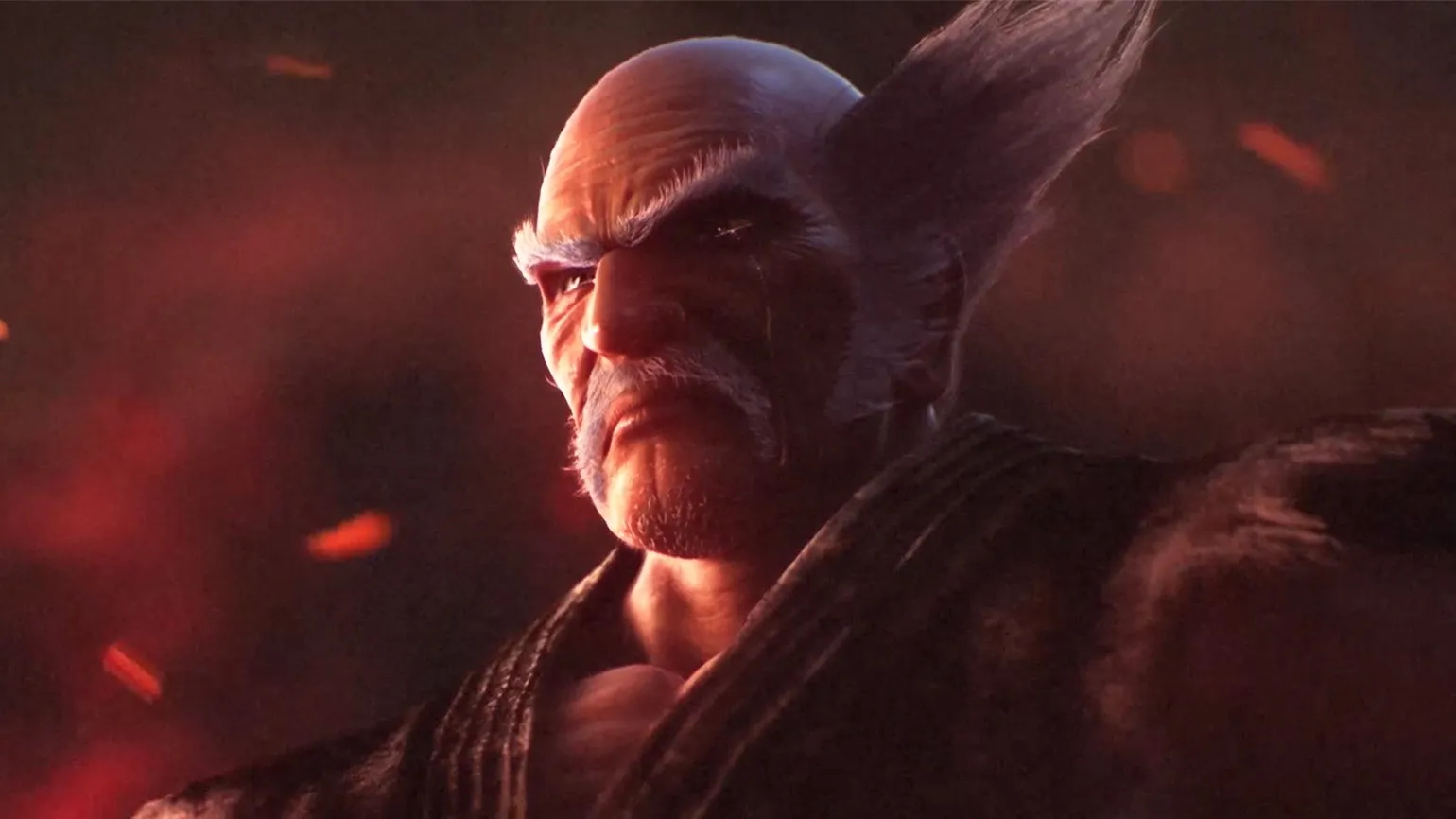
Heihachi Mishima is an iconic character in the Tekken video game series, becoming one of the franchise's most memorable antagonists. He first appeared in the original game and has since returned in every new installment, often serving as the main villain and source of conflict. Heihachi can be described as a complex and multifaceted character, who is simultaneously a bad father, stepfather, grandfather, son, and husband. His life is filled with struggle and betrayal within the family, which makes his image especially dramatic. Heihachi Mishima embodies irreconcilable enmity and ambition, making him a key figure in the development of the Tekken plot.
The image of Heihachi Mishima may seem overly fantastical, but Tekken series director Katsuhiro Harada noted in an interview that this character's story is based on his own relationship with his father. Harada emphasizes that harsh parenting was common in post-war Japan, and many of his generation can see familiar traits in Heihachi. Harada also describes Mishima as a beloved and deeply human character who vividly illustrates the evil that can lurk in the hearts of people. This complex dynamic makes Heihachi one of the most memorable and layered heroes in gaming, captivating both Tekken fans and new players alike.
Heihachi Mishima committed many acts, but one example vividly illustrates the core issues reflected in his story. When his son was five years old, Heihachi threw him off a cliff, insisting that if the boy was truly his, he would survive and return. This episode is a clear allusion to the harsh demands parents place on children, often accompanied by a lack of support and praise. Such actions highlight the psychological strain children experience under high parental expectations.
High expectations of children in Japan and China are a common stereotype ingrained in pop culture. However, such stereotypes are not without foundation. Similar approaches to parenting are often observed in countries with low living standards, unstable economies, and uncertain futures. For parents in these settings, strict demands on children become a means of care and protection, an attempt to prepare them for life in difficult circumstances. This phenomenon highlights the importance of cultural and economic factors influencing parenting styles and expectations.
Gwyn — Dark Souls series
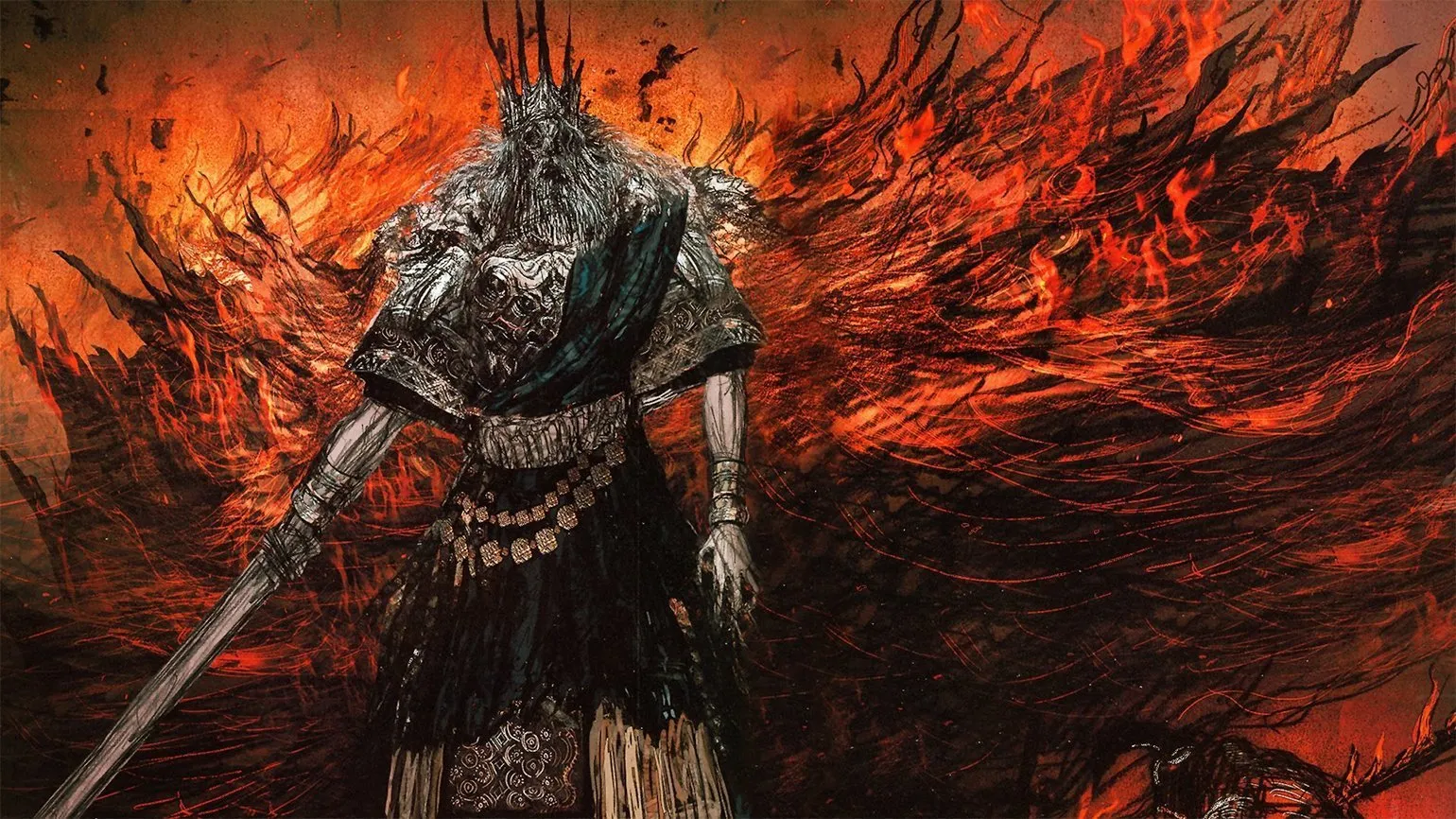
Gwyn is the supreme deity in the world of Dark Souls, known for his heroic deeds and tragedies. He overthrew the dragons and brought light to the world, but failed as a father. All of his children suffered the consequences of his actions, but two stories are particularly significant: that of his firstborn and youngest son. These relationships reveal complex aspects of his character and the impact Gwyn has had on the world of Dark Souls, highlighting the game's dark and tragic elements.
Gwyn's firstborn, according to the game's lore, committed an act that incurred his father's wrath. As a result, Gwyn stripped him of his divine status and even his name. The scale of this punishment is so great that no mention of the firstborn can be found in the game, and statues dedicated to him have been destroyed throughout the kingdom. This story raises questions about the justice of Gwyn's actions. Parents are supposed to be supportive and forgiving, yet the game hints that the firstborn allied with the surviving dragons. For Gwyn, this is likely the equivalent of his son throwing a grenade through a window. Such an act could be perceived as a betrayal, which explains the god's harsh reaction.
In Gwyndolin's story, it is impossible to justify the father, despite all attempts. While all of Gwyn's children possessed the power of the sun, Gwyndolin inherited the power of the moon, which was considered feminine. Therefore, Gwyn raised his youngest son as a daughter. In Dark Souls 3, you can find the Ring of Change, which belonged to Gwyndolin. This ring changes the animations of a male character to those of a female and vice versa, highlighting the uniqueness and complexity of his legacy.
Attempts to change a child's gender against their will, while not common, do occur and are often associated with serious psychological issues in the parents. In the context of Dark Souls, the question of whether Gwyndolin suffered from such an upbringing is not central, but it certainly does not carry a positive connotation. It is important to understand that such situations can have long-term negative consequences for the mental health of a child.
Kratos - God of War series
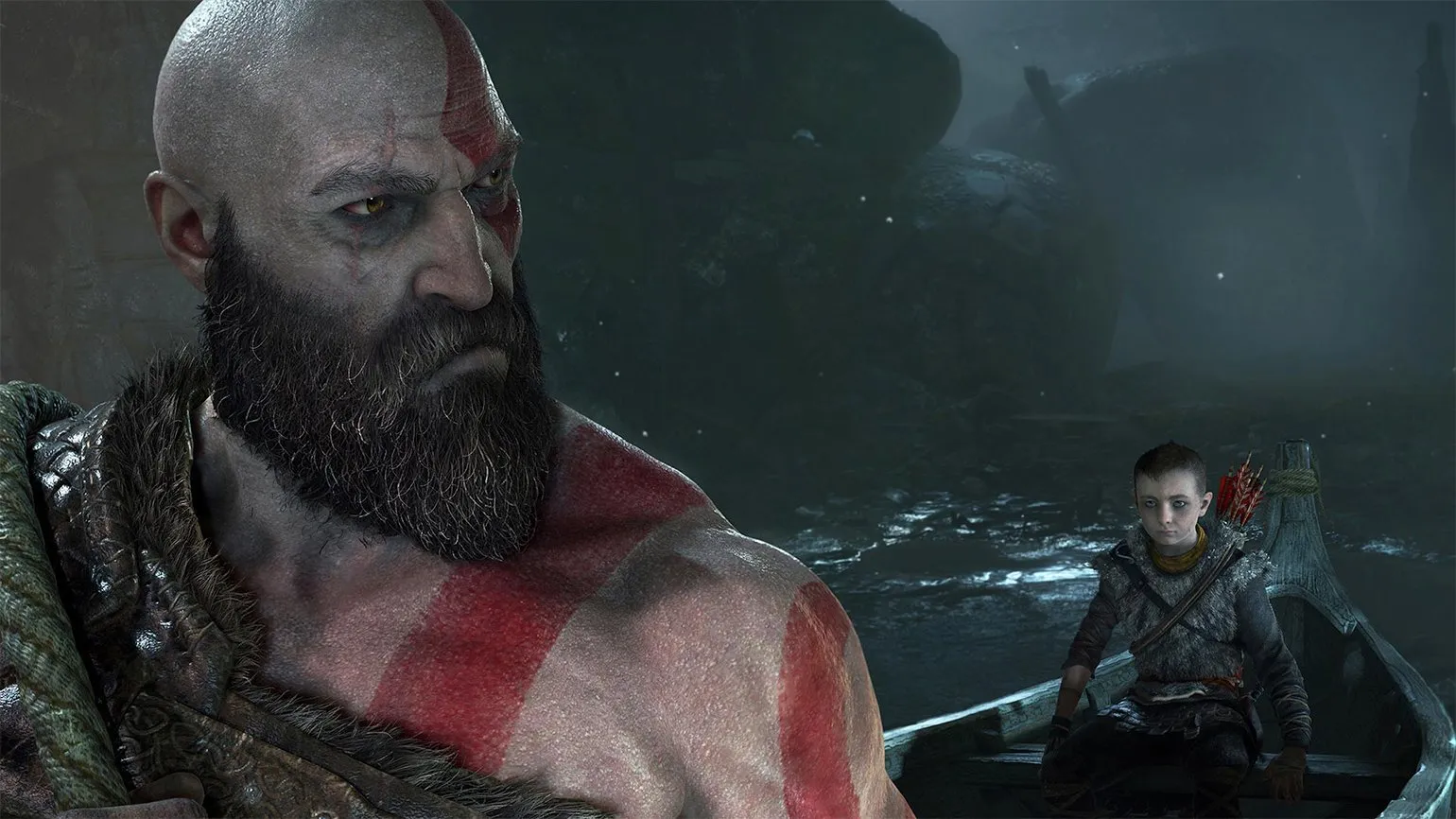
It's important to note that in the first game in the series, Kratos, prior to the reboot, committed a heinous crime, murdering his wife and daughter. He was deceived by the gods and did not understand the consequences of his actions, which led to his deep remorse. It was this inner conflict that became the basis for his brutal revenge on Olympus.
In the 2018 soft reboot, Kratos travels north to meet the gods of Norse mythology and have a son named Atreus. The game introduces an eleven-year-old boy whom Kratos clearly loves, but his skills with children are insufficient. God of War focuses on the relationship between Kratos and Atreus, deeply exploring the complexities of fatherhood and emotional connections, making the story particularly rich and touching.
Kratos is a despotic and demanding father, preparing his son for a difficult life from an early age. He expects perfect results from Atreus in every endeavor. The phrase "You're not ready" is often heard, underscoring Kratos's high standards. Unlike Heihachi, he doesn't resort to physical violence, but his cold disappointment in moments of failure can be even more painful. This parental behavior often leads to the development of complexes in children that can haunt them throughout their lives. As they grow up, they strive to be perfect and pleasing to everyone around them. Each person retains a childish perception of parents who are difficult to please, despite the desire to gain their approval at least once.
Kratos, the game's protagonist, faces difficulties expressing his emotions. In critical moments, when his son Atreus is in danger, Kratos shows a willingness to do anything to save him, demonstrating strong feelings. However, when it comes to simple expressions of parental care, such as hugs and support, Kratos faces a real challenge. As a Spartan, he did not experience love as a child and does not know how to overcome his emotional isolation. This internal struggle between his cruelty and his desire to be a good father creates a profound contrast and adds complexity to his character.
Despite this, Kratos can only be called a bad father in a relative sense. In the game's world, his harsh parenting methods are justified, as many seek to destroy him and his family. In the game's finale, he softens and begins to connect with his son. One can only guess what consequences this will lead to in the second part.
Cody - It Takes Two
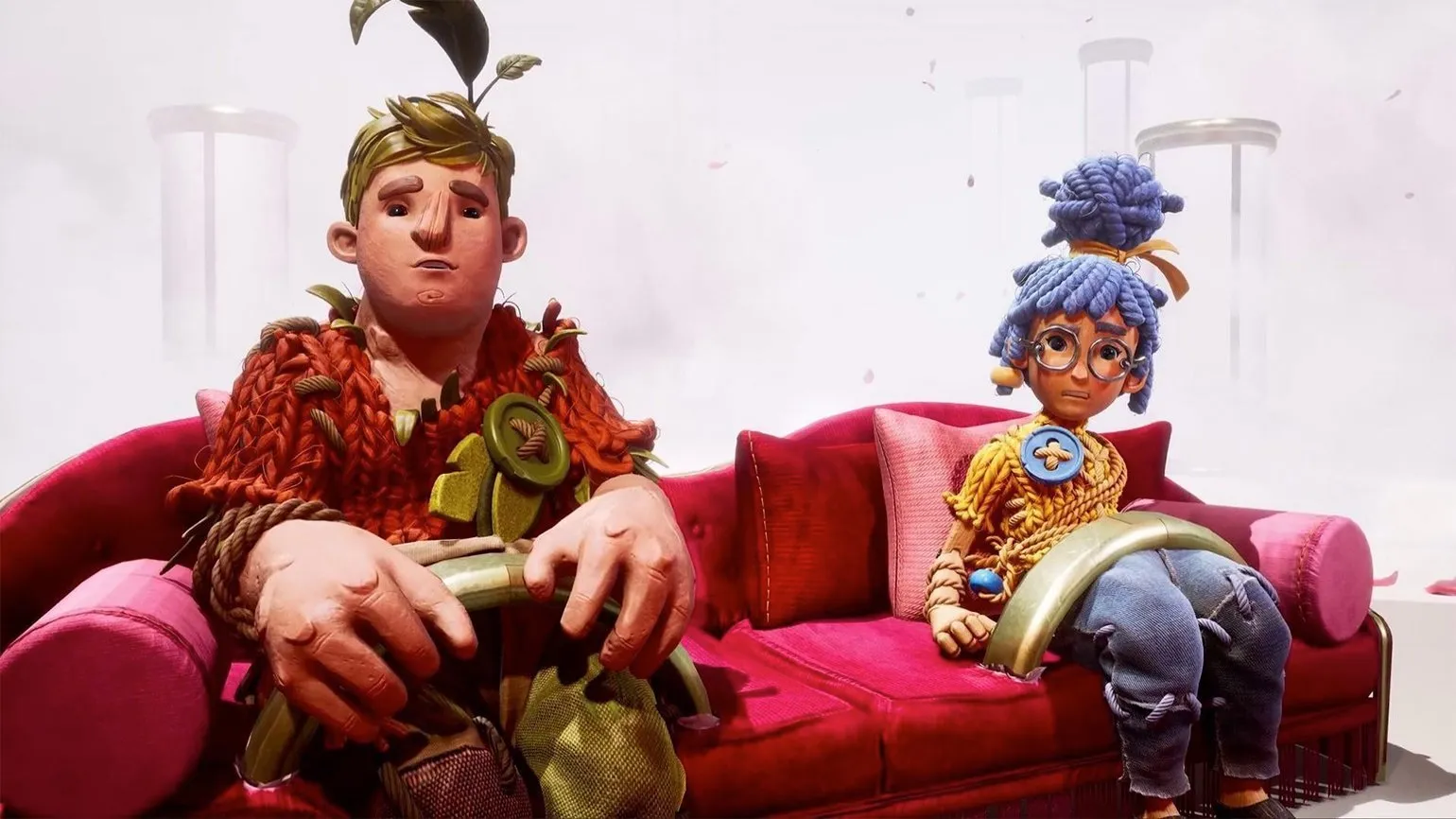
It Takes Two was originally conceived as a family tragicomedy, which makes the game's central plot problem extremely relevant. Cody and May are a married couple with a young daughter. However, their marriage is on the brink of collapse, and they decide to divorce. This comes as a shock to their daughter. The parents cannot adequately explain the situation, and as a result, the daughter begins to believe that she is to blame for the discord between mom and dad. This story raises important themes of family relationships, childhood fears, and the understanding that sometimes adult problems can have a strong impact on children.
It Takes Two tells a gripping story in which Cody and May find themselves in doll bodies. To return to normal life, they must overcome challenging trials that will help restore their relationship. The game demonstrates that couples' problems are largely imaginary. This is not a story about betrayal or domestic violence. Cody and May, being children at heart, cannot overcome ordinary disagreements because they are unable to listen to each other. The realization of their responsibility for their child comes to them only towards the end of the game. It Takes Two emphasizes the importance of communication and understanding in relationships, exploring the complex aspects of living together.
It Takes Two ends on a positive note—the characters return to their bodies and are reunited with the daughter they lost. Their relationship has a chance to recover. Nevertheless, the game leaves the viewer with important reflections. There is no perfect ending with the words "and they lived happily ever after." This is the right approach, because in real life, some things cannot be fixed. It Takes Two raises questions about the complexity of relationships and the importance of working on them to achieve true understanding and harmony.
Zachary Hale Comstock - BioShock Infinite
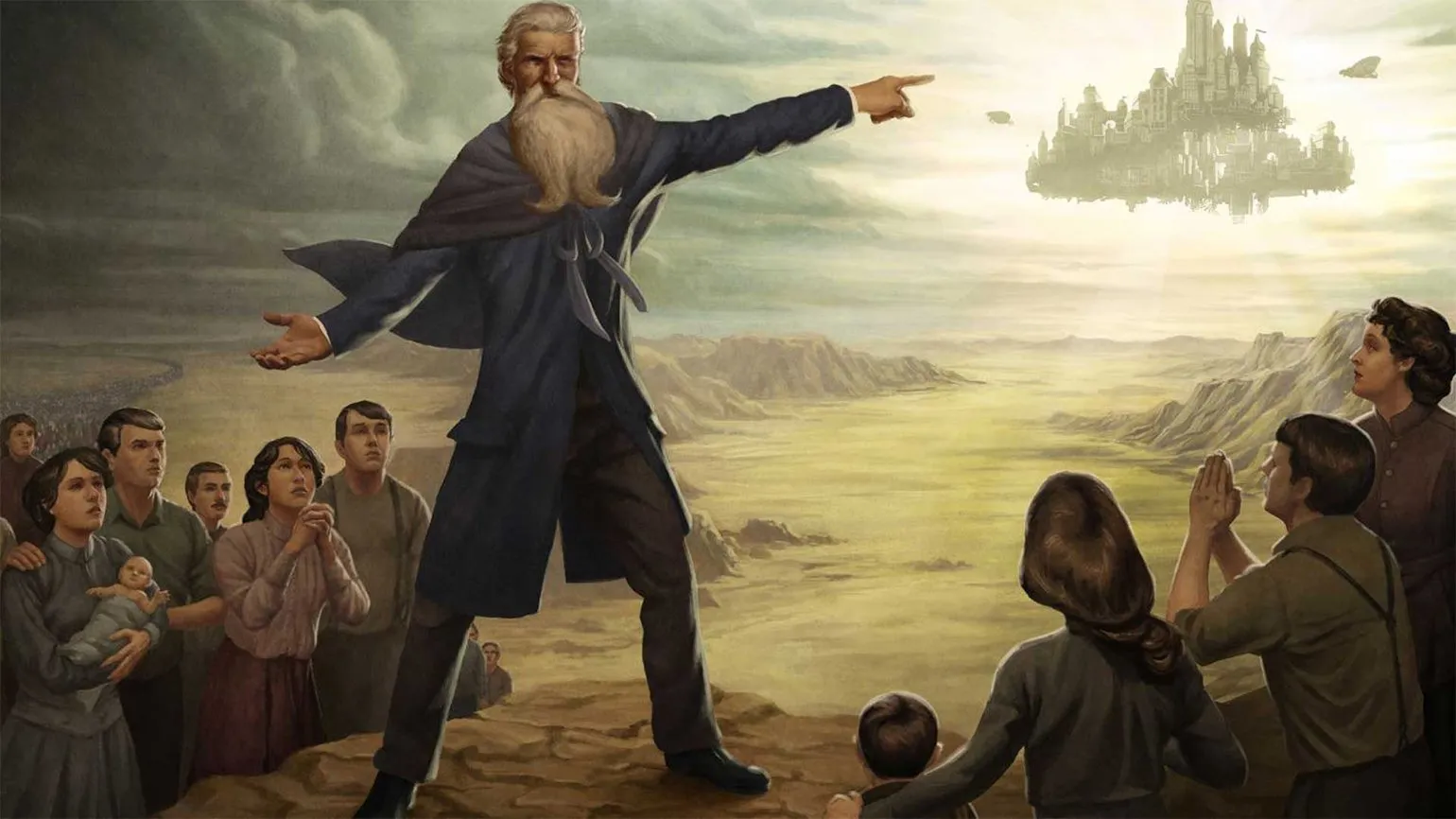
Comstock is the central antagonist of BioShock Infinite. He is a unique figure – a self-proclaimed prophet, religious fanatic, and ruler of the floating city of Columbia, which has the ability to destroy other cities. Comstock has a daughter, Elizabeth, who has been locked in a tower from an early age, like a modern-day princess, and subjected to various experiments. As her father, Comstock exhibits extremely unacceptable behavior, which emphasizes his negative role in the plot.
There are three key problems in Comstock's relationship with his daughter. First, Comstock is obsessed with the idea that only his direct heirs can rule Columbia, and therefore Elizabeth's fate was decided in advance. The opinion of a girl striving for freedom and dreaming of seeing Paris is completely ignored. Secondly, Elizabeth ended up in the tower due to the rejection of her stepmother, Comstock's wife, who does not perceive her as her own daughter. This situation is a vivid example of a realistic and deeply traumatic family dynamic. Such issues often lead to conflicts and internal struggles, which makes the plot more intense and relevant.
BioShock effectively demonstrates that Elizabeth's confinement in an isolated tower under strict guard has deeper reasons. The girl possesses unique abilities that allow her to open rifts between worlds, making her freedom potentially dangerous. This can also be seen as an allusion to the overprotective nature of overly religious parents. They often seek to protect their children from the negative influences of the outside world by limiting their interactions with peers. This approach may be driven by the fear that the religious tenets instilled from an early age will be questioned. These fears also plague Comstock, highlighting his internal conflicts and motivations.
Zachary Comstock commits one of the gravest paternal sins in BioShock Infinite. To understand his actions, it is necessary to reveal a major plot spoiler. Zachary and protagonist Booker DeWitt are actually two versions of the same person from different universes. Elizabeth, the game's key character, is Booker's biological daughter. Once, struggling financially and racking up gambling debts, he decided to sell her to the infertile Comstock. Although Booker soon realized the horror of his actions and sought to make amends, this decision left a lasting mark. This tragic connection between the characters becomes an important element of the narrative, emphasizing the themes of sacrifice and redemption.
Read also:
- Running in Circles: How Deathloop Teaches Players to Love Backtracking
- Why Did Vampire: The Masquerade — Bloodlines Fail?
- Invented Languages in Games: A Real Necessity or Aimless Creation?
Profession Screenwriter
You will go from learning the basics to creating great scripts you can be proud of. Learn how to create compelling stories for TV series, films, and games, and start a career in film, gaming, or video production.
Learn more