Table of Contents:

Game designer from scratch to PRO: Course with
Learn moreAs technology advances, new opportunities for immersing players in virtual worlds are opening up. Visual effects, or VFX, play a key role in this process. While many of them may remain unnoticed by players, their absence would significantly reduce the overall quality and perception of games. VFX not only enhance the atmosphere but also help create a more realistic interaction with the game environment, making the gameplay more engaging and memorable.
Skillbox Media's Gamedev editorial team conducted a detailed study on the creation of visual effects and their importance in the gaming industry. Visual effects play a key role in shaping gameplay and atmosphere, allowing developers to create immersive and realistic worlds. They not only enhance the gameplay experience but also heighten player emotions, making every moment unforgettable. Understanding the technologies and methods used to create these effects is becoming an essential aspect for anyone interested in game development and wishing to deepen their knowledge in this field.
What are visual effects (VFX)?
VFX, or visual effects, are both static and dynamic images that are created from scratch or modified using modern technologies. These effects are integrated into films and other media formats, significantly enhancing their visual appeal and expressiveness. The use of VFX allows content creators to add elements that would be impossible to capture in real life, opening up new horizons for creativity and storytelling. VFX technologies are becoming increasingly accessible, facilitating their adoption in various fields, including advertising, video games, and animation. The integration of high-quality visual effects helps engage audiences and enhance the overall experience of a production.
Visual effects (VFX) differ from special effects (SFX), which require physical execution, such as pyrotechnics or fake blood. Using VFX can significantly reduce production costs and time, as well as minimize risks to actors and props. Visual effects make it possible to create scenes that are impossible to film in real-life settings, which is especially important for genres such as fantasy and action. VFX opens up new horizons for creativity in the film industry, allowing the most daring ideas and fantasies to be brought to life.
In game development, visual effects play a key role, emphasizing player interaction with the game world. These effects are often associated with specific objects, such as flames engulfing armor or leaves falling from trees. However, visual effects can also have broader applications, such as dust particles slowly moving across a room. It's important to note that high-quality VFX not only improves visual perception, but also significantly enhances the player's immersion in the game's atmosphere. Proper use of visual effects can be a decisive factor in creating a unique gaming experience.
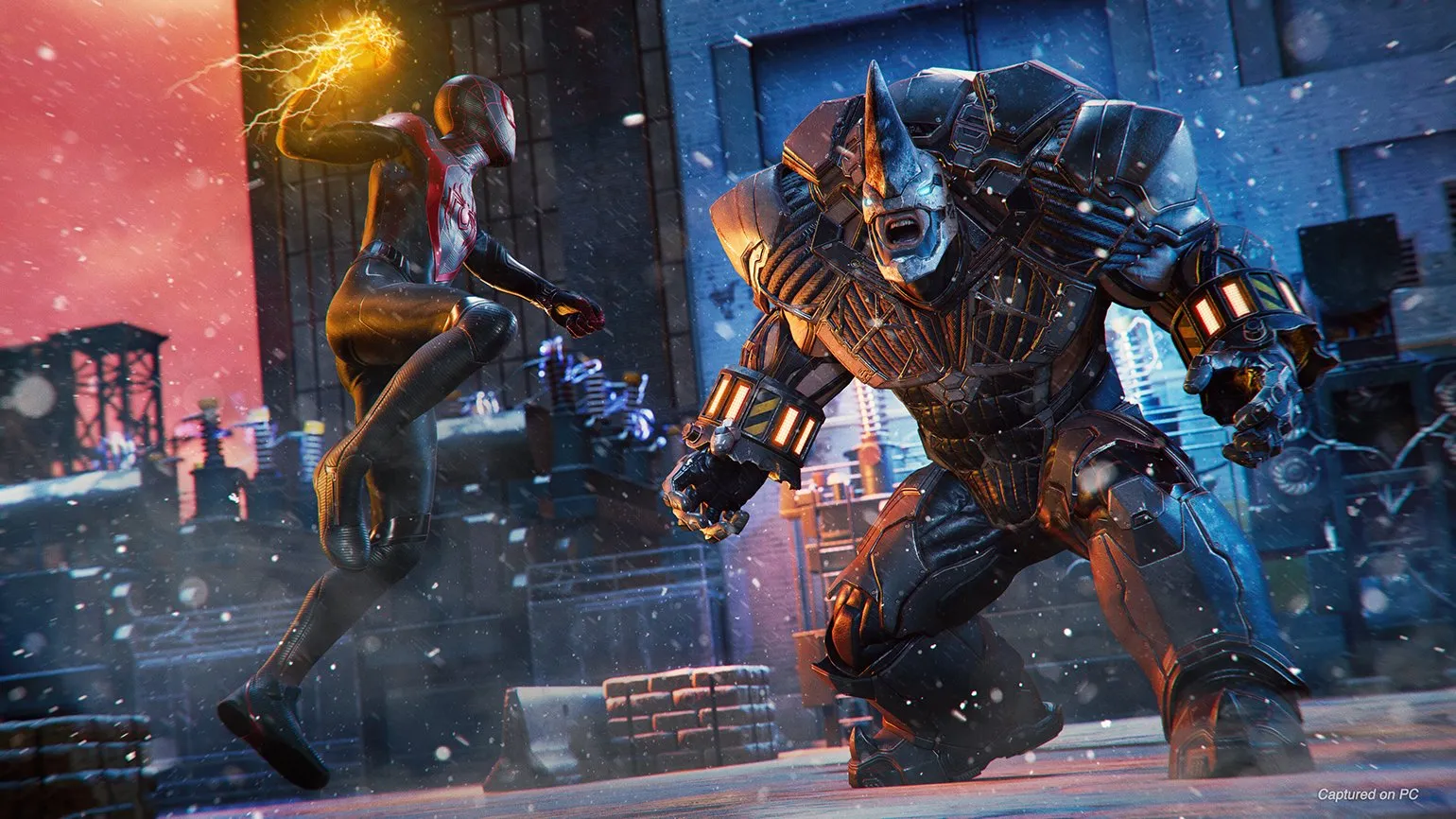
Game visual effects (VFX) often run in real-time, requiring developers to pay special attention to optimization. Properly setting levels of detail (LOD) and material properties is essential to ensure smooth gameplay. A sharp drop in frame rate during key moments, such as a grenade explosion, can negatively impact the gaming experience and perception. Therefore, careful VFX work is crucial for creating high-quality and engaging games.
Why are visual effects (VFX) important for video games?
Visual effects (VFX) are an integral part of the development of gaming projects, including mobile games. Despite the significant investment of resources, VFX are crucial to creating an engaging and convincing gaming experience. The absence of VFX can significantly reduce the appeal and believability of a game, which will be noticeable even in projects that do not strive for complete realism. Effective use of VFX not only enhances visuals but also increases the emotional impact on players, a key factor in successful game development.
The difference in gameplay with and without visual effects (VFX) is clearly demonstrated in the Lyra starter level for Unreal Engine 5. This example clearly demonstrates how visual effects can significantly change the perception of a game, increasing its appeal and player immersion. VFX add dynamism and depth, making the gaming experience more engaging and memorable.
Developers shouldn't ignore visual effects (VFX) for many reasons. First, VFX significantly enhance the immersion of gameplay. They create a more realistic atmosphere, allowing players to become more immersed in the game world and enjoy every moment. The use of high-quality visual effects helps create a unique feel, attracts attention, and retains player interest. As a result, games with impressive visual solutions become more attractive and competitive in the market. Optimizing the use of VFX can be a key factor in the success of a project and its perception by players.

Simple visual effects can significantly improve the graphics of a game, emphasizing focus on key elements of the setting and narrative. Even with limited technology, such effects can create a deeper immersion in the gameplay and enhance the overall experience.

Particle systems are one of the most popular types of visual effects in the gaming industry. This technique is used to create realistic and dynamic phenomena such as smoke, fire, snow, and other elements. Particle systems provide visualization of these effects by animating many small fragments, which can be implemented as either sprites or 3D objects. Effective use of particle systems allows game developers to significantly improve visual perception and create more immersive gameplay.
Particle effects play a key role in enhancing gameplay and creating an atmospheric environment. The effectiveness of a particle system is determined by a variety of settings, including size, quantity, speed, color scheme, and other parameters. Many modern game engines implement this approach, relying on unique technologies and development tools. Using particle effects not only visually enriches a game but also enhances player immersion, making them an essential element in the development of high-quality content.
VFX play a vital role in creating an interactive gaming experience, highlighting the player's interaction with the environment. These visual effects are also effectively used to provide in-game cues and directions, improving player orientation and engagement. Incorporating high-quality VFX into gameplay not only increases the level of realism but also promotes a better understanding of the game mechanics.
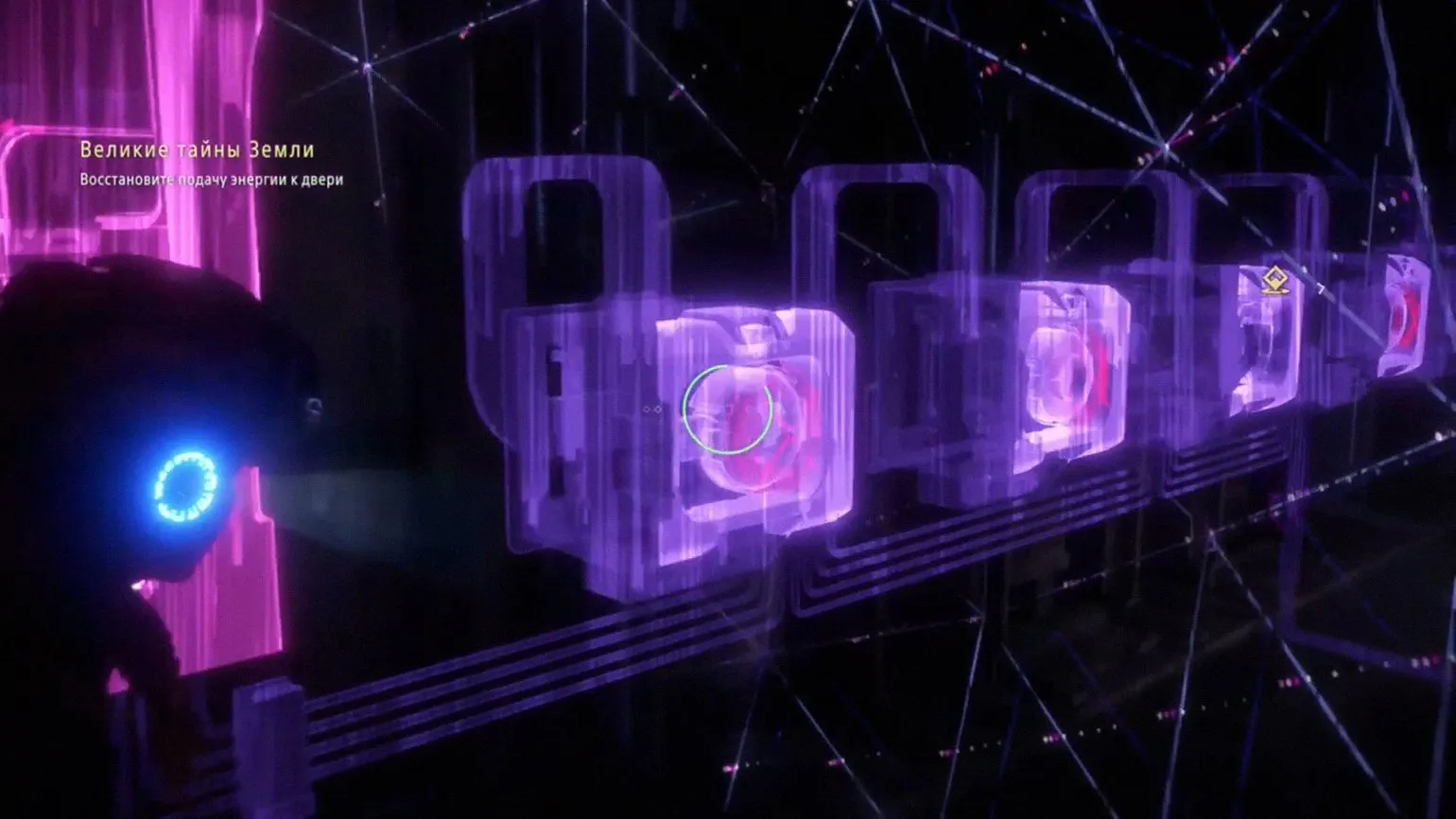
The integration of visual effects (VFX) into video games is determined by the capabilities of the game engine, the game genre, and the overall visual style of the project. It is important to consider how visual effects can enhance gameplay and create a unique atmosphere. Examples of VFX use include realistic weather conditions, spectacular explosions, magic spells, and animations that make the gaming experience more immersive and engaging. It is also worth noting that the correct implementation of visual effects helps improve player interaction with the game world, which in turn can increase the overall appeal and success of the game.
Effects such as explosions, gunshots, bullet trails, and smoke play a key role in creating a realistic gaming experience. They allow players to accurately assess the consequences of their actions and interactions in the game. Developers can use visual effects (VFX) to highlight important elements on-screen by employing particle systems or materials with glowing effects. These techniques not only enhance visual perception but also increase immersion, making gameplay more dynamic and engaging. Well-implemented VFX can significantly enhance the quality of a game, captivating players and enhancing the overall atmosphere of the game world.
Using visual effects (VFX) to create realistic worlds includes a variety of weather phenomena, such as rain, snow, and fog. These effects help immerse the viewer, creating a sense of presence in the depicted space. Physical phenomena, such as flowing water or sandstorms, also play a key role in creating an impressive and believable environment. Furthermore, even simple animations can significantly impact the overall mood of a scene and effectively convey information about what's happening on-screen. Proper use of VFX can significantly enhance the quality of visual content and engage viewers.
UI effects, including button highlighting and smooth menu transitions, significantly enhance app interaction. These 2D animations not only make the interface more attractive but also contribute to its usability. Intuitive controls, enhanced with visual effects, help users navigate and find the features they need faster. As a result, a high-quality interface with animations not only attracts attention but also improves the overall user experience, which is an important aspect for increasing user satisfaction.
Visual effects (VFX) in cutscenes significantly enhance the drama and tension of the narrative. These effects typically match the style of the gameplay, but their creation requires more careful attention to detail and greater production resources. Using VFX in cutscenes not only enhances visual perception but also immerses the player deeper in the story, which contributes to a more emotional experience.
When choosing between 2D and 3D visuals, the project concept plays a key role. A fireball, for example, could be represented as a 3D object using a particle system or as a 2D sprite-based animation. This choice depends on the game genre and the overall artistic goals the developer is trying to achieve. 2D visuals can provide a unique style and aesthetic appeal, while 3D effects can add depth and realism. It's important to consider how the chosen approach will impact the player's perception and interaction with the game world.
The Best Visual Effects (VFX) Software
Today's world offers a wide range of powerful tools for creating 2D and 3D visual effects. In this article, we'll look at the most popular programs used by VFX professionals. These tools enable the creation of high-quality visual effects for film, games, and animation, while providing complete control over the production process. Among them are programs such as Adobe After Effects, Autodesk Maya, Blender, and Nuke. Each of these platforms offers unique capabilities and tools that help VFX artists realize their creative ideas and achieve stunning results.
Maya is a powerful program that has gained recognition for its built-in visual effects and simulation tools that take into account physics and collisions. Key tools include Fluid Effects, nParticles, and Fields. These features allow for a high degree of realism in 3D animation and graphics, making Maya an ideal choice for visual effects and animation professionals.
3ds Max is a popular choice among many studios due to its ability to support various plugins and scripts, such as FumeFX, thinkingParticles, Chaos Phoenix, and RealFlow. This program is considered a universal tool for creating visual effects. With its wide capabilities and flexibility, 3ds Max allows 3D modeling and animation professionals to realize the most daring ideas and projects.
Houdini is powerful software that uses a procedural approach to create dynamic environments and realistic simulations. Working with nodes significantly simplifies the process, allowing for fewer iterations and increased efficiency in visual effects development. Houdini provides users with unique tools for implementing complex VFX projects, making it indispensable in the industry.
Cinema 4D is a powerful software developed by Maxon that is aimed at film production, architectural visualization, and motion design. Thanks to its unique tools and capabilities, Cinema 4D is also widely used in the gaming industry for creating realistic physics-based simulations. Users appreciate this program for its intuitive interface and high performance, making it an ideal choice for professionals and beginners in the field of 3D modeling and animation.
Game engines such as Unity and Unreal Engine provide developers with powerful tools for creating visual effects in real time. Unity features technologies such as the Particle System and VFX Graph, enabling the creation of detailed and dynamic visual effects. Unreal Engine 5 offers a similar solution with its Niagara system, delivering high-quality graphics and development flexibility. These tools enable developers to realize creative ideas and enhance player immersion in game worlds.
Adobe After Effects is a powerful tool originally designed for video editing but is widely used in creating animated sprites for interfaces and gameplay. The program is also actively used for video post-processing, allowing users to enhance video quality and add visual effects. Thanks to its capabilities, After Effects has become indispensable in the arsenal of professionals working in animation and video production.
Adobe Photoshop is one of the most popular graphics editors, ideal for working with 2D graphics. This tool is widely used by matte painting specialists to create backgrounds and animated sprites. With its powerful editing tools, Photoshop allows you to combine images, making it indispensable for creating complex compositions. Users can easily manipulate layers, apply various effects, and use filters, opening up endless possibilities for creativity and professional design.
The Difference Between VFX and CGI: Understanding Key Concepts
Visual effects (VFX) and computer graphics (CGI) are often confused, but there are significant differences between them. Visual effects (VFX) refers to the process of creating images that cannot be captured on camera by adding them in post-production. Computer graphics (CGI), on the other hand, covers a broader spectrum, including both 2D and 3D imagery used in a variety of media formats, including film, games, and animation. Understanding these terms is crucial for professionals in the entertainment industry, as the proper use of VFX and CGI allows for more effective and high-quality visual narratives in film and other media. This knowledge helps create more immersive content that attracts viewers and elevates the overall quality of the work.
CGI, or computer-generated imagery, involves the creation of both static and dynamic 2D and 3D images using modern computer technology. Visual effects (VFX) utilize CGI to implement and refine visual effects, making it an essential part of modern filmmaking. Without CGI and VFX, films would lose their spectacle and expressiveness, highlighting their key role in creating visually appealing content.
The combination of VFX and CGI has become an integral part of modern cinema. These technologies create stunning visual effects that would be impossible to achieve without CGI. This allows filmmakers to not only enhance visual perception but also expand the boundaries of storytelling, introducing unique visual images and elements to films that captivate audiences. The use of VFX and CGI makes films more spectacular and engaging, opening up new possibilities for creativity and innovation in filmmaking.
- The integration of computer graphics with live action. The most common method is filming actors against a green screen background, which allows the filmed footage to be combined with CGI during the compositing process.
- Matte painting. This technique involves combining various digital images to create a single scene.
- Motion capture technologies. Specialized software, such as MotionBuilder, allows you to transfer the movements of real actors to digital characters or abstract entities.
Today, visual effects (VFX) and computer graphics (CGI) play a key role in the film and television industries. CGI is an important component of VFX, especially in the video game industry, where all elements are created using digital technology. However, VFX and CGI can function independently of each other. For example, static images or 3D models can be created without the use of VFX, confirming their independent existence in digital art. Advances in VFX and CGI technologies are opening up new horizons for creative expression and expanding the possibilities of visual storytelling.
VFX, or visual effects, can be applied without the use of CGI (computer graphics). A striking example of this is the work of Georges Méliès, who employed various film manipulation techniques. His works also made extensive use of traditional matte painting, in which backgrounds were created by hand. This approach demonstrates that visual effects can be achieved without modern technology while maintaining artistic value and originality.
Virtual Production technologies have recently become increasingly popular in filmmaking. One striking example is the use of Unreal Engine, which offers innovative In Camera VFX technology. This technology allows you to display finished visual effects shots directly on the screen, eliminating the need for an additional compositing step. Thanks to Virtual Production, filmmakers can significantly simplify the visual effects creation process and improve the quality of the final product.
Understanding the differences between VFX and CGI not only deepens your knowledge of visual effects but also reveals new possibilities in the field of digital art. Knowledge of these concepts helps you better navigate the modern world of media and entertainment, and also contributes to the creation of higher-quality content. The differences between visual effects (VFX) and computer graphics (CGI) play a key role in the production processes and influence the final result. It is important to study these aspects to deepen your skills and increase your level of professionalism in this field.

The Future of VFX in the Gaming Industry
According to a report by MarketsandMarkets, the visual effects (VFX) market in the gaming industry is showing significant growth and is projected to reach $25 billion by 2025. This underscores the relevance and demand for VFX production as a key area in the entertainment sector. Advances in technology and increased investment in high-quality visual effects are setting new standards in gaming, captivating players and enhancing user experience.
Visual effects are central to creating an immersive experience for players. They not only enhance the visual aesthetics of games but also deepen the perception of storylines, significantly enriching the overall gaming experience. With increasing user demands, high-quality effects such as realistic fire, water, and dynamic lighting are becoming essential for today's high-budget projects. The success of a game largely depends on how effectively and realistically the visual elements are implemented, which helps to retain the interest of players and create an unforgettable experience.

With the growing importance of VFX in the film industry, there is a steady demand for VFX artists. Large studios are recognizing the benefits of collaborating with professional visual effects companies. This collaboration not only improves the quality of the final product but also allows for efficient time and financial management. Thus, the VFX market continues to evolve, opening up new opportunities for specialists in this field.
With the constant development of technologies such as virtual and augmented reality (VR/AR), visual effects are significantly changing the gaming experience, making it more interactive and engaging. In the future, the combination of modern technology and creative approaches may lead to new forms of gameplay and unique gaming worlds. Innovations in VR and AR are opening up new possibilities for developers, allowing them to create immersive experiences that take players to entirely new dimensions. This not only improves visual perception, but also increases the level of interaction with game characters and the environment, which in turn promotes deeper player involvement in storylines and game mechanics.
Game designer from scratch to PRO: 7 steps to success in the gaming industry
Want to become a game designer? Learn 7 key principles and kickstart your career in gaming! Read the article.
Find out more