Table of Contents:

3D animator: 5 steps to a successful career
Find out moreThe Importance of Actors in Video Games: New Horizons
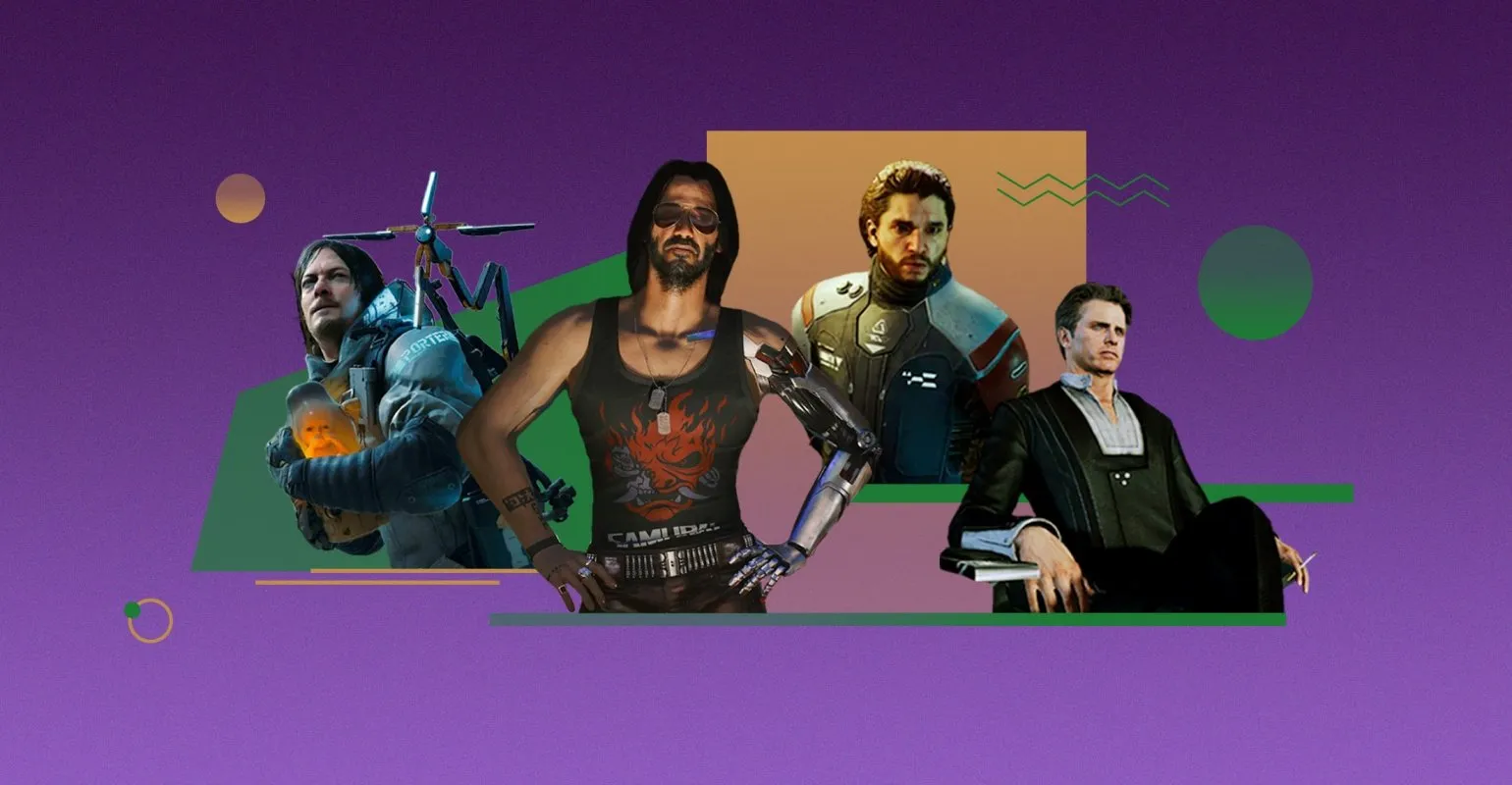
In recent years, there has been a significant transformation in the perception of actors in the gaming industry. Previously, stars were reluctant to participate in video game projects, but now their participation is becoming a key element of the success of many games. Actors understand that video games provide unique opportunities for self-expression and creativity, allowing them to not only voice characters but also actively participate in the creation of fascinating stories and realistic game worlds. This new approach helps attract audiences and increase interest in games, making the collaboration between actors and developers especially important in modern gaming.
The current generation of actors, having grown up in the era of video games, views them as a full-fledged art form. Celebrities such as Megan Fox and Henry Cavill are actively involved in the creation of game characters, which underscores the significance of their contribution to the industry. Their involvement not only draws attention to games but also contributes to the quality of content created for players. This interaction between film and games opens new horizons for cross-media projects and strengthens the connection between different forms of entertainment.
Megan Fox, a popular actress who rose to fame thanks to her roles in famous films, also voiced a character from the Transformers series in video games. She actively supports the participation of actors in the gaming industry and willingly shares her experience and passion for games. Fox states: "This game was simply made for my brain," emphasizing her dedication and interest in this art form.
Henry Cavill, known for his role in the series "The Witcher," found himself in the spotlight when he did not answer Zack Snyder's call informing him that he had landed the role of Superman. At the time, the actor was engrossed in playing World of Warcraft. Cavill also worked on Squadron 42, demonstrating the synergy between acting and motion capture technology to create a unique gaming experience.
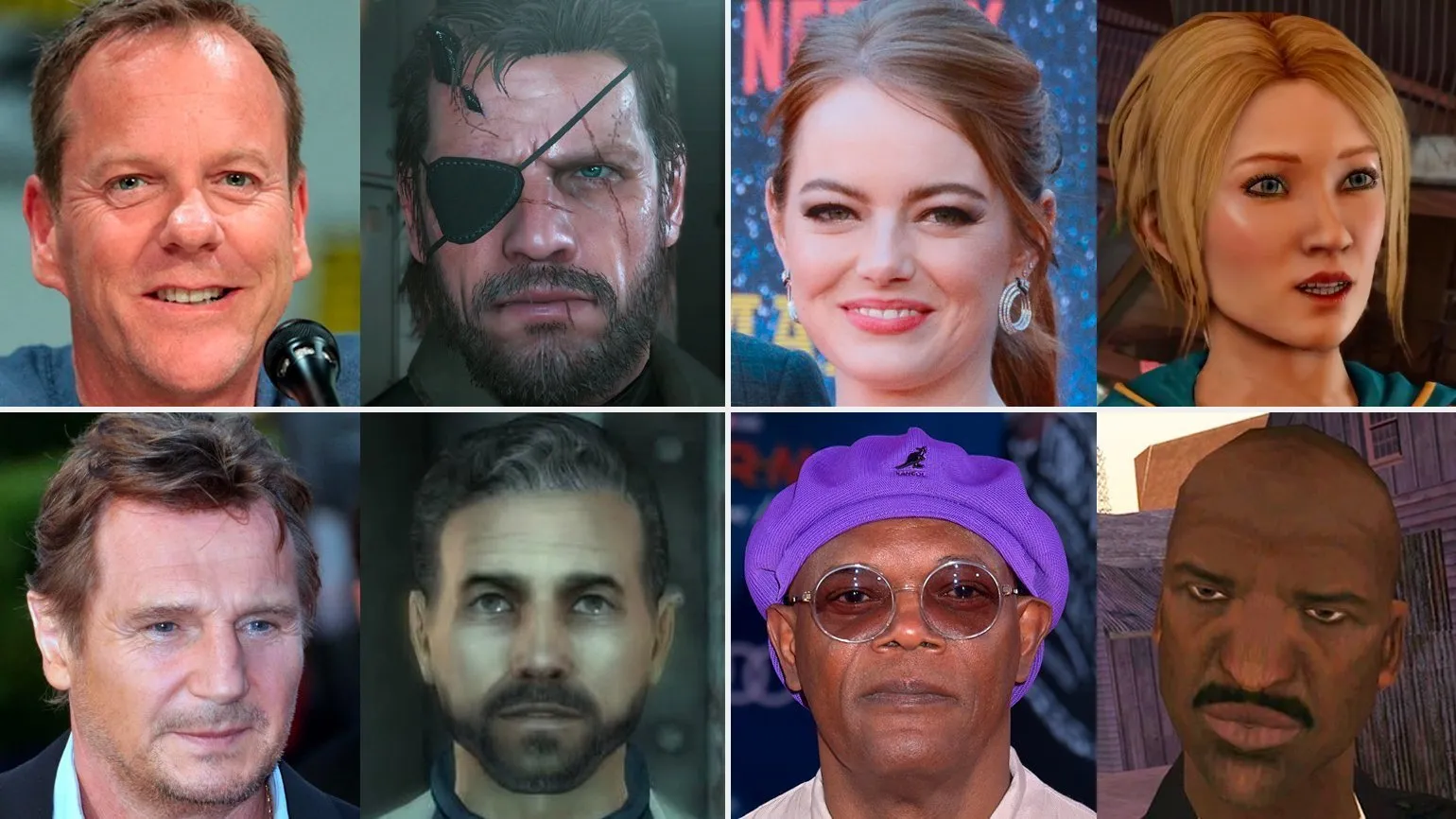
Matthew Perry, who played Benny in Fallout: New Vegas, has gained attention due to his passion for video games. The character became one of the most memorable antagonists in the game, highlighting Perry's influence on the project. Interestingly, the actor even suffered from carpal tunnel syndrome due to his excessive gaming, which speaks to his serious approach to the hobby. Matthew Perry's contribution to the gaming world and his role in Fallout: New Vegas remain significant to fans, highlighting the connection between film and video games.
Samuel L. Jackson, a famous actor, is actively involved in the gaming industry. He is known for voicing the character Frank Tenpenny in the popular game Grand Theft Auto: San Andreas. Jackson maintains his connection with the gaming community, highlighting his interest in video games and their culture. His contributions to gaming make him not only a distinguished actor but also a significant figure in the world of interactive entertainment.
Modern video games are becoming increasingly complex and multilayered, allowing them to rival films in terms of storytelling. Graphics in games are reaching levels of photorealism, significantly enhancing player immersion in virtual worlds. This creates new opportunities for actors, who not only voice characters but also actively contribute to the creation of a coherent atmosphere and the development of game locations. Advances in technology and approaches in the gaming industry open up the prospect of deeper interactions between actors and developers, which, in turn, facilitates the creation of unique gaming experiences.
Why do actors choose video games?
Actors working in the gaming industry note that video games require more expressive and energetic performances, making this field attractive to professionals with a theatrical background. Directors of game videos, including Kate Saxon, emphasize that theatrical skills help actors convey the emotional richness of their characters more deeply. This interaction between theater and video games opens up new horizons in the creation of memorable characters and increases player engagement in storylines.
Actors make a significant contribution to video games, enriching them with their talents and skills. Their work contributes to the development of the industry, making it more diverse and attractive to a wider audience. This interplay between acting and gameplay not only enhances the quality of stories and characters, but also increases overall interest in video games as an art form.
In conclusion, video games are not just entertainment, but a full-fledged art form in which actors play a vital role. They not only contribute to the creation of gripping stories but also become an integral part of a cultural phenomenon that continues to actively evolve. Video games influence society, shaping new forms of interaction and self-expression. Actors who voice characters add depth and emotional richness to games, which makes the gaming experience more engaging and memorable. With each passing year, the video game industry attracts more and more attention, becoming an important part of the modern cultural landscape.
Motion Capture Technology: An Introduction to the World of Realistic Animation
Creating realistic characters in video games requires an attentive approach to detail and meticulous consideration of every aspect. Developers strive to convey not only the appearance, but also the emotions, movements, and behavioral mechanics of the characters. To achieve maximum realism, motion capture technology, known as motion capture, is essential in this process. This technology allows for the recording of real-life movements of actors and transferring them to digital models, which significantly improves the quality of animation and makes characters more lifelike and convincing. Effective use of motion capture in game development contributes to the creation of unique game worlds where each character has depth and personality, which, in turn, improves the overall player experience and makes the game more engaging.
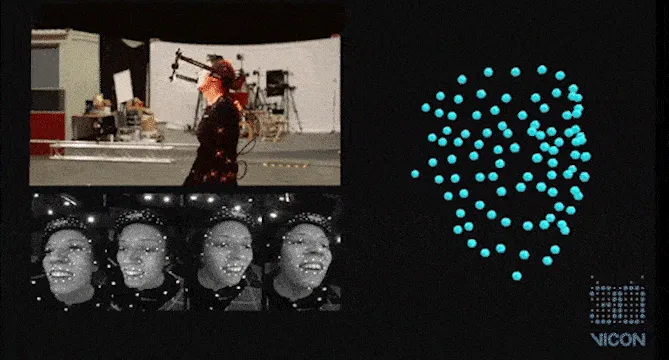
Motion capture is a technology that uses specialized sensors to track the movements of actors or objects. Actors wear tight-fitting suits studded with markers that record changes in their coordinates. This data is transmitted to a computer, which creates a virtual "skeleton" synchronized with the actor's movements in real time. This technology is widely used in the film, video game, and animation industries, enabling the creation of realistic animation and effects. Motion capture significantly simplifies the process of creating digital characters, making their movements more natural and expressive.
Calibrating "skeletons" is a key stage in pre-production, preceding the work of directors and the film crew. During this stage, actors thoroughly familiarize themselves with the script and rehearse their roles. This approach helps achieve a high degree of realism in the recording process, which is an important aspect of the successful implementation of the project.
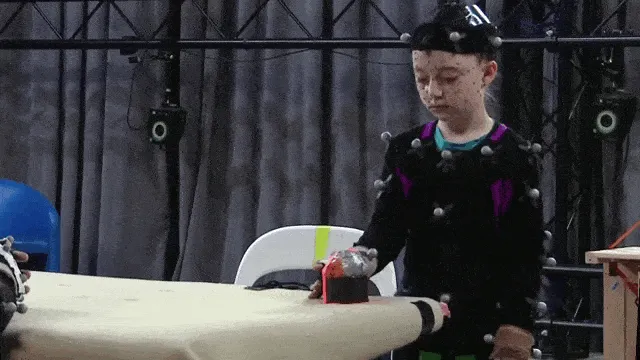
Every detail plays an important role in creating the "humanity" of the character. Capturing motion across a 10-square-meter area requires a minimum of four digital cameras, which must be carefully positioned to achieve maximum accuracy. When moving to a new location, all equipment must be re-rigged and recalibrated to ensure proper system operation. Proper camera setup and placement are critical to high-quality motion capture and the creation of realistic animations.
To achieve high-fidelity motion capture, actors use at least 29 markers distributed throughout their bodies. Primary markers are placed on the head, spine, and limbs, while additional markers capture finer movements, significantly increasing the realism of the animation. This approach allows for more detailed and natural character movements, which is especially important in computer graphics and animation. The use of multiple markers improves the quality of animation in films, video games, and virtual reality.
Animation recording is important not only for overt actions but also for subtle moments, such as a character's gait changing when moving from a hard surface to loose ground. This nuance helps create a more realistic and immersive experience in a game or animation by emphasizing the physics of interaction with the environment. Properly animating such transitions adds depth and believability, making the character feel more alive and natural to the viewer.
Actress Camilla Luddington, famous for her role as Lara Croft, emphasizes the importance of small details in acting. She notes the importance of considering the temperature of the scene, as her character faces extreme climates. Every detail, including attempts to warm her hands and changes in intonation due to the cold, plays a key role in creating a believable image. Attention to such nuances helps to develop a deeper understanding of the character and makes them more realistic for the viewer.
Unlike film, where actors can adapt their characters to their own preferences, video games require complete immersion in the role. Actors are not required to have a thorough understanding of motion capture technology, but they must be able to maintain concentration and focus during recording. This requires not only skill from them, but also a deep understanding of the gameplay so that their characters appear believable and convincing in the virtual world.
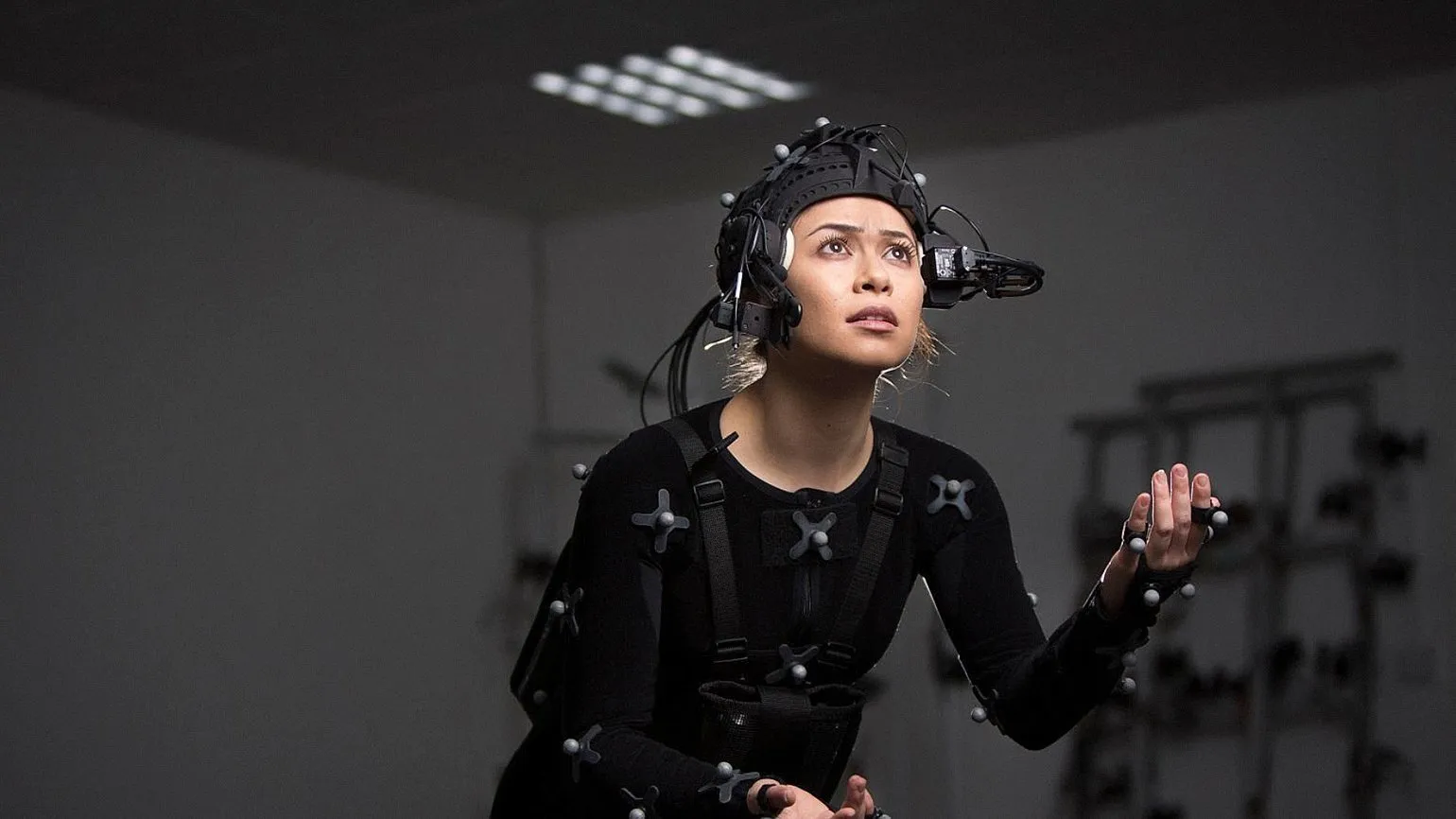
Actors are often required to perform their roles in empty spaces, where the capture area is simply a marked-up space. In some cases, sets are added, but most often they do not reflect the final game locations. This creates a unique environment for actors, allowing them to use their imagination and adapt to various situations during filming. Working in such conditions requires a high degree of professionalism and the ability to improvise, which makes acting especially valuable in the world of film and video games.
A vivid imagination is an important tool for actors, allowing them to recreate a scene in their minds. This approach gives actors freedom of expression. As actor Oliver Hollis notes, "Working in an empty set frees me from my personality and allows me to be whoever I want." This sense of creativity helps actors delve deeper into their roles and create more compelling performances on stage. Developing your imagination not only expands your acting abilities but also helps you develop a deeper understanding of your characters and their motivations.
The Importance of Voice Acting in Acting
Actors' work includes not only rehearsals and filming, but also the complex stage of voice-over work. This process requires actors to create a unique voice and a distinctive character. Emotional engagement plays a key role, as the voice-over must organically support the character's actions and enhance the perception of the scene. Every nuance of the voice helps convey the depth and complexity of the character, making the voice-over process an integral part of creating a high-quality audiovisual product.
For successful video game voice-over work, a deep understanding of the plot, atmosphere, and personalities of the characters is crucial. This knowledge allows actors to create a unique voice that harmoniously fits into the story and reflects the personality of their characters. Understanding these elements contributes to a more natural and expressive performance, which ultimately improves the overall experience of the game and makes the player's interaction with the characters more engaging.
Synthesis, a German company, demonstrates high standards in the field of voice acting and video game localization. Their professional approach to language adaptation allows them to create high-quality and understandable content for the target audience. Synthesis focuses on detail, which contributes to the successful implementation of games in various language markets.
Adrian Koch, Managing Director of Synthesis, emphasizes the importance of collecting all necessary information about the game to optimize the work of the sound recording team. Visual and textual materials play a key role, allowing the actors to better understand the context and maintain a creative approach during the recording process. This ensures high-quality sound and contributes to the creation of an immersive experience for players.
Actors do not simply voice dialogue; they also record numerous individual phrases, sound effects, and emotional reactions. Every change in intonation and nuances of performance can significantly affect the final result. The voice-over process requires attention and professionalism, as it depends on the actors how expressive and believable the characters will be. High-quality, detail-oriented voice acting is crucial to creating compelling audiovisual works.
Tom Fiancé, a renowned voice actor, emphasizes the importance of paying attention to one's voice and emotions during recording. He notes that the microphone captures every detail, requiring actors to fully concentrate on their movements and sensory perception. The sensitivity of modern equipment opens new horizons in acting, allowing for the conveyance of depth and nuance of emotion.
Voice acting plays a vital role in creating an immersive gaming experience. It not only complements game mechanics but also enhances the emotional connection with the characters. For example, a character's breathing should reflect their physical state: when a character runs or jumps, their voice should convey tension and effort, significantly enhancing the realism of the gameplay. High-quality voice acting helps players better understand the situation and emotional state of the character, making the game more intense and engaging.
Scriptwriters have the opportunity to complicate the actors' work by introducing nonlinear elements and alternative story paths into the game. This not only increases the number of lines to record but also requires actors to be highly adaptive to changing plot conditions. Nonlinear scripts allow for the creation of deeper and more engaging characters, which in turn enriches the gameplay and makes it more interactive for users.
Voice recording for animation projects is often done in specially isolated studios, where actors must convey interactions with other characters, displaying a variety of emotional states. Improvisation is limited in this process, as any misstep can create additional difficulties for the animators, hindering further work on the project. It's important that actors remain focused and follow their lines precisely to ensure a high-quality final product and avoid wasted time on rework.
Jennifer Hale, a renowned voice actress, emphasizes that animation offers a greater degree of freedom than video games. While animation allows for more flexibility, changes in game projects can impact the work of other specialists and the entire team. This makes the process of developing video games more structured and limited in comparison with the creative approach in animation.

Voice acting for video games often leads to vocal strain, as many roles require high emotional load, loud Shouting and using unconventional voices can negatively impact an actor's health, causing fatigue and risking vocal damage. This can result in significant recovery time, highlighting the importance of voice care and proper voice-over technique. Actors should consider these factors to minimize risks and maintain long-term health. Susan Berkley, a renowned voice actress, notes that many believe that constant talking can't cause fatigue. However, this is not true. Voice acting is a true discipline that requires serious training and high levels of stamina. Professionals in this field must possess not only acting skills but also physical fitness to maintain their voices in peak condition during long recording sessions. Proper breathing technique, articulation, and emotional expressiveness are all key aspects of successful voice acting.
Unique Aspects of Filming for Video Games
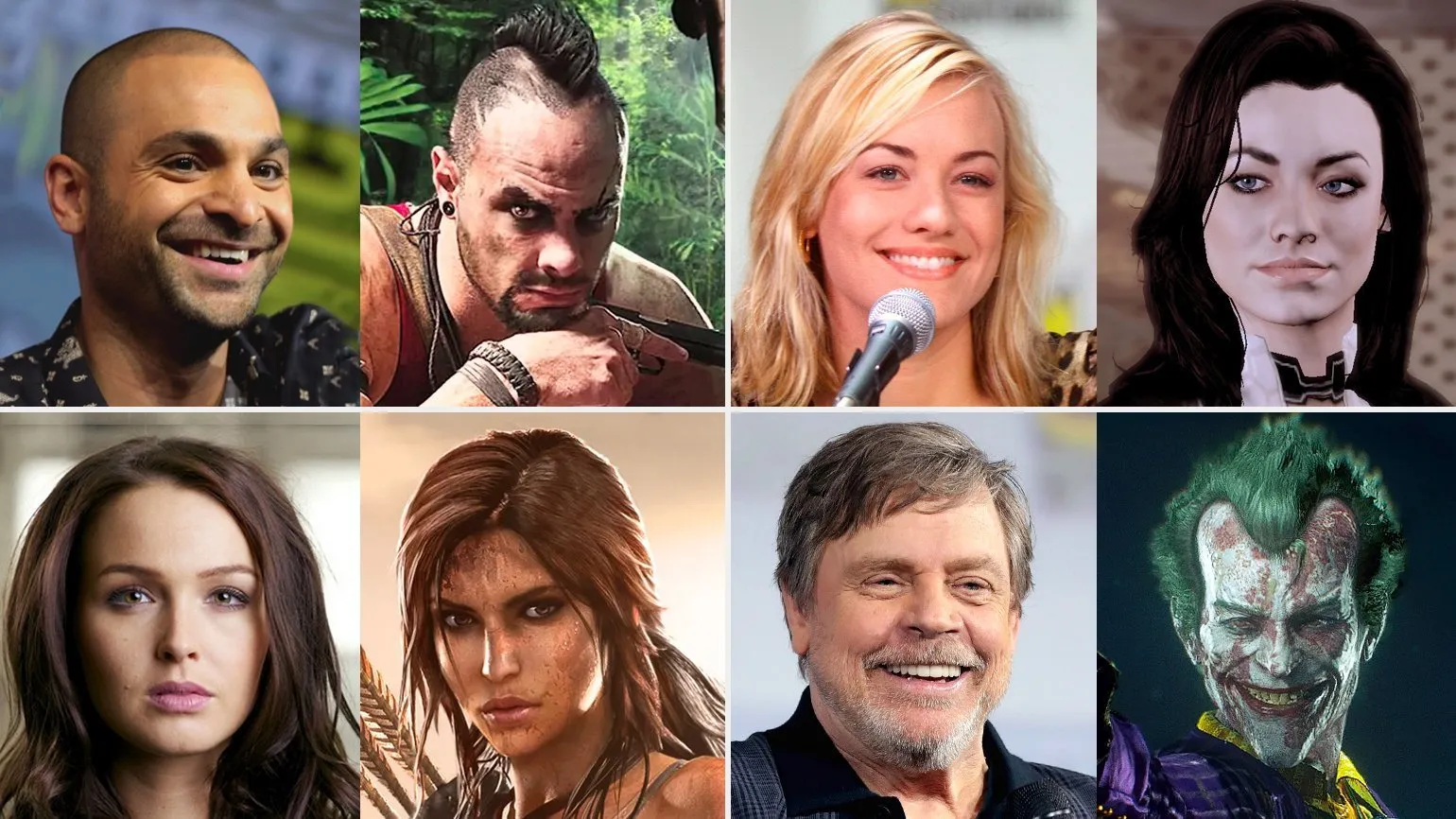
Video game production requires the participation of many more specialists compared to the film industry. Game scripts are often truly epic. A prime example is Red Dead Redemption 2, developed by Rockstar Games, which contains over 500,000 lines of dialogue and 1,000 unique roles, including 23 main actors. The filming process lasted for five years, and during this time, the actors faced many complex challenges, highlighting the high level of detail and complexity of video game development. Ultimately, creating a high-quality video game requires significant effort and resources, making it one of the most labor-intensive industries in the entertainment world.
Rockstar's Motion Capture Director, Rod Edge, emphasizes that actors in films use hair, makeup, and costumes to create their character. In contrast, our work takes place in an empty room with bars, where the actors wear uncomfortable suits. This creates a unique immersive environment, where the emphasis is on movement and emotion rather than visual details. We strive to convey realistic emotions and character movements, which is an important aspect in creating video games.

Games have the ability to convey a story on a deeper level than traditional TV shows or movies. The ability to change camera angles allows players to observe characters' reactions to unexpected events, adding interactivity and immersion to the story. These aspects are carefully crafted during the scriptwriting stage, significantly enriching the narrative and making it more layered. The interactive format allows players not only to follow the events but also to actively participate in them, creating a unique experience of interacting with the story.
Christopher Judge, who voiced Kratos in God of War (2018), shares his impressions: "When I read the script, I didn't immediately realize it was for a video game. It was too high-quality!"
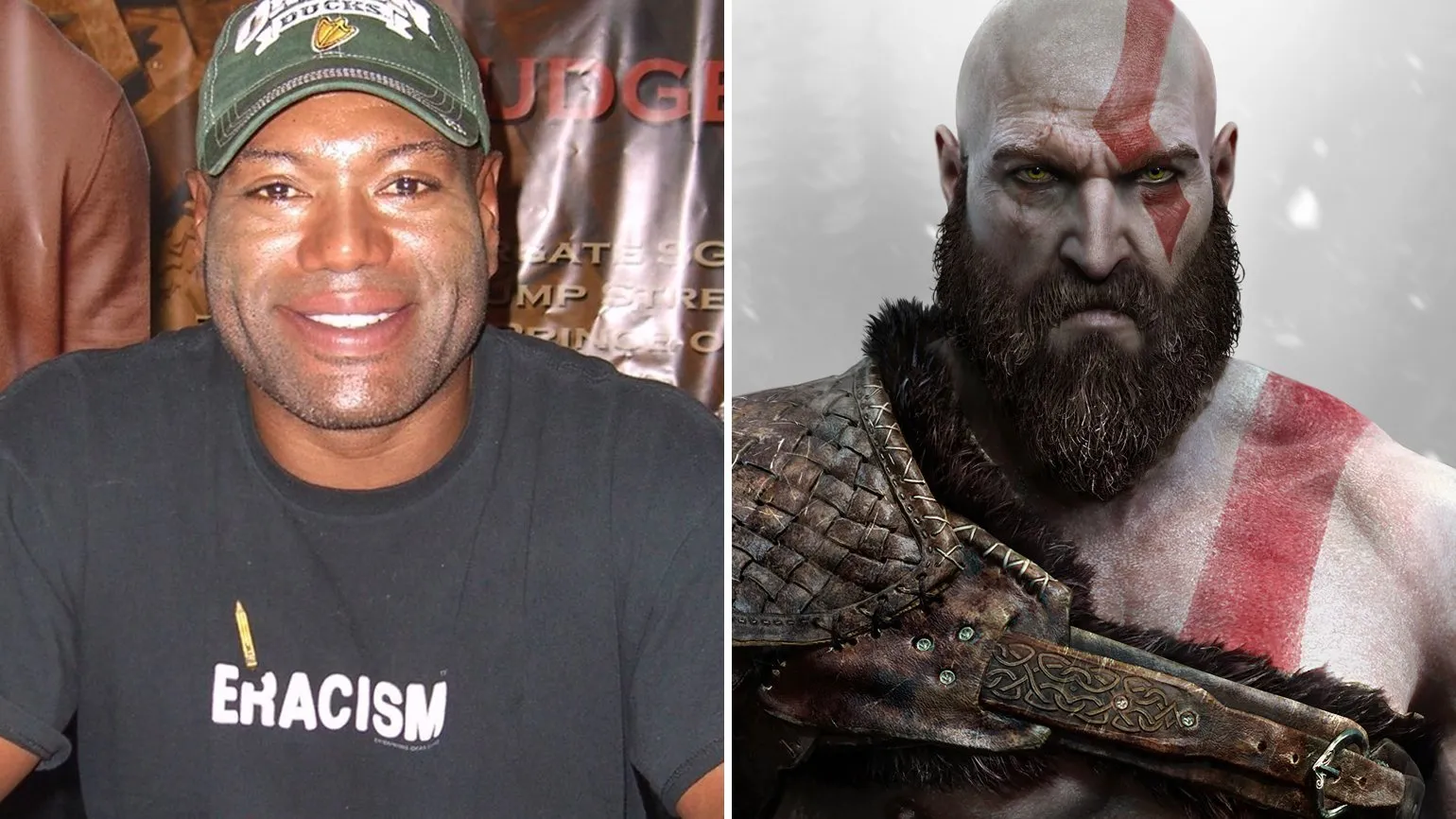
Unlike films, video games have more freedom in the development of scenes, since they are not subject to time limits. Players can become more immersed in the world around them, requiring game creators to carefully craft every interaction. Even the smallest emotional expressions on characters' faces can significantly impact the perception of a scene. This allows for richer and more realistic stories, where players don't just observe but actively participate in the plot's development.
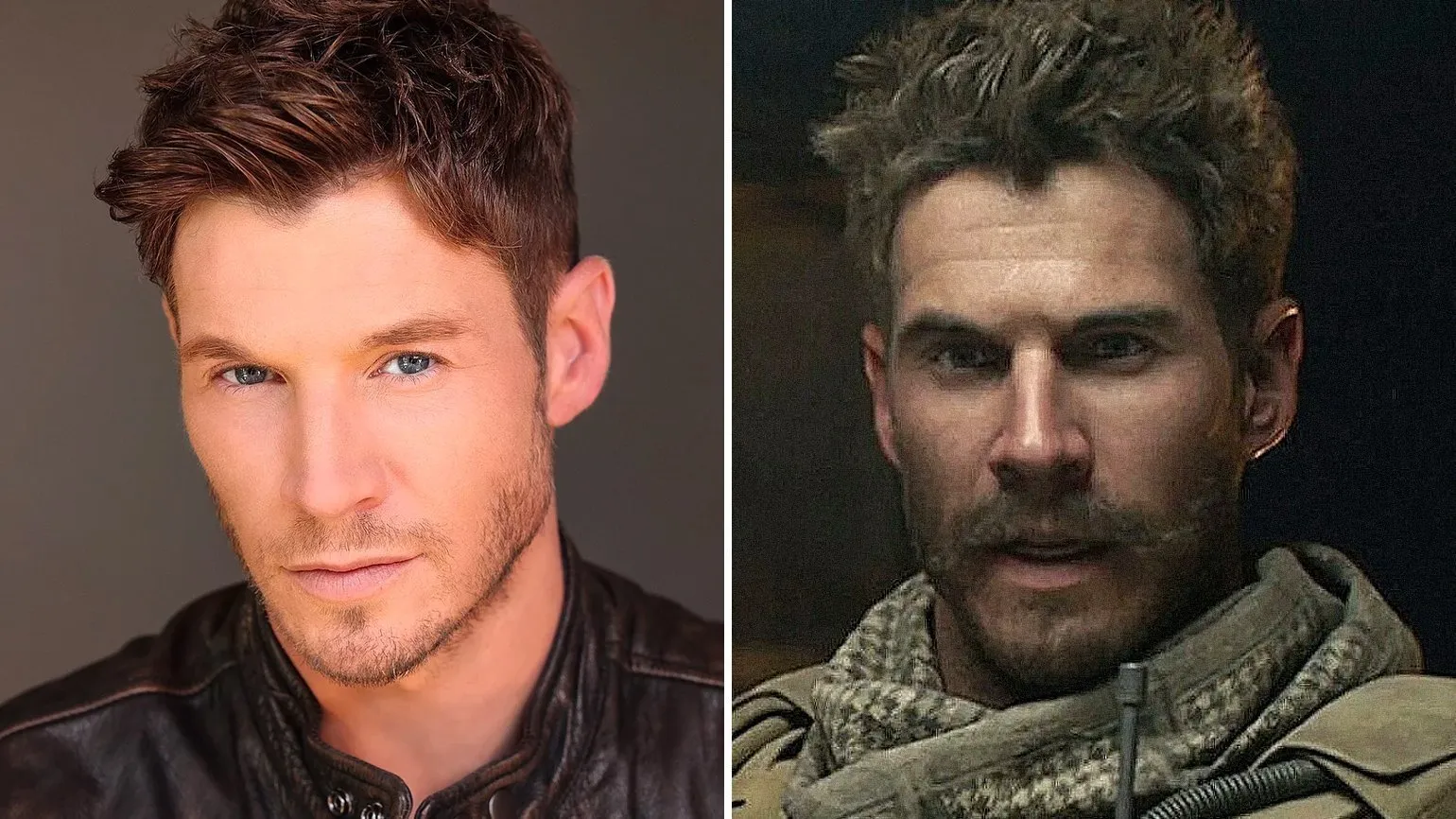
Chad Michael Collins, who plays the lead role in Call of Duty: Modern Warfare (2019), emphasizes the unique nature of acting in video games. He notes that actors don't receive a full script, which makes the filming process unique. Scenes are recorded piecemeal, and the project participants rely on each other's expertise and the guidance of the writers. This approach creates a dynamic and unpredictable atmosphere, which in turn enriches the gameplay and immerses players in the story.
Every year, the boundaries between cinema and video games are becoming more blurred. Developers are actively using technologies previously reserved exclusively for the film industry, such as motion capture and virtual production. These innovations enable the creation of truly immersive experiences, as demonstrated by rapper Travis Scott's virtual concert in Fortnite. This event became a shining example of how the intersection of various media formats can change the perception of entertainment and provide users with unique emotions. Technological advances are opening new horizons for cross-industry collaboration, expanding the possibilities for both film and gaming.
Capcom Studio used pre-visualization in the game Devil May Cry 5, which allowed them to evaluate what the final cutscene would look like before investing in motion capture. The game's producer, Matt Walker, noted that the main idea was to be able to control the camera during the planning stage. This approach significantly simplified the creation process and improved the quality of the final product. Pre-visualization has become an important tool for achieving high standards in video game development, allowing the team to work more efficiently on scenes and characters.
BAFTA Award-winning studio Supermassive Games continues its active collaboration with renowned actors, developing the anthology Dark Pictures. In these games, players have the opportunity to control multiple characters and make decisions that significantly affect the development of the plot. Every choice in Dark Pictures shapes a unique experience, keeping the player on edge and immersing them in a captivating world of interaction.
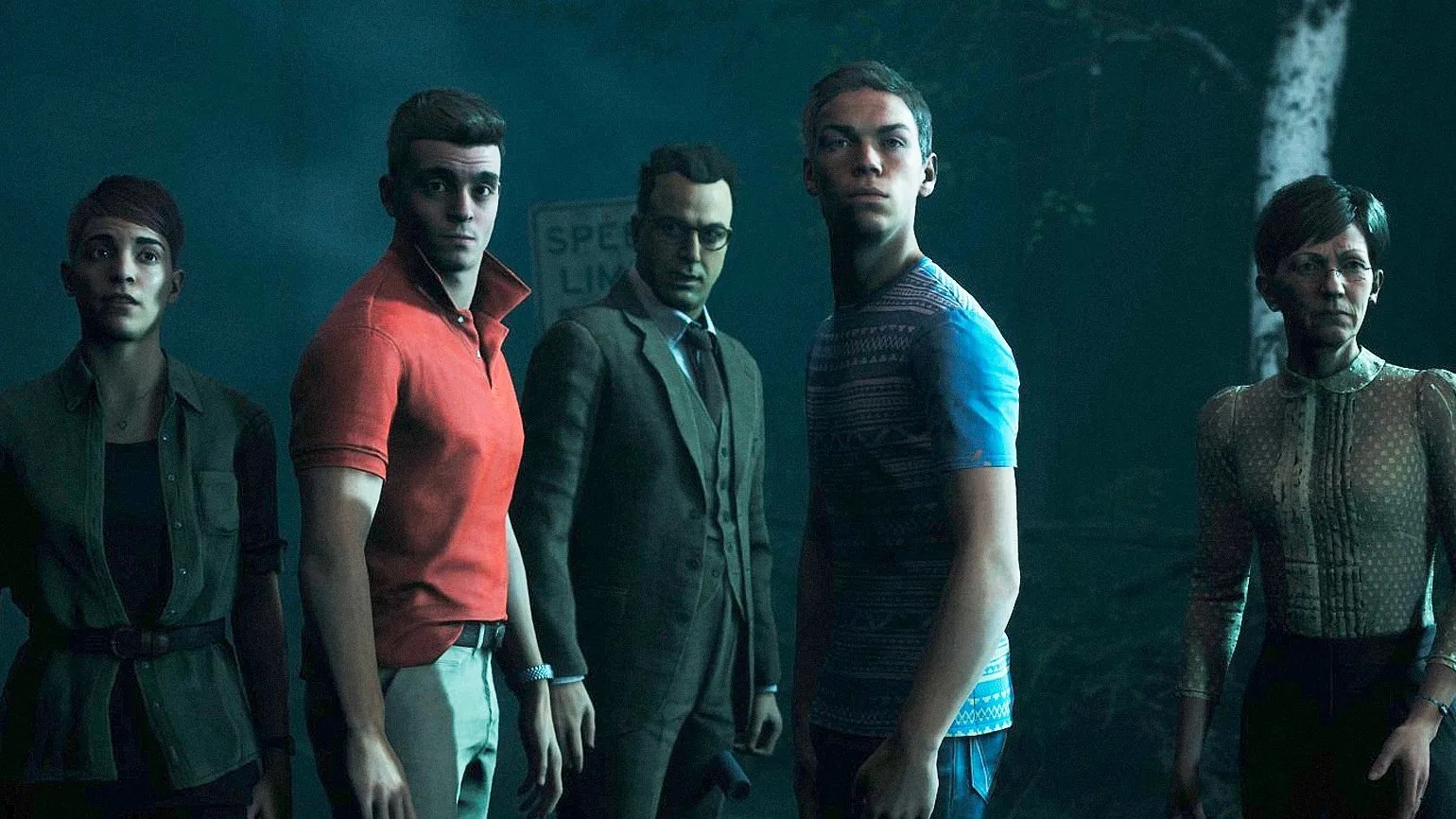
Pete Samuelson, Managing Director of Supermassive Games notes, "Actors bring their own interpretation of the characters, which makes the filming process unique." This approach allows for the creation of deeper and more layered characters, which significantly enriches the gameplay and increases player interest in the story. Using professional actors not only improves the quality of the game, but also makes it more appealing to a wider audience, which is an important aspect in the video game industry.
Will Poulter, a renowned actor who has played numerous roles in games from various studios, notes, "I had to switch between different accents and time periods, which required a real mastery of transformation from me." This approach emphasizes his professionalism and ability to adapt to various roles, which makes him in demand in the entertainment industry.
Results: Acting in Video Games
Modern video games require a special approach from actors. The primary challenge on a video game set is fully immersing oneself in a fictional world that has not yet been clearly visualized by level designers and animators. The filming process for video games involves numerous technical nuances, making acting in this format more challenging than traditional film or theater. Actors must adapt to various technologies, including motion capture and voice acting, which requires a high degree of commitment and professionalism. Successful performance in video games impacts the final product and its reception by players, making the work of actors a key element in the creation of high-quality gaming content. Despite the existing difficulties, many actors and actresses find these challenges appealing. It gives them the opportunity to experiment and develop their skills in a new format. Video games have become an integral part of everyday life, so it is expected that more and more famous movie and TV stars will seek to try their hand at interactive art. For example, actors like Norman Reedus and Troy Baker have already established themselves as significant figures in this rapidly developing industry. Given the growing popularity of video games, the participation of famous personalities in a project can significantly increase interest in the game and attract a new audience.
3D Animator: 5 Steps to a Successful Career
Want to become a 3D animator? Learn the 5 essential steps to a successful career in animation!
Learn more