Contents:

Learn: Video Production in Unreal Engine 4
Learn MoreWe continue our series of articles on game modifications. In the previous parts, we discussed the history of game mods and the classification of fan works. Now it's time to consider a direction that, although not directly related to gameplay, has a significant influence on modding culture. In this part, we will focus on machinima, which has become an important aspect of modern game art and self-expression. Machinima makes it possible to create animated films using video game engines, opening up new horizons for creativity and interaction among gamers.
Machinima from a Research Perspective
The term "machinima" is derived from the combination of the words "machine" and "cinema". Machinima is a unique animation genre that uses video game engines to create animated films. This art form allows creators to combine gameplay elements with cinematic techniques, opening up new creative horizons. Machinima is actively used in both entertainment and education, attracting the attention of both professionals and animation enthusiasts. The concept of machinima has many interpretations, but not all of them are correct. Paul Marino, author of 3D Game-Based Filmmaking: The Art of Machinima (2004), defines the phenomenon as "the creation of animated films in a virtual 3D environment in real time." However, this definition focuses primarily on technical aspects, ignoring a crucial element: gaming culture. Machinima represents a unique fusion of art and technology, allowing creators to express their ideas and narratives through game engines. The importance of this art form lies in its ability to connect communities and inspire new creators to create original content.
In his study "Players as Innovators in Machinima," Henry Lowood emphasizes that machinima is closely related to video games. This art form uses game engines to create animation and tell stories, making it a unique phenomenon in the digital space. Machinima not only showcases player creativity but also opens up new horizons for interaction and self-expression in the game world. The influence of games on the development of machinima indicates that players are becoming not only spectators but also active creators of content.
Machinima differs from traditional 3D animation in that it is created using a game engine. This format includes scripted cutscenes, individually recorded elements such as animation of game models, and artistic recordings of gameplay adapted to a specific scenario. The machinima production process is based on modding, which allows for the creation of unique video materials using existing game assets. Machinima thus becomes a creative tool for telling stories in virtual worlds.
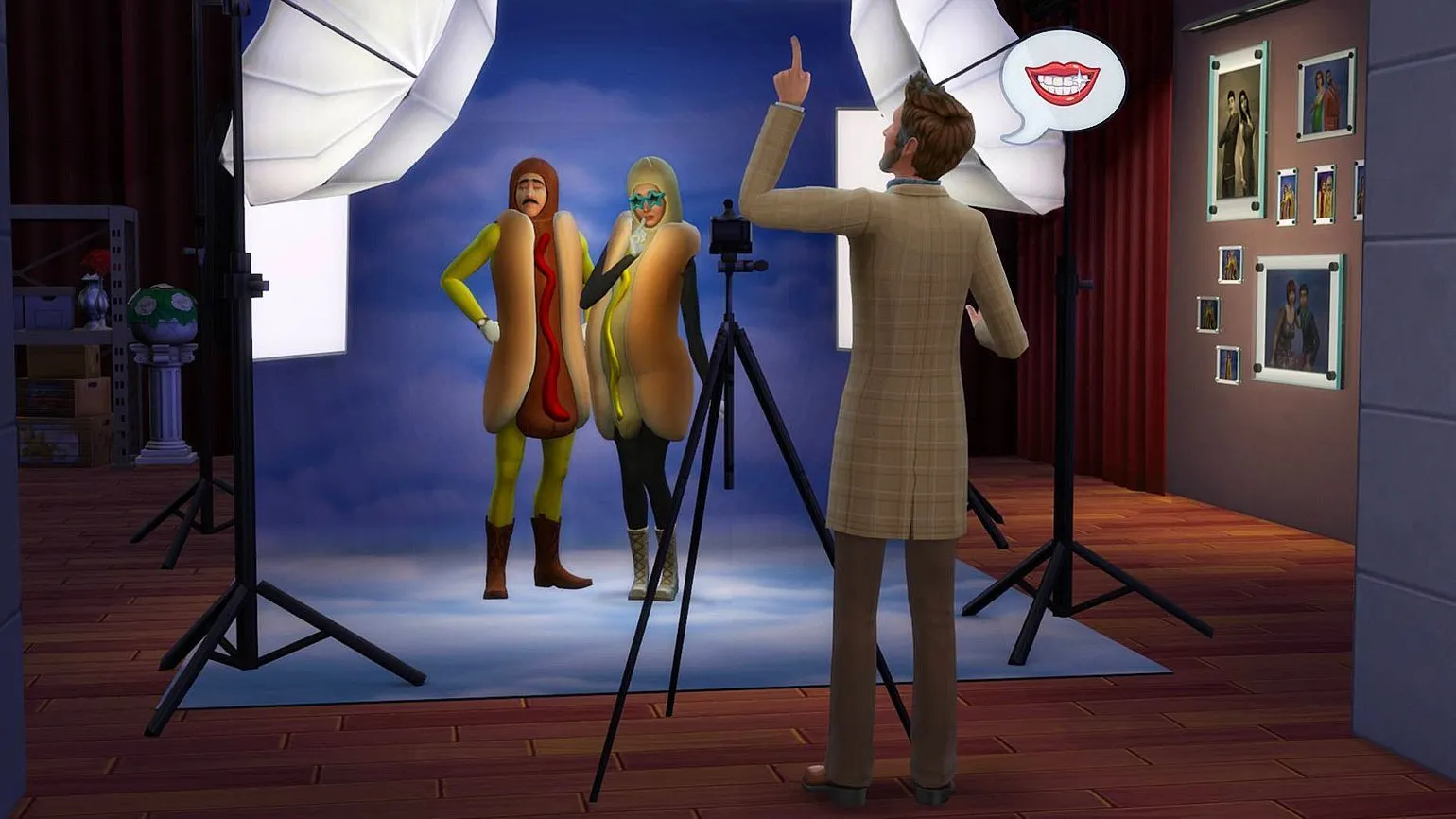
Machinima remains an integral part of game modification. Even without all the supporting tools, the very essence of using video games to create films is a modification of the basic principles of gameplay. Machinima will continue to influence game engines, and its community will continue to develop mods and hacks, as these are the foundations of this phenomenon. In a sense, this reflects the democratization of the production process in the world of video games. Machinima allows creators to reimagine and adapt games, creating unique narratives and visual works, making it an important part of contemporary digital art.
Eric Champion's 2012 book "Game Mods: Design, Theory and Criticism" is an in-depth study of video game modification. It examines both the theoretical aspects of mod design and practical examples of their application. Champion analyzes the impact of mods on the gaming industry, their role in expanding opportunities for players and developers, and their cultural significance. The work includes a critique of existing mods and a discussion of their future, emphasizing the importance of community in the process of modification creation and distribution. This book is a valuable resource for researchers, game developers, and players interested in the evolution of modifications and their impact on gaming experiences.
Machinima is a unique form of modding that allows users to express their creative ideas within game projects. This can range from a reimagined game session to a full-fledged film, which is further edited using third-party software and editing tools. Importantly, the machinima creation process does not touch the game's source code unless the developers have provided special tools to support players' creative ideas. Machinima opens up broad opportunities for self-expression and allows for the creation of original content based on existing game worlds.
The Progenitors of the Genre
The preconditions for the emergence of this content format arose in the late 1980s, long before the term "machinima" was coined. In the racing game Indianapolis 500: The Simulation (1989), users were able to view replays of races from various angles. Players could record short clips and load them as needed. However, creating a full-fledged movie from these clips was impossible due to the genre's nature and limited functionality. With the development of technology and game engines in the following years, new horizons for creating and editing video content were opened, ultimately leading to the popularization of machinima as a genre.
The release of Stunt Island in 1992 marked a significant shift in gameplay, as it recreated the unique experience of filmmaking. Players had the opportunity to become directors and cameramen on sets scattered throughout the island. They could set up cameras, record takes from various angles, and trigger events to create dynamic scenes. In editing mode, users could assemble their own movies using the footage they had captured. The game also allowed users to add their own sound effects to the video and share their creations via the Bulletin Board System. This game opened new horizons for creativity and collaboration in the gaming industry.
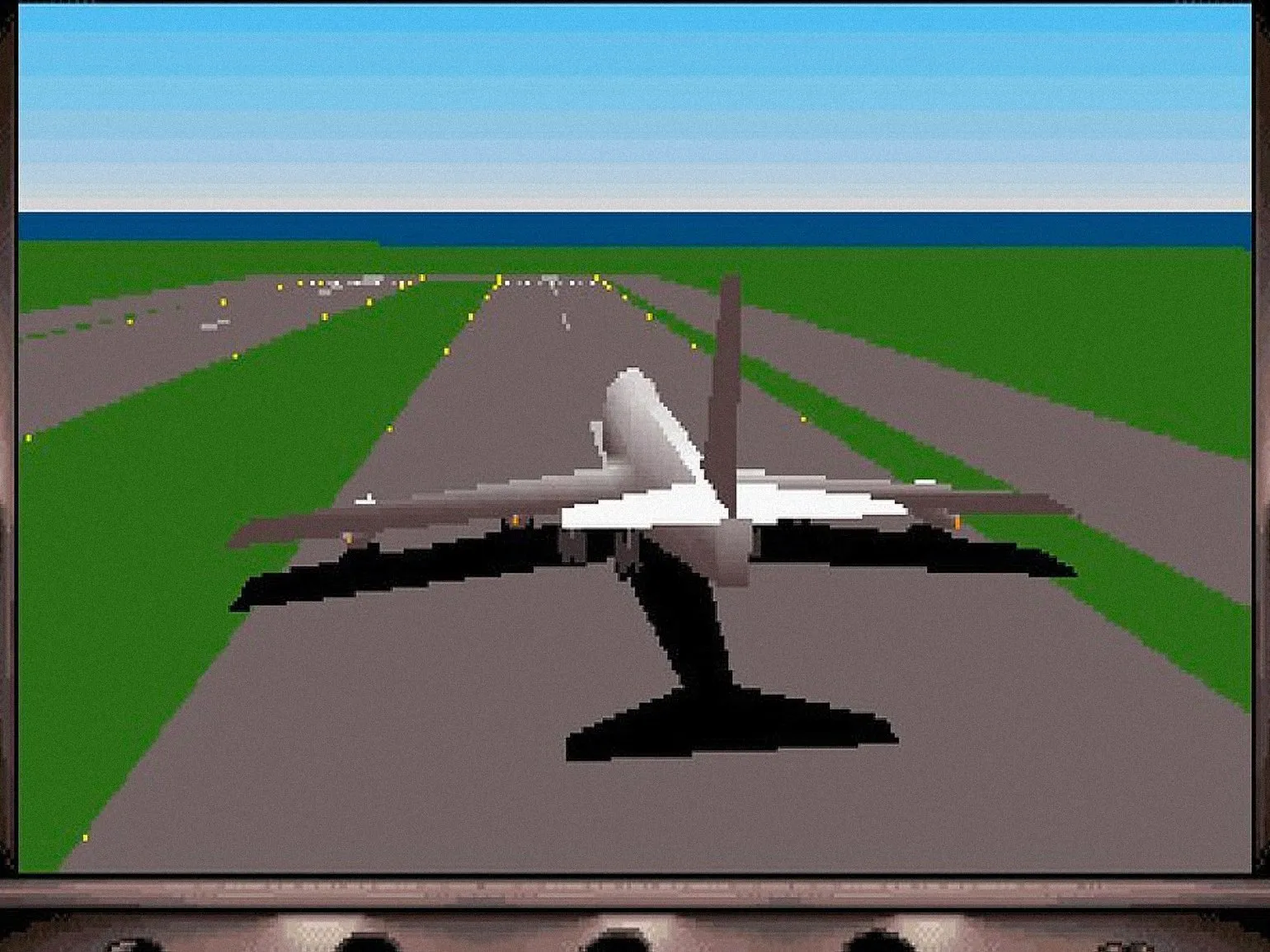
To watch the movie from the Bulletin Board System, it was not necessary to launch the game, since the file already contained all the necessary assets. All that was needed was the Playone player, a dedicated program included with the game. This allowed users to easily enjoy the film without the need for additional settings or processes. The 2021 book "Pioneers in Machinima: The Grassroots of Virtual Production" by Tracy Harwood and Ben Grussi explores the influence of machinima on virtual production. The authors analyze how this unique genre, which emerged from the use of video games to create animated films, has become a vital part of the modern media landscape. The book examines key figures and their contributions to the development of machinima, as well as the impact of technology on the creative process. It explores how machinima has opened up new opportunities for independent creators and changed the approach to content production, providing tools for self-expression and innovation in digital art. This work is an important contribution to understanding the evolution of virtual production and its significance in the context of modern media.
Hacking Demos as a First Step to "Recording" Content
Manipulation of internal gameplay footage reached a new level with the appearance of demo gameplay footage in the Doom main menu. However, this content is not a typical video recording: demos are stored in lump sections of WAD files as a set of tic commands that record internal time and display player actions in code. This explains the small size of demo files, which allowed for saving hard drive space. In the early 1990s, recording gameplay and publishing it online was virtually impossible.
The potential of demos was first recognized by German programmer Uwe Gierlich in 1994, when he began developing a demo re-recording tool called Little Movie Processing Centre. This tool enabled the recording of gameplay in popular games such as Doom, Doom 2, Heretic, Hexen, and Strife. Gierlich's development was a significant step in the world of video games, as it allowed players to save and share their gaming achievements, which contributed to the popularity of demo content and the development of a gaming community.
Unlike the previously mentioned games, where demos were recorded from a first-person perspective thanks to pseudo-3D graphics, Quake is a fully 3D game, which opens up new possibilities for camera adjustments. Girlich took note of the Quake demo's console command support and added the ability to work with the .dem format—files containing player gameplay recordings—to Little Movie Processing Centre. This innovation significantly expands the tool's functionality and improves the user experience, allowing them to more effectively analyze and share their gaming moments.
Technically, the file only captured on-screen movements and text. After recording, the file could be replayed. DEM files did not have the ability to record or add voiceover, as the functionality was focused solely on playback. This is similar to playing the same game of chess over and over again after all the pieces have been removed from the board. This approach allows for analysis and exploration of game strategies without the interference of audio files, making the process more focused on visual elements.
The book excerpt contains important ideas and concepts that may be of interest to readers. Understanding key themes and characters helps to delve deeper into the plot and grasp its significance. Every detail plays a role in the overall context, creating the unique atmosphere of the work.
As you read this passage, you can notice how the author uses language and style to convey emotions and moods. Important moments are emphasized with vivid imagery and metaphors, making the text more expressive and memorable. Pay attention to how the characters interact and how their internal conflicts reflect broader social and cultural themes.
This approach helps you better understand not only the plot but also the philosophical ideas embedded in the work. Each element of the text contributes to the creation of a holistic perception, allowing the reader to appreciate the depth and multilayered nature of the plot. It is also important to consider how the context of time and place influences the development of events and characters.
The use of such elements makes the passage not just part of a book, but an important step in the exploration of human nature and social relations. This can provide an excellent basis for further analysis and discussion, helping readers better understand both the text and its authorial intent.
Pioneers in Machinima: The Grassroots of Virtual Production is a 2021 book by Tracy Harwood and Ben Grussi. This work examines the origins of machinima and its significance in the context of virtual production. The authors analyze the development of this genre, its influence on contemporary art and technology. The book illuminates important aspects of content creation in virtual worlds, emphasizing how machinima has become a key element in the evolution of digital storytelling. Readers will be able to understand how this unique way of creating video formats is changing approaches to cinema and interactive media.
Gierlich's efforts were further continued by David Wright, the renowned developer of KeyGrip and KeyGrip2 software. These tools have become the most popular among the Quake community for editing demos recorded in the game. KeyGrip and KeyGrip2 have made it much easier to work with game recordings, providing users with powerful editing and analysis features. These programs gave players the opportunity to create unique content and share their gaming moments, which contributed to the development of the community and improved the quality of content.
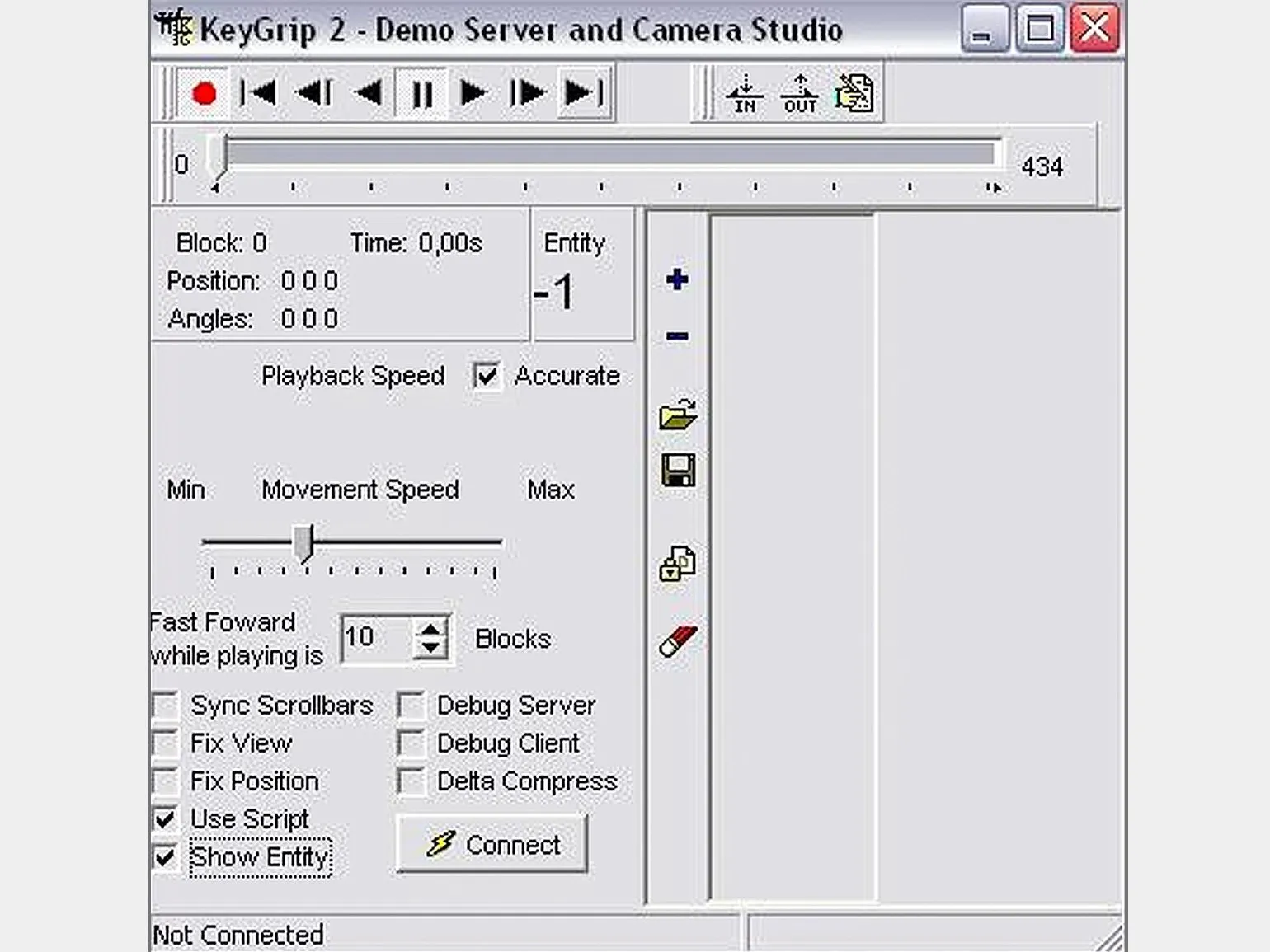
New features of the game engine provide players with unique tools for learning the initial stages of digital filmmaking. Among these features are role-playing, camera control, and avatar control, allowing players to interact independently. These features open up a wide range of creative solutions and facilitate deeper immersion in the content creation process, making it more interactive and engaging.
One of the main drawbacks was the lack of voice acting—all lines were displayed in the console. The saved result was recorded as a DEM file.
Quake, not Stunt Island, is considered the pioneer of machinima, despite the latter having all the necessary tools for filmmaking. To understand why, it's worth considering the filming of the first and most famous film using the Quake engine, "Diary of a Camper." This short film tells the story of a group of rangers and a camper in hiding. Quake not only offered unique opportunities for animation, but also became a platform that inspired countless creators to experiment with game engines and storytelling.
The short film "Diary of a Camper" is 1 minute and 36 seconds long. It was distributed through BBS systems and early websites, making it accessible to a wide audience.
"Diary of a Camper" was the first project in history to use a computer game to create a unique short story. A group of players immersed themselves in their roles, moved around the map and interacted with each other. The cameraman and director recorded the entire process in a DEM file, which made it possible to capture the gameplay in a new format. This modification demonstrated an alternative use for the Deathmatch mode, which was not originally intended for filmmaking.
The silent era of cinema serves as a prime example of the "silent era" in the world of machinima. Despite the lack of dialogue, these works featured standard game environment sounds that served as a background and created atmosphere. Machinima, as an art form, uses game engines to create animation, and, like silent film, it demonstrates the power of visual storytelling and wordless expression.
An excerpt from the book "Pioneers in Machinima: The Grassroots of Virtual Production" by Tracy Harwood and Ben Grussi (2021) explores the development of machinima as a phenomenon that has become the basis for virtual production. The authors focus on how creative communities, using available tools and platforms, are shaping a new approach to content creation. Machinema not only changes the perception of traditional cinema but also opens up new opportunities for self-expression and audience engagement. The works presented in the book highlight the importance of innovation and experimentation in this field, as well as the influence of technology on artistic expression in the digital space.
Following the success of the short film "Diary of a Camper", games based on the Quake and Quake 2 engines became popular among gamers and content creators. When recording demos, creators actively used a variety of modifications and skins, allowing the characters in their films to acquire unique looks. This fostered creativity and inspired many to create their own projects within these iconic games.
The release of Quake 3: Arena was a highly anticipated event for the machinima community. Expectations were high, as the new engine opened up a wealth of possibilities for creators of feature films. However, after the game's release, the developers faced serious problems related to cheaters. By gaining access to information about the network code used in multiplayer modes, players not only learned how to create mods and edit demos, but also learned how to use cheats. This created significant difficulties for fair play and negatively impacted gameplay.
Uwe Gierlich, while continuing to develop his Little Movie Processing Centre utility, noticed a connection between the demo files' code and the network protocol. This manifested itself in identical messages transmitted between Quake servers and clients, which were used in the demo files. This vulnerability attracted the attention of cheaters, who began creating proxy bots to exploit this feature.
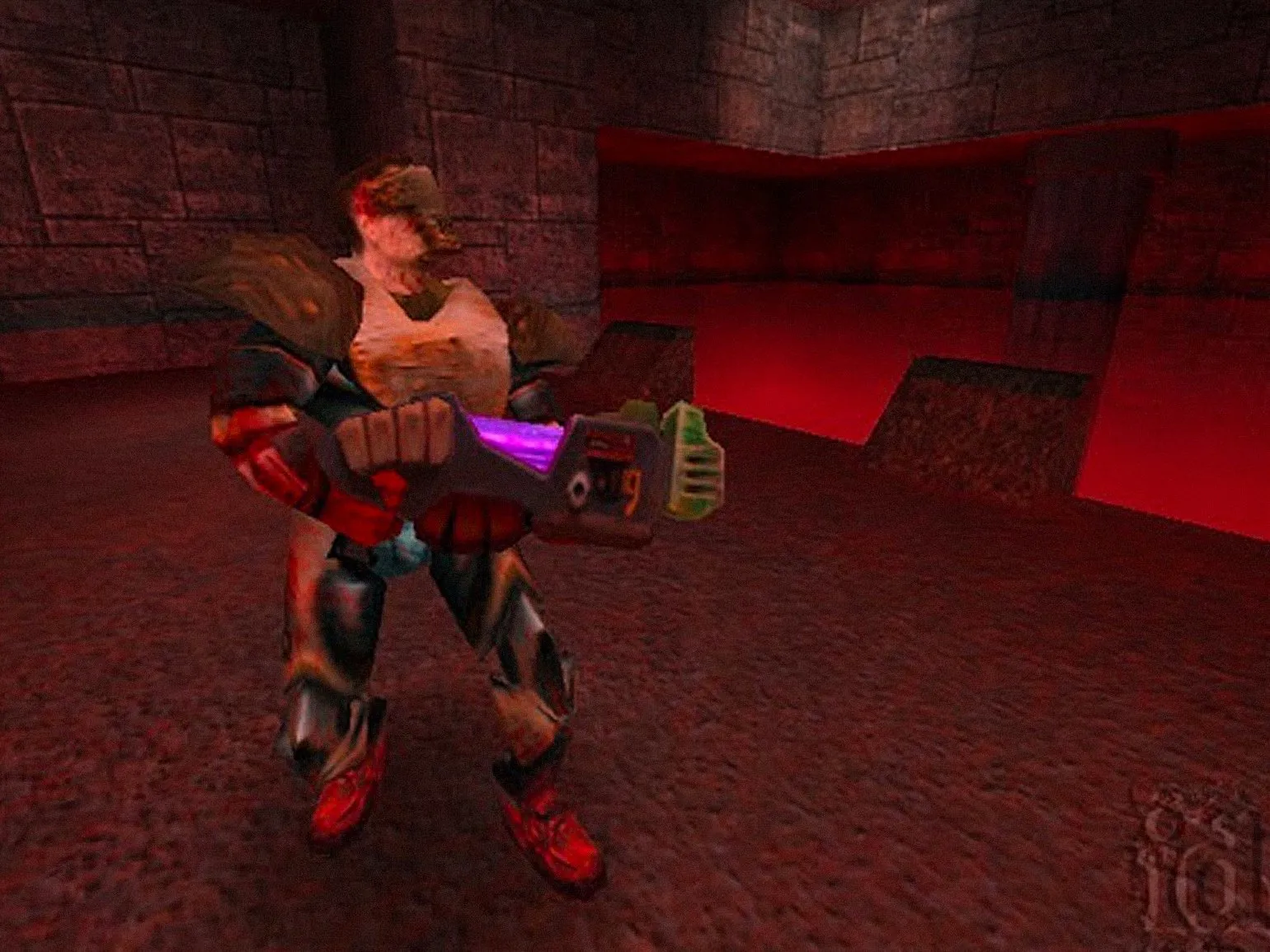
id Software has decided to restrict access to the game's network code and warned of possible lawsuits against those whoever tries to spread the word about it. As a result, Girlich announced that his tools would no longer support Quake 3 demos, citing developer restrictions. Wright also confirmed that there would be no new version of KeyGrip for Quake 3. This event marked a significant turning point for the machinima community, which found itself in a state of suspense: it was necessary to find a way out of this situation or accept the possible demise of game film culture.
In 2000, Hugh Hancock, founder of Strange Company, and Anthony Bailey, author of the renowned speedrun series Quake done Quick, coined the term "machinima" and launched the now-defunct machinima.com portal. This site became an important platform for popularizing the new format, allowing creators to share their work and introduce audiences to its unique genre. Machinima combined the capabilities of game engines like Quake and other video game technologies, offering creators a chance to gain recognition and develop their creative ideas.
The site's launch was marked by the release of the film "Quad God," created using the Quake 3: Arena engine. At 45 minutes long, this film exceeds all previous machinimas. To overcome existing limitations, director Joe Goss recorded gameplay with a video camera pointed at the screen. He then transferred the recordings to a computer, edited them using a standard video editor, and published them on the portal. This project marked an important milestone in the development of machinima and drew attention to the capabilities of the Quake 3: Arena engine.
When Quad God appeared in numerous magazines, the community reaction was unexpected. Instead of support for like-minded people, many content creators reacted with indignation: access to machinima was no longer exclusive to a narrow circle of devoted Quake fans. Quad God was available to everyone, even those who had never played the games. Joe and Jeff Goss, the creators of Quad God, were overwhelmed by negative comments from other machinima creators, which ultimately led them to refuse further participation in this type of creativity. This event highlights the changes in the perception of content and its accessibility, as well as the influence of the community on the creators' work.
The Machinima Reader Matt Kelland's 2011 book explores the world of machinima—the art of creating animated films using video game engines. It examines both the technical and cultural aspects of machinima, including its influence on contemporary digital art and media. Kelland analyzes how machinima transforms traditional notions of cinema and viewer interaction with content. This book will be useful for both researchers and practitioners interested in new forms of expression in the digital age. The advent of Fraps significantly increased the appeal of content available outside of demo files. This tool allowed creators to record game footage in video format and share their work with a wider audience. New software and specialized portals contributed to the decline of the demo file era, and machinima began to attract viewers unfamiliar with gaming culture. This change opened up new horizons for creatives, allowing them to present their content in a more accessible and engaging format, which, in turn, contributed to the growth of interest in and development of game art.
The file captured only the movements and text displayed on the screen. Once filming was complete, it could be replayed. DEM files did not have the ability to record or add voiceover, as the functionality was designed solely for playback. It was like playing the same chess game over and over again after all the pieces had been removed from the board.
A book excerpt is an important element of a literary work that can convey the author's key ideas and emotions. In this context, the excerpt serves to immerse the reader in the work, revealing its main themes and characters.
To optimize text for SEO, it is important to use keywords that reflect the content of the excerpt and match the interests of the target audience. For example, if the passage is about love, you should emphasize words like "love," "relationships," and "feelings." This will help improve the text's visibility in search engines and attract more readers.
Also, pay attention to the sentence structure and writing style. Clarity and conciseness will help convey your thoughts better to the reader. Using the active voice and expressive verbs will make the text more dynamic and engaging.
Thus, a book excerpt not only attracts attention but also serves as an important tool for conveying substantive information and creating interest in the work.
"Pioneers in Machinima: The Grassroots of Virtual Production" is an important work by authors Tracy Harwood and Ben Grussi, published in 2021. This book explores the history and development of machinima as a new genre in virtual production. The authors analyze the influence of technology and digital media on the creation and distribution of content, and explore the role of community in shaping this genre. Harwood and Grussi highlight how independent creators use available tools to create unique works, making machinima accessible and appealing to a wide audience. The book serves as a valuable resource for those interested in contemporary trends in digital art and the entertainment industry.
The Early 2000s and the First Challenges
Soon, short films began to be equipped with voiceovers and musical accompaniment. As in other media formats, the world of machinima saw the emergence of its own "stars": Paul Marino, Peter Rasmussen, Katherine Anna Kang, Ken Thain, and others. These talented individuals helped elevate machinima to new heights, facilitating the emergence of diverse formats, including music videos and full-length series. The development of voice acting and music in machinima not only enriched the content but also attracted a wider audience, contributing to the popularization of this genre in digital art.
In the early 2000s, content created for gamers remained highly specialized and reminiscent of modern local memes. The web series "Red vs. Blue" was an example of such content that could only be fully understood by dedicated fans of the Halo game series. This project marked an important stage in the development of internet culture and the gaming community, emphasizing the uniqueness and specificity of content aimed at a specific audience.
The problem is not only a lack of truly innovative ideas capable of attracting a new audience. Each game has its own unique setting and set of assets, which limits the creative freedom of developers. For example, creating a drama about World War II within a sci-fi world is impossible. This limitation affects the diversity of plots and genres, which can lead to player fatigue from the monotony of content. It is important for developers to find a balance between the uniqueness of the setting and the possibilities for creating fresh and interesting stories to maintain audience interest.
To overcome this barrier, the director had to delve into modding and significantly modify the 3D models, textures, and environments. While modding in machinima was common, most live-action filmmakers had technical skills, leading to a focus on humor and action in their scripts. As a result, romantic subplots were largely absent. This opens up opportunities for more diverse and multi-layered stories in live-action films, which could attract new audiences and expand the genre's boundaries.
The Machinima Renaissance
The situation changed dramatically a few years later with the release of the online virtual world Second Life in 2003 and the life simulator The Sims 2 in 2004. The new versions of The Sims gave users powerful tools for creating original content, including free camera, animations, and the ability to upload unique avatars through mods. These innovations significantly increased player engagement and opened up new horizons for creativity in virtual worlds.
Recording footage in The Sims 2 was done with the click of a button. The footage could then be edited using a variety of video editors, including Windows Movie Maker. This allowed users to create unique videos, sharing their gameplay moments and creativity with the community. Importantly, the ease of recording and editing footage contributed to the popularity of The Sims 2 as a content creation platform.
The popularity of machinima created using The Sims 2 is explained by the fact that the game's core community consists of women who are more focused on creativity than competition. Developer Maxis actively supported machinima creators, regularly organizing creative competitions. Short films based on The Sims 2 began to address important topics previously undiscussed in the community, such as love, religion, friendship, and raising children. This has contributed to the development of unique content and attracted new participants, making machinim an important part of the game's culture.
In 2004, Half-Life 2 was released, surprising players with its flexible engine and extensive toolset, including the ability to create machinima. However, creative players struggled to master all the nuances of development, which limited the number of films based on the game. One of the most memorable projects was the short film A Few Good G-Men, which originally parodies a scene from the famous film A Few Good Men. This project stands out among others due to its humor and high-quality animation, which highlights the potential of using the Half-Life 2 engine to create interesting content.
Epic Games made a significant contribution to the development of machinima. The Unreal Tournament 2004 engine, based on Unreal Engine 2.5, proved to be an ideal tool for creating short films thanks to the Matinee animation tool. Like Quake, films created with the Unreal Engine were available to viewers exclusively within the game itself. Machinima on Unreal Engine 2.5 stood out not only for their high-quality graphics, but also for their more sophisticated animation technologies, which opened up new possibilities for content creators.
In the book «Game Mods: Design, Theory and Criticism» Friedrich Kirscher, creator of the short film "The Journey," shares his experience working with Unreal Tournament 2004. He notes that due to separate camera and character script controls, scene checks were only possible when launching a level in-game. This necessitated constant switching between the editor and the game itself, making the workflow difficult. Kirscher would check the camera angle in-game, but to make changes, he would have to return to the editor again. This experience highlights the importance of user-friendly development tools in the games industry and the need for improved modding workflows.
In 2004, I developed five levels for the Make Something Unreal Contest, organized by NVIDIA and Epic Games. These levels served as scenes for my film The Journey. I created textures, modeled props and characters, which is essentially a modification of the game. However, the environments and characters were not in-game, although the scenes ran in the game engine. As I worked, I realized that such a complex setup required the creation of custom scripts not only for animation and effects, but also for organizing scenes during filming. As a result, I developed two mods. The first is the "actual" mod, which was submitted to the contest and included levels, assets, and camera scripts. The second mod integrated with the first and provided a set of simple tools for structuring scripts. Many of the competition's participants followed a similar approach, focusing their efforts not on mods but on creating films. This approach significantly expanded the capabilities of the game engine and opened new horizons for creative expression in the gaming industry.
A quote from Friedrich Kirscher in Eric Champion's 2011 book "Game Mods: Design, Theory and Criticism" emphasizes the importance of modifications in gameplay. Mods not only enrich the gaming experience but also serve as a tool for self-expression and creativity among players. This work analyzes various aspects of modification design, their impact on gaming culture, and critical reception. In the context of modern video games, mods are becoming increasingly relevant, giving players the opportunity to adapt and improve their favorite games, which in turn promotes community development and the exchange of ideas between developers and users.
In the early 2000s, new tools appeared on the market that significantly simplified the creation of machine animation for authors. Among them, it is worth noting Milkshape 3D, which we have already mentioned, as well as CrazyTalk, released in 2001, which was intended for the development of 2D animations. In 2005, iClone, a program with real-time animation rendering capabilities, was created based on CrazyTalk. iClone continues to be actively developed, and the latest update to version 7 was released in December 2019. These tools have become an essential part of animators' workflows, providing new opportunities and simplifying the creation of high-quality content.
In the mid-2000s, Moviestorm, a scene-building tool using pre-made assets, was launched. Over time, this utility has evolved significantly, and its current version, FirstStage, is widely used in previsualization for film, television, and theater productions. FirstStage provides users with powerful tools for effective visual planning, enabling the creation of high-quality scenes and improving the pre-production process.
The Movies, released in 2005, offered a unique approach to filmmaking in the machinima format. This game is entirely dedicated to the filmmaking process and includes standard gameplay, which consists of completing a campaign and completing tasks set by the developers. However, of particular interest is the "sandbox" mode, allowing players to focus on the "filming" process without having to worry about financial aspects and the mood of the actors. Users can upload their movies to the game's official website, creating an opportunity for players to share their creations and gain inspiration. The Movies has become not only a game but also a platform for creative expression, making it a significant project in the world of video games.
One of the most notable films created using The Movies game is the short film The French Democracy. This machinima was released just a few weeks after the game itself. The plot is based on the events surrounding the mass protests in France, and the author seeks to explain the motivations of the protesters. Notably, the English subtitles for the film were written by a non-native speaker, which enhances the immersion into the problems of ethnic minorities and draws attention to social issues. The French Democracy remains an important example of how video games can serve as a platform for discussing topical issues and expressing opinions on social and political issues.
In 2005, the famous "Leeroy Jenkins" meme emerged in the World of Warcraft community. A video was uploaded to a specialized website dedicated to the game's video content. In it, the paladin Leeroy, ignoring a pre-planned attack on a group of monsters, suddenly launches an attack. This action leads to unexpected and comical consequences for his team, which is put at risk. The meme became a symbol of carelessness and chaos in gameplay, captivating not only WoW players but also a wider audience.
It was eventually revealed that the moment had been pre-planned, and all raid members were simply acting out their roles. This humorous situation is believed to have paved the way for the creation of animated films set in the World of Warcraft universe. The MMORPG subsequently evolved into a major platform for creative expression, with the community producing films on a variety of topics, from canonical stories based on the game's lore to satirical works reflecting current social issues.
To create machinima based on World of Warcraft, developers use special utilities. One such program is Free Far Sight, which allows you to control the camera and create panoramas or bases for scenery. The second utility, Wow Model Viewer, provides access to all game models, allowing you to set animations and add props for filming. These tools greatly simplify the process of creating high-quality content and open up new possibilities for creative projects in the world of World of Warcraft.
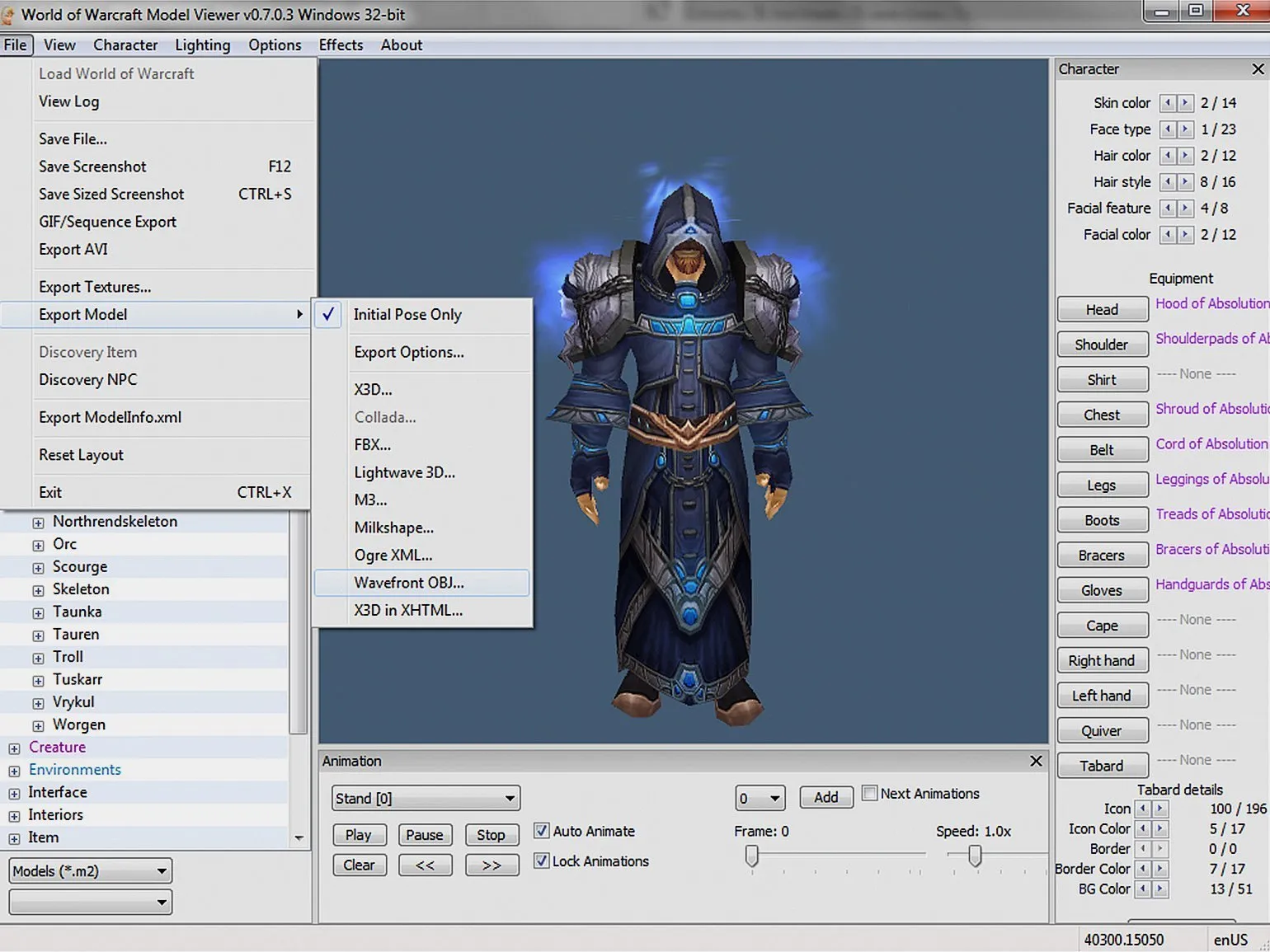
In 2006, game designer Harry Newman presented Garry's Mod is a sandbox game. It lacks clear objectives, offering limitless opportunities for creativity and physics experimentation. The sixth version of Garry's Mod added a new tool, The Face Poser. It allows you to create distinctive facial expressions for your characters, which has become one of the features that made the game popular among users. Garry's Mod continues to attract players thanks to its unique mechanics and the ability to bring any idea to life in virtual space.
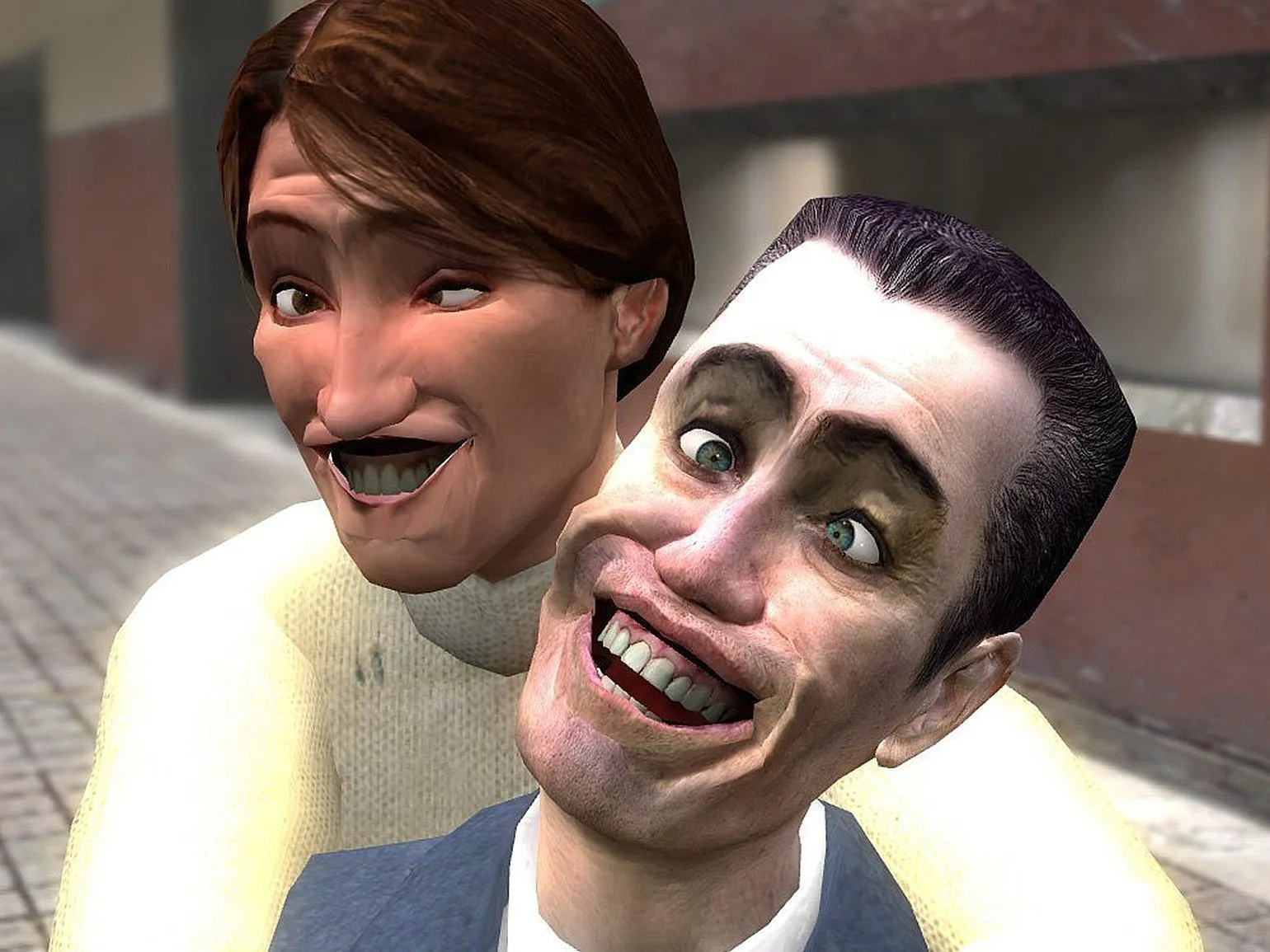
Creating The Face Poser was a real challenge for me. I can't remember the process exactly, but I do remember it being one of the biggest fears for a technical programmer. The interaction of 128 floating dots on a face raised doubts: would such a complex system work effectively?
In an interview with RockPaperShotgun, Garry Newman shared his thoughts on current trends in the gaming industry. He discussed the importance of innovation and creativity in game development, as well as the impact of technology on the content creation process. Newman emphasized that successful projects require not only technical mastery but also a deep understanding of player needs. He also noted that interaction with the community plays a key role in creating a high-quality gaming experience. The interview highlights the importance of player feedback and its influence on the further development of games.
Today, YouTube is saturated with comedic videos created using Garry's Mod, which make extensive use of facial animation. However, there are also projects that demonstrate alternative aspects of this sandbox, turning it into dynamic action games in the Hardcore style. These works highlight the diversity of Garry's Mod's capabilities, allowing authors to realize creative ideas and create unique content.
The GTA IV Replay Editor is a powerful tool that allows players to record and edit gameplay moments, creating unique videos and replays. With this editor, users can play back their gameplay, saving them for later viewing. This is especially useful for content creation, highlighting exciting gameplay moments.
The Replay Editor interface is intuitive, allowing you to easily manage recordings, change playback speed, and add various effects. Players can also use cameras from different angles, making the editing process more engaging. Importantly, the GTA IV replay editor opens up new creative possibilities by allowing you to share your videos with the community. Learning to use the replay editor effectively is easy, and the results can significantly enhance gameplay. Skillful replay editing can be a great way to showcase your achievements or showcase unique gameplay moments, making it an indispensable tool for any GTA IV fan. In 2008, the PC version of Grand Theft Auto IV introduced an enhanced replay system. Unlike GTA III and GTA: San Andreas, players were able to choose camera angles and apply various visual effects, such as slow motion and filters. The results could be uploaded to the Rockstar Social Club platform. Users could also record desired takes and edit them in the video editor, as videos were saved in the .wmv format. These features have significantly improved the quality of content creation and the ability to share your gaming moments with the community.
The Emergence of Better Tools in the 2010s
In 2012, machinima creation reached a new level with the release of the beta version of Source Filmmaker. Team Fortress 2 beta testers first encountered this tool in 2007, but at the time its capabilities were limited. Source Filmmaker became the primary tool for creating all promotional videos for Team Fortress 2 and Left 4 Dead, confirming its importance in the world of digital content and animation. With this program, users could not only create their own videos but also experiment with animation, opening up new horizons for gaming creativity.
Source Filmmaker offers a wide range of animation tools, including model rigging, scene creation, and post-production. The program's library offers over 6,000 downloadable models, greatly simplifying the workflow. If your ideas extend beyond Valve games, you can easily import models from related sites or create your own. Today, Source Filmmaker remains one of the most popular machinima creation tools due to its flexibility and wide range of capabilities.
Creating machinima on Source Filmmaker directly depends on the complexity of the project and the planned time frame for its implementation. Some videos can be completed in a week, while others can take two to three months or even more. I always strive for realistic ideas, although among them there are also more ambitious concepts that are difficult to bring to life. Some of these ideas remain in my imagination for many years, and I hope to be able to realize them in the future.
Denis Kudashev is a cinematic artist at GSC Game World and the author of the popular DKUD channel. His work in the field of creating cinematic materials for video games has attracted the attention of many users and art connoisseurs. On the DKUD channel, Denis shares his knowledge, experience, and process for creating visual content, making it valuable to both professionals and enthusiasts in the gaming industry. His videos feature in-depth reviews, graphics tips, and discussions of current game development topics.
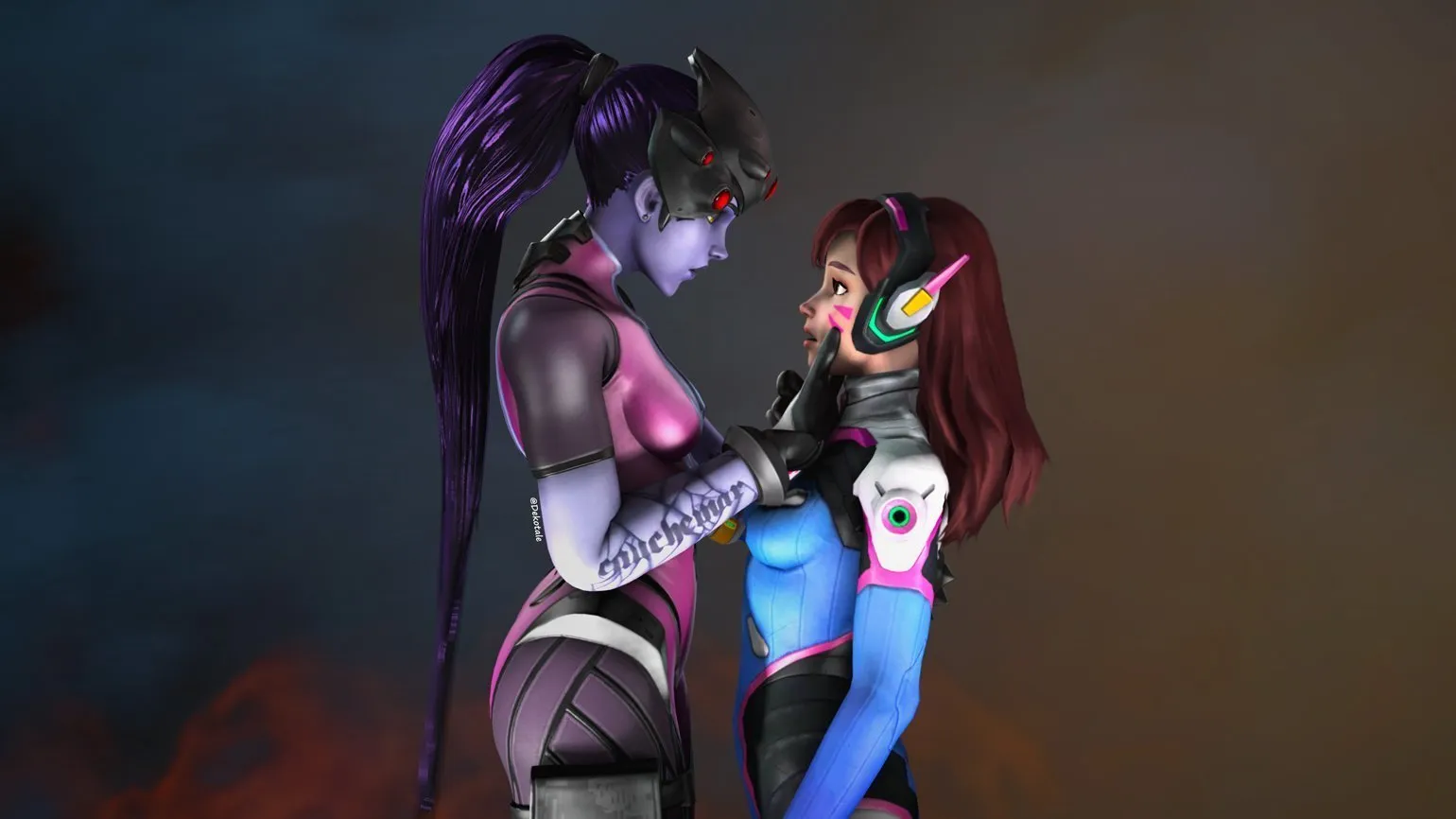
Modern technologies open up new horizons for gamers, which has given rise to the emergence of animated erotic videos featuring popular game characters. These projects are typically created by teams of talented animators seeking to bring fans' secret fantasies to life. Such specific content demonstrates not only the creativity of the creators but also the growing interest in the intersection of video games and erotic art.
Among the leading studios developing NSFW content, the American company Studio FOW has attracted particular attention. Since its founding in 2014, it has established itself as a specialist in pornographic animation. This year, the studio released the acclaimed game Subverse, which received an 18+ rating. Studio FOW employs talented animators, voice actors, and artists united by a desire to create pornographic content based on video games, making their work unique and in demand in the industry.
From a legal perspective, this production is considered legal, as it is a parody and is carried out on a non-commercial basis. Among the first and most famous films of this studio is "Lara in Trouble", released in 2014. This film has become an iconic example of the parody genre, attracting the attention of viewers with its originality and creative approach.
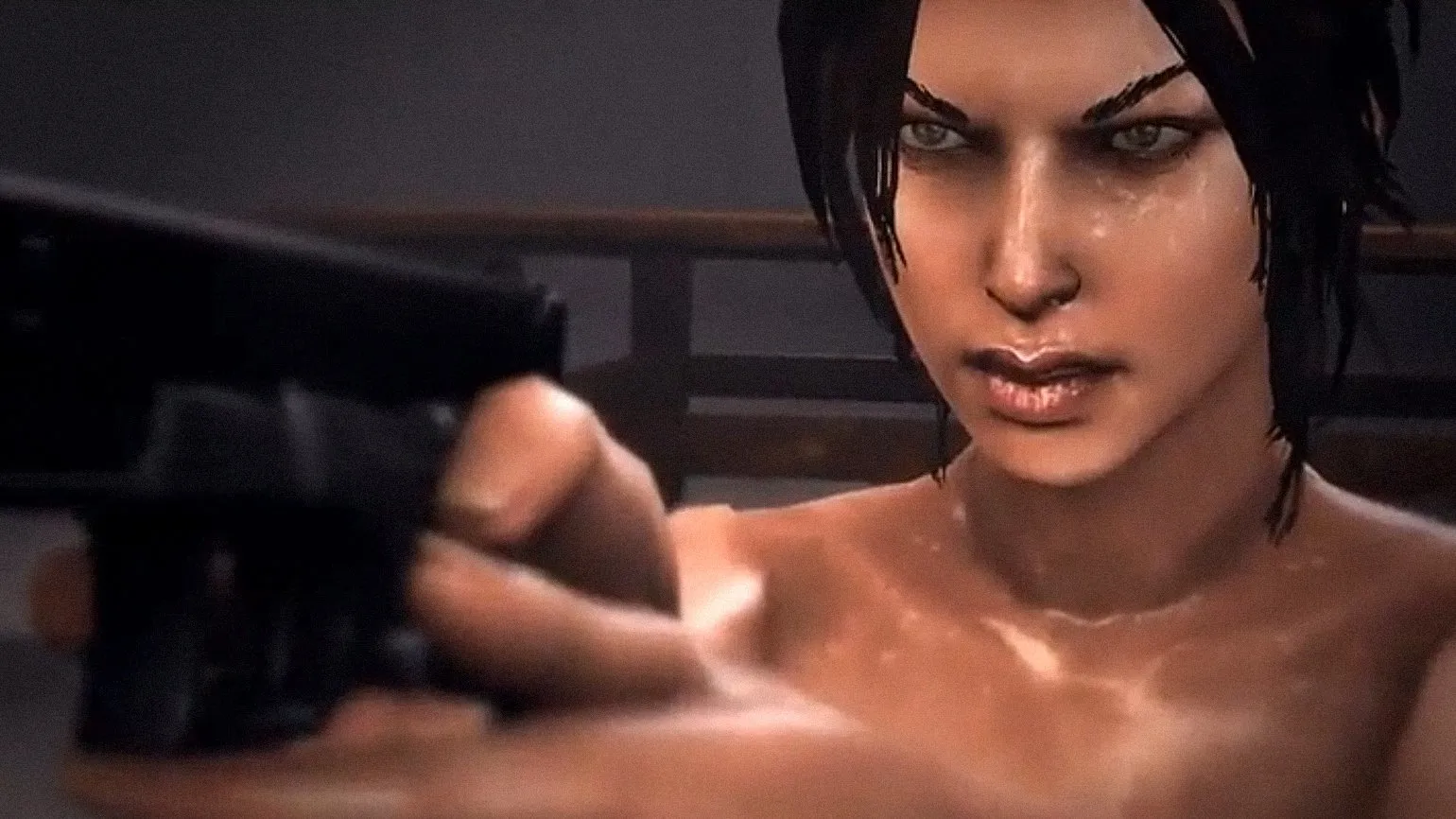
Not every developer supports the exploitation of character images. For example, the shooter Overwatch became famous thanks to its female characters. Following the game's beta launch, character models quickly appeared in Source Filmmaker assets. As a result, animators and 3D artists created adult versions of them. According to Pornhub statistics, over 600,000 requests for Overwatch character animations were recorded in 2016, confirming the high interest in content related to this game. Blizzard aimed to achieve a Teen rating for its game, and therefore such popularity associated with adult content was undesirable. A few weeks before the official release, an active crackdown on such content began: websites and accounts hosting SFM pornographic materials were shut down due to copyright violations (DMCA). Character models were also removed from various platforms for the same reason. However, adult content creators acknowledged that even such drastic measures couldn't stop the spread of NSFW content related to Overwatch and other games online.
Rockstar took a significant step toward creating the perfect gaming machine by releasing a full-fledged movie editor for GTA V, called the Rockstar Editor. This powerful tool includes all the necessary features for creating high-quality content. Initially available only for PC, the editor was expanded to console versions of the game in 2015. The Rockstar Editor allows players to record, edit, and share their gameplay moments, expanding the creative possibilities in the world of GTA V.
The Rockstar Editor provides users with a wide range of tools for working with the camera, filters, and models. With it, you can position the camera so that the viewer can observe events from the perspective of secondary characters and animals. Furthermore, the editor allows you to control parameters such as time, weather, physics, and gravity, opening up new horizons for creativity. Rockstar also hosted several machinima-themed events, including a competition to create the official music video for Little Dragon's "Wanderer." These features make Rockstar Editor a powerful tool for creating unique content and expanding the user experience in the world of video games.
Creating machinima using Source Filmmaker varies in time, depending on the complexity of the project and the desired length of the final video. Some videos can be completed in a week, while others can take two to three months or even longer. I always strive for realistic ideas, although there are also quite ambitious projects among them that require a special approach to implementation. Some ideas remain in my head for many years, and I hope to one day bring them to life.
Denis Kudashev is a cinematic artist at GSC Game World and the creator of the popular YouTube channel DKUD. He combines art and technology in his work, creating stunning visual effects and animations for video games. His work has been recognized for its high quality and originality, making him a significant figure in the industry. On the DKUD channel, Denis shares his knowledge and experience, teaching viewers the basics of cinematics and revealing the secrets of creating memorable gaming moments.
NVIDIA Technologies
Machinima development seemed to have reached its limit, as tools like Source Filmmaker and Rockstar Editor provide ample opportunities for creative expression. However, in 2020, NVIDIA introduced a new tool called NVIDIA Omniverse Machinima, which offers developers an innovative solution for engaging the gaming community in the machinima creation process. This tool opens up new horizons for creative projects, allowing users to more effectively interact with game worlds and create unique stories.
Main characteristics of the tool:
- new rendering capabilities with more accurate lighting;
- Audio2Face technology, synchronizing facial animation with the played audio file;
- Realistic physics and visual effects;
- recording animations via a webcam.
At the moment, Omniverse is available in open beta. This tool officially supports assets from the game Mount & Blade 2: Bannerlord. Information about possible support for other games in the future is not yet available. Users can expect expansion of the platform's capabilities, but the exact timing and list of supported games are not specified.
The Current Development of Machinima
The current situation with machinima raises many questions and is controversial, which is due to the changing perception of CG animation. Previously, 10-20 years ago, there was a stereotype that mastering CG was only accessible to designers with a certain set of technical skills. However, with the advent of machinima, it became clear that creating animation on a game engine can be a fairly simple process. This opened up new opportunities for a wide range of users, allowing not only professional artists but also amateurs to create high-quality animation. Advances in technology and the availability of tools have greatly simplified the process, which in turn has contributed to the growth of machinima among both content creators and viewers.
The book "Pioneers in Machinima: The Grassroots of Virtual Production" quotes Tony Dyson, the creator of the famous droid R2-D2 from the "Star Wars" series. He claimed that "machinima is here to stay and will continue to evolve." These words proved prophetic: over time, machinima technologies have evolved into modern approaches to filmmaking and significantly expanded their influence beyond the gaming industry. Machinima has become an important tool in virtual production, allowing content creators to experiment with new forms of storytelling and visual art.
The main legacy of machinima is the films of the future, which will be entirely digital. A prime example of this is James Cameron's Avatar, which was filmed on a digitized Pandora. This approach can be considered a manifestation of machinima. Subsequently, Hollywood began to actively utilize effects and experiment with digital actors. Today, we already have digital versions of legendary actors such as Peter Cushing and Carrie Fisher. This confirms that digital technologies are becoming an integral part of modern cinema and are opening new horizons for creativity and storytelling.
In an interview with John Romero for the 2021 book Pioneers in Machinima: The Grassroots of Virtual Production, authors Tracy Harwood and Ben Grussi discuss the impact of digital technologies on the development of video games and virtual production. Romero shares his views on the evolution of the industry, emphasizing the importance of innovation and creativity in the creation of game projects. He focuses on how new tools and platforms have changed approaches to content development and audience interaction. This interview offers a unique perspective on the transformation of the media landscape and the significance of pioneering machinema, which continues to inspire new creators and advance the industry.
The connection between game engines and the film industry is becoming increasingly clear. Demand for game engines capable of creating films is growing due to their photorealistic graphics and high performance. This significantly reduces the time required for film production. Gaming technologies enable the creation of visually stunning scenes and spectacular special effects, making the filmmaking process more efficient and cost-effective. The use of game engines in film production opens up new opportunities for directors and screenwriters, allowing them to realize their creative ideas with minimal investment of time and resources.
Modern technologies and accessible software open up new horizons for creators, raising the question of the transition from traditional production to more complex levels of content creation. Denis Kudashev, known for his channel DKUD, began creating short films dedicated to the S.T.A.L.K.E.R. universe using Source Filmmaker. He later mastered Unreal Engine 4, which significantly expanded its capabilities. In 2020, his talent was recognized, and he landed a job at GSC Game World, the company behind S.T.A.L.K.E.R. Currently, Denis is working on cinematics for the anticipated second installment in the series, confirming the trend toward integrating modern technologies into gameplay and production. Unreal Engine has every potential to become the foundation of the future of game development and visualization. The capabilities of Unreal Engine 5 further confirm this trend. The era of offline rendering is fading into the past, while real-time technologies are becoming increasingly relevant and in demand across various fields. I sincerely regret not having started using this engine sooner. Its power and functionality open up new horizons for creative solutions and innovative projects.
Denis Kudashev is a cinematic artist at GSC Game World and the creator of the YouTube channel DKUD. He focuses on creating visual effects and animations for video games and shares his experience and knowledge with his audience. The DKUD channel features various tutorials, walkthroughs, and tips on cinematics, making it a valuable resource for both beginners and experienced professionals in the gaming industry.
Machines with built-in offline rendering, which were popular in the last decade, still exist, but they don't generate the same interest among viewers today. This is due to several factors. Firstly, technological advances have led to the emergence of more modern and efficient rendering solutions that deliver higher quality and processing speed. Secondly, the increasing availability of powerful cloud computing allows users to do without expensive hardware, as rendering can be performed remotely. Finally, changing audience needs and new content formats require more flexible and adaptive visual effects tools, which also reduces the relevance of traditional offline rendering machines.
The gamer generation has undergone a significant change. They are no longer impressed by simple films like Diary of a Camper. Capturing attention requires more dramatic visuals, which real-time rendering provides. Standard tools and capabilities no longer meet audience demands: even the majority of high-quality videos created with Source Filmmaker require post-processing in Blender to achieve the desired level of graphics.
Machinimas are finding it difficult to compete with new media formats, as the demand for diverse content is constantly increasing. The faster the content is created, the greater the chances of success. However, for machinima, this process is challenging, as producing a short film with a carefully crafted script and high-quality editing can take several months. In a rapidly changing media landscape, it's important to balance quality and speed of content production.
Modern machinima has become more complex and time-consuming for beginners, making it difficult to predict the outcome, as each community has its own unique characteristics. At the same time, the influence of game photography has grown significantly. Creating photos in games has become easier, and users are more responsive to visual content. This is also noticeable outside the gaming industry: memes in image or GIF format are consumed more frequently than short videos. Thus, platforms like TikTok are becoming increasingly popular, images are easier to digest, and creating short films in a game engine requires more time and effort from creators, making them less appealing to viewers.
Alexander Suslov is a producer at Snowbird Studio and a researcher at Sber's Gamification Lab. He also teaches at the HSE School of Design, where he teaches a course on game design and virtual reality. His experience in gamification and game development allows him to effectively transfer his knowledge to students and contribute to the development of these fields in Russia.
Game developers have a mixed attitude toward the creativity of machine learning developers. While large companies like Blizzard support initiatives as long as they comply with the EULA, other studios are indifferent to this type of creativity, viewing it as mere fan art. In fact, some even try to block such projects. The main concerns revolve around the use of borrowed content from games. This concerns not only potential copyright infringements but also the risk of negatively impacting the brand's reputation.
Game developers are cautious about adult content, especially after Rockstar Games' negative experience with sexual scenes in GTA: San Andreas. Gaming companies fear the legal consequences of children creating modifications aimed at an adult audience. This leads to stricter standards and restrictions in game development to avoid potential lawsuits and preserve reputations.
Paul Marino, in his interview for the book "Pioneers in Machinima: The Grassroots of Virtual Production" (2021), examines in detail the development of virtual production and its impact on contemporary art. He focuses on how technology has changed the approach to content creation, allowing artists and directors to use game engines to create unique visual stories. Marino emphasizes the importance of independent production and the role it plays in shaping new formats and genres. He believes that virtual production opens up new horizons for creativity and audience interaction, giving every industry participant the opportunity to contribute to the creation of exciting content.
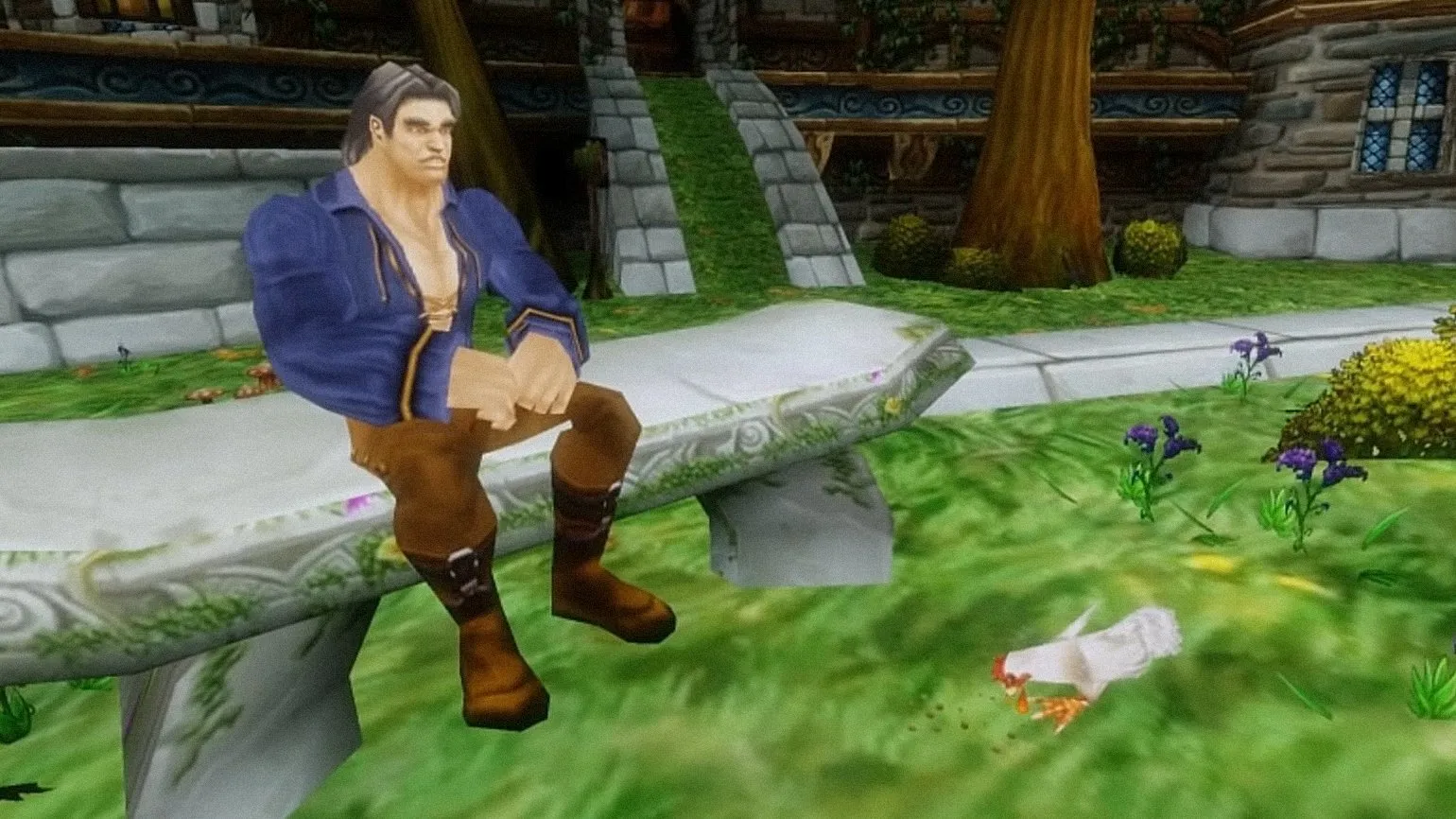
Creating machinima based on a specific game is an indicator of the project's success. Players will not use the engine and assets of a low-quality product for their creative expression. Given that machinima creation requires significant effort and attention to detail, such projects can extend the life of a game, even if it was originally intended for single-player play.
Developers benefit from using media content as an effective tool for promotion and advertising integrations. The technique for creating machinima content is largely similar to directing game cinematics, which opens up new opportunities for creators of successful short films. For example, Paul Marino became a lead cinematic specialist at BioWare, working on Star Wars: The Old Republic and Mass Effect 2. This demonstrates that the skills acquired in creating short films can be successfully applied to the gaming industry, allowing directors to realize their potential and contribute to the creation of high-quality content.
The future of machinima remains uncertain. This question poses a challenge even for game filmmakers. Machinima can either completely transform into a virtual production, offering new opportunities for content creation, or remain an outdated media format unable to adapt to modern demands. Advances in technology, such as artificial intelligence and improved graphics, could play a key role in determining the direction machinima will take.
Machinima has significant potential, like any creative field. Every year, the number of viewers interested in machinima grows, stimulating the emergence of new creators and inspiring experienced creators to create even higher-quality content. The future of machinima is difficult to predict, but it is safe to say that its development will directly depend on the number of views and support from fans. An increasing audience and active viewer participation can play a key role in the evolution of this genre, opening new horizons for creativity and innovation.
The Awesome Te4m team is a team of talented creators of modifications and tutorials for the game Garry's Mod. We create unique content that expands the game's capabilities and makes it more engaging. Our team is constantly working on new projects, including original mods, maps, and tutorials that help players master all aspects of Garry's Mod. We strive to share our knowledge and experience so that every player can enjoy the game to the fullest. Join us to discover new horizons in Garry's Mod.
The audience and their interests are constantly evolving, making predicting the future of machinima a difficult task. Ups and downs in this field are inevitable. Despite these changes, it is important to remember that the demand for high-quality content and innovative formats remains relevant. Therefore, although the future of machinima may be uncertain, the potential for its development and adaptation to new trends exists.
Denis Kudashev is a cinematic artist at GSC Game World and the creator of the popular DKUD channel. He focuses on creating high-quality visuals and developing cinematic scenes for video games. Denis's work is distinguished by a unique style and attention to detail, making him a leading expert in his field. On the DKUD channel, he shares his experience, analyzes game projects, and discusses current industry topics. Machinimas represent a unique way to use game content in creative projects. They challenge traditional notions of the purpose of video games, opening up new horizons for self-expression. This type of modification presents developers and lawyers with complex issues related to copyright and content rights. Machinimas not only demonstrate a creative approach to game mechanics but also highlight the potential of video games as a medium of art and entertainment. In this final article on game modifications, we will analyze the impact of mods on the gaming industry and developers' perspectives on this topic. Mods not only enrich gameplay but also foster an active player community. Developers often acknowledge that modifications can extend the life of a game by adding new elements and features, which in turn maintains interest in the project. It's important to note that developers' opinions on mods vary: some support them, seeing them as a way to engage with the community, while others express concerns about potential negative consequences, such as disrupting game balance or introducing bugs. Exploring these views helps us understand how mods influence game development and how the industry views them. Unreal Engine 5 represents the future of game development and digital content. The capabilities of Unreal Engine 5 further support this view. The era of offline rendering is fading, and real-time technologies are becoming increasingly relevant and in demand across a variety of fields. I sincerely regret not switching to this engine sooner, as it offers incredible power and a wide range of options for creating high-quality content. Denis Kudashev is a cinematic artist at GSC Game World and the creator of the popular DKUD channel. He creates impressive videos showcasing game projects and their visual elements. His content on the DKUD channel covers various aspects of game design and animation, attracting the attention of both professionals and video game enthusiasts. Thanks to the high quality of his work and unique style, Denis Kudashev has become a prominent figure in the industry, inspiring many with his creativity.
Game developers are cautious about adult content, especially after the negative reputation associated with Rockstar Games and sexual scenes in GTA: San Andreas. Game companies are significantly concerned about potential lawsuits arising from the fact that children can create modifications in their games aimed at an over-18 audience. This desire for caution is due to growing demands for responsibility and content regulation in the gaming industry.
Paul Marino, in his interview featured in the book "Pioneers in Machinima: The Grassroots of Virtual Production", 2021, shares his views on the development of virtual production and its impact on the industry. He emphasizes the importance of working with new technologies and creative approaches, which open up unique opportunities for content creators. Machinima, as an art form, allows game engines to be used to create animated films and video projects, significantly expanding the horizons of traditional filmmaking. Marino emphasizes that this direction not only makes the creation process more accessible, but also contributes to the development of a community of creators who exchange ideas and inspiration.
Video production in Unreal Engine 4
Start using the game engine as a virtual film studio: learn how to work with Lighting, camera, framing, animation, and special effects. Create your final work—a short video in UE4—and add a skill to your resume that's in-demand in film, animation, and game development.
Find out more