
Who are you in the world of game development? Find out in the free course ➞ You will try out 3 professions in practice: game designer, 2D artist, and Unity developer. Create your first Mario-style game. Click here for details.
Learn moreThe Resident Evil name is primarily associated with zombies, but the series has always attracted attention for the diversity of its enemies. Over the 25-plus years of the franchise's existence, it has featured not only the virtually invulnerable Tyrants, but also the sentient Ganados and cannibalistic rednecks. Players have also encountered mutated monsters, including giant spiders and fish the size of houses. This enemy diversity makes Resident Evil unique in the world of video games, bringing freshness and unpredictability to each new installment.
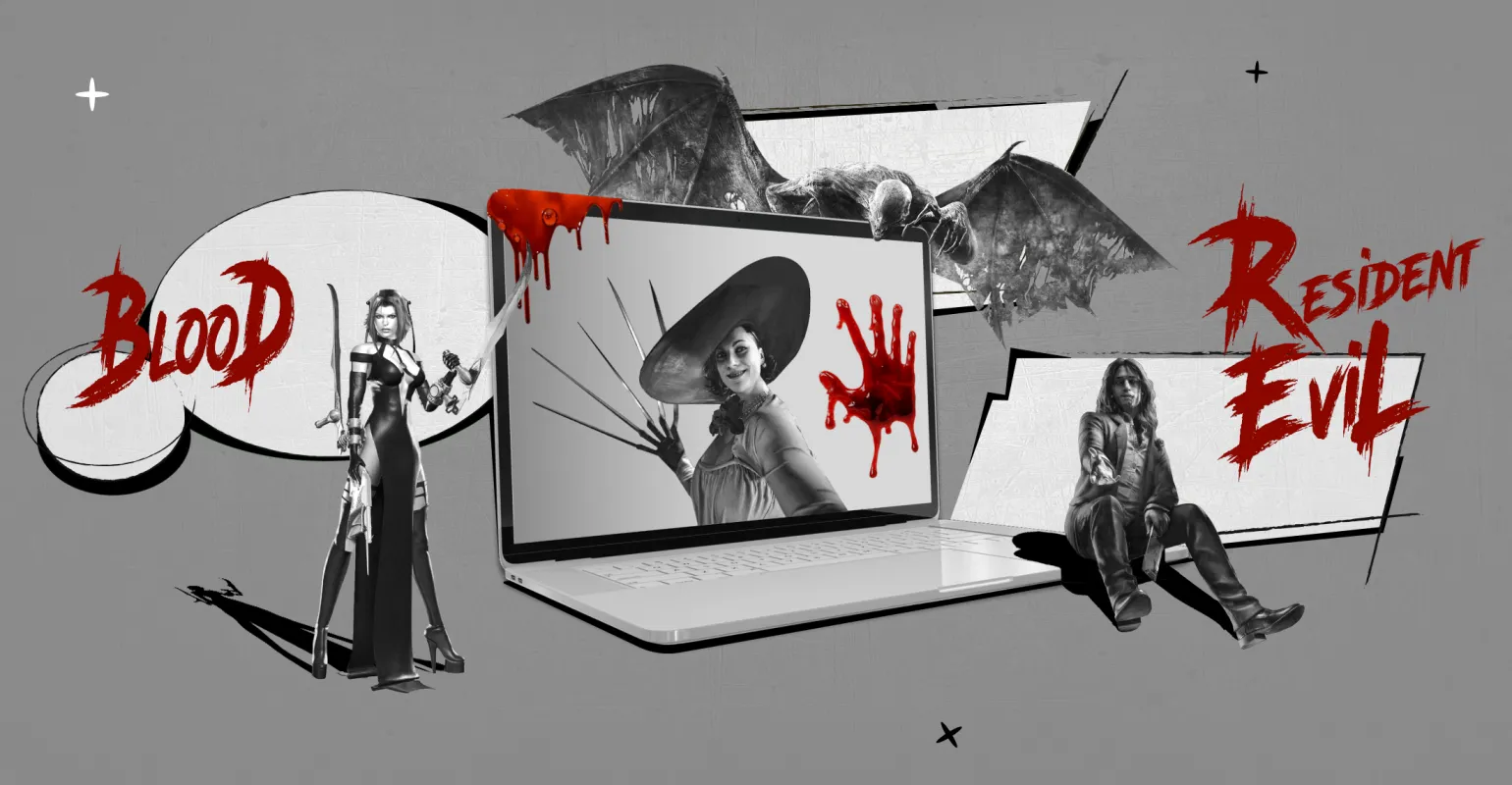
In Resident Evil: Village, the developers surprised players by introducing vampires that seemed to have stepped straight out of the pages of a Gothic novel. With Lady Dimitrescu memes sweeping the internet, we explored how these bloodthirsty folklore creatures have found their way into video games and the impact they've had on game design. Vampires, as classic horror characters, add depth and atmosphere to games, combining elements of fear and mystery. Their inclusion in Resident Evil: Village not only enriches the story but also creates new interaction mechanics that force players to rethink their tactics when fighting these terrifying foes.
Myths, Legends, and Medicine
Vampires have become an integral part of culture thanks to Bram Stoker's Dracula and its many adaptations, which have spanned genres from horror films to comedies and even children's programs like Sesame Street. However, vampire beliefs have their roots in the Middle Ages, when people used aspen stakes to prevent the return of the dead, believing they could rise from the grave and thirst for human blood. These ancient fears formed the basis for the modern vampire myth, which continues to inspire writers, directors, and artists around the world. The story of vampires is fascinating and terrifying, reflecting deep human fears and desires that remain relevant today.
Vampire beliefs existed throughout Europe, often based on simple ignorance. When opening the graves of suspicious corpses, people noticed that the corpses had grown nails and teeth, and traces of blood were visible around the mouth and nose. This led to the belief that the dead person had become a vampire. Such superstitions shaped public opinion and fostered a fear of the dead, which contributed to the spread of vampire myths in culture and literature.
Both were simply consequences of the decomposition process: nails and teeth appeared longer due to wrinkled skin, and bloodstains on the lips arose from internal organs. However, ordinary people were unaware of this, and such observations only fueled their supernatural fears of the dead. These misconceptions about the nature of decomposition shaped myths and legends that were passed down from generation to generation, fueling a culture of fear and misunderstanding. Understanding natural processes could have dispelled many of these fears, but in the absence of knowledge about the biology of decomposition, people continued to believe in mystical explanations.
During epidemics, fears and anxieties could cause mass hysteria. People sometimes blamed vampires for the spread of tuberculosis, since the victims of this disease, like the mythical bloodsuckers, were characterized by thinness and pale skin. To stop the spread of tuberculosis, various measures were used, sometimes based on superstition and misunderstandings about the nature of the disease. Such historical examples demonstrate how fear of the unknown can influence public consciousness and form false ideas about health.
The jaws of the dead were filled with garlic, stones, and silver coins, their throats and ribs were pierced with iron bayonets, and the heads of potential vampires were severed and placed between the legs. In some cases, the heart of the deceased was cut out and burned, and the ashes were mixed with a drink given to the sick person in the hope of recovery. These rituals reflect ancient superstitions and fears associated with vampirism and death.
Superstitions about rulers often arose from rumors and legends. One of the most famous such figures is the Wallachian ruler Vlad III, who ruled in the 15th century. He became famous for his cruelty, particularly for his habit of impaling his enemies, which earned him the nickname "The Impaler." He was also said to have a mythical passion for drinking the blood of his enemies, surrounding himself with dead bodies. These stories about Vlad III became the basis for the creation of the vampire image in culture, confirming the influence of historical figures on myths and legends.
Vlad III, also known as Dracula, inherited this nickname from his father. In Romanian, "Dracula" translates as "devil" or "dragon." Rumors about his blood drinking remain controversial, but it was this ruler of Wallachia who became the inspiration for history's most famous vampire. Thanks to Vlad III, Bram Stoker's literary hero acquired his castle in picturesque Transylvania, adding a touch of mysticism and romance to his image. Vlad Dracula's influence on pop culture and vampire mythology cannot be overstated, and his legacy lives on in art and literature.
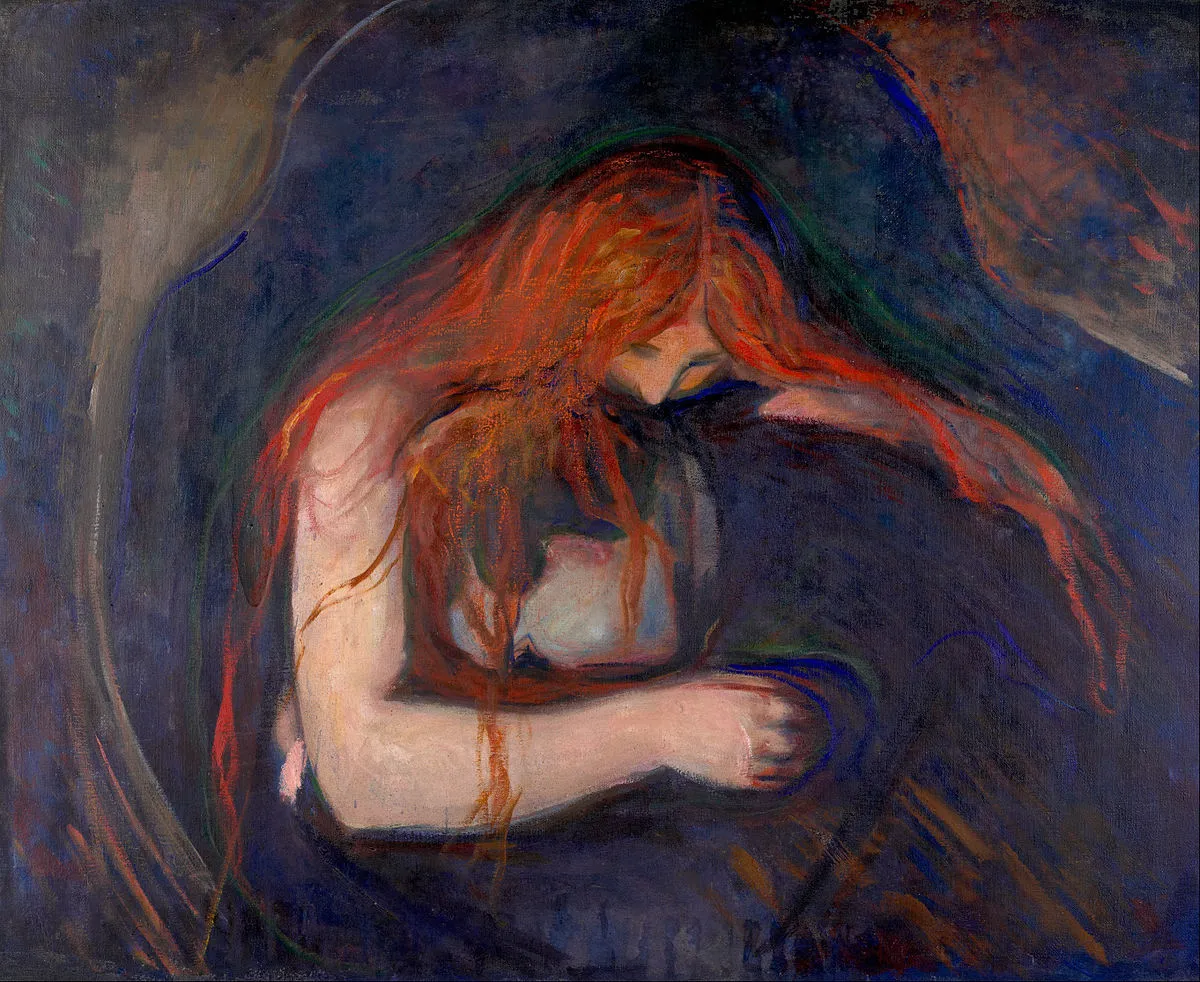
Bloodsuckers had already become firmly established in literature by this time. In 1872, Irish writer Joseph Sheridan Le Fanu published the novella "Carmilla," a daring novella for its time, in which the vampire protagonist develops romantic feelings for another woman. This plot became one of the first examples of vampire literature with elements of homosexuality, which made the work significant in the history of the genre.
Ghouls occupy an important place in Russian literature. The word "vurdalak" is a loose translation of the Serbian term "volkodlak," which was used by Alexander Pushkin in his work "Songs of the Western Slavs." In addition, the famous Russian writer Alexei Tolstoy created two stories dedicated to the theme of vampires: "The Family of the Vourdalak" in 1839 and "The Ghoul" in 1841. These works not only enriched Russian literature but also contributed to the formation of the mythology of ghouls and vampires, reflecting the fears and superstitions of their time.
The novel "Dracula," published in 1897, became a significant work in the horror genre. Although its contemporaries praised its literary qualities, its true fame came from film adaptations. The films "Nosferatu: A Symphony of Horror" (1922) and "Dracula" (1931), in which the Count was played by the celebrated Bela Lugosi, cemented the work's status as a cultural phenomenon. These adaptations not only popularized the plot but also significantly influenced the perception of vampire themes in film and literature, making "Dracula" and its characters pop culture icons.
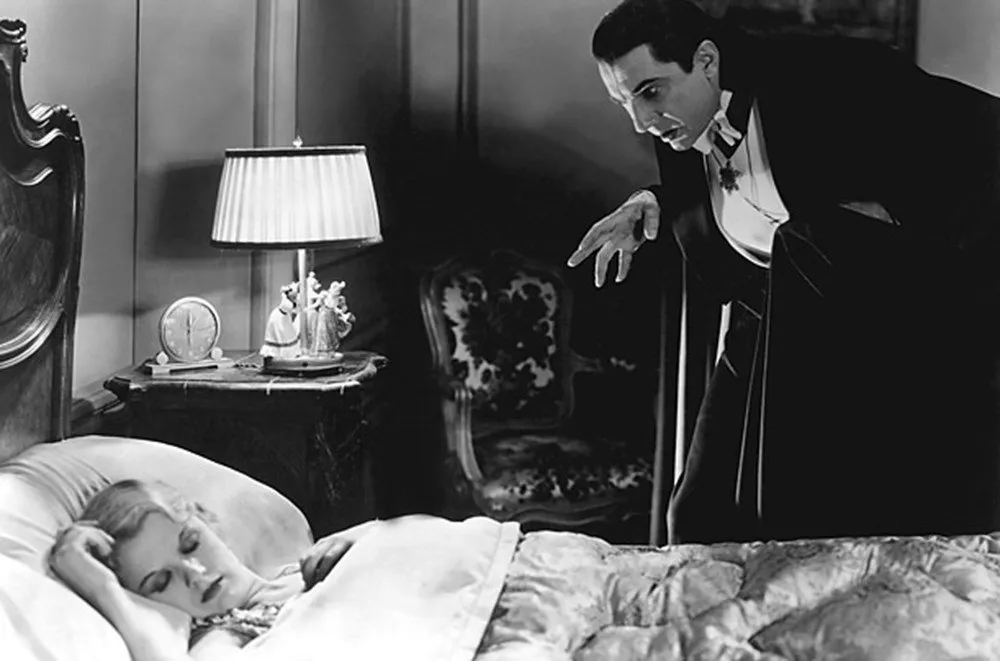
Both films, despite slight similarities with the original work, introduced a wide audience to the mysterious image of a vampire. However, Bram Stoker's novel has its own unique merits, revealing the depth of its characters and the atmosphere of horror. Unlike film adaptations, the book offers readers a more detailed understanding of the characters' motivations and inner worlds, making it significant in the history of vampire literature.
The author creates the image of an intellectual vampire, inspired by the distinguished Victorian actor Henry Irving. Count Dracula is presented not only as a ruthless killer but also as a man of deep knowledge, possessing refined manners and mastery of manipulation. This contrast between his cruelty and cultural erudition makes the character particularly appealing and multifaceted.
Bram Stoker created many vampire characteristics that have become iconic. His characters are able to transform into bats and wolves, have no reflection in mirrors, sleep in coffins, and have ghouls—ordinary people who carry out their orders in exchange for the opportunity to drink vampire blood. These elements significantly influenced the further development of vampire mythology in literature and cinema.
The author created the character of one of the most famous vampire hunters, Dr. Van Helsing. With his help, the protagonists of the novel ultimately triumph over the villain and his three "brides." This struggle with the vampire not only adds tension to the plot but is also one of the reasons for the longevity of Dracula. The image of Van Helsing has become a symbol of the confrontation with darkness and evil, which makes the novel relevant to this day, attracting the attention of readers and cinephiles.
Stoker played a key role in shaping the erotic subtext of vampire stories, which has become an integral part of popular culture. In his novel Dracula, the brides seek to seduce first Harper and then Van Helsing. This emphasizes how sexual tension and desire are intertwined with horror, creating a unique atmosphere that draws readers. Stoker masterfully combines elements of passion and fear, making his work iconic for the genre.
Three young women appeared before me in the moonlight, their elegant clothing and demeanor suggesting true ladies. Each had magnificent, snow-white teeth, sparkling like pearls between their vibrant red lips. An irresistible desire flared in my soul for them to kiss me with their sensual lips.
In his famous book "Dracula," Bram Stoker continues to develop the plot in the third chapter, immersing the reader in a world of horror and mysticism. In 1987, the work again attracted attention, becoming the subject of analysis and discussion. The chapter demonstrates the interaction of the characters, revealing their internal conflicts and fears. The reader witnesses unforgettable moments that enhance the atmosphere of tension and mystery. Stoker masterfully uses language and imagery to convey the characters' feelings, thereby creating depth to the narrative. This chapter is not only crucial to the plot's development but also rich in symbolism, emphasizing the themes of good and evil. Dracula remains a relevant work that continues to inspire new generations of readers and literary scholars.
Film adaptations of the novel have heightened the erotic undertones, particularly the 1958 British film starring Christopher Lee, which made Dracula a sex symbol. Half a century later, True Blood creator Alan Ball captured the essence of vampires by stating, "For me, vampires are sex." This view emphasizes how vampire mythology is intertwined with themes of passion and desire, making these works appealing to a wide audience.
The tall Lady Dimitrescu, introduced in the first teasers for Resident Evil: Village, quickly gained popularity among online users. This inspired the game's art director to write a thank-you letter to fans, in which he shared the character's impressive height—2.9 meters. The interest in Lady Dimitrescu highlights her uniqueness and appeal in the world of video games, making her one of the most memorable characters in the Resident Evil franchise.
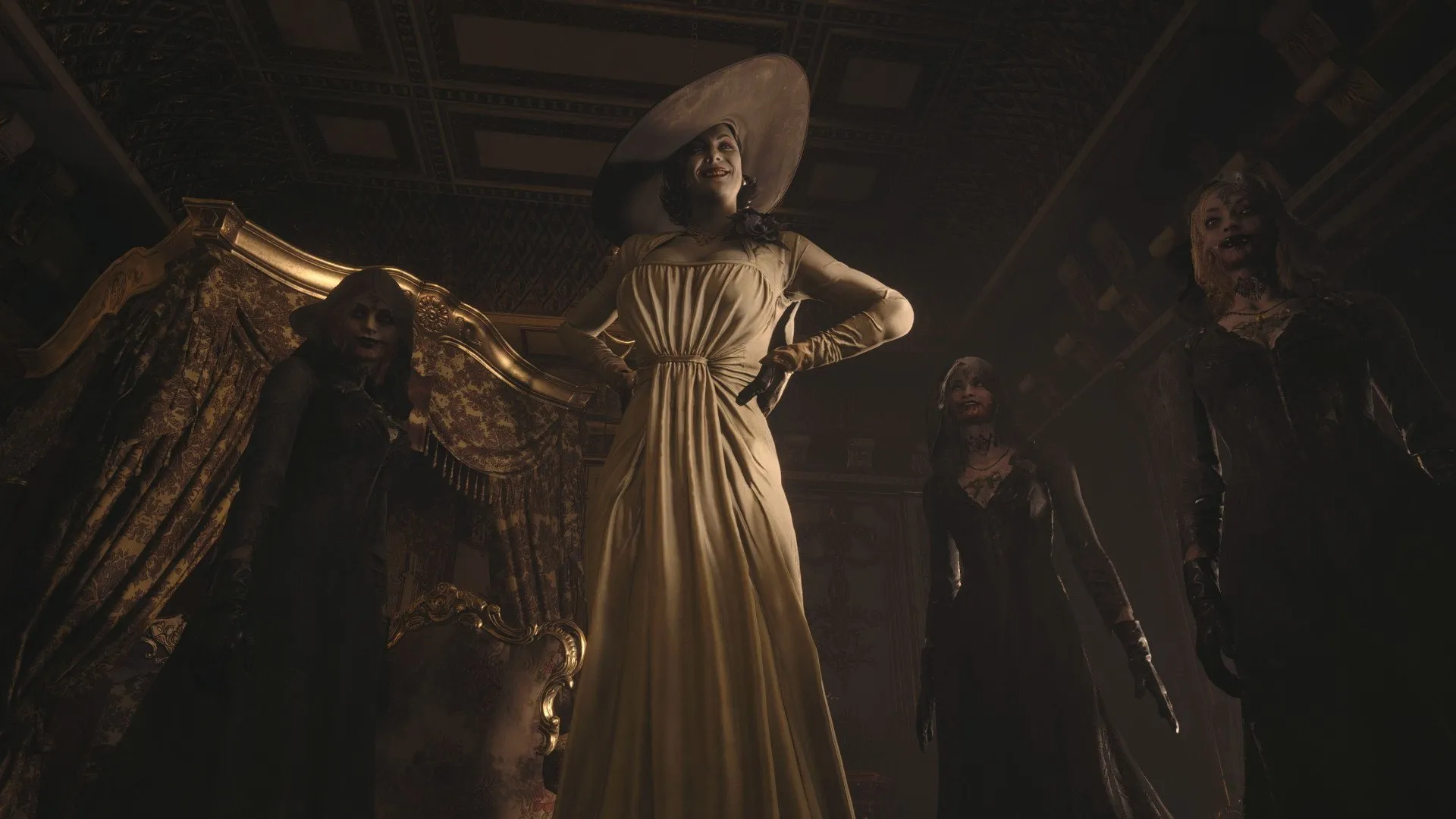
The three sisters from Resident Evil: Village are easily recognizable as the villain's daughters hunting protagonist Ethan Winters. The game's art director, Tomonori Takano, noted that his team aimed to create a "reverse Dracula" concept, in which a clan of female vampires hunt down men and drink their blood. This unique direction in character design brings a fresh feel to the genre and makes the game more engaging for players.
The new Resident Evil game echoes Bram Stoker's work, as the game is set in a sinister village in the mountains of Transylvania. This is not the first time that video game characters have found themselves in the birthplace of the legendary Dracula, highlighting the influence of classic literature on modern game plots. Transylvania, with its dark atmosphere and mystical legends, becomes the perfect backdrop for the horrors that await players in the new part of Resident Evil.
Castles and Curses
In 1987, the classic platformer Castlevania was released on the NES console. The game's story revolves around Simon Belmont, who is an analogue of Van Helsing. His goal is to destroy Dracula, a vampire who has settled in an ominous castle. Castlevania was one of the first games to combine elements of horror and action, and attracted the attention of players with its unique style and atmosphere. The game laid the foundation for an entire franchise that continues to evolve to this day, remaining popular among video game fans.
Inspired by Super Mario Bros., the game stood out from other platformers with its gothic atmosphere and emphasis on combat. Players cleared levels of various monsters using weapons such as whips, holy water, and boomerang crucifixes. The game's final boss was Dracula himself, but before that, the Belmont character faced a variety of opponents, including mummies, skeletons, Frankenstein's monster, and even Death itself. Such varied gameplay and unique elements made the game memorable and engaging for fans of the genre. Its difficulty, atmospheric soundtrack, and unique setting made the project a true hit. The success of Castlevania led to the creation of an anime series and numerous sequels, which chronicle the Belmont clan's centuries-long struggle with the infamous vampire. Importantly, Carmilla also plays a significant role in the story, particularly in Castlevania: Circle of the Moon (2001), where she resurrects Dracula. Castlevania continues to be a cult classic, inspiring new generations of players and creators.
In 1997, the cult game Castlevania: Symphony of the Night was released, becoming a landmark for the entire franchise. This game marked the beginning of the popular Metroidvania genre, which combines elements of adventure and platformers. Although it did not have a completely open world, players were able to freely explore various locations of the castle. Gradually unlocking new abilities and levels, users could dive deeper into the atmosphere of the game and uncover all of its secrets. Castlevania: Symphony of the Night had a significant influence on the development of video games and continues to be a favorite among fans of the genre.
In 1996, the video game world experienced a new experience with the release of Blood Omen: Legacy of Kain, which allowed players to experience the role of an immortal. The protagonist, a nobleman named Kain, is killed by bandits but then returns to life, uttering the memorable line: "My mind was empty except for one thought: 'I will kill.'" This game became the starting point for a number of subsequent projects exploring the theme of immortality and the moral dilemmas associated with it. Blood Omen brought elements of a deep storyline and developed characters to the gameplay, which made it a cult classic in the genre.
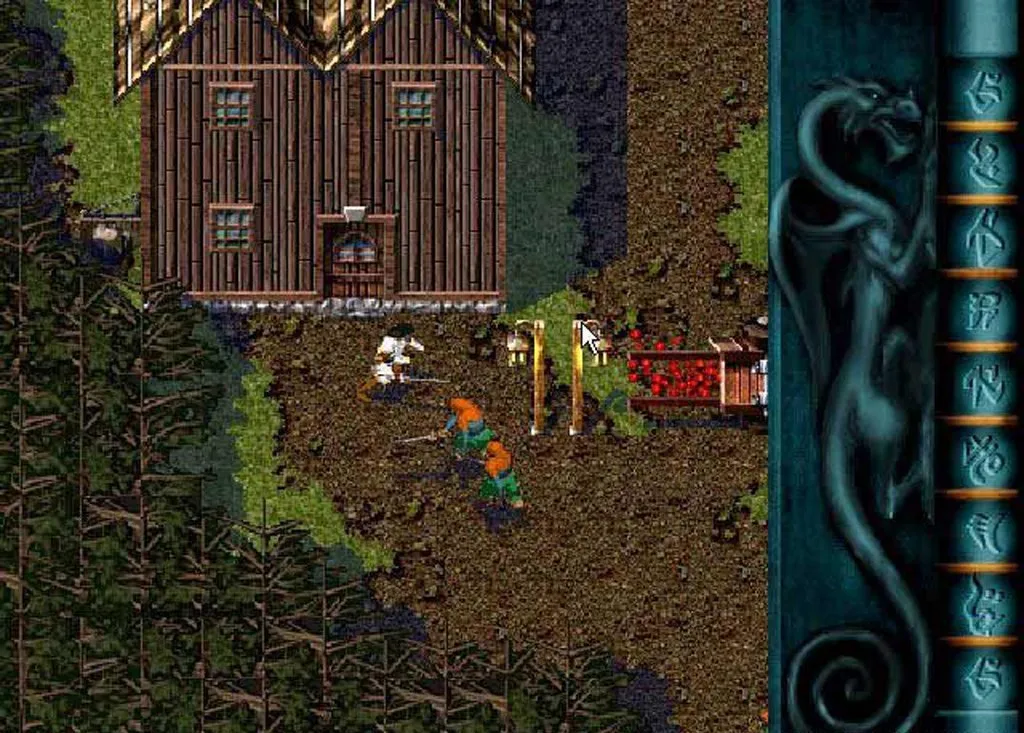
His new The goal is to destroy the sorcerers of the Circle of Nine, who are obsessed with exterminating vampires. Throughout the game, we witness how hatred and a thirst for revenge gradually consume his soul, transforming him into a ruthless adversary. This struggle not only with external enemies but also with internal demons makes the plot gripping and profound. Players witness how the desire for revenge and destruction can change a person, turning them into a creature incapable of compassion.
The hero of Legacy of Kain stands out among characters such as Dracula from Castlevania due to his moral ambiguity. He is not a classic villain, but it is difficult to call him a hero either. As Denis Dyack, president of Silicon Knights and the author of the game's concept, noted, the developers drew inspiration from Clint Eastwood's character in the film Unforgiven. This character embodies the complexity of human nature and internal conflicts, which gives him depth and multi-layeredness. In Legacy of Kain, players are faced with ethical dilemmas that force them to rethink conventional notions of good and evil.
There are no clearly defined good and bad characters in this film; they are all presented as "gray" figures. Our goal was to place the viewer in a situation where they are perceived as evil—perhaps even themselves. We sought to create an antihero who evokes ambiguous feelings and makes us think about the nature of good and evil.
Press Release "Behind the Scenes: The Development of Kain", 1996
In 1996, the world of video games witnessed a significant development. The company behind Kain unveiled a unique project that changed the perception of the genre. Immersing players in a gripping story and intense gameplay, the game captured the attention of both critics and the general public.
The development of Kain was a challenging process, requiring innovation and creativity. The development team utilized cutting-edge technology of the time to create realistic graphics and a deeply detailed world. A commitment to excellence and attention to detail resulted in a unique and memorable gaming experience.
The press release emphasizes the importance of collaboration between the company's various departments. Designers, programmers, and writers worked closely together to realize the project's ambitious ideas and vision. This collaboration was key to the success of Kain, which subsequently became an iconic work in the world of video games.
The release of Kain ushered in a new era in game design, and its influence is still felt today. The game not only captured the attention of players but also became a subject of study for many specialists in the field of game development. The press release states that Kain set new standards in the industry, inspiring future generations of developers to create unique and memorable titles.
Kain's story continues in Legacy of Kain: Soul Reaver, released in 1999. In this game, the thirst for vengeance transforms the character into a mad emperor. He is pursued by Raziel, a former lieutenant who becomes a tragic hero with a complex destiny. The relationships between the characters and their struggle for justice add depth to the story, making the game truly memorable. Legacy of Kain: Soul Reaver explores themes of betrayal, revenge, and redemption, establishing a unique atmosphere that draws players in.
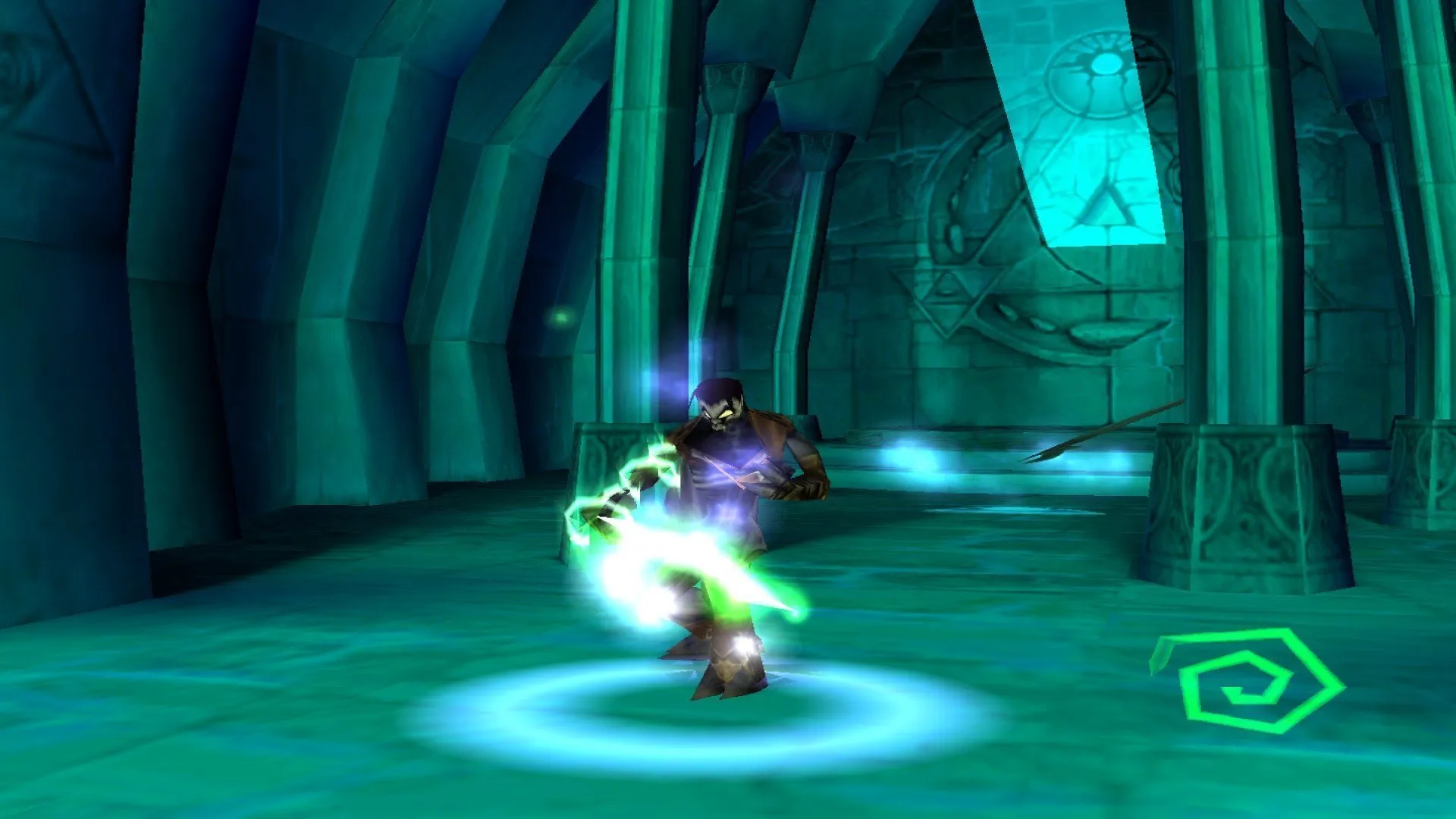
Franchise Legacy of Kain shares many gameplay elements with The Legend of Zelda series, but with an emphasis on the vampiric nature of the characters. Kain's health gradually depletes, and to restore it, he must drink blood, which can be obtained from both enemies and civilians. Furthermore, like the infamous Dracula, Kain can transform into a wolf, adding a unique twist to the gameplay and expanding tactical options.
Raziel in Soul Reaver resembles a ghost, possessing the ability to move between the spiritual and material worlds. This unique ability allows players to solve numerous puzzles, adding depth to the gameplay. It's important to note that vampires in Soul Reaver aren't simply killed; they require specialized methods, such as impalement or burning at the stake, to destroy them. These elements make the game more engaging and require players to approach each encounter strategically.
Cain's story is reflected in the BloodRayne duology, released by Terminal Reality in 2002 and 2004. In the first game, the half-vampire Rayne fights Nazis bent on world domination. In the second, she confronts her own father, adding depth to her character and the game's plot. These two parts highlight the struggle between good and evil, as well as the protagonist's internal conflicts. BloodRayne attracts the attention of gamers thanks to its unique combination of action and dark atmosphere, which makes it a significant part of video game culture.
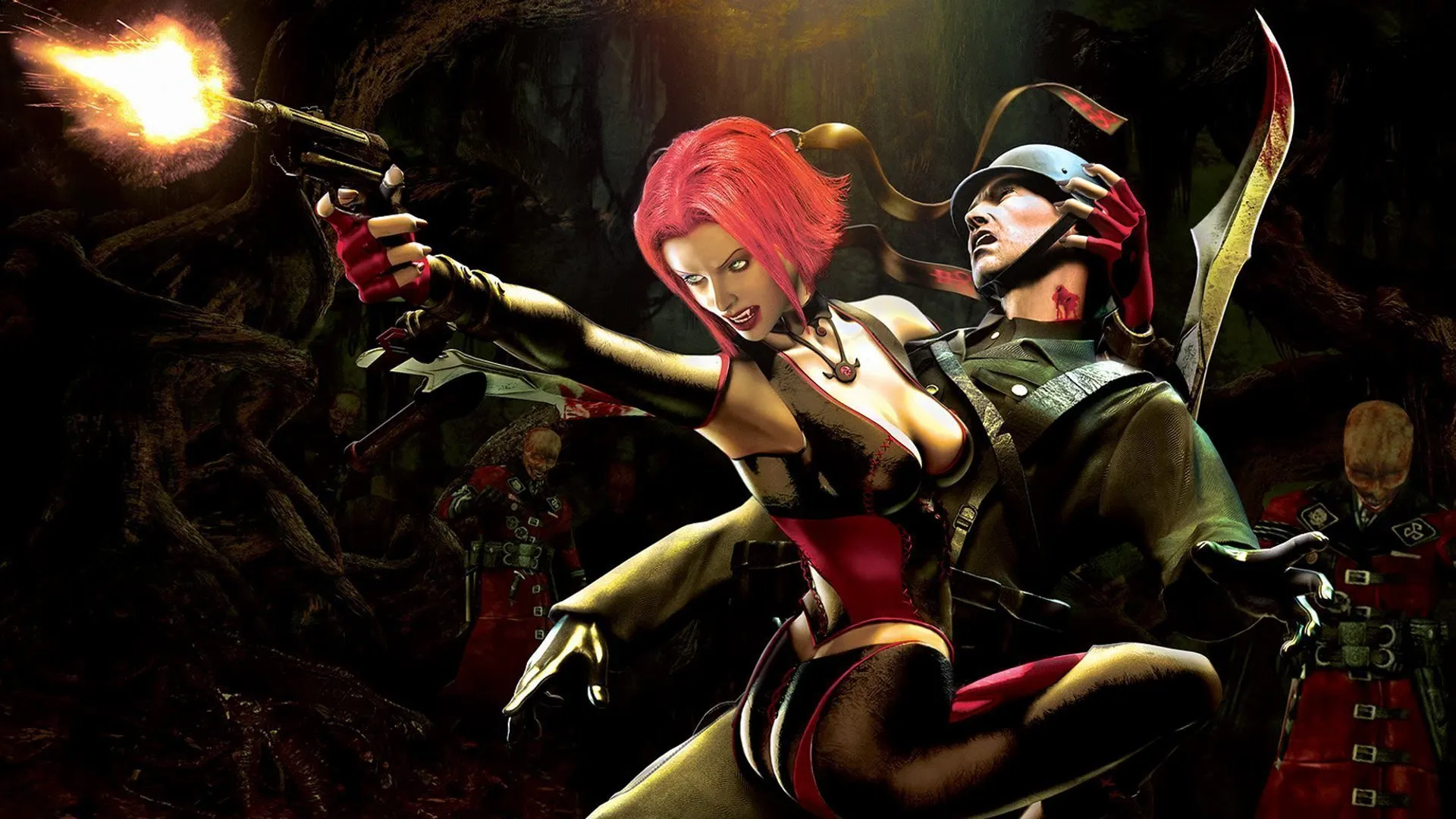
The developers created a heroine with many unique abilities. She can regenerate health by absorbing the blood of her enemies, slow down time like Max Payne, activate infrared vision, and rip opponents apart while enraged. These skills make her not only a powerful fighter but also a strategist, capable of adapting to various situations on the battlefield.
BloodRayne focuses not only on gameplay but also on the sexuality of its protagonist. Rayne's curves, highlighted by latex suits and advanced physics, became a key element of the series' marketing. Unsurprisingly, at the time of its release, publications like Maxim particularly praised this aspect of the game.
The gameplay proved unbalanced and repetitive, and the story was extremely weak, which led to the series' rapid decline and its "coma" in the mid-2000s. By this time, a game had already been released that would become a landmark work in the world of video games, similar to "Dracula."
King of the Genre
Vampire: The Masquerade — Bloodlines (2004) became a landmark work in the vampire genre, similar to how Deus Ex defined cyberpunk and Fallout defined the post-apocalypse. The game's success lies not only in its freedom of choice and high replayability, but also in the way the developer studio Troika Games skillfully integrated key elements of the vampire setting into a coherent whole. Bloodlines offers players a unique experience, immersing them in a dark world full of intrigue and complex characters, making the game a true masterpiece in its genre.
Bloodlines isn't the first installment in the franchise. An adventure RPG called Redemption was released in 2001. Both games are based on the World of Darkness tabletop game setting, giving them a unique atmosphere and deep world-building. Bloodlines continues the traditions of its predecessor, but offers a more modern approach to gameplay mechanics and interaction with characters.

In This world also features Cain, a biblical figure who killed his brother Abel. For this, God punished him with eternal wanderings on Earth. In the context of the game, God granted Cain not only immortality but also vampiric superpowers. Thousands of years later, his descendants have spread across the globe, continuing his legacy and influencing the fates of many lands.
Bloodlines is set in early 21st-century Los Angeles. The player can choose from seven clans, each embodying well-known vampire images from pop culture. The Brujah are rebellious anarchists, the Ventrue are wealthy aristocrats, the Nosferatu are disfigured hermits, and the Malkavians are madmen with the gift of predicting the future. Each clan offers unique abilities and playstyles, adding variety to the gameplay and deepening interaction with the vampire world.
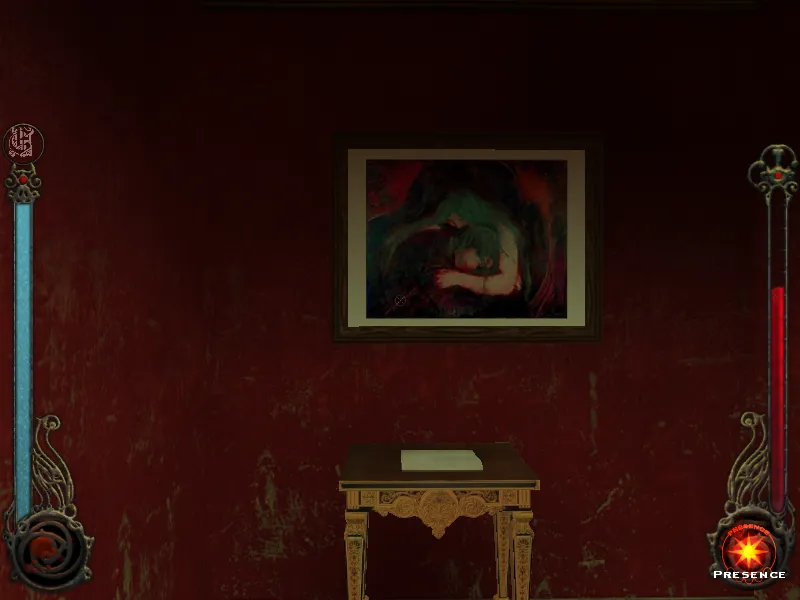
Vampire: The Masquerade strictly adheres to the vampire canon. Vampires in this game are afraid of sunlight, have no reflection in mirrors, and easily survive serious injuries. This dark world also features Vlad Tepes, who acts as a powerful representative of the Tzimisce clan. The game offers a deep immersion into the atmosphere of vampire mythology, which makes it attractive to fans of the genre.
Sex plays an important role in the plot, as the protagonist finds herself in the world of vampires through intimate relationships. Characters often use flirtation as a means to achieve their goals. The character of Jeanette Woerman, who has become a kind of symbol of the game, was formed under the influence of mental trauma associated with sexual violence. This emphasizes the complexity and multi-layered nature of the characters, as well as the importance of sexual themes in the development of the plot and interactions between the characters.
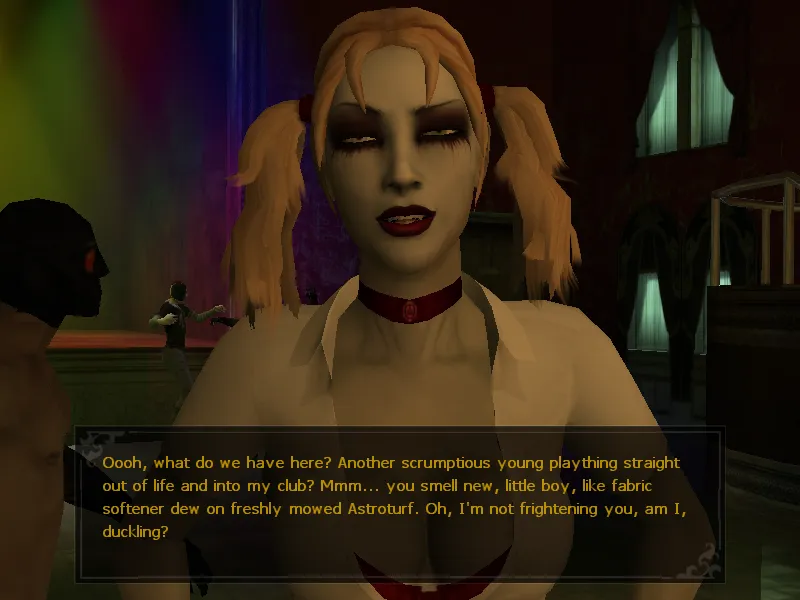
Bloodlines is much closer to a crime drama than to traditional representatives of the genre. Damned creatures, hiding from ordinary people, have created their own version of omerta — the Masquerade, which they observe under threat of death. This unique code of conduct shapes the complex relationships between vampires and humans, adding depth and tension to the plot. The Masquerade is not only a rule but also the basis of their existence, reflecting the fear and need to survive in a world where every step can be their last.
In the underground world of vampires, a real struggle for power and wealth has unfolded. In Bloodlines, the emphasis is on character interactions, not static characteristics. Every step in this world resembles a fascinating chess game, where you are not just a participant, but a pawn that can be used or destroyed. Strategy and intrigue surround you, creating a tense atmosphere where every mistake can cost you your life. Your actions and choices determine not only your future, but also the fates of other players in this dangerous game.
Writer Brian Mitsoda shared his views on creating characters and plot. In his opinion, a deep understanding of the characters' motivations and personalities is an important aspect. Mitsoda emphasizes that each character should have their own unique traits and stories that make them realistic and memorable. He also emphasizes that the plot should grow organically from the interactions between characters, creating dynamics and tension. This approach not only develops the plot but also deepens the emotional connection with the audience, which is a key element of a successful narrative.
I don't like it when NPCs directly state, "Complete task A, and then I'll give you thing B." This is too common in games and makes plot threads too obvious, turning the character into a simple source of quests. Characters should be protagonists of their own story, perceiving the world and events through their own prism. This approach creates a deeper and more engaging gaming experience, where each NPC has their own goals and motivations, rather than simply serving as a tool to achieve in-game objectives.
Interview with Rock, Paper, Shotgun magazine, 2009. This interview discusses key moments in the gaming industry and the influence of various genres on the development of video games. The participants share their views on the future of gaming technology and the trends that will shape the market in the coming years. Important aspects of game design and player interaction are also considered, as well as the role of independent developers in creating unique gaming projects. This interview has become an important contribution to understanding the changes in gaming culture and its impact on society.
A deep script and a well-developed setting were key factors that helped Vampire: The Bloodlines avoid oblivion. This project overcame the difficulties of a protracted production that lasted four years, including a full year without a producer. As a result, Activision released the game on the same day as the cult classic Half-Life 2, putting the RPG, riddled with bugs and unfinished gameplay mechanics, at a significant disadvantage.
The closure of Troika Games was the result of disappointing sales, but it wasn't the end for their game. Over the following years, thanks to a dedicated fan base and the patches they created, Vampire: The Masquerade — Bloodlines gained a cult following and is considered one of the best vampire games ever.
The game's popularity has led to a sequel currently in development under the direction of Paradox Interactive. However, judging by the information, the project has already encountered serious difficulties during the development process.
Who are you in the world of game development? A mini-course for those who want to make games.
In this free mini-course, you'll try yourself as a game designer, 2D artist, or Unity game developer and choose the profession that's right for you.
Find out more.