Learn: Game Balance
Learn MoreAlmost every hardcore gamer has wielded a virtual sword at least once in their life, demonstrating their combat skills to opponents. Many controlled the witcher Geralt, who effectively dealt with creepy drowners. Others used a powerful two-handed sword to pin an enemy to the floor in Dark Souls. These moments are made unforgettable by the immersive gameplay and high difficulty that draw players to the action and adventure genre. Virtual battles require not only reaction but also strategy, making every victory especially valuable.
Combat systems using medieval melee weapons vary significantly across games. Some projects emphasize unique mechanics, while others emphasize dismemberment and the spectacle of combat. However, in any case, these combat systems have little in common with realistic fencing based on the European school of fencing that developed in the Middle Ages. Such games often prioritize spectacle over historical accuracy, which appeals to a wider audience but can be misleading regarding the actual fencing techniques and methods of the time.
Despite the widespread popularity of chivalry and elements of a medieval setting, many video games often oversimplify battle and duel scenes involving melee weapons, which negatively impacts their realism. However, some developers are making efforts to create more realistic fencing systems. A prime example is the Witcher series, which emphasizes realistically depicting combat mechanics. In modern video games, the development of combat systems using melee weapons involves careful study of historical fencing techniques, the physics of movement, and combat dynamics. This allows players to immerse themselves in the atmosphere of a medieval battle and experience the complexity and nuances of combat.
Make Way for Armored Infantry
The European Middle Ages became an era that had a profound impact on the continent's history. This period was characterized not only by important discoveries but also by numerous military conflicts. As a result of these wars, a vivid image of the medieval warrior emerged, fully clad in metal armor and armed with a sword. These warriors personified strength and courage, defending their lands and ideals. The military achievements and tactics of that era played a key role in shaping European culture and society, leaving a legacy that is still studied by historians and attracts the attention of researchers.
Knights in the Middle Ages most often fought on horseback, and it was heavy cavalry that dominated the battlefields of Europe for hundreds of years. History also records the use of heavy armored infantry, particularly in the context of the Hundred Years' War. These examples demonstrate the diversity of tactical approaches in warfare of the time and highlight the importance of the knightly class in medieval battles.
Knights did indeed play an important role in military conflicts, but the backbone of any army was the infantry, consisting mainly of peasants, who were often forcibly conscripted and who had no combat skills. Instructors of the time were faced with the task of quickly training these men, turning them from inexperienced villagers into at least partially trained soldiers.
True masters of arms have always been few and far between. The art of combat in the army required the use of the most effective techniques that went beyond simple weapon handling. Moreover, the weapons themselves were constantly evolving, as masters sought to adapt to new means of protection. This interplay between weapons development and combat techniques highlights the importance of skill and innovation in warfare.
Who is the greatest fencer in the world? This question generates much debate among fans and experts of the sport. Fencing is not only physical training, but also an art that requires high concentration, tactical thinking, and skill. Throughout history, many athletes have achieved outstanding success and left their mark on this sport. The definition of "best" can vary depending on personal preferences and evaluation criteria. However, the names of fencers like Eppe, Epee, or Sabre invariably evoke admiration and respect.
I can't say for sure.
Have you never encountered this before?
I've met many people who were confident in their superiority.
Who are these mysterious individuals? What are their names and what skills did they possess?
Little by little, girl, take your time. I don't have the answers to your questions. But is it really that important?
Fencers play a key role in the world of martial arts and sportsmanship. They are professionals who master fencing techniques and actively participate in competitions. If you're wondering where to find fencers, consider sports clubs, fencing schools, and specialized training centers. In such places, you can not only observe the skill of fencers but also perhaps become one. Fencing is not only a physical art but also a mental game, so learning from experienced fencers can be an excellent opportunity to develop your skills and improve your proficiency.
Finding the information you need is not that difficult if you know where to look. There are many resources and platforms that can help. Use search engines, specialized websites, or social media to obtain up-to-date information. It is also helpful to contact experts in your field of interest. The right approach to research will greatly simplify the task.
Where is this place?
Cemeteries preserve the memories of the departed, containing graves that tell stories of life and death. Each plot of land reflects memory, grief, and respect for those who have departed this world. Cemeteries serve as places of reflection, where we can honor the memory of the departed, remember their achievements, and remember their significance in our lives. Visiting such places can aid in the grieving process and restore peace of mind. Cemeteries are also part of cultural heritage, and studying their history can provide insight into the traditions and beliefs of different peoples.
The dialogue between Ciri and Vesemir in Andrzej Sapkowski's The Witcher: Blood of Elves is an important moment in the development of the characters and their relationships. Ciri, a young witcher, strives to understand her place in the world, and Vesemir, an experienced mentor, serves as her wise counselor. Their conversations touch on themes of learning, responsibility, and struggle, highlighting their emotional connection. This dialogue not only deepens understanding of the characters but also enriches the overall plot, making the work more rich and multilayered. The interaction between Ciri and Vesemir demonstrates the importance of support and guidance in difficult times. Readers can see how these conversations shape Ciri's personality and help her navigate the challenges that lie before her.
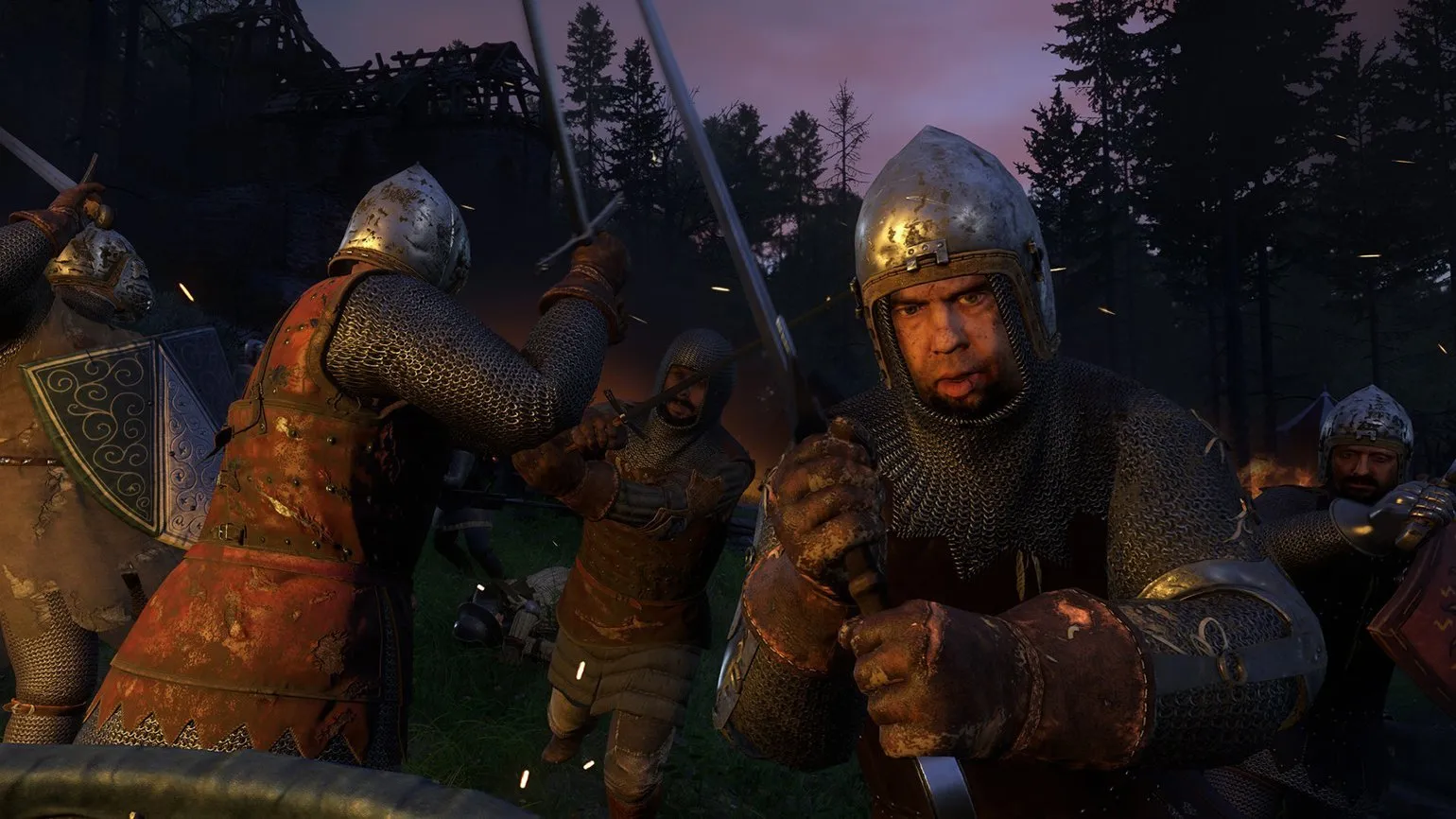
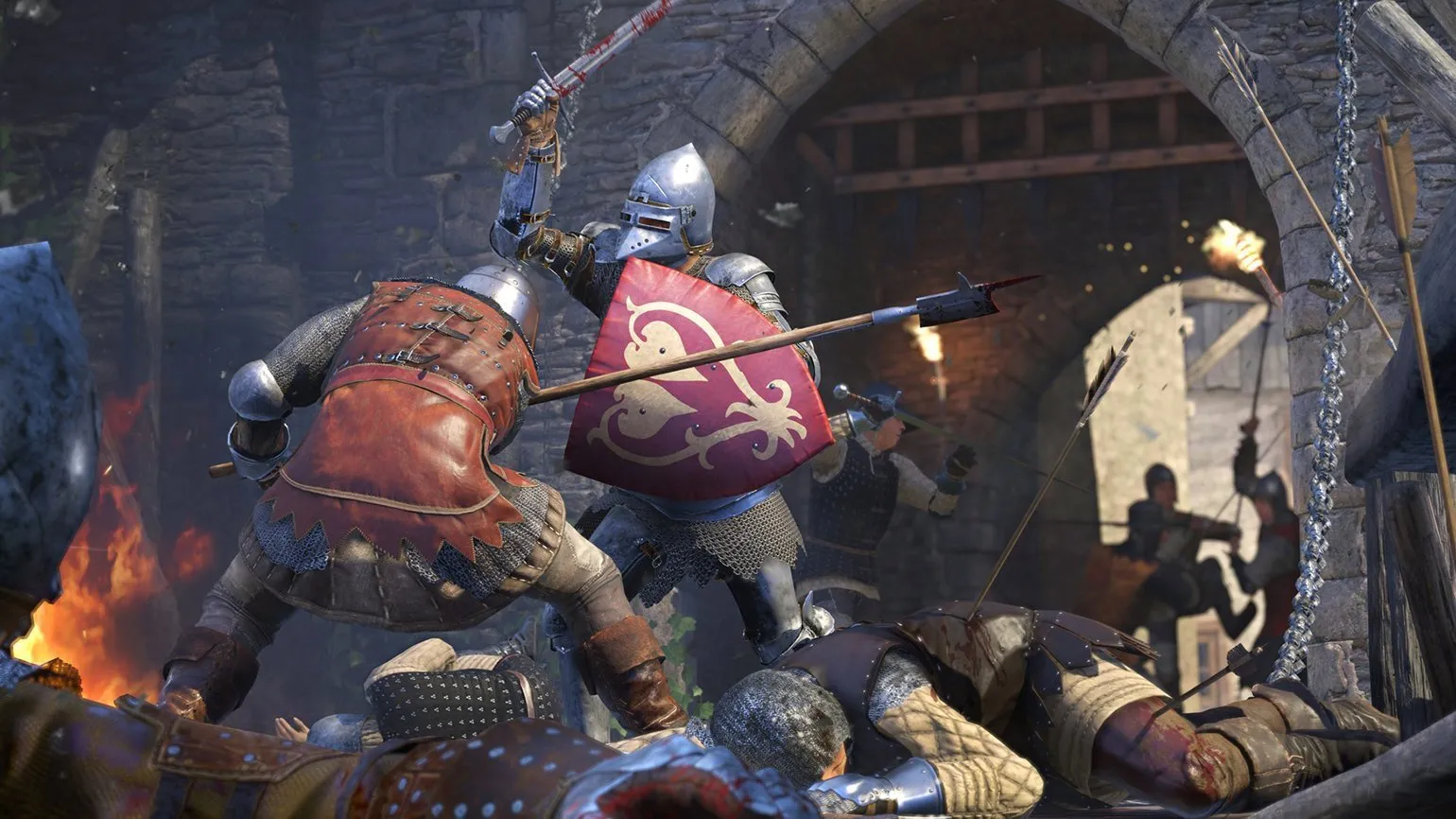
In the gaming industry, few are capable Adequately transfer the chaos of infantry combat into virtual reality. Strategy games like the Total War series cope quite well with the scale of such battles. However, in action games, achievements are limited, and success is only achieved in more compact encounters. A great example of this is Kingdom Come: Deliverance, where the developers masterfully captured the impact of armor on the outcome of a battle. This game stands out for its realistic combat mechanics and attention to detail, making it unique in its genre.
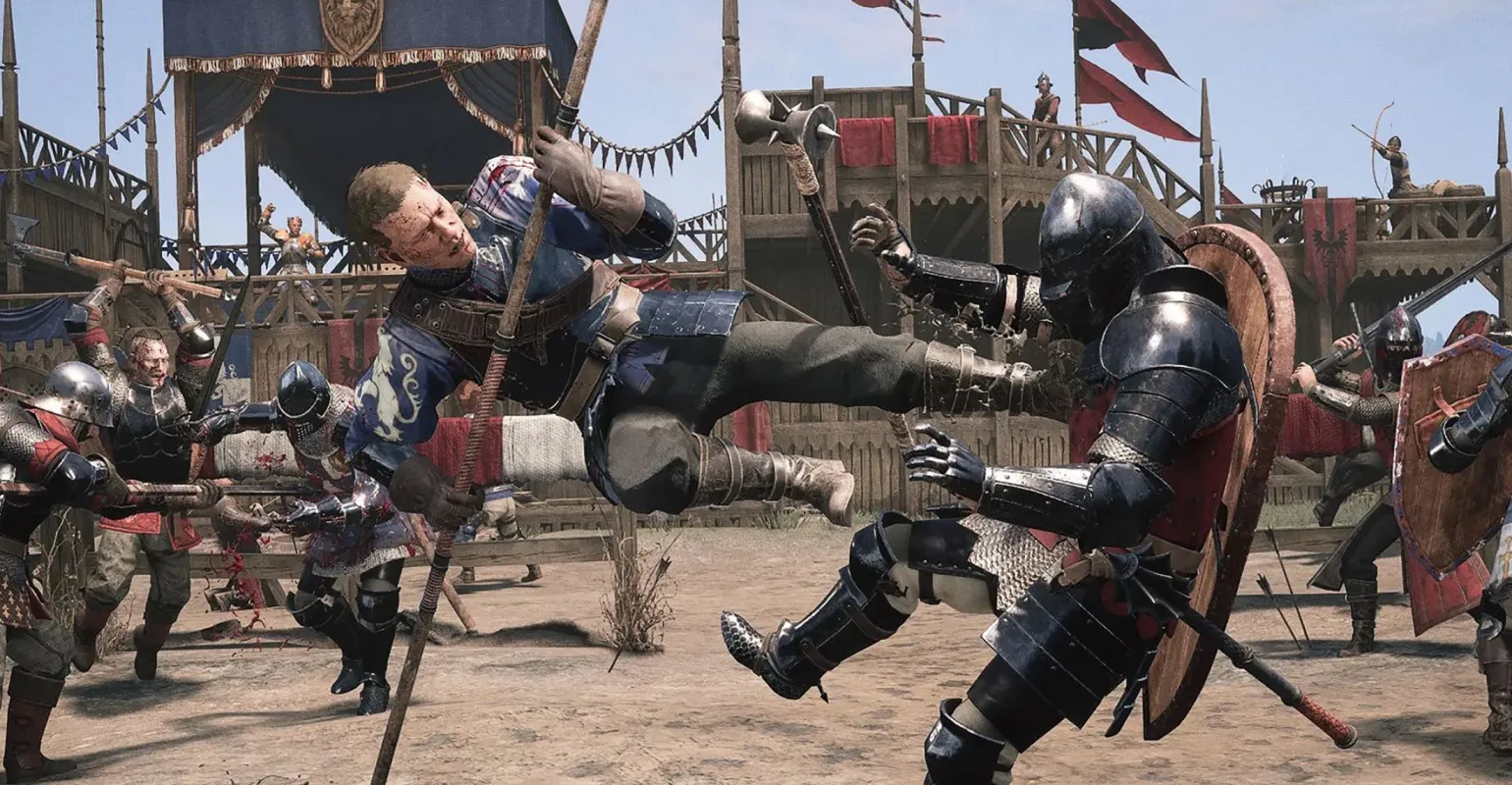
The typical medieval fighter, who was not a peasant with a pitchfork, was clad in several layers of armor. A minimal set of a quilted jacket and chainmail could effectively block sword strikes, both slashing and thrusting. Wealthy warriors had the opportunity to use higher-quality equipment that provided protection from both axe and spear strikes. However, even the highest-quality armor could not guarantee complete safety against blunt weapons such as maces and clubs. At the same time, blunt weapons were not widely popular in the army, as some types were unsuitable for combat in formation, while others were expensive. When facing a well-armored soldier, a fighter must consider not only the opponent's skill level but also important aspects of defense. Key is the ability to strike vulnerable areas of armor, such as the joints between plates and exposed areas. In response to these actions, the enemy often tries to cover their weak points, adopting a defensive stance. However, even the most well-armored fighters can be vulnerable to counterattacks when attacked. A fighter in heavy armor is more easily thrown off balance, which can lead to a fall. In a brawl, a fall is often fatal for either participant. Therefore, the ability to find and exploit an opponent's vulnerabilities, as well as anticipate their actions, plays a decisive role in the outcome of a fight.
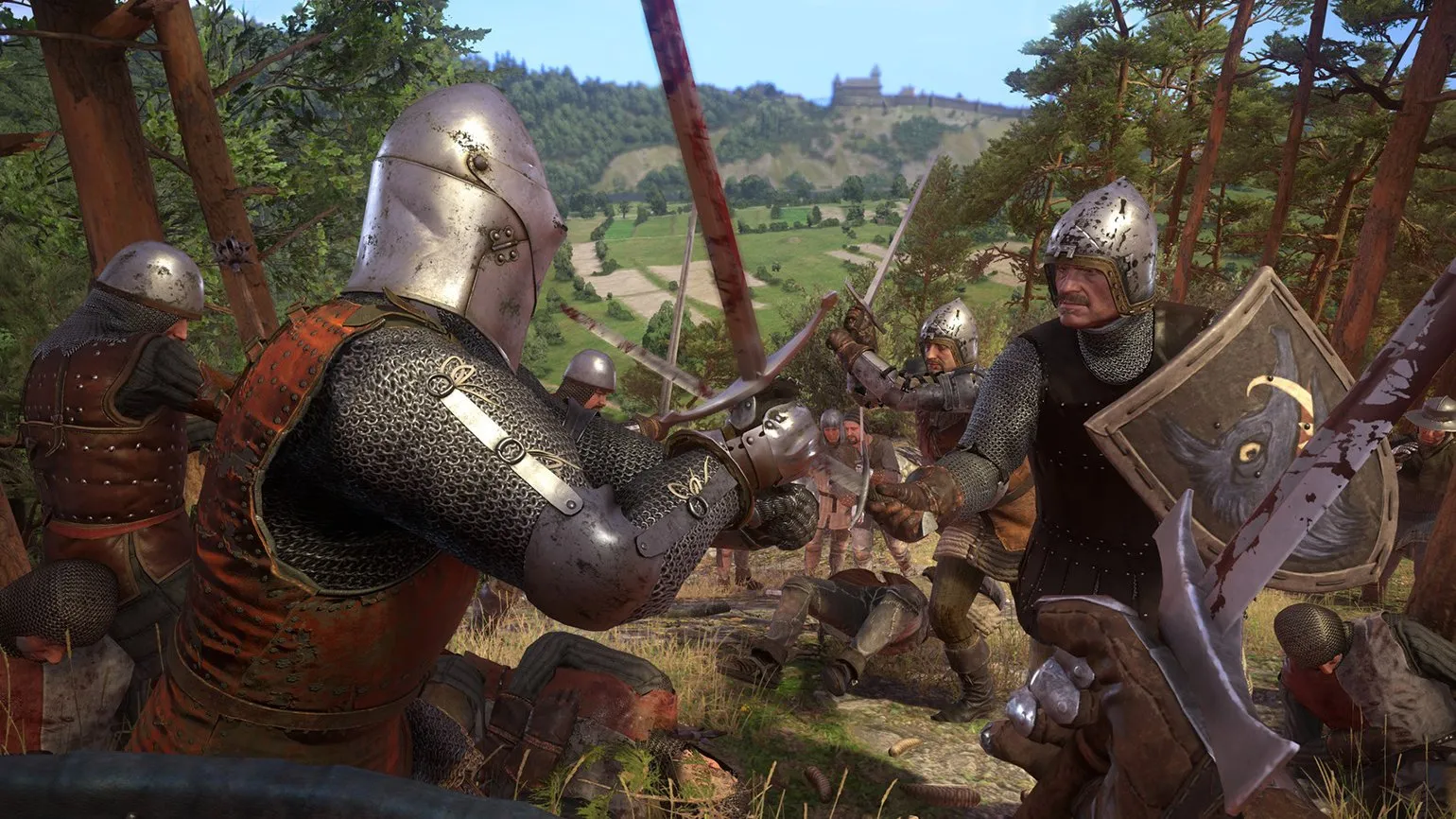
In such clashes, maneuvers and feints came to the fore. The enemy often dodged direct attacks if he had the opportunity to avoid a blow. Instead of testing the strength of his armor, a warrior could use a shield for defense or deflect a blow with his weapon. Even if the armor wasn't penetrated, there was always a risk of internal damage. In the Middle Ages, any wound, no matter how minor, could lead to death, emphasizing the importance of strategy and tactics in combat. An enemy's defense didn't always have to be overcome by brute force. If the enemy lost his balance, the fight was won. Various factors came to the swordsman's aid in this process: the enemy's equipment, momentum, and tactical maneuvers such as leg strikes and unexpected kicks. Contrary to popular belief, medieval warriors also used less noble methods, including throwing sand in the eyes and placing a misericord between armor plates. These tactics highlight not only the brutality of battles, but also the need for cunning and the ability to seize every opportunity to achieve victory.
Duels in Virtual Reality
Creating a combat system that accurately reflects medieval melee combat presents a complex challenge for developers. Unlike shooter combat, where formulas have long been honed, the medieval fencing system requires taking into account many nuances. Effectively integrating such complex mechanics into intuitive controls without compromising gameplay is nearly impossible. For example, in Kingdom Come: Deliverance, the developers successfully adapted the combat system for duels, but it does not work as well in group conflicts. This highlights the difficulty of conveying realistic combat mechanics in video games, where historical accuracy must be balanced with ease of control.
Age of Silence project manager Levon Tsaturov emphasizes that no game can boast a perfect fencing system. He points to projects such as Hellish Quart, Exanima, and Kingdom Come: Deliverance as successful examples of implementing fencing mechanics. However, it is worth noting that the developers' desire for realism often leads to a high entry barrier for players.
Creating an effective control system in fencing is a significant task. It is necessary to lower the entry barrier for new participants to make this sport more accessible. Achieving realism in fencing requires highly qualified specialists, which is also a complex task. Over the long history of fencing, numerous techniques have been developed, and finding experts in this field is difficult. Fencing as a sport differs from real-life melee combat. Mass battles are less aesthetically pleasing and more brutal than tournaments, which emphasize visual appeal. Audiences prefer to watch spectacular pirouettes and combos, as in The Witcher, than realistic battle scenes, emphasizing the importance of visuals in games.
The combat systems in Kingdom Come: Deliverance, based on realistic fencing, are complex and multifaceted in both implementation and mastery. Becoming a master of the sword requires more than simply training the protagonist, Henry, in weapon mastery. The player must independently master combat techniques and combinations. Although there are not many, executing each requires careful analysis, fast reflexes, and focus. Mastering these skills significantly enriches the gaming experience and allows for a deeper immersion into the atmosphere of the historical era.
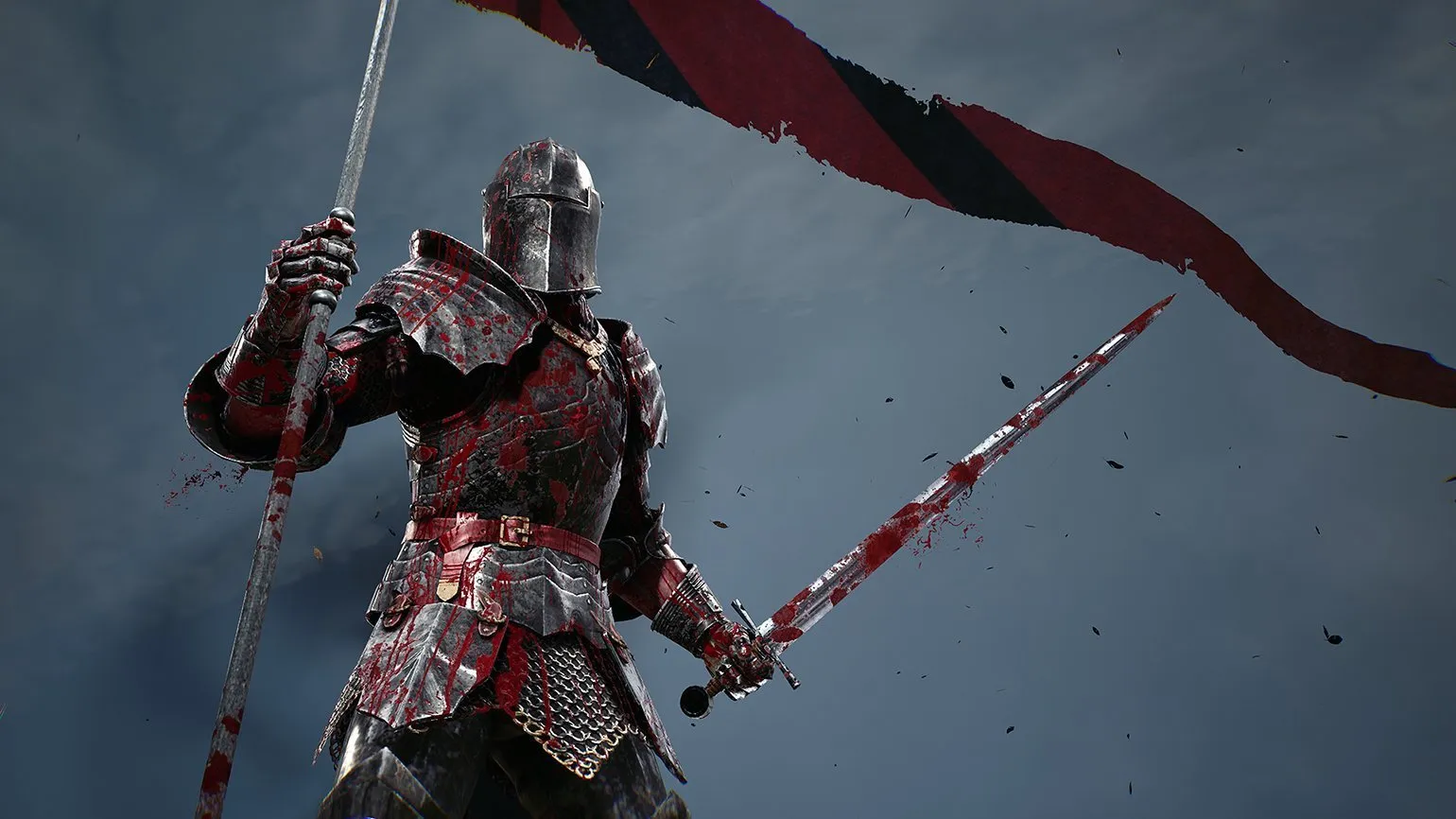
Multiplayer medieval battle games like Mordhau and Chivalry 2 can be challenging for new players. A fight with an experienced player who has spent countless hours playing the game usually ends in a predictable defeat. Although the combat system in these games appears simple, with multiple attack directions and the ability to block or dodge attacks, mastering it in practice proves difficult. Beginners need time to understand the mechanics and learn to effectively use their skills in combat.
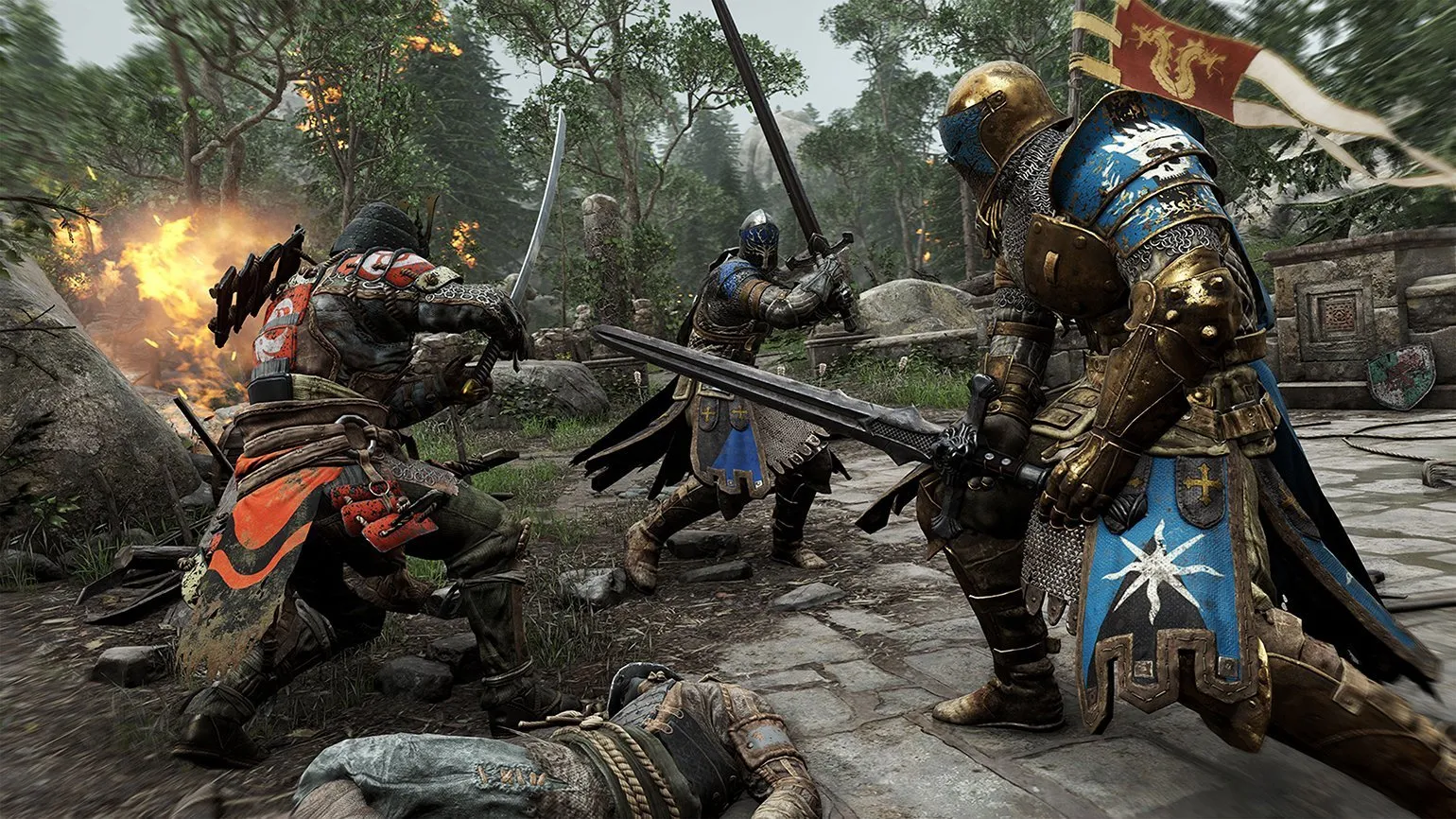
In practice, the most important factors in combat games include timing, weapon range, damage output, attack speed, evasive maneuvers, stamina management, and many other nuances. A clumsy attempt to press an opponent's buttons can lead to failure. Similar principles apply in For Honor, although the level of realism is somewhat lower. It is important to consider all aspects of combat in order to achieve success and defeat your opponent.
The developers of fencing systems conduct extensive research into real fencing schools and They study the medieval era, constantly consulting with experts in the field. Programmers are faced with the task of integrating a wide range of historically accurate techniques into game mechanics. At the same time, it is important to ensure that controls are accessible and convenient for the average player to avoid injuries, controller damage, and negative psychological effects.
Despite the presence of highly realistic fencing systems, video games remain entertainment, and developers often embellish gameplay elements. In situations where in real life fighters might resort to simple fistfights, games depict epic battles between powerful warriors in armor, wielding majestic zweihanders. Such elements make the gameplay more spectacular and exciting, attracting player attention and creating a unique atmosphere.
Major mistakes often arise from the desire for spectacle. In this field, as in the film industry, there are established tropes and stereotypes that are perceived by audiences as standard. However, such elements do not always correspond to reality. The developer of Age of Silence emphasizes the importance of avoiding these clichés in order to create a deeper and more believable experience for players. This not only improves the quality of the game but also draws attention to the unique aspects of the story and gameplay. Levon Tsaturov argues that realistic fencing systems in modern games are unlikely to surprise players. In his opinion, the greatest potential for such systems exists in the fighting genre, and with the development of technology, they can also play a significant role in virtual reality. This prospect opens new horizons for deeper immersion and interactivity in gameplay, which can significantly increase interest in fencing as an element of game design. Realism in games creates a number of limitations and complicates the development process. However, the success of projects like Kingdom Come: Deliverance, Mordhau, and Chivalry 2, with their sophisticated fencing combat systems, demonstrates the potential of this genre. While hardcore games are traditionally less popular with the general audience, they still attract dedicated fans who value depth and realism. The development of the realistic gaming genre can attract new players and expand the audience, which opens up new horizons for developers.
Game Balance
You will learn how to balance game mechanics for projects of different genres. You will learn how to calculate the combat system, in-game economy, leveling and other aspects of gameplay. Learn how to create engaging and profitable games with balance tools.
Learn more