Contents:

Learn: School with pleasure: how to teach a child to study
Learn more
- neuropsychologist, learning support specialist
- scientific consultant for Yandex.Uchebnik
- engaged in scientific research on learning difficulties, counseling and correctional work with children
At the end of 2021, Yandex.Uchebnik organized Online Olympiads for elementary school students called "I Know." After the competition, a survey was conducted among 2,438 parents to find out what exactly attracts their children to school. The results were quite informative.
Why Children Enjoy Learning
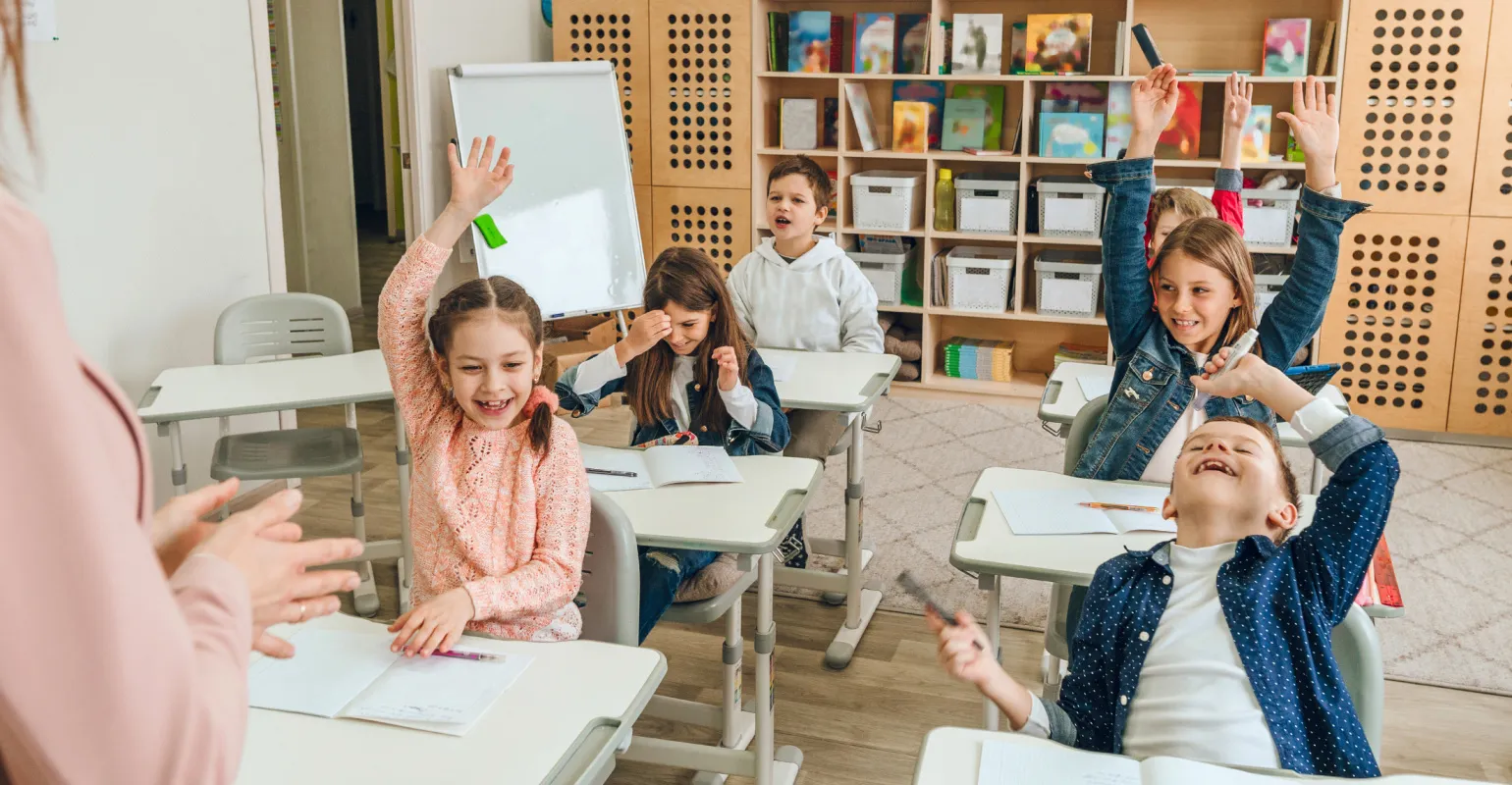
Modern elementary school students exhibit active curiosity, and their learning process is based on cognitive interest. According to the survey, 45.6% of parents noted that their children enjoy the learning process and are eager to learn new things. This indicates children's intrinsic motivation, which allows them to continue learning even in the absence of external demands.
The popularity of this answer is easily explained. It is connected with the characteristics of the 7-10 age group, when children actively ask questions and strive to understand the connection between a phenomenon and its essence. At this age, they genuinely seek the reasons for events, for example, why salt dissolves in water, where wind comes from, or why we pronounce the word "sAbaka" but write "sObaka." This period of curiosity and the desire to learn is an important stage in the development of critical thinking and a scientific approach in children.
On the one hand, these data are truly inspiring, as in today's environment, we are seeing a trend for extrinsic motivation to prevail over intrinsic motivation, even in elementary school. Natural curiosity is often replaced by a desire for high grades and rankings. Students often seek to avoid punishment from parents and teachers or, conversely, to receive rewards in the form of new gadgets. This underscores the importance of developing intrinsic motivation and returning to the true sources of interest in learning.
An interesting aspect of intrinsic motivation lies in thinking about the future and recognizing how education impacts life prospects. This factor ranked fourth in the survey results. Although most young students are unable to clearly connect their academic success with future professional achievements, 19.5% of parents consider this an important element of motivation. Understanding the importance of education can foster a more goal-oriented approach to learning and help children develop the skills necessary for career success.
It is important to remember that a key factor in adult success is children's ability to self-control and regulate their behavior, not just their grades. This is confirmed by longitudinal psychological research. Therefore, teachers and parents should pay special attention to developing these skills in children. Effective development of self-control and emotional regulation contributes not only to academic achievement, but also to successful social adaptation in the future.
Children are motivated by the desire to be first. Is this good?
Intrinsic motivation has indeed taken the leading place, but external factors also play a significant role. More than a third of parents (36.7%) indicated that their children are motivated by the desire to be first and get excellent grades. Another 32% of parents noted that they themselves act as a source of motivation for their children, actively encouraging study and success in educational activities.
Research confirms that extrinsic academic motivation can surpass intrinsic motivation, but such changes do not always have positive consequences. For example, if you begin to financially reward a child for good grades who initially studies out of interest, this can lead to a decrease in their cognitive activity. It's important to understand that intrinsic motivations, such as interest and curiosity, play a key role in the educational process. Supporting and developing these internal factors promotes deeper knowledge acquisition and the development of lasting skills.
Learning solely through curiosity is impossible, but extrinsic motivation plays a significant role in the learning process. It's important to use it wisely and not rely solely on external stimuli. Effective learning requires a balance between intrinsic interest and extrinsic factors, which promotes deeper understanding and retention of material.
What does this mean for adults, teachers, and parents? Above all, it's important to praise children for acquiring new knowledge and skills, not just for high grades. It's important to continually celebrate your child's achievements, comparing them to their previous successes and the effort they put into achieving them. Even if the outcome isn't as high as expected, it's worth appreciating the process and the progress made. Support and recognition of effort help build confidence and motivation in children, which in turn has a positive impact on their future development.
It is important for teachers to provide detailed feedback to their students, highlighting strengths and areas for improvement. This approach helps maintain an intrinsic interest in learning and increases its effectiveness. Understanding what they are doing well and what needs improvement helps students approach their learning mindfully and develop essential skills. Regular and constructive feedback becomes a key element in the educational process, allowing each student to grow and achieve their goals.
Why are math and physical education more popular than Russian?
When children answer questions about their favorite school subjects, math, art, physical education, and the world around us occupy leading positions, while Russian comes in last. This indicates that students prefer practical and creative disciplines over traditional subjects like Russian. Interest in math and physical education can be explained by their direct connection to everyday life and active activities, while Russian, despite its importance, may be perceived as less engaging.
The popularity of math is a positive trend. Teaching this subject in elementary school is gradual, which promotes better understanding and mastery of the material. When a child achieves success in math, they develop an interest in this subject, which makes classes more engaging and productive. Developing mathematical skills at an early age lays the foundation for further learning and the application of knowledge in everyday life.
The opposite is also true: if a child struggles with a particular subject, they lose their sense of achievement and self-confidence. This ultimately leads to a decrease in motivation to study that subject. This may partially explain the "unpopularity" of the Russian language among elementary school students participating in academic competitions. It is important to create conditions that promote a positive perception of the language in order to increase students' interest and engagement in its study.
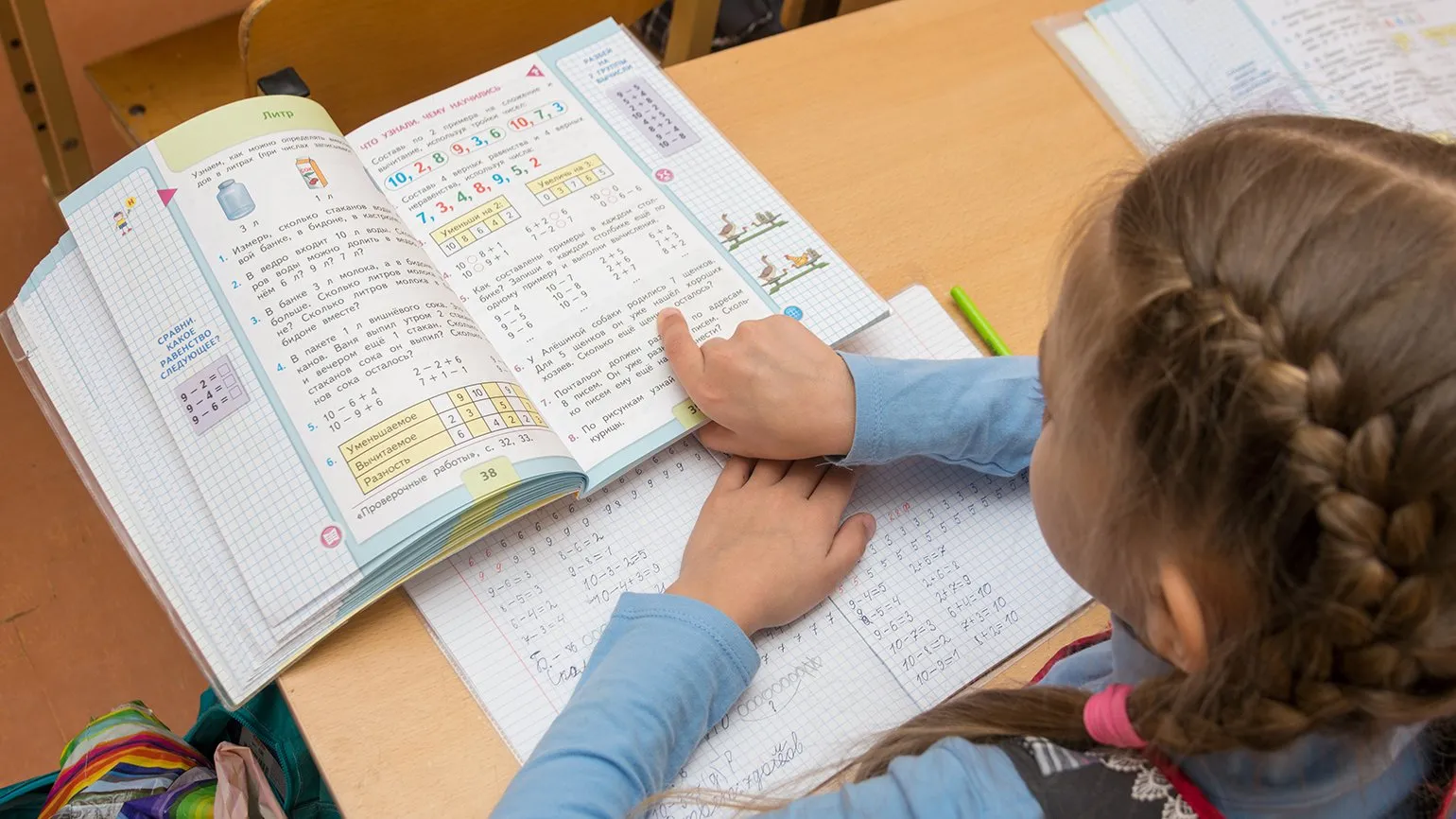
Learning to read and write is a labor-intensive process that requires significant time and physical effort. The Russian language curriculum in elementary school, in my opinion, is highly intensive. However, the language materials and texts children work with often do not correspond to their interests and current life situations. This can negatively impact students' motivation and desire to learn. To increase interest in learning Russian, it is important to use more modern and appropriate materials that will facilitate better acquisition of knowledge and the development of reading and writing skills.
Arts and physical education classes are characterized by a more freely organized learning process, which allows children to move and create. In elementary school, children retain their spontaneity and strive to express themselves without fear of judgment. However, when students face academic difficulties, many of them choose physical education and fine arts as the most attractive subjects, since they do not feel a sense of failure in these areas. As a practicing neuropsychologist, I often observe this tendency. Art and physical education classes not only develop creativity and physical activity, but also help children cope with emotional difficulties, creating a comfortable and supportive environment for self-expression.
Is it possible to motivate with the help of gadgets?
The question of how children use gadgets turned out to be especially relevant for parents. The survey results showed that the majority of children engage in various activities using technology. Thus, 73.2% of children play games, 34.3% communicate with friends, and 60.2% watch entertainment content. It is important to note that 59.9% of parents indicated that their children also use gadgets for study. This emphasizes the importance of technology in the educational process, as well as the need to balance time spent on screens between entertainment and learning.
An important role of adults is to introduce children to educational content on the Internet. There are many services and resources that can be interesting and useful, offering an alternative to traditional school textbooks. Today, educational content is presented in various formats - courses, lessons, podcasts and cartoons. These materials help children learn about the world around them and support their natural desire to explore. It's important not only to show children these resources but also to explain how to use them effectively to gain knowledge and develop. Having an adult present when children are first introduced to the internet is crucial. A teacher or family member can become a trusted navigator through the vast world of information. They can help children learn to evaluate the credibility of sources, inspire exploration, and foster an interest in quality content. Developing the habit of choosing only proven and useful materials from an early age promotes the development of critical thinking and media literacy.
Read also:
- 30 rules of learning psychology that a teacher would do well to know
- Why teachers are calling for abandoning grades
- How to evaluate student progress: unusual but effective methods
- What personal qualities and soft skills of schoolchildren influence their studies
School with pleasure: how to teach a child to study
You will get acquainted with different forms of education and determine which is right for your child. You will help him overcome academic difficulties and stop worrying about academic performance.
Find out more