Learn: Game Designer Profession from Scratch to PRO
Learn MoreLearn more about random numbers by watching this video tutorial.
When developing a game, we have the ability to independently customize the principles of probability theory. This allows us to optimize the gameplay and improve the player experience. We can make changes to minimize frustration and make the game more engaging and balanced.
Below is the corrected text, taking into account SEO optimization and without adding unnecessary content:
Or even examples like this:

Input and Output Randomness
Randomness is divided into two main types: input and output. Input randomness refers to the unpredictable factors that influence a process or system. Output randomness, in turn, characterizes the unpredictable results that arise from these factors. Understanding these two types of randomness is important in various fields, including statistics, mathematics, and probability theory. Studying input and output randomness allows us to better analyze data and predict the behavior of complex systems.
Input randomness represents all events that occur before the player begins to act. This includes, for example, the process of level generation in a game or shuffling a deck of cards. Input randomness is also known as pre-luck. It is an important aspect of game design that affects the player's perception of the gameplay and their satisfaction. Properly setting input randomness can significantly increase interest and engagement by creating unique situations and providing variety in the gaming experience.
Output randomness plays a key role in determining the success of player actions in various games. This concept encompasses the probability of successfully completing actions, such as hitting an enemy or rolling a die. Output randomness is also known as post-luck and influences overall gameplay by adding an element of unpredictability and strategy. Understanding output randomness helps players adapt their tactics and increase their chances of success in the game.
Next, we'll explore the topic of output randomness, which is often perceived by players much more acutely than input randomness. Output randomness includes elements that influence the results of a game and can significantly impact the overall gaming experience. Understanding this concept is important for players looking to optimize their strategies and increase their chances of success.
How to Improve Randomness in a Game
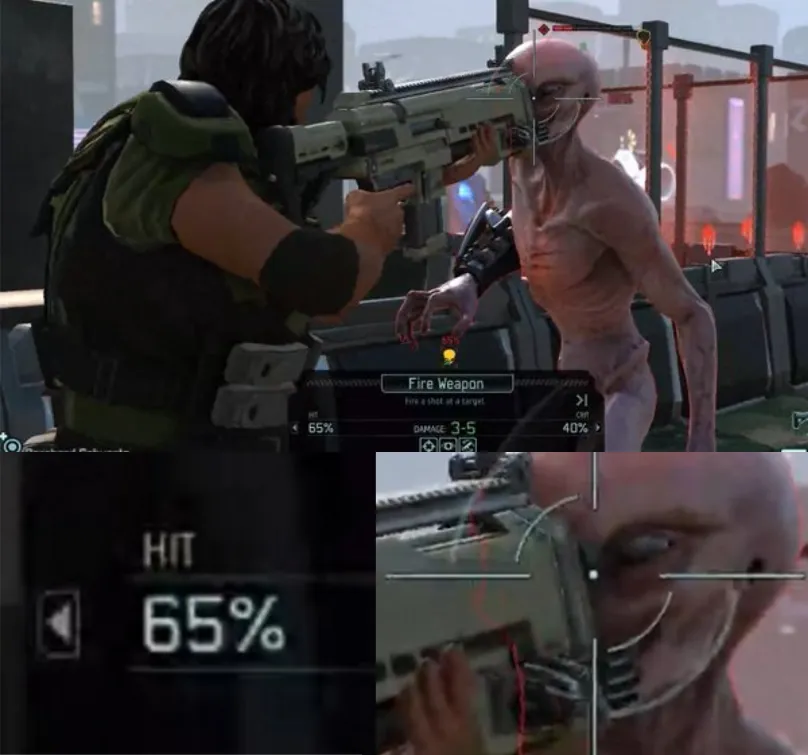
There are several effective methods for changing players' perceptions of randomness. One such method is to demonstrate understated values. For example, if the actual probability of success is 99%, then the player should be shown only 90% or even less. In this case, 90% is perceived by the player as a complete guarantee of success. This helps create the illusion of greater uncertainty and increases engagement in the gameplay.
If it is necessary to demonstrate the probability of failure, it should be overstated. This way, the player will perceive their victory as a significant achievement, despite the fact that the odds were initially unfavorable. This can enhance the feeling of success and increase satisfaction with the gameplay.
The second approach is to use multiple rolls. Instead of rolling one dice, you can roll five at once, as is done in poker in The Witcher, or repeat the roll of one dice several times. This method gives the player a chance to hit a high number at least once, reducing the likelihood of serious frustration and making the game more engaging.
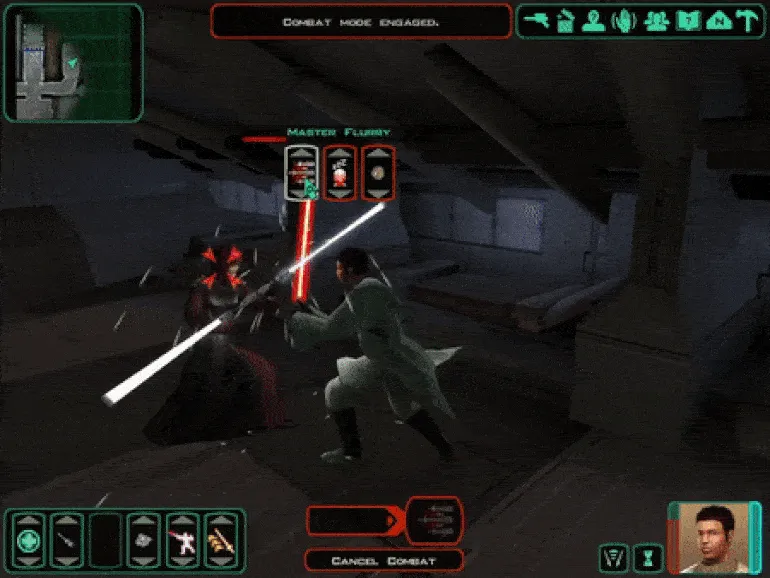
In the context of shots, the hit probability of each bullet can be assessed separately, rather than the entire burst. For example, in Star Wars: Knights of the Old Republic 2, when using the Striking Combo technique, damage and hit probability are calculated individually for each shot. This allows for more accurate combat simulation and enhances the strategic component of the game, as the player can consider various factors affecting the outcome of each shot. This approach makes the game mechanics deeper and more realistic, which attracts the attention of fans of role-playing games and strategies.
In the third option, you can focus on the storyline. The game TES V: Skyrim has a pickpocketing mechanic. Success in this business depends on several factors, and the probability of successfully completing the theft is displayed on the screen. This adds an element of strategy and allows players to consider their skills and surroundings when committing crimes.
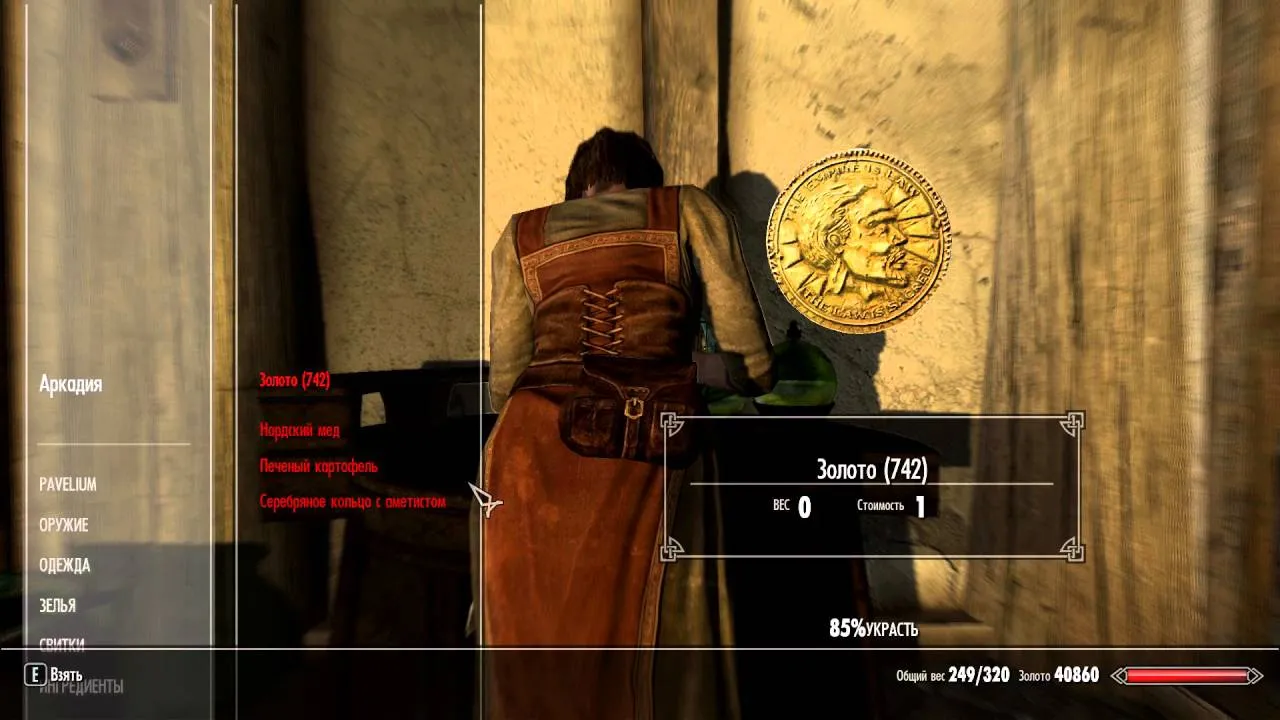
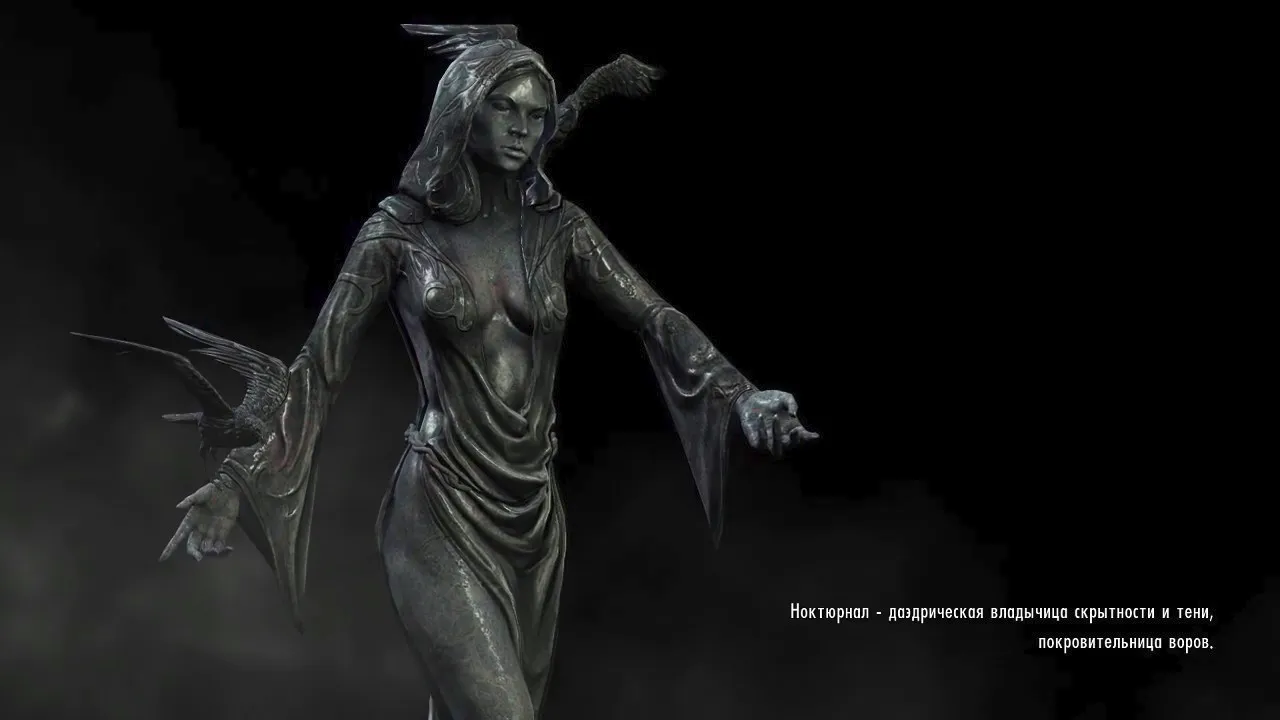
Success in the world of Elder Scrolls depends not only on your skills, magical effects, and enchanted items, but also on luck. In this world, luck is controlled by the Daedra Nocturnal, who is the deity of darkness and night. Its influence on the chances of success in various actions and adventures makes luck an important aspect for players.
Thanks to Nocturnal, beginners can gain access to valuable resources, but for professionals, it poses a serious threat. If Nocturnal decides to intervene, even a blind old man can catch a thief red-handed.
You can change the random number generation system in your games. For example, in Tetris, pieces are generated not individually, but in sets of seven blocks. This method ensures a fairer distribution of pieces. A similar approach is used in Hateris, but with the difference that the game analyzes the current game situation and intentionally provides less successful blocks. This approach can significantly change the gameplay and increase user interest.
Game Designer Profession from Scratch to PRO
A game designer creates the structure of a game. They develop the concept, rules, and gameplay, and decide what emotions the story will evoke in players. You'll master game design principles from scratch and learn how to work with popular engines like Unity and Unreal Engine. You'll learn how to keep players engaged and monetize your games. And we'll help you start a career in the gaming industry.
Find out more