Table of Contents:

Who are you in the world gamedev? Learn more with a free course ➞ You'll experience three professions in action: game designer, 2D artist, and Unity developer. Create your first Mario-style game. Click here for details.
Learn moreZombies are reanimated corpses imbued with supernatural powers or weak-willed individuals who obey others' orders. More broadly, the term refers to people under the influence of a cult or who have lost their individuality. In this article, we'll explore the reasons why zombies have become iconic characters in popular culture, as well as their significance in modern society. Let's discuss how the zombie image emerged in literature and film, and how it reflects the fears and anxieties of people in different historical eras.
Origin
The term "zombie" is most closely associated with voodoo, a magical practice common among the peoples of the Caribbean, including Haiti, Jamaica, Cuba, and Trinidad. Voodoo was practiced by West African slaves brought to these islands by colonizers. Beliefs about the living dead have existed throughout history, but it is the concept of zombies in the context of voodoo that has gained particular popularity and cultural significance. Voodoo not only incorporates elements of magic and ritual but also reflects complex historical and social aspects associated with colonization and cultural intersections. African culture includes beliefs about priests who possess the ability to steal the soul of the deceased using potions or magic and subjugate their body, turning them into zombies. Voodoo, as a belief system, is based on the veneration of nature and ancestors. According to these beliefs, the living and the dead exist in a single time and space, creating a unique connection between worlds. Such ideas about life and death form important aspects of African spirituality and culture.
Voodoo is believed to have originated in Benin, a state in West Africa, where voodooism is still one of the official religions. According to sociologists, approximately 40% of Benin's population identifies as followers of Vodou, 27% are Christian, and 22% are Muslim. Vodou has deep cultural and historical roots in this region, and its practices and beliefs continue to exert a significant influence on the lives of local residents. Vodou rituals still include animal sacrifices. These ceremonies are vibrant and dynamic, with participants celebrating, dancing, and enjoying drinks. Benin hosts an annual Vodou festival, which attracts large crowds eager to learn about the cultural heritage and traditions of this faith. The festival showcases a wealth of rituals and customs that have survived for centuries and is a major event for locals and tourists alike.
How Did Zombies Enter Pop Culture?
H. P. Lovecraft's first professional publication, "Herbert West: Re-Animator," is a landmark work of horror fiction devoted to the zombie theme. In his letters, Lovecraft mentioned that he wrote the story as a parody of Mary Shelley's classic novel, "Frankenstein." "Herbert West: Re-Animator" not only explores the boundaries of life and death but also questions the morality of scientific experimentation. This work became fundamental in the development of the genre and influenced the subsequent works of both the author himself and other writers in the field of horror.
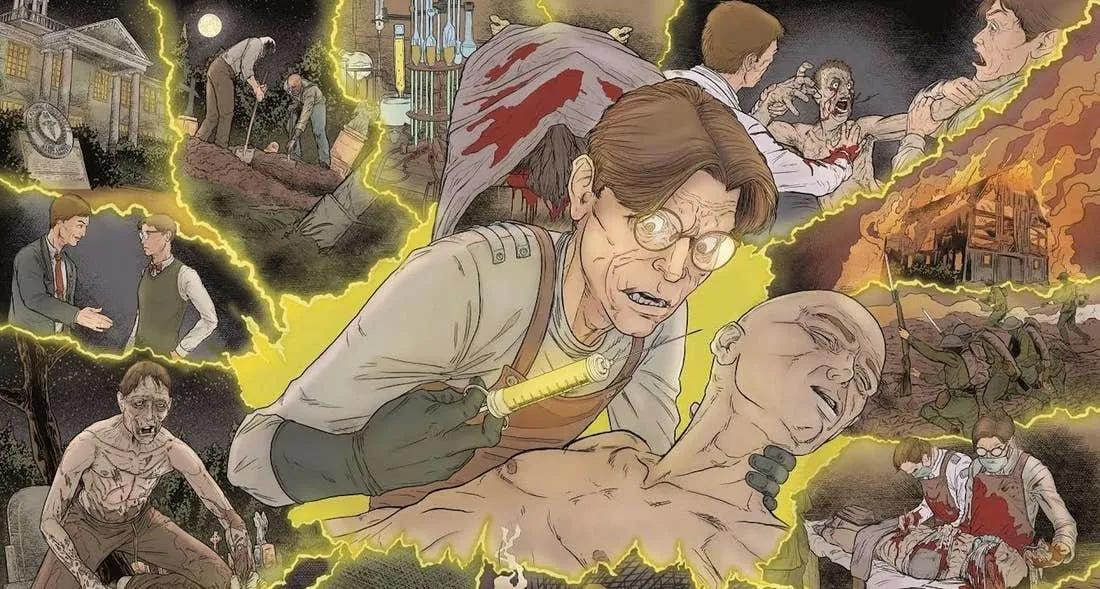
H. P. Lovecraft's 1922 short story introduced the modern concept of zombies—dead creatures reanimated with mysterious drugs. These creatures possess bestial instincts and exhibit cruelty, sparing no one. Although they retain some memory, their personalities are completely lost. This unique approach to zombie depiction has had a significant influence on subsequent works of horror and fantasy, shaping the idea of zombies as merciless creatures devoid of human qualities. Lovecraft not only laid the foundations for the further development of the zombie theme in culture, but also expanded the boundaries of the genre, introducing elements of psychological horror and mysticism.
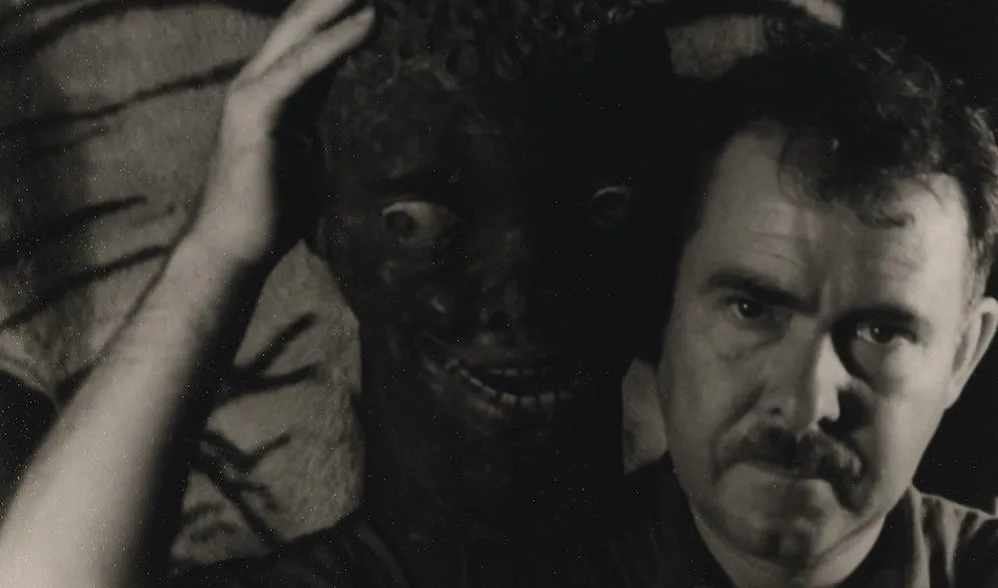
The concept of the living dead gained real popularity in 1929 thanks to New York Times reporter William Seabrook, who published "The Island of Magic" in his "Armchair Travels" series. Seabrook, fascinated by Satanism, cannibalism, and witchcraft, was acquainted with the famous occultist Aleister Crowley. In his book, he detailed an expedition to Haiti, where he spent time in the jungle, staying in the house of the famous witch Maman Célie. This work became one of the first popular sources of information about zombies and occult practices in Haiti, which contributed to the formation of the myth of the living dead in popular culture.
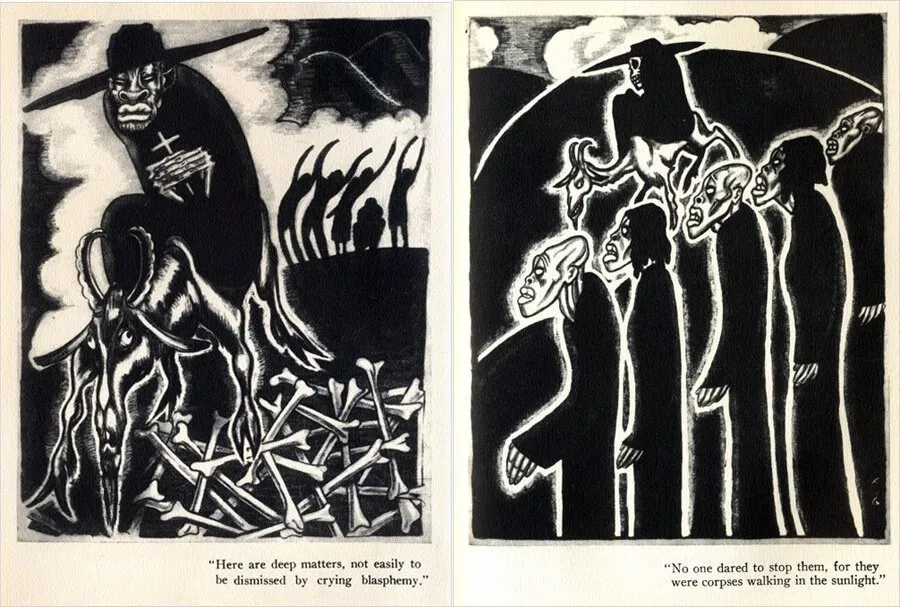
William Seabrook witnessed voodoo rituals and the zombification process, which allowed him to better understand this culture. In his book, he describes voodoo as a syncretic religion, combining elements of Catholicism and traditional African beliefs in magic. His work, "The Island of Magic," is divided into four parts, one of which, "Dead Men Working on Sugarcane Plantations," is devoted to the theme of zombies. Seabrook explores how these zombie concepts relate to the social and economic realities of Haiti, making his work an important contribution to the study of voodoo and zombie culture.
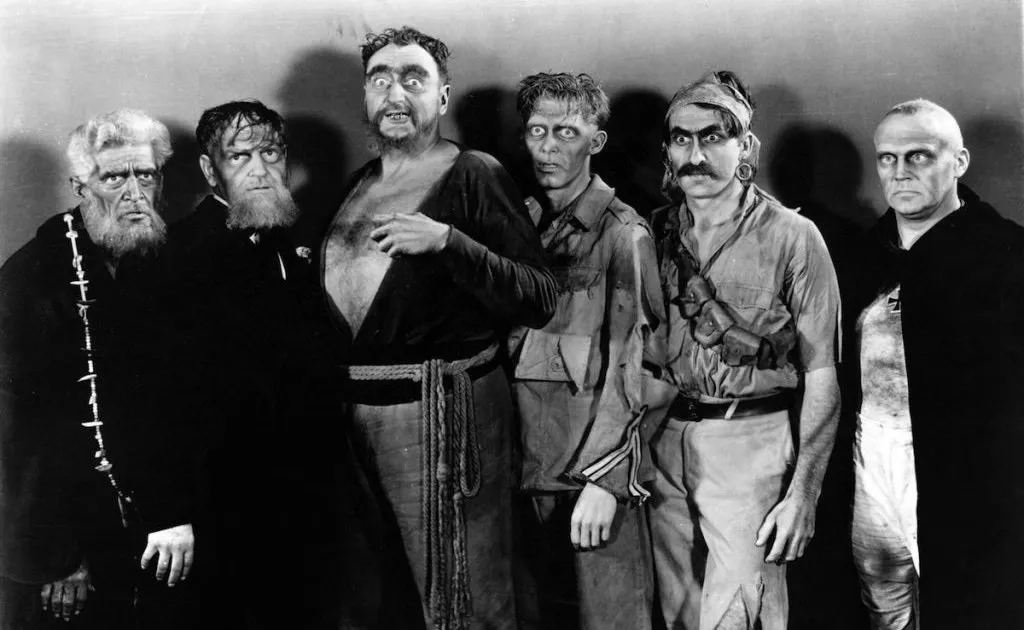
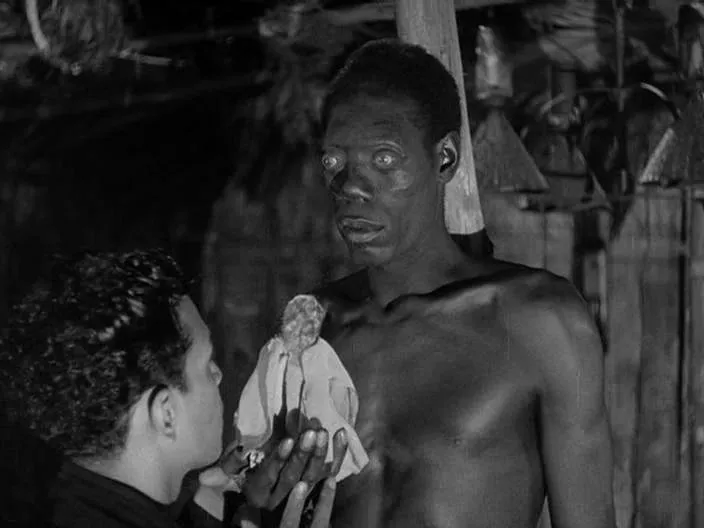
Seabrook's book has sparked significant interest in the topic of zombies in America. In 1932, the film "White Zombie" was released, starring horror legend Bela Lugosi. The story takes place in Haiti, where a refined white gentleman becomes the master of zombies toiling on sugarcane plantations. Horror films always reflect society's fears and anxieties, and in conservative America of the 1930s, fear of immigrants became an important theme reflected in this artistic form. Zombies, as a symbol of soullessness and loss of individuality, became the embodiment of these social fears.
Slow Zombies
Robert E. Howard, the famous writer, had a significant influence on the popularity of zombies in literature. His short story "The Pigeons of Hell," published in 1934, first introduced the concept of the zuvembie—a woman who underwent a voodoo ritual and became a zombie. This story marked a turning point in the genre's development and opened new horizons for future zombie fiction. Voodoo and zombies, as cultural elements, continued to inspire authors and researchers, and became the basis for numerous adaptations in film and other media. The zuvembie is a mysterious creature rumored to exist. Sorcerers, possessing special knowledge, create potions capable of driving women mad. However, this is only part of the mystery. The zuvembie is imbued with hypnotic powers, the ability to live incredibly long, and even control the dead. This is not simply a mad woman, but a creature that combines monstrous and human traits, created through the dark rituals of sorcerers from the swamps and jungles. Exploring the myth of the zuvembie, we are confronted with questions about the nature of power, authority, and the human soul. The existence of zuvembies serves as a reminder that there are things in the world we cannot explain.
Robert E. Howard, the renowned author of fantasy and adventure, created a unique world in his short story "The Pigeons of Hell." In this work, he masterfully combines elements of horror and mysticism, immersing the reader in an atmosphere of mystery and danger. The protagonist, confronted with unknown forces, undergoes trials that test his courage and resolve.
Howard uses vivid descriptions and a dynamic plot to build tension and capture the reader's attention. "The Pigeons of Hell" not only demonstrates the author's literary talent but also reveals his deep understanding of human nature and fears. This work continues to be relevant, attracting the attention of new generations of fantasy and classic literature fans.
If you're looking for a gripping story that will immerse you in a world of adventure and mysticism, Robert E. Howard's "White Zombie" is an excellent choice.
White Zombie was a defining moment for the horror genre, opening up new horizons for filmmakers. Following its success, films featuring sinister voodoo priests who zombified people began to appear. In the 1940s, the image of the living dead began to reflect society's fears associated with threats such as communism and Nazism. This can be seen in films such as "King of the Zombies" (1941) and "Revenge of the Zombies" (1943), which used zombie motifs as a metaphor for the social and political anxieties of their time.
Zombies gradually moved away from magical rituals and became part of everyday culture. In an era when humanity was fascinated with space exploration, director Ed Wood imagined alien-controlled zombies in his celebrated 1959 film, Plan 9 from Outer Space. The film became a landmark example of how zombie mythology intersected with science fiction, reflecting the fears and hopes of its time. Interest in zombies continues to grow, and they remain a relevant theme in film and literature, personifying the fear of the unknown and the loss of humanity.
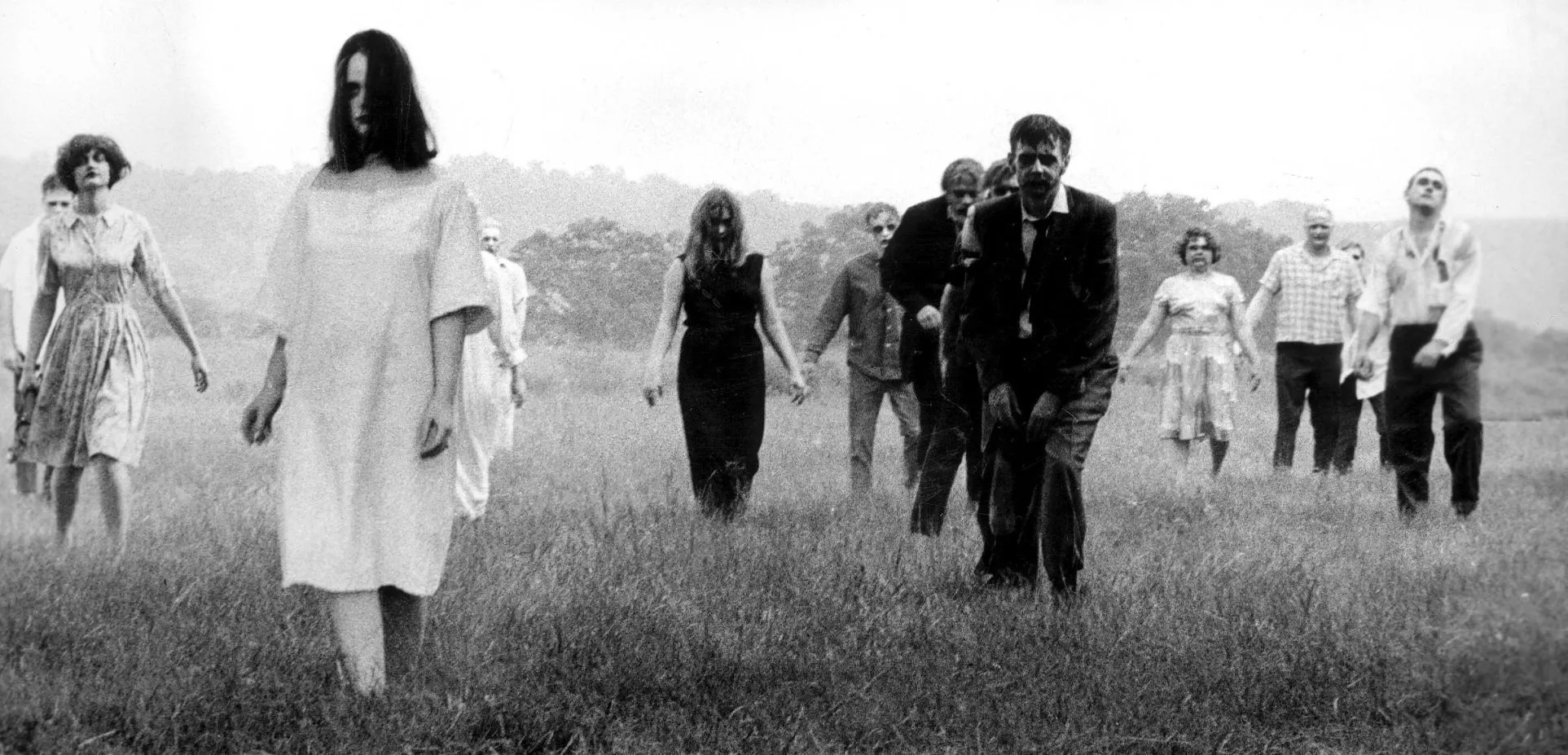
"Night of the Living Dead" by George Romero — a cult zombie film that became a landmark in the horror genre. Released in 1968, this low-budget project from an independent director not only changed the perception of zombies but also set the template for many subsequent films. Romero introduced audiences to slow-moving, bloodthirsty corpses, which became the basis for the development of the genre for decades to come. This film not only laid the foundations for the zombie apocalypse but also opened new horizons for independent film, becoming a significant milestone in the history of cinema.
The first horror video games drew on cinematic traditions. Slow and clumsy zombies became the perfect adversaries in the 1992 game Alone in the Dark. This project had a significant influence on the development of the survival horror genre, laying the foundation for future games. Alone in the Dark not only set the standard for mechanics and atmosphere, but also showed the importance of story and exploration in games of this genre.
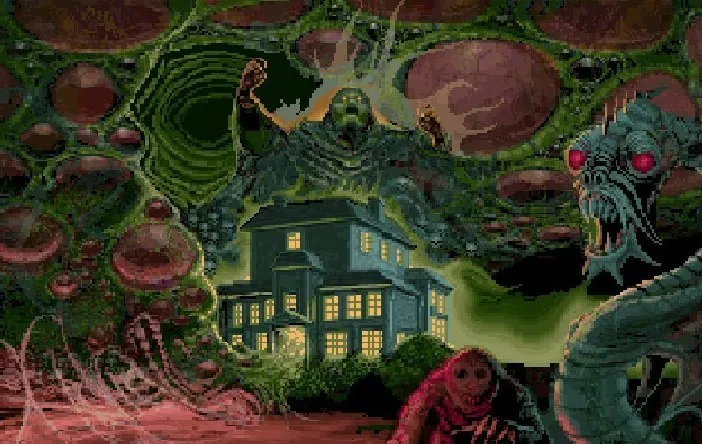
The original horror games were characterized by their sluggishness, as characters and enemies. Players often felt defenseless against enemies, which was due to the technical limitations of gaming consoles. The unfamiliar controls and confined spaces presented in Alone in the Dark heightened the atmosphere of fear and tension. These elements created a unique gaming experience that continues to influence the horror genre to this day, shaping player expectations and preferences.
In the early stages of Resident Evil's development, we aimed to create a fully 3D game. However, achieving the desired level of graphics on the original PlayStation proved impossible. As a result, we had to make significant changes and turned to the experience of Alone in the Dark. Ultimately, the environments in Resident Evil were rendered in static 2D, while 3D characters and objects loaded in real-time. This approach created certain difficulties with controls and the camera, which, in turn, negatively impacted the level of immersion and led to a feeling of detachment among players.
Shinji Mikami is a renowned Japanese game designer, best known as the creator of the iconic Resident Evil video game series. His contribution to the gaming industry is invaluable, as it was under his leadership that the foundations of the survival horror genre were laid. Mikami began his career at Capcom, where he developed the first Resident Evil game in 1996, which changed the way players thought about horror games. Thanks to its innovative gameplay, tense atmosphere, and memorable characters, the Resident Evil series gained immense popularity and became a benchmark for the genre. Shinji Mikami continues to be an influential figure in the world of video games, making significant contributions to the development of gaming technology and storytelling.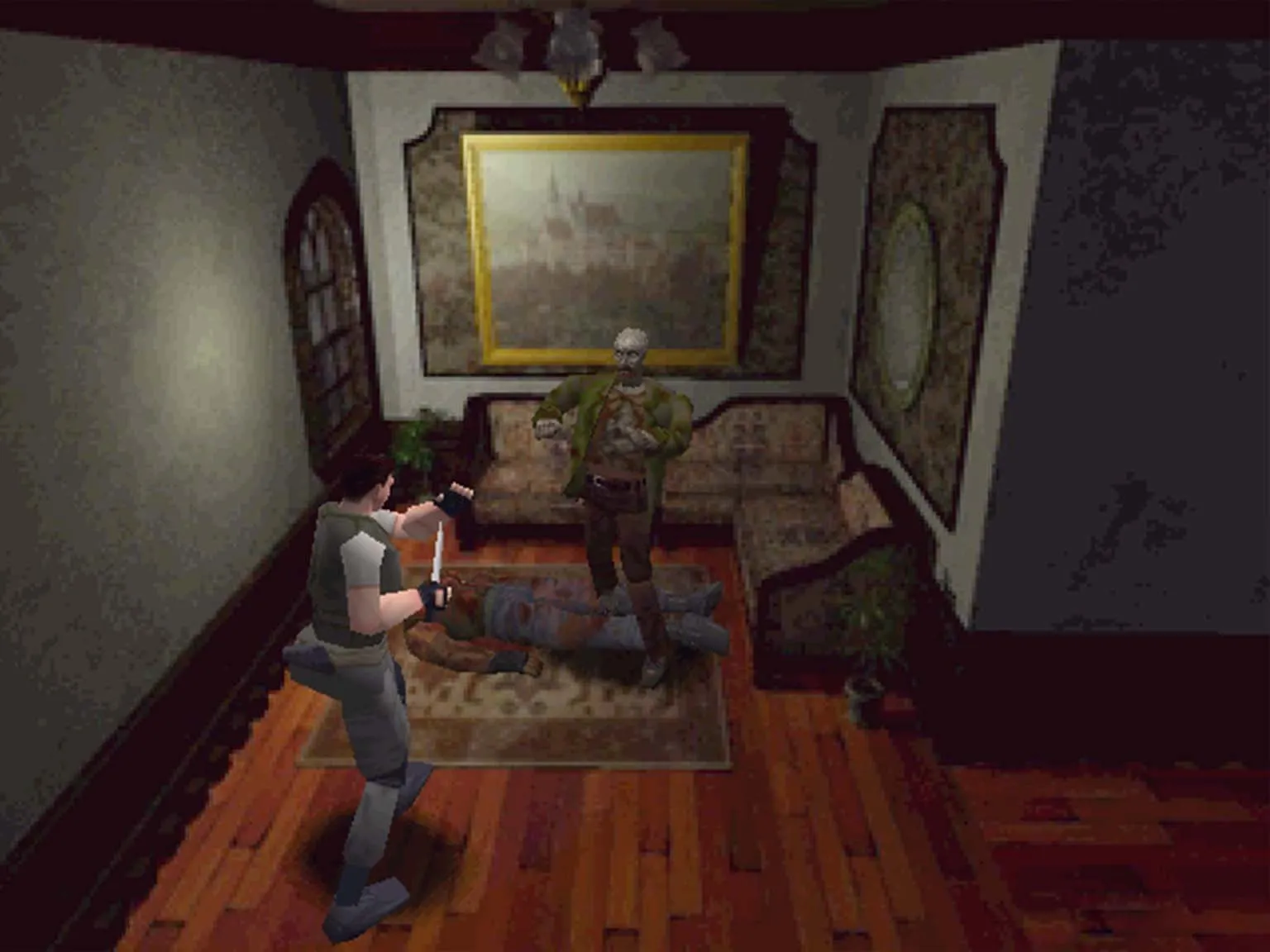
Resident Evil reimagines the concept Zombies, focusing on the fear of dangerous living creatures rather than paranormal phenomena. Mutated humans and animals evoke horror with their proximity to the familiar world. The plot of the first games in the series revolves around a zombie outbreak in Raccoon City, caused by the pharmaceutical corporation Umbrella, which sought to create an army of supersoldiers using the virus. This unique interpretation of the zombie apocalypse and attention to the psychological aspect of fear make Resident Evil an iconic phenomenon in the world of video games.
Resident Evil 4 had a significant influence on the survival horror genre. The game emphasized dynamic gunplay and introduced a new perspective—a third-person, over-the-shoulder camera. This innovative approach to gameplay became iconic and began the trend for action games within the survival horror genre. Resident Evil 4 not only reimagined familiar mechanics, but also introduced game design elements that later became standard for many projects.
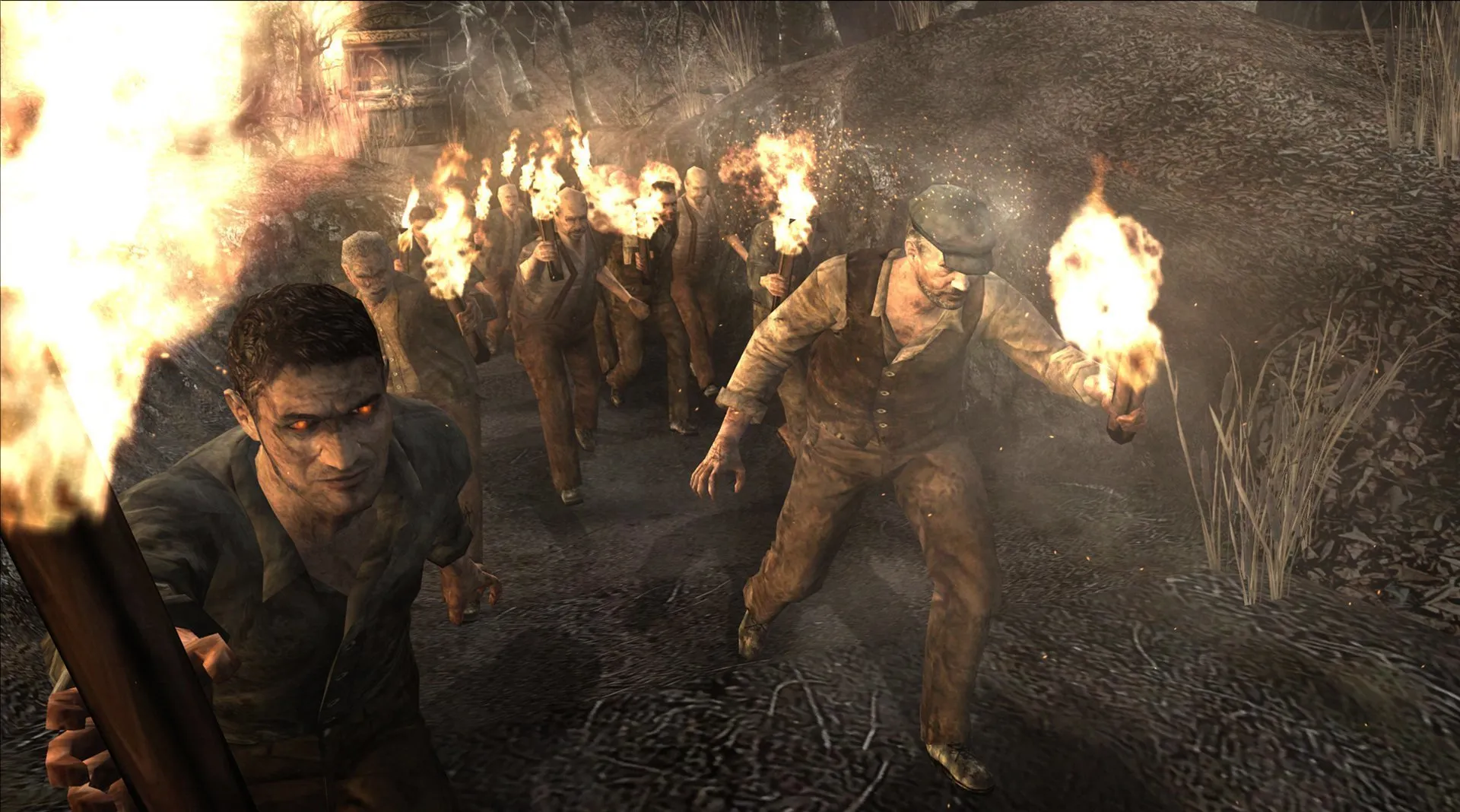
It is important for viewers to understand the origins of evil. The explanation of the zombie virus's origins is linked to our everyday fears and anxieties. The scientific version of its origin has gained great popularity in both games and films. This approach allows for a deeper understanding of how fear of the unknown and the possibility of apocalypse influences our perception of evil in modern media.
Zombie Apocalypse
Zombies choose their victims indiscriminately, unlike vampires. The main characteristics of their behavior are spontaneity and mass murder, which evokes fears associated with infections, epidemics, and disasters. In the 2000s, the scale of the confrontation between the living dead and humanity increased significantly. This phenomenon has become not only a theme for films and games, but also a reflection of deep social fears associated with the loss of control over reality and the consequences of global crises.
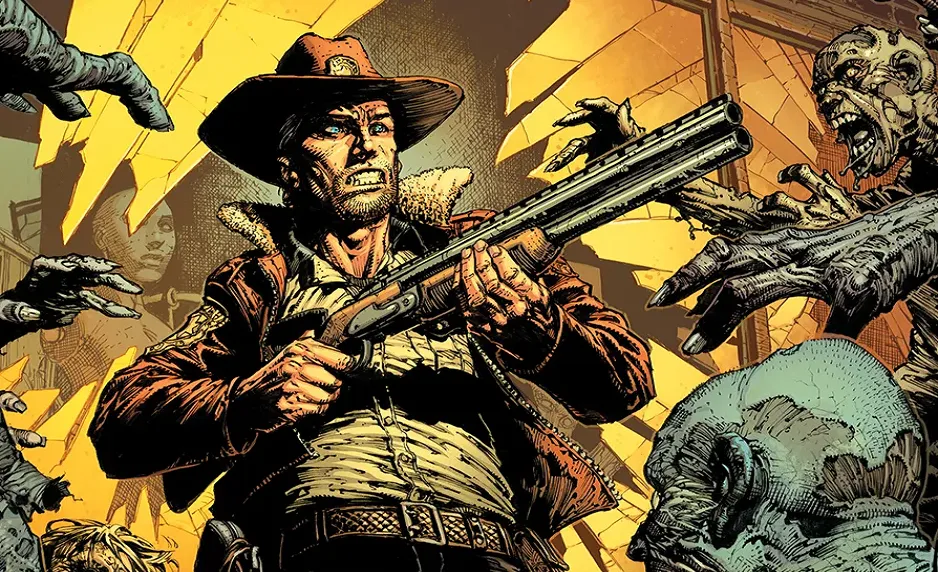
The concept of a zombie apocalypse gained immense popularity thanks to Robert Kirkman, the renowned comic book writer behind the iconic series The Walking Dead and Marvel Zombies. In 2010, a series based on his comics was launched, quickly becoming the highest-rated show on cable television. The plot follows ordinary people trying to survive a zombie outbreak. This realistic depiction provokes viewers to compare themselves to their own behavior patterns in a zombie apocalypse, forcing them to consider how they would act in similar extreme situations. Interest in the zombie apocalypse continues to grow, attracting attention from both comics and television adaptations. Several projects have been released within the gaming universe, the most famous of which is The Walking Dead from Telltale Games. Four seasons of this interactive story significantly expanded the franchise's storyline. One of the key features, maintaining the tradition of classic George Romero films, is the slow-motion depiction of zombies in the game, which adds tension and realism to the process of interacting with a world engulfed in an apocalypse.
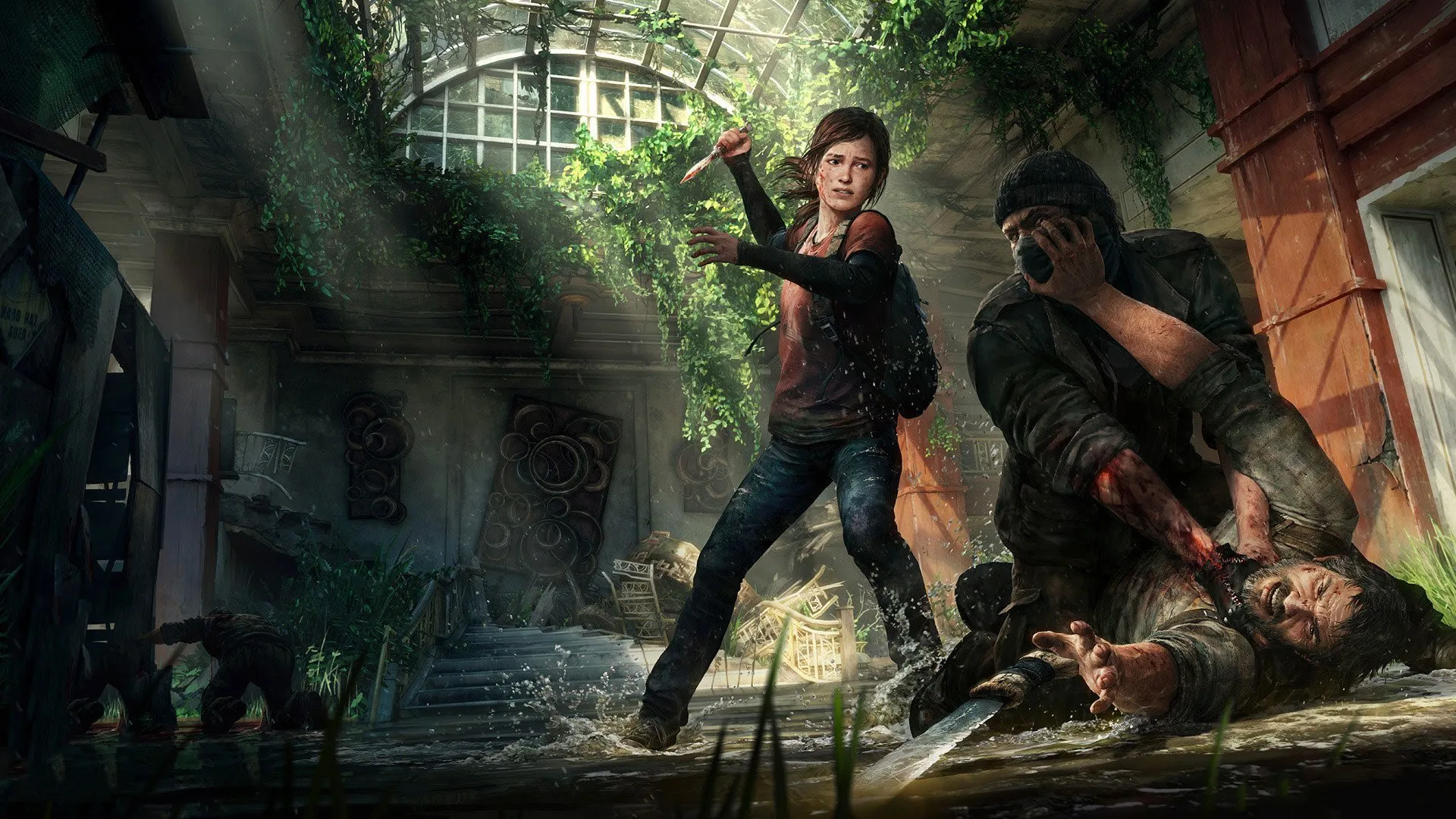
In the 2010s, zombies in video games began to move faster, fueling the development of the survival simulator genre. DayZ, which transported players to the unique setting of the fictional post-Soviet state of Chernarus, was a departure from traditional zombie games. This open-world multiplayer game was unforgiving—in addition to dangerous zombies, players could encounter other players who could either help by providing a first aid kit or kill them on sight. DayZ became one of the first popular survival games, introducing new mechanics and interaction elements, making it a cult title in the world of video games.
Fast Zombies
In 2002, the cinema industry witnessed the emergence of a new trend for fast-moving zombies, demonstrated in two landmark films: 28 Days Later, directed by Danny Boyle, and the film adaptation of the Resident Evil video game, created by Paul W.S. Anderson. Both films focused on the transformation of people into zombies under the influence of a virus, which became a milestone in the horror and science fiction genres. These films not only changed the perception of zombies in popular culture, but also set new standards for subsequent films, inspiring many projects that continue to explore the themes of viral infections and their devastating consequences.
In the gaming industry, the trend for co-op shooters was actively pursued by Turtle Rock Studios with the Left 4 Dead series. This co-op shooter stood out for its emphasis on teamwork and the innovative "Director" system. Artificial intelligence analyzed player actions and adapted the gameplay, making each playthrough unique. Players were also offered a mode that allowed them to play as zombies, adding variety and new emotions to the gaming experience.
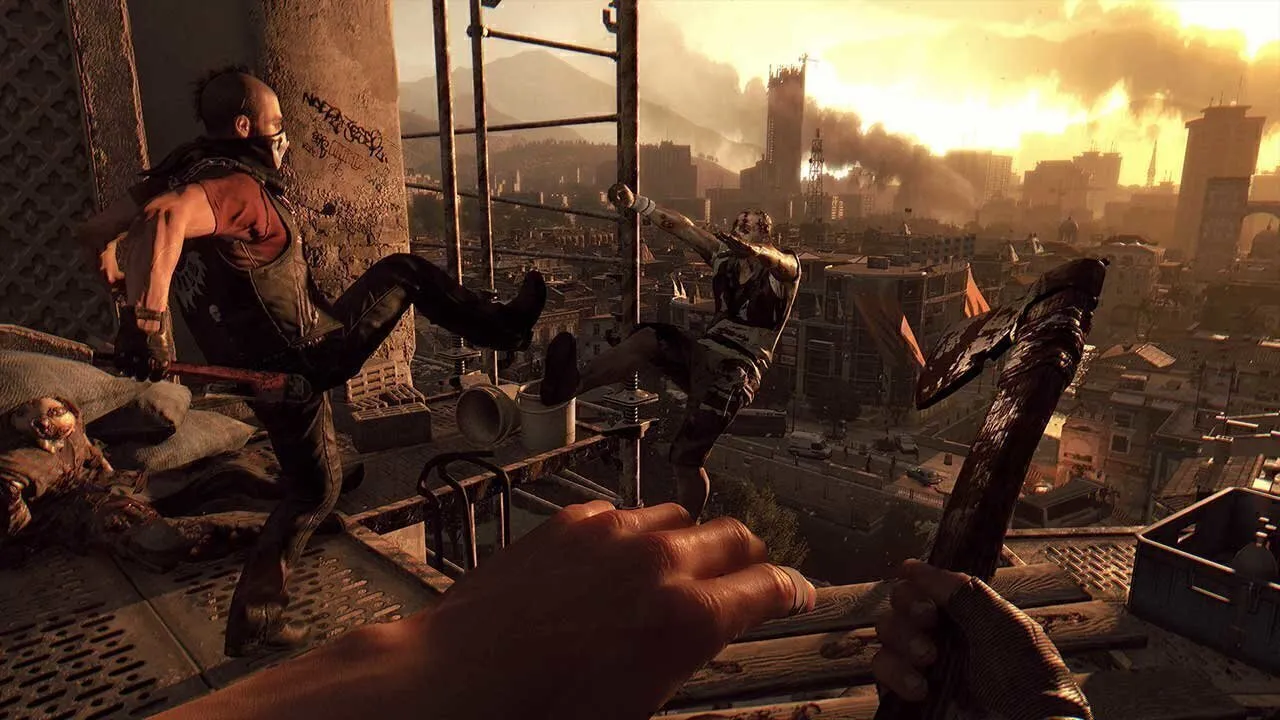
In Days Gone, the concept of mass zombies reached its peak. Hordes of the undead are integrated into the gameplay, becoming an integral part of the environment and creating an atmosphere of constant threat. Players use their environment as a strategic advantage to combat these enemies, adding dynamism and tension to the gameplay.
Zombie modes are becoming increasingly common in multiplayer shooters. Co-op zombies mode first appeared in Call of Duty: World at War. This mode proved immensely popular and has since been incorporated into five installments of the Black Ops sub-series. Zombie modes attract players with unique gameplay, the ability to play together, and a variety of scenarios, making them an integral part of modern gaming.
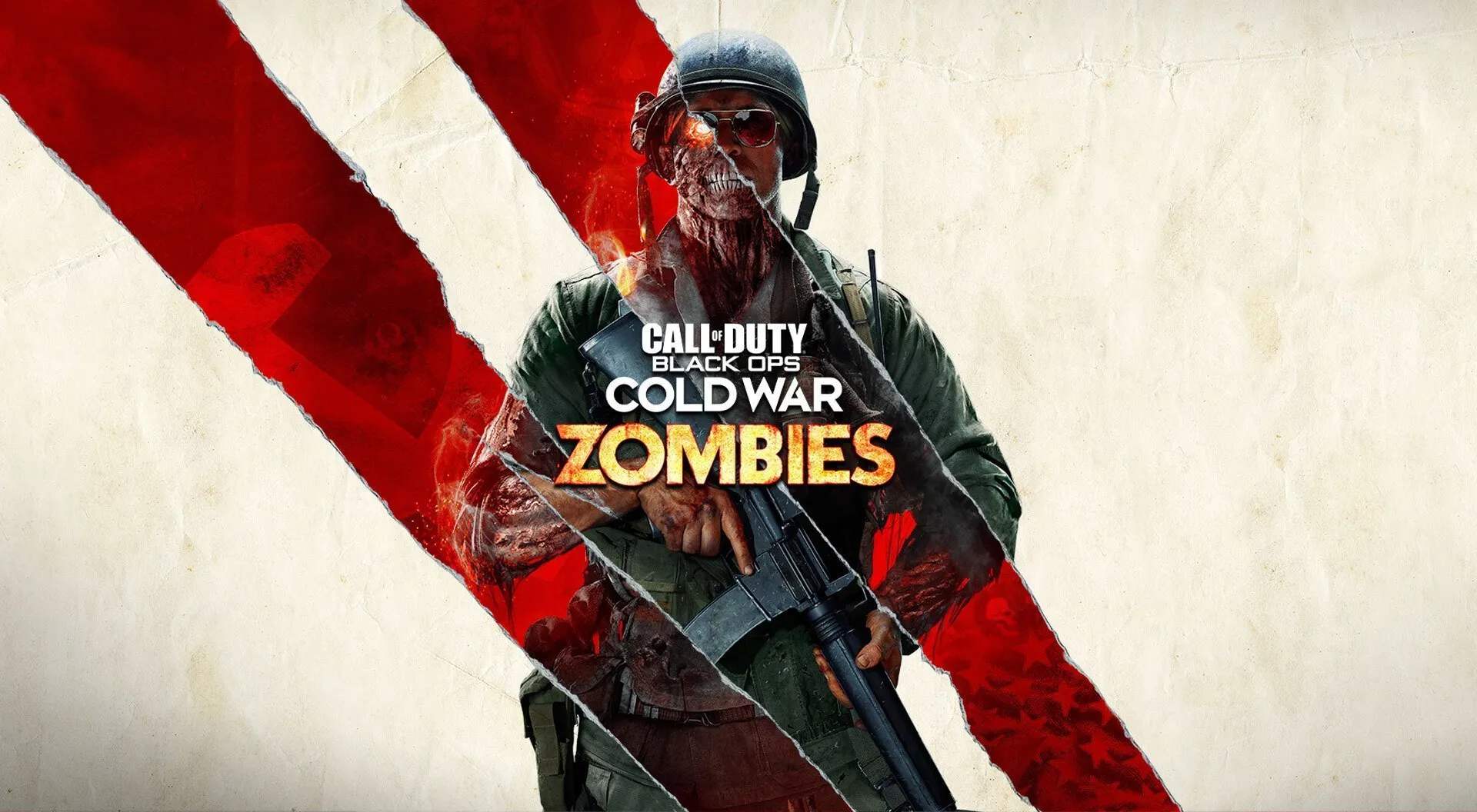
In the Call of In Call of Duty, players encounter a variety of enemy types representing different nations. These include German, American, Japanese, and Soviet zombies, as well as native zombies, guard zombies, and prisoners. This mode also features unique astronaut zombies, which add interesting elements to the gameplay. Each zombie type has its own characteristics and tactics, making the game more exciting and varied. Zombies mode in Call of Duty offers players a unique experience of fighting the undead, requiring strategic thinking and teamwork.
Dubious Interlocutors
In modern games and the film industry, zombies are no longer just mindless enemies to be fought. Developers and directors have begun to introduce the concept of sentient zombies, imbuing them with intelligence and emotion. This new direction allows for a deeper exploration of themes of human nature, morality, and the interaction between the living and the dead. Intelligent zombies become more than just antagonists, but complex characters who can evoke empathy and interest in viewers and players. Thus, the zombie apocalypse takes on new dimensions, becoming more multilayered and engaging.
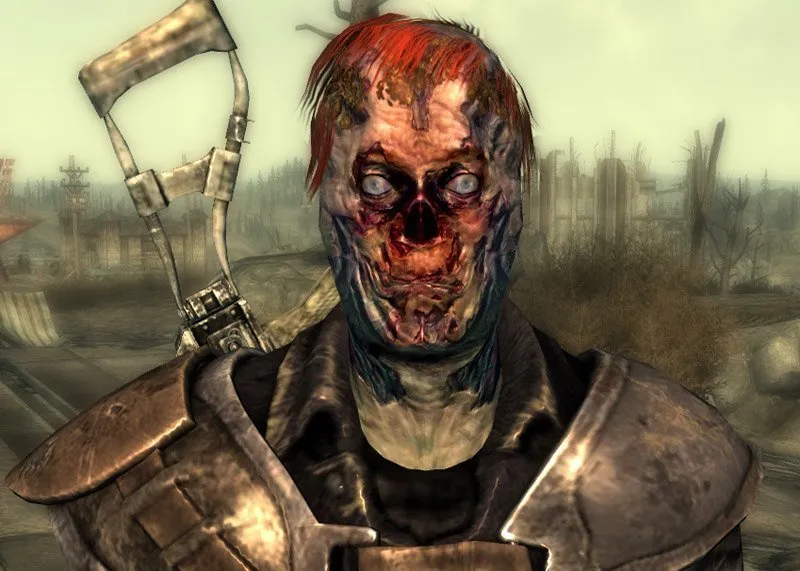
In the Fallout universe, ghouls are people who failed to take refuge in protective shelters during the nuclear bombing. Some of them retained their sanity and retained memories of their human past. These ghouls are virtually indistinguishable from ordinary humans: they are friendly and generally do not attack first. Their unique nature makes them interesting characters in the post-apocalyptic world of Fallout, where interaction between different groups of people and creatures plays a key role in survival.
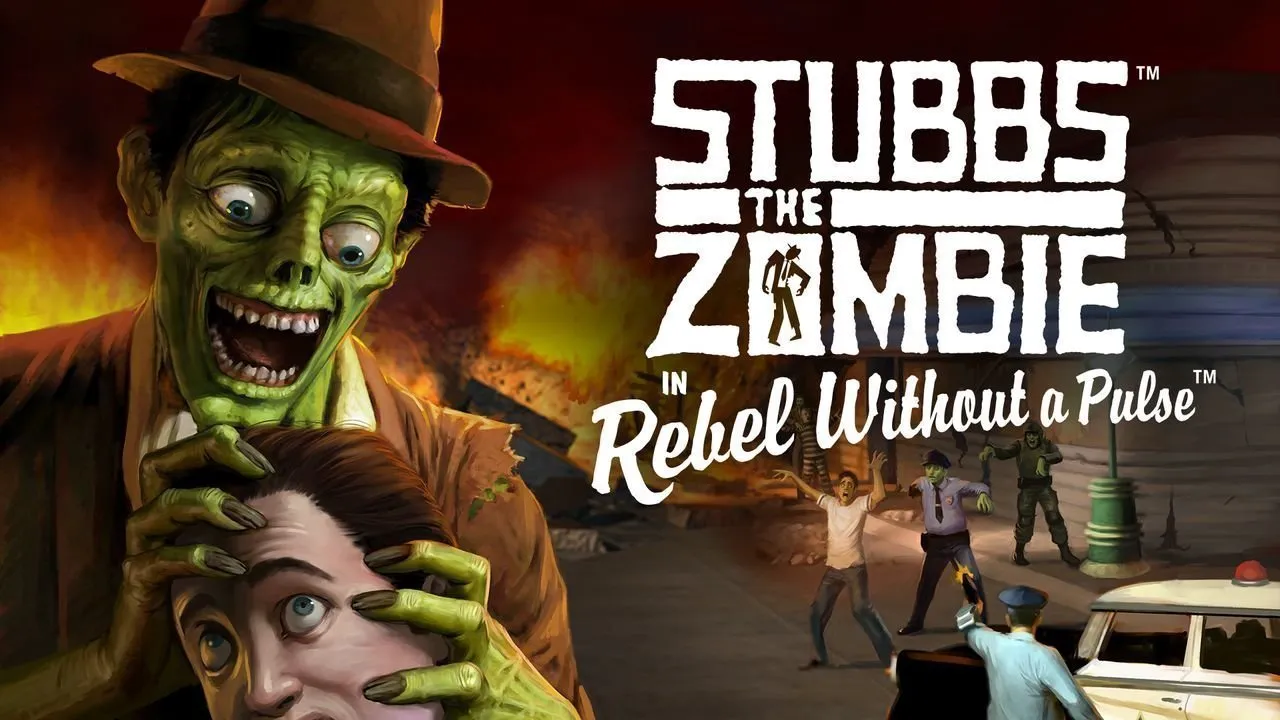
Stubbs the Zombie in Rebel Without a Pulse offers unique zombie gameplay, immersing players in a world where the primary goal is survival by killing people and eating their brains. However, behind the protagonist's hunger lies a deeper motivation: he seeks to find his beloved, the one who cost him his life. The game combines elements of humor and adventure, creating an exciting experience for fans of the genre.
Modern cinema is increasingly featuring stories about the integration of zombies into society. In the romantic comedy "Warm Bodies," viewers follow a reanimated corpse who experiences loneliness and struggles to find his place in the world. In the series "iZombie," the protagonist, with her unique abilities, helps the police solve mysterious murders, creating a captivating mix of genres. These works not only entertain, but also raise important questions about acceptance and interaction with those who are different from us.
Who are you in the world of game development? A mini-course for those who want to make games.
In this free mini-course, you'll try yourself as a game designer, 2D artist, or Unity game developer and choose the profession that's right for you.
Find out more.