Contents:

Want to get into IT? ➞ Join Telegram and take 4 free courses on top IT topics. Find out which field best suits you and take the first step toward a new career.
Learn moreThis article will teach you how to effectively use SEO to improve your content's visibility in search engines. We'll cover key optimization aspects, including keyword selection, quality content creation, and the importance of internal and external linking. By delving deeper into these topics, you can improve your website's ranking and attract a larger target audience.
- What do the gluteal muscles do and why should you train them?
- What exercises for the buttocks exist?
- Is it possible to increase the size of the buttocks with training?
We created the "How Are You?" Telegram channel, where we share useful tips on self-development and psychology. Here you will find information on how to effectively study and build a career at any age. Subscribe to stay up to date with valuable materials and updates!
What do the gluteal muscles do?
The buttocks are an important muscle complex that includes three main muscles: the gluteus maximus, medius, and minimus. These muscles play a key role in our physical activity, enabling walking, running, jumping, climbing stairs, and proper posture when sitting. Strong gluteal muscles not only improve athletic performance but also help prevent injury by maintaining hip and spinal stability. Strengthening the glutes is an important part of an overall fitness program for achieving a balanced and healthy body.
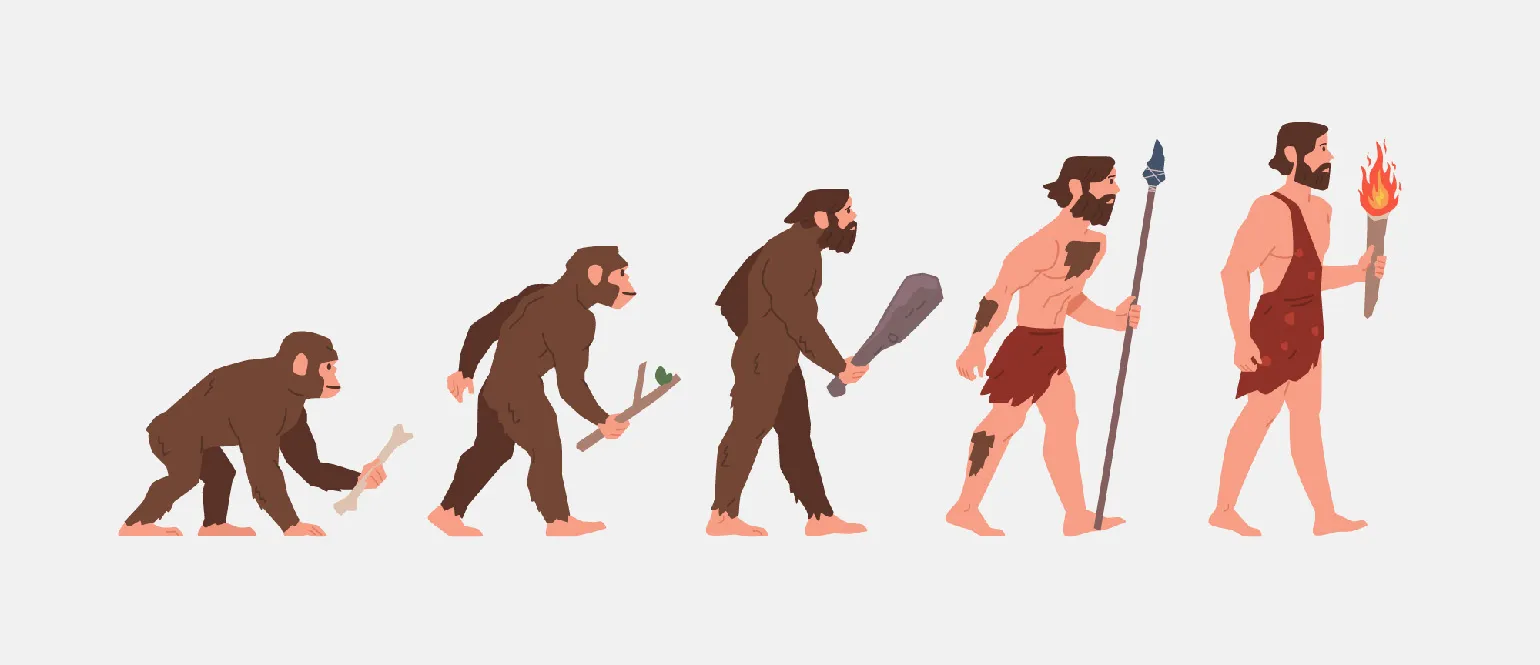
The gluteus maximus is the largest muscle in the human body. It evolved during the transition to upright walking, playing a crucial role in shaping the pelvis and ensuring stability during walking. This muscle is responsible for a variety of functions, including hip extension and rotation, making it a key element in movement and physical activity.
The gluteal muscles play an important role in maintaining stability and mobility of the body. They are responsible for hip movement, enabling walking, running, and squats. The primary functions of the gluteal muscles include hip extension, abduction, and rotation. These muscles also help maintain proper posture and promote balance during physical activity. Strengthening the gluteal muscles can prevent injury and improve overall fitness, making them an important training component for athletes and people pursuing an active lifestyle. Regular gluteal exercises can significantly improve their strength and endurance, which in turn improves lower body function.
- The gluteus maximus extends the hip, for example, when we stand, walk, run, or climb stairs. It also abducts the thigh and tilts the pelvis forward.
- The gluteus medius and minimus are responsible for abduction and rotation of the hip inward or outward, depending on the position of the leg. With a straight leg, it rotates more outward, with a bent leg, it rotates more inward.
A sedentary lifestyle leads to weakening of the gluteal muscles, which negatively affects body stability. Weak glutes can cause movement disorders and poor posture. To maintain health and proper posture, it's important to actively train your glutes, which will help improve overall fitness and prevent movement issues. Regular glute exercises not only strengthen these muscles but also help improve balance and coordination.
Top 10 Butt Exercises
Effective glute exercises can be easily performed at home using minimal equipment, such as resistance bands or dumbbells, or you can do them without equipment. Weights will be needed later, once you've mastered the technique and are looking to increase muscle mass and strength in your glutes. Regular exercise will not only improve the appearance of your buttocks but also strengthen the muscles, which is important for overall health and physical activity.
We've categorized buttock exercises by difficulty level into three categories to make the selection and training process easier. Each category includes effective exercises that will help you achieve your desired results. Start with basic exercises for beginners, gradually moving on to more challenging variations to most effectively develop and strengthen your gluteal muscles. Regular exercise combined with proper technique will help you achieve optimal results and improve your overall fitness.
The star is an ideal choice for beginners. It represents a symbol that inspires and motivates. For those just starting out in any field, the star can serve as a guide and reminder of goals. It's important for beginners to find sources of inspiration, and the star as a symbol will help you stay focused on your ambitions and dreams. Consider how celebrities can become part of your personal brand, highlighting your uniqueness and drive for success.
⭐⭐ — difficulty level: medium.
For experienced users.
Difficulty level: low
This text is designed for those just beginning to learn the basics. It offers simple and clear explanations, making the material easy to digest. Thanks to accessible language and visual examples, users will quickly grasp the topic. This is the ideal start for beginners looking to master basic skills and deepen their knowledge. The difficulty level allows you to easily study the information and apply it in practice.
The "Side Step" exercise actively engages the medius and minimus gluteal muscles. It is based on hip abduction, which involves moving the hip away from the center of the body. Introducing resistance with an expander significantly increases the difficulty of this exercise. This allows for increased stress on the gluteal muscles and improves their tone, making the "Side Step" an effective workout element for shaping a beautiful figure.
Identify the main keywords and phrases that best reflect the content of your text. Make sure they are naturally integrated into the text to increase its visibility in search engines. Start with a clear and informative title that contains the main keywords. Then create an introductory paragraph that briefly summarizes the topic and includes the keywords.
The main body of the text should be structured to logically develop the topic, providing useful information and examples. Use subheadings to separate different aspects of the topic, which will help readers perceive the information more easily. Don't forget about meta descriptions, which should be brief and informative, reflecting the essence of the text and attracting users' attention.
The concluding paragraph should summarize and emphasize the importance of the topic under discussion, and also include a call to action, if appropriate. It is important to ensure the uniqueness of the text and avoid plagiarism. : Optimize the length of your copy so that it is informative enough, but not too long to hold your readers' attention.
- Wrap the resistance band around your shins, just above your ankles.
- Stand with your feet hip-width apart or slightly wider so that you feel the band is taut and secure, but not too tight.
- Bend your knees and hips slightly, cross your arms across your chest, or find another comfortable position.
- Step one leg out to the side as far as you can comfortably, holding onto the resistance band.
- Step your other leg toward your first to return to the starting position, with your feet slightly wider than hip-width apart and keeping the resistance band taut.
- Repeat steps in this direction 10-20 times, or as many as you can. Rest and repeat on the other side.
If you're working out in a confined space, try doing stepping circles. This method will add variety to your workout and keep you active. Regularly moving in a circle not only improves coordination but also builds endurance. This approach allows you to effectively use the available space and makes your workout more dynamic.
Determining the Difficulty Level: ⭐
Difficulty levels are indicated by stars and help you understand how challenging a task or project may be. A star, indicating a low difficulty level, signals that the activity is suitable for beginners or those just starting out in a particular area. This may include simple instructions, accessible resources, and minimal skill requirements.
If you'd like to learn more about the different difficulty levels and their meanings, as well as how they influence your choice of tasks and projects, check out other resources on this topic. Selecting appropriate exercises based on your level of difficulty will help you effectively develop your skills and confidence. This exercise effectively activates the gluteus maximus and medius muscles, while also working the thighs and calves. You will need a stable platform, bench, or step. You can use dumbbells to increase the resistance and intensity of the workout. Perform the exercise as follows: First, prepare a comfortable, distraction-free space. Then, define the goal of the exercise to focus on the result. Begin with a warm-up to warm up your muscles and prepare your body for the effort. Gradually increase the intensity, maintaining proper technique. Pay attention to your breathing; it should be even and calm. Finish the workout with stretching to help your muscles recover and prevent injury. Regularly performing this exercise will help improve your fitness and overall endurance.
- Stand with your feet shoulder-width apart, holding dumbbells in your hands, palms facing in.
- Lower and retract your shoulder blades. Try not to raise your shoulders.
- Slowly step your right foot onto the platform, firmly placing it on the ground while maintaining an upright torso. Your knee should be approximately level with your toes.
- Actively push off with your right leg, lifting your body up.
- Keep your left leg in the air for added challenge and to work on your balance.
- Slowly transfer your weight to your right leg and step your left foot back to the floor.
- Return your right leg to the starting position.
- Repeat the movement 10–20 times, alternating legs or performing an approach on each side alternately.
Difficulty level: easy
This difficulty level is ideal for beginners. Here you will get acquainted with the basics and gain the necessary skills to confidently move forward. Simple tasks will help develop logical thinking and learn how to apply acquired knowledge in practice. A good time to start learning and mastering new concepts. Don't miss the opportunity to improve your competencies.
Hip abduction is one of the key functions of the gluteal muscles. To achieve maximum effectiveness of this exercise, it is necessary to perform the movement while minimizing the involvement of the hip muscles. This will focus the load directly on the gluteal muscles, which contributes to their strengthening and development. Proper hip abduction technique helps avoid injury and ensures optimal training results.
Technique is a key aspect of successful practice in any exercise. Correct technique ensures efficiency and safety, and helps achieve your goals. To achieve optimal results, it is necessary to pay attention to each step of the process. It is important to follow the sequence of actions and take into account individual characteristics. Using special methods and recommendations will help improve the quality of performance and avoid mistakes. It is important not only to master the basic skills, but also to constantly develop, improving your skills. Regular practice and analysis of your actions help to improve skill and self-confidence.
- Lie on your side on the mat.
- Place your lower arm under your head, the upper arm in front of you for support.
- Straighten your legs, feet together, body and pelvis in one line (do not fall forward or backward).
- As you exhale, slowly lift your top leg up about 30-45 degrees (not higher than your pelvis). Any movement beyond this position engages the entire thigh and takes the gluteal muscles out of the exercise.
- As you inhale, slowly lower your leg down without touching your bottom leg.
- After 10–20 repetitions, roll over and perform the exercise with the other leg.
Difficulty Level: Easy
This level is suitable for beginners who are just starting to master a new topic or skill. It is ideal for those who want to gain an initial understanding and confidence in their abilities. Tasks at this level do not require specialized knowledge and can be completed with minimal effort. This is an excellent start for those who want to gradually develop and delve into the subject.
No additional equipment is required to perform the exercise. It can be performed both at home and in the gym. This makes the exercise accessible to anyone looking to stay active and get in shape.
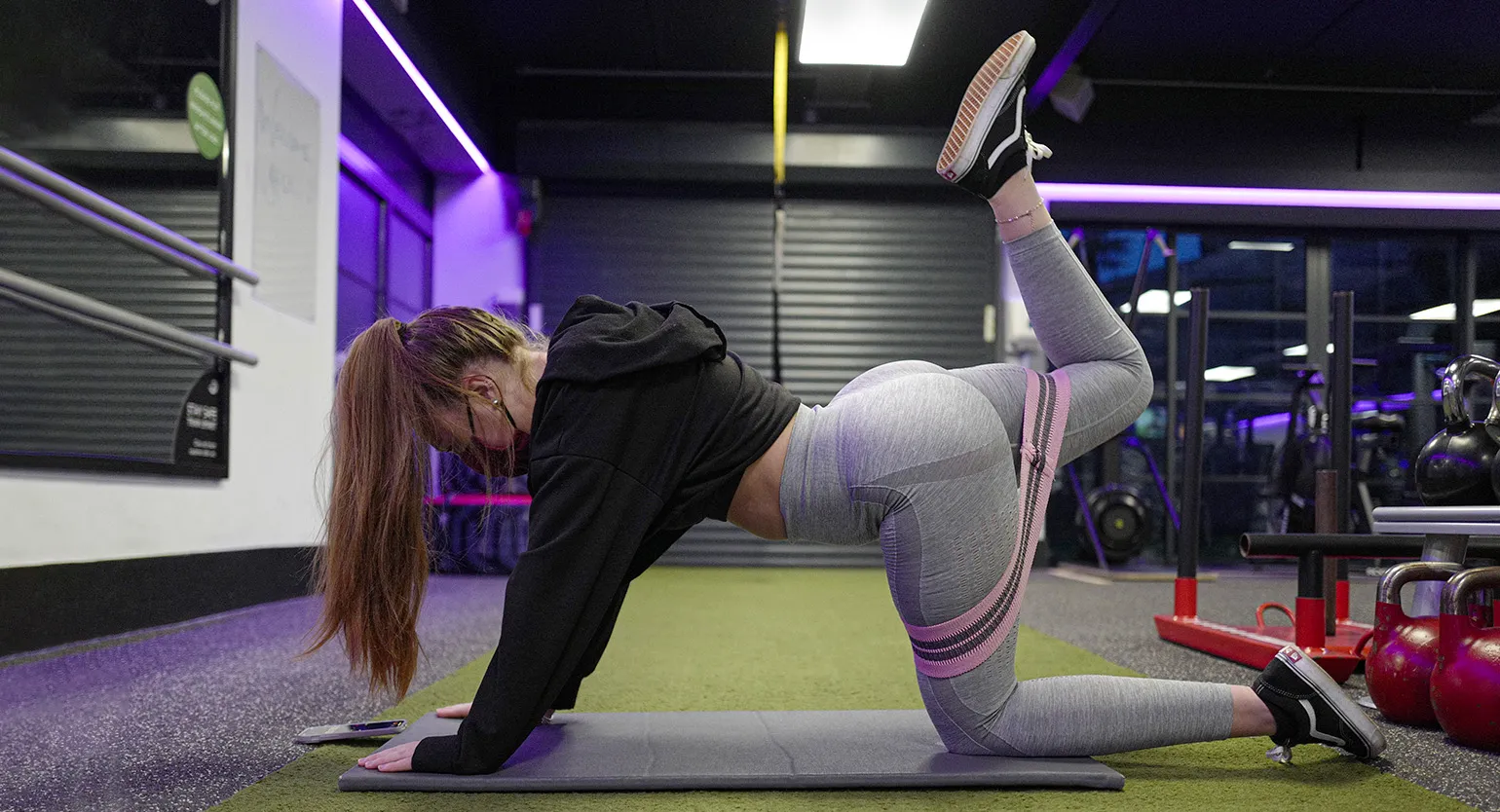
- Get on all fours with your hands under your shoulders and your knees hip-width apart.
- Lift one leg up and back toward the ceiling without straightening your knee.
- Return to the starting position and repeat on the other side.
- Do one to three sets of 10–16 reps.
Difficulty level: medium.
Text can be optimized for SEO by adding keywords and improving the structure. Make sure the content remains relevant and informative. This will help attract the attention of search engines and increase the visibility of the page. The main points should be clearly highlighted so that readers can easily navigate the material.
Focus on keeping the text concise and clear, avoiding unnecessary complexity. Use simple and effective phrases to convey the essence. This will help improve user engagement with the content and increase its value. Make sure keywords fit organically into the text without disrupting its readability.
To perform Bulgarian lunges, you will need a bench or other stable surface. This exercise effectively strengthens the gluteal muscles and also develops the muscles of the front and back of the thighs. Regularly performing Bulgarian Split Squats improves overall fitness and increases endurance. Technique is an important aspect that determines the effectiveness and safety of any exercise or activity. Proper technique not only helps achieve desired results but also reduces the risk of injury. Key principles include proper body positioning, breathing control, and concentration on the movement being performed. When learning a new technique, it's recommended to start slowly to become aware of each movement and avoid mistakes. Regular practice and attention to detail will help improve your skills and build confidence. It's important to remember that mastering the technique requires time and patience, so don't rush into increasing the load or speed. The process of learning and perfecting technique is the path to success in any activity.
- Stand with your back to a bench, step, sofa, bed, table, or chair.
- Take a wide step forward with one foot and place the other foot on the bench behind you, with the back of your foot facing down.
- Straighten your back and lean your torso slightly forward, lowering your back knee to the floor. Your body weight should be concentrated mainly on your front leg.
- Lower yourself down, touching your knee to the floor.
- Push off the floor with your heel and return to the starting position.
Text reworking for SEO:
Difficulty level: ⭐⭐
Learning new material can be both exciting and challenging. It's important to understand that the level of difficulty can vary depending on the topic and individual abilities. To achieve success, you need to use effective methods such as active repetition, visualization, and practice.
When working with difficult concepts, it's recommended to break the information into smaller chunks. This will help you better absorb the material and improve your understanding. It's also worth focusing on regular practice, which helps reinforce knowledge and skills.
Don't forget the importance of seeking out additional resources, such as video tutorials, articles, and forums, to find answers to your questions. Actively interacting with other students and teachers will help accelerate the learning process and make it more productive.
Ultimately, successful mastery of new material depends on your perseverance and willingness to continually learn. With the right approach, any level of difficulty will be surmountable.
For this workout, you will need one dumbbell or kettlebell. These pieces of equipment will help you effectively work different muscle groups and improve your fitness.
- Stand with your feet shoulder-width apart.
- Hold the dumbbell vertically directly in front of your chest, your elbows close to your ribcage, and your back straight.
- Begin a squat. Continue lowering until your hips are below your knees, then press both feet into the floor and return to the starting standing position.
Hip range of motion varies from person to person. Some may have significantly limited range of motion. To perform squats correctly, the American Council on Exercise (ACE) recommends avoiding squats below the point where your hips begin to tuck in and the natural curve in your lower spine disappears. This is important to prevent injury and ensure proper biomechanics of movement. Proper squat technique helps maintain joint health and improve overall fitness.
Difficulty Level: Moderate
Text:
In today's world, many people strive for self-development and skill improvement. The difficulty level of various tasks can vary, and it is important to understand that a moderate level of difficulty allows for a balance between challenge and achievement. Tasks in this category require some effort, but are still accessible to most people.
To successfully complete such tasks, it is important to develop critical thinking and creativity. This will not only help increase your level of competence but also improve overall productivity. A moderate level of difficulty provides the opportunity not only to learn from mistakes but also to find new solutions, which is an integral part of the learning and development process.
Understanding the difficulty level of tasks helps set realistic goals and expectations, which in turn promotes more effective learning and achievement.
To perform the exercise correctly, begin in the starting position: stand straight, feet together, toes pointing forward, and hands on your hips. This basic position will help you prepare for further movements and ensure proper posture.
How to perform the task correctly
To effectively perform a task, you need to follow several key steps. First, clearly define the goal and understand what exactly you need to achieve. Then, develop an action plan that includes all the necessary steps and resources.
It is important to organize your workspace to avoid distractions. Make sure you have all the necessary tools and materials on hand. Try to break the task into smaller, manageable parts, which will make the process less complicated and make it easier to track progress.
Don't forget about time. Set realistic deadlines for each step to avoid rushing and stress at the end. Regularly review your progress and adjust your plan as needed. This will help you stay on track and achieve your goals.
After completing your work, be sure to analyze your results. Assess what worked well and what could be improved in the future. This approach will allow you to improve the quality of your task performance and achieve better results in the future.
- Take a wide step to the side, keeping your back straight. Extend your arms forward to help you maintain your balance.
- Lower yourself until the thigh of your bent leg is parallel to the floor.
- Keep your other leg straight, with your foot firmly pressed to the floor.
- Push off with your supporting leg and return to the starting position.
- Repeat the lunges, exhaling as you shift your weight from one leg to the other, and inhaling as you return to the starting position.
It is important to land correctly, using the entire foot, avoiding forward lean. This will help reduce the risk of injury and ensure a more stable movement. Proper landing technique improves body control and increases the effectiveness of training. Pay attention to weight distribution and shock absorption to minimize stress on the joints.
Difficulty level: intermediate
The text you want to optimize should be rewritten with an emphasis on keywords and phrases that can increase its visibility in search engines. For example, you can emphasize that this difficulty level is suitable for people with certain skills or experience.
The intermediate difficulty level is suitable for those who already have some basic knowledge and want to develop their skills further. It provides an opportunity to understand the topic in more depth and master more complex concepts. People familiar with the basics will be able to successfully cope with the tasks and challenges offered by this level.
This difficulty level will not only improve your skills but also prepare you for more challenging exercises in the future. You'll learn new approaches and techniques, which will help you in the future.
This exercise is recommended for use in a gym under the guidance of an instructor. Once you master the technique, you can safely practice it at home. Training with a professional will help you avoid mistakes and improve the effectiveness of your workouts.
Technique is key to successfully completing any task or exercise. Proper technique not only improves efficiency but also reduces the risk of injury. Learning the fundamentals and sequence of actions plays a vital role in achieving your desired results. It's important to pay attention to every step, from preparation to completion. This will allow you to optimize your efforts and achieve better results in the shortest possible time. Remember to practice regularly to master your skills and improve your technique.
- Pick up the barbell from the rack so that it rests on the upper part of your trapezius muscles, closer to the base of your neck.
- Stand up straight with your feet slightly wider than shoulder-width apart and your toes turned slightly outward.
- Perform a squat, keeping your back straight and your chest lifted. Your hips should remain below your knees.
- Rise from the squat by mentally "pushing the floor" with your heels.
Be sure to position your knees correctly—they should be level with your feet. To avoid leaning forward, it is important to engage your core muscles, especially your transverse abdominis. This will help maintain stability and improve exercise effectiveness. Proper technique not only contributes to better results but also reduces the risk of injury.
Difficulty level: medium
Text for SEO:
Determining the difficulty level of a task is an important aspect both in training and in professional activity. The difficulty level can vary from simple to more complex tasks requiring in-depth knowledge and skills. A medium level of difficulty indicates the need to apply certain skills and experience, as well as the ability to analyze and solve problems. When performing tasks of this level, it's important to consider the time required to complete them, as well as the resources available. Properly assessing the level of difficulty will help optimize your workflow and improve your efficiency.
This is a modification of the traditional Romanian deadlift, performed in a single-leg position with the other leg raised back and up. Equipment is optional, but you can optionally add a dumbbell or kettlebell in one or both hands. If equipment is unavailable, some trainers recommend using water bottles. This technique effectively develops leg strength and stability, improving balance and coordination.
Exercise technique involves maintaining proper posture and movement sequences. It's important to begin with a warm-up to prepare your muscles and joints for the stress. Then, while performing the exercise, control your breathing and maintain proper technique to avoid injury. It's recommended to use mirrors for self-monitoring to ensure proper form. After completing the workout, cool down to restore normal muscle tone and reduce the risk of muscle soreness. Proper exercise technique not only increases the effectiveness of your workout but also promotes overall safety.
- Stand up straight with your feet together.
- Hold a dumbbell (or kettlebell) in one hand, on the same side as your supporting leg.
- Bend your supporting leg slightly for stability.
- Lean forward while simultaneously extending your free leg back until your torso and back leg form a line.
- Slowly return to the starting position, maintaining balance.
Difficulty level: medium.
The text should be optimized for search engines to improve its visibility and attract more readers. It is important to maintain the main topic and avoid adding unnecessary information.
When editing the text, pay attention to the use of keywords that can help with SEO optimization. Ensure a logical and consistent presentation of the material, emphasizing its value to the target audience.
Optimized content should be easy to read, clear, and informative so readers can quickly find the information they're looking for and be satisfied with the information they receive.
For your workout, you'll need a barbell or EZ-bar, as well as a bench or sturdy support if you're working out at home. Choosing the right equipment is essential to achieving your fitness goals. A barbell is ideal for a variety of exercises, including bench presses and squats, while an EZ-bar reduces wrist strain when performing isolation exercises. Make sure your equipment is appropriate for your needs and fitness level to ensure safe and effective workouts.
Technique is a key aspect of any physical activity or workout, affecting the effectiveness and safety of your exercises. Proper technique helps prevent injury and maximize results. To achieve the best results, it's important to thoroughly study and master the fundamental principles of each exercise. Whether you're strength training, cardio, or a group fitness program, proper technique should be a priority. Paying attention to details like body position, breathing, and speed will not only improve your fitness but also enhance the overall quality of your workout. Regular practice and attention to technique will help you reach your goals and improve your results.
- Lie on the floor with your back against the bench. Press your shoulder blades into the bench.
- Choose a point directly in front of you to focus your gaze to maintain a neutral spine.
- Raise your hips until your shins are parallel to the floor.
- Lift the barbell or barbell to hip level, just above your pelvis.
- Grab the bar with an overhand grip.
- Press your heels into the floor and lift your hips up. As you rise, push your knees out to the sides to protect them. Your torso and thighs should form a V-shape.
- Hold the position at the top for a few seconds.
- Return to the starting position.
If you are training in a limited space, performing steps in a circle is an effective solution. This method allows you to optimize the available space while maintaining a dynamic workout. Regular circular steps will help improve your endurance, coordination, and overall fitness. You can combine steps with other exercises for maximum effect.
Hip range of motion varies from person to person, and for some, it may be significantly limited. To perform squats correctly, the American Council on Exercise (ACE) recommends not going below the level where your hips begin to tuck in and the natural curve in your lower spine disappears. This will help prevent injury and improve the effectiveness of the exercise. Proper squat technique is important for maintaining joint and spinal health, as well as achieving your desired workout results.
Land on the entire ball of your foot, avoiding leaning forward. This is key to ensuring proper landing technique, which helps reduce the risk of injury and improve the overall efficiency of your movements. Proper weight distribution on the foot allows for better balance control and prevents unnecessary stress on the joints.
Can I enlarge my buttocks with exercise?
Numerous studies confirm the effectiveness of strength training for improving the shape of the buttocks. For example, a study conducted by Nigerian scientists observed 111 women aged 18-30. The participants were divided into three groups: the first group performed squats, the second - the "Kicking Donkey" exercise, and the third group, which did not engage in physical activity, served as a control. After six weeks of training, both active groups showed an increase in the volume and strength of the gluteal muscles, as well as a decrease in fat in this area. These data emphasize the importance of targeted exercises to achieve the desired results in shaping the buttocks.
To achieve noticeable results in training, it is necessary to include resistance elements. It is important to constantly increase the weight used, since it is overcoming the load that contributes to muscle growth. Although the number of repetitions is not critical, professional trainers recommend performing 8-12 repetitions of each exercise in one set for optimal muscle stimulation.
Information sources play a key role in the process of gaining knowledge and making decisions. They can be varied: from scientific studies and articles to news publications and online resources. Choosing the right sources allows you to obtain reliable and up-to-date data, which is especially important in the context of rapidly advancing technology and changing information. When working with sources, it is important to critically evaluate their reliability and relevance to avoid the dissemination of false information. By studying various sources, we can gain a deeper understanding of the subject and form informed conclusions. It is important to remember that the quality of information directly impacts our level of understanding and ability to make informed decisions.
- Buckthorpe M., Stride M., & Della Villa F. Assessing and treating gluteus maximus weakness — a clinical commentary International Journal of Sports Physical Therapy. 2019. 14(4). 655–669. DOI: 10.26603/ijspt20190655.
- Anatomy of strength exercises using body weight as resistance / B. Contreras; translated from English by S. E. Borich. Minsk: Popurri, 2015. 224 p.
- 6 Glute medius exercises for strength & stability. Expert Fitness Articles | ACE.
- Ingerleib M. B. Anatomy of physical exercises. Rostov n / D: Phoenix, 2009. 188 p.
- How low to go: Examining squat depth from a safety and biomechanical perspective. Expert Fitness Articles | ACE.
- Okoh A., & Ekechukwu N. Effects of six weeks donkey kick and squat resistance exercises on gluteal adiposity, muscle strength, and muscle bulk of young Nigerian female adults: A randomized controlled trial. International Journal of Medicine and Health Development. 2020. 25(1). 28.DOI: 10.4103/ijmh.ijmh_36_19.
- Strength Training the glutes: an evidence-based approach. Expert Fitness Articles | ACE.