Contents:

Free test: which digital profession is right for you? Find out the answer in 15 minutes and try your hand at a new specialty.
Find out English: moreHow is vitamin B12 different from other vitamins?Vitamin B12 is a unique vitamin containing the essential mineral cobalt. All its forms are united under the general name "cobalamins". However, in medical practice, only two stable forms of vitamin B12 are used: cyanocobalamin and hydroxycobalamin. Most often, vitamin B12 is understood to mean cyanocobalamin, which is widely used to maintain health and prevent various diseases. This vitamin plays a key role in metabolism, the formation of red blood cells and maintaining the normal functioning of the nervous system.
What is vitamin B12 for?
Vitamin B12 plays an important role in the physiological functions of the human body, acting in the forms of methylcobalamin and adenosylcobalamin. These active compounds are distributed throughout all tissues of the body. They penetrate red blood cells (erythrocytes), the liver, and the kidneys most rapidly, while adipose tissue, muscle, bone, and the brain receive vitamin B12 last. Vitamin B12 is essential for DNA synthesis, red blood cell formation, and the maintenance of a healthy nervous system, highlighting its importance for overall health.
Cobalamides play a vital role in various biochemical reactions in the body. They are essential for normal cellular function, contributing to numerous processes such as DNA synthesis, red blood cell formation, and the maintenance of a healthy nervous system. Cobalamides support metabolism, influencing energy levels and overall well-being. Their deficiency can lead to serious disorders, such as anemia and problems with cognitive function.
- synthesize new DNA - grow and divide;
- "collect" heme - the non-protein part of the molecule that carries oxygen in erythrocytes (red blood cells);
- digest and process fats - vitamin B12 regulates [5] the work of liver enzymes, so when it is lacking, the liver produces more cholesterol;
- form protective "cases" for nerves - myelin sheaths;
- help in the absorption of other vitamins, such as folic and ascorbic acids.
Daily intake of vitamin B12
The body's daily requirement for vitamin B12 is from 1.4 to 3.0 mcg. However, each country sets its own intake standards. For example, the National Institutes of Health (NIH) in the United States recommends specific values based on a person's age, gender, and physiological status. Vitamin B12 plays an important role in maintaining health, including participating in the formation of red blood cells, maintaining nervous system function, and DNA synthesis. Therefore, it is important to ensure adequate levels of this vitamin in the diet, especially for people following a vegetarian or vegan diet, since the main source of B12 is Animal products.
- From birth to 6 months - 0.4 mcg;
- 7-12 months - 0.5 mcg;
- 1-3 years - 0.9 mcg;
- 4-8 years - 1.2 mcg;
- 9-13 years - 1.8 mcg;
- 14+ years - 2.4 mcg.
According to the standards established by the Ministry of Health of the Russian Federation, the daily intake for adults is 3.0 mcg.
Which foods are high in vitamin B12?
Cyanocobalamin, also known as vitamin B12, is not found in plants because they do not require it for metabolism. The main source of vitamin B12 is animal food. The highest content of this vitamin is found in certain foods, as confirmed by the data in the table. It is important to keep in mind that vegetarians and vegans should seek alternative sources or supplements to obtain sufficient amounts of vitamin B12.
Beef liver is one of the richest sources of vitamin B12. One serving of beef liver contains 67 micrograms of cyanocobalamin, which is almost 3000% of the recommended daily intake for adults. Regular consumption of beef liver helps maintain a healthy nervous system, improves energy levels, and promotes the formation of red blood cells. This product is not only nutritious but also easily absorbed by the body, making it a valuable component of a balanced diet.
Research into the effects of liver on human health led to the discovery of vitamin B12. In 1926, scientists George Mycott and William Murphy found that eating raw liver helped improve the condition of patients with severe anemia, characterized by low levels of red blood cells and hemoglobin in the blood. This discovery suggested the presence of a special component in the liver with medicinal properties. About 20 years later, in 1948, British biochemist Dorothy Hodgkin isolated the vitamin B12 molecule, for which she received the Nobel Prize in Chemistry. Vitamin B12 plays a key role in maintaining health, including the formation of red blood cells and the functioning of the nervous system.
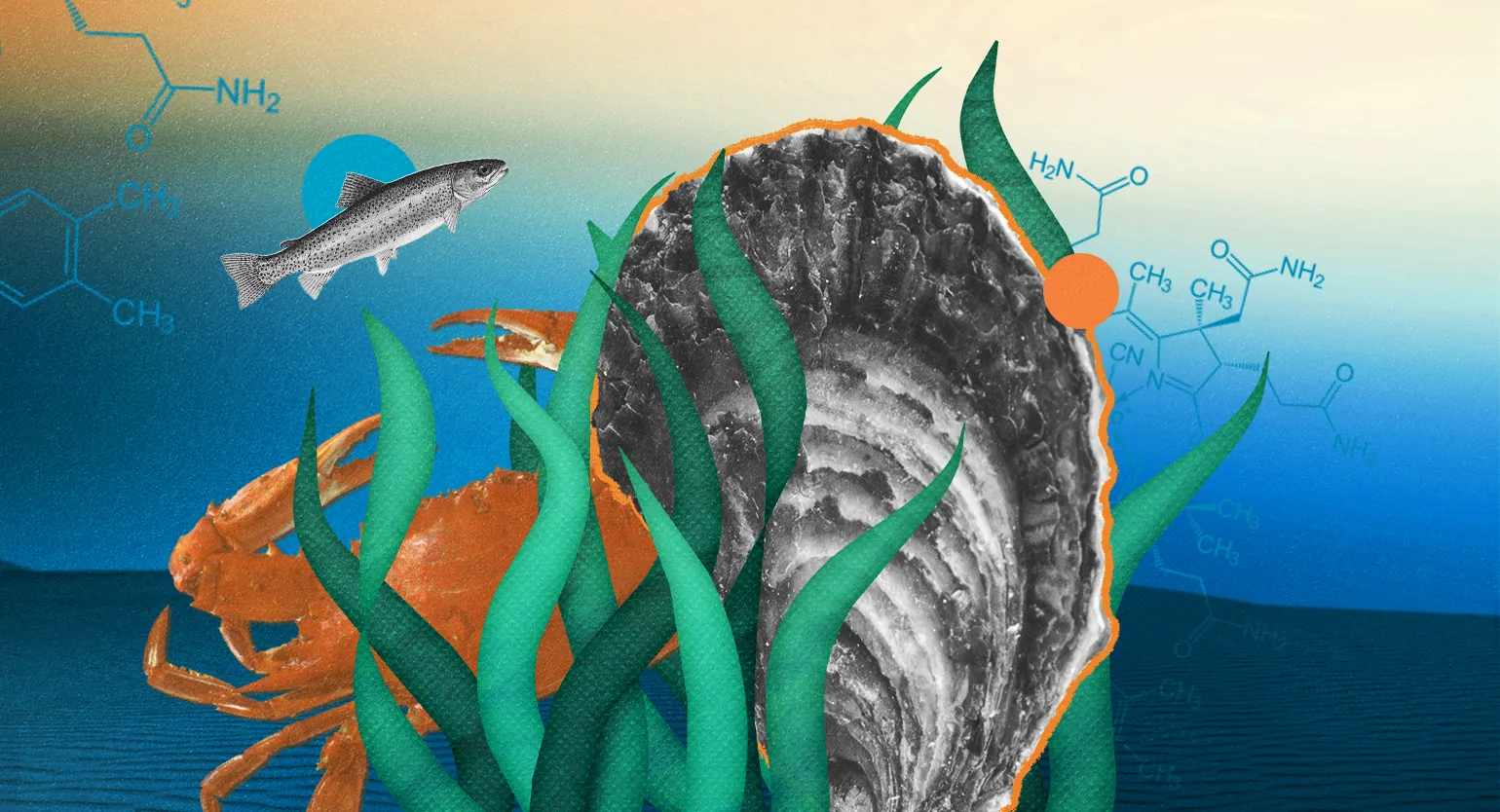
The first vegan food with vitamin B12 on our list is seaweed, also known as kelp. This seaweed is often featured in Korean dramas, where it is served as a delicacy. Seaweed is a traditional food in Asian countries and has remained popular for over two thousand years. It is not only delicious but also healthy, as it provides vitamins and minerals necessary for a balanced diet. Including kelp in your diet can help maintain vitamin B12 levels, which is especially important for vegans and vegetarians.
100 grams of dried seaweed contains up to 60 mcg of vitamin B12. Seaweed absorbs this vitamin thanks to bacteria living in seawater. Vitamin B12 plays an important role in maintaining a healthy nervous system and the formation of red blood cells. Therefore, including dried seaweed in the diet can be a useful source of this important vitamin, especially for people following a vegetarian or vegan diet.
Oysters, now considered a gourmet delicacy, were once the food of the poor in Europe and America. Until the 19th century, they were readily available due to their abundance in coastal waters. In Victorian England, the poor preferred oysters to bread because of their low cost and high nutritional value: two dozen fresh oysters cost as much as one loaf of bread. During this era, oysters likely served as a primary source of vitamin B12, as a single serving (85 g) can contain ten times the recommended daily intake of cyanocobalamin. Thus, oysters were not only an affordable food but also significantly contributed to public health. Oyster consumption helps prevent two types of anemia: B12 deficiency and iron deficiency. The iron found in oysters is absorbed by the body 2-3 times more easily than iron from plant sources. This makes oysters a valuable food for maintaining normal iron levels in the blood and improving overall health. Incorporating oysters into your diet can be an effective way to combat anemia and maintain energy balance.
Optimizing text for SEO is an important step in improving the visibility of your content in search engines. Proper use of keywords, creating unique and informative content, and structuring the text with headings and subheadings will help attract more visitors to your site. Don't forget about meta tags and descriptions, which also play a significant role in search engine optimization. Remember that high-quality content attracts users, which, in turn, contributes to higher search engine rankings. It's also important to regularly update information and keep your materials relevant to stay competitive in your niche.
Iron Deficiency: Its Dangers and How to Replenish
Iron deficiency is a serious health problem, as this mineral plays a key role in the formation of hemoglobin, which is responsible for transporting oxygen in the body. Iron deficiency can lead to anemia, metabolic disorders, and decreased immune function. Symptoms of deficiency include general weakness, fatigue, pale skin, and dizziness.
To replenish iron levels, it is important to include foods rich in this mineral in your diet. Such foods include red meat, chicken, fish, legumes, spinach, and nuts. It's also worth considering sources of vitamin C, which promotes iron absorption, such as citrus fruits, berries, and peppers.
If needed, you can consider taking iron supplements, but consult your doctor first to avoid negative consequences. Maintaining optimal iron levels in the body will help improve overall health and increase energy levels.
Nutritional yeast is a vegan product that contains vitamin B12 in amounts comparable to oysters. For many of us, this word evokes fond memories of childhood, when grandma or mom would make dough, and its rise was ensured by the activity of baker's yeast. When yeast is processed at high temperatures, it loses its ability to reproduce, but retains all its beneficial properties and becomes safe for consumption. Nutritional yeast can be used as an additive to a variety of dishes: sprinkle it on popcorn, kale chips, or pasta, or add it to salad dressings and breadings. This product not only enriches the flavor of dishes but is also an excellent source of vitamins, making it an ideal choice for vegans and those seeking a healthy diet.
Crab meat contains significant amounts of vitamin B12 and protein, while its cholesterol levels are minimal. According to the FDA, crabs have the lowest mercury levels of any shellfish. This makes crab meat not only nutritious but also a safe choice for eating.

Crab meat is a unique product and cannot be replaced with crab sticks. Crab sticks are made from whitefish or surimi to mimic the texture, shape, and flavor of real crab legs. Although they are a low-calorie option, crab sticks contain a high amount of salt. Therefore, people with a predisposition to high blood pressure are advised to avoid this product. It is important to understand that crab meat and crab sticks differ not only in taste but also in nutritional properties, making them incomparable.
The American Heart Association strongly recommends including fish in your diet at least twice a week. This is because fish is a valuable source of healthy fatty acids, which promote cardiovascular health. Furthermore, one serving of fresh sardines contains 7.6 mcg of vitamin B12, making them an excellent choice for maintaining normal levels of this important vitamin. Eating fish not only enriches your diet with nutrients but also promotes overall health.
If you enjoy canned sardines, it's recommended to rinse them under cold water before cooking. This will remove excess salt and improve the flavor. Rinsed sardines will not only be more tender but also allow you to complement them with other ingredients without overpowering the overall flavor.
Trout contains slightly less vitamin B12 than sardines, but it provides double the daily requirement of cyanocobalamin. The best way to cook trout is grilling with a small amount of extra virgin olive oil. It is recommended to use spinach, garlic and baked sweet potatoes as a side dish, which makes the dish not only tasty but also healthy.

Read also:
Fish is a valuable source of nutrients and beneficial substances for human health. It is rich in protein, omega-3 fatty acids, vitamins, and minerals that help improve cardiovascular function, strengthen the immune system, and support brain health. Regular fish consumption can reduce the risk of cardiovascular disease, improve the condition of skin and hair, and even have a positive impact on mental health.
However, fish is not suitable for everyone. People with allergies to fish or shellfish should avoid it. Additionally, some types of fish can contain high levels of mercury and other toxic substances, making them unsafe for children and pregnant women. Therefore, it is important to choose fish that is safe and healthy, and to take into account individual characteristics and health conditions.
Including fish in your diet can provide many benefits, but it is always a good idea to consult a doctor or nutritionist when making changes to your diet.
Beef is an excellent source of vitamin B12, meeting 66% of the daily requirement. However, it should be kept in mind that cooking affects the vitamin content of a product. A study by Małgorzata Czerwonka and her colleagues from the Medical University of Warsaw found that grilling beef preserves 100% of its vitamin B12. However, frying can reduce its content by 32%. Therefore, the choice of cooking method for beef matters not only for taste but also for preserving the product's beneficial properties.
One glass of low-fat milk (1.5% fat) contains 1.5 mcg of cyanocobalamin, which satisfies over 60% of the daily requirement for vitamin B12. Milk is an excellent source of calcium and protein, especially for children. However, with the onset of adolescence, many people experience a decrease in lactase levels, the enzyme responsible for digesting milk sugar. In older people, lactase activity often drops to critically low levels, so fermented milk products are more suitable for them. These foods not only promote better nutrient absorption but also help maintain a healthy digestive system.
Milk can be replaced with Greek yogurt, which is high in vitamin B12. This type of yogurt is distinguished by its thick and creamy texture. To produce it, it undergoes a filtration process that removes most of the whey and milk sugar. The result is a product with a high concentration of protein, probiotics, calcium, and vitamins. For example, 200 grams of Greek yogurt contains 1 mcg of vitamin B12. Choosing Greek yogurt is important not only for its nutritional value, but also for its positive effects on digestive health.
Read also:
Lactose intolerance: what it is and how common it is
Lactose intolerance is a condition in which the body cannot digest lactose, a sugar found in dairy products. This occurs due to a deficiency of the enzyme lactase, which is responsible for breaking down lactose in the small intestine. When lactose isn't digested, it can cause a variety of unpleasant symptoms, such as bloating, gas, diarrhea, and abdominal pain.
Statistically, lactose intolerance affects a significant portion of the population, especially among people of certain ethnic backgrounds. While among Europeans, this diagnosis is most common, affecting 5-15% of people, in some Asian and African countries, the intolerance rate can reach 90%. This makes lactose intolerance one of the most common food intolerances in the world.
It's important to note that lactose intolerance should not be confused with milk allergy, which is the body's immune response to the proteins found in dairy products. People with lactose intolerance can sometimes consume low-lactose dairy products or special lactose-free alternatives to avoid unpleasant symptoms.
If you suspect you may have lactose intolerance, it is recommended to consult a doctor for diagnosis and possible treatment. Proper diagnosis and dietary changes can improve your quality of life and avoid discomfort.
Fortified breakfast cereals are an excellent source of vitamins and minerals. One serving of such cereal can satisfy about 25% of the daily requirement for vitamin B12. However, not all cereals are created equal. It is important to carefully read the product's ingredients and ensure that there is no added sugar and that whole grains are used. This ensures not only the necessary nutrients but also sufficient fiber, making your breakfast more balanced and healthy. Choosing the right cereal can help you maintain health and energy levels throughout the day.
Egg yolks are a source of fat-soluble vitamins A and D, while the whites contain water-soluble vitamins, including cobalamins. Hard-boiled eggs are recommended, as two hard-boiled eggs provide 1.2 mcg of vitamin B12 and cover at least half of the daily value of this important vitamin.
Who needs more vitamin B12?
Cyanocobalamin, or vitamin B12, is unique among water-soluble vitamins in that it can accumulate in the body. The main storage site for this vitamin is the liver, which contains about 5,000 mcg of cyanocobalamin. Each day, the liver secretes a small amount of the vitamin - 3-7 mcg, which enters the intestines with bile. However, about 75% of this amount is returned to the liver. Thanks to this recycling cycle, vitamin B12 stores can sustain the body for approximately one year. This makes cyanocobalamin essential for maintaining health, especially for people following vegetarian or vegan diets, where deficiency is possible.
There are groups of people who may experience vitamin B12 deficiency much earlier than others. Vitamin B12 plays a key role in maintaining health, and its deficiency can lead to serious consequences. These groups include vegetarians and vegans, who have limited access to sources of this vitamin, as well as people with certain medical conditions, such as gastrointestinal diseases, that make it difficult to absorb nutrients. Also at risk are older adults, whose ability to absorb vitamin B12 may decline with age. It is important to regularly test vitamin B12 levels and take supplements if necessary to prevent deficiency.
- Vegetarians. Cyanocobalamin deficiency occurs in 4–8 out of 10 people who give up meat consumption.
- People with stomach and intestinal diseases. For the absorption of cobalamins from food, the presence of the Castle intrinsic factor is required. This is a special substance that is formed [24] in the cells of the stomach. This factor carries cyanocobalamin "out of turn" and in large quantities. Every day, the stomach secretes as much Castle factor as is needed to absorb [24] 40–80 mcg of vitamin B12. This is approximately 70% of the total amount received with food. Without the Castle factor, only 2% of cyanocobalamin is absorbed.
- Elderly. The absorption of vitamin B12 from food deteriorates [4] from the age of 50. The fact is that with age, there are fewer [3] stomach cells left that produce Castle's intrinsic factor.
- Pregnant women. During pregnancy and breastfeeding, the need for vitamin B12 increases. This is especially true for women on a plant-based diet.
- People with diabetes. The absorption of vitamin B12 is interfered with by metformin, a drug that has been used for a long time [25] to control blood sugar levels.
- Children who are breastfed for a long time. Infants experience [4] vitamin B12 deficiency if breast milk remains their main food after six months, and complementary foods are introduced late or in small quantities.
- Adults who abuse alcohol. In men, cyanocobalamin from food is absorbed worse [26] after two servings of an alcoholic beverage, and in women - after one.
The volume of an alcoholic beverage is determined by the ethanol content in it. According to the World Health Organization, a standard serving of wine is one glass, a serving of beer is half a mug, and a serving of vodka is one shot. Knowing these standards is important for responsible drinking and maintaining good health.
Is it true that the body can synthesize B12?
Human cells are unable to synthesize vitamin B12, but it is still produced by microorganisms living in the intestines. Most friendly bacteria produce an inactive version of vitamin B12 known as "pseudovitamin B12." The actual active vitamin, produced by bacteria, is extremely low in the body, making it an insufficient source. Therefore, it is important to obtain the majority of cyanocobalamin from food. Including foods rich in vitamin B12, such as meat, fish, eggs, and dairy products, in your diet will help ensure adequate levels of this important nutrient.
Literature is a vast field of human activity, encompassing a variety of genres and forms of written art. It includes works of fiction, such as novels, poetry, and drama, as well as scientific and journalistic texts. Literature allows us to immerse ourselves in the worlds created by the authors' imaginations and simultaneously serves as a mirror reflecting the realities of society, its values, and problems.
Reading literature not only develops imagination and critical thinking but also helps broaden our horizons. Through books, we can travel through time and space, becoming acquainted with different cultures and points of view. Literature strengthens emotional connections between people and helps us understand ourselves and the world around us.
Modern literature continues to evolve, adapting to changes in society and technology. New genres and formats, such as graphic novels and e-books, are emerging, making literature more accessible and diverse. Despite these changes, literature's core function remains unchanged—it continues to be a means of self-expression and communication, as well as a source of inspiration and knowledge for future generations.
Avdey G. M., Kulesh S. D., Khopersky P. G., and Oganesyan A. A. examine the neurological manifestations associated with vitamin B12 deficiency. The article, published in the journal "Medical News" in 2020, issue 4 (307), pages 47-51, examines the symptoms and consequences of a lack of this important vitamin. Vitamin B12 deficiency can lead to serious neurological disorders, so timely diagnosis and treatment are critical for health. The study highlights the importance of maintaining normal vitamin B12 levels to prevent neurological disorders and maintain overall health.
T. Perekatova and M. Ostroumova, in their article "Once Again on Vitamin B12 Deficiency" published in the journal "Clinical Oncohematology. Fundamental Research and Clinical Practice" in 2009, discuss the importance of vitamin B12 for health. Deficiency of this vitamin can lead to serious consequences, including anemia and neurological disorders. The authors provide a detailed analysis of the causes of deficiency, its impact on the body, and diagnostic methods. The article highlights the need for timely detection and correction of vitamin B12 deficiency in clinical practice to improve patients' quality of life.
A. Khapalyuk, in his article "Vitamin B12: Biological Significance, Pathogenetic Mechanisms, and Clinical Manifestations of Vitamin Deficiency," examines the importance of vitamin B12 for the body, its role in metabolic processes and the consequences of this vitamin deficiency. Vitamin B12 plays a key role in DNA synthesis, red blood cell formation and maintaining the health of the nervous system. The author also describes the pathogenetic mechanisms leading to vitamin B12 deficiency and the clinical manifestations that can arise from this condition. The article was published in the journal "Medical Affairs" in 2019, issue 4(68), pages 17-23, and is an important source of information for medical and healthcare professionals, as well as for anyone interested in nutrition and health.
Ushkalova E. A., Zyryanov S. K., Zatolochina K. E. present new approaches to the diagnosis and treatment of conditions associated with vitamin B12 deficiency. In the article published in the journal "Preventive Medicine" in 2021, volume 24, issue 3, pages 59–66, reviews current diagnostic methods and modern therapeutic strategies for the effective management of B12 deficiency. The study highlights the importance of early detection of vitamin B12 deficiency and optimization of therapeutic measures to improve the quality of life of patients.
Adaikalakoteswari A., Finer S., Voyias P. D. and others investigated the effect of vitamin B12 deficiency on cholesterol synthesis. They found that deficiency of this vitamin limits S-adenosylmethionine levels and alters methylation of the SREBF1 and LDLR genes. The study was published in the journal Clinical Epigenetics in 2015. DOI: https://doi.org/10.1186/s13148-015-0046-8. This discovery highlights the importance of vitamin B12 for cholesterol metabolism and cardiovascular health.
The National Institutes of Health is providing a vitamin B12 fact sheet for healthcare professionals. This document provides up-to-date information on the importance of vitamin B12 for health, its sources, recommended dietary allowances, and the consequences of deficiency. Vitamin B12 plays a key role in red blood cell formation, nervous system function, and DNA synthesis. Healthcare professionals should be aware of the symptoms of deficiency and ways to prevent deficiency, especially in at-risk groups such as vegetarians and the elderly. For a deeper understanding and correct application of the information on vitamin B12, we recommend that you read the full text of the information sheet.
Methodological recommendations MP 2.3.1.0253-21 "Norms of physiological requirements for energy and nutrients for various groups of the population of the Russian Federation" were approved by the Federal Service for Surveillance on Consumer Rights Protection and Human Wellbeing on July 22, 2021. These recommendations are an important document that defines the consumption standards for energy and essential nutrients for different age and social groups of the population. The purpose of this document is to ensure an optimal level of nutrition that contributes to the health and well-being of citizens. Correct adherence to these standards helps prevent various diseases and improves quality of life. The recommendations take into account both physiological needs and lifestyle characteristics of the population, which makes them relevant for all segments of society.
You can expand the list with simple steps. To do this, click on the appropriate button or link, which is usually indicated by an arrow icon or a plus sign. The list will then be displayed in full, allowing users to see all the items it contains. The convenience of expanding the list is that it helps users quickly find the information they need without cluttering the interface with unnecessary data. This is especially important for websites with a large amount of content. Properly organizing information through expandable lists improves the user experience and facilitates better comprehension of the material.
The U.S. Department of Agriculture provides access to FoodData Central, a comprehensive resource for information on the nutritional content and composition of food products. This platform contains detailed data on various foods, promoting more informed food choices. Users can find information on calories, vitamins, minerals, and other components, assisting in diet planning and maintaining a healthy lifestyle. FoodData Central also serves as a valuable tool for researchers and nutrition professionals, providing up-to-date and accurate data.
John M. Scott and Anne M. Molloy, in their article "The Discovery of Vitamin B12," published in the journal Annals of Nutrition and Metabolism, discuss the importance of vitamin B12 for human health. Vitamin B12, also known as cobalamin, plays a key role in the formation of red blood cells, DNA synthesis, and the maintenance of normal nervous system function. The article examines the historical aspects of the vitamin's discovery, its biochemical properties, and its effects on the body. The discovery of vitamin B12 was a significant contribution to medical science, as deficiency of this vitamin can lead to serious conditions such as pernicious anemia and neurological disorders. The article is available at DOI: https://doi.org/10.1159/000343114 for those interested in a more detailed study of this topic.
Kyohei Koseki, Ryusei Yoshimura, Koki Ido, Kiho Katsuura, Tomohiro Bito, and Fumio Watanabe conducted a study to determine the vitamin B12 and folate content of commercially available edible seaweed. The results of the study were published in Frontiers in Bioscience (Elite Edition) in 2023, Volume 15, Issue 2. DOI: https://doi.org/10.31083/j.fbe1502010. The study highlights the importance of seaweed as a source of these essential vitamins and may impact dietary guidelines and public health.
Putnam E. E. and Goodman A. L., in their article “Acquisition of B Vitamins by Gut Commensal Bacteria,” published in PLoS Pathogens in January 2020, explore the mechanisms by which beneficial gut bacteria acquire B vitamins. This work highlights the importance of the relationship between the microbiota and nutrients essential for maintaining human health. B vitamins play a key role in metabolic processes and immune system function. The article is available at DOI: 10.1371/journal.ppat.1008208.
American Heritage Journal is one of the most prominent publications devoted to American history and culture. Since its founding, it has sought to deepen our understanding of historical events and their impact on the present day. In each issue, readers will find carefully researched articles covering a wide range of topics, from colonial times to contemporary events. The magazine actively engages experts and historians to provide reliable and engaging information. American Heritage not only informs but also inspires, helping readers better understand their heritage and its significance in today's context.
The U.S. Department of Agriculture provides access to FoodData Central, a database containing nutrient and food composition information. This resource is an essential tool for health, dietetics, and nutrition professionals, as well as anyone interested in healthy living and proper nutrition. FoodData Central offers detailed data on a variety of foods, allowing users to make informed decisions about their diets. Using this database can help monitor calorie, vitamin, and mineral intake, as well as plan balanced meals.
Jackson J., Williams R., McEvoy M., MacDonald-Wicks L., Patterson A. conducted a systematic review examining the association between meat consumption and iron status in adults in developed countries. Their work, published in the journal Nutrients in 2016, examined how higher meat consumption may affect iron status. The article highlights the importance of studying dietary habits and their impact on health, particularly in the context of ensuring adequate iron levels. DOI: https://doi.org/10.3390/nu8020089
Mercury levels in commercial fish and shellfish (1990–2012) represent an important aspect of marine ecosystem health and food safety. Studies conducted between 1990 and 2012 show that mercury levels in these seafood products can vary by region and species. Mercury accumulates in fish and shellfish when released into water bodies, potentially posing a health risk to humans when consumed. Data on mercury levels in commercially important fish and shellfish serve as the basis for developing recommendations for safe seafood consumption and monitoring the health of water bodies. Understanding the dynamics of mercury levels in marine resources is critical to protecting public health and sustainable fisheries management.
The American Heart Association reports that regularly eating fish twice a week can reduce the risk of heart disease and stroke. Including fish in your diet can be an important step toward improving heart health. Fish contains beneficial omega-3 fatty acids, which help normalize cholesterol levels and reduce inflammation in the body. Therefore, regular fish consumption not only improves overall health but also serves as a preventative measure against serious diseases.
The U.S. Department of Agriculture provides FoodData Central, a platform for accessing reliable nutrient and food composition information. This database is an essential resource for researchers, dietitians, and consumers seeking to learn more about the nutritional value of various foods. FoodData Central includes data on food components such as vitamins, minerals, and macronutrients, enabling informed decisions about nutrition and health. Using this information helps improve overall awareness of healthy lifestyles and proper nutrition.
The U.S. Department of Agriculture offers FoodData Central, a comprehensive food database. This tool provides detailed information on food composition, nutritional content, and calorie content. FoodData Central helps consumers, researchers, and nutrition professionals access up-to-date food data, which promotes more informed choices and improved health. The database includes information on a variety of food categories, including fresh fruits, vegetables, meat, dairy, and processed foods. Users can easily search and compare products, making FoodData Central a valuable resource for anyone interested in healthy eating and food quality.
Czerwonka M., Szterk A., Waszkiewicz-Robak B. conducted a study of the vitamin B12 content of raw and cooked beef. The results of the study were published in the journal Meat Science in 2014, Volume 96, Issue 3, Pages 1371–1375. DOI: 10.1016/j.meatsci.2013.11.022. The study highlights the importance of vitamin B12 as an essential element in the diet, especially for people who consume meat products.
The U.S. Department of Agriculture provides an extensive database of nutrients and food products through FoodData Central. This resource is a valuable tool for researchers, dietitians, and anyone interested in nutrition. FoodData Central provides information on food composition, calorie content, and other nutritional characteristics, allowing users to make more informed food choices and plan meals. Using data from FoodData Central promotes better health and well-being and increases awareness of the nutritional value of various foods.
The National Library of Medicine (NLM) is one of the largest medical libraries in the world. It provides access to extensive resources and information in the fields of medicine and health care. The library plays a key role in supporting scientific research and educational programs, offering a variety of databases, publications, and specialized materials. Users can find up-to-date data on various medical topics, making the NLM an essential resource for medical professionals, students, and researchers. The library's website offers a user-friendly interface for searching and accessing information, making it much easier to gain essential medical knowledge.
The U.S. Department of Agriculture offers FoodData Central, a resource that provides access to an extensive database of nutrient and food composition data. This tool is essential for those who want to monitor their diet and make informed healthy choices. The site provides detailed information on various foods, their calorie content, and vitamin and mineral content. FoodData Central is an indispensable tool for dietitians, researchers, and anyone interested in nutrition and health.
U.S. The USDA introduces FoodData Central, a comprehensive resource providing access to accurate nutritional and nutritional information about foods. This tool allows users to find data on calories, vitamins, minerals, and other important components of a variety of foods. FoodData Central serves as a valuable resource for dietitians, researchers, and anyone seeking to improve their nutrition and health. Using this resource helps make informed dietary decisions, which is especially important in the context of growing interest in healthy lifestyles and proper nutrition. V. D. Sargsyan explores the link between vitamin B12 deficiency, gastrointestinal health, and cardiovascular disease in his article published in the journal Preventive Medicine in 2022. The paper examines the health consequences of vitamin B12 deficiency, focusing on its impact on gastrointestinal function and the development of cardiovascular pathologies. This article highlights the importance of prompt diagnosis and correction of vitamin B12 deficiency to prevent serious diseases. The information will be useful to both healthcare professionals and the general public interested in health and disease prevention.
De Jager J., Kooy A., Lechert P., et al. conducted a randomized controlled trial of long-term metformin treatment in patients with type 2 diabetes and risk of vitamin B12 deficiency. The study results were published in BMJ in 2010 (volume 340, article c2181). DOI: 10.1136/bmj.c2181. The study highlights the importance of monitoring vitamin B12 levels in patients receiving metformin to prevent potential deficiencies and associated complications.
The National Heart, Lung, and Blood Institute provides information on anemia associated with vitamin B12 deficiency. Vitamin B12 plays a key role in the formation of red blood cells and maintaining normal functioning of the nervous system. A deficiency in this vitamin can lead to anemia, which is characterized by fatigue, weakness, and other symptoms. To prevent vitamin B12 deficiency, it is important to include foods rich in this element in your diet, such as meat, fish, dairy products, and fortified grains. It is also important to note that certain groups of people, including vegetarians and the elderly, may be at higher risk of deficiency and should consider supplementation. Understanding anemia caused by vitamin B12 deficiency can aid in timely diagnosis and treatment of this condition. The World Health Organization's 2021 Alcohol Drink Conversion Chart is an important resource for understanding the alcohol content of various beverages. This tool helps people manage their alcohol consumption by providing a clear understanding of how many standard drinks are contained in various volumes. Using this table promotes safer and more responsible consumption of alcoholic beverages, which is especially relevant in the context of increased awareness of health and the risks associated with alcohol.
Santos F., Vera J. L., Lamosa P., and other researchers published an article in FEBS Letters in 2007 examining the pseudovitamin B12 produced by Lactobacillus reuteri CRL1098 under anaerobic conditions. The study demonstrated that this corrinoid is formed under specific conditions, which may have implications for understanding the metabolism and function of probiotic bacteria. The article is available at DOI: 10.1016/j.febslet.2007.09.012.
Free test: which digital profession is right for you?
IT, design, marketing or management? Find out the answer in 15 minutes. And then try your hand at a new specialty for free.
Find out more