
Contents:
- Are Vitamin C and Ascorbic Acid the Same Thing?
- What is Scurvy and Should We Be Afraid of It Today?
- Symptoms of Vitamin C Deficiency
- Why Do We Need Vitamin C?
- Who is at Risk of Vitamin C Deficiency?
- How Much Vitamin C Should You Get Each Day?
- 22 Foods Rich in Vitamin C
- How to Properly Store Foods with Vitamin C

Free test: Which digital profession is right for you? Find out the answer in 15 minutes and try your hand at a new specialty.
Learn moreAre Vitamin C and Ascorbic Acid the Same Thing?
Vitamin C is a water-soluble vitamin essential for normal body function. It enters our bodies primarily through plant foods, where it is present primarily in the form of L-ascorbic acid. That is why L-ascorbic acid is often considered a synonym for vitamin C. This vitamin plays a key role in maintaining the immune system, promotes collagen synthesis, and has antioxidant properties, protecting cells from damage. Getting enough vitamin C is important for overall health and well-being.
"Ascorbin" is Latin for "lack of scurvy." Scurvy is a disease caused by a lack of vitamin C. Scurvy is also known as scurvy, which led to ascorbic acid long being considered an antiscorbutic factor rather than a vitamin. Vitamin C plays a key role in maintaining health, helps strengthen the immune system, and is involved in the synthesis of collagen, which is essential for healthy skin, joints, and blood vessels. A deficiency in this vitamin can have serious consequences for the body, so it is important to include foods rich in vitamin C, such as citrus fruits, berries, and vegetables, in your diet.
What is scurvy and should we be afraid of it today?
Scurvy most often occurred in sailors who went on long voyages and ate exclusively canned foods. A lack of fresh fruits and vegetables, the primary sources of vitamin C, led to a rapid decline in health. This deficiency led to serious health problems among sailors, such as fatigue, weakness, and bleeding gums. Understanding the importance of vitamin C in the diet can prevent the development of scurvy and other nutrient deficiency diseases. Scurvy is a disease associated with vitamin C deficiency and is characterized by a number of characteristic symptoms. Typical signs of scurvy include fatigue, weakness, and general malaise. Inflammation and bleeding of the gums are common, which can lead to tooth loss. Bruises and blemishes also appear on the skin, and wound healing is delayed. In some cases, joint and muscle pain may occur. It is important to pay attention to these symptoms and promptly seek medical attention for diagnosis and treatment. Maintaining sufficient levels of vitamin C in the diet will help prevent the development of scurvy and maintain good health.
- gums swell, turn red and bleed;
- blood vessels in the mucous membrane of the eye burst;
- wounds heal extremely slowly;
- joints hurt due to the accumulation of blood in the joint space;
- teeth fall out due to the destruction of periodontal tissue [1].
The problem of scurvy was successfully solved by the doctor James Lind, who showed persistence in the search for an effective treatment. He conducted a unique experiment, dividing sick sailors into several groups and adding various products to their diet, such as vinegar, garlic, mineral water and lemons. In the course of the study, which became one of the first examples of evidence-based medicine, the results showed that only those sailors who ate lemons did not develop scurvy. This discovery marked the beginning of the use of randomized, placebo-controlled trials in medicine, which was an important step in the development of effective treatments.

Dr. Lind, in his book, The Treatment of Scurvy, presented important findings on the prevention of this dangerous disease, but his recommendations remained unnoticed. For 48 years, British sailors continued to suffer from scurvy, despite the availability of canned food, and the disease claimed many lives. However, a man appeared who appreciated Lind's work - Captain James Cook. In preparation for his next voyage, he filled the holds with lemons, which produced incredible results: not a single one of his sailors succumbed to scurvy during the expedition. This approach was a significant step in the fight against the disease and demonstrated the importance of proper nutrition for the health of sailors.
Symptoms of Vitamin C Deficiency
Today, scurvy has virtually disappeared, but cases of hypovitaminosis and prehypovitaminosis are becoming increasingly common. These conditions are characterized by an initial vitamin deficiency, which can manifest itself through a range of symptoms, such as fatigue, weakness, deteriorating skin and hair condition, and problems with the immune system. Pay attention to these signs so that you can adjust your diet in time and prevent the development of more serious vitamin deficiencies.
- general weakness;
- irritability;
- weight loss;
- muscle and joint pain.
The signs in question are nonspecific, which means they can indicate a variety of diseases and conditions, including simple fatigue. However, if the symptoms do not go away after rest, it is worth considering a lack of vitamin C in your diet. Vitamin C plays an important role in maintaining the immune system and overall health. Make sure you get enough of this vitamin from fruits and vegetables to avoid potential health problems.

Read also:
Vitamin D plays an important role in maintaining health, promoting the normal absorption of calcium and phosphorus, and strengthening the immune system. Including foods rich in vitamin D in the diet can help prevent its deficiency and improve the overall health of the body. Here is a list of 11 foods containing high levels of vitamin D. Fatty fish such as salmon, tuna, and mackerel are some of the best sources of vitamin D. Mushrooms, especially those exposed to ultraviolet light, can also provide significant amounts of this vitamin. Egg yolks contain vitamin D, so adding them to your diet can be beneficial. Vitamin D-fortified dairy products, such as milk and yogurt, are a good choice for getting this important nutrient. Whole grains and fortified cereals may also contain added vitamin D, making them a convenient source for breakfast. Cod liver, like other types of liver, also contains high levels of vitamin D and can be included in the diet in the form of oil or canned food. Fortified plant-based drinks, such as soy or almond milk, can be an excellent alternative for vegetarians and vegans.
Using cod liver oil as a supplement can be an effective way to boost your vitamin D levels. Don't forget about trout, which is also a source of this important vitamin. Finally, some types of cheese, such as Swiss and cheddar, contain vitamin D, which can be a great addition to your diet.
Regularly consuming these foods will help maintain optimal vitamin D levels and improve overall health.
Why Vitamin C
Ascorbic acid, known as vitamin C, is widely recognized for its positive effects on the immune system. However, its benefits are not limited to this function. Vitamin C plays several key roles in the body. It promotes the synthesis of collagen, which is necessary for maintaining healthy skin, joints, and blood vessels. Vitamin C also has powerful antioxidant properties, protecting cells from free radicals and reducing the risk of chronic diseases. In addition, ascorbic acid supports the absorption of iron from plant sources, preventing anemia. It plays an important role in the functioning of the nervous system and helps improve mood. It is important to remember that adequate vitamin C intake promotes overall health and increases vitality. Acts as an antioxidant. Vitamin C serves as a "shield" that destroys dangerous free radicals and prevents their destructive effects on cells [4]. Also, thanks to its antioxidant properties, ascorbic acid helps the body fight toxic substances such as nitrosamines, arsenic, cyanides, lead, and benzene, which can enter the body through food, air, or water. Activates immune cells. There is a special class of immune cells called neutrophils. They are the first to reach tissues where inflammation has begun. Studies show that neutrophils actively accumulate vitamin C, which helps them perform their functions more effectively: absorb viruses and bacteria and cleanse tissues of "debris" [5].
Scientists have found that ascorbic acid acts as a cofactor for enzymes involved in the synthesis of neurohormones such as norepinephrine, dopamine, and serotonin. Norepinephrine is responsible for wakefulness, dopamine maintains motivation, and serotonin promotes feelings of satisfaction. It is important to note that a sufficient amount of ascorbic acid in the body can help improve the psycho-emotional state and increase overall performance.
Reading is an integral part of personal development and broadening one's horizons. Immersing oneself in books, articles, and research helps not only improve knowledge but also develop critical thinking. In today's world, where information is available in any format, it is important to choose quality sources. Reading not only helps improve your vocabulary but also develops your imagination, which is especially useful in your professional life. Regular reading can be a powerful tool for achieving success and enhancing your intelligence. Don't forget to devote time to this important activity to enrich your knowledge and skills.
Iron Deficiency: Its Dangers and How to Replenish
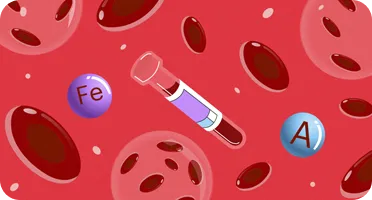
Iron deficiency is a common problem that can lead to serious health consequences. Iron plays an important role in the body, as it is involved in the formation of hemoglobin, which is responsible for transporting oxygen to cells. A deficiency of this mineral can cause anemia, fatigue, weakness, and decreased immunity.
The main causes of iron deficiency include insufficient consumption of iron-rich foods, problems with its absorption, and increased needs, such as during pregnancy or intense physical activity. To replenish iron levels, it is necessary to include foods rich in this mineral in your diet. These foods include red meat, liver, fish, legumes, nuts, and green leafy vegetables.
Also, it's important to pay attention to food combinations. For example, consuming vitamin C with iron-containing foods can significantly improve iron absorption. In some cases, iron supplements may be necessary, but this should be done under the supervision of a physician.
Regular testing of iron levels in the blood will help to promptly detect a deficiency and take the necessary measures. Taking care of your health and proper nutrition will help avoid the negative consequences associated with iron deficiency.
Who is at risk of vitamin C deficiency?
Hypovitaminosis is a risk for everyone, but certain groups of people are especially vulnerable. According to the US National Institutes of Health (NIH), there are four main risk groups susceptible to vitamin deficiency.
Smokers are an important topic for discussion in the context of health and society. Smoking negatively affects the health of both the smokers themselves and those around them. Inhaling tobacco smoke can cause many diseases, including lung cancer, cardiovascular disease, and chronic obstructive pulmonary disease. Furthermore, passive smoking is also dangerous because it can worsen the health of non-smokers.
Smokers often face difficulties when trying to quit smoking. There are various methods and programs that can help in this process, including nicotine patches, chewing gum, and psychotherapy. Support from family and friends also plays a key role in successfully quitting.
Society continues to take measures to reduce smoking rates, including smoking bans in public places and increased taxes on tobacco products. These measures are aimed at protecting public health and reducing the number of smokers.
It is important to remember that quitting smoking has significant health benefits. Improved lung health, a reduced risk of cardiovascular disease, and an overall increase in quality of life are just some of the positive changes that occur after quitting smoking.
Tobacco smoke consists of many chemical components that promote oxidative processes in the body. This leads to rapid depletion of vitamin C stores, which is especially noticeable in smokers. As a result, they need 35 mg more vitamin C daily than non-smokers. Maintaining adequate vitamin C levels is critical for health, as this vitamin plays a key role in supporting the immune system and protecting cells from oxidative stress. Smokers should be aware of their increased needs for this important nutrient and seek to compensate for its deficiency through diet or supplements. Infants who receive cow's milk may experience various problems. Cow's milk is not recommended as a primary source of nutrition for children under one year of age. It does not contain all the essential nutrients found in breast milk or formula. Furthermore, cow's milk can cause allergic reactions and digestive problems in some children. It is important to remember that in the first months of life, infants require specialized nutrition to ensure their growth and development. Therefore, it is recommended to consult a pediatrician before introducing cow's milk into a child's diet. The safety and health of a baby should come first.
Breast milk and formula provide children with the necessary amount of vitamin C, which plays an important role in maintaining the immune system and overall health. In contrast, whole cow's milk contains virtually no this important vitamin. Additionally, the pasteurization process used to destroy pathogens in milk results in a significant loss of vitamin C, making cow's milk a less desirable source of this nutrient for children.
Adults and children who adhere to a monotonous diet are at risk of developing various health problems. A monotonous diet can lead to a deficiency of vitamins and minerals necessary for the normal functioning of the body. This can negatively affect the development of children and the general health of adults.
It is important to diversify your diet by including fruits, vegetables, grains, and protein products. This will not only improve overall well-being but also increase energy levels and immunity. A varied diet promotes better absorption of nutrients and prevents the development of chronic diseases.
Emphasize the importance of a balanced diet for all family members to ensure long-term health and well-being.
A monotonous diet, high consumption of fast food, and a lack of fresh fruits and vegetables can lead to vitamin C deficiency. This is especially true for older adults, who often prefer familiar and habitual foods. Vitamin C deficiency can negatively impact health, so it is important to diversify your diet and include more sources of this important vitamin.
People with chronic diseases face many challenges in their daily lives. Chronic health problems can significantly impact quality of life, limiting physical activity and social interactions. These conditions require regular medical monitoring and can lead to emotional distress. Understanding the characteristics of such diseases and accessing the necessary resources and support play a key role in managing health. Effective treatment and rehabilitation, as well as support from loved ones, help people with chronic diseases adapt and find ways to improve their quality of life.
Chronic diseases, especially those related to the digestive system, can make it difficult to absorb vitamin C. Such diseases include irritable bowel syndrome, also known as "bear stool", as well as various food intolerances. Incomplete absorption of ascorbic acid can also be associated with the use of certain medications, such as antibiotics, which negatively affect the process of its absorption in the body. It is important to consider these factors to ensure effective absorption of vitamin C and maintain health.
How much vitamin C do you need each day?
The daily requirement for vitamin C varies depending on a person's age and gender. According to the US National Institutes of Health, the optimal amount of vitamin C needed for health is defined as follows:
Pregnant women need 85 mg daily, while breastfeeding mothers require 120 mg. These values reflect the daily requirements needed to support maternal health and the proper development of the baby. Providing the body with essential vitamins and minerals during this period is key to maintaining the well-being of both mother and baby.
22 Foods Rich in Vitamin C
Humans lack the enzyme L-gulonolactone oxidase, which is necessary for the synthesis of vitamin C. This makes it impossible for the body to naturally produce ascorbic acid. Therefore, the only sources of vitamin C for humans are plant foods or dietary supplements. Eating fruits and vegetables rich in vitamin C, such as citrus fruits, kiwi, and peppers, can help prevent a deficiency of this important vitamin. In case of vitamin C deficiency, it is recommended to consider adding specialized supplements to the diet.
Vitamin C, also known as ascorbic acid, plays an important role in maintaining human health. Different foods contain different amounts of vitamin C. For example, citrus fruits such as oranges and grapefruits are well-known sources of this vitamin. In addition, red and green peppers, broccoli, kiwi, and strawberries also contain significant amounts of vitamin C.
It is important to keep in mind that vitamin C content can vary depending on how foods are prepared and stored. Fresh fruits and vegetables typically retain more of this vitamin, while heat treatment can reduce its levels.
To ensure adequate vitamin C intake, it is important to vary your diet and include foods rich in this nutrient. Regular consumption of vitamin C helps strengthen the immune system, improve skin condition, and ensure overall health.
How to Properly Store Foods Containing Vitamin C
Vitamin C is highly sensitive and is easily destroyed when improperly stored and processed. Knowing a few simple secrets can effectively preserve the level of this important vitamin in foods. Proper storage conditions, minimal heat treatment, and the use of fresh ingredients will help preserve the maximum amount of vitamin C, which is especially important for maintaining health and the immune system.
- Cooking temperature. Frying and boiling can destroy up to 90% of the vitamin [14]. For example, if you boil cabbage in soup, 50% of the vitamin C will be destroyed, and if you stew cabbage, about a third of the ascorbic acid will remain. Therefore, to get the required amount of ascorbic acid from food, try to eat more raw vegetables and fruits.
- Cooking time. The longer you cook a product, the less vitamin C it retains. For example, peeled potatoes lose half of the vitamin when boiled, but if you immediately immerse them in hot water, you can preserve more nutrients [13].
- Shelf life. If vegetables, fruits, or berries are stored for more than 2–3 months, their vitamin C content is reduced by half [13]. The enzyme ascorbinase, which acts as an antivitamin, is to blame for this. The exception is fresh and sauerkraut, where the vitamin is preserved longer. Sunlight. When fruits are dried in the sun, vitamin C is almost completely destroyed, which is why dried fruits do not contain ascorbic acid [14]. Freezing does not destroy vitamin C, but rather promotes its preservation. Studies show that frozen spinach contains more ascorbic acid than fresh spinach that has been stored in the refrigerator for several days. This makes frozen vegetables an excellent choice for maintaining vitamin C levels in your diet.
Read also:
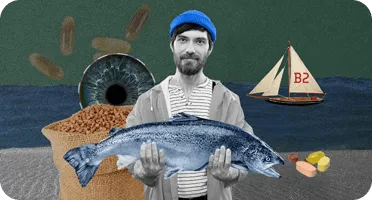
B vitamins play an important role in maintaining health and body function. These vitamins promote metabolism, improve the functioning of the nervous system, and maintain healthy skin. Including foods rich in B vitamins in your diet can significantly improve overall well-being. Let's look at 10 foods that are excellent sources of B vitamins.
1. Meat. Beef and pork are especially rich in B vitamins. They contain vitamin B12, which is necessary for the formation of red blood cells and maintaining the normal functioning of the nervous system.
2. Fish. Salmon and tuna are outstanding sources of vitamin B6 and B12, which help improve metabolism and support heart health.
3. Eggs. Eggs contain vitamins B2 (riboflavin) and B12, which are important for energy metabolism and maintaining cellular health.
4. Dairy products. Milk and yogurt are good sources of vitamin B2 and B12, helping to maintain healthy bones and the nervous system.
5. Greens. Spinach and broccoli contain folate (vitamin B9), which is important for DNA synthesis and cell division.
6. Nuts. Almonds and walnuts are rich in vitamin B7 (biotin), which is involved in the metabolism of carbohydrates and fats.
7. Legumes. Lentils and beans contain high levels of vitamin B9 and B6, which help normalize metabolism and support the nervous system.
8. Cereals. Oatmeal and brown rice are sources of vitamins B1 (thiamine) and B3 (niacin), which help improve metabolism and maintain energy levels.
9. Avocado. This fruit is rich in vitamins B5 (pantothenic acid) and B6, which play an important role in hormone production and metabolism.
10. Seeds. Pumpkin and sunflower seeds contain vitamins B1 and B6, which help normalize the nervous system and maintain overall health.
Including these foods in your daily diet will help provide your body with the necessary B vitamins, which will have a positive effect on your health and well-being.
Free test: what digital profession is right for you Is it right for you?
IT, design, marketing, or management? Find out the answer in 15 minutes. And then try your hand at a new specialty for free.
Find out more