
Contents:

Free test: which digital profession is right for you? Find out the answer in 15 minutes and try your hand at a new specialty.
Find outWhere did the fashion for preventive health checks come from?
For centuries, our ancestors turned to doctors only when necessary. However, in the first half of the 20th century, significant changes occurred: medicine became accessible to wider segments of the population. This accessibility led to a change in people's attitudes towards health and disease prevention, making regular visits to doctors a more common practice. Now medical services are available not only in emergency situations, but also for routine examination and treatment, which contributes to improving the overall health of the population.
In the Soviet Union, medical examinations were introduced 100 years ago with the aim of preventing infectious diseases. Regular examinations were offered to doctors, food industry workers, trade workers, teachers, and kindergarten teachers to prevent outbreaks of diseases such as typhoid, syphilis, scabies, plague, and cholera. These measures had a positive impact on public health: the incidence of disease decreased, and the benefits of preventive measures became obvious. The introduction of medical examinations contributed to the strengthening of public health and the formation of a culture of caring for one's health, which is still relevant today.

When it comes to chronic diseases, it is important to understand how to minimize the risks of their occurrence. In response to alarming statistics on cardiovascular mortality, physicians worldwide have begun actively discussing methods for reducing the risk of stroke and heart attack. One of the key aspects of protection against these diseases is lifestyle changes. A healthy diet, regular exercise, and avoiding unhealthy habits play a crucial role in the prevention of chronic diseases. Regular medical examinations and monitoring blood pressure and cholesterol levels are also important. These measures will not only help reduce risks but also improve overall health.
In 1948, one of the most significant health studies began in Framingham, USA, with the goal of studying the causes of chronic cardiovascular disease. The study involved approximately 5,000 subjects, middle-aged men and women. Physicians conducted a complete physical examination, measured blood pressure, took blood samples, and interviewed the participants in detail about their habits. Regular medical examinations formed the basis for long-term monitoring of the participants' health, allowing doctors to track changes over several decades. As a result, today medical professionals continue to monitor the health of the third generation of Framingham residents, confirming the importance and relevance of this study for understanding cardiovascular disease.
The study is ongoing, but its results are already being actively used in practice. Based on the data obtained, doctors identified risk factors for cardiovascular disease, such as high cholesterol, high blood pressure, and smoking. They also suggested preventive measures, including a healthy diet, maintaining a normal weight, and moderate physical activity. At first glance, this may seem obvious, but the formulation of this knowledge required careful analysis of a large amount of data. It is important to remember that understanding and preventing cardiovascular disease requires constant attention and updated information, which underscores the importance of ongoing research in this area.
In 2009, in the UK, it was found that regular preventive examinations significantly reduce the risk of developing cardiovascular disease. In Russia, over 50% of the population believes in the importance of preventive medical examinations, considering them an effective way to promptly detect illnesses and take appropriate measures. Regular medical examinations not only facilitate early diagnosis but also help reduce overall morbidity, underscoring the importance of prevention in the healthcare system. Medical examinations can indeed be beneficial, but not all are equally valuable. Let's consider why the importance of medical examinations varies and how to choose the most effective procedures for your health. Choosing the right medical examination promotes early detection of diseases and improves overall health. Therefore, it is important to carefully select the necessary examinations, based on individual characteristics and specialist recommendations.

Read also:
Decoding of tests includes the interpretation of clinical and biochemical analysis, as well as hormonal studies. A clinical blood test allows you to assess the general health of the patient, identify the presence of inflammatory processes, anemia and other diseases. A blood chemistry test provides information about the functioning of organs and systems such as the liver, kidneys, and pancreas, and also helps determine vitamin and mineral levels.
Hormonal tests play a key role in the diagnosis of endocrine diseases and metabolic disorders. They allow us to determine the levels of various hormones, which is important for assessing the condition of the reproductive system, thyroid gland, and other endocrine organs. Understanding test results helps doctors make accurate diagnoses and prescribe the right treatment, which ultimately improves the patient's health. Consulting a specialist to decipher test results is an important step towards restoring and maintaining health.
Medical examination, screening, or checkup - what's the difference?
In Russia, free medical examinations are available with a compulsory medical insurance policy. If you are under 40 and your age is a multiple of three, you can contact your local clinic for this procedure. Medical examinations include a range of measures aimed at the early detection of diseases and health assessment. During the medical examination, you will undergo a medical examination, laboratory and instrumental tests, which will allow you to promptly identify possible abnormalities and begin treatment. Don't miss the opportunity to undergo a medical examination and take care of your health.
- questionnaire,
- calculation of body mass index,
- blood pressure measurement.
- blood test for total cholesterol,
- blood test for glucose,
- determination of cardiovascular risk factors,
- fluorography or chest x-ray,
- electrocardiography (ECG),
- measurement of intraocular pressure,
- gynecological examination and PAP test for women.
If you are over 40 years old, it is recommended to undergo a medical examination annually. New procedures will be added to the examination:
- fecal occult blood test,
- mammography,
- fibroesophagogastroduodenoscopy (FEGDS),
- prostate-specific antigen (PSA) test for men.
The importance of correctly understanding and using information cannot be overstated. The modern world requires us to have the skills to analyze and critically understand data. The ability to distinguish reliable sources from unreliable ones, as well as to correctly interpret information, has become fundamental in the context of an information flow. Effective use of information not only increases personal productivity, but also contributes to informed decision-making. Therefore, it is important to develop information literacy skills, which includes the ability to search for, evaluate and use information to achieve your goals.
Modern doctors do not recommend the last two procedures unless the patient has complaints. We will discuss this in more detail later.
If suspicious symptoms are identified during the medical examination, specialized physicians such as neurologists, surgeons, and otolaryngologists will be involved in the second stage. As a result, the list of necessary tests will expand to include ultrasound diagnostics, CT scans of problematic organs, and other procedures. Despite the extensive list of examinations, 45% of Russians consider medical examinations ineffective. This may be due to long lines at clinics, the need to adjust to the operating hours of medical institutions, and concerns about the quality of services provided. It is important to understand that regular medical examinations can significantly increase the chances of early diagnosis of diseases and, consequently, successful treatment.
Screening in a narrow sense is any type of analysis. In a broader sense, it is a procedure carried out by government healthcare institutions for the mass detection of rare diseases in the population, such as oncological or genetic diseases. Screening enables early detection and diagnosis of diseases, significantly increasing the chances of successful treatment and improving patients' quality of life. Implementing mass screening promotes prevention and early intervention, making it an important public health tool. Screening newborns for spinal muscular atrophy in the maternity hospital is an important procedure performed in the first hours of a child's life. This test enables the early detection of this dangerous genetic disease, which is critical for initiating appropriate treatment and improving the prognosis. Early detection of spinal muscular atrophy helps to better manage the baby's health and increases the chances of full development.
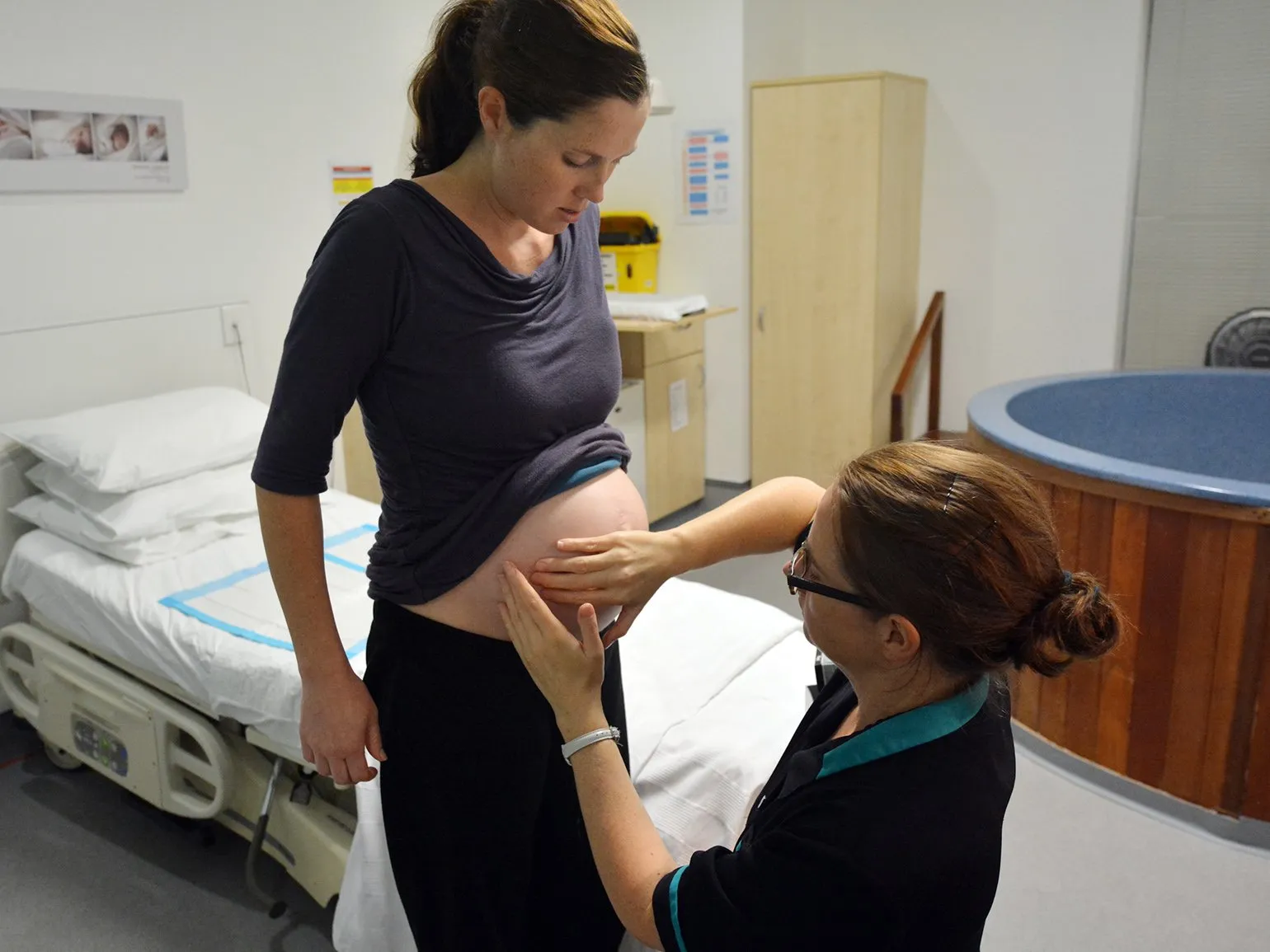
During pregnancy, women and all people undergo various screenings as part of a medical examination. For example, fluorography is used to screen for tuberculosis, and blood glucose testing is used to diagnose diabetes. Screenings also include HIV and hepatitis tests, which are mandatory before hospitalization. These procedures help identify diseases in the early stages and provide necessary treatment. Screening tests play a vital role in maintaining health and preventing serious illnesses.
Checkups are becoming increasingly relevant in the context of complex medical examinations, offering a useful and informative medical assessment. These preventive examinations are most often performed in private clinics for patients without obvious health complaints. The appeal of checkups lies in their enticing names, convenient scheduling and location, and discounts on packaged tests, making them accessible and attractive to a wide audience.
There are many options for medical checkups, including thyroid, heart, and stomach screenings, as well as specialized programs for men and women. Checkups are also offered before planned pregnancies or vacations. This demonstrates that clinics' capabilities for conducting such examinations are virtually limitless. Now patients have the opportunity to undergo a timely "technical checkup" of their bodies and maintain high levels of health throughout their lives. Regular medical examinations help identify potential problems early and ensure disease prevention.Unfortunately, the situation is not so simple. According to various sources, 20 to 30% of medical screenings in high-income countries are considered ineffective or even harmful. If you plan to undergo preventative screening and want to avoid unnecessary testing costs, it is important to carefully select a checkup program. Pay attention to the recommendations of experts and choose the studies that are really necessary for your health.

Read also:
Biohacking is a concept that involves the application of scientific knowledge and technology to optimize body functions. The main goal of biohacking is to improve health, increase energy levels, and improve cognitive function. By using certain methods and practices, such as proper nutrition, physical activity, meditation, and specialized supplements, one can achieve significant results in improving one's quality of life. Biohacking is becoming increasingly popular as people strive to better understand their bodies and find ways to improve them. It is important to keep in mind that biohacking requires an individual approach, and it is always worth consulting with professionals before making lifestyle changes.
What you need to think about in advance
If you have no health complaints, but want to undergo a medical checkup, we recommend preparing the following information:
- Do you have any relatives who suffer from (or have died) from cardiovascular diseases, cancer, had congenital pathologies, addictions, or committed suicide?
- Do you have any chronic diseases?
- Have you recently experienced pain, bad mood, problems with weight, appetite, sleep, performance, or menstrual cycle?
- What illnesses have you had in the past? How severe were the illnesses, were there any consequences?
- Have you had any injuries, surgeries, blood transfusions or blood components in your life?
- Do you experience discomfort after eating, physical activity, bowel movements, or other normal conditions that should pass without problems? When did this start, what methods helped to get rid of it, and which were ineffective?
Choosing a checkup and a list of useful tests
There are several key rules that will help maximize the benefits of examinations. Correctly following these recommendations will allow you to obtain more accurate and informative results. Ensure thorough preparation before the examination, follow the instructions of specialists, and pay attention to your feelings. Following these simple rules will help you get the maximum information about your health and promptly identify possible problems.
You can choose a doctor based on reviews from relatives or information available on the Internet. It is recommended to choose a specialist working in the field of evidence-based medicine. This approach involves the use of reliable scientific data to evaluate the effectiveness of medications and procedures, which guarantees higher quality of treatment and safety for patients.
The optimal option is an offline consultation, in a comfortable environment, where the doctor will be able to listen carefully and examine you. We recommend setting aside at least half an hour for the meeting, which will allow you to thoroughly explain your concerns and the reasons why you want a check-up. Based on the information received, the doctor will be able to develop an individualized program for further examination, which will ensure a more accurate approach to your health.
You can determine the doctor's qualifications by several key criteria. First, pay attention to the doctor's relevant education and specialized training. This may include a medical school diploma, certificates of advanced training, and internships in specialized clinics.
Secondly, work experience is an important indicator. Find out how many years the doctor has been practicing their specialty and what institutions they have worked in. Positive patient reviews can also indicate a high level of professionalism.
Furthermore, a qualified specialist is always ready to answer your questions and explain the chosen treatment methods. They should be attentive to detail and consider the patient's individual needs.
Finally, pay attention to the doctor's working conditions. The presence of modern equipment and technology in the clinic also indicates a high level of medical services. Make sure the doctor adheres to ethical standards and is committed to continuous development in their field.
By following these recommendations, you will be able to choose a doctor who will provide high-quality treatment and care for your health.
- a conversation with such a doctor is based on equal terms [10];
- he provides reasons for all appointments;
- the doctor will not insist on any examinations from the list of unnecessary ones (we will talk about this a little later);
- he will not give strange advice like “give birth and everything will pass” and comment on complaints with comments like “what did you expect at your age”;
- the doctor knows the limits of his competence, is not embarrassed to admit if he is not an expert in something, and refer you to another doctor.
Regular medical tests are of great importance for maintaining health. It is recommended to be tested for HIV, hepatitis B and C every year. It is also important to do fluorography or x-ray to rule out tuberculosis. These diseases can be easily transmitted and are often asymptomatic, which makes them dangerous. Ignoring these tests can lead to a significant deterioration in quality of life. In addition, it is worth considering several inexpensive but informative examinations that will help identify potential problems in the early stages and begin treatment promptly. Taking care of your health and regular checkups are the key to a long and active life.
- blood pressure measurement - this will exclude diseases of the heart, blood vessels, kidneys, and endocrine system;
- complete blood count - will exclude blood diseases that occur without specific symptoms, such as anemia, latent inflammation;
- general urine analysis - will allow you to evaluate kidney function, diseases of which can occur without symptoms for a long time.
If there are problems with the cardiovascular system in your family, it is recommended to add a blood test for glucose levels, a lipid profile, and an electrocardiogram (ECG) to your list of medical examinations. Cervical cancer screening is helpful for women over 18, and fecal occult blood testing, which helps in the early detection of colon cancer, is helpful for those over 50. These measures will not only help detect the disease early but also significantly increase the chances of successful treatment.
Regular visits to the dentist and gynecologist, even in the absence of symptoms, are important for maintaining good health. It is recommended to have a dental and gynecological examination at least once a year. The gynecologist may recommend testing for cervical cancer, which is an important measure for the early detection of possible diseases. You should not refuse such tests, as they can play a crucial role in maintaining your health.
Individual examination lists depend on each patient's health status. For example, if you have thyroid problems, it is important to regularly visit an endocrinologist for routine examinations. This will help promptly identify possible complications and effectively monitor your health. Regular examinations are key to maintaining overall well-being and disease prevention.
The ideal checkup that suits everyone is largely similar to the list of examinations required for a medical examination. In case of uncertainty or doubt, you can use this list as a guide.
List of Useless Tests
The movement for the rational use of diagnostic procedures in medicine is becoming increasingly relevant. Recent studies indicate that the spread of mass screenings and preventive examinations can lead to overdiagnosis. Overdiagnosis is the detection of diseases that do not show symptoms and do not cause discomfort to the patient. This process not only negatively affects the financial situation of patients, but also increases their anxiety levels, forcing them to undergo painful invasive procedures. Moreover, overdiagnosis carries risks associated with medical procedures and treatments, which raises questions about the appropriateness and safety of traditional approaches to diagnostics.
Some doctors may prescribe unnecessary tests in search of financial gain, but this is not the only reason. They often succumb to pressure from patients and their families, who lack sufficient information about the procedure or fear misdiagnosing the disease, which could harm the patient. It's important to understand that such actions can lead to overdiagnosis, which in turn increases health risks. For a more detailed examination of the causes of overdiagnosis and their consequences, see the infographic below.
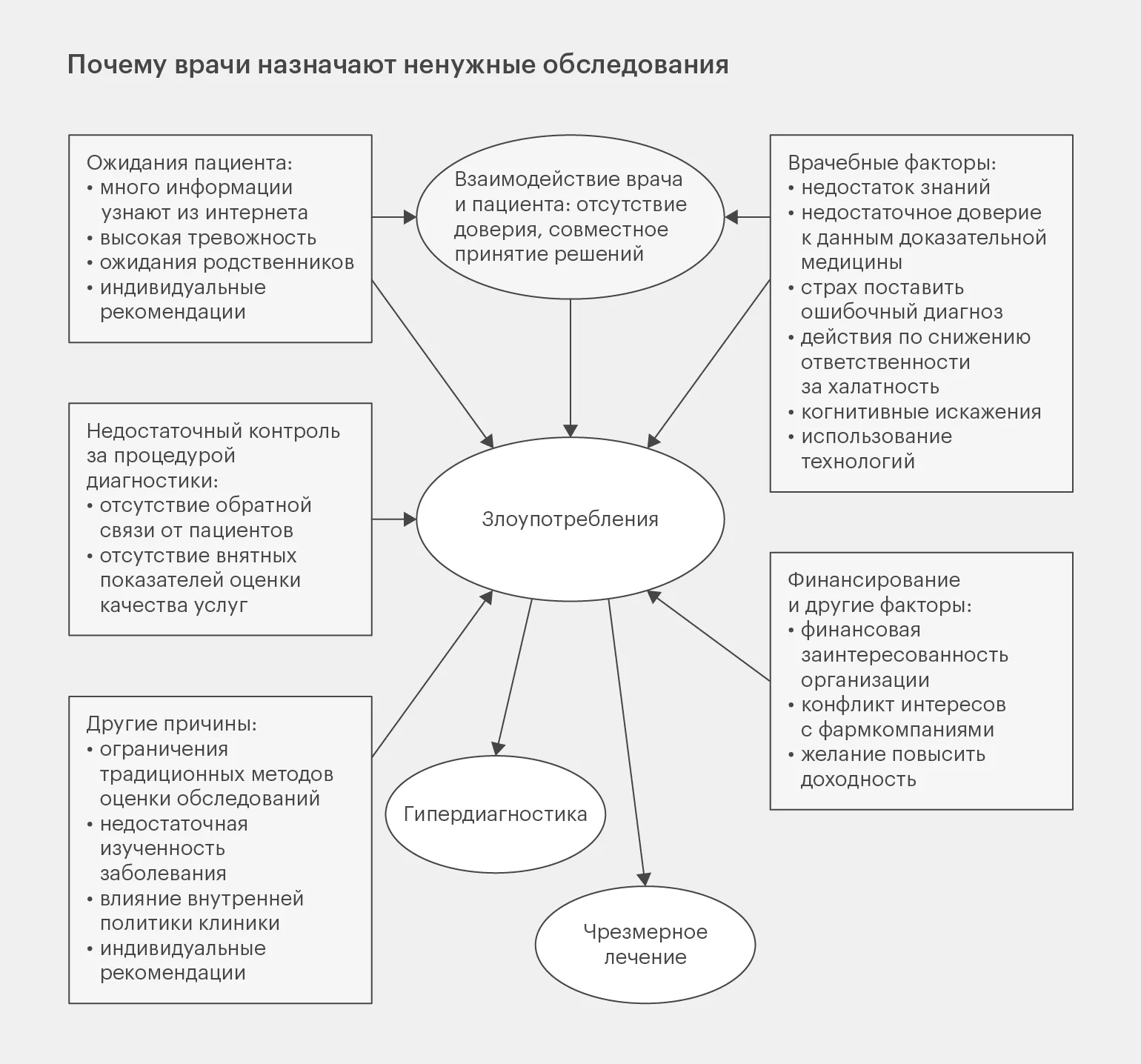
Useless procedures include various methods and practices that do not bring the expected result or benefit to health and well-being. These procedures often require significant investment of time and money, but have no real impact on the body's condition or appearance. It is important to recognize that the effectiveness of many popular procedures is exaggerated, and it is important to approach the choice of care and treatment methods with caution and critical thinking. Preliminary research and consultation with specialists will help avoid disappointment and unnecessary expenses. Prostate-specific antigen (PSA) testing for prostate cancer without discussing the risks and benefits [15]. Studies have shown that even positive test results do not affect overall mortality in the long term and only slightly reduce mortality from prostate cancer [17]. However, they can lead to a series of diagnostic tests, the consequences of which can include complications after a biopsy and subsequent treatment. This test is performed on men over 40 in Russian clinics as part of a medical examination, but you can refuse it if you have no complaints.
Every physician working in practice can supplement this list with their own examples of useless studies. Such studies include an analysis of serotonin levels for depression, which reflects the serotonin content in the intestines, and not in the brain. Also worth mentioning is an X-ray examination of the lumbar region for non-specific back pain. These and other similar studies do not always provide the information necessary for diagnosing and treating patients, which raises questions about their appropriateness.
Free test: which digital profession is right for you?
IT, design, marketing or management? Find out the answer in 15 minutes. And then try your hand at a new specialty for free.
Find out more