
Want to work remotely? ➞ Master IT, design, or marketing. Join Telegram and take 5 online courses to get started in top digital professions.
Learn moreIn this article, you will learn how to properly optimize content for search engines. We will cover the basic SEO techniques that will help your site rank higher in search results. You will learn about the importance of keywords, text structure, and internal linking. We will also discuss how to improve user experience and increase your site's visibility. Content optimization is a key aspect of successful online marketing. Read on to learn how to make your website more attractive to search engines and users.
- What is a deadlift;
- How to perform a conventional deadlift;
- What is the difference between a sumo deadlift;
- How to do a dumbbell deadlift;
- What do you need to do a Romanian deadlift;
- What is special about a deadlift;
- Is it beneficial to do a single-leg deadlift;
- What deadlift is called a "suitcase";
- Who is better off doing a deadlift in a Smith machine;
- Can you do a deadlift if you have back pain?
We have created a Telegram channel "How are you?", where we discuss self-development, psychology, as well as effective learning and career growth at any age in a convenient format. Join us to receive helpful tips and inspiration to achieve your goals. Subscribe to our channel and develop yourself with us!
What is the Deadlift?
The deadlift is one of three key exercises in powerlifting. This basic exercise is actively used in general strength training programs and effectively develops the muscles of the "posterior chain." The muscles of the "posterior chain" include all muscle groups involved in performing the deadlift, which work synergistically and are located on the back of the body. The deadlift not only helps increase strength but also improves functional fitness, making it an important training element for athletes of various levels.
The deadlift effectively promotes muscle growth and prevents its loss. To successfully perform this exercise, the coordinated work of several muscle groups is required: the back, legs, and buttocks. Proper deadlift technique ensures maximum stress on the target muscles, promoting their growth and strengthening. This exercise also helps improve overall fitness and build strength.
- Trapezius — fixes the shoulder girdle and keeps the chest up.
- Rhomboides — supports the thoracic region.
- Latissimus dorsi — stabilizes the lower back.
- Gluteus maximus — helps lift the weight and stand up straight.
- Hamstrings — bend the knee and help extend the hip.
How to Perform a Deadlift
The name of the exercise indicates the key requirements for the athlete — a strong core and proper barbell lifting technique (pulling towards you). There are many modifications of this exercise, and we've compiled the most common options to help you choose the one that best suits your workout. Proper technique not only improves the effectiveness of your workout but also reduces the risk of injury.
The unique feature of this exercise is that it is performed with a barbell. This allows you to engage a large number of muscle groups and promotes more effective development of strength and endurance. Working with a barbell requires proper technique and control, which also helps prevent injury and improve the effectiveness of your workouts.
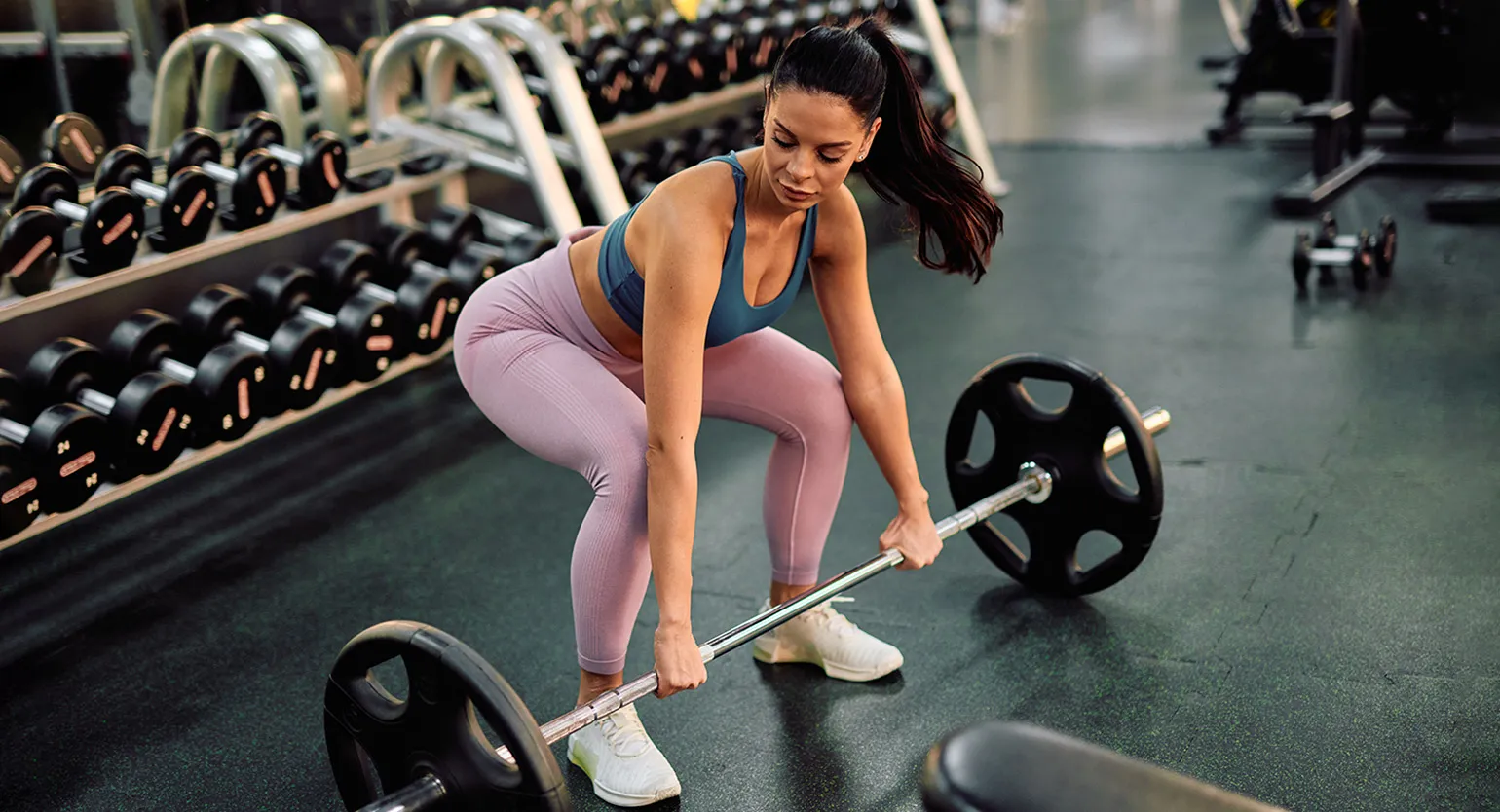
Before increasing the weight, pay attention to the correct starting position. Place your feet shoulder-width apart or slightly wider, with your toes under the bar. Your feet should point straight ahead or slightly out to the sides, and your heels should remain on the floor. Proper foot placement will help prevent injury and improve the effectiveness of the exercise.
Technique is a collection of tools and methods used to perform various tasks and achieve goals. It covers a wide range of fields, including manufacturing, construction, electronics, and information technology. Modern technology is constantly evolving, leading to the development of new devices and the improvement of existing ones. This, in turn, affects work efficiency, increasing productivity and product quality. It is important to follow new trends in technology to remain competitive and use the most modern solutions. Technical innovations also help solve current issues, such as energy conservation and sustainable development. Therefore, understanding the basics of technology and its application is of great importance for professionals and amateurs.
- Take a barbell with an overhand grip - both hands facing your body.
- Slightly bend your knees so that your thighs are almost perpendicular to the floor.
- Exhale, push off through your heels and straighten up, lifting the barbell so that its bar smoothly glides along your thighs.
- As you inhale, bend your knees again, lowering the barbell. Keep your back straight both when lifting and lowering.
To improve results in lifting heavy weights, it is recommended to use a power mixed grip when working with a barbell. This method involves holding the barbell with one hand palm facing you and the other palm facing away from you. This approach promotes more efficient load distribution and improves stability during the exercise.
Regardless of the grip chosen, the weight should be lifted using tension in the leg muscles. The back and shoulder muscles perform a stabilizing function, but the main load should fall on the posterior chain of muscles. To perform the exercise correctly, the arms should remain straight throughout the lift. Bending the arms can lead to a stretch in the biceps, which will negatively affect the training process. Proper exercise technique not only increases the effectiveness of the workout but also reduces the risk of injury.
Before the lift, the legs should be spread wide, like a sumo wrestler. This lifting technique remains unchanged and effective. Proper foot positioning ensures stability and balance, which is key to successful exercise performance.
Placing the feet close together increases the range of motion, but this can lead to rounding of the back and, as a result, injury. A wide stance, on the other hand, limits your range of motion, making it easier to maintain proper back alignment. The sumo deadlift also emphasizes the quadriceps, making it an effective lower body exercise. Proper technique, taking into account the width of your stance, helps reduce the risk of injury and improve the overall effectiveness of your workout.
The unique feature of this method is that instead of traditional dumbbells, you can use alternative weights, such as sandbags or water bottles. This allows you to diversify your workouts and make them more accessible, without requiring additional financial outlays for sports equipment. Using improvised means is not only effective but also allows you to adapt the training process to your individual conditions and level of fitness.
Exercise technique plays a key role in achieving desired results. Proper technique not only increases the effectiveness of your workout but also reduces the risk of injury. To achieve maximum results, it is important to monitor the execution of each movement, distribute the load correctly, and use the appropriate equipment. Pay attention to how you feel and adjust your technique as needed. Regular practice and attention to detail will help you improve your skills and achieve your goals.
- Stand straight with your feet shoulder-width apart. Place the dumbbells on the floor next to your feet.
- Bend your knees (thighs almost parallel to the floor) and take the dumbbells, keeping your back straight.
- Slightly arch your lower back, maintaining the natural curve of your spine.
- Push off with your heels and rise up, synchronizing the movement of your legs and back.
- At the top point, straighten up completely, then bend your knees and return to the starting position.
It is recommended to use dumbbells with a semi-overhand grip, which is an intermediate option between a neutral grip (palms facing each other) and an overhand grip (palms facing the hips). This grip ensures optimal wrist positioning and helps improve exercise control.
The main difference between the Romanian deadlift and the classic deadlift is the starting position. In the Romanian deadlift, you begin lifting the barbell from a standing position. This change emphasizes the load on the hamstrings and glutes, making the exercise effective for developing strength and mass in these muscle groups. The Romanian deadlift also helps improve flexibility and stability in the lumbar region, which is important for maintaining proper technique in the gym.
How to perform [6], [8] correctly:
To achieve the best results when performing [6], [8], it is important to follow certain guidelines. First of all, you need to carefully study the instructions and understand the basic principles of execution. Pay attention to the use of the necessary equipment and materials, which can significantly affect the final result.
It is also important to test your skills on small areas before proceeding with the main process. This will help avoid mistakes and improve the quality of execution. Remember to keep safety in mind and adhere to all necessary precautions.
Regular practice and self-analysis will allow you to achieve high results in performing [6] and [8].
- Use an overhand grip (palms down) to firmly grasp the barbell with both hands, shoulder-width apart.
- Spread your feet shoulder-width apart, with the barbell resting on the front of your thighs.
- Drive your hips back, leaning forward at the hips and keeping your back straight. Lower yourself at the end of the movement; your back should remain straight and your knees slightly bent throughout the movement.
- To return to a standing position, press your feet into the floor and imagine that you are sliding your knees back while pushing your hips forward.
As you perform the exercises, you should feel active work in your glutes, hamstrings, and adductors, located on the back of your thighs. This indicates correct technique and an effective workout. Feeling tension in these muscles is an important indication that you are engaging key muscle groups, which will help improve lower body strength and tone.
When performing the Romanian deadlift, avoid looking in the mirror, as this can cause unnecessary stress on the cervical spine. Maintain a neutral neck position and look down while leaning forward at the hips. This approach will help prevent injury and improve exercise technique. Proper technique for performing the Romanian deadlift promotes effective development of the posterior chain muscles, including the glutes and hamstrings, making this exercise an essential element of a training program.
The stiff-legged deadlift is a unique exercise that emphasizes the hamstrings and gluteus maximus. Compared to the standard and Romanian deadlifts, this exercise provides a more intense load on these muscle groups. This makes it an ideal choice for those looking to improve the strength and tone of the glutes and hamstrings. Proper technique and movement control will help avoid injury and achieve maximum results.
In this version of the deadlift, you must maintain an upright position throughout the entire exercise. It is important to keep your legs straight, without bending them, and your knees should be almost together. This will help activate the desired muscle groups and improve your technique.
After completing the exercises, it is recommended to spend 20-30 seconds hanging on the horizontal bar. This helps effectively stretch the spine and improve its flexibility. Regularly performing this simple action helps relieve tension and relax the back muscles, which has a positive effect on overall health.
This exercise is performed on one leg, with the other leg extended as far back as possible to maintain balance. You will need a kettlebell or dumbbell. This exercise strengthens the leg muscles and improves coordination. Regular practice will help develop stability and strength, which is important for various types of physical activity.
To effectively complete a task, it is important to follow a few key steps. Start with a clear understanding of the goal and requirements of the project. Explore the materials and resources that can help you complete the task. Next, create an action plan, determining the sequence of steps and the necessary tools.
After that, get to work, carefully monitoring the quality of each stage. Regularly review your progress and adjust as needed. Don't forget the importance of feedback – discuss your results with colleagues or your manager. After completing a task, analyze your work to identify strengths and weaknesses. This will help you improve your skills and be more effective in the future.
- Stand and lean on your left leg, slightly bending it at the knee.
- Hold the weight in your right hand.
- Take your pelvis back and lean forward, lowering the weight with your right hand and taking your left leg back until your torso is parallel to the floor.
- Lower the dumbbell in front of your left leg, hold for a few seconds, then return to the starting position.
Bending and extending the body is achieved through movements in the hip joint, while the back should remain straight. Correct technique for performing these movements is important for preventing injuries and maintaining the health of the musculoskeletal system. Pay attention to controlling the position of your back during physical exercise to ensure the maximum effectiveness and safety of training.
When performing the exercise, it is important to bend over, as in squats or a standard deadlift, but with an emphasis on one side. By lifting the weight with one hand, as if you were carrying a suitcase, you actively engage the stabilizer muscles, especially the obliques. This exercise helps improve balance, strengthen the core strength, and develop grip. Regular practice not only helps improve overall fitness but also reduces the risk of injury by actively engaging your stabilizing muscles.
- Stand up straight with your feet shoulder-width apart.
- A weight—a dumbbell, kettlebell, or barbell—should be placed to your side (to your right or left).
- Bend over with a straight back, keeping your body upright, and pick up the weight with one hand.
- Rise up, straightening your back and hips, as you would for a regular deadlift.
- Lower the weight back to the floor.
It is recommended not to start with heavy weights. The dumbbell should be heavy enough, but at the same time provide the ability to perform deadlifts in the range of 8-12 repetitions on each side. This will help prevent injury and ensure proper technique, which in turn promotes effective muscle mass and strength development.
The unique feature of this exercise is that it is performed on a special machine that facilitates the process of squatting with a barbell. This machine provides the necessary support and stability, allowing you to focus on proper technique and reducing the risk of injury. Using this equipment is ideal for both beginners and more experienced athletes looking to improve their results and strengthen their leg muscles.
One of the most common mistakes when performing the deadlift is improper barbell positioning. If the barbell is too far from the body, this can lead to ineffective exercise performance and an increased risk of injury. It's also a mistake to lift the barbell using low back tension. Both situations disrupt the biomechanics of the deadlift, which can reduce the effectiveness of the workout and lead to injury. Proper technique is essential for achieving optimal results and ensuring safety.
The barbell should be kept close to the body for maximum effectiveness and safety when performing the deadlift. With proper technique, the barbell glides across the front of the legs. If you have any doubts about proper exercise technique, we recommend trying deadlifts in a Smith machine. This machine allows you to use a barbell fixed in a specific path, reducing the risk of injury and allowing you to focus on technique. Since the barbell is stabilized, you can increase the working weight and better master the correct movements, which is especially important for beginners and those who want to improve their results in strength training.
If you are looking to lift more weight, it is recommended to use a power mixed grip when working with the barbell. In this case, one hand should be facing you with the palm, and the other should be facing away from you. This approach will help improve your grip and ensure a more stable exercise, which in turn can lead to increased weight lifted.
Regardless of the grip chosen, the weight should be lifted using tension from the leg muscles. The back and shoulder muscles act as stabilizers, but the main load should fall on the muscles of the posterior chain. For proper execution of the exercise, it is important to keep your arms straight throughout the lift. Bending your arms can lead to injuries, such as a biceps strain. Proper exercise technique will not only increase the effectiveness of your workout but also reduce the risk of injury, which is especially important for achieving long-term training results.
Dumbbells with a semi-overhand grip are recommended, as this grip style is an optimal compromise between a neutral grip (palms facing each other) and an overhand grip (palms facing your thighs). This grip improves the biomechanics of movement and reduces the risk of injury, while providing an effective muscle workout.
We recommend avoiding looking in a mirror while performing the Romanian deadlift, as this can put additional stress on the cervical spine. Proper technique is to keep your neck in a neutral position and look down. When performing the exercise, focus on bending forward at the hips, which will help prevent injury and increase the effectiveness of the workout.
After completing the exercise, it is recommended to hang on the bar for 20-30 seconds to stretch the spine. This will help relieve tension and improve back flexibility, which is especially important for maintaining a healthy spine. Regularly performing this exercise helps strengthen the back muscles and improve posture.
Bending and extending are performed through movement at the hip joint, while the back should remain straight. Correct technique for performing these movements is important for preventing injury and maintaining a healthy spine. Maintaining stability in your back during bending and extensions allows you to effectively engage the muscles and minimize the risk of overexertion.
We recommend starting with moderate weights. The dumbbells should be heavy enough to provide an effective workout, but still allow you to perform deadlifts in the range of 8-12 repetitions on each side. This will help prevent injury and ensure proper technique.
Can I do deadlifts if I have back pain?
Back pain is not always an obstacle to strength training. On the contrary, if you have lower back pain, deadlifts can be an effective element of physical therapy, as they help strengthen the muscles. However, in case of acute pain, significant loads should be avoided. It is important to note that complete rest is also not recommended. To relieve pain, it is necessary to remain physically active, incorporating activities such as walking, light housework, or gardening into your daily life. Once the acute pain subsides, you can begin exercising as recommended by your doctor, which is especially important even if you have a herniated disc. The right approach to physical activity will help improve your condition and restore your back's functionality.
Before starting any exercises, it is important to consult with an instructor or physical therapist. This will ensure the safety and effectiveness of your training, as well as tailor your exercise program to your individual needs and health status.
If you notice your spine beginning to bend or round, it is important to stop strength training. Lower back pain is a sign that you may be performing deadlifts incorrectly or using too much weight. It is recommended to review your training plan and consult with a qualified trainer. Proper exercise technique and appropriate weight selection will help prevent injury and improve your training results. Take care of your spine's health to achieve your goals safely and effectively.
Sources of information play a key role in any research or project. Reliable and current sources ensure the reliability of data and help in forming informed conclusions. It is important to use a variety of sources, including scientific articles, books, official reports, and online publications. Verifying sources for their authority and reputation will help avoid the dissemination of inaccurate information. When working with online resources, pay attention to the publication date and authorship to ensure the relevance and accuracy of the data presented. Using high-quality sources increases the credibility of your work and improves its perception by the audience. In his monograph "Managing the Training Process in Powerlifting," V.N. Avsievich examines in detail the methods and approaches that contribute to effective training management in this sport. Published in Kazan in 2019, the publication contains 232 pages in which the author shares his knowledge and experience. This book will be a useful resource for coaches, athletes, and anyone interested in optimizing their powerlifting training.
Delavier F. and Gundill M. present the book "Anatomy of Strength Training for Women," published by Human Kinetics in 2014. This guide to strength training for women includes detailed anatomical illustrations and descriptions of various exercises. The book is focused on creating effective training programs that take into account the specific characteristics of the female body. It will help improve physical fitness, increase strength, and achieve desired fitness results.
Martín-Fuentes I., Oliva-Lozano J. M., and Muyor J. M. conducted a systematic review of electromyographic activity during the deadlift and its variations. The results of the study were published in the journal PLoS ONE in 2020. Article number 15(2) and identifier e0229507 is available at DOI: 10.1371/journal.pone.0229507. This study examines how different deadlift variations affect muscle activity, which may be useful for coaches and athletes looking to optimize their training.
Contreras B. Anatomy of strength exercises using your own body weight as resistance. Minsk: Popurri, 2015. 224 pages. This book offers a deep understanding of the anatomy of strength training, focusing on exercises where your own body weight is used. This publication will be useful for both beginners and experienced athletes seeking to improve their skills and achieve high results in strength training.
Ingerleib M. B. presents the work "Anatomy of physical exercises", published in Rostov-on-Don in 2009. This 187-page book covers the anatomical aspects of exercise in detail. It will be useful for both professional trainers and fitness enthusiasts looking to deepen their knowledge of anatomy and effective exercise technique. Six Deadlift Variations Worth Trying The deadlift is one of the most effective exercises for developing strength and muscle mass. However, to avoid monotony and improve your results, it's worth adding variety to your training. Let's look at six deadlift variations that will help you reach new heights in your training. The first variation is the paused deadlift. In this exercise, you pause for a few seconds at the bottom, which increases the time under tension and improves push-off strength. The second variation is the Romanian deadlift. This technique focuses on the hamstrings and glutes. It also helps improve flexibility and stability.
The third variation is the single-leg deadlift. This exercise develops balance and coordination, and also engages deep stabilizer muscles.
The fourth variation is the sumo deadlift. The wide stance in this variation emphasizes the inner thighs and glutes, which will add variety to your training program.
The fifth variation is the deadlift using a trapezoid bar. This allows you to change the angle of the load and improve the work of the upper body.
The sixth variation is the deadlift using resistance bands. Resistance bands add progressive resistance at the top of the movement, which helps to increase strength and power.
Incorporate these variations into your workouts to improve results and develop muscles more harmoniously. Deadlifts in various forms will help you avoid plateaus and make your workouts more interesting.
Del Vecchio L. A study of the health and fitness benefits of squats, deadlifts, and bench presses. MOJ Yoga & Physical Therapy. 2018. 3(2). DOI: 10.15406/mojypt.2018.03.00042. Squats, deadlifts, and bench presses are staples of strength training that contribute to improved overall health and physical performance. These exercises not only develop strength but also improve coordination, flexibility, and endurance. Correct execution of these movements helps prevent injuries and promotes optimal muscle development, which is an important aspect for achieving high athletic performance.
You can expand a list using various methods, depending on the context in which it is used. For example, in web development, HTML and CSS are often used to create a drop-down list. Using the <ul> and <li> tags, you can easily structure data. To enhance the user interface, you can add JavaScript, which will be responsible for animation and interaction with the list elements. This approach not only improves the visual component but also makes navigation more convenient. It's also worth paying attention to SEO optimization, using semantic tags and attributes, which will help search engines better index page content. List expansion is an important element in creating user-friendly interfaces, which in turn contributes to increased traffic and user retention on the site. The Romanian deadlift and the classic deadlift are two different exercises that are often used in training for developing the muscles of the back, glutes, and legs. The main difference between them lies in the technique and the emphasis on specific muscle groups. Unlike the classic deadlift, the Romanian deadlift is performed with a slight bend in the knees and an emphasis on stretching the hamstrings. This exercise allows for a better workout of the glutes and hamstrings. The Romanian deadlift also requires greater core stability and control, which improves overall coordination. The conventional deadlift, on the other hand, requires a deeper squat and a straight back throughout the movement. This exercise actively engages not only the glutes and hamstrings, but also the back muscles, quadriceps, and abs. The conventional deadlift allows you to develop overall strength and power by handling heavier weights. Finally, choosing between the Romanian and conventional deadlift depends on your training goals and fitness level. Both exercises are effective for increasing strength and muscle mass, but performing them correctly requires attention to technique and safety precautions. ACE Technique Series offers a detailed guide to performing the Romanian deadlift. The Romanian deadlift is an essential exercise for training the posterior chain of muscles, including the glutes, hamstrings, and back. Proper technique for performing the Romanian deadlift is critical to maximizing results and minimizing the risk of injury.
To perform the Romanian deadlift correctly, begin by standing with a barbell or dumbbells in your hands. Your feet should be shoulder-width apart and your knees slightly bent. As you perform the exercise, focus on maintaining a straight back and driving your hips back, not down. This will ensure proper muscle engagement and avoid straining your lower back.
Remember to breathe: inhale as you lower the weight and exhale as you lift it. Regularly incorporate the Romanian deadlift into your workout routine to improve posterior chain strength and endurance. Follow ACE recommendations and achieve your fitness goals with confidence.
Coratella G., Tornatore G., Longo S., Esposito F., and Cè E. conducted an electromyographic analysis of different types of deadlifts: Romanian, stepped Romanian, and rigid. The study was published in the International Journal of Environmental Research and Public Health in 2022. The article examines the implications for strength training, making the results of the study important for professionals in the fields of fitness and sports medicine. DOI: 10.3390/ijerph19031903.
Vangelder L. H., Hoogenboom B. J., and Vaughn D. W. present a stepwise rehabilitation protocol for athletes with a herniated lumbar disc. This work was published in the International Journal of Sports Physiotherapy in 2013, Volume 8, Issue 4, pages 482-516. The protocol is designed to optimize athletes' recovery and minimize the risk of recurrent injuries, making it relevant for specialists in sports medicine and physical therapy.
Hindle B. R., Lorimer A., Winwood P., and Keogh J. W. L. analyzed various aspects of strength exercises in their work "Biomechanics and Exercise Applications for Strength Athletes: A Systematic Review," published in the journal Sports Medicine - Open in 2019. The review covers biomechanical principles as well as practical applications of these exercises in training. The study provides valuable information for coaches and athletes seeking to optimize their training and improve physical fitness through strength exercises. DOI for this article: 10.1186/s40798-019-0222-z.
Stock M. S., Bodden M. E., Bloch J. M., Starnes K. L., Rodriguez G., and Girts R. M. conducted a cross-sectional study examining the effects of acute non-specific low back pain on isometric strength during deadlift performance and electromyographic activity. The results showed that acute low back pain does not negatively affect isometric strength and muscle activation, which has important implications for athletes and coaches. The study was published in Sports, Volume 10, Issue 11, Article 168. DOI: 10.3390/sports10110168.
Musculoskeletal low back pain is one of the most common problems faced by people. These pains, which have no specific cause, can be caused by various factors, including poor posture, physical activity, and a sedentary lifestyle. According to the 2023 clinical guidelines of the Russian Ministry of Health, it is important to understand the nature of such pain and approaches to its treatment. Regular exercise, monitoring posture, and avoiding prolonged sitting in one position are recommended. It is also worth seeking medical help if chronic pain occurs to rule out more serious conditions. Prevention and proper treatment can significantly improve quality of life and reduce the risk of recurrent episodes of back pain.
Isaykin A. I., Akarachkova E. S., Isaykina O. Yu., Kondrashov A. A., and Kiryanov M. A. present the book "Back Pain. Clinical Guidelines", published in 2021 in St. Petersburg by Skifia-Print and in Moscow by Profmedpress. This 80-page work offers up-to-date recommendations for the diagnosis and treatment of back pain syndromes. The book will be useful for both physicians and spine specialists, and covers modern approaches to the therapy and rehabilitation of patients with pain.
Bengtsson V., Berglund L., and Aasa U. conducted a narrative review of injuries in powerlifting, paying particular attention to their association with such basic exercises as the squat, bench press, and deadlift. The study was published in BMJ Open Sport & Exercise Medicine in 2018, Volume 4, Issue 1, under article number e000382. DOI: 10.1136/bmjsem-2018-000382. This review provides important information about the causes of injuries in powerlifting and can be useful for both athletes and coaches looking to minimize the risk of injury during training.