Contents:

Thinking about a new profession, but don't know where to start? Find out what's right for you: IT, design, game development, management, or marketing. Take a free career guidance course.
Learn more
A nutritionist and dietitian are specialists who deal with nutrition and health issues. Nutritionists develop individualized meal plans, taking into account the body's needs and the client's goals. Dietitians, in turn, help in the fight against various diseases through dietary adjustments. Both approaches aim to improve overall health and quality of life. By consulting a nutritionist or dietitian, you will receive professional help in creating a balanced menu that will help achieve your goals, be it weight loss, weight gain, or improved well-being. The key to the work of these specialists is a personalized approach to each client, which allows them to take into account individual characteristics and preferences.
In this article, you will receive information about:
- what are eating habits;
- which habits are considered healthy;
- and which are harmful;
- how to correct bad eating habits.
What are eating habits?
Eating habits are stable patterns of behavior related to the process of food consumption. They cover a variety of aspects, including the reasons why people choose certain foods, their shopping preferences, and food storage methods. Understanding eating habits allows us to better understand how various factors, such as culture, health, and lifestyle, influence food choices and eating behaviors. This knowledge can be useful for improving diets and achieving healthy eating goals. Habits are influenced by many factors, including individual, social, cultural, religious, economic, environmental, and political factors. As a result, each person develops unique habits that reflect their personal experiences and environment. This diverse set of factors determines not only everyday behavior but also internal attitudes, making habits an important part of human life.

Check out the additional materials:
Healthy eating is a diet based on a balanced consumption of foods rich in essential nutrients. It includes a variety of food groups, such as vegetables, fruits, whole grains, proteins, and healthy fats. A healthy diet helps maintain a healthy weight, strengthens the immune system, and reduces the risk of chronic diseases.
The key aspects of a healthy diet are moderation, variety, and balance. Eating the right amount of food helps avoid overeating and maintain health. A variety of foods provides the body with all the necessary vitamins and minerals. A balance between the different food groups ensures the body receives energy and nutrients for all vital functions.
Following the principles of healthy eating also includes eating regularly and drinking enough water. It is important to avoid high-calorie and processed foods containing a lot of sugar and trans fats. Thus, a healthy diet not only improves overall well-being but also promotes longevity and quality of life.
Healthy Eating Habits
Habits are divided into good and bad. Let's start with good habits. They contribute to a better quality of life, increased productivity, and better health. Healthy habits, such as regular exercise, a balanced diet, and adequate sleep, help maintain optimal physical and mental health. Other healthy habits include reading, planning, and skill development, which contribute to personal growth and career success. Forming healthy habits takes time and effort, but the results are well worth the effort.
Vegetables and fruits are valuable sources of vitamins, minerals, fiber, and antioxidants. Regular consumption of these foods helps reduce the risk of obesity, cardiovascular disease, stroke, diabetes, and some forms of cancer. Including a variety of fruits and vegetables in your diet not only improves overall health but also supports the immune system, which is especially important in today's lifestyle.
The World Health Organization (WHO) recommends consuming 400 grams of fruits and vegetables per day. This recommendation includes not only fresh produce but also cooked, canned, and dried options. It's important to note that this amount does not include potatoes and other starchy root vegetables. Following these recommendations helps maintain health and prevent various diseases. Increasing your consumption of fruits and vegetables helps provide the body with essential vitamins, minerals, and fiber.
Meal planning helps maintain a healthy diet and control weight. Planning your menu in advance eliminates the need to worry about what to cook for dinner. It's recommended to set aside time on the weekend to create a meal plan, shop for the necessary groceries, and prepare ingredients for the week. For example, you can wash and peel vegetables and prepare meat. This will significantly reduce meal preparation time and help avoid unhealthy snacks. Using this approach makes cooking more organized and efficient, which in turn has a positive impact on overall health.
Cooking at home allows you to control the quality and composition of ingredients, which is an important aspect of healthy eating. Restaurants often add excessive amounts of sugar, salt, and fatty sauces, which can negatively impact health. By cooking at home, you can avoid these problems and create healthier dishes. For example, increase the amount of vegetables in your diet, replace wheat flour with rice or corn flour, and use vegetable oil instead of mayonnaise for salad dressings. This approach will not only improve the taste of your dishes but also make them more nutritious and healthy.
A varied diet provides the body with all the necessary nutrients. Research confirms that this approach to nutrition helps reduce the risk of developing metabolic syndrome. This condition is characterized by weight gain, elevated blood sugar and cholesterol levels, and hypertension. Maintaining a balanced diet is an important step toward improving health and preventing serious diseases.
To maintain variety in your diet, it is recommended to use the rainbow principle. This means including natural foods of different colors in your menu throughout the week. For example, purple eggplant, orange carrots, red radishes, and green spinach. Each of these foods is not only healthy but also rich in unique vitamins and minerals that promote better health. A variety of colors on your table is the key to nutritious nutrition and getting all the necessary micronutrients.
Before placing store-bought foods in the refrigerator, it is recommended to prepare them in advance. Wash and chop vegetables, then place them in containers. Cut fish and meat, portioning them into bags. Such preparations will significantly reduce meal preparation time during the week and make it easier to incorporate vegetables into your diet. Proper storage and pre-processing of foods will help preserve their freshness and nutrients, which will have a positive impact on your health and the variety of your dishes.
The World Health Organization (WHO) recommends limiting salt intake to one teaspoon per day for adults. Excessive salt consumption is associated with an increased risk of hypertension, cardiovascular disease, stomach cancer, obesity, osteoporosis, Meniere's disease, and kidney disease. Reducing salt intake can significantly improve overall health and reduce the likelihood of developing these serious conditions. It is important to pay attention to the salt content of foods and strive for a healthier diet.
To reduce salt intake, it is recommended to use spices in cooking. Spices not only enrich the flavor and aroma of dishes, but also do not have a negative impact on health. However, it is important to remember moderation and not overuse them to avoid excessive spiciness or bitterness.
Whole grain products are products made from minimally processed grains. Because of this, these foods retain most of the beneficial properties of grains. These include whole-grain breads, crackers, brown rice, quinoa, and rolled oats. Whole grains are rich in fiber, which promotes a longer feeling of fullness and improves digestion. Including these foods in your diet can positively impact your health, reducing the risk of chronic diseases and maintaining normal blood sugar levels.
Water is the most effective way to quench your thirst. Sodas, energy drinks, and soft drinks are usually high in sugar, provide no health benefits, and fail to adequately quench your thirst. Consuming excess sugar can lead to weight gain and the development of related diseases. To maintain health and optimal hydration, it is recommended to drink pure water.
It is recommended to avoid fruit juices, even if they are 100% natural. Although juices contain vitamins and minerals, they contain more sugar and significantly less fiber than whole fruits. This can negatively affect blood sugar levels and overall health. Therefore, it is better to choose fresh fruits, which provide complete nutrition and nutrients without excess sugar.

Read also:
A nutritionist is a specialist who deals with nutrition and health. They study the effects of various foods on the body and develop individualized nutrition programs to achieve specific goals, such as improving health, maintaining weight, or correcting diseases. Unlike a dietitian, who primarily focuses on creating diets to treat illnesses, a nutritionist is more focused on the general principles of healthy eating and lifestyle.
To become a nutritionist, you must complete specialized training. There are various courses and programs offered by both universities and private educational institutions. It is important to choose accredited institutions to obtain a quality education and the necessary skills.
In today's world, where proper nutrition is becoming an important aspect of life, the role of a nutritionist is becoming increasingly significant. Specialists help not only with food selection but also with the formation of healthy habits, which contributes to improving overall health and quality of life.
Bad Eating Habits
The list of bad habits is extensive, but we will focus on the most common ones. Bad habits can negatively affect health and quality of life, so it is important to be aware of their impact and strive for change. Some of the most common bad habits include smoking, alcohol abuse, poor diet, and lack of physical activity. Changing these habits can significantly improve your overall health and quality of life.
Avoid stocking up on sweets and snacks. You're much more likely to eat cookies, candy, or ice cream if they're always within reach. If you do decide to keep snacks at home, store them in a cabinet or on a high shelf. Instead, keep fresh fruits and chopped vegetables readily available so you have healthy snack options when you're hungry. Choosing the right snacks will help you maintain a healthy lifestyle and avoid excess sugar consumption.
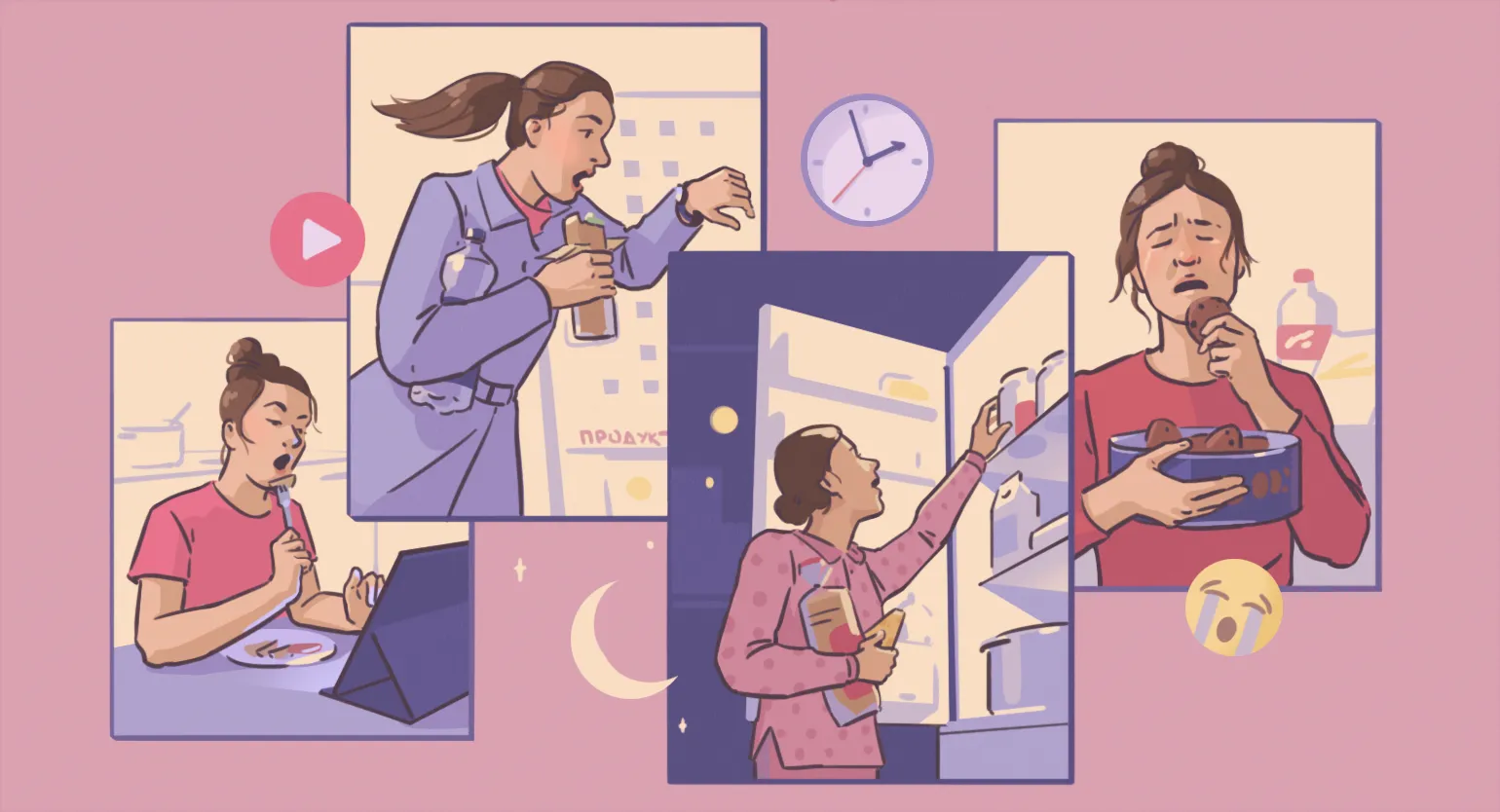
Social media, TV shows, and games can distract you from eating, making it difficult to savor the flavors of your food and recognize your satiety levels. These distractions can lead to overeating, where you eat more than you actually want. It's important to pay attention to your nutrition and closely monitor your hunger cues to maintain a healthy approach to eating and control your portions. Create a stimulating environment for eating, free from external stimuli, to enhance your sense of taste and satiety.
If you're used to eating chips, crackers, or cookies straight from the package, or ice cream from the tub, you risk eating much more than you planned. This leads to overeating and increased calorie intake. To avoid this, portion control is helpful. Place the appropriate amount of snacks on a plate and put the packaging away. This approach will help you control your consumption and maintain a healthy diet.
Eating in the car, snacking at your desk, and high-calorie lattes with sugary syrup while walking—all contribute to excess calorie consumption. If you want to control your diet and avoid mindless eating, try sitting down at the table during meals. This will help you focus on eating, become more aware of portion sizes, and reduce snacking. Establishing a habit of eating lunch or dinner in a relaxed environment will not only improve your well-being but also be a step toward a healthier lifestyle. Meal timing is just as important as food choices. Late-night snacking can lead to excess weight. If you're feeling hungry before bed, try drinking a glass of water and waiting 10 minutes. If hunger persists, choose a light snack, such as a piece of fruit or unsweetened yogurt. Importantly, proper meal planning helps avoid unnecessary trips to the refrigerator. If you're satisfied with a full dinner, the likelihood of late-night snacking is significantly reduced. Creating a meal plan helps control appetite and maintain health. Often, people choose high-calorie, carbohydrate-rich, and vitamin-deficient foods, such as chips, soda, candy, and cookies. It's recommended to have only healthy snacks on hand, such as hummus, sliced carrots and cucumbers, and unsalted popcorn. This will help maintain energy levels and improve overall health. Choosing the right snacks not only reduces calories but also enriches your diet with vitamins and minerals. Emotions, both negative and positive, can lead people to consume more food than is needed to satisfy hunger. To cope with this problem, it is important to find alternative ways to manage stress and maintain positive emotions. Consider taking a walk outside, chatting with friends on the phone, exercising, or watching funny videos online. These simple activities will help distract you from the desire to eat and improve your overall emotional state. Eating quickly can lead to overeating, as the stomach does not have time to send a signal to the brain that you are full. This can negatively impact your health and lead to weight gain. It is important to take time while eating so you can mindfully enjoy each bite and control the amount you consume. Good eating habits can help avoid these problems and promote a healthy lifestyle.
To slow down the process of eating, it is recommended to eat small portions and chew each bite thoroughly. Drinking water during meals is also beneficial, as this promotes slower eating, helps achieve a feeling of fullness, and prevents overeating. Regularly implementing these simple tips will not only improve digestion but also help control weight, which is especially important for maintaining health.
Lack of sleep contributes to overeating. Establish a daily routine and try to go to bed and wake up at the same time every day, including weekends. Make your bedroom dark and comfortable, and avoid watching TV, using computer screens, and using your phone at least an hour before bed. This will help improve the quality of sleep and reduce the risk of overeating, as adequate rest promotes more conscious food choices and appetite control.
Foods high in fat and sugar are addictive, leading to repeated purchases of such products. To overcome this addiction, you don't have to completely give up your favorite treats, as this can increase your cravings. It's important to learn to listen to your body and recognize your true nutritional needs. If you're craving something sweet, it doesn't always mean you should choose candy. You might be able to satisfy the craving with a healthier option, like a banana.
How to Fix Bad Eating Habits
We offer you an effective method that will help you analyze your habits and make changes. This approach will allow you to better understand which habits contribute to your development and which ones hinder you. By using it regularly, you can improve the quality of your life and achieve your goals.
A food diary is an effective tool for analyzing eating habits. Keeping a diary for several days will help identify patterns in your eating behavior. This will allow you to better understand your preferences, as well as determine which foods and diet contribute to your health. Regular monitoring will help you make the necessary changes to your diet, improving overall well-being and contributing to the achievement of nutrition goals.
Record all your meals and drinks, including snacks and alcohol, and record the time of each meal. It is also useful to note your emotional states during meals. This helps you understand that hunger is not always the reason for eating. People often eat because they're sad or, conversely, in moments of joy. You may notice that at certain moments you crave sweet snacks, which may indicate a need for energy in the middle of the day. This approach will help you become more aware of your eating habits and identify emotional triggers that influence your food choices.
- eating too quickly;
- always trying to finish food, even when you're already full;
- eating on the run;
- eating even though you're not hungry;
- always eating dessert;
- skipping meals.
Analyze your unhealthy eating habits and identify the triggers that contribute to this behavior. For example, these could be stress, emotional states, or certain situations that prompt you to choose unhealthy foods. Understanding these triggers will help you change your approach to eating and improve your overall health. Pay attention to your habits and make a plan that will help you get rid of negative factors and switch to a healthier diet.
- You often eat when you are bored or, conversely, emotionally uplifted;
- You see your favorite snack;
- You turn on a TV series while eating;
- You eat to cope with worries before or after a stressful meeting or situation;
- There is nothing for dinner, so you snack on the way home;
- Someone offers you a dish that they made "especially for you";
- You pass by your favorite bakery;
- You see free cookies at work.
Identify the triggers that lead to unhealthy eating. For example, procrastination at work may make you frequently visit the refrigerator, and images of delicious desserts on social media may make you want to go to the bakery. Understanding these factors will help you better control your eating habits and make more informed food choices.
Focus on the situations you encounter most frequently. Make sure you don't let these circumstances negatively impact you. It's important to maintain a clear mind and avoid emotions in order to make informed decisions. A clear understanding of your priorities will help you cope with everyday challenges more effectively.
Consider the following questions, which can help you deepen your understanding of the topic: What aspects are most important to you? What problems do you want to solve? What are your goals and expectations? Answering these questions will help you better formulate your thoughts and ideas. It's important to consider different perspectives and approaches to gain a complete understanding of the situation. Analyze the information critically and look for ways to apply the knowledge you gain in practice.
- Is there anything I can do to avoid the trigger? For example, could you take a different route to work to avoid the coffee shop?
- If I can't avoid the trigger, what can I do? Obviously, you can't avoid all situations that trigger your unhealthy eating habits. For example, you can't refuse to hang out with friends. But evaluate your options. You could probably bring healthier snacks to a meeting or sit further away from the cookies.
The key principle is not to criticize yourself, but to support yourself at every step. If you've already begun to reflect on your habits, then you're moving in the right direction. A positive approach to change makes it easier to adapt and achieve your goals. Focus on your successes, even if they seem small, and keep improving. Remember that self-support and understanding your needs are key elements in improving your habits and living a more prosperous life overall.
How to make money in IT
Take a simple test to understand which IT field suits you best. Master Python and Java, mobile and web development, data analysis, neural networks, testing, and cybersecurity. Write your first programs and create a personal career plan to start in IT.
Learn more