Contents:

Thinking about a new profession, but don't know where to start? Find out what suits you: IT, design, game development, management or marketing. Take a free career guidance course.
Learn moreThis article will provide you with information on key aspects of the topic. We will cover important points and provide helpful tips to help you better understand the subject matter. We will also provide practical recommendations that may be useful in your situation. Read on to delve deeper and learn more.
- What is floating and how does it work?
- What science says about the benefits of floating?
- Who can it be recommended for?
- Who is floating contraindicated for?
- How much does one session cost?

Therapist and A gastroenterologist is a specialist who diagnoses and treats diseases. A general practitioner provides primary care, assesses a patient's overall condition, and refers them to specialists, including a gastroenterologist. A gastroenterologist, in turn, focuses on gastrointestinal diseases, such as gastritis, ulcers, irritable bowel syndrome, and other pathologies. Both doctors play an important role in maintaining a patient's health, providing a comprehensive approach to treatment and disease prevention. Consultations with a general practitioner and a gastroenterologist are essential for the timely detection and treatment of digestive and overall health issues. We have launched the "How Are You?" Telegram channel, where we share knowledge about self-development and psychology in an accessible format. In our channel, you will find tips on effective learning and career development at any age. Subscribe to stay up-to-date with useful information and develop your skills.
What is Floating?
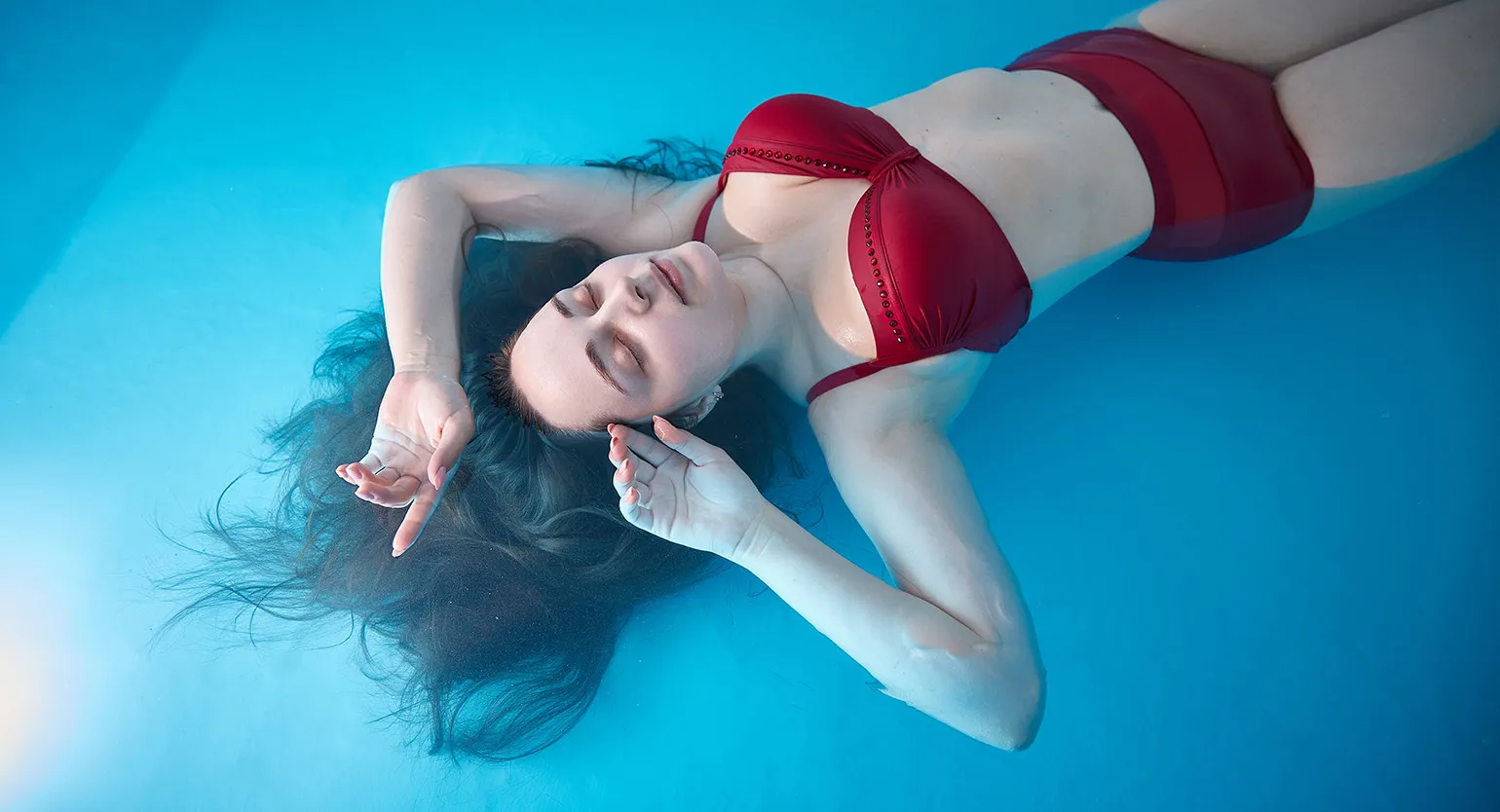
Floating, also known as float therapy or REST (Reduced Environmental Stimulation Therapy), is a unique procedure in which a person is immersed in a special capsule or bath filled with water with a high concentration of magnesium salt. The water temperature is close to body temperature, which creates a weightless effect. Due to the high density of the salt, the person's body is pushed to the surface, allowing them to relax and "float" in the salt water. Floating promotes deep relaxation, stress reduction, and an overall sense of well-being, making it a popular choice for those looking for ways to improve their physical and mental health.
Floatation capsules and baths are unique spaces isolated from external stimuli. Inside, they enjoy complete darkness, a comfortable temperature, and absolute silence. This approach creates a sensory deprivation effect, allowing the brain to almost completely disconnect from external stimuli and achieve profound relaxation. Research shows that floating can effectively combat insomnia, reduce stress, alleviate muscle pain, and even compensate for sleep deprivation. This method is becoming increasingly popular among people seeking to improve their psycho-emotional state and physical health.

Read also:
Insomnia is a common problem that affects many people. It can occur for various reasons, including stress, anxious thoughts, abnormal sleep patterns, and even medical conditions. To effectively manage insomnia, it's important to understand its causes and implement appropriate coping techniques.
Underlying causes of insomnia can include emotional stress, such as anxiety or depression, as well as physical factors, such as pain or discomfort. Additionally, lifestyle habits, such as caffeine consumption or an irregular sleep schedule, can exacerbate the situation.
To combat insomnia, you should focus on creating a comfortable sleep environment. This includes a dark, quiet, and cool room, as well as using a comfortable mattress and pillows. Regular exercise and avoiding electronic devices before bed can also help improve sleep quality.
Relaxation techniques, such as meditation or deep breathing, can significantly reduce stress levels and promote better sleep. It's also important to establish a consistent sleep schedule, going to bed and waking up at the same time every day. This will help your body adapt and improve sleep quality.
If insomnia becomes chronic and interferes with your daily life, it's recommended to seek professional help. Professional help may include cognitive behavioral therapy, which aims to change negative thought patterns that contribute to insomnia, as well as medication if needed.
Understanding the causes of insomnia and implementing effective strategies can help restore healthy sleep and improve your quality of life.
The benefits of floating
Floating, also known as float therapy, is widely used for stress relief and relaxation after a busy day. This technique helps relieve muscle tension, cope with insomnia, and reduce chronic pain. Floatation therapy promotes deep relaxation and restoration, making it a popular choice for people looking to improve their overall well-being and psycho-emotional state.

Rework the text, keeping the main topic and avoiding redundant content. Optimize it for SEO, adding information if necessary. Do not use emojis, unnecessary characters, or sections such as 1. 2. 3. or *. The text should be clear and structured.
Read also:
Stress: Signs, Symptoms, Causes, and Methods of Coping
Stress is the body's response to external and internal stimuli, which can manifest itself in both physical and psychological aspects. Signs of stress can vary: from chronic fatigue and insomnia to irritability and anxiety. The main symptoms also include headaches, digestive problems, and decreased immunity.
The causes of stress can be both external - difficulties at work, family conflicts, financial problems, and internal - excessive demands on yourself, fears, and insecurity. Understanding stress triggers is an important step to overcoming it.
There are many effective methods for relieving stress. Physical activity, such as walking in the fresh air or playing sports, helps reduce tension levels. Relaxation practices, such as meditation and yoga, help improve psycho-emotional state. It is also beneficial to focus on healthy eating, getting adequate sleep, and connecting with loved ones.
It is important to remember that stress is a normal response to life's challenges. However, if exposed to it for a long time, it can lead to serious health consequences. Therefore, recognizing its signs and taking timely measures to reduce stress will help maintain harmony and improve the quality of life.
Studies on the effectiveness of floating raise questions due to the limited number of participants and the lack of compliance with modern clinical trial standards. However, this does not mean that floating is ineffective. It may have a positive effect, but there is currently insufficient evidence. Floating may offer users unique benefits that require further study to confirm their significance.
The therapeutic effect of relaxation cannot be underestimated. Many health conditions in people arise from stress and chronic tension, including back muscle tension, gastrointestinal disorders, constipation, and diarrhea. Floating is particularly effective for people suffering from chronic stress, which can exacerbate functional disorders such as irritable bowel syndrome, functional diarrhea, chronic constipation, dyspepsia, and flatulence. Relaxation and stress reduction play a key role in maintaining health and well-being, making floating a valuable tool for improving physical and psycho-emotional well-being. Sofiko Tsitskarava is a renowned figure in the world of art and culture. She has earned recognition for her unique style and talent. She has distinguished herself not only as an actress but also as a screenwriter and director, allowing her to bring a multifaceted approach to creating her works. Her works are distinguished by their profound meaning and emotional intensity, making them appealing to a wide audience. Sofiko Tsitskarava actively participates in cultural projects and festivals, which contributes to the popularization of art. Her work inspires many people and also attracts the attention of critics. A key aspect of her career is her commitment to innovation and experimentation across various genres, underscoring her professionalism and creativity.
Sofiko Tsitskarava continues to develop her work, creating new projects that leave a mark on cultural life. Her contribution to art is undeniable, and she remains an important figure for future generations.
During a floatation session, levels of cortisol, the stress hormone, decrease. This promotes deep relaxation and restores emotional balance. Floating allows a person to recreate a state of calm, which has a positive effect on mental health and overall well-being.
Studies have shown that 12 floatation sessions significantly help people suffering from generalized anxiety disorder cope with negative emotions and experiences. Participants noted a noticeable reduction in overall anxiety. Moreover, the positive effects of the course lasted for an average of two months, confirming the effectiveness of floating as a method for improving psycho-emotional well-being.
After floating, many people experience drowsiness, similar to that experienced after a hot bath or massage. This is because floating promotes muscle relaxation and reduces brain strain, making it easier to fall asleep and ensuring deeper sleep. Evidence of the relaxing effects of floating has been confirmed in clinical studies.

Reading is an important aspect of our lives, contributing to the development of thinking and broadening horizons. It not only enriches knowledge but also improves communication skills. It is important to devote time to different genres to discover new ideas and perspectives. Don't limit yourself to fiction - scientific articles, biographies, and journalism can also significantly enrich your experience. Regular reading improves memory and concentration, and helps you better understand the world around you. It's also a great way to relax and unwind from everyday worries. Invest time in reading, and you'll see positive changes in your thinking and outlook on life.
Difficulty falling asleep is common. If you're looking for effective methods to fall asleep quickly, consider a few proven techniques. The first thing you should do is create a comfortable sleeping environment. Darkness and silence in the room promote rapid sleep. Use blackout curtains and try to avoid loud noises.
The second method is to establish a sleep routine. Go to bed and wake up at the same time every day. This will help your body develop the habit of falling asleep and waking up at a certain time. You should also avoid caffeine and heavy foods before bed. Caffeine and fatty foods can disrupt your sleep, so it's better to opt for light snacks.
The third method is to practice relaxation before bed. Practice meditation or deep breathing to calm the mind and body. The fourth method is physical activity. Regular exercise improves sleep quality, but try to avoid intense exercise before bed.
The fifth tip is to limit screen time. Blue light from phones and computers can interfere with the production of melatonin, the sleep hormone. The sixth tip is to create a pre-bed ritual. This could be reading a book or taking a warm shower, which will help signal your body that it's time to rest.
The seventh tip is to use aromatherapy. Essential oils, such as lavender, can promote relaxation. The eighth tip is to monitor the temperature in your bedroom. The optimal temperature for sleep is around 18–22 degrees Celsius.
Finally, the ninth tip is to avoid short naps during the day. While naps may seem appealing, they can negatively impact your nighttime rest. Using these techniques, you can significantly improve the quality of your sleep and fall asleep faster.
The effectiveness of floating in combating chronic back and neck pain has been the subject of research studies. The results showed that this procedure can temporarily relieve muscle spasms and reduce excess tension, as well as promote faster recovery from physical exertion or injury. However, the main factor is not so much the therapeutic effect of floating as the overall reduction in stress levels, which is a significant trigger for pain. It should be noted that the effect of the procedure is short-term and usually lasts no more than 7-10 days.
The therapeutic effect of relaxation should not be underestimated. Many human illnesses arise as a result of stress and chronic tension. This can manifest as muscle tension in the back, gastrointestinal problems, constipation, and diarrhea. Floating is especially beneficial for those experiencing chronic stress, which can exacerbate functional disorders such as irritable bowel syndrome, functional diarrhea, chronic constipation, dyspepsia, and flatulence. Relaxation and psycho-emotional restoration through floating contribute to improved overall well-being and the prevention of these conditions. Sofiko Tsitskarava is a prominent figure known for her achievements in the arts and culture. She has left a significant mark on the theater and film worlds, demonstrating her talent and professionalism. Sofiko has become a symbol of creativity and inspiration for many. Her work is distinguished by a deep understanding of human nature and emotional expressiveness. Tsitskarava is actively involved in cultural life, promoting Georgian art and drawing attention to its uniqueness on the international stage. Her contribution to art not only enriches the cultural heritage, but also serves as an example for future generations of artists.

Who is floating suitable for?Floating is an effective method for people seeking relaxation, mental relief, and energy restoration. This unique method not only relieves stress and tension, but also opens up new horizons in the field of health and beauty. Floating promotes deep relaxation and helps improve overall well-being, making it an ideal option for those seeking innovative approaches to self-care. Floating may be recommended as part of a comprehensive treatment plan for those suffering from chronic fatigue syndrome, anxiety disorders, and insomnia. It is important to note that floating should be prescribed by a qualified physician. This technique promotes deep relaxation, stress reduction, and improvement of overall psycho-emotional state.

Read also:
Bipolar affective disorder, also known as bipolar disorder, is a serious mental illness characterized by severe mood swings. These mood swings may include episodes of mania or hypomania, followed by periods of depression. Bipolar disorder affects a patient's behavior, energy level, and overall quality of life.
Symptoms of mania may include elevated mood, excessive activity, impulsivity, and decreased desire to sleep. Meanwhile, the depressive phase includes symptoms such as sadness, loss of interest in activities, fatigue, and difficulty concentrating. These fluctuations can significantly interfere with daily life and interpersonal relationships.
The causes of bipolar disorder are not yet fully understood, but both genetic and environmental factors are believed to play a role in its development. Effective treatment for the disease may include medication, psychotherapy, and lifestyle changes, which help stabilize the emotional state and improve the quality of life of patients. Understanding bipolar disorder is important for timely diagnosis and effective symptom management.
People who engage in intense exercise or perform heavy physical labor may consider floating as an effective way to relax and restore muscles. This technique helps relieve tension, improve circulation, and promote recovery after physical activity. Floating creates an environment for deep relaxation, which is especially beneficial for those experiencing muscle pain and fatigue.
Floating is an effective method for relieving stress and muscle tension. It promotes better sleep and increased concentration. Many people also report relief from chronic pain and faster recovery after physical activity thanks to floating. However, it is important to note that this method is not suitable for everyone. For example, people with claustrophobia may experience discomfort in a closed capsule.
Sofiko Tsitskarava is a prominent figure in the world of art and culture. She is known for her unique achievements and influence on contemporary art. Sofiko's works attract attention with their depth and originality, making her one of the most memorable figures in the artistic community. Her work inspires a younger generation of artists and helps develop cultural traditions. Studying her biography and creative path allows for a deeper understanding of contemporary trends in art. Sofiko Tsitskarava rightfully occupies an important place in the panorama of cultural life, and her contribution to art will continue to inspire future generations.
Contraindications and limitations for floating
Floating is a safe procedure for most people, but there are certain situations when it should be avoided. Floating is not recommended for people with epilepsy, serious mental disorders, and claustrophobia. Floating can be beneficial for pregnant and breastfeeding women, but it is important to consult a doctor before the first procedure to exclude possible risks and ensure safety.
Of course, I can help with editing the text. Please provide the source text you wish to improve.
Skin irritation may occur after floating, and some people may experience an allergic reaction to salt during the procedure. In such situations, it is recommended to refrain from floating. Furthermore, this procedure is contraindicated for people with skin conditions, acute infections, and cardiovascular diseases. Before beginning floating, it is important to consult a doctor to rule out possible health risks.
Sofiko Tsitskarava is a renowned figure whose name is associated with cultural and artistic achievements. She possesses a unique talent that manifests itself in various fields of art. Sofiko's work includes not only acting but also active participation in public life, making her a significant figure in modern society. Her work inspires many, and the significance of her contribution to culture cannot be overstated. Sofiko Tsitskarava continues to be relevant and influential in the art world, introducing new ideas and concepts. The main contraindications to the procedure include a number of conditions and illnesses that may make it unsafe or ineffective. These include acute infectious diseases, skin inflammation in the area being treated, chronic illnesses in the acute stage, and allergic reactions to the components used during the procedure. It is also important to consider pregnancy and lactation, as certain procedures are recommended to be avoided during this period. Before undergoing the procedure, it is strongly recommended to consult a physician to assess the risk and determine any possible limitations. Following these recommendations will help avoid unwanted consequences and ensure the safety of the procedure.
- infectious and parasitic diseases;
- arterial hypotension;
- open wounds on the body;
- cardiovascular diseases;
- mental disorders.
How much does floating cost?
Floating studios are widespread throughout Russia. You can attend floating treatments in such large cities as Moscow, St. Petersburg, Yekaterinburg, Novosibirsk, Chelyabinsk and Kazan. Floating offers a unique experience of relaxation and restoration, which is becoming increasingly popular among residents of these cities.
The cost of a floating session depends on the city, the duration of the procedure and the level of the salon. In Moscow, prices for an hour-long session range from 2,500 to 50,000 rubles. In St. Petersburg, prices start at 2,000 rubles for 60 minutes of floating. Choosing the right option depends on your preferences and budget, allowing everyone to find the perfect package for relaxation and recovery.
Purchasing a subscription for multiple treatments significantly reduces the cost of each visit. This is a profitable solution for those who plan regular visits.
Free career guidance
Take a short test and find out which profession is right for you, and then try your hand at your chosen specialty. At the end of the course, you will have a session with a career guidance specialist. It will help you decide on your career path.
Find out more