Contents:

Thinking about a new profession, but don't know where to start? Find out what suits you: IT, design, game development, management or marketing. Take a free career guidance course.
Learn moreThis article will provide information on key aspects of the topic, as well as useful tips and recommendations. We will cover the main points that will help you gain a deeper understanding of the subject and improve your knowledge. Read on to learn more about important nuances and practical applications.
- Why does the body need iodine;
- How much iodine should you consume;
- What foods contain iodine;
- What can iodine deficiency lead to;
- Is it true that the iodine grid method helps identify iodine deficiency;
- How to check the amount of iodine in the body.
We launched the Telegram channel "How are you?", where we share knowledge about self-development, psychology, and effective teaching methods in a convenient format. We also discuss how to build a career at any age. Subscribe to receive helpful tips and relevant information to help you with your personal and professional growth.
Why the Body Needs Iodine
Iodine is an essential trace element that is not synthesized by the human body and can only be obtained from food or supplements. It plays a key role in the synthesis of thyroid hormones, which are necessary for protein formation, enzyme activation, metabolism, heat exchange, as well as for the normal function of the cardiovascular system and liver. It is especially important to ensure sufficient iodine levels during pregnancy and lactation, as it is necessary for the proper growth and development of the child's nervous system. Ensuring adequate iodine intake can help avoid disorders associated with deficiency of this trace element.
Iodine in food and supplements is present as salts and is absorbed into the body in the form of iodide. The thyroid gland accumulates iodine to synthesize hormones, and its excess is excreted in the urine. A healthy person's body contains 15-20 mg of iodine, 70-80% of which is located in the thyroid gland. Iodine plays a key role in maintaining the normal functioning of this gland and in regulating metabolism. Maintaining adequate iodine levels in the diet is important for preventing diseases associated with a deficiency of this element, such as hypothyroidism and various forms of goiter.
How much iodine should you consume?
The World Health Organization (WHO) recommends an optimal daily iodine intake to ensure normal body function. Iodine is an essential trace element necessary for the synthesis of thyroid hormones, which affect metabolism and development. The recommended daily intake of iodine varies depending on age, gender, and physiological state. For adults, this norm is approximately 150 micrograms per day. Pregnant and lactating women need more iodine to support the health of both mother and child. Therefore, it is important to monitor your diet and, if necessary, include foods rich in iodine, such as seafood, dairy products, and iodized salt.
According to the Endocrinology Center of the Russian Academy of Medical Sciences, the level of iodine consumption in Russians is only 30-50% of the recommended daily intake. This insufficient amount of iodine can negatively affect health, since iodine is an important element for thyroid function and overall metabolism. It is important to raise awareness of the importance of iodine and ensure its sufficient intake to maintain health.
What foods contain iodine
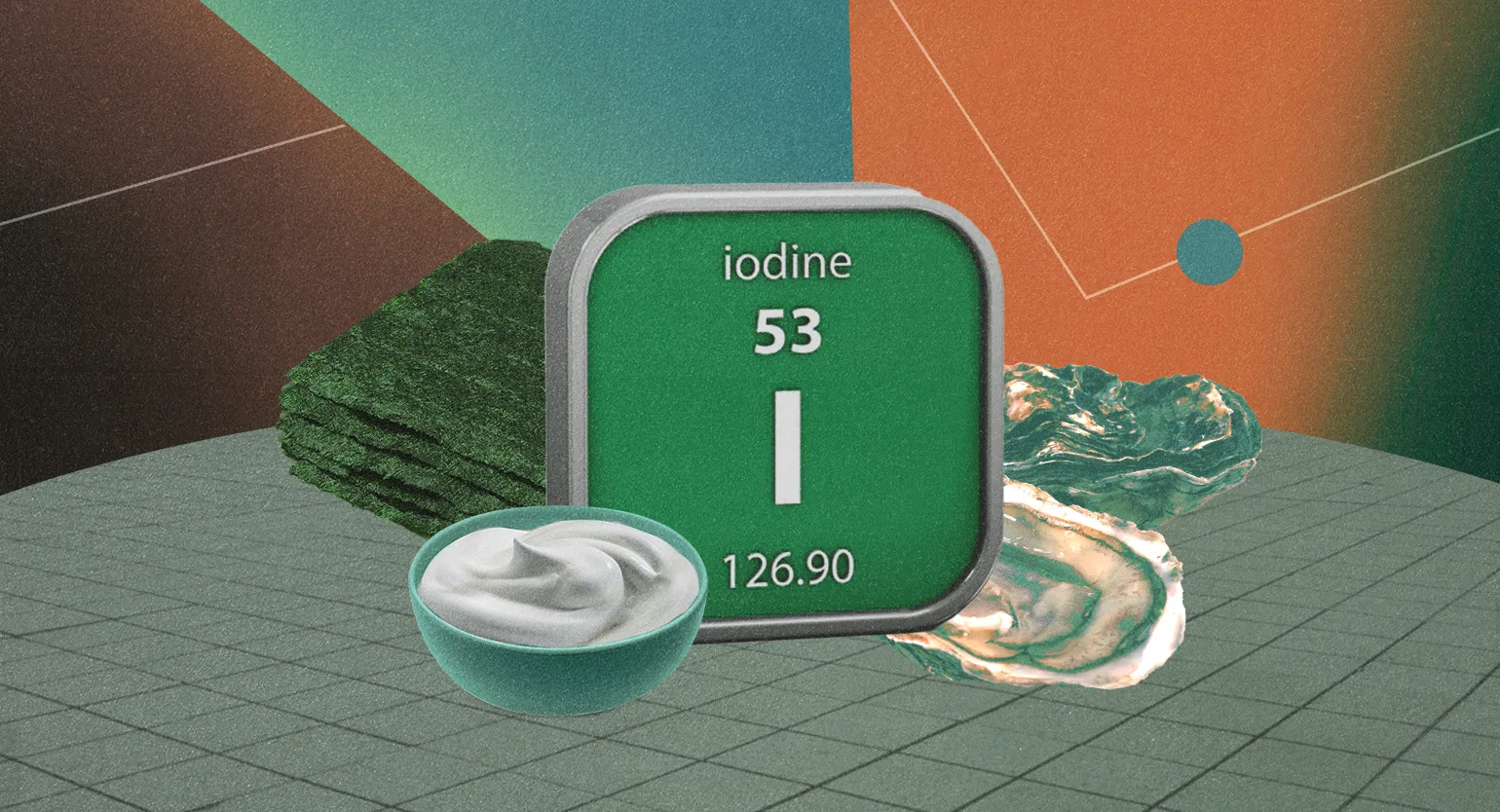
Iodine enters the body in two main ways: through food and through water. This essential micronutrient is found in seafood, dairy products, eggs, and some plants. Iodine can also be added to table salt and other foods in the form of iodized salt. Iodine intake is essential for the normal functioning of the thyroid gland, which regulates metabolism and helps maintain energy balance in the body. Iodine deficiency can lead to serious conditions such as hypothyroidism and goiter. Therefore, it is important to ensure adequate iodine levels in the diet to ensure health and well-being.
- Naturally - during the growth and ripening of plants and their fruits, if the soil contains sufficient amounts of this mineral.
- Fortification - in addition to salt, iodine is added to bottled water, juice drinks, and some baked goods.
A lack of iodine in the soil negatively affects its content in foods, especially in certain regions. Iodine deficiency is common in Russia, leading to a dietary shortage. This can cause serious health problems, as iodine plays a key role in thyroid function and metabolism. Increasing iodized diets and taking supplements can help address this issue.
To ensure adequate iodine levels, regularly include foods rich in iodine in your diet. This will help maintain health and well-being.
To reduce the risk of iodine deficiency in the population, the World Health Organization (WHO) recommends using iodized salt in cooking. It is important to observe the expiration date on iodized salt and store it away from light and heat, as these factors can significantly reduce the iodine levels in salt. Consuming iodized salt is a simple and effective way to maintain adequate iodine levels in the body, which promotes normal thyroid function and overall health.
It's important to note that excess iodine can have negative health consequences. Excessive iodine consumption can disrupt the balance of thyroid hormones, which can lead to both hypothyroidism and hyperthyroidism. Furthermore, excess iodine can lead to thyroid inflammation and, in some cases, even cancer. Therefore, it is necessary to monitor the level of iodine consumption and consult a doctor if necessary.

Read also:
Iron is an important micronutrient necessary for maintaining health and normal functioning of the body. It plays a key role in the formation of hemoglobin, which is responsible for transporting oxygen to cells. Iron deficiency can lead to anemia and other diseases. Including iron-rich foods in your diet can help prevent iron deficiency.
There are many foods that are excellent sources of iron. Red meat, such as beef and lamb, contains heme iron, which is absorbed most efficiently by the body. Poultry, including chicken and turkey, is also a good source of iron. Fish and seafood, such as tuna and oysters, provide iron and other beneficial nutrients.
Plant sources of iron, such as legumes, nuts, seeds, and dark leafy greens, can also provide the body with essential iron. Spinach, broccoli, and kale are excellent examples. Cereals, especially oatmeal and quinoa, contain significant amounts of iron. Fruits such as apricots and raisins, as well as some dried fruits, can make a sweet addition to your diet and help boost your iron levels.
By including a variety of iron-rich foods in your diet, you can maintain optimal levels of this important micronutrient and take care of your health.
What can iodine deficiency lead to?
A lack of iodine in the human body leads to a decrease in the production of thyroid hormones. This can cause a number of serious health problems, such as an enlarged thyroid gland (goiter), hypothyroidism, and metabolic disorders. Furthermore, iodine deficiency can negatively affect brain development in children, increasing the risk of mental retardation and other cognitive impairments. Maintaining adequate iodine levels in your diet is important for maintaining health and preventing thyroid disease.
- A goiter is a gradual enlargement of the thyroid gland as it struggles to meet the body's hormone needs. A person with a goiter may experience difficulty swallowing and a feeling of suffocation.
- Hypothyroidism is the main symptom of iodine deficiency. In this condition, the thyroid gland does not produce enough hormones. Without them, metabolism slows, and a person experiences weakness, fatigue, weight gain, and poor tolerance to cold.
Iodine deficiency can lead to a variety of conditions and diseases. One of the most well-known consequences is hypothyroidism, which occurs due to insufficient production of thyroid hormones. This can cause fatigue, decreased metabolism, and weight gain. Additionally, iodine deficiency can lead to a goiter—an enlarged thyroid gland that attempts to compensate for the lack of hormones. In children, iodine deficiency can cause delayed mental and physical development, and in pregnant women, it has an increased risk of complications, such as neurological disorders in newborns. Iodine deficiency can also negatively impact the immune system and overall health. Ensuring adequate iodine in the diet is important for maintaining good health.
- infertility;
- edema;
- constipation;
- hoarseness;
- dry skin, flaking;
- hair loss.
Iodine deficiency during pregnancy and breastfeeding can lead to serious problems for both mother and child. Deficiency of this important trace element can cause disturbances in the development of the fetal nervous system, which in turn can lead to mental retardation or other developmental disorders. In pregnant women, iodine deficiency can trigger hypothyroidism, which negatively impacts overall health and can increase the risk of complications during childbirth. Furthermore, iodine deficiency in nursing mothers can limit the amount of this micronutrient in breast milk, which also negatively impacts the health of the newborn. Therefore, it is important to monitor the iodine level in the body and, if necessary, take supplements recommended by a doctor.
- miscarriage;
- stillbirth;
- congenital defects;
- delayed growth and development of the infant;
- intellectual disabilities in a child;
- a severe form of brain damage - cretinism, or congenital iodine deficiency syndrome, in which the child may have severe physical and mental developmental disabilities, deafness, excessive muscle tension, and others.
Pregnant and breastfeeding women, as well as people who do not include iodine-rich foods in their diet, follow a vegan diet, or live in areas with low levels of this element, are at risk of iodine deficiency. Therefore, they need to carefully monitor the iodine level in the body to avoid possible negative health consequences. Iodine plays a key role in maintaining normal thyroid function, and its deficiency can lead to serious problems. It is recommended to regularly check your iodine levels and, if necessary, adjust your diet to suit your individual needs.
Is it true that the iodine grid method helps identify iodine deficiency?
It is believed that iodine deficiency in the body can be detected using a patch test. To do this, it is recommended to draw a grid with iodine on the skin and observe how quickly it fades within half an hour. If the grid fades too quickly, this may indicate iodine deficiency. However, it is important to remember that such methods are not a substitute for professional medical diagnosis. To accurately determine the iodine level in the body, you should consult a doctor and undergo the necessary tests.
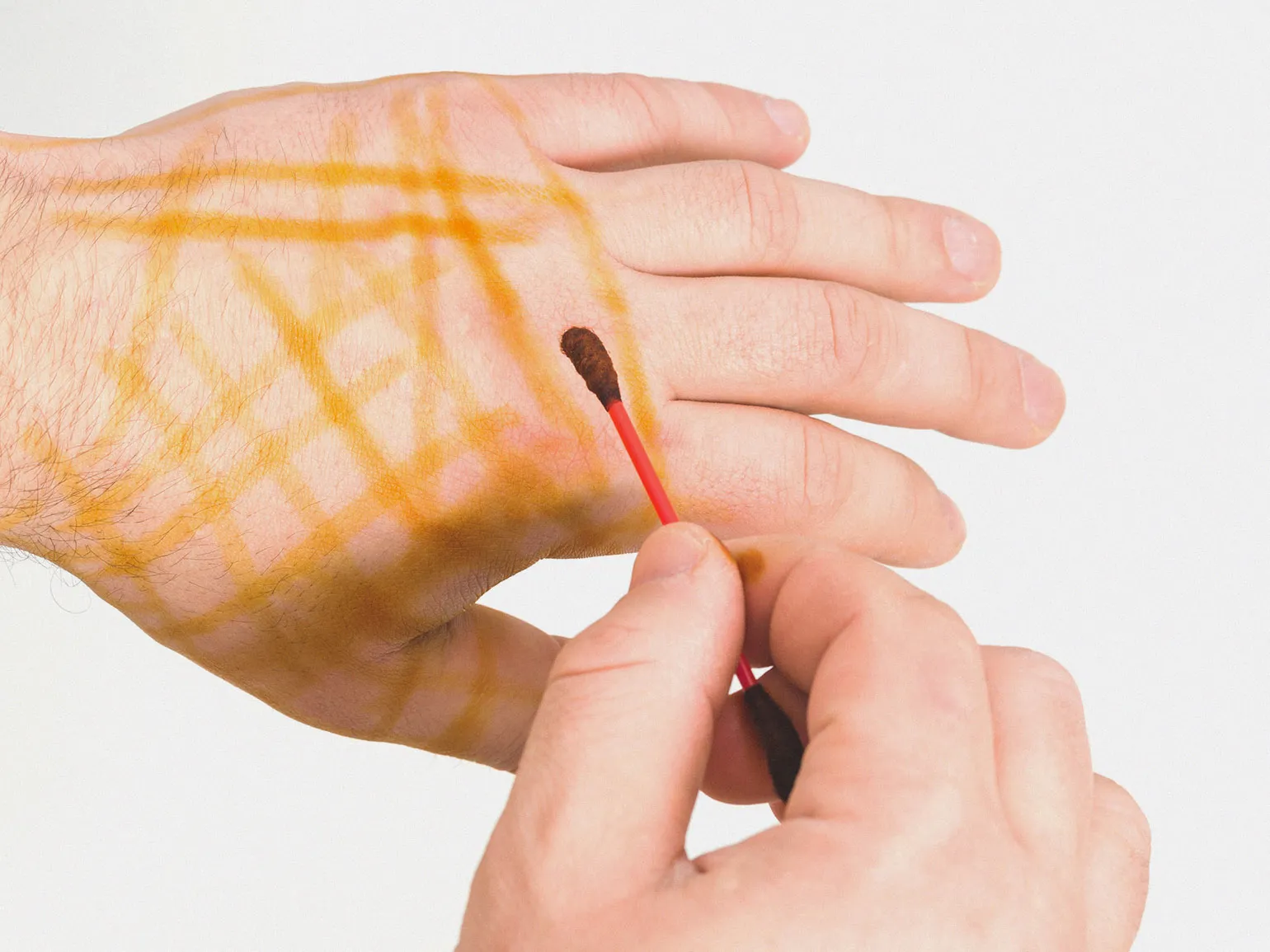
This test is considered unreliable because some of the iodine may evaporate when the solution is applied to the skin. The skin's reaction to iodine patterns depends on several factors, such as body temperature, skin humidity, and atmospheric pressure. These conditions can significantly affect the final test results, making them less predictable and accurate. Therefore, before using iodine for skin tattooing, it is important to consider all of these factors to ensure more reliable results.
How to Test the Amount of Iodine in Your Body
A doctor rarely orders blood or urine tests to determine iodine levels in the body. Although excess iodine is excreted in urine, its concentration does not provide accurate information about the intake of the element, as it varies throughout the day. These tests are used primarily to determine iodine deficiency in the diet based on data from a group of patients. A blood test for serum iodine levels is commonly used to detect excess iodine, especially during treatment with iodine-containing medications. Proper iodine balance in the body is important for maintaining thyroid health and overall metabolism.
If you suspect iodine deficiency, it is important to consult a physician. A specialist will conduct a detailed interview and examination, as well as palpate the thyroid gland. If necessary, the doctor will prescribe tests, an ultrasound, and a consultation with an endocrinologist for a more accurate diagnosis. Don't delay your visit to the doctor, as iodine deficiency can affect the health and function of the thyroid gland.
Revised text:
Information sources play a key role in the research and analysis process. They provide data, facts, and arguments that help form informed opinions and conclusions. It is important to distinguish between primary and secondary sources, as primary sources contain original data, while secondary sources are based on the interpretation of this data. To successfully find and use information, it is necessary to consider the reliability and relevance of sources. Proper selection of sources promotes a deeper understanding of the topic and helps avoid the dissemination of inaccurate information.
Therefore, when working with information, special attention should be paid to the quality of sources to ensure the reliability of the knowledge obtained.
Zimmermann M. B., Jooste P. L., and Pandav C. S. in their article "Iodine Deficiency Disorders", published in The Lancet in 2008, examine the problems associated with iodine deficiency. The article notes that iodine deficiency is one of the leading causes of preventable mental retardation worldwide. The study emphasizes the importance of preventing iodine deficiency through food fortification and the use of iodized salt. This study is significant in raising awareness of the need to ensure adequate iodine levels in the diet, especially in regions where there is a shortage. DOI: 10.1016/s0140-6736(08)61005-3.
Hatch-McChesney A. and Lieberman H. R. in their article "Iodine and Iodine Deficiency: A Comprehensive Review of a Re-Emerging Issue", published in the journal Nutrients in 2022, examine the pressing issue of iodine and its deficiency. In this work, the authors offer an in-depth analysis of the state of iodine deficiency, which is again becoming a significant problem in modern society. The study emphasizes the importance of iodine for human health, as well as the consequences of its deficiency. The article provides information on the causes of iodine deficiency, health consequences, and measures to prevent it, making it a valuable resource for nutrition and healthcare professionals. DOI: 10.3390/nu14173474.
Guidelines for fortifying table salt with iodine for the prevention and control of iodine deficiency diseases have been developed by the World Health Organization. Fortifying salt with iodine is an important strategy for combating iodine deficiency, which can lead to serious health problems. Consuming iodized salt helps ensure the necessary level of iodine in the diet, which is especially important for women during pregnancy, as well as for children, whose development depends on an adequate intake of this micronutrient. Using iodized salt as a basis for nutrition not only improves public health but also reduces the incidence of iodine deficiency diseases. Implementing this practice at the level of state programs contributes to more effective monitoring and prevention of iodine deficiency diseases.
The Office of the Federal Service for Supervision of Consumer Rights Protection and Human Wellbeing for Railway Transport is actively involved in issues of sanitary and epidemiological surveillance. It is important to note that October 21, 2024, will be World Iodine Deficiency Day. This event highlights the need to raise awareness about the health and well-being of citizens, especially in the context of consumer protection in transport. Proper management and quality control of rail transport services contribute to improving the sanitary and epidemiological situation and protecting public health.
Preventing iodine deficiency is an important task for maintaining public health. The Federal Service for Surveillance on Consumer Rights Protection and Human Wellbeing emphasizes the importance of regularly monitoring iodine levels in the body. Iodine plays a key role in thyroid function and normal metabolism.
Iodine deficiency can lead to various diseases, including hypothyroidism and mental retardation. The main sources of iodine are seafood, dairy products, and iodized salt. It is recommended to include these foods in the diet, especially in regions where iodine levels in the soil are low.
To prevent iodine deficiency, it is also important to undergo regular checkups and monitor your health. Consulting with specialists will help promptly identify and address iodine deficiency issues. Supporting public health and educating the population about the importance of iodine in the diet will help improve quality of life and prevent iodine-related diseases.
Iodine is an essential trace element necessary for the normal functioning of the human body. It plays a key role in the synthesis of thyroid hormones, which regulate metabolism, growth, and development. Iodine deficiency can lead to various diseases, including hypothyroidism and goiter. The importance of iodine for health cannot be overstated, especially for women during pregnancy and children, as it is necessary for the proper development of the brain and nervous system. The recommended daily intake of iodine varies depending on age and physiological condition. The main sources of iodine are seafood, dairy products, and iodized salt. It is important to monitor iodine levels in the body and adjust its intake if necessary to avoid deficiency. More detailed information can be found in the fact sheet prepared by the National Institutes of Health.
Top 10 Foods Rich in Iodine
Iodine is an essential trace element necessary for the normal functioning of the body. It plays a key role in the synthesis of thyroid hormones, which are responsible for metabolism and maintaining energy balance. Including iodine-rich foods in your diet helps maintain health and prevent disease.
Seafood, such as seaweed, fish, and shrimp, are among the foods richest in iodine. These foods are natural sources of this important element and are recommended for regular consumption. Egg yolks and dairy products, such as milk and yogurt, also contain iodine and can be beneficial in your daily diet.
Furthermore, iodine is present in some vegetables, such as potatoes and spinach, although their content may vary depending on growing conditions. Fruits, such as strawberries and oranges, contain iodine in smaller quantities, but they can still contribute to your overall intake of this micronutrient.
Maintaining adequate iodine levels in the body is important, as a deficiency can lead to serious health consequences. Regular consumption of iodine-rich foods will help maintain optimal levels of this element and improve overall health.
Deresa E. M., Befkadu D. M., and Hamda M. G. conducted a study on the effects of heat and light on the iodine content of packaged and unpackaged salt brands collected from Jimma city. The results of their work were published in the journal Heliyon in 2023, Volume 9, Issue 10, Article e20412. DOI: 10.1016/j.heliyon.2023.e20412. The study highlights the importance of salt storage conditions in preserving its nutritional properties, which may be relevant to consumers and producers.
Expand the list to access all items. This will allow you to view the full content and select the items you are interested in. Full access to the list provides easy navigation and helps you quickly find the information you need. Note the sorting and filtering options, making it easier to find. Expanding the list gives you a more detailed view of the available options and capabilities.
Iodine deficiency is a serious health concern that you should be aware of. Iodine is an essential trace mineral required for proper thyroid function and the production of hormones that regulate metabolism. Iodine deficiency can lead to various conditions, including hypothyroidism, thyroid enlargement, and even mental retardation in children.
Symptoms of iodine deficiency can include fatigue, weight gain, slow metabolism, and difficulty concentrating. Maintaining adequate iodine levels in the body is important, which can be achieved through a healthy diet. Foods rich in iodine include seafood, dairy products, and some types of iodine-fortified salt.
To prevent iodine deficiency, it is recommended to monitor your diet and, if necessary, consult a healthcare professional. Specialized tests can help determine the level of iodine in the body and identify possible risks. Adequate iodine intake helps maintain health and prevent diseases associated with its deficiency.
Martina Nesvadbova, Matteo Crosera, Giovanni Maina, and Francesca Larese Filon conducted a study on the absorption of povidone iodine through the skin. Their results were published in the journal Toxicology Letters in 2015, including Issue 235, Number 3, on pages 155-160. This study has important implications for understanding the dermatological properties of povidone iodine, its effects on skin barriers, and potential applications in medical practice. Understanding the absorption mechanism of this substance may lead to improved methods of its use in the treatment and prevention of infections.
In her work "Hypothyroidism," L. M. Temple examines important aspects of this condition. Hypothyroidism, characterized by insufficient thyroid function, can have a significant impact on human health. In the book, published in 2012 in the Elsevier eBooks series, the author describes in detail the clinical manifestations, diagnosis, and treatment methods of hypothyroidism. The study highlights not only the physiological but also the metabolic changes occurring in the body with this disease. The focus is on modern approaches to treatment and symptom management, making the work valuable for medical professionals and students. DOI for accessing the full text: 10.1016/b978-1-4377-1793-8.00033-9.
Hlucny K. et al. in their pilot study examine the relationship between dietary iodine intake and 24-hour urine, serum, and thyroglobulin iodine concentrations as biomarkers of iodine status. The article was published in the journal Nutrients in 2021, Volume 13, Issue 8, Article 2520. This study highlights the importance of monitoring iodine status to assess iodine intake and its impact on health.
Free career guidance
Take a short test and find out, Find out which profession is right for you, and then try your hand at your chosen specialty. At the end of the course, you'll have a session with a career guidance specialist. It will help you decide on your career path.
Find out more