
Contents:
- What are the benefits of fruits
- How much fruit should you eat per day
- What vitamins and microelements are contained in fruits
- The healthiest fruits
- What fruits are best to eat in each season
- How useful or, conversely, dangerous is fructose in fruits
- Can you lose weight on fruits
- What beneficial properties are preserved in fruit jam

Free test: Which digital profession is right for you? Find out the answer in 15 minutes and try your hand at a new specialty.
Learn moreThe benefits of fruit
Fruits are natural desserts with moderate to low calorie content. They contain a large amount of fiber, vitamins, minerals, and other nutrients that play an important role in maintaining health. Including fruit in your diet helps improve digestion, strengthen the immune system, and reduce the risk of chronic diseases. Choosing a variety of fruits will help provide the body with the necessary elements and maintain overall health.
Regular fruit consumption significantly reduces the risk of diabetes and obesity. Fruits help reduce inflammation in the body and also protect against cardiovascular disease and some forms of cancer. Including a variety of fruits in your diet can improve overall health and boost your immune system, making them an important part of a balanced diet.

Explore additional resources:
12 Healthiest Vegetables According to a Nutritionist
Vegetables play an important role in our diet and are a source of vitamins, minerals, and fiber. A nutritionist highlights 12 of the healthiest vegetables to include in your diet to maintain health and strengthen your immune system.
First on the list is spinach, rich in vitamins A, C, and K, as well as iron and antioxidants. Broccoli, containing sulforaphane, helps protect the body from various diseases. Carrots, thanks to their high beta-carotene content, help improve vision.
Tomatoes are not only delicious but also contain lycopene, which is considered a powerful antioxidant. Peppers, especially red ones, are rich in vitamin C and are beneficial for strengthening the immune system. Garlic is known for its antimicrobial properties and can support cardiovascular health.
Cabbage, especially sauerkraut, is a source of probiotics that promote gut health. Beets help improve liver function and promote detoxification. Green peas are rich in protein and fiber, making them a great addition to many dishes.
Turnip is an excellent source of B vitamins and minerals. Artichokes are rich in antioxidants and support liver health. Finally, cauliflower, due to its versatility, can serve as an alternative to carbohydrates.
Including these vegetables in your daily diet will help improve overall health, provide the body with essential nutrients, and maintain optimal energy levels.
How much fruit should you eat per day?
The Russian Ministry of Health recommends consuming at least 300 grams of fruit and 400 grams of vegetables per day to maintain health. In turn, experts from the World Health Organization (WHO) advise adults to include at least 400 grams in their daily diet - this is equivalent to five servings of 80 grams - of fruits and vegetables, two of which should be fruit. Following these recommendations will help improve overall health and reduce the risk of chronic diseases.
To avoid confusion with grams, it is convenient to use the size of a fist as a guide: one serving of fruit is approximately equal to one fist. To maintain health, it is recommended to eat at least one banana and one apple daily, and preferably more. It is important to note that this calculation does not only include fresh fruit, but also frozen, cooked, or dried varieties. Eating a variety of fruits not only improves overall well-being, but also saturation of the body with vitamins and minerals.
What vitamins and minerals are found in fruits?
Fruits are important sources of nutrients necessary for maintaining health. In this article, we will consider fruits that are high in vitamins and minerals. These record-breakers will help you diversify your diet and strengthen the immune system thanks to their rich composition.
Fruits not only contain vitamins and minerals but are also an excellent source of fiber, which is essential for maintaining healthy digestion. Regular fiber consumption promotes regular bowel movements, improves intestinal microbiota, and reduces the risk of colorectal cancer. It helps regulate bad cholesterol and blood glucose levels. Furthermore, fiber-rich foods promote weight control because they are filling and provide a long-lasting feeling of energy. Including a variety of fruits in your diet can significantly improve overall health and support bodily functions.
The Healthiest Fruits
Apples are an excellent source of pectin, a type of fiber that promotes healthy digestion and improves intestinal motility. Additionally, they are rich in vitamins such as C and K, as well as B vitamins. Apples contain minerals including potassium, copper, and magnesium, as well as antioxidants that protect the body's cells from damage caused by free radicals. Eating apples in your diet can promote overall health and well-being.
A 2020 review demonstrated that eating one 100–150 g apple daily helps reduce levels of bad cholesterol and markers of inflammation in the blood. Furthermore, regularly including apples in your diet helps normalize blood pressure. These findings highlight the importance of apples as a healthy food for maintaining cardiovascular health.
Two kiwis provide almost the daily requirement of vitamin C, making them an excellent source of this important vitamin. Kiwis also contain vitamin K, folate, and copper, which contribute to overall health. It is recommended to eat kiwi with the peel, as it contains a significant amount of fiber and has a mild laxative effect, which can be especially useful for people prone to constipation. Including kiwi in your diet can improve digestion and enrich the body with essential nutrients.
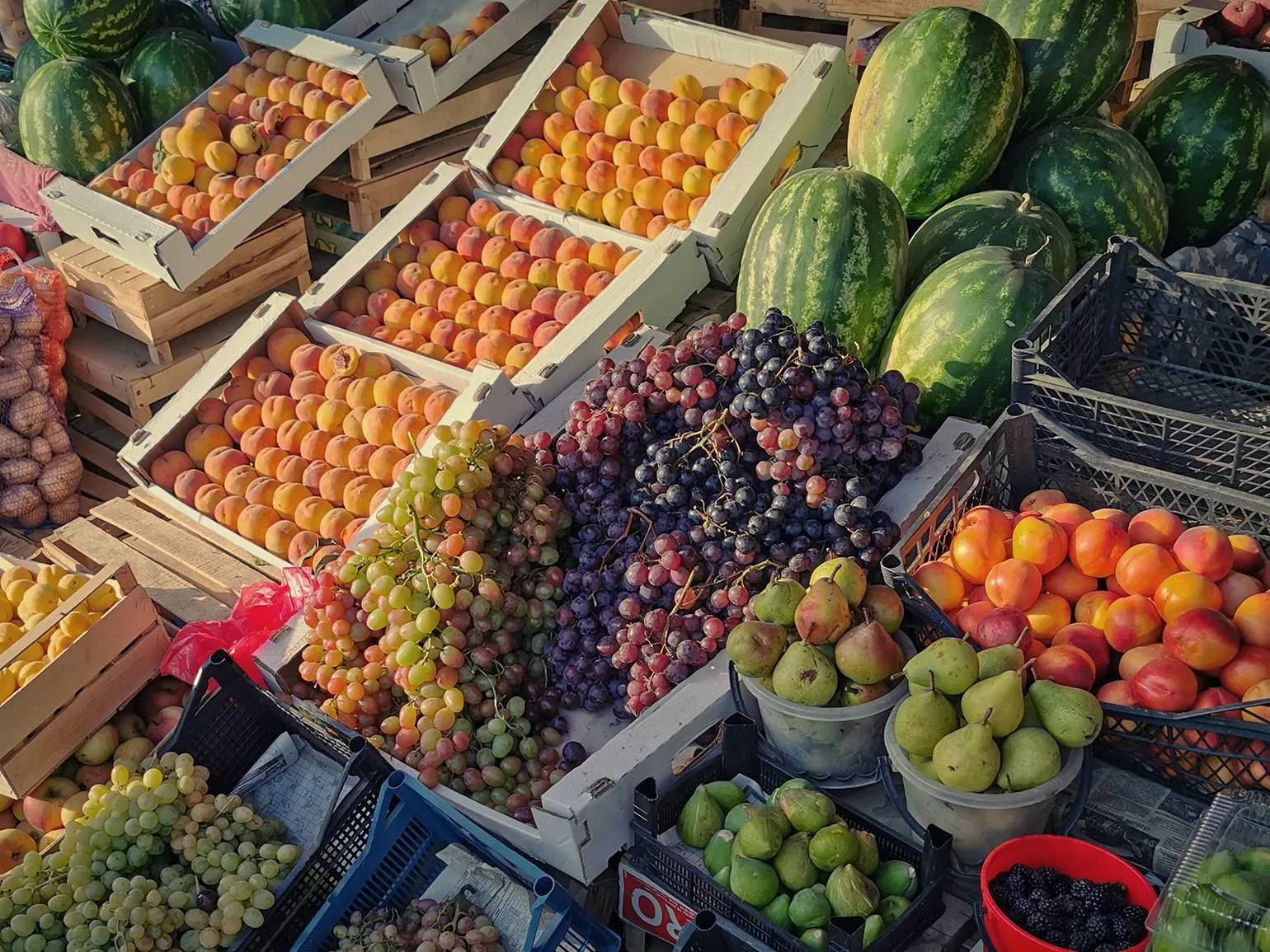
Avocado is a unique fruit that is high in nutrients and low in carbohydrates. It is rich in monounsaturated fats, which help control blood cholesterol levels. Additionally, avocados contain vitamins B4, C, and E, as well as important minerals such as potassium, phosphorus, and magnesium. Half a fruit contains approximately 7 grams of fiber, which is a quarter of the daily recommended intake. Thanks to its nutritional profile, avocados are an excellent choice for maintaining health and boosting metabolism. Grapefruit is a low-calorie fruit, containing only 33 calories per 100 grams. It is rich in lycopene, a powerful antioxidant that not only gives the flesh its pink color but also helps maintain bone strength. Lycopene may also reduce the risk of certain cancers, including prostate cancer, and has a positive effect on cardiovascular health. One medium grapefruit satisfies the daily requirement for vitamin C, making it valuable for supporting immune function and overall health. Including grapefruit in your diet can be an excellent step toward improving your health and preventing disease.
Grapefruit is a fruit that requires caution when consuming, as it is not suitable for everyone. It can interfere with the absorption of certain medications, including oral contraceptives, medications that affect heart rhythm, and medications that affect blood clotting. This is due to its furanocoumarins, which can block the activity of certain enzymes in the body, particularly the CYP3A4 enzyme. This can lead to increased absorption of medications, which, in turn, increases the risk of side effects. Therefore, if you regularly take medications, it is important to consult with your doctor about the safe amount of grapefruit in your diet.
Anastasia Danilenko is a professional in her field. She has extensive knowledge and experience, which allows her to successfully solve problems of varying complexity. Anastasia actively follows new trends and technologies, making her an expert in her field. Her approach to work enables her to achieve high results and meet client needs. Anastasia's expertise encompasses key aspects in demand in today's market, making her indispensable for many projects.
Apricots are rich in vitamins A and C, and also contain potassium and copper. These fruits are an excellent source of beta-carotene, known for its antioxidant and anti-inflammatory properties. Beta-carotene helps protect cells from free radical damage and slows the aging process. Furthermore, it helps prevent inflammation in the body, making apricots a useful addition to the diet for maintaining health.
Determining the healthiest fruit is difficult, as they all contain essential nutrients. The key is to include a variety of fruits in your diet, which allows you to get the necessary antioxidants, vitamins, and minerals. It is recommended to consume at least five different colors of plant foods daily: red, orange, purple, green, and white. This will help provide the body with all the necessary elements to maintain health and well-being.
Anastasia Danilenko is a professional in her field, possessing extensive experience and deep knowledge. She has established herself as an expert providing high-quality services and solutions. Thanks to her unique approach to work, Anastasia successfully handles tasks of any complexity. Her ability to find common ground with clients and colleagues makes collaboration comfortable and productive.
Anastasia actively monitors new trends and tendencies in her field, which allows her to stay one step ahead of the competition. She continuously develops her skills by participating in seminars and training courses. This commitment to excellence and professional growth makes her a valuable specialist.
Anastasia's clients highly value her responsibility, reliability, and creative approach to problem solving. She is always ready to offer effective strategies and ideas that help achieve their goals.
Working with Anastasia Danilenko is a guarantee of high-quality results and mutually beneficial cooperation.
Which fruits are best to eat in each season?
There is a common misconception that during fruit season you need to eat a lot of them "for future use" to stock up on vitamins for the winter. However, this is not true. Most vitamins contained in fruits are water-soluble and do not accumulate in the body. Excess amounts of these vitamins are simply excreted in the urine, which makes it impossible to create a vitamin reserve for the winter. Instead of trying to stock up on vitamins, it's better to regularly include fruits in your diet throughout the year to maintain health and good nutrition.
Seasonal fruits and vegetables have high nutritional value, as they contain more vitamins and nutrients. Long-term transportation and storage significantly reduce the vitamin content of foods. In particular, vitamin C is especially susceptible to loss due to heat treatment and storage: after 2-3 months of storage, up to 50% of its content can disappear, and during defrosting, this loss reaches up to 80%. Therefore, it is better to give preference to fresh seasonal fruits and vegetables to maintain health and good nutrition.
How healthy or, conversely, harmful is fructose in fruits?
Many people are wary of eating fruit because of its high content of fructose - a simple sugar that is often associated with health risks. However, the fructose found in fruit isn't as dangerous as commonly thought. Fruit is an important source of vitamins, minerals, and fiber, which promote good health. Moderate fruit consumption can provide numerous benefits, including improved digestion and immune system support. Therefore, if you're looking after your health, don't exclude fruit from your diet.
Natural fructose, found in fruits and berries, has a lower concentration than artificially added fructose. It's difficult to exceed the recommended daily intake of 40-50 g of fructose by eating only fruit. To achieve this, you'd need to eat at least 6-7 apples daily.
The fiber found in fruit helps slow the absorption of nutrients, including fructose, which prevents sharp fluctuations in blood sugar levels. In contrast, excessive consumption of fructose from artificial sources can cause serious health problems, such as tooth decay, weight gain, metabolic syndrome, atherosclerosis, liver damage, and gout. Natural fructose found in fruit is less concentrated than that added to processed foods and is safe to consume.
Anastasia Danilenko is a professional in her field, possessing significant experience and expert knowledge. She actively develops her skills and applies them to achieve outstanding results. Through hard work and a commitment to self-improvement, Anastasia has become a recognized specialist capable of solving complex problems and offering innovative solutions.
Anastasia Danilenko is known for her approach to work, which includes thorough analysis and planning. She is able to effectively manage time and resources, which allows her to achieve her goals within a tight deadline. In her practice, she utilizes modern methods and tools, making her competitive in a rapidly changing world.
Thanks to her professionalism and determination, Anastasia Danilenko continues to inspire colleagues and clients, remaining at the forefront of her industry. Her work and achievements serve as an example for many who strive for success and professional development.
Can You Lose Weight on Fruit?
Losing weight on a fruit-only diet is possible, but it's not healthy. Fruits are rich in vitamins, antioxidants, and fiber, but they don't provide the body with all the necessary macro- and micronutrients. In particular, they lack protein and healthy fats, which play a key role in maintaining muscle mass and normal body function. To achieve healthy and sustainable weight loss, it's important to maintain a balanced diet that includes all food groups.
Fruits are a source of fructose, especially bananas, grapes, mangoes, and melons. Excessive consumption of these fruits can slow down weight loss. Although fructose is a natural sugar, it can contribute to fat accumulation in the body. Therefore, it's important to monitor your fruit intake, especially when trying to lose weight.
Calorie control is key for effective weight loss. However, to maintain good health, it's important to ensure you're getting all the necessary nutrients. It's important to include lean protein sources, slow-digesting carbohydrates, adequate fiber, and plant-based fats in your diet. A balanced diet not only promotes weight loss but also improves overall health, maintains energy levels, and strengthens the immune system.
Fresh fruit or fruit-based dishes can be a great alternative to desserts. Replace cakes and chocolate with an apple or other healthy fruit. This approach will not only help you reduce calories but also speed up your weight loss. Including fresh fruits in your daily menu helps improve metabolism and saturate the body with vitamins and minerals.

Read also:
Sugar: types, which types can be consumed and which cannot
Sugar is an important component in our diet. There are many types of sugar, and not all of them are equally healthy. The main types of sugar include table sugar (sucrose), fructose, glucose, and milk sugar (lactose). Table sugar, derived from sugar cane or beets, is widely used in cooking and preserving.
Fructose, found in fruits and honey, is also a natural sugar, but consuming too much can lead to health problems. Glucose, found in carbohydrates, is quickly absorbed by the body and used for energy. Lactose, found in dairy products, can cause discomfort in people with milk intolerance.
When choosing sugar, it is important to consider its impact on health. Excess sugar in the diet can lead to obesity, diabetes, and other diseases. It is recommended to limit the intake of added sugars and choose more natural sources, such as fruits. It's also worth considering alternatives like honey and stevia, which may be healthier. Knowing about the different types of sugar and their effects on the body will help you make more informed dietary choices and maintain your health. What beneficial properties are preserved in fruit jam? Jam usually contains a significant amount of sugar, which makes it difficult to classify as a healthy product. In addition, many nutrients are destroyed during heat treatment. The longer this processing lasts, the fewer vitamins are retained in the finished product. This makes jam less valuable from a nutritional standpoint, despite its sweet taste and popularity. Jam also contains beneficial fiber, which helps normalize the digestive system, as well as fruit acids, which improve iron absorption and maintain an optimal acid-base balance. Additionally, jam contains important minerals such as potassium, copper, and phosphorus, which play a key role in maintaining overall health. Natural desserts are preferable to processed confectionery products such as cakes, pastries, donuts, and candies. It's important to be mindful of sugar content and control your sugar intake. A few teaspoons of natural desserts combined with tea are unlikely to cause harm. However, moderation in consumption remains a key factor in maintaining health.
Free test: which digital profession is right for you?
IT, design, marketing or management? Find out the answer in 15 minutes. And then try your hand at a new specialty for free.
Find out more