Contents:

Free test: which digital profession is right for you? Find out the answer in 15 minutes and try your hand at a new specialty.
Find out moreHow the intestines work
The intestines are an important part of the gastrointestinal tract, responsible for the digestion of food. In this organ, the absorption of nutrients necessary for the normal functioning of the body occurs, while harmful components are excreted. Gut health plays a key role in the overall health of the body, affecting immunity and metabolism. Proper nutrition and caring for intestinal microflora contribute to optimal digestion and assimilation of food.
The intestines are a curved pipeline approximately seven meters long. In the first five meters, food is processed with the help of enzymes: large particles are broken down into smaller molecules, from which the body extracts the necessary nutrients. Food residues continue their movement through the intestines. When the bolus of food reaches the large intestine, the process of reabsorption of water begins. In the final section, feces are formed. Proper bowel function plays a key role in maintaining good health, as it regulates nutrient absorption and waste elimination.
Diet directly impacts bowel function. Some foods promote rapid bowel movement, while others can slow down this process or even damage cells and irritate the intestines. Choosing the right foods plays a key role in maintaining gastrointestinal health. It is important to include fiber-rich foods in your diet, which promote normal bowel movements, and to avoid excessive consumption of processed and fatty foods. A healthy diet is the foundation of good health and effective bowel function.
Foods that are good for your intestines
What foods are good for your intestines?
Fiber plays a key role in maintaining bowel health. It promotes normal digestion, improves bowel movements, and helps prevent constipation. Including fiber-rich foods, such as fruits, vegetables, whole grains, and legumes, in your diet helps maintain a balanced gut flora. Regular fiber consumption is also associated with a reduced risk of various diseases, including diabetes and cardiovascular disease. Therefore, it is important to ensure fiber is an integral part of your diet to maintain gut health.
Fiber, or dietary fiber, is a special form of carbohydrate that is an important part of the cell wall of plants. There are two main types of fiber: soluble and insoluble. Both types of fiber play a key role in improving gastrointestinal function, but they act differently. Soluble fiber helps regulate blood sugar levels and helps control cholesterol, while insoluble fiber helps increase stool bulk and improves bowel movements. Including fiber in your diet is an important step toward maintaining health and preventing various diseases.
Alicia Romano, a clinical dietitian at Tufts Medical Center in Boston, shares her knowledge on the importance of proper nutrition for health. She emphasizes that a balanced diet not only helps maintain an optimal weight but also improves overall well-being. Understanding the basics of nutrition and choosing high-quality foods can significantly impact quality of life. Romano also emphasizes that a personalized approach to nutrition, tailored to your specific needs, is key to achieving desired health and well-being results. Proper nutrition can reduce the risk of chronic diseases and support an active lifestyle.
- Soluble fiber absorbs water and forms a gel. When it reaches gut bacteria, they use it as food.
- Insoluble fiber is practically not digested in the digestive tract, but it helps increase stool bulk. This helps food move more quickly through the gastrointestinal tract, and bowel movements become regular [2], [3].
The World Health Organization strongly recommends that adults include at least 25 grams of fiber in their diet per day. Fiber plays an important role in maintaining health, promoting normal digestion and reducing the risk of chronic diseases. The table below provides a list of fiber-rich foods that will help you reach the recommended intake.

Read also:
Fiber-rich foods: 52 healthy options
Fiber is an important element of the diet that helps maintain health and good digestion. Including fiber-rich foods in your diet helps improve metabolism and reduces the risk of various diseases. Below are 52 foods that can significantly enrich your diet with fiber. Fruits such as pears, apples, raspberries, and bananas are excellent sources of fiber. Berries, especially blueberries and strawberries, also contain significant amounts of this important nutrient. Vegetables, including broccoli, carrots, spinach, and sweet potatoes, are rich in fiber and vitamins. Legumes such as lentils, beans, and peas are not only healthy but also very filling. Grains, especially oatmeal, barley, and quinoa, are excellent sources of fiber and other nutrients. Nuts and seeds, including almonds, walnuts, and chia seeds, add fiber and healthy fats to your diet.
Whole grains, such as whole-grain breads and pastas, are a great alternative to regular grains because they retain more fiber and nutrients. Including these foods in your diet can help improve digestion and maintain energy throughout the day.
Eating enough fiber not only helps maintain health but also helps manage weight by reducing hunger. Regularly including these 52 fiber-rich foods in your diet will help you stay healthy and active.
5 Foods That Are Good for Diarrhea
From time to time, bowel function may be disrupted, manifested by changes in stool frequency and consistency. Stool consistency is a key indicator. If stool becomes loose, mushy, or liquid, this indicates diarrhea. This problem often occurs after eating foods that can cause upset stomach, such as an exotic dish at a restaurant or a hot dog at a gas station. When something unusual enters the intestines, they may react by trying to quickly get rid of it. Restoring normal bowel function requires appropriate support and attention to your diet.
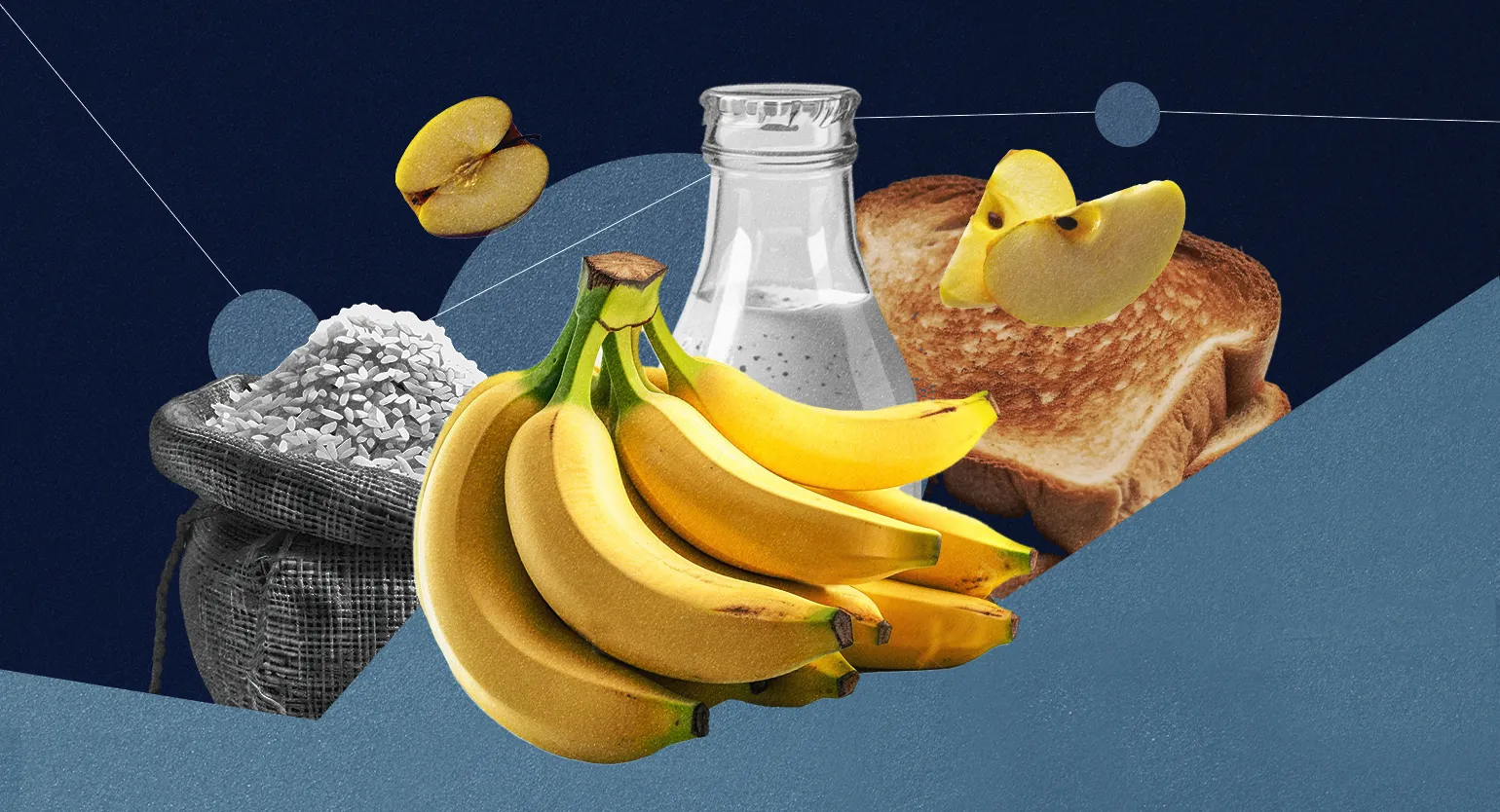
When you have diarrhea, your intestines need certain foods that help restore normal function. It is important to choose easily digestible and nutritious foods, such as bananas, rice, applesauce, and toast. These foods help firm up stools and reduce intestinal irritation. It's also worth considering boiled potatoes, low-fat chicken broth, and probiotic yogurts, which support healthy intestinal flora. Avoid fatty and spicy foods, as well as dairy products, as they can worsen symptoms. Drinking enough fluids, such as water and special rehydration solutions, is also essential for the body's recovery from diarrhea. Proper nutrition will help speed recovery and restore balance in the intestines.
- can be eaten pureed;
- slow down bowel movements;
- can replenish the water and salts lost in the stool.
There are a number of foods that can help relieve diarrhea symptoms. Choosing the right food can help restore normal digestion and improve well-being. It is important to include easily digestible and nutritious foods in the diet, such as bananas, rice, applesauce, and toast. These ingredients contain essential nutrients and help stabilize stool. It is also helpful to eat yogurts with probiotics, which help restore intestinal microflora. Don't forget to drink enough fluids to prevent dehydration. Choosing the right foods can significantly speed up the recovery process from diarrhea.
For diarrhea, it is recommended to eat foods made from refined white flour, such as white rice, toast, and crackers. These products help reduce fiber intake, which helps ease the burden on the intestines and improve the condition.
Rice contains glucose, which is quickly absorbed in the small intestine, promoting the retention of water, potassium, and sodium in the body. This is important so that fluid and salts are not lost with stool. For diarrhea, it is recommended to drink rice soup, which helps replenish lost water and electrolytes. This soup is easily digestible and promotes the restoration of the body, making it useful for digestive disorders.
For diarrhea, it is recommended to eat only unripe bananas with green skins. They contain resistant starch and tannins, which are not absorbed in the small intestine. These components slow intestinal contractions and promote stool firmness. Bananas are also rich in potassium, which is lost in the stool during diarrhea, and replenishing it is important to maintain good health. Baked apples, peeled and pureed, can help relieve diarrhea symptoms. Applesauce contains significantly less fiber, making it an easily digestible food. This combination of properties helps improve digestion and restore normal bowel function. Crackers and other salty snacks, such as chips, are low in fiber and high in sodium. Sodium plays an important role in maintaining fluid balance in the body, so its levels should be replenished, especially during diarrhea. Eating these snacks can help offset sodium loss and maintain normal body function in dehydrated conditions.
5 Foods That Are Good for Constipation
Constipation is often seen in people who consume large amounts of meat and insufficient fiber. These dietary habits alter the microbiome: the number of putrefactive bacteria increases, which slows intestinal contractions, while the number of beneficial microorganisms that facilitate bowel movements decreases. To improve bowel health and normalize bowel function, it is necessary to include fiber-rich foods in your diet. These include vegetables, fruits, whole grains, and legumes, which help improve peristalsis and restore microflora balance. Eating a healthy diet and having a varied diet can help prevent constipation and maintain a healthy digestive system.
- They are rich in fiber, which means you should eat more if you suffer from constipation;
- They contain probiotics, live bacteria that are beneficial for the intestines;
- They have a direct laxative effect, which is usually due to the presence of sugars, such as fructose or sorbitol.
Foods that help improve bowel function during constipation play an important role in maintaining a healthy digestive system. Fiber-rich foods, such as fruits and vegetables, should be key elements in your diet. Apples, pears, carrots, and broccoli help normalize bowel movements and improve peristalsis.
Whole grains, including whole-wheat bread, oatmeal, and brown rice, are also important because they contain a lot of fiber, which helps prevent constipation. Legumes, such as beans and lentils, are not only rich in fiber but also provide protein.
Fermented milk products, such as yogurt and kefir, contain probiotics, which support healthy gut flora and improve digestion. Nuts and seeds are also beneficial, as they are rich in healthy fats and fiber, which promote regular bowel movements.
Don't forget to drink plenty of fluids: adequate water helps soften stool and facilitate its elimination. Including these foods in your daily diet will significantly improve bowel function and prevent constipation.
Sauerkraut is a source of up to 28 species of bacteria, including probiotic microorganisms. These beneficial bacteria help improve bowel function by helping the intestinal walls contract effectively and eliminate stool in a timely manner. Regular consumption of sauerkraut can support healthy intestinal flora and improve digestion.
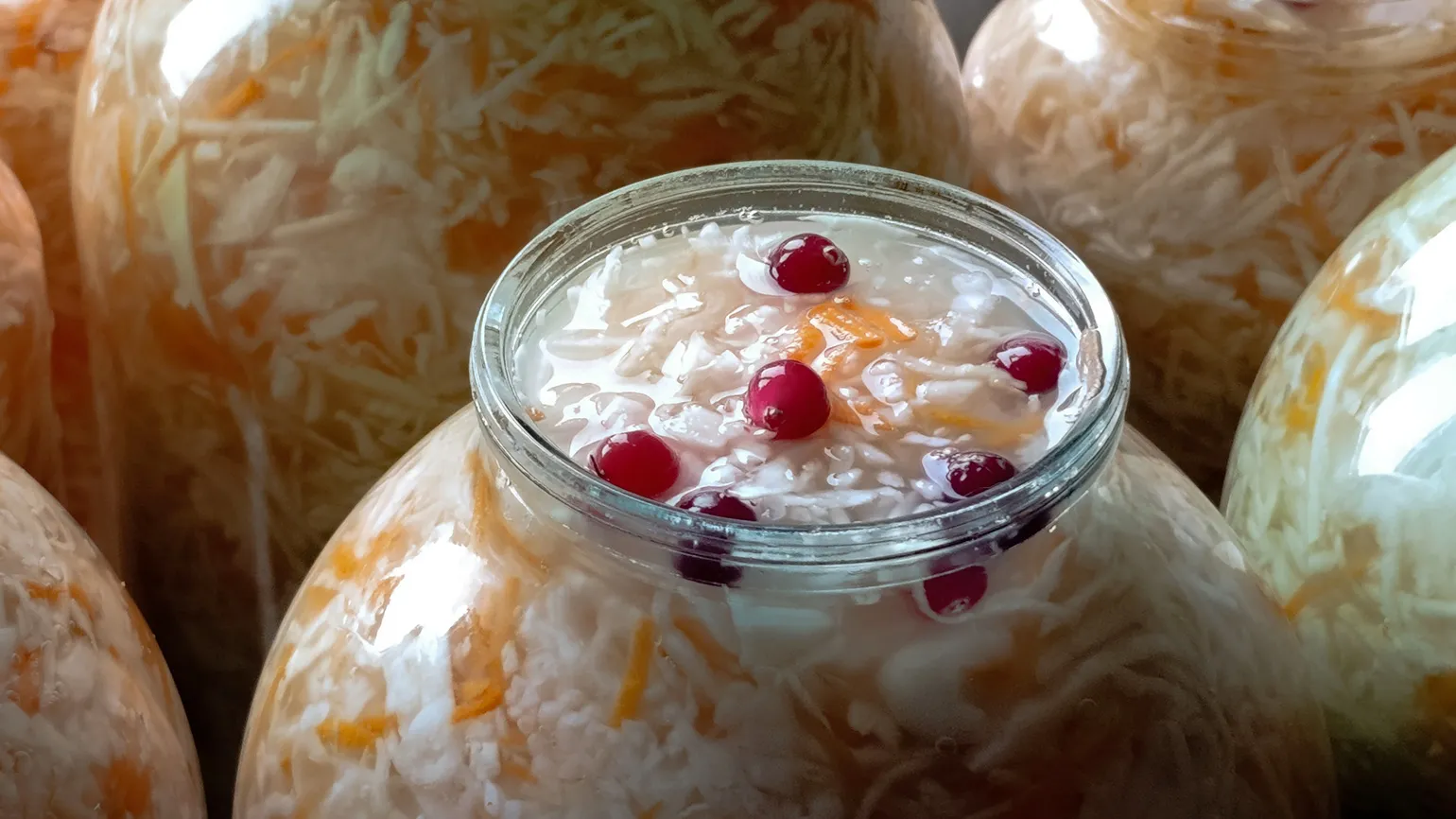
People suffering from constipation have a lack of lactic acid bacteria, which creates conditions for the proliferation of putrefactive Bacteria that slow down intestinal function. Sauerkraut is a source of live lactic acid bacteria, which help restore intestinal microbial balance. Eating sauerkraut can improve digestion and normalize bowel movements, making it useful for constipation. It is recommended to avoid pasteurized products, as pasteurization destroys beneficial probiotics. These live microorganisms play a key role in maintaining healthy intestinal flora and strengthening the immune system. When choosing products containing probiotics, it is best to choose natural and unpasteurized options to maximize their beneficial properties.
Prunes have a well-known laxative effect, making them a popular remedy for constipation. Their unique composition includes fiber (pectin), polyphenols, and sorbitol, each of which contributes to improved bowel function. Fiber promotes regular bowel movements, polyphenols have antioxidant properties and aid digestion, and sorbitol helps retain moisture in the intestines, further facilitating bowel movements. Together, these components enhance each other's effects, providing an effective solution to constipation. Including prunes in your diet can be a simple and natural way to maintain gut health.
- fiber irritates the intestinal wall and increases its contractions;
- polyphenols serve as food for beneficial gut bacteria;
- sorbitol retains water in the intestinal lumen, making stool softer [15], [16].
To relieve an acute episode of constipation, it is recommended to eat six prunes. Prunes are known for their mild laxative properties and can effectively help improve bowel function. Including prunes in your diet can help normalize digestion and relieve constipation symptoms.
Studies show that coffee can stimulate colon contractions in approximately 30% of people. The effect appears within 4 minutes of drinking it, making coffee a popular remedy for maintaining bowel regularity. Coffee's laxative effect is linked to its ability to increase stomach acid levels and stimulate gastric juice production, which in turn activates peristalsis. If you're looking for natural ways to improve digestion, coffee may be one effective solution. Decaffeinated coffee may also help with constipation, as its laxative effect isn't dependent on caffeine. Scientists aren't sure which components of coffee contribute to constipation relief, but it's believed to be related to the activation of intestinal hormones such as cholecystokinin, gastrin, and motilin. These hormones are activated after drinking coffee and help improve bowel function.

Reworked text:
Pay attention to additional materials:
Decaffeinated coffee: benefits and harms
Decaffeinated coffee, or caffeinated coffee, is becoming increasingly popular among those who want to enjoy the aroma and taste of coffee without the effects of caffeine. This drink allows people who are sensitive to caffeine or who want to reduce their intake to enjoy their favorite beverage without the negative consequences.
The benefit of decaffeinated coffee is that it retains many of the beneficial compounds found in regular coffee, such as antioxidants, which help fight oxidative stress and may reduce the risk of certain diseases. Research suggests that decaffeinated coffee may support liver health and improve metabolism.
However, there are also potential downsides to consider. Some decaffeination methods may use chemicals, raising concerns about the safety of such products. Additionally, some people may have an individual intolerance to the components found in decaffeinated coffee.
It is also important to remember that decaffeinated coffee is not completely safe. It may still contain small amounts of caffeine, which is worth considering for those who strictly limit their intake.
In conclusion, decaffeinated coffee offers an alternative for coffee drinkers who want to avoid the effects of caffeine. When chosen wisely and consumed in moderation, honey can be not only a tasty but also a healthy addition to the diet.
Honey consists primarily of fructose, and the intestines have a limit to its absorption. If there is excess fructose, it remains in the food bolus, attracting water and causing looser stools. To relieve constipation, it is recommended to consume at least 4 tablespoons of honey, which is approximately 70 grams.
Constipation disrupts one of the key functions of the intestine—detoxification. Harmful substances that should be eliminated from the body accumulate in the intestines and can worsen overall health. To stimulate bowel function and remove stagnant toxins, it is recommended to include apples in your diet. These fruits are rich in fiber and promote improved digestion, which helps avoid constipation and maintain normal bowel function.
Apples are a rich source of pectin, which is a soluble fiber. Pectin has numerous beneficial properties, leading to the development of a special program known as "pectin prophylaxis." This program is aimed at people working in hazardous industrial environments and aims to improve their health and protect the body from negative impacts. Eating apples and other pectin-rich foods can help normalize metabolism and improve digestive function. Pectins have numerous beneficial properties. They improve digestion, regulate blood sugar levels, and help lower cholesterol. Pectins can also serve as natural thickeners used in cooking and food production. These substances have the ability to bind water, making them useful for creating jellies and sauces. Furthermore, pectins can support gut health by promoting the growth of beneficial microflora. Including pectin in your diet can improve overall health and boost immunity.
- Like activated charcoal, it collects and removes food allergens and toxins from the intestines;
- forms a gel, coating the mucous membrane of the stomach and intestines, protecting it from various irritants [21].
Apples contain fructose, which not only gives them a sweet taste, but also has a mild laxative effect. This makes apples a useful product for the digestive system, helping to improve bowel function.
To prevent constipation, it is recommended to eat fresh apples with the peel. The peel contains coarse fiber, which helps improve bowel function and maintain its normal activity. Regular consumption of apples can help prevent digestive problems and provide the body with essential nutrients.
What to eat when you're bloated
Bloating is a condition in which excess gas accumulates in the intestines. These gases are produced by the activity of intestinal bacteria, but their amounts are normally small. Increased gas production can occur with the consumption of large amounts of sweets or meat, which leads to fermentation or putrefaction in the intestines. Air can also enter the digestive tract as a result of fast eating, eating on the go, or drinking carbonated drinks. Proper nutrition and a mindful approach to eating will help reduce the risk of this unpleasant symptom.
To get rid of bloating, it's important to pay attention to your diet and lifestyle. Start by reducing your intake of foods that can cause gas, such as legumes, cabbage, and carbonated drinks. Also, try to eat slowly and chew your food thoroughly to reduce the amount of air you swallow. Regular exercise can help improve digestion and reduce the likelihood of bloating. Including probiotics, such as yogurt and kefir, in your diet can support gut health. Don't forget the importance of staying hydrated, as adequate fluid intake helps prevent constipation and improves digestion. If bloating becomes chronic, it's recommended to consult a doctor to rule out possible underlying conditions.
- Add foods that relax the intestines and facilitate the passage of gas;
- Limit foods that increase gas formation in the intestines [11].
Spices such as ginger, fennel, and peppermint are useful for relieving bloating. These natural remedies promote relaxation of the intestines, reducing spasms of its muscular wall. As a result, abdominal discomfort disappears, and the process of passing gas becomes more comfortable. Including these spices in your diet can be an effective method for combating bloating and improving digestion.
It is impossible to completely give up vegetables and fruits, but their consumption should be limited. It is necessary to introduce new foods that may be unusual for your intestines gradually. This will help avoid unpleasant reactions and ensure your body adapts to changes in your diet.
3 Tips for Perfect Digestion
While food choices play a key role in maintaining health, it's also important to consider the nuances of the digestive process to ensure your gut functions efficiently. Follow these three tips to improve digestion and absorption.
Kirsten Jackson, a registered dietitian who specializes in irritable bowel syndrome (IBS), emphasizes that the digestive process begins long before food reaches your mouth. Importantly, even just looking at food triggers saliva production, indicating the activation of the digestive system. This initial event plays a key role in preparing the body to digest food and absorb essential nutrients. Understanding these processes properly can have a significant impact on health and overall well-being, especially for people suffering from IBS.

Chewing food thoroughly increases the volume of the food bolus, which facilitates its breakdown when interacting with enzymes in the stomach and intestines. Swallowing large pieces of food can complicate your gastrointestinal tract. As a result, some food may pass from the stomach into the intestines undigested, leading to fluid retention and excess gas. How do you know if you're chewing enough? Pay attention to the consistency: if the food feels like a paste, it's safe to swallow. Proper chewing not only improves digestion but also promotes better nutrient absorption, an important aspect of healthy eating. By following the rule of thoroughly chewing your food, you'll likely eat less. This is because paying attention to each bite allows you to savor the flavor and texture, making the meal more satisfying. Furthermore, prolonged chewing can lead to a natural feeling of fullness, allowing your body to recognize when it has consumed enough food. Not only does eating become more enjoyable, but you can also control your appetite, which can contribute to maintaining a healthy weight.
Overeating can manifest itself in a variety of ways. One of the main signs is difficulty breathing, especially if you have difficulty taking a deep breath. This may indicate that you have consumed more food than your body needs to function properly. It is important to pay attention to your physical sensations and recognize when you are full to avoid negative health consequences.
If you have digestive issues, it is important to pay attention to your fluid intake. Adequate fluid intake helps improve gastrointestinal function. Not drinking enough water can aggravate digestive issues and lead to further complications. Staying hydrated helps maintain normal bowel function and prevent constipation. Therefore, if you have digestive issues, it is worth monitoring your fluid intake and adjusting it if necessary.
Drinking enough water is an important aspect of maintaining good health. Water helps maintain optimal hydration levels in the body, improves metabolism, and aids in the elimination of toxins. Hydrated skin looks healthier and reduces the risk of headaches and fatigue. It is recommended to drink at least 2 liters of water daily to support the normal functioning of all body systems. Remember that water consumption may vary depending on your level of physical activity, ambient temperature, and individual needs. Make drinking water a habit to improve overall well-being and enhance your quality of life.
- For diarrhea - to replenish fluid loss [11].
- When adding more fiber to your diet, drink more fluids. Soluble fiber only works in the presence of water - it must swell and turn into a gel [11].
- If you have constipation. Constipation is one of the signs of mild dehydration. The body does not have enough water, it absorbs more from the intestines, stool becomes denser and is difficult to pass [27].
According to recommendations of the US National Academies of Sciences, Engineering, and Medicine, healthy adults living in temperate climates need to follow certain standards. These recommendations cover various aspects of health, including physical activity, nutrition, and overall well-being. Following these recommendations helps maintain optimal health and prevent chronic diseases. It is important to take into account individual characteristics and living conditions to ensure the best health outcomes.
- Men: ~15.5 cups (3.7 liters) of fluid per day
- Women: ~11.5 cups (2.7 liters) of fluid per day
The specified fluid intake includes not only water, but also various beverages, as well as water-containing foods such as soups, fruits, and vegetables. Taking all of these fluid sources into account is important for maintaining hydration and overall health.
Free test: which digital profession is right for you?
IT, design, marketing or management? Find out the answer in 15 minutes. And then try your hand at a new specialty for free.
Find out more