Contents:

Free test: which digital profession is right for you? Find out the answer in 15 minutes and try your hand at a new Specialties.
Learn moreHardening and its basic methods
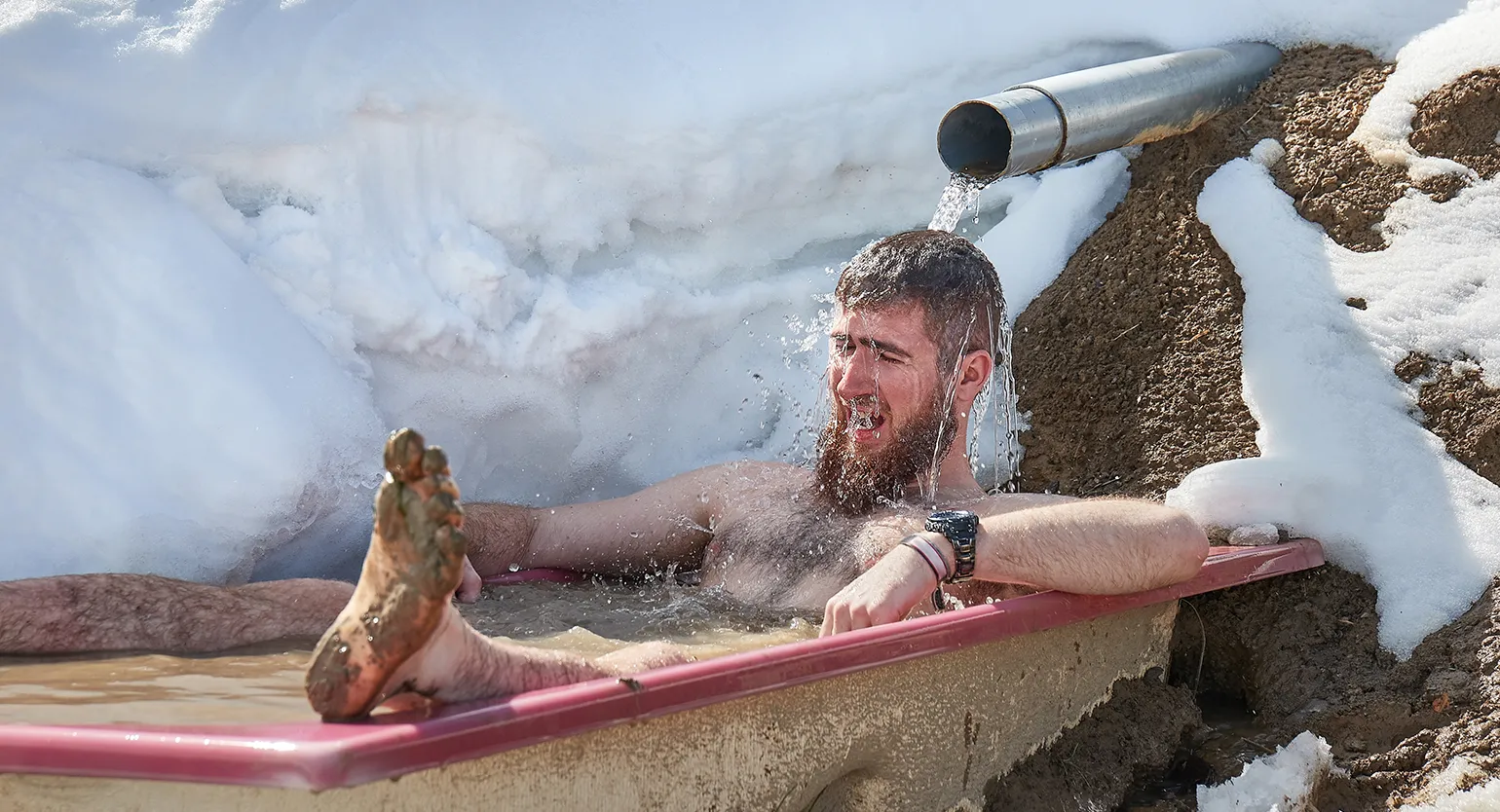
Hardening is often associated with dousing with cold water, swimming in an ice hole, or ice baths, as practiced by Pavel Durov. Although such extreme methods are indeed part of the hardening process, the concept itself is much broader. Hardening includes not only water treatments, but also other ways to strengthen the body, such as sunbathing, physical activity in the fresh air, and proper nutrition. These methods help increase the body's resilience to adverse conditions, improve the immune system, and promote overall health. Regular hardening can help prevent diseases and improve overall well-being.
Hardening is a methodical adaptation of the body to unfavorable environmental conditions. This process helps strengthen the immune system, increase resistance to disease, and improve overall well-being. Regular hardening procedures, such as cold water dousing, contrast showers, or walks in the fresh air, help the body better cope with temperature fluctuations and stressful situations. Hardening not only improves physical health but also has a positive effect on mental well-being, increasing energy levels and productivity. Hardening with water is not the only method for strengthening the body. There are many alternative methods that also help boost immunity and improve overall health. These methods include cold water dousing, swimming in open water, taking ice showers, and using cold baths. Another effective hardening method is using a contrast shower, which alternates hot and cold water. This helps improve blood circulation and strengthen blood vessels. Warming up the body in the fresh air is also worth considering, as it further helps harden the body. Combining hardening with other methods, such as physical activity and proper nutrition, will create a comprehensive approach to improving health.
- Sunbathing, which activates the production of vitamin D.
- Procedures that alternate between low and high temperatures. For example, contrast showers or alternating saunas with rubbing with snow or immersion in a hot tub.
- As well as air baths, when a person is outdoors at different temperatures. This increases resistance to changes in humidity and air temperature.
Drinking cold drinks can be considered one aspect of hardening. Cold drinks activate metabolism, strengthen the immune system, and promote the body's adaptation to temperature changes. Regularly including such drinks in the diet can help increase overall resistance to cold conditions, which is an important element of hardening.
In this article, we will consider the controlled effects of cold on the human body. We'll explore how cold can impact health, boost immunity, and promote physical fitness. We'll also discuss safe cold management techniques, such as cold showers, cryotherapy, and frozen compresses. Understanding these aspects will help you effectively use cold to improve your overall health and increase your vitality.

Read also:
Vitamin D: Norms and Deficiency
Vitamin D plays a key role in maintaining human health. It is necessary for the proper absorption of calcium and phosphorus, which contributes to the normal functioning of the bone and immune systems. Vitamin D requirements vary depending on age, gender, and health status. The recommended daily intake for adults is approximately 600–800 international units (IU), but some groups of people may require more.
Vitamin D deficiency can lead to serious health consequences, including osteoporosis, rickets in children, and a weakened immune system. Symptoms of deficiency may include fatigue, muscle weakness, and an increased susceptibility to infections.
To prevent deficiency, it is important to include vitamin D-rich foods in your diet, such as fatty fish, eggs, and dairy products. Spending time in the sun is also recommended, as ultraviolet rays promote vitamin D production in the skin. In cases where obtaining the required amount of vitamin D from food and sunlight is not possible, dietary supplements may be recommended.
Monitoring vitamin D levels is especially important during the winter and for people with limited access to sunlight. Regular testing will help identify deficiencies early and take appropriate action.
The Positive Effects of Hardening
Hardening is a practice that people turn to to improve their immune system, increase endurance, and reduce sensitivity to cold weather. Some engage in hardening to improve their mood, others to strengthen willpower. However, there is still no consensus among medical professionals and scientists about the benefits of hardening. Nevertheless, many studies point to the positive effects of hardening on overall health, making this practice popular among proponents of an active and healthy lifestyle.
Read also:
Immunity: mechanisms of action and ways to improve it
Immunity is a complex system of protection of the body from infections and diseases. It includes various cells, tissues, and organs that interact to identify and neutralize pathogenic microorganisms. The main components of the immune system are white blood cells, antibodies, and the lymphatic system.
The immune system begins with the recognition of foreign agents, such as viruses and bacteria. Defense mechanisms are then activated to destroy or suppress these threats. Memory cells play a key role in this process, remembering previously encountered pathogens and providing a faster response upon repeated exposure.
There are many ways to boost your immune system. A proper diet, including vitamins and minerals, helps strengthen the body's defenses. Regular physical activity helps maintain overall tone and improves circulation, which also promotes the effective functioning of the immune system. Adequate sleep allows the body to recover and increase its resistance to disease.
Furthermore, it is important to avoid stress and take care of your mental health, as your psycho-emotional state directly affects the immune system. Disease prevention, vaccinations, and good hygiene also play a key role in maintaining a strong immune system.
Therefore, understanding how the immune system works, as well as using simple and accessible ways to boost it, can significantly improve overall health and protect against various diseases.
Hardening the body activates a number of important processes. Adherents of this practice claim that regular procedures improve blood circulation, boost immunity, and accelerate metabolism. Hardening also helps the body adapt to temperature changes, making it more resistant to disease. In addition, this practice can improve overall well-being and increase energy levels. Thus, hardening is an effective way to improve health and increase vitality.
When exposed to cold, blood vessels naturally constrict, which helps reduce heat loss. When the temperature returns to normal, the vessels dilate again. Proponents of hardening claim that this process helps activate blood circulation and improve the blood supply to the organs. Regular hardening can help strengthen the vascular system and increase the body's overall resilience to adverse conditions.
Contact with cold water activates the sympathetic nervous system, which is responsible for the stress response. This process causes a short-term stress state, which can be beneficial for the body under certain conditions. Cold water helps improve blood circulation, increase energy levels, and strengthen the immune system. Regular exposure to low temperatures can help improve overall well-being and increase resilience to stressful situations.
Studies confirm that low temperatures can activate the synthesis of hormones such as beta-endorphins and cortisol, the stress hormone. This leads to a feeling of increased energy and vigor after swimming in cold water. Cold treatments can be an effective way to improve overall tone and psycho-emotional state.
Sergey Lopatin is a name associated with numerous achievements and professional activities in various fields. With extensive experience, Sergey has achieved significant success, making him a renowned expert in his field. His approach to work is characterized by a high level of responsibility and a commitment to quality, allowing him to successfully solve problems and achieve his goals. Thanks to his knowledge and skills, Sergey Lopatin continues to contribute to the development of his profession, remaining a relevant and sought-after specialist.
Cold increases the body's energy expenditure, as it requires more energy to maintain normal body temperature. This, in turn, leads to an acceleration of metabolism. Low temperatures activate metabolic processes, which can be beneficial for maintaining health and weight control.
Study additional materials:
Metabolism is a set of chemical processes occurring in the body that ensure the conversion of food into energy. It plays a key role in maintaining the vital activity of cells and tissues. Many people are interested in how to speed up their metabolism, as this can contribute to more efficient calorie burning and weight loss.
There are several factors that influence metabolic rate, including age, gender, genetics, and activity level. Various strategies can be used to boost metabolism. Regular exercise, especially strength training, helps increase muscle mass, which in turn increases overall metabolic rate. Monitoring your diet is also important: eating protein, spicy foods, and drinking enough water can all help boost metabolism.
Furthermore, adequate sleep and stress management also play a significant role in metabolic processes. Optimizing these factors can help you achieve your desired health and weight management goals.
The effects of cold on the body are an important topic for sports physicians and trainers. Many athletes use ice baths for recovery after intense workouts. This method not only helps relieve muscle fatigue but also promotes tissue relaxation. The cooling effect created by such procedures helps reduce inflammation in muscle tissue, which is important for rapid recovery and improved athletic performance. The use of cold therapy in sports medicine is becoming increasingly popular due to its beneficial effects on athletes' physical fitness and health.
What Science Knows About Hardening
Scientific research on hardening does exist, but there are some nuances. Hardening is a process that helps strengthen the immune system and increase the body's overall resilience to adverse conditions. Despite many positive reviews and recommendations, it is important to consider that each person is individual, and approaches to hardening may vary.
Some studies emphasize that ineffective hardening methods can be harmful to health. Furthermore, it is important to approach the hardening process correctly, starting with moderate procedures and gradually increasing their intensity. The key to successful hardening is regularity and adapting the methods to the characteristics of your body.
Thus, scientific studies on hardening can serve as a good basis for developing an individual approach, but the independent choice of methods and their application should be based on personal feelings and the recommendations of specialists.
- Firstly, these are often just hypotheses that are not confirmed by any large practical studies.
- Secondly, there is no evidence that the effects that can be obtained from hardening cannot be achieved by more gentle methods.
Studies show that low temperatures can cause changes in adipose tissue. In particular, they promote an increase in the amount of brown fat, which is broken down more efficiently. This can accelerate the process of weight loss and help in the fight against excess weight. An increase in brown fat can be an important factor for those seeking weight loss and improved metabolism.
Regular contrast showers and cold water dousing can promote weight loss. However, to achieve best results, it is important to combine these practices with proper nutrition, calorie control, and physical activity. A comprehensive approach will ensure more effective weight loss and improved overall health.
There is a theory that hardening can help improve the well-being of patients with depression. Short-term exposure to cold activates the release of endorphins, known as hormones of joy and pleasure. This, in turn, promotes an improved mood and helps combat stress and anxiety. However, such conclusions remain theoretical and require further research to confirm their effectiveness.
An important aspect is the effect of hardening on the immune system. Proponents of cold showers and walks in the snow claim that hardening helps reduce the incidence of illness and increases the body's resistance to viruses. However, scientific studies confirming this hypothesis are limited and isolated. More research is needed to better understand the connection between hardening and immunity.
In 2016, scientists from the Netherlands conducted a significant experiment involving 3,000 volunteers. The study examined the effects of contrast showers on health and well-being. Participants were divided into three groups, each of which took contrast showers of varying durations for three months: 30, 60, and 90 seconds per day. The results of this experiment may provide insight into the benefits of contrast showers and their impact on the body.
Volunteers in the fourth group began hardening only in the second month and independently determined the duration of their stay in the cold water. After the experiment, the scientists analyzed the participants' morbidity, comparing data from the different groups.
The study showed that participants who began practicing contrast showers from the first day took fewer sick days from work. However, the number of days with acute respiratory viral infection symptoms was comparable to those who did not follow the hardening regimen. This may indicate that contrast showers have a positive effect on overall health, but do not reduce the risk of colds.
Hardening helps reduce the body's sensitivity to low temperatures and increases its endurance, making people less susceptible to hypothermia during cold periods. Although hypothermia itself does not cause illness (yes, it is impossible to get sick from a draft), it can temporarily weaken the immune system, making the body more susceptible to viruses. Studies show that people who practice contrast showers tolerate viral infections more easily, although this does not mean complete elimination of them. Regular hardening can be an effective preventative measure for maintaining health and strengthening the immune system in winter.
Sergey Lopatin is a name that has become famous in various fields. He has established himself as a professional with deep knowledge and experience. In his work, Sergey demonstrates high results, which allows him to occupy a leading position in his field. His approach to work is based on careful analysis and meticulous planning, which ensures the effective implementation of projects. Sergey Lopatin also actively shares his experience, training others and contributing to the development of the professional community. His achievements and passion for his work inspire many who strive for success.
The duration of a contrast shower does not affect sensitivity to cold. This means that it does not matter how long you spend under the contrast stream - 30 or 90 seconds. The key factor is the frequency of the procedure. Regular contrast showers can help strengthen the immune system and improve blood circulation, which in turn promotes better adaptation of the body to temperature changes.
Who is recommended to do hardening, and for whom is contraindicated
The World Health Organization (WHO) does not provide specific recommendations for hardening. Instead, experts in the international scientific and medical community emphasize the importance of strengthening the immune system through a healthy diet, regular moderate exercise, and avoiding unhealthy habits. Following these principles can improve overall health and increase the body's resistance to infections.
Hardening is suitable for most people without existing health problems, but it is recommended to consult a doctor before beginning this process. This method has a number of contraindications that must be considered. These include cold allergies, bronchial asthma, rheumatism, and chronic genitourinary diseases. A proper health assessment will help avoid complications and make the hardening process safer and more effective.
People with cardiovascular disease are often interested in the idea of "vascular training." However, in practice, most procedures can cause more harm than good. This is especially true for patients with diagnoses such as heart failure, hypertension, and coronary artery disease. It is important to understand that without careful medical supervision, physical activity can worsen health conditions, so it is necessary to consult a doctor before beginning any exercise program.
Sergey Lopatin is a name that has become iconic in his field. His achievements and contributions to the development of areas related to his professional work arouse interest and respect. Sergey Lopatin has established himself as an expert capable of solving complex problems and finding innovative solutions. His experience and knowledge make him a valuable specialist, whose opinions are respected by colleagues and partners. It's important to note that Sergey actively shares his experience by participating in conferences and publishing articles, which contributes to the dissemination of knowledge and the development of professionalism in the industry.
Hardening children and the elderly requires special attention. Submerging children in icy water is not advisable; air and sun baths, as well as warm water dousing, are more suitable for them. For older adults, winter swimming may not be the best choice. From a medical perspective, regular physical therapy, morning exercises, and walks in the fresh air can be very beneficial for improving health. These simple measures will help maintain physical activity and overall well-being, contributing to a better quality of life.
Revised text:
Check out additional materials:
Traditional medicine: scientific aspects of effectiveness
Traditional medicine is a system of knowledge and practices based on centuries of experience and traditions. However, the question arises: how effective are these methods from a scientific point of view?
Scientific research shows that some folk remedies do have a therapeutic effect. For example, certain herbs and plant extracts may have anti-inflammatory, antiseptic, and even analgesic properties. At the same time, many folk medicine methods do not have sufficient scientific validity and require further research.
It is important to note that folk medicine can be used as a supplement to traditional treatments, but should not replace them. Before using any folk remedies, it is recommended to consult a doctor to avoid possible negative health consequences.
In conclusion, folk medicine has a right to exist in the modern world, but its effectiveness should be assessed critically and taking into account scientific data.
How to start hardening correctly
Before starting any procedures, it is important to consult a doctor. Even if you consider yourself completely healthy and feel well, a professional medical assessment will help avoid potential complications and ensure safety.
The second rule is a gradual approach and controlled intensity. Start with gentle methods, such as air baths and rubbing with cool, but not icy, water. Gradually increase the duration of sessions and move on to more intense procedures, such as dousing and contrast showers. It is important to carefully monitor your sensations and not overexert your body. This approach will help you adapt to new conditions and improve your overall health.
Regularity is key in the hardening process. A single immersion in an ice hole once a year or washing with cold water during summer shutdowns cannot provide the desired effect. Even infrequent use of contrast showers just a couple of times a month will not lead to true hardening. To achieve lasting results, it is important to develop a habit of regular cold treatments and gradually increase their frequency and duration. This will allow the body to adapt to temperature changes and strengthen the immune system.
Hardening includes a variety of methods that help strengthen the immune system and increase the body's resilience to adverse conditions. This isn't limited to cold water dousing, but also includes practices such as hardening in the open air, exercise, proper nutrition, and maintaining a daily routine. The variety of methods allows everyone to choose the method that suits them, making the hardening process more accessible and effective. Proper hardening contributes to improved overall health, increased energy, and a better mood.
Regularly airing out the apartment, sleeping with the window open, and walking around the house barefoot are simple but effective habits that help strengthen the immune system. Morning exercises are best performed outdoors in the summer, and in winter - with a slightly open window or in a well-ventilated room. These activities will help activate metabolism and improve overall well-being. It's also worth considering a contrast shower, which can easily be integrated into daily water treatments. This habit not only invigorates, but also strengthens the body's defenses, helping it better cope with seasonal illnesses.
Free test: which digital profession is right for you?
IT, design, marketing or management? Find out the answer in 15 minutes. And then try your hand at a new specialty for free.
Find out more