
Contents:

Free test: which digital profession suits you? Find out the answer in 15 minutes and try your hand at a new specialties.
Learn moreWhat is a snack?
A snack is a light meal that complements the standard three meals a day: breakfast, lunch, and dinner. It plays an important role in maintaining energy levels throughout the day and helps avoid overeating at main meals. A healthy snack can include fruits, nuts, yogurt, or other healthy foods. It is important to choose healthy options to provide the body with the necessary nutrients.
The tradition of eating three meals a day has taken root in many cultures for a number of social and practical reasons. In agricultural societies, the day began early, and people needed energy for morning chores, making breakfast an important meal. Lunch provided a way to replenish energy, and dinner brought the family together, summing up the day. This practice not only promotes health and well-being, but also strengthens family ties by creating an opportunity to socialize and share news.

Read also:
The Plate Rule: What It Is and How It Works
The Plate Rule is a simple and effective technique that helps you control portion sizes and balance your diet. The principle behind this rule is to visually divide your plate into two halves: one half for fruits and vegetables, and the other for proteins and carbohydrates. This ensures your body gets the vitamins, minerals, and macronutrients it needs. Following the Plate Rule can not only help you maintain your health but also control your weight. By increasing your intake of fruits and vegetables, you reduce your calorie intake without sacrificing satiety. Vegetables are generally low in calories and rich in fiber, which helps improve digestion and maintain healthy blood sugar levels. Thus, the Plate Rule is not only a way to control portions but also a foundation for developing healthy eating habits. It is suitable for people of all ages and activity levels. By following this rule, you can easily adapt your diet to your own taste preferences and body needs.
Are Snacks Necessary and Why Do People Actually Snack?
People who have undergone gallbladder removal, as well as those recovering from illness, injury, or psychological stress, need to organize their diet properly. In such cases, snacks play a significant role in maintaining strength and energy. Proper snacks will help restore the body and improve overall well-being.
If you have no health problems and do not engage in heavy physical labor, three complete meals a day can fully satisfy your body's needs for essential nutrients. A proper diet consisting of a variety of foods will ensure an optimal intake of vitamins, minerals, and macronutrients, which, in turn, helps maintain health and energy throughout the day.
A healthy person usually snacks for two main reasons. The first reason is to satisfy hunger between meals. Snacking helps maintain energy levels and prevent overeating during lunch or dinner. The second reason is the need for nutrients. Snacking can be a great opportunity to get additional vitamins and minerals necessary for maintaining health. Properly chosen snacks help improve metabolism and increase productivity throughout the day. Poor food choices in your diet can lead to a lack of energy and rapid hunger. For example, eating foods rich in simple carbohydrates, such as sugar, sweets, white rice, and soda, without sufficient protein, fat, and complex carbohydrates can negatively impact your overall health. Not only are these foods quickly digested, but they also contain few nutrients, which leads to a deficiency of essential nutrients. To maintain energy and a feeling of fullness, it is important to balance your diet by including protein sources, healthy fats, and complex carbohydrates.
A deficiency in essential macro- and micronutrients can occur for several reasons. First, it can be due to an unbalanced diet, which lacks important foods rich in vitamins and minerals. Second, certain diets or dietary restrictions can lead to a lack of essential nutrients. A third reason is the deterioration of food quality, as modern production and storage technologies can reduce nutrient content. Furthermore, certain diseases and conditions can hinder the absorption of essential nutrients. It is important to monitor your diet and, if necessary, consult a specialist to adjust your diet and restore the balance of macro- and micronutrients.
- A lack of variety in your diet. For example, it may be low in cofactors for metabolism, such as vitamins, iron, magnesium, iodine, zinc, selenium, and so on.
- There are disturbances in the processes of digestion and absorption, so nutrients are poorly absorbed.

Read also:
Metabolism is a set of chemical processes occurring in the body that are responsible Metabolism is responsible for converting food into energy. It involves both anabolic and catabolic reactions that support the functioning of cells and tissues. Boosting your metabolism can aid in weight loss and maintaining a healthy weight.
There are many factors that influence metabolic rate, including age, gender, activity level, and body composition. For example, muscle burns more calories at rest than fat tissue. Therefore, regular exercise, especially strength training, can help boost your metabolism.
Furthermore, proper nutrition plays a key role in the metabolic process. Eating protein, fiber, and healthy fats can help increase thermogenesis—the process by which the body burns calories to digest food. Staying hydrated is also important, as even mild dehydration can slow your metabolism.
Some studies suggest that certain foods, such as green tea and spices, can temporarily boost your metabolism. However, it's important to remember that significantly increasing metabolic rate is impossible without a comprehensive approach that includes physical activity and a balanced diet.
Therefore, metabolism is a key process for maintaining health and weight control, and it can be accelerated through a healthy lifestyle.
Many people snack due to established habits and routines. For example, there's a common belief that tea should only be enjoyed with something tasty, and that a break at work requires a snack. Furthermore, meeting friends often involves going to a cafe. This behavior becomes automatic and isn't always related to actual hunger. Understanding these habits can help people be more mindful of their eating habits and choose snacks that truly satisfy their body's needs.
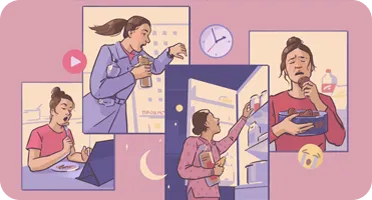
Many people tend to snack in response to stress, boredom, or sadness. This behavior can negatively impact health and lead to excess weight. Understanding your emotional triggers and replacing unhealthy snacks with healthier alternatives can help improve your overall well-being and maintain a healthy weight.
If you find yourself snacking between meals, it's important to analyze the underlying causes. Often, these snacks are related to a lack of satiety after a main meal or emotional factors such as stress or boredom. Understanding your eating habits will help you be more mindful of your food choices and control your calorie intake. It's also worth paying attention to the quality of your snacks: give preference to healthy options such as fruit, nuts, or yogurt, which will not only satisfy your hunger but also provide the body with the necessary nutrients.
- Perhaps you confuse hunger with thirst - to avoid this distortion, nutritionists recommend drinking before eating.
- Perhaps you didn't have a good breakfast.
- Perhaps you are "eating away" emotions - anxiety due to an unloved job, stress, problems in the family or relationships.
If snacking has become an important part of your life, try to make it as healthy and energy-rich as possible. It is recommended to limit the number of snacks to two times a day. It is also important to remember that your last meal should be no later than three hours before bedtime to provide the body with enough time to digest the food. Eating the right snacks can help you maintain your energy levels throughout the day and contribute to overall well-being.
Examples of Healthy Snacks
A perfectly balanced snack includes protein, fat, and fiber. Such a snack not only satisfies hunger but also helps maintain energy throughout the day. Protein provides the amino acids the body needs, fats help absorb vitamins, and fiber improves digestion and promotes a feeling of fullness. To create a balanced snack, you can combine protein sources such as lean meat, fish, or legumes with healthy fats from nuts, seeds, or avocado, and add vegetables or whole grains for a boost of fiber. Eating the right snack helps control appetite and maintain blood sugar levels, which is especially important for an active lifestyle.
- Protein: animal (meat, fish, poultry, cheese) or plant-based if you tolerate it well (legumes, nuts, and seeds).
- Healthy fats: olive oil, butter, coconut milk and oil, MCT oil, ghee, nuts (a handful a day), fats found in meat, fish, and cheese.
- Fiber: greens, vegetables, unsweetened fruits, berries, whole grains.
Creating a snack menu can be a fun process. Start by making a list of foods from different categories, and then experiment with their combinations. This will not only add variety to your diet, but also help you discover new flavor combinations. Choose fruits, vegetables, nuts, and dairy products to create delicious and healthy snacks. By varying the ingredients each time, you can maintain an interest in healthy eating and provide your body with the vitamins and minerals it needs.
Prepare in advance and purchase the necessary ingredients for several days in advance. This will help you save time and avoid unnecessary fuss when preparing meals. Buying products in advance will ensure their freshness and quality, which will positively affect the taste of your culinary masterpieces.
- Buzhenina (homemade or without additives), a slice of whole-grain bread or gluten-free baked goods in case of intolerance, a pickled cucumber, a cherry tomato, arugula leaves. Drink - coffee, green tea, or matcha with MCT oil.
- Brown rice crispbread, butter, lightly salted sockeye salmon, coho salmon, halibut or trout, fresh cucumber, lettuce leaf (romaine, frillice, pak choy, kale, etc.). Drink: tea, coffee, or matcha with unsweetened coconut milk.
- Butter, whole-grain bread, top with a boiled egg cut into circles, finely chopped herring, fresh cucumber, and a lettuce leaf. You can cover with a second piece of bread.
- Onigiri is a rice ball with fish, cream cheese, cucumber inside, and nori seaweed on top. You can use brown rice for added benefits. Prepare a few the day before, and you'll have a snack for a couple of days.
Should you count the calories and carbohydrates in your snacks?
Controlling your macronutrient and calorie intake is crucial, especially for the following categories of people: athletes looking to optimize their fitness, people trying to lose weight, and those looking to maintain their health and well-being. The right balance of macronutrients, such as proteins, fats, and carbohydrates, helps you achieve your goals, whether it's gaining muscle mass, losing weight, or maintaining a stable weight. Taking into account your individual needs, it's important to consider not only the total number of calories but also the quality of the foods you eat to provide your body with the necessary nutrients.
- If you're involved in sports or active physical activity: it's important to monitor your protein intake (1–1.5 grams per kilogram of your body weight, and in some cases, 2 grams per kilogram) and its normal absorption (for this, it's important to monitor your total protein and albumin levels in your tests).
- If you want to lose weight or reduce insulin resistance (prediabetes), a low-carbohydrate diet (100–150 grams per day) is preferable.
Rework the text, maintaining the main topic and avoiding unnecessary details. Optimize the text for SEO by adding keywords and phrases, but do not enter unnecessary information. Do not use emojis and additional characters. Avoid structuring in the form of lists. Provide only clean text.
Read also:
Eating habits are stable patterns of behavior related to the choice and consumption of food. They are influenced by various factors, including culture, family traditions, personal preferences, and food availability. Understanding your eating habits is important for maintaining a healthy lifestyle and preventing disease. Good eating habits contribute to improved overall well-being, increased energy levels, and a stronger immune system. Changing negative habits can lead to significant improvements in health and quality of life.
Why You Shouldn't Snack on Pastries and Sweets
Eating pastries and sweets significantly increases blood glucose levels. Insulin is required for cells to effectively use this glucose as an energy source. Insulin plays a key role in carbohydrate metabolism, ensuring the transport of glucose into the body's cells. Insulin deficiency can lead to metabolic disorders and elevated blood sugar levels, which is important to consider when choosing foods.
If insulin production is normal and there are no conditions such as type 1 diabetes, significant protein deficiency, or pancreatic damage, insulin quickly transports glucose into cells. This leads to a decrease in blood sugar, which leads to renewed hunger.
When glucose levels are high, insulin levels also increase. In this case, the hormone cortisol is activated, which helps reduce insulin activity. Cortisol promotes the formation of glucose from proteins and fats and also blocks the action of insulin. Thus, the interaction of these hormones plays a key role in regulating blood sugar levels and metabolism.
Constant fluctuations in blood glucose and insulin levels can contribute to the development of insulin resistance. This condition is characterized by a loss of cellular sensitivity to insulin and is one of the main precursors of type 2 diabetes. Persistent changes in the levels of these substances can negatively affect metabolism, increasing the risk of diabetes and other related diseases. A balanced diet and regular physical activity are important for maintaining normal blood glucose and insulin levels.
There is another key point. With an active lifestyle, glucose is completely used for energy production. With a sedentary lifestyle, excess glucose is converted into fat. This emphasizes the importance of physical activity for maintaining health and weight control. Regular exercise not only helps burn glucose but also improves metabolism, which is an important aspect in the prevention of obesity and other diseases.
Excess body fat can negatively affect the functioning of internal organs and make breathing difficult, which often leads to the development of sleep apnea. Fat tissue is a source of pro-inflammatory molecules and can accumulate toxins, which in turn has an adverse effect on overall health. Reducing body fat helps improve respiratory function and reduce inflammation, which overall contributes to a better quality of life and the prevention of various diseases. Proper nutrition and physical activity play a key role in maintaining a healthy weight and improving well-being.
If you're craving sweets, follow a few simple rules. First, choose high-quality foods rich in natural ingredients. These can include fruits, nuts, or dark chocolate. Second, control your portions to avoid exceeding your daily sugar intake. Also, try to avoid artificial sweeteners and processed sweets, which contain many unnecessary additives. Remember, moderation is the key to healthy eating. Sweet snacks can be part of your diet if you approach them mindfully.
- First, have a bowl of vegetable salad. This will help slow the absorption of sugar and will satiate you, so you'll eat less sweets.
- After a sweet snack, take a 15-20-minute walk. This will allow your muscles to use glucose without the need for insulin, which is beneficial for blood sugar control.
- If you still find yourself eating a bun for a snack, don't beat yourself up; instead, try to analyze why your body craves sweets.
The underlying reasons for cravings for sweet and starchy snacks can be varied. Often, this is due to emotional factors such as stress or fatigue, which lead to a search for comfort in sweets. Furthermore, a lack of carbohydrates in the diet can trigger a desire for something sweet. Many people also choose starchy foods for their ability to quickly provide a feeling of fullness. An unhealthy diet and irregular meal times can contribute to increased cravings for such foods. It's important to focus on a balanced diet and consider the influence of your emotional state on food choices to avoid overconsumption of sweets and flour products.
- Lack of protein and fat in your main meals. You don't need to increase your portions; simply analyze your diet and add what's missing. Use apps like FatSecret to assess your diet, or consult a nutritionist for help.
- The influence of microbiota. Bacteria and fungi in our bodies love sweets and can influence our behavior, causing cravings for sweets.
- The habit of constantly chewing something.
Replace your usual snacks, such as cookies, chips, or chocolate, with a glass of water with lemon. When you feel like snacking, just drink a few sips of water. This will not only help quench your thirst but also reduce the number of calories consumed throughout the day. Regularly drinking lemon water also helps improve metabolism and maintain hydration. Snacks are fine at first, but it's important to choose healthy foods and eat them during breaks, not while working. Your brain needs to focus on eating to achieve a feeling of fullness. Gradually reduce the number of snacks, and unless medically contraindicated, try to eliminate them completely. This will help improve your concentration and increase overall productivity.
You will immediately feel a surge of energy and activity, and also notice an improvement in your figure.
Free test: which digital profession is right for you?
IT, design, marketing or management? Find out the answer in 15 minutes. And then try your hand at a new specialty for free.
Find out more