
Contents:

Free test: which Is a digital profession right for you? Find out the answer in 15 minutes and try your hand at a new specialty.
Learn moreWhy does the body need meat?
Meat is the main source of protein in the human diet. It provides the body with both nonessential and essential amino acids, as well as B vitamins and important micronutrients such as iron, zinc, and selenium. Including meat in the diet helps maintain optimal energy levels, promotes tissue growth and repair, and supports the immune system. Proper consumption of meat can significantly improve the overall nutritional value of the diet.
Meat can be classified into several categories: mammalian meat, including domestic animals and game, poultry, reptile meat such as turtles and alligators, and amphibian meat, including frogs. Each of these categories has its own unique flavor and nutritional value, making them popular in various cuisines around the world.
Red and white meats differ in their myoglobin content, which affects their color. Red meat contains a higher proportion of myoglobin, which gives it its characteristic color. White meat, on the other hand, has a low content of this protein, making it lighter in color. Understanding these differences is important for choosing meat in the diet and its culinary use.
In this article, we will not discuss fish, as it is a separate category of animal products. We will focus on other aspects of this diverse and important nutritional segment. Animal products include meat, dairy, and eggs, which play a key role in the human diet. Each of these foods has unique nutritional properties and can provide health benefits when consumed appropriately. It's important to understand how the variety of these foods can impact our nutrition and overall health.
Red Meat: Benefits and Harms
Red meat includes beef, lamb, pork, veal, venison, and goat. It is an excellent source of B vitamins, especially vitamin B12, which is necessary for the normal functioning of the nervous system. In addition, red meat contains zinc, an important mineral that helps support the immune system. Including red meat in your diet can help provide the body with essential nutrients that promote overall health and strengthen the immune system.
Consumption of red meat, especially processed meats such as ham, sausages, and hot dogs, is associated with an increased risk of colorectal and breast cancer. Research shows that regular consumption of these foods may negatively impact health and increase the likelihood of cancer. Therefore, it is important to be mindful of your diet and consider the potential risks associated with consuming red and processed meat.
Red meat is high in saturated fat, which contributes to elevated levels of low-density lipoproteins. These lipoproteins are a key factor in the development of cardiovascular disease. Since 1961, the American Heart Society has recommended limiting red meat consumption and replacing it with sources of unsaturated fats. This will reduce the risk of cardiovascular disease and improve overall health. It is important to include more vegetable oils, nuts, and fish, which are rich in healthy fats, in your diet.
A study of 43,272 people found that a diet containing red meat was associated with an increased risk of coronary heart disease. Participants who replaced one serving of red meat with a serving of plant protein showed a lower predisposition to this disease. These results highlight the importance of choosing protein sources in the diet to reduce the risk of cardiovascular disease.
There are studies that suggest that the role of saturated fats in the development of cardiovascular disease may be somewhat exaggerated. It is important to note that the impact of different types of saturated fats on heart health varies and depends on the combination of these fats with other components of the diet.
The importance of a varied diet cannot be overstated. By avoiding extremes in food choices, we provide the body with the necessary range of vitamins and minerals. A variety of foods helps maintain health and strengthen the immune system, which is especially important in the modern world. Proper food choices play a key role in disease prevention and maintaining optimal energy levels throughout the day. Therefore, striving for a balanced and varied diet is the key to health and well-being.
White Meat: Are There Any Risks?
Popular types of white meat include chicken, turkey, and duck. White meat has similar nutritional properties to red meat but contains less fat. However, there is currently no convincing evidence that white meat consumption reduces the risk of cardiovascular disease and type 2 diabetes.
According to recommendations from leading European health organizations, it is recommended to limit meat consumption, including poultry, to 100–120 grams three times a week. For example, 120 grams of cooked chicken breast is equivalent to approximately half an adult's fist. This restriction is aimed at maintaining health and reducing the risk of various diseases associated with excessive meat consumption.

Read also:
Healthy snacks: examples and recommendations for choosing
Healthy snacks play an important role in maintaining energy and concentration throughout the day. They help control appetite and prevent overeating. When choosing snacks, it's best to choose natural, nutrient-rich foods.
Good examples of healthy snacks include fresh fruits, vegetables, nuts, yogurt without added sugar, and whole-grain crackers. These foods contain vitamins, minerals, and fiber, making them excellent choices for maintaining health.
On the other hand, high-calorie and highly processed foods should be avoided. Sweets, chips, and fast food not only fail to provide the body with essential nutrients but can also lead to weight gain and poor health.
Choosing the right snacks can help improve metabolism and maintain optimal energy levels. Focus on foods that will help you stay fit and healthy in the long term.
Processed Meat: Benefits and Risks
Processed meats are meat products that have been processed through processes such as smoking, curing, or using preservatives. These products include sausages, bacon, ham, canned meats, corned beef, as well as cold cuts such as chicken and turkey, and pâtés. These products are popular for their flavor and long shelf life, but it is important to be mindful of health concerns and consume them in moderation.
Processed meats are high in saturated fat and often high in added salt. Excess salt intake can cause fluid retention and contribute to high blood pressure. In addition, regular consumption of processed meats, like red meat, has been linked to an increased risk of colorectal cancer. This highlights the importance of monitoring your diet and making informed food choices to maintain health.
Doctors advise limiting processed meat consumption to small amounts. However, there is no consensus on the acceptable limit: some studies indicate a safe limit of 30 grams of processed meat per week, while other sources recommend no more than 70 grams of both processed and red meat per day. Reducing your consumption of these foods can reduce the risk of various diseases, so it is important to monitor your diet and choose healthier alternatives.
Raw and undercooked meat: what's wrong with it
Raw and undercooked meat is often used in dishes such as tartare, carpaccio, and steaks. However, it is important to remember that unprocessed meat can contain dangerous bacteria that can cause illness. To avoid this risk, meat must be cooked thoroughly, which ensures the destruction of harmful microorganisms and makes it safe to eat. Proper cooking of meat not only protects health but also enhances its flavor.
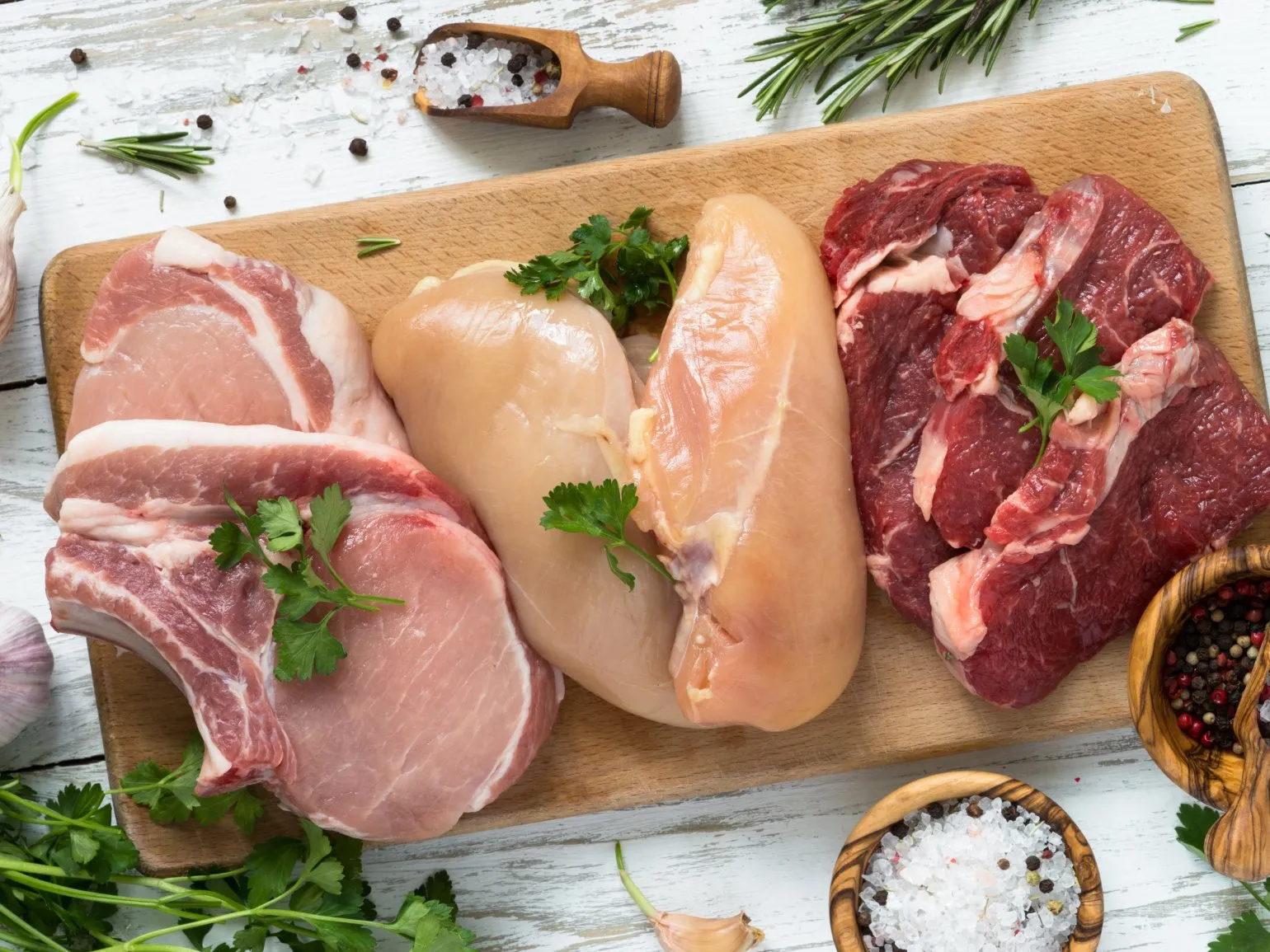
Well done is essential for all types of ground meat, including cutlets, sausages, chicken nuggets, kebabs, and various offal. White meat and pork should also be cooked thoroughly to avoid the risk of foodborne illness. Following these guidelines will ensure the safety and quality of your prepared food.
Those who enjoy rare steaks should exercise caution. This method involves searing the outside of the steak, which helps destroy most microorganisms due to the high temperatures. However, for complete safety, it is important that the inside of the steak reaches a temperature of 145°F (62°C) and is held at this temperature for at least three minutes. This will help minimize the risks associated with consuming undercooked meat.
Failure to follow these guidelines may result in infection. It is important to maintain good hygiene and follow expert recommendations to minimize the risk of illness. Illnesses resulting from ignoring these precautions can have serious health consequences. Pay attention to the tips and recommendations to protect yourself and your loved ones from possible infections.
- Campylobacteriosis - from poultry and pork;
- Listeriosis - from semi-finished and ready-to-eat meat products;
- Escherichiosis - when consuming undercooked meat (usually beef);
- Salmonellosis - when consuming contaminated meat products and eggs;
- Beef and pork tapeworm - when consuming undercooked beef and pork.
Infections pose a particular threat to people with weakened immune systems. Reduced immune protection makes them more vulnerable to various diseases, which can lead to serious complications. It is important to understand the risks and take precautions to minimize the likelihood of infection. Prevention and timely medical intervention play a key role in protecting the health of people with weakened immune systems.
- for pregnant women - their immunity decreases due to changes in the body, and some infections can even lead to miscarriage [16];
- for children - their immunity is just developing;
- for the elderly - their immunity gradually decreases;
- for people with immunodeficiency.
Soy meat: how healthy is it?
Soy products are an excellent source of protein and a healthy alternative to animal proteins. Soybeans contain a complete set of amino acids, including both replaceable ones, which the body can synthesize on its own, and essential ones, which must be obtained from food. Eating soy products can help improve overall health and add variety to your diet by providing the body with all the necessary nutrients.
Soy products are an important source of nutrients and are widely used in the diets of many people. They contain high-quality protein that includes all the essential amino acids. Soy products are also rich in fiber, which helps normalize digestion and maintain healthy cholesterol levels.
In addition, soy contains vitamins such as B1, B2, B6, and E, as well as minerals including calcium, iron, magnesium, and zinc. Soybeans contain phytoestrogens, which can positively affect hormonal balance, especially in women. Soy products such as tofu, soy milk, and soy yogurt are becoming an excellent alternative to dairy and meat products for vegetarians and vegans.
Using soy products in your diet can help improve cardiovascular health, reduce the risk of osteoporosis, and even improve skin condition due to its antioxidant properties. Thus, soy and its derivatives play an important role in a healthy diet.
- Iron. A cup of soybeans contains about 9 mg of iron [17].
- Vitamin C is an antioxidant and a substance that improves iron absorption.
- Flavonoids are also antioxidants. Soy also contains a high amount of isoflavones, compounds that improve the production of estrogen, a female hormone that affects reproductive function. However, the results of studies on the effect of soy on hormonal processes are contradictory [18].
- Fiber. A cup of soybeans contains approximately 10 grams of fiber, while the recommended daily intake of fiber is 25–30 grams) [17].
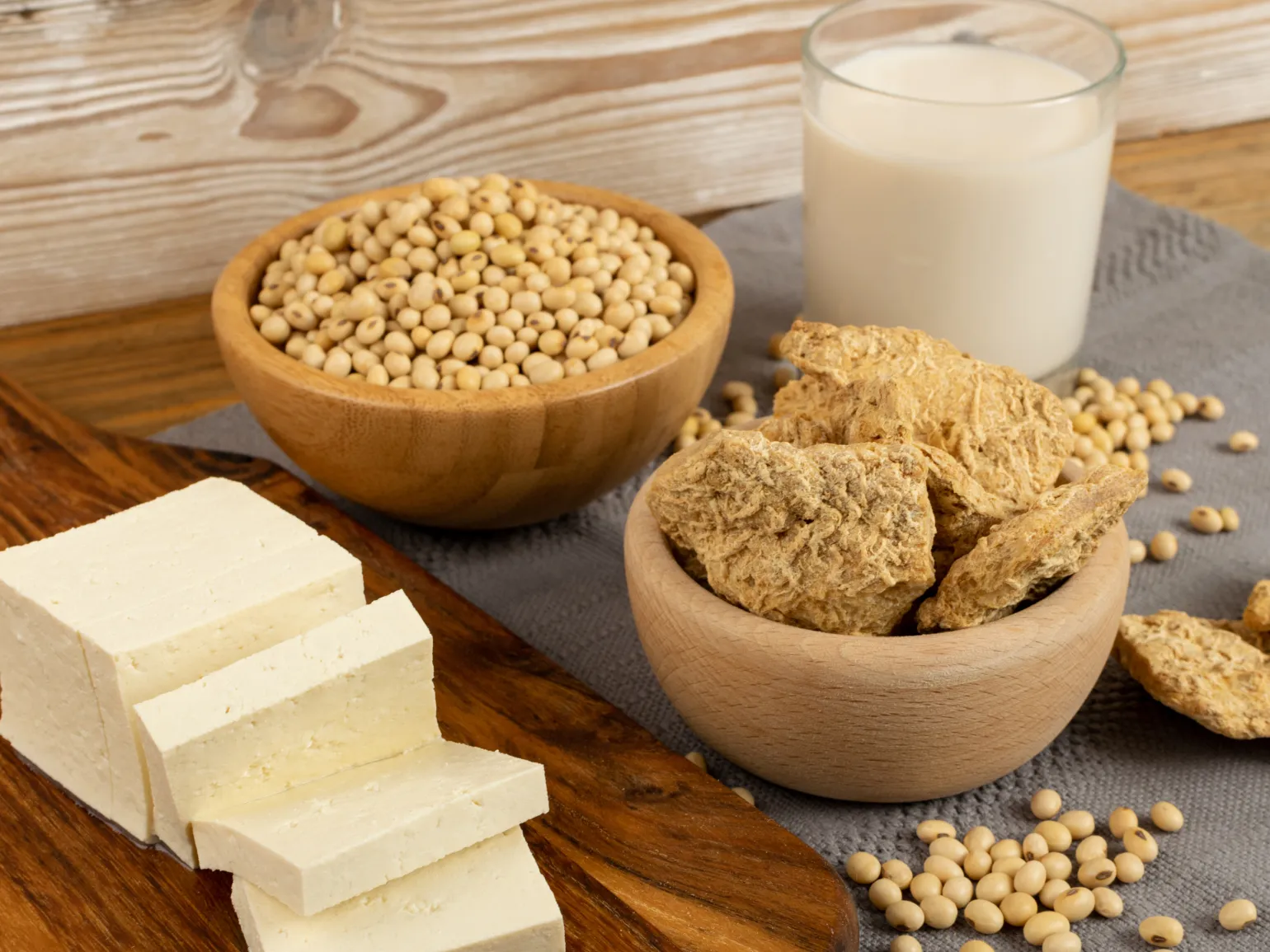
Soy products have a significant advantage due to their low saturated fat content compared to Red meat and high levels of unsaturated fats, such as omega-3 and omega-6. Research shows that including soy in the diet can help lower total cholesterol levels. However, it is important to remember that to improve the taste of soy products, manufacturers often add saturated fat and large amounts of salt. Therefore, it is recommended to carefully read the nutritional information before purchasing.
Cultured Meat: Has Its Effect on the Body Been Studied?
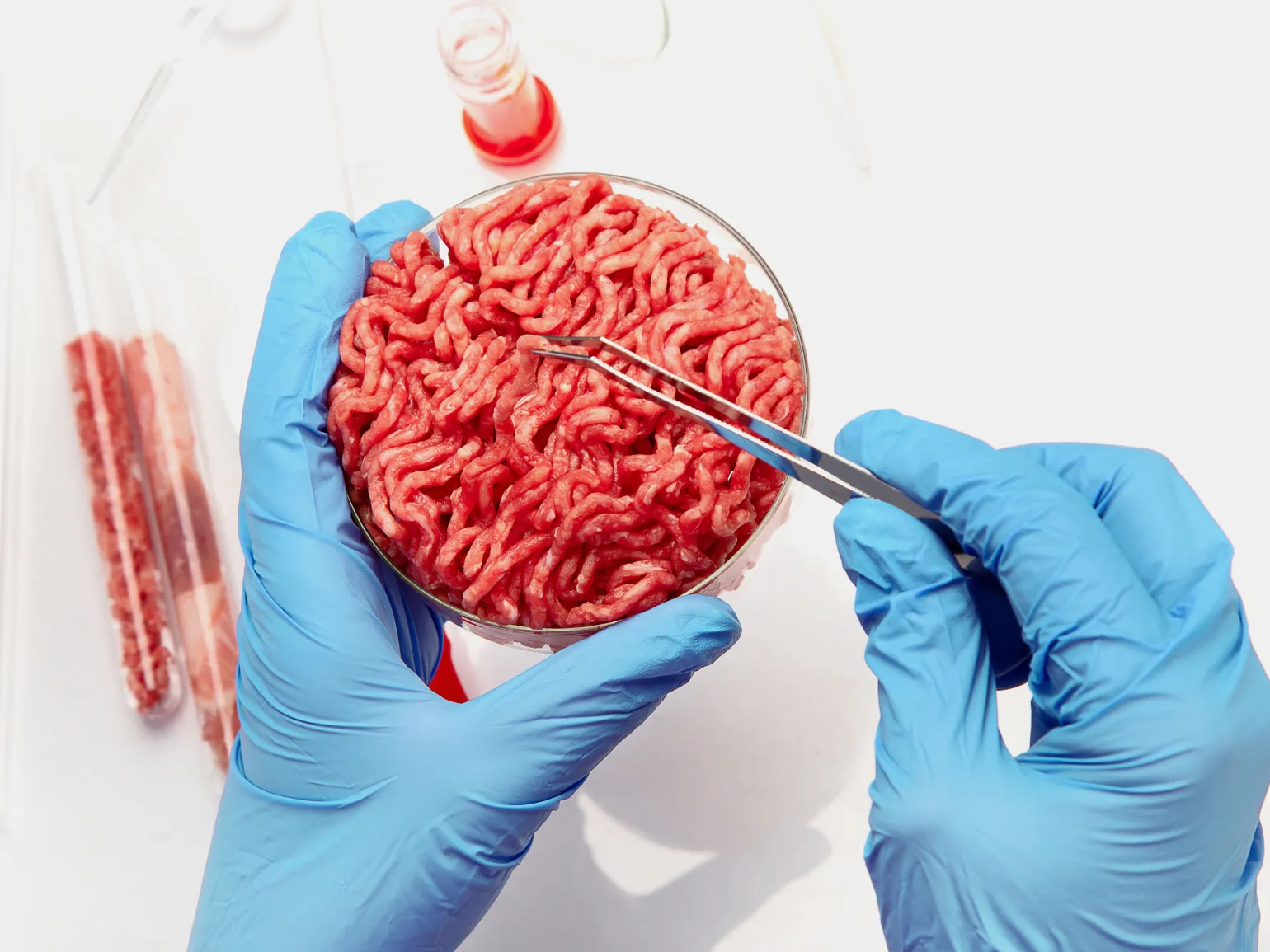
Cultured meat, often referred to as in vitro meat, is a product produced in a laboratory. To produce it, a small fragment of muscle tissue is removed from an animal, from which stem cells with a high dividing capacity are isolated. These cells are placed in a nutrient medium and incubated under strictly controlled conditions, which promotes muscle growth. Cultured meat is a promising alternative to traditional meat, offering the opportunity to reduce the environmental impact of livestock farming and improve the ethical aspects of food production.
Currently, alternative meat production technologies are expensive, making them inaccessible to most consumers. In addition, there is a lack of research on the health effects of this type of meat, raising further concerns.
Tips to help you stay healthy
Follow these guidelines to minimize the risks associated with meat consumption. Proper selection and handling of meat products will help maintain health and avoid potential illnesses. Pay attention to the quality of meat and choose it from reputable producers. It's also important to follow proper storage and cooking conditions to avoid foodborne illnesses and poisoning. Regularly include plant-based foods in your diet to balance your nutrition and reduce the negative impact of meat on your body. By following these tips, you can enjoy meat dishes with minimal health risks.
- When buying meat products, remember to evaluate the KBZhF - choose products with a lower fat content.
- Remove skin and visible fat from meat before cooking.
- Have a separate board for raw meat products.
- Reduce the consumption of sausages, cold cuts, pates.
- Steam, steam and boil meat instead of frying it.
- Try not to add oil when cooking meat.
- Try to reduce portions of meat and replace it with plant sources of protein (legumes, soy).
- Try not to fry meat over an open fire.
- If the meat is charred, cut off these areas.
- Pregnant women should limit the consumption of offal (in particular, liver) due to the high content of vitamin A, which has teratogenic effect.
Free test: which digital profession is right for you?
IT, design, marketing or management? Find out the answer in 15 minutes. And then try your hand at a new specialty for free.
Find out more