
Contents:

Free test: which digital profession is right for you? Find out the answer in 15 minutes and try your hand at a new specialty.
Find out moreWhat is a pulse?
The pulse is a wave-like vibration that occurs with each contraction of the heart as blood is ejected into the aorta. These vibrations, or shocks, can be felt in places where arteries are close to the surface of the skin, such as the wrist or neck. Measuring the pulse is an important indicator of a person's health and can provide information about the state of the cardiovascular system. Regular pulse monitoring helps identify possible abnormalities and prevent the development of diseases.
In a healthy person, the heart rate (HR) corresponds to the pulse felt in the arteries. However, in some diseases, the pulse wave may not reach the arteries at the right time, which leads to a situation where the HR is higher than the pulse rate. This discrepancy can be an indicator of various cardiovascular disorders and requires the attention of medical professionals. It's important to monitor your cardiovascular health and consult a doctor if any abnormalities are present.
Pulse rate is a variable value, but this is only apparent at first glance. The heart begins to beat faster in response to various factors. For example, when climbing stairs or watching your favorite team win in the Champions League, your heart rate increases. This is a natural response, as physical exertion and emotional arousal require more resources, especially oxygen. The more oxygen the tissues require, the faster the heart functions. However, when we stop active activity and calm down, the pulse returns to normal. Therefore, it's important to understand that pulse rate varies depending on activity and rest. Normal heart rate values vary depending on activity and individual characteristics, which should be taken into account when assessing your health.
What should be the heart rate of an adult?
When physically and emotionally at rest, the normal heart rate is between 60 and 100 beats per minute. These values are averages, and for some people, normal values may be below 60 or above 100 beats. It is important that such deviations do not negatively impact your overall well-being. Understanding your individual heart rate norms can help you monitor your health and identify possible disorders.
During physical activity, your heart rate can reach its maximum heart rate. This indicator varies depending on age and can be calculated using a special formula. Knowing your maximum heart rate is important for assessing exercise intensity and maintaining optimal physical activity.
Maximum heart rate (HRmax) is determined by the formula: 220 minus your age. This formula helps calculate the maximum intensity of physical activity and is an important indicator for cardiovascular training. Properly understanding and using HRmax will help optimize your training and achieve your desired fitness results. Regularly monitoring your heart rate during exercise helps improve endurance and overall fitness.
Cardiologists warn of the risks of independently achieving your maximum heart rate (HR), especially for older adults. It is recommended to determine your individual maximum heart rate during a stress test at a medical facility, where an ECG can be used to assess your heart's response to physical activity. Knowing this value is important for calculating your target (training or submaximal) heart rate, which promotes safer and more effective training.
Submaximal heart rate (SHR) is calculated using the formula: (220 minus your age) multiplied by a percentage. This value helps determine the optimal training load and assess your physical fitness. Correctly calculating SHR allows you to avoid overtraining and adapt training based on your endurance level. Taking your age into account, you can more accurately set appropriate training zones to effectively achieve your fitness goals and maintain your health.
The percentage by which to multiply depends on the intensity of the upcoming physical activity. The American Heart Association recommends calculating your target heart rate based on your physical activity level. To achieve optimal training results, it is important to correctly determine your target heart rate that matches your activity level. This not only increases the effectiveness of your exercise but also reduces the risk of overtraining.
- Moderate: HRsubmax = (220 − Age) × 50–70%;
- Intense: HRsubmax = (220 − Age) × 70–85%.
For convenience, you can rely on the average values recommended by the American Heart Association. These values will help you assess your cardiovascular health and create individual plans to maintain normal blood pressure, cholesterol, and other important levels. Understanding these values is crucial for preventing cardiovascular disease and maintaining overall health.
How the normal heart rate differs between men and women
Women typically have a slightly higher resting heart rate than men. This increase in heart rate can be explained by differences in heart size. A woman's heart is typically smaller than a man's, so it must beat faster to effectively supply organs and tissues with the necessary amount of oxygen.
Some studies suggest that a woman's heart rate (HR) may vary depending on the phase of her menstrual cycle. This is because the hormone estrogen affects the nervous system, which, in turn, can lead to changes in HR. Given the impact of hormonal changes on the cardiovascular system, it is important to understand how these fluctuations can affect a woman's overall health.
During ovulation, levels of female sex hormones decrease slightly, which can lead to an increase in heart rate by 10 beats per minute. Scientists suggest that this phenomenon is due to the interaction of cortisol, a hormone associated with prolonged stress, and testosterone, a male sex hormone. These changes can affect a woman's overall health and well-being during this period.
In 2019, the journal Nature published the results of a large-scale four-year study conducted by researchers from the University of California, San Francisco. The study, called the Health eHeart Study, focused on the use of smartphones to measure heart rate (HR). Led by Robert Avram, the researchers conducted an experiment involving 50 patients at a cardiology clinic. They compared the data obtained from smartphones with the results of traditional electrocardiography (ECG). The results demonstrated high measurement accuracy: the data obtained from smartphones was virtually indistinguishable from the readings from medical equipment. This discovery confirms the effectiveness of using mobile technologies in cardiology and their potential for monitoring cardiovascular health.
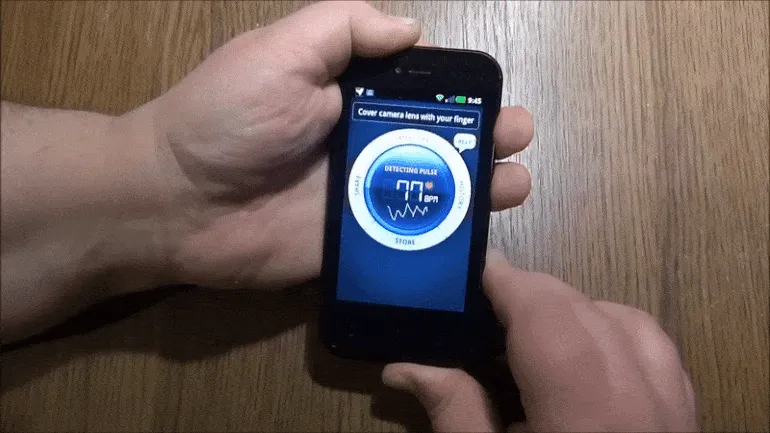
Scientists have proposed using smartphones to determine heart rate, which was made possible thanks to the participation of more than 66 thousand volunteers from around the world. From 2014 to 2018, participants provided their data through a dedicated app. During the study, they regularly measured their heart rate, answered questions about their lifestyle and health, and used devices to track their physical activity. This initiative demonstrates how modern technology can aid in health monitoring and promote greater awareness of cardiovascular health. The average heart rate (HR) during everyday life is 79 beats per minute, with slight variations by gender. Women have a slightly higher HR than men, an average of 4.4 beats per minute. Furthermore, research shows that normal HR values for people aged 18 to 45 are slightly higher than those of older adults over 60. These data highlight the importance of considering age and gender differences when assessing normal cardiovascular health.
What Else Affects Normal Heart Rate
Gender differences are not always the determining factor in changes in heart rate (HR). There are other factors that can affect HR levels. These include physical activity, stress levels, overall health, age, and environmental influences such as temperature and humidity. Understanding these factors allows us to gain a more complete understanding of variations in HR and their impact on health.
- Time of day. The pulse is highest during the daytime, especially between 12 and 16. At night, during sleep, the heart rate slows down.
- Air temperature [8]. The higher it is, the faster the heart contracts.
- Height. According to some data, tall people have a slightly lower heart rate [9] than short people.
- Weight. Excess weight causes the adrenal glands to secrete more hormones, which speed up the heart.
- Change in body position. When quickly moving from a horizontal to a vertical position, the heart rate can increase by 10-15 beats per minute.
Heart rate (HR) is significantly affected by lifestyle, including physical activity level and bad habits. Lack of movement makes it difficult for the nervous system to adapt to physical activity. As a result, during exercise, the heart rate can quickly reach a submaximal level. Regular exercise helps improve cardiovascular health and helps the body adapt more effectively to stress.
Why does my heart rate increase?
Many people begin to feel palpitations when their resting heart rate exceeds 100 beats per minute. Medically, this condition is known as tachycardia. Tachycardia can be a normal physiological response to physical exertion or stress, but in some cases, it can indicate cardiovascular disease. It is important to monitor your condition and, if you suspect tachycardia, consult a doctor for diagnosis and possible treatment.
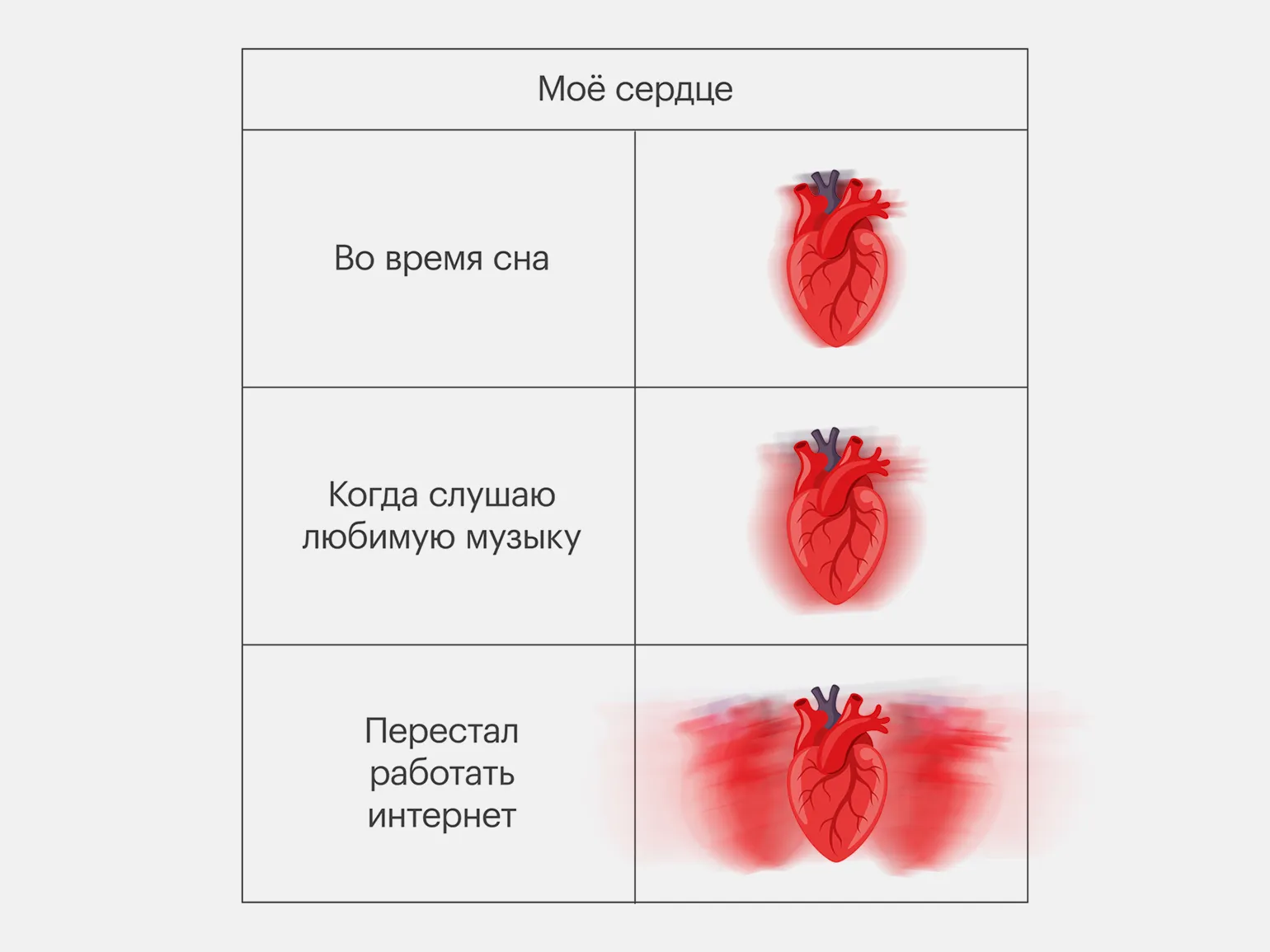
In women and men, an increased heart rate can be caused by various factors. This can occur due to physical activity, emotional stress, anxiety, or fear. Medical conditions such as hyperthyroidism, anemia, or infections can also affect heart rate. Consuming caffeine, alcohol, and certain medications can also increase heart rate. It is important to pay attention to your health and, if necessary, consult a doctor to identify the cause and prescribe appropriate treatment. Maintaining a normal heart rate contributes to overall health and well-being.
- coffee and energy drinks;
- hot weather;
- smoking;
- alcohol consumption;
- fever;
- sleep disturbances (snoring);
- drop in blood pressure;
- anemia;
- hormonal imbalance;
- pain syndrome;
- deficiency of magnesium and excess calcium.
With age, an increased heart rate can pose a serious threat to a person's health. This is because the blood entering the arteries that feed the heart only flows between its contractions. With tachycardia, these intervals are shortened, resulting in insufficient blood supply to the heart. Therefore, it is important to monitor your heart rate, especially in the elderly, to prevent potential complications and maintain cardiovascular health. Regular medical examinations and pulse monitoring can help identify and prevent problems associated with tachycardia.
Why does the pulse slow down?
A pulse rate below 60 beats per minute is considered rare and is called bradycardia, which translates as "slow heart." A slow pulse is a natural state during sleep, yoga, or meditation, when the influence of the adrenal system weakens and the activity of the vagus nerve increases. Furthermore, a slow pulse rate can indicate a high level of physical fitness and heart fitness, which is a positive sign for health. The Guinness Book of World Records lists the slowest pulse rate in an athlete, which belongs to Olympic cycling champion Miguel Indurain. This outstanding athlete won the Tour de France five years in a row, from 1991 to 1995. Doctors have determined that at rest, Indurain's heart beats at a rate of only 28 beats per minute. This low pulse rate is due to the fact that the heart muscle in trained athletes becomes more powerful and efficient, allowing it to pump more blood per beat. This means that the heart can pump less frequently while maintaining high performance. This case is a striking example of the impact of intense training on the physical condition of athletes and their cardiovascular system.
Bradycardia is most often a symptom of various diseases. It can indicate the presence of serious pathologies, such as: heart disease, thyroid dysfunction, electrolyte imbalances, or the influence of medications. It is important to consult a doctor for diagnosis and identification of the cause of bradycardia, as this condition may require medical intervention. Understanding the cause of bradycardia will help develop an effective treatment plan and prevent possible complications.
- a history of traumatic brain injury;
- stomach ulcer;
- sick sinus node dysfunction;
- poisoning;
- starvation;
- hypothermia.
Some families may have a hereditary predisposition to a slow pulse, known as bradycardia. One famous example is Napoleon Bonaparte, who, according to sources, had this pathology. In his article published in The Lancet in 1913, physician and pediatrician Leonard Guthrie presented his version of the origin of Napoleon's bradycardia, linking it to possible problems with the pituitary gland. Guthrie noted that Bonaparte's pulse did not exceed 40 beats per minute. However, his conclusions are based on historical data and remain at the level of hypothesis. Studying cases of bradycardia in history can help better understand both hereditary factors and the influence of health on the personality and behavior of outstanding people.
How to measure your pulse
Before the advent of ultrasound, magnetic resonance imaging (MRI), and computed tomography (CT), doctors were forced to rely on tactile sensations to diagnose diseases. They carefully examined the pulse, paying attention to its rhythm, duration, fullness, tension, and strength. In traditional medicine, there are about 17 types of pulse, while Chinese medicine describes approximately 27 different types.
Determining pulse rate is an important skill for monitoring health. It is not necessary to delve into the differences between pulse types. The main focus should be on measuring the rate correctly. To do this, you need to know how to correctly place your fingers on the artery, as well as be able to count beats for a certain amount of time. Regularly monitoring your pulse will help identify possible abnormalities and maintain health.
- Place your index and middle fingers on the inside of your wrist, just below the base of the thumb.
- Gently press on the artery. Do not press too hard to avoid cutting off blood flow.
- Start the timer for 1 minute.
- Count the beats.
You can use your fitness tracker or a smartphone app to track your activity and health. Research conducted by California scientists has confirmed the high accuracy of measurements obtained using smartphones. This makes mobile technology a convenient tool for monitoring physical activity and achieving fitness goals.
Information sources play a key role in forming an objective opinion and understanding of various topics. Regardless of the field, be it science, culture, or economics, reliable sources provide reliable data and facts. When choosing sources, it is important to consider their authority, relevance, and reputation. Using trusted sources not only improves the quality of content but also helps prevent the spread of false information. In today's world, where access to information has become easier, critical thinking and the ability to analyze sources are becoming essential skills. This allows you not only to deepen your knowledge but also to make informed decisions based on facts.
The heart is a vital organ responsible for pumping blood throughout the body. It circulates blood, delivering oxygen and nutrients to cells and removing carbon dioxide and waste. The heart consists of four chambers: two atria and two ventricles, which work together to ensure a constant blood flow.
Heart rate is controlled by electrical impulses that originate in the sinus node, the heart's natural pacemaker. These impulses cause the heart to contract and relax in a specific pattern, which ensures its efficient functioning. Factors such as physical activity, stress, and hormones can affect heart rate.
Regular examination and care for heart health are crucial for the prevention of cardiovascular disease. Proper nutrition, regular exercise, and avoiding unhealthy habits help maintain normal heart function and overall health. Understanding how the heart works and its role in the body can help you better manage your health and prevent disease.
Why is my heart beating fast? University of Utah Hospital
A rapid heartbeat, or tachycardia, can occur for a variety of reasons. This may be due to physical activity, emotional stress, anxiety, or even caffeine consumption. In some cases, tachycardia may be a sign of more serious conditions, such as cardiovascular disorders.
It's important to understand that a temporary increase in heart rate is usually not dangerous. However, if you notice that your heart rate frequently increases for no apparent reason or is accompanied by other symptoms, such as shortness of breath, dizziness, or chest pain, you should consult a doctor. Specialists at the University of Utah Hospital can conduct the necessary tests to determine the cause of tachycardia and prescribe appropriate treatment.
To maintain heart health, it is recommended to maintain a physical activity regimen, manage stress levels, and watch your diet. If you are concerned about your heart rate, do not ignore these symptoms and consult a medical professional.
Target Heart Rate Chart. The target heart rate is the recommended heart rate range to maintain during physical activity to achieve maximum exercise effectiveness. The right level of exercise helps improve cardiovascular fitness, increase endurance, and burn calories. It's important to consider individual factors, such as age and fitness level, when determining your target heart rate. Using a target heart rate chart will help you optimize your workouts and achieve your fitness goals. Maintaining a healthy heart and its functioning depends on many factors, including biological sex. A review by Prabhavathi K., Tamarai Selvi K., Poornima K. N., and Sarvanan A. examines the impact of sex on normal cardiac function and the consequences of cardiovascular disease. It's important to consider that men and women may respond differently to various heart conditions, which impacts diagnosis and treatment. Understanding these differences can significantly improve approaches to the prevention and treatment of cardiovascular disease. For a more in-depth exploration of this topic, see the article available at DOI: 10.7860/JCDR/2014/9635.4771.
Prajapati C., Koivumäki J., Pekkanen-Mattila M., and others investigated sex differences in cardiovascular health, examining both fundamental aspects and clinical manifestations. Their work, published in the European Journal of Medical Research in 2022, issue 27, article 241, analyzes factors influencing heart health in men and women. The study provides important clinical data that may help develop more effective treatments and prevention methods for cardiovascular disease that take into account sex differences. DOI: 10.1186/s40001-022-00880-z.
Voronova N.V., Meygal A.Yu., Elaeva L.E., and Kuzmina G.I. conducted a study on the influence of season and menstrual cycle phase on cardiointervalogram parameters in women. The results were published in the journal "Human Ecology" in 2015, including volume 22, issue 2, pages 20-26. For more information, see DOI: 10.17816/humeco17136. The study is relevant for studying the relationship between physiological changes and heart rate, which may be useful for physicians and researchers in the field of women's health and human ecology.
Avram R., Tison G. H., Aschbacher K. et al. conducted a study on heart rate norms in real-world conditions, presented in the paper "Real-world heart rate norms in the Health eHeart study". The study was published in the journal npj Digital Medicine in 2019, volume 2, article 58. DOI: 10.1038/s41746-019-0134-9. This study provides valuable data on normal heart rate indicators, which is important for assessing the state of the cardiovascular system and developing health recommendations.
The list can be expanded for additional information. This will allow the user to familiarize themselves with the content in more detail. Expanding a list can be useful for organizing data, improving navigation and ease of perception of information. At the same time, it is important that users can easily find the items they need, which will increase the overall level of satisfaction from using the resource.
Ravanelli N. M., Hodder S. G., Havenith G., and Jay O. conducted a study on the effect of extreme heat and humidity on heart rate and body temperature. In a work published in JAMA in 2015, the authors analyze how the use of electric fans can affect these physiological indicators. The results of the study can be useful for developing health protection guidelines in conditions of high temperature and humidity. DOI: 10.1001/jama.2015.153.
Thomas T. Samaras in his study "Short stature is associated with a lower risk of cardiovascular disease" presented a review that was published in the Indian Heart Journal in January-February 2013. This review examines the relationship between human height and the risk of developing cardiovascular diseases. The author emphasizes that shorter height may be associated with lower rates of cardiovascular problems, which opens new horizons for understanding risk factors. The study covers a wide range of data and provides important implications for medicine and the prevention of heart diseases. DOI for accessing the publication: 10.1016/j.ihj.2012.12.016.
Pshenichnaya E. V., Tonkikh N. A., Dubovaya A. V. conducted a study to assess the functional state of the cardiovascular system in adolescent boys who are about to be conscripted. In an article published in the Russian Medical Journal in 2017, the researchers used a treadmill test to determine the levels of physical activity and the state of the cardiovascular system in this group. The results of the study demonstrate the importance of regularly monitoring the health of adolescents, which can contribute to a more accurate assessment of their physical readiness for military service. The article contains valuable data that can be useful for both doctors and parents in understanding the health of adolescents during a period of active physical development. Tachycardia: Increased Heart Rate. Heart Rate Target Values Chart Tachycardia is a condition when the heart rate exceeds the normal range, which can be associated with various factors, such as stress, physical activity, or medical conditions. It is important to understand that the normal heart rate in adults is between 60 and 100 beats per minute. With tachycardia, this figure can increase significantly. To monitor your heart rate and set target values, it is recommended to use a target heart rate chart. This chart will help you understand what the optimal heart rate is during physical activity and at rest. Knowing your target heart rate can contribute to more effective training and improve your overall health.
If you experience symptoms of tachycardia, such as dizziness, shortness of breath, or chest pain, you should consult a doctor for further examination and recommendations. Taking care of your heart and regularly monitoring your heart rate are key to maintaining good health.
Guinness World Records Limited is an organization dedicated to collecting and publishing world records. Founded in 1955, it has since become an authoritative source of information on records in various categories. All information presented in their annual publications is based on rigorous data verification and validation. Guinness World Records covers a wide range of records, including physical achievements, unique talents, unusual phenomena, and much more. The organization is also actively developing its digital platforms, providing access to records online, allowing users worldwide to discover amazing achievements and be inspired to achieve new heights. Leonard Guthrie, MD, FRCP, worked as a physician at the Maida Vale Hospital for Epilepsy and Paralysis. In his article, published in The Lancet on September 13, 1913, he explores whether Napoleon Bonaparte suffered from hypopituitarism (adiposogenital dystrophy) at the end of his life. This work sheds light on the medical aspects of Napoleon's health, emphasizing the importance of studying his illness for understanding the impact of physical ailments on his personality and political career.
T. M. Bogdanova and Yu. A. Slusarenko explore the traditions of pulse diagnosis in China in an article published in the International Student Scientific Bulletin in 2018, issue 5. Pulse diagnosis is an important part of traditional Chinese medicine, and the authors emphasize its significance in the modern medical context. The article examines the historical aspects, methodology, and practical application of pulse diagnosis, as well as its impact on the diagnosis and treatment of various diseases. The study emphasizes the need to integrate traditional methods with modern approaches in medicine, which contributes to a more complete understanding of human health and disease.
Free test: which digital profession is right for you?
IT, design, marketing or management? Find out the answer in 15 minutes. And then try your hand at a new specialty for free.
Find out more