
Contents:

Free test: Which digital profession is right for you? Find out the answer in 15 minutes and try your hand at a new specialty.
Learn moreWhat is palm oil?
Palm oil occupies a significant place among edible oils, along with soybean, rapeseed, and sunflower oils. Between 20 and 22 million tons of palm oil are produced annually worldwide, accounting for about 24% of the total volume of vegetable oils. This makes palm oil an important component in the culinary and food industries. The high yield of palm trees and low production costs contribute to its popularity. Palm oil is used in a variety of products, including confectionery, margarines, and ready-made meals, which emphasizes its versatility and market demand.
Palm oil consists of two main components. The first part is saturated fatty acids, which give the oil stability and a long shelf life. The second part is unsaturated fatty acids, responsible for its beneficial properties and positive impact on health. Due to its balanced composition, palm oil is widely used in cooking and the food industry. It is an important ingredient in the production of various products, such as sweets, confectionery, and margarines. Understanding the composition and properties of palm oil helps make a more informed choice when purchasing products containing this oil.
- Olein is the liquid part with a melting point of 19–24°C. At a temperature of 20–25°C, it acquires a creamy consistency, but gradually hardens as the temperature decreases. Olein is widely used in the food industry, especially for frying and cooking various products.
- Stearin is the solid part of palm oil with a melting point of 47–54°C. Due to its dense structure, stearin is more often used in the production of inexpensive food products, cosmetics, and hygiene products [4].
Olein is used in food products, while stearin is used in other areas where shaping of various products is required.
Palm oil is a more cost-effective option for manufacturers compared to natural milk fats. This is why it is often used in production. It reduces production costs, making the final product more affordable for consumers. Palm oil is actively used in a variety of goods, including confectionery, margarines, and dairy products, due to its versatile properties and long shelf life. Additionally, the use of palm oil helps provide stability and texture to products, making it a popular choice in the food industry.
- margarine;
- milk fat substitutes;
- processed cheeses;
- baked goods;
- chocolate icing;
- filling creams;
- confectionery fats;
- semi-finished products;
- mayonnaise and other sauces;
- sweets and chocolate;
- packed soups;
- cookies, chips and other snacks [3].
Technical palm oil is widely used as a biofuel and is also an important ingredient in the production of affordable cosmetics, soaps and toothpastes. This oil is valued for its unique properties, which makes it a popular choice in various industries. The use of industrial palm oil in cosmetic products helps create effective formulas that provide hydration and protection to the skin. In the production of soap and toothpaste, it helps improve texture and foaming, which makes these products more attractive to consumers.
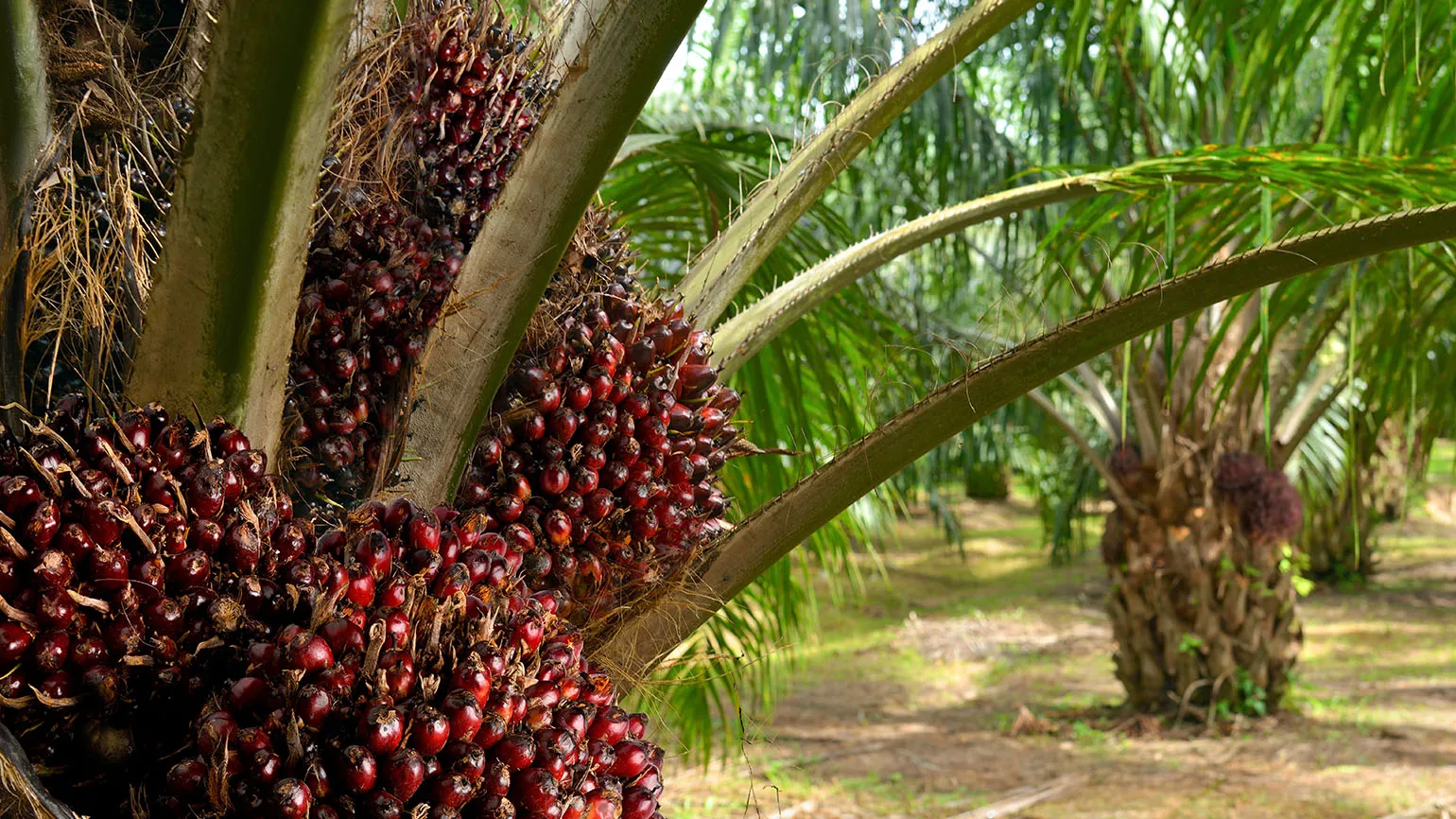
Palm oil, despite its popularity, causes a lot of controversy regarding its impact on human health. Research shows that palm oil consumption can have both positive and negative effects. It's important to consider that the composition and quality of the oil, as well as its quantity in the diet, play a significant role in its impact on health. Experts recommend carefully monitoring palm oil consumption and including a varied and balanced diet of fats to maintain optimal health.
The composition of palm oil, according to the United States Department of Agriculture (USDA), is presented as follows (per 1 tablespoon):
What is the difference between palm oil and palm kernel oil?
Palm and palm kernel oils are solid vegetable fats, but belong to different subgroups. Regular palm oil is extracted from the pulp of the fruit of the oil palm, while palm kernel oil is obtained from the seeds of these same fruits. These oils are widely used in cooking and manufacturing due to their unique properties and composition. Palm oil is highly stable during heat treatment, and palm kernel oil has a rich taste and aroma.
The composition of these materials varies significantly. Let's take a closer look at them.
Excessive consumption of saturated fatty acids can lead to various health problems, making them known as "bad" fats. In contrast, unsaturated fatty acids are considered "good" because they help prevent the formation of free radicals in the body. Foods high in unsaturated fatty acids and low in saturated fatty acids have beneficial properties and can help improve overall health.
How Palm Oil Is Obtained
Palm oil is extracted from the fruit of the oil palm tree using a specialized technology consisting of several stages. This process includes harvesting the ripe fruit, cleaning it, pressing it, and processing it. Palm oil is an important product in the food industry and is also used in cosmetics and biofuels. Thanks to its unique properties, such as high stability during storage and frying, palm oil is becoming increasingly popular among producers.
- Harvesting. The fruits of the oil palm (Elaeis guineensis) are collected in clusters and quickly, within 24 hours, sent for processing.
- Sterilization. The fruits are treated with hot steam to remove dirt and insects, and to improve the oil extraction process.
- Heat treatment. The fruits are placed in a special boiler with stirrers and heated so that the oil is more easily released from the cells.
- Oil extraction. Oil is extracted from the processed fruits using a press.
- Washing. Palm oil is purified from impurities in a centrifuge, and the remaining moisture is removed by drying. Unrefined, or unrefined, palm oil is obtained.
- Purification (done for refined oil). The oil is successively treated with superheated steam, bleached and deodorized to remove odors and improve the quality of the product.

Refined and unrefined palm oil can be distinguished by color. Unrefined palm oil has a semi-solid consistency and a rich reddish-orange hue, while refined oil acquires a light yellow color. The refining process leads to the partial removal of beneficial substances, which reduces the nutritional value of the final product. Therefore, when choosing palm oil, it is worth considering these characteristics to make an informed choice.
Benefits of palm oil
The benefits of palm oil are due to the high content of unsaturated fatty acids, vitamins, and provitamins. These components contribute to improved health and can have a positive effect on the body. Palm oil can help maintain normal cholesterol levels, provide essential energy, and promote better skin. In addition, the vitamins contained in palm oil play an important role in maintaining the immune system and overall well-being.
- Help people with vitamin A deficiency. The product contains provitamins, or carotenoids. Using them, the body synthesizes its own vitamin A [12].
- Improve brain function. Palm oil contains one of the forms of vitamin E - tocotrienol. It acts as a powerful antioxidant, protecting nerve cells from damage [13].
Palm oil is the subject of much controversy regarding its effects on health, especially on the cardiovascular system. It contains unsaturated fatty acids and antioxidant vitamins that may be beneficial for the body. However, it is worth noting that palm oil is also rich in saturated palmitic acid. Excessive consumption of this acid can lead to increased levels of "bad" cholesterol, or low-density lipoproteins, which is associated with the risk of developing atherosclerosis. However, some researchers argue that the positive effects of nutrients contained in palm oil may offset the potential harm from saturated fats.

Reading is an important part of our lives, and it opens up many opportunities for us. The right choice of literature can significantly enrich our inner world and expand our horizons. It is important to pay attention not only to fiction, but also to scientific and educational literature. Reading promotes critical thinking, improves memory, and enhances concentration. In today's world, where information is readily available, the ability to select quality sources is especially important. Regular reading helps you stay current with the latest trends, which is especially important in a rapidly changing society. Choose books that inspire and educate, and remember that reading is not only useful but also enjoyable.
Antioxidants: What They Are, What Are Their Benefits, and Where to Get Them
Antioxidants are substances that protect the body's cells from damage caused by free radicals. Free radicals are unstable molecules produced by various processes, such as metabolism, exposure to ultraviolet radiation, pollution, and smoking. Excess free radicals can lead to oxidative stress, which is associated with the development of various diseases, including cardiovascular disease, cancer, and premature aging.
Antioxidants help neutralize free radicals, thereby protecting cells from damage and maintaining overall health. They play a key role in maintaining the immune system and slowing down the aging process.
Primary sources of antioxidants include fruits and vegetables such as berries, citrus fruits, spinach, broccoli, and tomatoes. Green tea, nuts, and dark chocolate also have beneficial properties. Regular consumption of these products helps provide the body with essential antioxidants and improves overall well-being.
To maintain health and prevent disease, it is recommended to include a variety of antioxidant sources in your diet, which will help strengthen the immune system and improve your quality of life.
The Harm of Palm Oil
Many manufacturers claim that the chemical composition of natural palm oil does not contain components harmful to human health. This statement is true. Natural palm oil, with its unique properties, is often used in cooking and the food industry. It contains beneficial fatty acids and vitamins that can benefit the body when consumed in moderation. However, it is important to choose high-quality, certified oil to guarantee its naturalness and health safety.
It is important to consider several key aspects. First of all, it is necessary to understand the influence of various factors on the final result. For example, the quality of the information provided directly affects the user's perception. It is also worth paying attention to the relevance and reliability of the data, as this affects the trust in the resource. Equally important is the ease of navigation on the site, which ensures comfortable interaction with the content by users. Ultimately, the successful promotion and effectiveness of an online resource depend on an integrated approach to these important elements.
- Palm oil is a fat. This means that the product is high in calories, and if consumed in large quantities, you can gain weight [16].
- Pure palm oil is rare. Palm oil is "stuffed" with a variety of food additives during production. The result is a product with various stabilizers, antioxidants, and preservatives [16].
- Technical palm oil can be used for food purposes. The main suppliers of palm oil to Russia come from Malaysia and Indonesia. How strictly they adhere to production standards in these countries is a big question. It happens that palm oil intended for technical purposes is used for food purposes. It contains many oxidation products that are harmful to the body [16], [17].
Heating palm oil can produce trans fats, which have a negative impact on human health even in small quantities, as well as glycidyl esters. According to the European Food Safety Authority (EFSA), glycidyl esters are converted in the body to glycidol, which is a highly toxic compound and a potential carcinogen. Given these facts, it is important to be careful when choosing oils, especially when using them in cooking, to minimize health risks.
EFSA emphasizes that there is no safe level of glycidol. However, the commission's review showed that between 2010 and 2015, the content of this substance in palm oil decreased by half due to the actions of manufacturers. This has resulted in a significant reduction in consumer exposure to glycidol.

Reworked text with SEO in mind:
Also study:
To improve visibility in search engines, it is important not only to create high-quality content but also to structure it correctly. Pay attention to keywords that are relevant to your content and use them naturally. This will help attract your target audience and improve your ranking in search results. Don't forget the importance of internal and external links to increase your site's authority.
Update your information regularly to keep it current and useful for users.
Trans Fats: Definition and Content Sources
Trans fats are a type of unsaturated fat formed during the hydrogenation of vegetable oils. This process is used to increase the stability of the oils and extend the shelf life of foods. Trans fats are often found in industrial baked goods, margarines, fast foods, snack foods, and prepared foods such as potato chips and baked goods.
Consuming trans fats is associated with an increased risk of cardiovascular disease because they increase bad cholesterol (LDL) and decrease good cholesterol (HDL). It is important to read food labels carefully and avoid those containing partially hydrogenated oils. Maintaining healthy eating habits and choosing foods low in trans fats can significantly improve overall health and reduce the risk of various diseases.
Is there palm oil in infant formula?
Breast milk contains 20-24% palmitic acid, making this component especially important for infants. Palm oil is the only natural plant source of palm olein, which is rich in palmitic acid. This is why palm olein was added to infant formula, and its quality was rigorously tested. This approach provides essential nutritional support for infants, promoting their healthy development.
Formula can cause constipation in some children, which is a concern for parents. To prevent this side effect, more expensive infant formulas use beta-palmitate, a special form of palmitic acid modified to improve digestibility and derived from milk fat. The use of beta-palmitate helps improve digestion and reduces the risk of constipation in babies, providing them with essential nutrients. Choosing a high-quality infant formula with this feature in mind can positively impact a child's health.
Is it true that palm oil production affects the environment?
Oil palm is an important crop grown in tropical countries such as Malaysia, Indonesia, Colombia, Ecuador, and Thailand. However, the production of products from its fruits is often accompanied by deforestation of tropical forests. The conversion of dense jungles into oil palm plantations leads to the loss of up to 85% of natural flora species. This causes serious damage to the ecosystem and reduces biodiversity. As a result of such actions, the climate is changing, which in turn negatively affects the health of the planet's population. Therefore, it is necessary to seek sustainable production methods that will help preserve the ecosystem and biodiversity, and ensure the health of future generations.
What conclusions can be drawn?
Palm oil cannot be clearly classified as a good or bad product. This vegetable oil has both positive and negative sides. On the one hand, palm oil is a source of saturated fats and vitamins, such as vitamin E and carotenoids, which makes it beneficial for the body in moderation. On the other hand, its high content of saturated fats can negatively affect cardiovascular health when consumed in excess. It is also important to consider the environmental aspects of palm oil production, as deforestation to obtain it harms the environment. Therefore, when choosing palm oil, it is worth paying attention to its quality and origin.
Palm oil is a healthy source of vitamins and calories. It is versatile and adds a creamy, rich texture to foods. In Russia and Europe, palm oil is permitted in food products, making it a popular culinary ingredient.
It's important to consider the high saturated and trans fat content of palm oil. It's also important to understand the cost to nature of its production and the potential environmental consequences. Understanding these factors will help you make more informed health and environmental choices.
According to Harvard nutritionists, palm oil is a healthier option than products containing trans fats and is likely better than butter. However, for optimal nutrition, it's important to focus on vegetable oils that remain liquid at room temperature, such as olive and canola oils. These oils contain healthy unsaturated fats, which have a positive effect on cardiovascular health and cholesterol levels.
Free test: which digital profession is right for you?
IT, design, marketing or management? Find out the answer in 15 minutes. And then try your hand at a new specialty for free.
Find out more