Contents:

Free test: which digital profession is right for you? Find out the answer in 15 minutes and try your hand at a new one. Specialties.
Learn moreWhat are peptides
Peptides are protein compounds consisting of short chains of amino acids, the number of which varies from 2 to 50. These molecules are formed as a result of the breakdown of longer protein chains. Peptides play an important role in various biological processes and have a wide range of applications in medicine and cosmetology. Their study and use as supplements and therapeutic agents is attracting increasing attention from both specialists and consumers.
Proteins play a key role in the functioning of the human body. They are the main "building blocks" of enzymes, hormones, and molecules responsible for information transfer. In addition, proteins form intracellular structures and the stroma, which serves as a framework for organs. Without proteins, it is impossible to maintain vital processes such as metabolism, regulation of the immune system, and tissue repair. Their importance for human health and well-being cannot be overstated.
Short peptide chains were long perceived as biological "garbage" that immune cells did not have time to remove. However, in the 20th century, views on peptides underwent significant changes. Research has shown that short peptide chains play an important role in a number of physiological processes and may be key to understanding the body's immune response. Thus, peptides have become the object of active study in biomedical science, which has opened new horizons for the development of therapies and diagnostics.
How Khavinson's peptides work
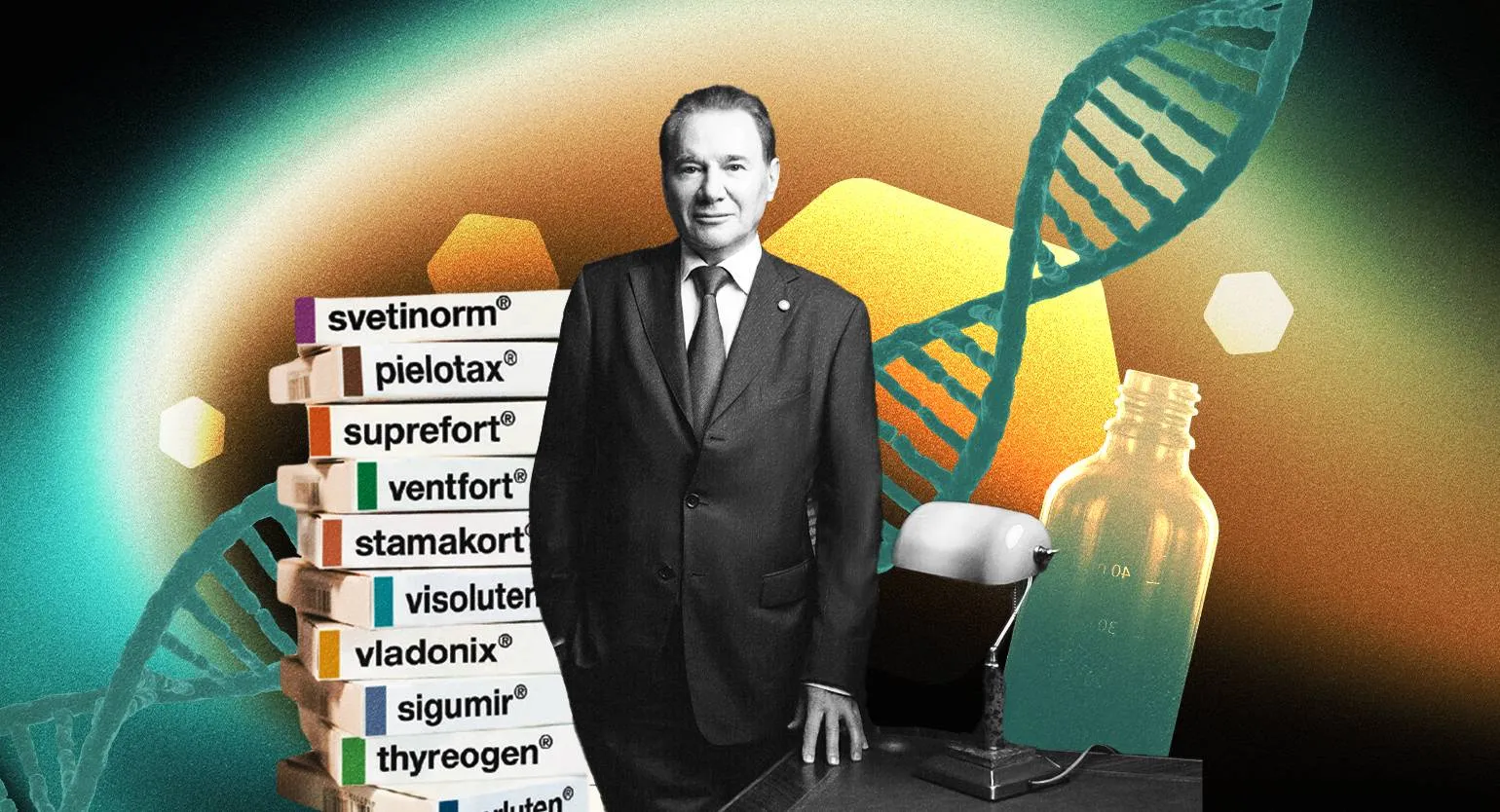
In the 20th century, Soviet scientists Vladimir Khavinson and Vyacheslav Morozov suggested that peptides are key in the transmission of biological information. A decrease in peptide levels can lead to disruptions in organ function, accelerating cellular aging and contributing to the development of various diseases. Research in this field highlights the importance of peptides for maintaining health and longevity, opening up prospects for the development of new methods for disease prevention and treatment.
In the 1970s, Khavinson and Morozov began developing polypeptides—extracts from animal tissues—with the goal of creating an "anti-aging drug." The first such extract was from the thymus gland, followed by an extract from the pineal gland. The scientists hypothesized that aging is associated with dysfunction of these glands and that taking medications would help normalize their function. It was hoped that peptides would promote the synthesis of new proteins and become effective anti-aging agents. Despite the attractiveness of the idea, it had no scientific basis and did not comply with the principles of evidence-based medicine.

Khavinson continued his research and focused on the creation of various peptide complexes. According to his theory of peptide regulation, each organ has a unique peptide pool or peptide background, which is a set of signaling molecules specific to a given tissue. The state of an organ's peptide background deteriorates as a result of disease and aging, necessitating its restoration to maintain organ health and functionality.
According to Khavinson's concept, peptides act as bioregulators, acting on the principle of "where you were born, there you will find use." This means that specific peptide complexes are necessary to optimize the functions of various organs and systems of the body. For example, a peptide complex obtained from brain tissue is required to improve cognitive function. Similarly, peptides extracted from the thymus gland are necessary to strengthen the immune system. This approach allows for more effective use of peptides to maintain health and restore functionality.
To obtain a peptide complex that helps improve memory, scientists used cattle brain. The process involved extraction, centrifugation, and sedimentation of the peptides, after which unnecessary substances were removed. Ultrafiltration was then performed to preserve only the peptides. The result was a mixture of polypeptide complexes specific to the brain, which were intended to be integrated into the human body. These peptides activate genes responsible for the synthesis of new proteins necessary for normal brain function. Importantly, specific peptides target specific organs due to their organotropic properties, making them effective and targeted.
Peptide complexes and peptide drugs - what's the difference?
As of 2017, more than 80 peptide drugs were approved in the United States and other countries for the treatment of various diseases, such as diabetes, cancer, osteoporosis, and HIV. Many of these drugs are hormones that can only be prescribed by qualified doctors. These hormones include insulin, adrenocorticotropic hormone (ACTH), oxytocin, vasopressin, and calcitonin. These substances are polypeptide molecules that regulate various processes in the body. Initially, the term "regulatory peptide" was used exclusively to refer to hormones, however, after Khavinson called his extracts regulatory peptides, confusion in terminology arose, and these terms began to be perceived as synonyms. It's important to understand the differences between hormones and extracts to avoid misunderstandings in medical practice.
To distinguish a peptide complex from a medicinal product, it's important to know that peptide preparations are not sold without a prescription. All products available over-the-counter in pharmacies are dietary supplements. Descriptions of peptide complexes often include terms such as "organo-preparation," "peptide bioregulator," or "cytomedines." These terms indicate the specific properties and purposes of peptide complexes, which can influence biological processes in the body, maintaining its health and regulation.

Study additional materials:
Dietary supplements (DS) are products containing concentrates of vitamins, minerals, herbs, and other substances that are designed to supplement the usual diet. They are often used to improve overall health, boost immunity, and support various bodily functions.
Despite the popularity of dietary supplements, it is important to understand that their safety and effectiveness may vary. Not all supplements undergo rigorous clinical trials, as is the case with drugs. Therefore, before starting to take dietary supplements, it is recommended to consult a doctor or healthcare professional. This will help avoid possible side effects and interactions with other medications.
It is also worth paying attention to the choice of manufacturers and the quality of the products. Reading reviews, studying certificates, and checking the information on the ingredients can help you choose a safe and effective supplement. It is important to remember that dietary supplements are not a substitute for a balanced diet, but only a complement to it. The correct approach to their use can contribute to improved health and overall well-being.
Have the effects of peptide complexes (dietary supplements) been proven?
Khavinson's experiments show that bioactive peptides have the potential to improve health. However, most studies have been conducted in laboratory animals, limiting their direct applicability to humans. It is important to note that high-quality studies of peptide complexes face challenges, as a single mixture can contain hundreds to tens of thousands of individual peptides. This creates difficulties in identifying the main molecules that exert therapeutic action and those that merely contribute "biochemical noise." Thus, further research, especially in humans, is needed to more accurately understand the effects of bioactive peptides. Evidence-based medicine requires the use of chemically pure molecules, which implies the presence of precisely known active components in studies. This requirement allows for the application of the international research standard Good Clinical Practice (GCP). Compliance with this standard ensures the high quality and reliability of clinical trials, which, in turn, facilitates more effective application of the obtained results in medical practice. An evidence-based approach ensures that treatment methods and medications are based on scientifically proven data.
What is known about peptide complexes?
There are several peptide complexes actively used in medicine, but information on their effectiveness is insufficient. These drugs demonstrate effectiveness, but their mechanisms of action remain unclear. Let's consider three of the most well-known peptide substances that are used in neurology, urology, and orthopedics. These peptides can help improve patients' condition and restore functionality, making them an important part of the modern medical arsenal.
Cerebrolysin, also known as Cortexin, is a concentrate of porcine brain tissue and is used as a neuroprotective agent. This substance has received approval for use in Europe, but its status remains restricted in the United States. The Food and Drug Administration (FDA) has approved Cerebrolysin for clinical trials only. Therefore, although the peptide complex has passed trials, it is still listed as a drug of unproven efficacy. It is important to note that the use of Cerebrolysin requires caution and prior consultation with a physician.
In Russian medicine, the peptide complex known as Cerebrolysin has been actively used and has undergone detailed analysis, which has isolated various bioactive neuropeptides. These neuropeptides play an important role in neuroprotection and restoration of nervous system function.
- nerve growth factor (NGF) — necessary for the development and restoration of neural (nerve) networks;
- enkephalins — neurohormones that regulate our response to stress, reduce the perception of pain, create positive emotions and even prevent overeating;
- orexin — participates in the regulation of eating behavior and the sleep-wake cycle;
- galanin — necessary for the development of neurons and the "regrowth" of their nerve fibers.
The peptides in combination are likely to provide neuroprotection in conditions such as stroke, dementia, traumatic brain injury, Alzheimer's disease and attention deficit hyperactivity disorder. Clinical studies involving patients confirm the beneficial properties of Cerebrolysin. However, the results of these studies are often accompanied by a disclaimer that the data are unreliable and further evidence of its effectiveness is needed.

Read also:
ADHD in adults: how to distinguish from inattention
Attention deficit hyperactivity disorder (ADHD) in adults can manifest itself in various forms, which makes it difficult to diagnose and separate it from ordinary inattention. People with ADHD often have difficulty concentrating, staying organized, and managing their time. These symptoms may be mistaken for inattention or laziness.
It's important to understand that ADHD in adults is more than just temporary attention problems. It's a condition that can significantly impact daily life, including work, school, and personal relationships. Symptoms can include persistent forgetting, difficulty completing tasks, impulsivity, and an inability to control emotions.
A proper diagnosis requires considering not only the manifestations of inattention but also the person's overall functioning in various areas of life. If you notice that these symptoms are interfering with your ability to achieve goals or interact with others, it's worth seeking professional help. A professional evaluation can help determine whether you truly have ADHD or whether it's simply a manifestation of other attention issues.
Understanding the differences between ADHD and ordinary inattention is essential for choosing the right approach to treatment and behavior modification. Early treatment can significantly improve quality of life and reduce the negative impact of symptoms on daily activities.
Data on the drug can be found in the Cochrane Library, which is the world's largest database of randomized controlled trials (RCTs). In 2023, specialists from this library presented a review of seven large RCTs involving 1,773 people. The aim of the study was to compare the effects of Cerebrolysin and placebo in acute stroke.
The seven studies recruited patients who had suffered an acute or recent stroke and divided them into two groups. One group received Cerebrolysin as part of combination therapy, and the other received a placebo. The review of the data showed that Cerebrolysin probably does not have a significant effect on the course and outcome of stroke. A similar review concerning the effects of Cerebrolysin on dementia was published by the Cochrane Library in 2019. The study authors concluded that any benefit Cerebrolysin provides is likely modest. Therefore, the limited effectiveness of Cerebrolysin in the treatment of stroke and dementia must be considered when choosing therapeutic approaches.
In the 1980s, Soviet scientists isolated a peptide complex from bovine prostate glands. In 1992, this extract was introduced to the market and began to be used in medical practice. The bovine prostate peptide complex became popular due to its potential health benefits, including supporting prostate function and improving overall male health. Since then, research in this area has continued, confirming the efficacy and safety of this extract.
Prostatic peptides are attracting the attention of specialists as urologists continue to face challenges in treating chronic prostatitis, an inflammatory process in the prostate gland. Antibiotics are not always necessary, and physicians must find alternative methods to address processes such as blood congestion, immune dysfunction, and a predisposition to spasm in the initial part of the urethra. Research shows that the use of prostate-specific peptides may be an effective solution in the complex treatment of chronic prostatitis, helping to improve patient condition and reduce inflammation.
Research shows that peptides may influence processes associated with benign prostatic hyperplasia. However, there are currently no international studies confirming the effectiveness of peptide complexes in this area. European clinical guidelines for the treatment of prostate diseases also do not include mention of such drugs. At the same time, the Russian Ministry of Health is considering the use of prostate extract to alleviate symptoms in patients with benign prostatic hyperplasia.
Collagen is known for its beneficial properties for the skin, and in recent years, it has been actively recommended for maintaining joint health. This long-stranded protein plays a key role in maintaining the strength and elasticity of body tissues. Thanks to its unique properties, collagen helps improve skin elasticity, reduces the appearance of wrinkles, and promotes joint cartilage repair. Maintaining collagen levels in the body can be important for both aesthetic and functional health, making it an essential element in diet and self-care.

Read also:
Facial skin aging: causes, timing, and methods of slowing it down
Facial skin aging is a natural process that begins with age. Typically, the first signs of aging become noticeable after 25 years, when the production of collagen and elastin begins to decrease. A decrease in these proteins leads to a loss of firmness and elasticity in the skin, which causes wrinkles, dryness, and dullness.
There are many factors that influence the skin aging process. These include both natural and external conditions. Genetic predisposition, sun exposure, pollution, poor diet, and lack of care all accelerate aging.
There are several methods for slowing down the aging of facial skin. It is important to maintain skin hydration, use sunscreen, and apply anti-aging creams containing antioxidants and retinoids. A proper diet rich in vitamins and minerals also plays a key role in maintaining youthful skin. Regular exercise and adequate sleep help improve circulation and promote cell regeneration.
Cosmetology procedures such as peels, mesotherapy, and Botox injections can significantly improve the condition of the skin and prolong its youthfulness. The choice of method should be based on individual needs and skin condition.
Facial skin aging is an inevitable process, but with the right approach, it can be significantly slowed down and maintain skin health and attractiveness for years to come.
Two types of collagen are used in dietary supplements: whole collagen, which has a triple-helical structure, and hydrolyzed collagen, which is broken down into peptides. Hydrolyzed collagen, due to its small size and high solubility in water, is easily absorbed by the body. These peptides are effectively distributed throughout various tissues, including skin and joint cartilage, promoting their restoration and maintaining health. Using collagen in the form of dietary supplements can have a positive effect on the condition of the skin and joints, improving their elasticity and reducing the risk of damage.
Dietary supplements can have a positive effect on the body due to their content of essential amino acids and important replaceable components. A study conducted by scientists from the University of Freiburg showed that such complexes can reduce pain and improve joint function in athletes. However, it should be noted that this does not indicate a therapeutic effect, since the experiments were conducted on young, healthy, and active people. The situation with older people suffering from serious joint diseases, as well as those who lead a sedentary lifestyle, remains insufficiently studied. Further research is needed to understand how dietary supplements can affect this population.
Taking collagen in the form of supplements is pointless, since all the components necessary for its synthesis can be obtained from food. A proper diet rich in proteins, vitamins, and minerals promotes the natural production of collagen in the body.
The most important thing about peptides
- Peptides are not a panacea. If they are prescribed, it is not instead of, but along with the main drug therapy [14].
- Peptide complexes are not a medicine. The process of their production complies with GMP (Good Manufacturing Practice) standards for dietary supplements, and scientists often doubt their effectiveness [28].
- Peptide complexes are not vitamins. Many people put peptides and vitamins on the same level, which is fundamentally wrong. Without taking peptide complexes, a person, in fact, does not lose anything, but if you do not get enough vitamins from food, diseases begin - hypovitaminosis [29].
- Peptides are free of side effects, but is this good? Studies have confirmed that taking peptides is safe, people tolerate them well [29]. But the absence of side effects makes you wonder whether peptide regulators work at all. After all, we know that no drug is without side effects.
Aleksey Aleksandrovich Dutov, Doctor of Medical Sciences and Professor in the Department of Chemistry at Transbaikal State University, asserts that the effectiveness of peptide complexes may be linked to the placebo effect. According to him, a person receives a positive result from a "placebo" due to the expectations associated with its use. Professor Dutov emphasizes that multicenter studies of peptide complexes have not yet been conducted. Such studies can significantly shed light on the action of peptides and their real health benefits.
Free test: which digital profession is right for you?
IT, design, marketing or management? Find out the answer in 15 minutes. And then try your hand at a new specialty for free.
Find out more