Contents:

Were thinking about a new profession, but not Don't know where to start? Find out what's right for you: IT, design, game development, management, or marketing. Take a free career guidance course.
Learn moreThis article will provide information on key aspects of the topic. We'll cover the main points that will help you better understand the subject matter. You'll be able to learn about the latest trends, best practices, and helpful tips that can be useful for both beginners and experienced professionals. Read on to deepen your knowledge and increase your competence in this area.
- What is Pilates and what principles is it based on;
- How does Pilates improve health and who is it recommended for;
- Where to start with Pilates and what exercises to try.
We have created the "How Are You?" Telegram channel, where we share information on self-development, psychology, effective training, and career building at any age in an accessible format. Subscribe to receive useful tips and relevant materials for your personal and professional growth.
What is Pilates?
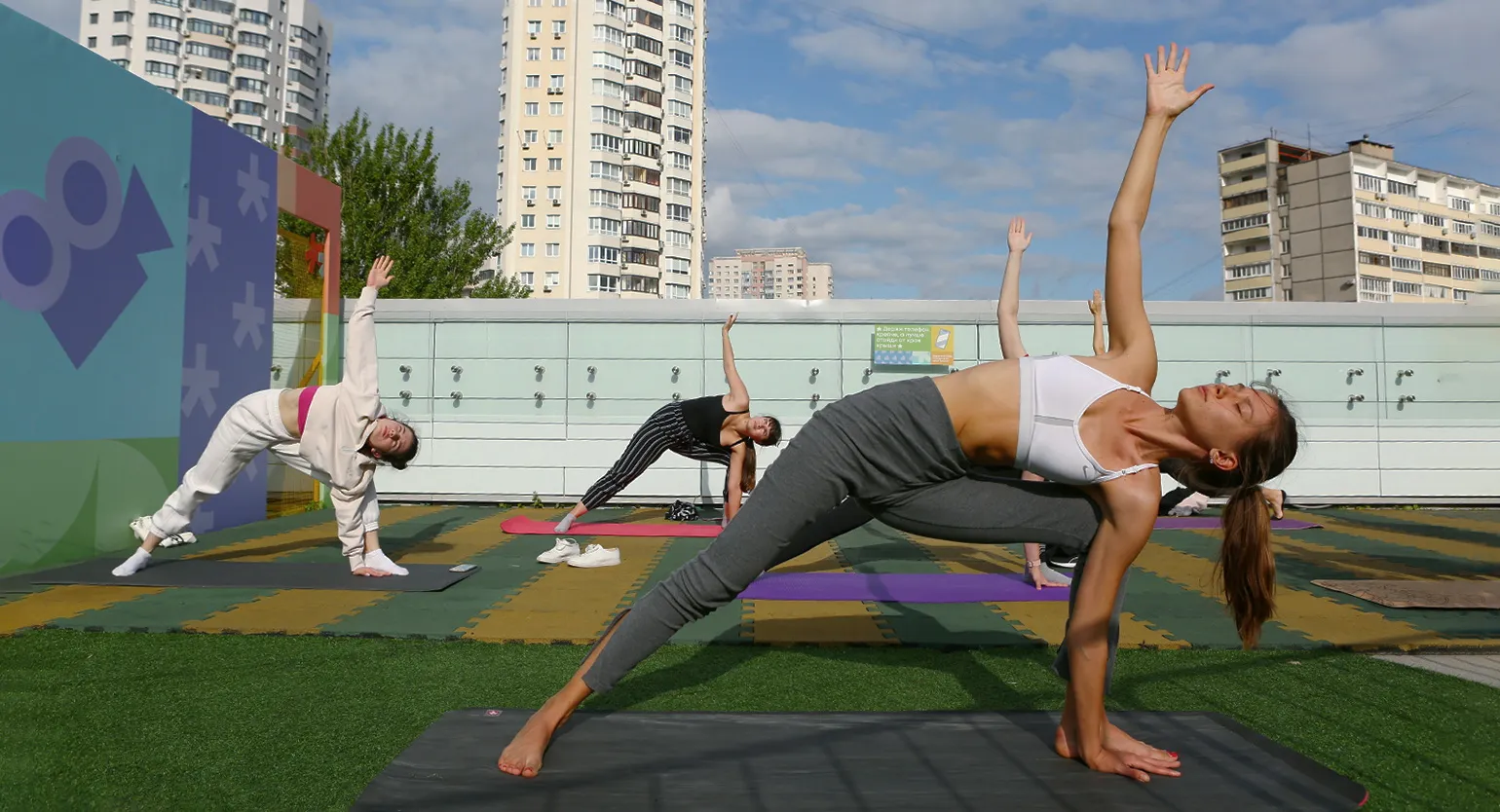
Pilates is a set of exercises aimed at improving flexibility and strengthening muscle strength throughout the body. Classes are held on a mat and may also include the use of specialized equipment, such as Pilates trapezoids. This exercise system is suitable for both beginners and more experienced practitioners, allowing everyone to adapt the workout to their level. Pilates promotes improved posture, coordination, and overall fitness, making it a popular choice for maintaining health and well-being. Pilates not only benefits physical fitness but also has a positive impact on mental performance. During classes, the practitioner focuses on muscle activity and breathing, which helps them concentrate on each movement. Gregory Colt, a professor at the University of Western Sydney, emphasizes that such training promotes the holistic development of awareness of body, movement, and mind. This makes Pilates an effective tool for improving both physical and mental health. Pilates classes help develop not only strength and flexibility, but also focus, which is important in today's distracted world.

Reading is an important aspect of our lives. It not only develops imagination but also enriches our vocabulary. Books, articles, and other materials can provide valuable information and inspiration. The choice of literature depends on your interests and goals. Whether it's fiction, scientific research, or specialized articles, every reading opens new horizons. It's important to dedicate time not only to entertainment but also to self-development through reading. This will help you become more knowledgeable and confident in your knowledge. Remember, quality content is always available, just check out the library or online platforms.
Mindfulness: What It Is, Practices, and Development Methods
Mindfulness is a state of complete presence in the present moment, which allows a person to better understand their thoughts, emotions, and the world around them. Mindfulness practices help improve concentration, reduce stress, and improve the overall quality of life.
Basic mindfulness practices include meditation, deep breathing, and mindful observation of your body and environment. These techniques promote the development of attentiveness and emotional resilience, allowing you to better cope with life's challenges.
Developing mindfulness requires regular practice and patience. You can start with simple exercises such as focusing on your breathing or becoming aware of your sensations in the body. You can gradually deepen your practices, including mindfulness meditation and journaling to help you record your thoughts and feelings. Mindfulness has a positive impact on mental health, improves relationships, and helps you achieve harmony in your life. By cultivating mindfulness, you can significantly improve your emotional intelligence and learn to better manage your reactions to stressful situations. The creator of Pilates, German-American trainer Joseph Pilates, originally called his method Contrology, which comes from the word "control." He described it as a complete connection between body, mind, and spirit. Over time, Pilates has gained popularity as a versatile fitness style that is suitable for achieving a variety of goals through the harmonious combination of several principles. This exercise system promotes flexibility, strength, and overall fitness, making it an ideal choice for people of all fitness levels. Pilates also aids in injury rehabilitation and improves posture, further enhancing its appeal among those pursuing a healthy lifestyle.
What is Pilates based on?
The Pilates philosophy is based on six key principles. These principles form the foundation of the method and determine its effectiveness in strengthening the body and improving flexibility. Pilates emphasizes control, breathing, concentration, centralization, fluidity of movement, and precision, making it a unique exercise system. Conscious application of these principles helps not only improve physical fitness but also improve overall well-being, as confirmed by many Pilates enthusiasts and practitioners.
A person concentrates on the center of the body, located between the lower ribs and pelvis, and visualizes pulling the navel toward the spine, which can be compared to sucking in the abdomen. This practice helps strengthen the back and spine, and also helps relieve back pain and reduce the risk of developing spinal diseases. Centering is an important element in maintaining a healthy back and improving overall fitness.
Pilates places the emphasis on the quality of exercise execution, which is more important than the duration of the workout and the number of calories burned. The principle of control implies deep contact with the body: during the session, it is necessary to move slowly, deliberately, and with high precision. The speed and intensity of movements play a secondary role. This approach not only helps improve physical fitness but also develops awareness and coordination. Pilates helps strengthen muscles, improve flexibility, and increase overall body stability, making it an ideal choice for people of all fitness levels.
Proper breathing plays a key role in activating muscles and supporting all Pilates exercises. The tempo of the movements should be in harmony with the rhythm of inhalations and exhalations. According to the Joseph Pilates method, chest or lateral breathing is recommended: when inhaling, the lower part of the chest, in the area of the diaphragm, should expand, and when exhaling, it should be compressed. This will improve the effectiveness of your training and achieve better results.
Study additional materials:
Breathing Exercises: How to Perform Them and Their Benefits
Breathing exercises are an effective way to improve your physical and emotional well-being. These practices help increase lung capacity, improve circulation, and reduce stress. Proper breathing promotes oxygenation of the body, which, in turn, has a positive effect on overall well-being.
For maximum benefits, breathing exercises should be performed regularly. Start with simple techniques, such as deep diaphragmatic breathing. Gradually increase the complexity of the practice by adding different breathing cycles and rhythms. Focusing on the breathing process will help improve concentration and reduce anxiety.
The benefits of breathing exercises are not limited to physical well-being. They also contribute to an improved emotional state, increase energy levels, and help cope with negative emotions. Incorporating breathing practices into your daily routine can be an excellent tool for stress prevention and improving your quality of life. Remember that for maximum benefits, breathing exercises are best performed in a calm environment. Create a comfortable environment, choose a convenient location, and devote time to the practice. Regularly practicing breathing exercises will not only improve your health but also help you achieve harmony in your life. The principle of conscious muscle and joint alignment is aimed at improving posture and restoring muscle balance. Regularly reminding yourself of proper sitting and standing positions will not only improve your physical condition but also reduce the risk of back pain and other musculoskeletal problems. Over time, with a mindful approach, you can achieve a harmonious body position, which will positively impact your overall well-being and quality of life. Pilates training has a positive effect not only on your physical fitness but also on your daily life. After completing a Pilates course, you'll notice how much easier it is to sit at the computer. This will help you avoid unnatural postures that can lead to discomfort and muscle tension. Proper posture and core strengthening help reduce stress on your joints, making your computer work more comfortable and productive.
Pilates exercises are performed with grace and fluidity. Each movement flows naturally into the next, creating a harmonious flow. Abrupt transitions and significant pauses are not recommended, as they can disrupt the rhythm of the workout and reduce its effectiveness. Pilates emphasizes control, stability, and coordination, which allows for maximum results.
To achieve maximum results in your workouts, it's important to focus on each exercise. It's essential to carefully monitor each movement and maintain concentration on your body's work. This will help improve your technique, reduce the risk of injury, and improve the overall effectiveness of your workout. Focusing on the process promotes a deeper understanding of your physical capabilities and helps you achieve your fitness goals.

Read also:
Concentration is a key factor in achieving success in any activity. Here are six effective ways to improve your concentration level.
The first way is to create a comfortable work environment. Make sure your workspace is organized and free of distractions. Clear your desk of clutter and ensure good lighting.
The second way is task planning. Break large projects into smaller tasks and set priorities. This will help you focus on one task at a time and avoid losing focus.
The third way is regular breaks. Take short breaks every 60-90 minutes to give your brain a rest. This helps restore energy and increase productivity.
The fourth way is physical activity. Regular exercise improves blood circulation and promotes better brain function. Even a short walk can help restore concentration.
The fifth way is meditation and breathing practices. These techniques help calm the mind and improve concentration. Set aside a few minutes a day for meditation to improve your focus.
The sixth way is proper nutrition. Make sure your diet is rich in vitamins and minerals that help improve brain function. Avoid heavy foods, which can cause fatigue. By following these recommendations, you can significantly improve your concentration and overall productivity at work and school. This practice promotes harmony between body and mind. Visualize a situation in which you need to simultaneously perform leg swings while lying down, while keeping your shoulders and neck relaxed. This requires concentration and careful identification of key muscle groups, as well as awareness of their state and the performance of assigned tasks. Training attention to these areas of the body helps develop not only physical but also mental stability, which in turn improves overall coordination and awareness of movement.
The benefits of Pilates
Pilates initially gained popularity among dancers, who used this method to improve physical fitness and accelerate recovery from injuries. However, research has confirmed that the positive effects of Pilates are much broader. This method is suitable not only for professional athletes but also for people seeking to maintain health, flexibility, and overall physical activity. Pilates promotes muscle strengthening, improved posture, and increased energy levels. It also helps reduce stress and improve mental and emotional well-being, making it an effective tool for people of all ages and fitness levels. Pilates classes help improve physical fitness, strengthen muscles, and increase flexibility. Pilates helps develop coordination and balance, while also reducing stress and improving overall well-being. Regular exercise strengthens the core, which is important for proper posture and injury prevention. Furthermore, Pilates is suitable for people of all fitness levels and can be adapted to individual needs. This training method also helps improve blood circulation and increase endurance, making it an ideal choice for maintaining a healthy and active lifestyle.
- improving posture and relieving back pain [6], [7];
- strengthening the cardiovascular system and bones [4], [8];
- building back muscles and reducing the risk of injury [6], [9];
- reducing menstrual pain [10];
- strengthening the immune system and improving respiratory function [11], [4];
- losing weight (especially when combined with a Mediterranean diet) [12].
Pilates helps improve mood and sleep quality, increases motivation and energy levels, and effectively reduces stress levels. In addition, Pilates classes support cognitive functions such as working memory, self-control, and the ability to switch between tasks. These benefits make Pilates an excellent choice for those seeking physical and mental balance. Regular exercise not only strengthens the body but also helps manage everyday stress, which in turn has a positive effect on overall well-being and productivity.

Read also:
Stress is the body's natural response to various external and internal stimuli. It occurs in response to various life situations that require adaptation or change. It is important to understand how stress affects human health. Chronic stress can lead to serious problems such as cardiovascular disease, sleep disorders, a weakened immune system, and mental disorders, including anxiety and depression.
Stress management is an important aspect of maintaining health. Effective techniques such as regular exercise, meditation, proper nutrition, and social support can significantly reduce stress levels and improve overall well-being. Understanding how stress affects the body allows people to better cope with its effects and lead a healthier lifestyle.
Pilates promotes mindfulness, which has led to the term "somatic Pilates." This practice includes low-intensity exercises that emphasize internal sensations. What's important isn't the number of repetitions, such as twisting your core, but the meaningful execution of movements with control over your emotions, thoughts, and bodily sensations. Somatic Pilates helps improve the connection between your body and mind, which promotes a better understanding of your needs and sensations.
Pilates can be somatic if you perform the exercises slowly and focus on internal sensations. However, many people seek external results, such as changing their figure. It is important to find a balance between internal feelings and external achievements to get the most out of your Pilates practice.
Can you lose weight with Pilates?
Pilates is an effective alternative to traditional exercise. Regular practice of this sport promotes a toned body and improves overall fitness. Conducting 2-3 Pilates sessions per week, lasting 30-40 minutes, helps address several causes of weight gain. Pilates not only improves flexibility and strength, but also promotes a healthy metabolism, which is important for maintaining a healthy weight. By doing Pilates, you strengthen your core muscles, which promotes better body control and reduces the risk of injury.
- provide sufficient stimulation of energy expenditure and accelerate metabolism;
- increase muscle strength in the upper and lower body and abdomen;
- relax and help calm negative emotions that often trigger weight gain.
Who is Pilates recommended for?
Pilates is a safe fitness method, which minimizes the risk of injury. This makes Pilates training accessible to everyone, regardless of fitness level. With its varied exercises, Pilates helps develop flexibility, strength, and coordination, making it an ideal choice for people with a variety of fitness goals. Professor Lars Dona of the German Sport University in Cologne emphasizes that Pilates has no age restrictions. This means that Pilates is a beneficial practice for all age groups: from office workers and teenagers to retirees. It is suitable for both athletes and those recovering from injuries. Pilates helps improve flexibility, strength, and overall fitness, making it an ideal choice for maintaining health at any age. The Joseph Pilates Method has a significant impact on the health of women suffering from breast cancer, as well as people with musculoskeletal conditions such as scoliosis, and the elderly. This method helps improve physical fitness, increase flexibility, and strengthen muscles, which is especially important for restoring and maintaining health at various age groups and in the presence of chronic diseases. Pilates promotes not only physical but also emotional well-being, making it a valuable tool in rehabilitation and health maintenance.

Read also:
Aging is a natural biological process characterized by a gradual deterioration of the physiological functions of the body. From a scientific point of view, aging is associated with the accumulation of damage at the cellular level, disruption of regeneration processes and changes in metabolism. This process affects all body systems and manifests itself in changes such as decreased immune function, reduced cellular activity, and metabolic deterioration. Aging increases the risk of developing chronic diseases such as diabetes, cardiovascular disease, and certain cancers. Research on aging focuses on understanding the molecular and genetic mechanisms that can slow this process and improve the quality of life of older adults. It is important to note that aging is not only a biological but also a social phenomenon, requiring a comprehensive approach to study and treatment.
What are the contraindications to Pilates?
There is no single list of contraindications to Pilates, as they may vary depending on the source. This is because Pilates remains an understudied form of physical activity. Therefore, it is strongly recommended to consult a doctor before starting training to ensure the safety and effectiveness of the classes.
During the examination, the doctor can identify various diseases and conditions for which, according to a number of scientific sources, Pilates classes may be contraindicated.
- malignant neoplasms;
- acute joint diseases such as joint ankylosis;
- fresh injuries, their inflammation or suppuration (for example, with bruises);
- varicose veins and blood clots;
- sequestered hernias of the IVD (intervertebral cingulum discs);
- preeclampsia (a pathological condition typical of the second half of pregnancy);
- unstable fractures (that is, spiral or oblique, for example, dislocations, fracture-dislocations).
Before starting Pilates classes, it is important to consider several factors. If you have a serious illness or injury, it is recommended to postpone exercise until you have fully recovered. Furthermore, if you are experiencing severe fatigue or stress, it is best to take a break to avoid worsening your condition. Also, Pilates should not be started during pregnancy, especially in the first trimester, without consulting a doctor. Finally, if you have recently undergone surgery, be sure to consult a medical professional before resuming physical activity. Taking care of your health and adopting the right approach to training will help you achieve the best results in Pilates.
- are suffering from an acute infection;
- are treating a virus that is accompanied by a high temperature and fever;
- suffer from hypertension (high blood pressure);
- are recovering from surgery;
- notice an exacerbation of chronic diseases (for example, varicose veins).
Before starting Pilates, people with chronic low back pain and spinal conditions, such as spondylolisthesis, should consult a doctor. This will help avoid possible complications and choose the optimal training program, taking into account the individual health characteristics. A safe approach to Pilates will ensure the effectiveness of your workouts and reduce the risk of injury.
Where to Start with Pilates
Pilates requires a high degree of precision, so it is recommended to begin training under the supervision of a certified instructor. If you cannot hire a personal trainer, you can use video tutorials, but it is important to ensure the instructor is qualified and experienced. This will help you avoid mistakes and achieve maximum effectiveness from your workouts.
For Pilates or yoga classes, you will need a mat that will provide comfort and support during exercises. It is also recommended to use specialized equipment, such as a Pilates trapeze and resistance bands, to improve the effectiveness of your workouts and add variety to your exercises. The correct choice of equipment will help you achieve better results and increase your comfort during classes.
Pilates focuses on improving flexibility, endurance, and body awareness. This training method is not focused on burning calories or intense physical activity. Instead, Pilates emphasizes proper breathing, movement control, and strengthening deep muscles. Regular exercise helps improve posture, increase overall tone, and harmonize physical fitness. Pilates is suitable for people of various fitness levels and can be beneficial for both beginners and experienced athletes.
Pilates Exercises for Beginners
Experts from the Belarusian National Technical University note that the basic Pilates program includes 5-7 simple exercises. These exercises should be performed with the basic principles of the Pilates method in mind, which helps improve physical fitness and strengthen the core muscles. Proper performance of these exercises helps develop flexibility, strength, and coordination, making Pilates an effective way to maintain health and physical activity.
Let's explore the most common Pilates exercises that can be done at home. Pilates is an effective training system that helps improve flexibility, strengthen muscles, and correct posture. The exercises can be adapted to any fitness level, making Pilates accessible to everyone. Regular practice will not only improve your physical fitness but also enhance your overall well-being. Let's look at the basic exercises to help you get started with Pilates at home.
It is recommended to perform the exercises 6-8 times for each leg at a slow and controlled pace. This will help improve your technique and increase the effectiveness of your workout. Correct execution of movements promotes muscle development and improves overall physical fitness.
- Take the starting position: lying on your back, arms along the body, legs bent at the knees, lower back firmly pressed to the floor.
- Raise your right (left) leg up perpendicular to the body, rotate it outward from the hip, perform a circle with the right (left) leg with a pointed toe, inhaling at the initial phase of the movement, exhaling at the final phase.
- Stretch the leg from the hip joint, keeping the upper body motionless.
Reading is an important element of personal growth and development. It not only broadens horizons but also improves critical thinking skills. Books, articles, and other sources of information contribute to the deepening of knowledge in various fields. Regular reading helps not only in learning but also in entertainment, allowing you to immerse yourself in a variety of worlds and stories. To get the most out of reading, it's important to choose literature that matches your interests and goals. This will help you not only enjoy the process but also absorb new information effectively. Develop your reading habit, and it will become a reliable assistant on the path to success.
In 2024, there are many home workout apps that will help you stay active and achieve your training goals. These apps offer a variety of programs adapted to different user levels and goals. Choosing the right app can make working out at home much easier.
One popular option is an app that offers personalized workouts that take into account the user's fitness level and preferences. It also features video tutorials with detailed explanations of the exercises, which is especially useful for beginners.
Another interesting app is a platform where users can participate in virtual group classes. This creates a collaborative workout atmosphere, which can be motivating for many who work out at home.
It's also worth considering apps that offer workouts with minimal equipment. This is ideal for those who want to exercise in a limited space or without access to exercise equipment.
Some apps include progress tracking features, allowing users to see their achievements and set new goals. This can be an important factor in maintaining motivation and regularity.
Finally, it's worth considering apps that offer integration with wearable devices, allowing for more accurate activity tracking and improved results. Choosing the right home workout app in 2024 will not only help you stay in shape but also significantly improve your quality of life.
Perform exercises with repetitions of 6 to 8 reps, trying to maintain a slow tempo. This approach allows for better control of movements and improves technique. A slow tempo helps emphasize the correct execution of each repetition, which in turn can lead to more effective results.
- Sit on the mat, place your hands on your knees, keep your back straight, and stretch the crown of your head upward as you inhale.
- Exhale as you perform a deep forward bend, keeping your arms straight and your head between your hands.
- Return to the starting position.
Perform the exercise 8-10 times, maintaining a slow tempo. This will help improve control over your movements and increase the effectiveness of your workout. Regular practice in this manner will help you master the technique better and improve your overall fitness. Take your time, focus on completing each repetition with quality.
- Lie on your back, place your arms along your body or behind your head (parallel to the floor), bend your legs at the knees.
- Inhale and as you exhale, lift your upper body, pressing your chin to your chest.
- Sit so that your legs are bent at the knees, your arms are raised up, and your back remains straight.
- Round your back and return to the starting position.
How to make money in IT
Take a simple test to understand which direction in IT suits you best. Master Python and Java, mobile and web development, data analysis, neural networks, testing and cybersecurity. Write your first programs and create a personal career plan to start in IT.
Learn more