
Thinking about a new profession, but don't know where to start? Find out what suits you: IT, design, game development, management or marketing. Take a free career guidance.
Learn moreIn this article, you will get acquainted with the key aspects of the topic, as well as receive useful tips and recommendations. We will cover the main points that will help you gain a deeper understanding of the subject and apply the acquired knowledge in practice. Read on to learn more about the important details and nuances associated with this topic.
- What is proper nutrition,
- What are the basic principles of proper nutrition,
- How to start eating right.

Nutritionist and dietitian are specialists who deal with issues of proper nutrition and a healthy lifestyle. A nutritionist focuses on the individual needs of the body, analyzing the client's diet and lifestyle. They help develop a balanced diet, taking into account health characteristics and preferences. A dietitian, on the other hand, studies the impact of food on health in more depth, developing diets for weight management, disease treatment, and overall well-being. Both professions play an important role in maintaining health and preventing disease, as well as helping people achieve their nutrition and fitness goals. Consulting a nutritionist or dietitian can significantly improve quality of life and promote good health.
What is healthy eating?
Healthy eating is not only the absence of taboos and restrictions, but also caring for your own health. It is a conscious approach to choosing foods, understanding their composition and effect on the body. Self-care begins with knowing what you eat and how it affects your well-being and energy level. Eating right not only helps you maintain physical fitness but also improves your overall health.
Principles of Healthy Eating
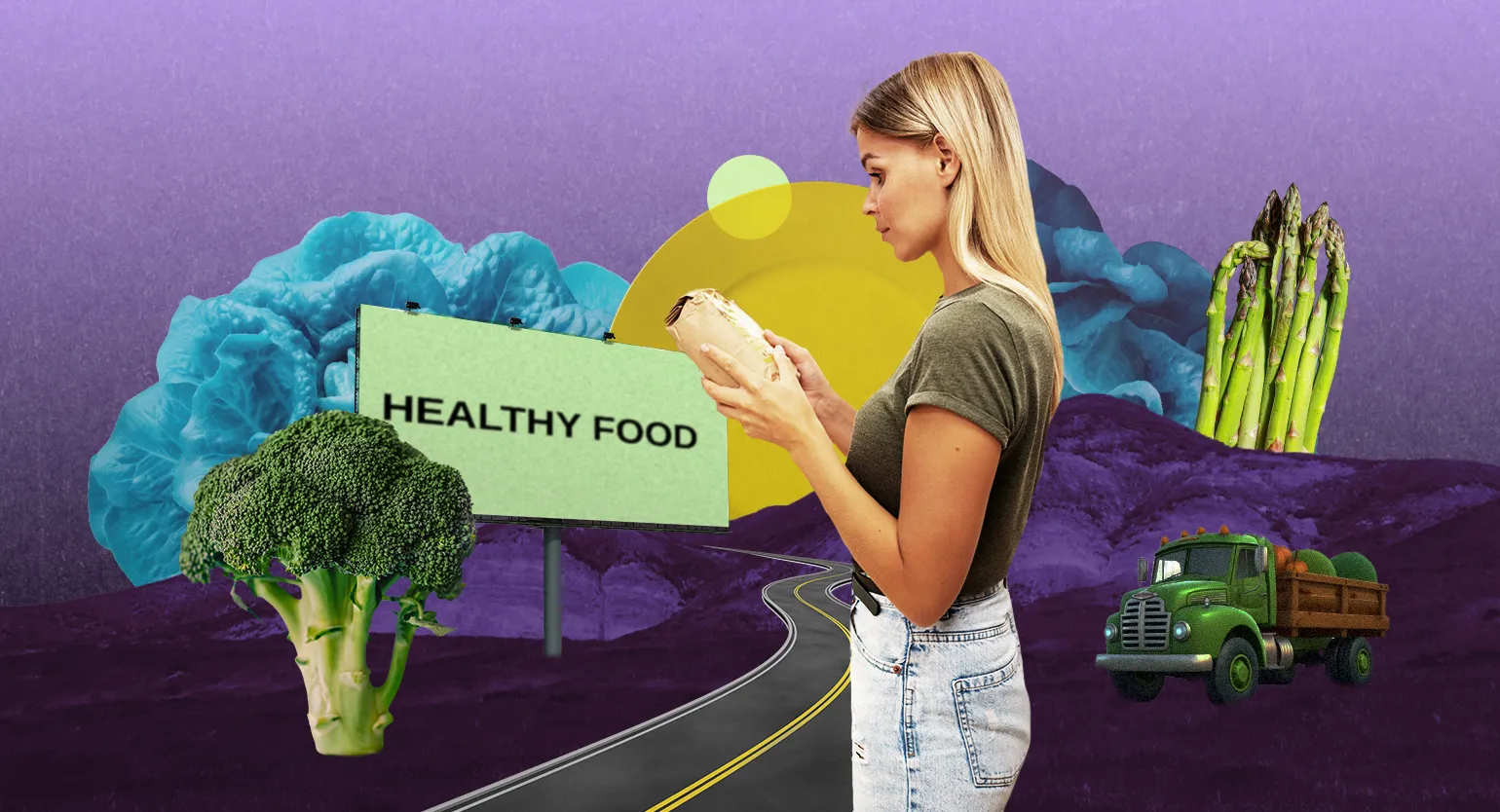
One of the key rules when choosing food products is to carefully read the labels. This will help you understand exactly what you are about to eat. If you see any unclear ingredients in the ingredients, it is worth doing a little research, for example, searching for information online. If the manufacturer provides unclear information, for example, only lists "meat" in sausages without specifying the exact source from which it is obtained, it is better to refuse such a product. By caring for your health, you make an informed choice in favor of high-quality and safe food.
It is also important to consider that SEO optimization of text plays a key role in increasing the visibility of your content in search engines. To achieve the best results, it is necessary to use relevant keywords that correspond to the topic, and also to structure the text correctly. Be sure to add headings and subheadings to make information easier to digest. It's important to maintain unique content to avoid duplication and update it regularly to stay relevant. Don't forget the importance of internal and external linking, which will help improve navigation and increase your site's authority. Image optimization and the use of meta tags also contribute to improved SEO. Always remember that high-quality content is the foundation of a successful SEO strategy.
- choose foods with a short shelf life, because natural food cannot be stored for long;
- try to avoid processed foods, that is, semi-finished products and "ready" foods (for example, sausages);
- don't skimp on oil - buy good olive oil, as well as unprocessed sunflower oil.
Let's take a closer look at the basic principles of proper nutrition. Proper nutrition is a key factor in maintaining health and well-being. It includes a variety of foods, a balanced intake of macro- and micronutrients, and adherence to a diet. It is important to consider the individual needs of the body and avoid excess consumption of sugar, salt and saturated fats. In addition, proper nutrition helps improve metabolism, increase energy levels and strengthen the immune system. By following these principles, you can achieve optimal health and prevent many diseases.
The World Health Organization (WHO) recommends eating at least 400 grams of fruits and vegetables daily. It's important to include fruits and vegetables in every meal and use them as snacks. Focus on seasonal produce, which is not only healthy but also delicious. Experiment with new fruits and vegetables to add variety and improve nutritional value. A balanced diet that includes adequate amounts of fruits and vegetables promotes better health and reduces the risk of chronic diseases. Drinking water regularly throughout the day can improve concentration, improve mental clarity, and help maintain high energy levels. Proper hydration plays a key role in maintaining cognitive function and overall performance. Ensuring adequate water intake helps prevent fatigue and maintain productivity throughout the day. Drinking a glass of water 30 minutes before a meal can help prevent overeating. This is because water fills the stomach, creating a feeling of fullness. As a result, you will eat less than if you started the meal on an empty stomach. This simple step can significantly contribute to appetite control and maintaining a healthy weight.
Drinking enough water helps prevent kidney stones from recurring and helps avoid constipation. Regular drinking ensures optimal hydration, which is important for kidney health and proper digestion. Maintaining adequate fluid balance plays a key role in the prevention of various diseases.
Whole grain products are products made from minimally processed grains, retaining virtually all the nutrients found in whole grains. These products include whole grain bread, brown rice, buckwheat, oats, and bulgur. Eating whole grains helps improve metabolism, support cardiovascular health, and maintain normal blood sugar levels. Including these foods in your diet helps provide the body with essential vitamins, minerals, and fiber, making them an important part of a balanced diet. Fats are divided into good and bad. Several effective methods can be used to reduce your intake of dangerous saturated fats found in animal products and trans fats found in sweet confectionery. First, it's important to replace animal fats with vegetable fats. Using olive, coconut, or avocado oil will help improve the quality of your diet. Second, pay attention to the ingredients of foods and choose those that are trans-fat-free. Reading labels will help you avoid unwanted ingredients. It's also recommended to increase your intake of foods rich in omega-3 and omega-6 fatty acids, such as fish, nuts, and seeds. These healthy fats help improve metabolism and maintain cardiovascular health.
Reducing your intake of fried and processed foods will also help reduce the amount of unhealthy fats in your diet. Instead, choose baked, boiled, or stewed dishes.
So, by following these recommendations, you can significantly reduce your intake of unhealthy fats and improve your overall health.
- Steam or boil meat and vegetables instead of frying.
- Eat low-fat dairy products, lean meats, and trim visible fat from meat.
- Limit your consumption of fried foods, as well as baked goods such as cakes, cookies, and waffles. They contain trans fats, which have a negative impact on the body.
Sausages, cold cuts, and canned meats, as well as red meat, including pork, beef, and lamb, can contribute to obesity and increase the risk of colon, pancreatic, and prostate cancer. Consuming these foods is associated with a number of negative health consequences, making it important to make informed choices about a healthier diet. Reducing your intake of processed and red meat can be an important step toward improving your overall health and reducing your risk of developing serious diseases.
The recommended daily intake of sugar is no more than 6 level teaspoons for women and 9 teaspoons for men. This recommendation includes added sugar, which is found in various foods such as sauces, bread, and canned goods. Controlling your sugar intake is important for maintaining health and preventing diseases associated with excess sugar consumption.
Most people consume about 10 grams of salt per day, while the World Health Organization (WHO) recommends limiting intake to 5 grams. Excess sodium consumption can lead to high blood pressure, which significantly increases the risk of cardiovascular disease and stroke. Reducing your salt intake is an important step toward improving your health and preventing serious diseases. Controlling the amount of salt in your diet can help maintain healthy blood pressure and reduce the risk of serious health consequences.

Many people don't realize how much salt they consume daily. In many countries, the main source of salt is processed foods and ready-made meals. Foods with particularly high salt content include bacon, ham, cheese, salty snacks, and sauces, including soy sauce. Excessive salt consumption can lead to various health problems, such as hypertension and cardiovascular disease. Therefore, it is important to carefully read labels and monitor your diet to avoid excess salt consumption and maintain good health. Reducing salt intake can be achieved in several simple ways. First, try to prepare your own food, which will allow you to control the amount of salt added. Use fresh herbs and spices to enhance the flavor of dishes instead of salt. Second, avoid processed and semi-processed foods, as they often contain high levels of sodium. When shopping for food, read labels carefully and choose low-salt options. It is also important to limit your consumption of salty snacks and canned goods. Gradually reduce the amount of salt in your diet so that the taste for it becomes less pronounced. Finally, drink enough water to stay hydrated and reduce the urge to add salt to your meals.
- Remove the salt shaker or salty sauces from the table. This will reduce the urge to add salt to your food.
- Limit your consumption of salty snacks and replace them with vegetables.
- Read labels and choose foods with less salt.
How to Start Eating Healthy
To successfully transition to a healthy diet, you don't have to introduce all the rules and completely eliminate certain foods at once. Such a drastic approach can lead to breakdowns. It's better to start with gradual changes in your diet. For example, increase the amount of fresh vegetable salads in your daily menu, and after a week, try cutting back on red meat. This method will allow your body to adapt to new habits without stress.
There are many recommendations to help you start eating healthy. First and foremost, it's important to focus on a balanced diet that includes a variety of food groups. Increase your intake of fresh fruits and vegetables, which are sources of vitamins and minerals. Try to choose whole grains over refined ones, as they contain more fiber and nutrients. Focus on protein: include lean meat, fish, legumes, and nuts in your diet. Reduce sugar and saturated fat, and avoid processed foods. Remember to eat regularly—this will help maintain energy levels throughout the day. By following these simple principles, you can improve your health and well-being.
A healthy diet doesn't have to be complicated. Instead of constantly counting calories, focus on the quality of your food by choosing a variety of colorful foods. Pay attention to the freshness of ingredients and try to avoid packaged and processed foods. When choosing food, choose natural and wholesome options to support your health and well-being. This will not only improve your overall health but also increase your energy and vitality.
This will allow you to more effectively control the ingredients in your meals. You will be able to avoid chemical additives, excess sugar, and unhealthy fats, which will positively impact your health and well-being.
Reducing your intake of unhealthy foods is an important step to improving your health. Instead of dangerous trans fats, choose healthy alternatives, such as swapping fried chicken for grilled salmon. This change not only helps lower bad cholesterol but also provides the body with essential healthy fats that support heart health and improve overall well-being. Making the right food choices plays a key role in maintaining health and preventing various diseases.
Healthy foods help you feel better after eating. Eating more unhealthy foods increases the risk of discomfort and negative consequences for the body. Eating right not only supports physical health but also has a positive impact on your overall well-being and mood. Therefore, it's important to make conscious healthy choices to avoid post-meal cravings.
Banning off certain foods often leads to increased cravings. As a result, giving in to temptation can lead to feelings of guilt and depression. Instead of eliminating foods completely, try reducing portion sizes, such as chips and fries, and avoiding them too often. Gradually, you'll be able to wean yourself off these high-calorie foods and find healthier alternatives. This approach will help you establish a balance in your diet and avoid negative emotions associated with restrictions.
Free career guidance
Take a short test and find out which profession is right for you, and then try your hand at your chosen specialty. At the end of the course, you will have a session with a career guidance specialist. It will help you decide on your career path.
Find out more