Contents:

Want to get into IT? ➞ Join Telegram and take 4 free courses in top IT areas. Find out which field is best for you and take the first step toward a new profession.
Learn moreThis article provides information on key aspects of the topic. We'll cover the main points to help you better understand the subject matter. Read on to gain valuable insights and recommendations.
- What is the nutritional value of sorrel?
- What are its benefits?
- Who shouldn't eat sorrel?
- What can be made from sorrel (recipes);
- What tricks are there in preparing and eating sorrel?
We have launched the "How are you?" Telegram channel, where we share knowledge about self-development, psychology, effective learning methods, and career building at any age in a convenient format. Subscribe to receive useful tips and relevant materials that will help you on your path to personal and professional growth.
Nutritional value of sorrel
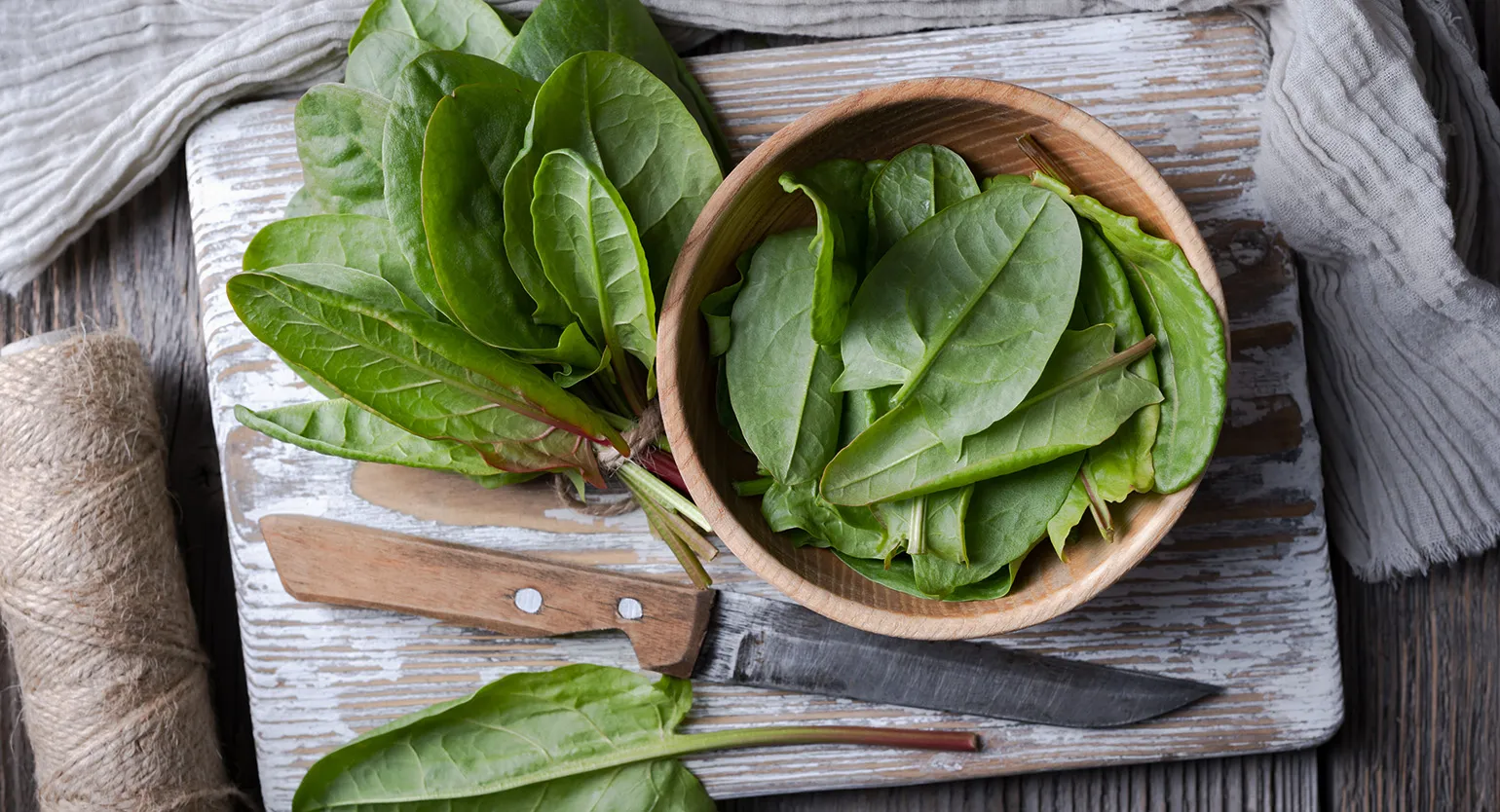
Sorrel is a plant belonging to the buckwheat family and is a close relative of buckwheat. Sorrel leaves have a sharp and sour taste due to their oxalic acid content. Although sorrel is not considered a superfood, its nutritional properties make it more beneficial than many other leafy vegetables. Sorrel contains vitamins and minerals that help strengthen the immune system and improve digestion. Using sorrel in cooking adds variety to the diet and adds interesting flavor notes to dishes. Sorrel is now officially included in the Korean Food Code, which has been approved by the Ministry of Food and Drug Safety of South Korea. Various components of this plant are actively used in the production of dietary supplements and functional foods, emphasizing its value and beneficial properties in the human diet. According to information provided by the United States Department of Agriculture, one cup of raw sorrel (133 grams) contains a significant amount of nutrients. Sorrel is a valuable source of vitamins and minerals necessary for maintaining health. Eating sorrel can help improve digestion, strengthen the immune system, and provide the body with important antioxidants. Including this green plant in your diet can help diversify your diet and enrich it with nutrients.
The benefits of sorrel
Sorrel is widely used in folk medicine in Eastern countries and is valued for its beneficial properties. This green leafy product can significantly improve overall well-being and diversify your diet. Sorrel contains vitamins and minerals that help strengthen the immune system and improve digestion. It can be used in salads, soups, and other dishes, making sorrel not only healthy but also a versatile culinary ingredient. Consuming sorrel can help fight vitamin deficiency and increase energy levels.
Sorrel can provide about 70% of the daily requirement of vitamin C, which is vital for the body. Vitamin C helps strengthen the immune system, improves iron absorption, and supports healthy skin. Regular consumption of sorrel helps prevent vitamin deficiencies, maintains overall health, and promotes rapid recovery from illness. Including sorrel in your diet can be a simple and effective way to increase your vitamin C levels and improve your overall health.
- protect yourself from dangerous microorganisms,
- recover faster after exercise,
- create collagen in the skin, joints, and gums [5], [6].

Read Also:
Vitamin C is an essential element for maintaining health and strengthening the immune system. It plays a key role in wound healing, improves iron absorption, and promotes collagen production. Including foods rich in vitamin C in your diet helps maintain overall health and protects against various diseases. Let's look at 22 foods that are excellent sources of this important vitamin.
Citrus fruits, such as oranges, lemons, and grapefruit, are known for their high vitamin C content. Kiwi, with its sweet flavor, also contains a significant amount of this nutrient. Peppers, especially red and yellow, are among the best sources of vitamin C, surpassing even citrus fruits. Broccoli and Brussels sprouts are not only healthy but also rich in this vitamin.
Berries, including strawberries, raspberries, and blueberries, contribute to the enrichment of the diet with vitamin C. Pineapple, mango, and papaya are also tasty sources of this vitamin. Tomatoes and potatoes, although less well-known, contain vitamin C in significant quantities.
Spinach and other dark green leafy vegetables, such as kale, are also useful sources of vitamin C. Don't forget about peas, which are not only delicious but also nutritious.
Regularly eating these 22 foods will help you maintain optimal vitamin C levels in the body, which, in turn, will promote good health and boost immunity. Pay attention to variety in your diet and add these foods to your daily menu for maximum benefits.
Sorrel contains beneficial antioxidants such as phenolic acids, flavonoids, triterpenes, carotenoids, and anthraquinones. These compounds play an important role in protecting cells by neutralizing harmful free radicals. The antioxidants present in sorrel help prevent various chronic diseases, including cardiovascular disease and type 2 diabetes. Including sorrel in your diet can significantly improve overall health and strengthen the immune system. Sorrel does not have the ability to remove toxins from the body, and its antiulcer effect has not yet been scientifically proven. However, sorrel can be useful for diarrhea and helps normalize bowel movements in cases of constipation. In addition, this plant contains components with antibacterial, antiviral, and antifungal properties, making it potentially useful for maintaining health. Sorrel extract helps increase the accumulation of nitric oxide in arteries, which is a key factor in vasodilation. This plant also contains significant amounts of potassium. According to the British Medical Journal, high doses of potassium can reduce the risk of stroke by 24%. Thus, using sorrel extract may be beneficial for maintaining cardiovascular health and reducing the risk of stroke.
Sorrel is a rich source of beta-carotene, which is a precursor to vitamin A. Consuming one serving of sorrel can provide up to 30% of the daily requirement for vitamin A. This vitamin plays a key role in the retina, binding with the colorless protein opsin to form rhodopsin, the main photopigment in rod cells. Rhodopsin is necessary for light perception in low-light conditions. A deficiency in vitamin A leads to impaired rhodopsin regeneration, which can cause "night blindness." Including sorrel in your diet helps maintain eye health and improve night vision.

Read also:
Vitamin A plays an important role in maintaining health, ensuring the proper functioning of vision, the immune system, and skin. To get enough of this vitamin, it is important to include foods rich in vitamin A in your diet.
Among these foods, carrots stand out, which are one of the best-known sources of this vitamin. Spinach and other dark green leafy vegetables also contain high levels of vitamin A. Sweet potatoes, rich in carotenoids, are an excellent choice for getting it.
Egg yolks and dairy products such as cheese and yogurt are also good sources of vitamin A. Red and yellow peppers, as well as pumpkin, provide the body with the necessary substances. Other foods such as mango, apricots, and cantaloupe are not only delicious but also contain vitamin A.
Including these foods in your daily diet will help maintain optimal vitamin A levels, which, in turn, contributes to improved overall health.
Sorrel is a source of iron, providing 18% of the daily value of this important mineral in one serving. Iron deficiency can lead to iron deficiency anemia (IDA), which poses a serious risk to everyone, especially pregnant women and children. Given the importance of maintaining adequate iron levels for health, sorrel can be a beneficial addition to the diet.


Who shouldn't eat sorrel
Studies have shown that sorrel leaves can be an economical and accessible source of plant-based protein. However, they have been found to contain oxalic acid, known as oxalate, which reduces the bioavailability of some nutrients, making them difficult to absorb. Furthermore, there are more serious reasons to consider avoiding foods containing oxalates.
Doctors strongly recommend eliminating sorrel from the diet in the following cases. If a person has kidney problems, sorrel can exacerbate the disease, as it contains oxalates, which contribute to the formation of stones. Sorrel should also be avoided if you have gastritis or ulcers, as the acids in its composition can irritate the stomach lining. People with a predisposition to allergies should be careful, as sorrel can cause allergic reactions. It is important to consider the individual characteristics of the body and, if necessary, consult a doctor before adding sorrel to the diet.
- Urolithiasis. Oxalates are actively excreted in the urine. However, when combined with calcium, they can turn into crystals. Small oxalate crystals are also easily excreted from the urinary tract, but must be accompanied by a sufficient amount of fluid. When urine volume decreases, oxalates can merge, gradually forming a larger and harder crystal known as a kidney stone. About 80% of kidney stones are oxalate. Therefore, people with urolithiasis should not consume sorrel [17].
- Digestive disorders. During an exacerbation of diseases of the pancreas, stomach, and intestines, it is better to avoid sorrel [20].
- Calcium deficiency. When calcium binds to oxalic acid, it cannot provide its beneficial effects in the body and is quickly excreted. If the diet is low in dairy products or if there is a vitamin D deficiency, sorrel can accelerate bone loss [18], [19].
Sorrel is not recommended for people taking antibiotics. In the colon, some of the oxalates in food are broken down by intestinal bacteria such as Oxalobacter formigenes. These microorganisms use oxalates as an energy source, which benefits the body. However, after a course of antibiotics, the number of O. formigenes decreases significantly, on average by 60–70%, and this effect can last up to six months. This is important to consider, as decreased levels of these bacteria can lead to increased oxalate levels in the body and potential health problems.
How to Eat Sorrel Safely
Instead of completely eliminating oxalate-containing foods like sorrel from your diet, consider alternative approaches. You can reduce oxalate levels in your diet by varying your diet and including low-oxalate foods. Eating these foods in combination with calcium sources, such as dairy, can help reduce oxalate absorption in the body. Also, remember to cook foods properly, as boiling and steaming can reduce the oxalate content of some foods. Focus on nutritional balance and health to get all the nutrients you need without giving up your favorite foods.
- Boil sorrel. Cooking vegetables can reduce the oxalate content by 30–87% [23], [24].
- Drink plenty of water. Try to drink at least two liters a day, and sometimes more [25].
- Monitor your calcium intake. Eat dairy products - the mineral is absorbed more easily from them [26].

Read also:
Foods Rich in Calcium: 20 Sources for Healthy Bones
Calcium is an important mineral necessary for maintaining healthy bones and teeth, as well as for the normal functioning of muscles and the nervous system. Including calcium-rich foods in your diet will help provide your body with this important nutrient. Below is a list of 20 healthy foods that contain high levels of calcium. Dairy products such as milk, yogurt, and cheese are among the best sources of calcium. Raw dairy products are especially beneficial as they contain a high concentration of this mineral. Leafy green vegetables such as spinach, broccoli, and kale are also an excellent source of calcium, especially for those following a plant-based diet. Seafood, including sardines and salmon, are rich not only in calcium but also in healthy omega-3 fatty acids. Legumes such as beans and lentils also contain calcium and are an excellent source of plant-based protein. Nuts and seeds, such as almonds and sesame seeds, contain significant amounts of calcium and can be easily added to a variety of dishes. Calcium-fortified cereals are becoming increasingly popular. Oatmeal and certain types of bread can help increase your daily calcium intake. Fruits like oranges and figs also contain calcium and can be a delicious addition to your diet.
Including a variety of calcium sources in your daily diet will help maintain health and prevent deficiency of this important mineral. Take care of your body and choose calcium-rich foods for strong bones and overall well-being.
What can be made with sorrel: recipes
Sorrel is a versatile ingredient that can be used for more than just classic green borscht. There are many other dishes to which sorrel can add vibrant flavor and nutritional benefits. For example, it can be used in salads, sauces, or as a pie filling. Sorrel goes well with potatoes, eggs, and fish, allowing you to create a variety of combinations. By adding sorrel to dishes, you not only enhance their flavor but also enrich your diet with vitamins and minerals. Explore various recipes and discover new ways to enjoy sorrel in your menu. Sorrel occupies a culinary position between vegetables and herbs. Thanks to its characteristic tart flavor, sorrel is ideal for a variety of dishes. It can be used in salads, soups, and sauces, adding a unique aroma and freshness. Sorrel is often added to omelets and casseroles, and is also used as a side dish. It can be paired with meat, fish, and other vegetables, making it a versatile ingredient in the kitchen. In addition, sorrel is rich in vitamins and minerals, which makes it not only tasty but also a healthy product.
- in salads or as a seasoning for salad dressings;
- in soups, sandwiches or stews;
- raw, like lettuce or spinach leaves [8].
If you want to treat yourself to something exquisite, we recommend trying a creamy sauce combined with a sorrel dressing. This unique duo will give your dishes an inimitable taste and aroma. Creamy sauce perfectly complements a variety of meat and fish dishes, and sorrel dressing will add freshness and a slight sourness, which will make your treat even more appetizing. Try this culinary experiment, and you will be surprised how simple ingredients can transform your table.
French sorrel sauce, known as "quick French", is a popular addition to fish. This sauce is quick and easy to prepare, making it an ideal choice for those who value flavor and time. Sorrel imparts a unique tart flavor to the sauce that pairs beautifully with various types of fish, highlighting their natural flavors. Using sorrel sauce in cooking helps add variety and sophistication to dishes.
The lemony flavor of the leaves softens with cooking, but still complements the fish beautifully. Using these leaves in cooking adds freshness and a unique flavor to dishes, making them a great addition to fish recipes.
Sorrel-based sauce can be an excellent alternative to high-calorie cream sauces. It's not only low in calories but also healthy, thanks to its high vitamin and mineral content. If you're dieting, you should avoid butter and cream, but that doesn't mean you have to give up delicious dressings. Sorrel can be used to create light and flavorful sauces that perfectly complement your dishes and add a fresh flavor.
To make a simple sorrel-basil dressing, you'll need a handful of fresh sorrel leaves and a handful of basil leaves. Combine them with ½ cup olive oil and ¼ cup apple cider vinegar. Season the mixture with salt and pepper to taste. This dressing is perfect for drizzling over fresh salads or serving with grilled fish. Use it to add vibrant flavor and aroma to dishes.
And a few more helpful tips
- Sorrel leaves should not be dried, but they can be frozen.
- Young, immature leaves and sprouts have a milder flavor that works well in salads and sandwiches. Mature leaves are usually cooked and used in soups, stews, or sauces.
- Add sorrel to dishes as late as possible, because it becomes less appetizing if cooked too long.
- When cooking sorrel, avoid cast iron or aluminum cookware, as the metal will react with the oxalic acid and impart a very unpleasant metallic taste to the herb [29], [30]. If possible, choose ceramic.
Sources are key to obtaining reliable data. These can include both printed and online materials, academic articles, books, reports, and research. Using reliable sources not only enhances the credibility of your content but also improves its visibility in search engines. It's important to properly cite sources so readers can verify information and delve deeper into the topic. When creating content, it's also important to consider the relevance and reputation of sources, which will positively impact SEO. Be sure to fact-check and use a variety of sources to provide readers with a complete and objective picture.
Sorrel (comfrey) is a genus of perennial herbaceous plants belonging to the buckwheat family. These plants are widespread in various climates and have a characteristic sour taste, making them popular in cooking. Sorrel is used in soups, salads, and sauces, as well as as a garnish.
Botanically, sorrel has bright green leaves that can be either smooth or wrinkled. Sorrel flowers are small and collected in inflorescences. The plant prefers sunny or semi-shaded locations and grows well in moist, fertile soils.
Sorrel also has beneficial properties. It is rich in vitamins, such as vitamin C, and minerals, including potassium and magnesium. Eating sorrel can help improve digestion and maintain healthy skin.
The study of sorrel and its culinary and medicinal uses highlights the importance of this plant in agronomy and gastronomy.
Food materials permitted for use in Korea play an important role in the country's culinary culture. According to local laws, certain foods and ingredients may be used in food preparation, ensuring the safety and quality of consumed goods. Korea has a strict regulatory system that includes lists of permitted food additives, preservatives, and excipients. Understanding these regulations will help not only local residents but also tourists who want to enjoy Korean cuisine while adhering to all rules and recommendations. For more detailed information on permitted food materials in Korea, please contact the relevant government agencies or specialized libraries.
Sorrel (sorrel), fresh. US Department of Agriculture.
Jeong D., Irfan M., Lee D., Hong S., Oh J., and Rhee M. H. conducted a study examining the effects of Rumex acetosa on platelet function and thrombus formation in rats. The findings, published in BMC Complementary Medicine and Therapies in 2020, show that this herb can effectively modulate platelet activity and prevent thrombus formation. DOI: 10.1186/s12906-020-02889-5. This study highlights the potential of Rumex acetosa as a natural remedy for the prevention of thrombus formation and improvement of cardiovascular health.
Vitamin C is an essential water-soluble vitamin that plays a key role in maintaining human health. It is known for its antioxidant properties, which help protect cells from damage caused by free radicals. Vitamin C is also necessary for the synthesis of collagen, which is important for maintaining healthy skin, joints, and blood vessels.
Furthermore, this vitamin helps improve the absorption of iron from plant sources, which is especially important for vegetarians and vegans. A lack of vitamin C can lead to various diseases, including scurvy, which manifests itself in weakness, fatigue, and problems with teeth and gums.
To achieve optimal levels of vitamin C in the body, it is recommended to include foods rich in this vitamin in the diet, such as citrus fruits, berries, peppers, and broccoli. In addition, adding vitamin C to your daily diet can help strengthen the immune system and improve overall well-being.
Therefore, maintaining adequate levels of vitamin C is an important part of a healthy lifestyle.
Carr A. and Maggini S. investigated the effect of vitamin C on immune function in an article published in the journal Nutrients in 2017. In issue 9, page 1211 of the journal, the authors detail how vitamin C helps maintain and strengthen the immune system. Research shows that vitamin C plays a key role in protecting the body from infections and promotes cell regeneration, making it an important dietary element for maintaining health and preventing disease. DOI: 10.3390/nu9111211.
Vasas A., Orbán-Gyapai O., and Hohmann J. provide an overview of the genus Rumex, examining traditional uses, phytochemistry, and pharmacology. The article was published in the Journal of Ethnopharmacology in 2015, volume 175, pages 198–228. DOI: 10.1016/j.jep.2015.09.001. This work is a valuable source of information on the medicinal properties of plants of the genus Rumex, their chemical composition, and traditional uses in various cultures. The study highlights the importance of the genus Rumex in ethnopharmacology and its potential for the development of new medicines.
There are several ways to expand a list. One of the simplest methods is to use a button or link that, when clicked, opens or hides the contents of the list. This approach allows users to access additional information as needed without cluttering the page with unnecessary text.
HTML and CSS can be used to implement list expansion on a web page. For example, using the <details> and <summary> elements, you can create an interactive list that will automatically expand and contract. JavaScript can also be used for more complex animations and effects.
It is important to consider that list expansion not only improves user experience but also contributes to SEO optimization. Structured content helps search engines better index information, which can positively impact a website's visibility in search engines.
Thus, list expansion is an effective tool for organizing information on a web page, providing user experience and improving a website's ranking in search results.
Bello O., Fasinu P., Bello O., Ogbesejana A., Adetunji C., Dada A., Ibitoye O., Aloko S., and Oguntoye O. in their study examine the wild plant Rumex acetosa Linn., investigating its ethnobotany, pharmacological properties, and phytochemistry. The review, published in the South African Journal of Botany in 2019, pages 149–160, provides valuable data on the use of this plant in traditional medicine and its potential therapeutic effects. DOI: 10.1016/j.sajb.2019.04.018. This study highlights the importance of Rumex acetosa as a source of bioactive compounds, making it a valuable target for further scientific research and practical application in herbal medicine.
Ali, S. S., Ahsan, H., Zia, M. K., Siddiqui, T., and Khan, F. H. explore the role of oxidants and antioxidants in their article "Understanding Oxidants and Antioxidants: A Classic Team with New Players," published in the Journal of Food Biochemistry in 2020. This paper reviews traditional concepts of oxidative processes and antioxidant defense, as well as new research that expands our understanding of these important biochemical mechanisms. Understanding the interactions between oxidants and antioxidants is key to developing effective nutrition and health strategies. The article is available at DOI: 10.1111/jfbc.13145.
Lima M. a. S. S., Fontanetti A., Soares M. R., Gazaffi R., De França Guimarães N. and De Souza Gallo A. conducted a study on the vegetative development and nutrient uptake of sorrel (Rumex acetosa L.). The results were published in the Journal of Agricultural Science in 2019, issue 11(4), page 262. DOI: 10.5539/jas.v11n4p262. The study sheds light on important aspects of agronomy and agriculture, emphasizing the importance of sorrel as a source of nutrients and its potential in agriculture.
Aburto N. J., Hanson S., Gutierrez H., Hooper L., Elliott P., and Cappuccio F. P. conducted a systematic review and meta-analysis examining the effect of increased potassium intake on cardiovascular disease risk factors and the disease itself. The study was published in BMJ in 2013 (346(apr03 3), f1378) and is available at DOI: 10.1136/bmj.f1378. The results of this analysis highlight the importance of potassium in the prevention of cardiovascular disease, which may have a significant contribution to improving public health. Increasing potassium intake may be an effective strategy for reducing the risk of cardiovascular disease, making this research relevant to medical and healthcare professionals. Rhodopsin, also known as visual pigment, is an important component of the retina responsible for light perception. This pigment is found in photoreceptors such as rods, which are sensitive to low light and play a key role in night vision. Rhodopsin is a protein composed of two main components: opsin and 11-cis-retinal. When exposed to light, the structure of retinal changes, which triggers a chain of biochemical reactions that lead to the transmission of visual signals to the brain. Studying rhodopsin is important for understanding the mechanisms of vision and may help develop new treatments for various eye diseases. Research suggests that disruptions in rhodopsin function can lead to various visual impairments, including night blindness and other inherited retinal diseases. Therefore, further study of this pigment and its functions may open new horizons in ophthalmology and biomedical sciences.
Raju M., Varakumar S., Lakshminarayana R., Krishnakantha T., and Baskaran V. conducted a study on the carotenoid composition and vitamin A activity of medicinally important green leafy vegetables. The results of their work were published in the journal Food Chemistry in 2006, including Volume 101, Issue 4, pages 1598–1605. DOI: 10.1016/j.foodchem.2006.04.015. This study highlights the importance of green leafy vegetables as a source of carotenoids, which play a key role in maintaining health and preventing various diseases.
Sonoda K. presented the guidelines on iron deficiency anemia published by the American Gastroenterological Association. An article published in the American Family Physician journal in 2021, Volume 104, Issue 2, Pages 211-212, examines current approaches to the diagnosis and treatment of this common condition. Iron deficiency anemia, one of the most common forms of anemia, requires a careful approach to identifying the causes and selecting appropriate therapy to effectively restore iron levels in the body.
H. Korpelainen and M. Pietiläinen, in their article "Sorrel (Rumex acetosa L.): Not Just a Weed, but Also a Promising Vegetable and Medicinal Plant," published in The Botanical Review in 2020, examine the versatility of sorrel. The authors emphasize that this plant, often perceived as an undesirable weed, possesses valuable nutritional and medicinal properties. The article analyzes its nutritional and medicinal uses, as well as potential health benefits. The study demonstrates that sorrel has the potential to become an important part of diet and herbal medicine, opening new horizons for its use and popularization. DOI: 10.1007/s12229-020-09225-z.
Mitchell T., Kumar P., Reddy T., Wood K. D., Knight J., Assimos D. G., and Holmes R. P. examined the effect of dietary oxalate on kidney stone formation in a paper published in AJP Renal Physiology in 2018. In the study, presented in Volume 316, Issue 3, on pages F409–F413, the authors discussed the mechanisms through which oxalate may promote kidney stone formation and offered recommendations for dietary changes to prevent this phenomenon. DOI: 10.1152/ajprenal.00373.2018.
In the paper «Oxalate as a potent promoter of kidney stone formation» Authors Chen T., Qian B., Zou J., Luo P., Li W., Chen Q., and Zheng L. examine the role of oxalate in kidney stone formation. The study, published in the journal "Frontiers in Medicine" in 2023, highlights how oxalate contributes to kidney stone formation, which has important implications for understanding the prevention and treatment of this common disease. The authors' work draws attention to the need for further research to develop effective strategies to reduce the risk of stone formation and improve kidney health. DOI: 10.3389/fmed.2023.1159616.
Spence C. and Spence S. in their article "Weeds from the yard: A seasonal salad," published in the journal International Journal of Gastronomy and Food Science in 2023, explore the use of wild herbs in seasonal salads. The study focuses on the gastronomic value of wild plants, their availability, and their role in healthy eating. The authors emphasize that including such ingredients in the diet not only enriches the flavor of dishes but also promotes a sustainable approach to food consumption. The article is available at DOI: 10.1016/j.ijgfs.2023.100776.
Oxalic acid is an organic compound with many applications across various industries. It is widely used in the chemical industry, agriculture, and medicine. Oxalic acid has strong reducing properties and can be used to remove rust and other contaminants. In nature, this substance is found in some plants, such as sorrel and rhubarb, where it serves a protective function. It is important to remember that oxalic acid can be toxic in large quantities, so precautions must be taken when working with it. For more detailed information on the properties and uses of oxalic acid, please refer to the PubChem database.
Dietetics. Fourth edition edited by A. Yu. Baranovsky. St. Petersburg: Izdatelstvo Piter, 2012. Volume: 1024 pages. This publication is a comprehensive source of knowledge in the field of dietetics, covering the key aspects of nutrition and its impact on human health. The book is useful for both specialists and the general public interested in proper nutrition and a healthy lifestyle.
Kaufman D. W., Kelly J. P., Curhan G. C., Anderson T. E., Dretler S. P., Preminger G. M., and Cave D. R. in their study examine the effect of Oxalobacter formigenes on reducing the risk of calcium oxalate kidney stones. Results published in the Journal of the American Society of Nephrology in 2008 indicate that this microorganism may play an important role in the prevention of this disease. The article provides key data confirming the link between the presence of Oxalobacter formigenes and a reduced likelihood of stone formation, which is of significant importance for patients predisposed to nephrolithiasis. DOI: 10.1681/asn.2007101058.
Kharlamb V., Schelker J., Francois F., Jiang J., Holmes R. P., and Goldfarb D. S. in their study describe how oral antibiotic treatment to eliminate Helicobacter pylori leads to a sustained reduction in the level of intestinal colonization by Oxalobacter formigenes. The results of the work were published in the Journal of Endourology in 2011. The article covers important aspects of the interaction between antibiotic therapy and intestinal microbiota, emphasizing the importance of studying the effect of drugs on intestinal microorganisms. DOI: 10.1089/end.2011.0243.
Salgado N., Silva M. A., Figueira M. E., Costa H. S., and Albuquerque T. G. investigate oxalate in foods, including its extraction conditions, analytical methods, abundance, and health effects. In an article published in the journal Foods in 2023, Volume 12, Issue 17, Number 3201, the authors highlight important aspects regarding the presence of oxalates in various foods and their potential health risks. The study emphasizes the need for careful analysis and control of oxalate content in food, given its impact on human health. DOI: 10.3390/foods12173201.
Chai W. and Liebman M. conducted a study on the effect of different cooking methods on the oxalate content of vegetables. The results of their work were published in the Journal of Agricultural and Food Chemistry in 2005. In the article number 53(8) on pages 3027–3030, the authors presented data confirming that the cooking method of vegetables significantly affects the level of oxalates, which can have health consequences. DOI: 10.1021/jf048128d.
Gul Z. and Monga M. in their article “Medical and Dietary Therapy for the Prevention of Kidney Stones” publish the results of their research in the Korean Journal of Urology. In 2014, volume 55, issue 12, pages 775 were released. DOI: 10.4111/kju.2014.55.12.775. The work considers effective methods for the prevention of kidney stones, including approaches in the field of medicine and dietetics. The study highlights the importance of a comprehensive approach to preventing this disease.
Drake T. M., Gupta V. present a review of calcium in their paper, updated January 8, 2024. This material is published in StatPearls, available online. The publication is produced by StatPearls Publishing, located in Treasure Island, Florida, and will be available in January 2025. Research on calcium covers important aspects of its role in the body, the need for this mineral, and the consequences of deficiency and excess. A better understanding of calcium can be useful for both healthcare professionals and patients seeking to maintain their health.
Classic French Sorrel Sauce. This sophisticated sorrel-based sauce is an excellent addition to a variety of dishes. Sorrel imparts a unique acidity and freshness to the sauce, making it ideal for serving with fish, chicken, or vegetables. To prepare the sauce, you will need fresh sorrel leaves, butter, shallots, and a splash of white wine. This sauce not only enhances the flavor of dishes but also enriches them with aroma. This classic French sorrel sauce will be a true highlight of your table and will help create the atmosphere of French cuisine in your home. Sorrel, or sorrel, has many amazing health benefits. This green leafy vegetable is rich in vitamins and minerals, making it an excellent addition to the diet. It contains high levels of vitamin C, which supports the immune system, as well as vitamin K, which promotes bone health. Sorrel also has antioxidant properties, which help protect cells from damage and slow down the aging process. Sorrel is also known for its positive effects on digestion due to its high fiber content. It promotes improved metabolism and can aid in weight management. Eating sorrel can reduce inflammation in the body, making it beneficial for various chronic diseases.
This vegetable can be used in a variety of dishes, from salads to soups and sauces. Including sorrel in your daily diet can improve overall health and increase energy levels. Due to its unique properties, sorrel is becoming increasingly popular among those who strive for a healthy lifestyle.
Selçuk S. N., Gülhan B., Düzova A., and Tekşam Ö. described a case of acute tubulointerstitial nephritis caused by excessive consumption of sorrel (Rumex acetosa). The article was published in the journal Clinical Toxicology in 2015, volume 53, issue 5, on page 497. DOI: 10.3109/15563650.2015.1033061. This case highlights the importance of understanding the potential toxic effects of some plants when consumed in large quantities, which can lead to severe kidney damage.
Tolra, R., Poschenrieder, C., Luppi, B. and Barcelo, J. (2004) investigated the effects of aluminum on organic acid and phenolic profiles, which underlies Al tolerance in Rumex acetosa L. The article, published in Environmental and Experimental Botany, Volume 54, Issue 3, Pages 231–238, discusses aluminum-induced changes and their implications for plant tolerance. DOI: 10.1016/j.envexpbot.2004.07.006.