Contents:

Want to get into IT? ➞ Go to Telegram and take 4 free courses in top IT areas. Determine which field is closest to you and take the first step towards a new profession.
Learn moreIn this article, you will get acquainted with the main aspects of the topic, as well as receive useful tips and recommendations. We will discuss in detail the key points that will help you better understand the subject. Get ready for in-depth analysis and practical advice that will make your understanding of the topic more complete and informative.
- What is a stomach vacuum;
- Who invented it;
- What are the benefits of a vacuum;
- How to do it correctly;
- How long to hold a vacuum;
- When should you not do this exercise;
- What is the best time and place for a vacuum.
We have opened a Telegram channel "How are you?", where we share useful information about self-development, psychology, effective learning, and career building at any age in a convenient format. Join us and improve your life with valuable tips and practical recommendations. Subscribe to our channel to stay up-to-date with new content!
What is a stomach vacuum?
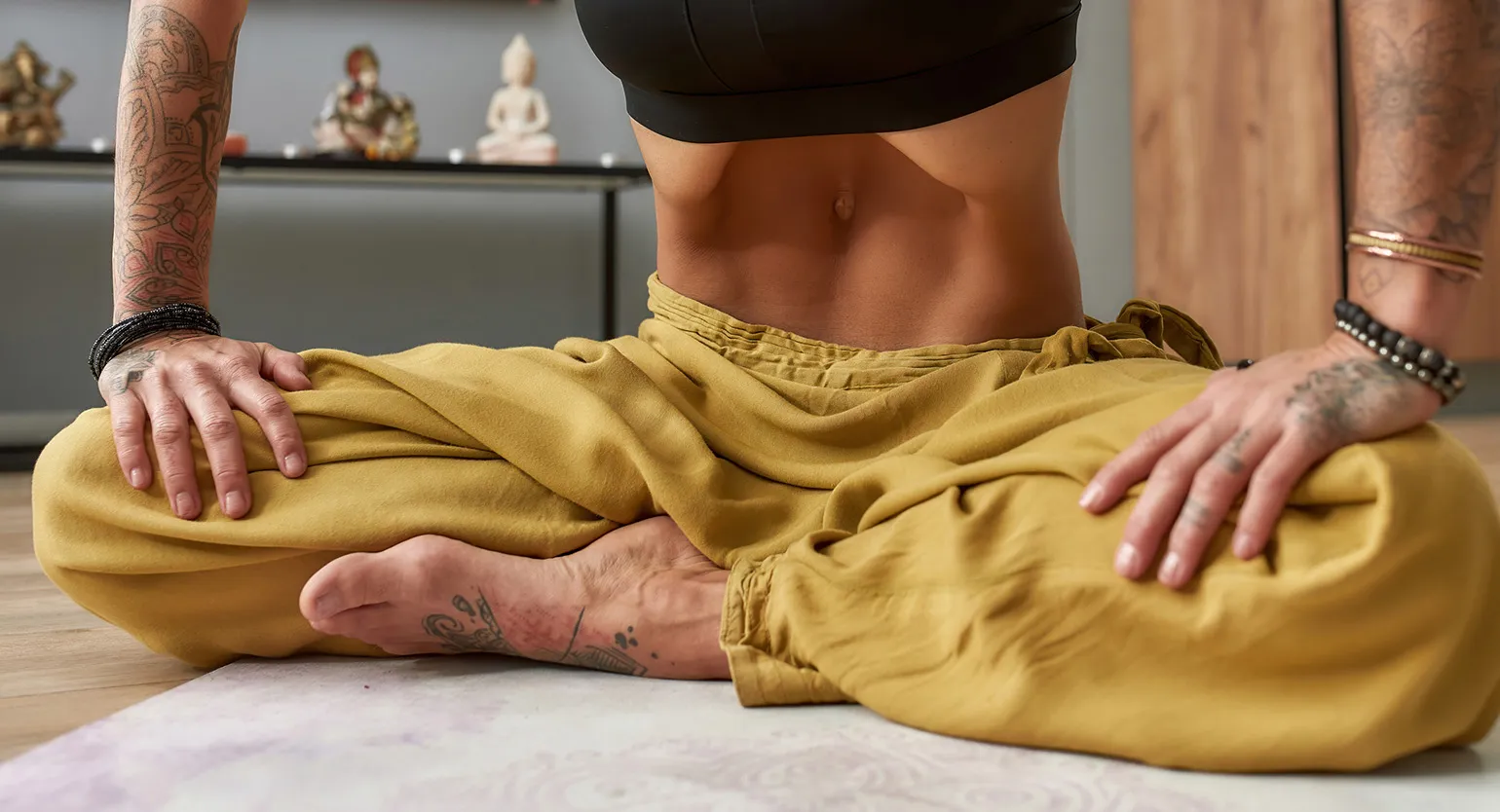
A stomach vacuum is an effective exercise designed to strengthen the deep abdominal muscles, especially the transverse abdominis. This muscle is located beneath the other two layers of the abdominal muscles, making its contraction less noticeable for some people. Performing the stomach vacuum correctly improves posture, reduces waist size, and strengthens the core, which is important for many sports and everyday activities. Regular training with an emphasis on the stomach vacuum will help develop strength and stability in the abdominal area, which in turn can improve overall fitness.

When immersed in cold water, the muscle begins to contract involuntarily. You can also feel its activity when you try to put on a pair of jeans that are too small and suck in your stomach to button them. This phenomenon is associated with the body's natural response to stressful situations and can be useful for understanding how muscles work and their role in everyday life.
The transverse abdominis muscle, located between the pelvis and the lower ribs, wraps around the waist on both sides, making it known as the corset muscle. This muscle plays a key role in supporting the internal organs and spine, providing stability and protection. Strengthening the transverse abdominis muscle helps improve posture, reduce the risk of injury, and increase overall physical activity. Regular training aimed at developing this muscle will help maintain the health and functionality of the entire core.
When performing a vacuum, the focus is not only on the transverse abdominis, but also on other important muscle groups. The process involves the pelvic floor muscles, diaphragm, and multifidus muscles of the back, although their activity is not as pronounced as that of the transverse abdominis. This complex engagement of various muscles helps strengthen the core and improve overall fitness. Performing the vacuum correctly helps develop stability and maintain spinal health.
Who invented the stomach vacuum?
The exercise has deep historical roots, dating back to ancient practices and cultures, where control of the body and breath was considered the basis of physical and spiritual well-being. In Indian yoga, there is a method known as "uddiyana bandha" or "abdominal lock." This exercise is performed on an exhalation, when the abdomen is pulled inward and upward. This technique is similar to the modern stomach vacuum method, which also helps strengthen the core muscles and improve posture. The practice of controlling the breath and body not only helps achieve harmony but also promotes overall health and increased vitality.
In the mid-20th century, the stomach vacuum became a popular exercise among bodybuilders. Famous athletes such as Arnold Schwarzenegger and Frank Zane actively used this technique to accentuate the V-shaped shape of their torsos. The exercise helps strengthen the core muscles and improve posture, which is especially important for professional bodybuilders striving for the perfect physique. The stomach vacuum remains popular today, as it helps create a toned and aesthetically pleasing silhouette.
In the 1970s and 1980s, the stomach vacuum was an integral part of training programs. However, with the development of the fitness industry and the emergence of new techniques, its popularity began to decline. In the 2010s, interest in the stomach vacuum was renewed thanks to social media and fitness bloggers, who began actively promoting this exercise as an effective way to reduce waist size, improve posture, and strengthen the core. But does the stomach vacuum really deliver the claimed results? Let's consider this issue in more detail.

Immerse yourself in the fascinating world of reading. Reading books broadens horizons, enriches knowledge, and develops imagination. It not only helps improve vocabulary but also promotes the development of critical thinking. Regardless of genre, each book offers a unique experience and an opportunity to understand different points of view. Explore new topics, immerse yourself in captivating stories, and find inspiration in the words of authors. Reading is more than just a hobby; it's a path to self-improvement and personal growth. Don't miss the chance to discover new horizons through literature.
Get Six Pack Abs: 10 Effective Exercises
If you want to achieve defined abs, it's important to include effective exercises in your workout routine. In this article, we present the 10 best abs exercises that will help you strengthen your muscles and improve their appearance.
1. Crunches
Crunches are a classic exercise for training the rectus abdominis muscles. Lie on your back, bend your knees, and lift your upper body toward your knees, keeping your lower back pressed to the floor.
2. Plank
The plank effectively engages all the muscles of the core, including the abs. Get into a push-up position and keep your body in a straight line, resting on your elbows and toes.
3. Leg Raises
This exercise helps work the lower abs. Lying on your back, lift your legs up, keeping them straight, and slowly lower them back down without touching the floor.
4. Russian Twists
Sit on the floor, bend your legs and lean back slightly. Keep your legs in the air and rotate your torso left and right, touching the floor with a hand on each side.
5. Bicycle
Lying on your back, lift your legs and imitate the motion of pedaling a bicycle. At the same time, try to align your elbows with the opposite knee.
6. Torso Raises
Lie on your back, bend your knees and lift your torso towards your knees, using your abdominal muscles. This exercise helps strengthen the upper abdomen.
7. Reverse Crunches
Lying on your back, lift your legs toward your chest, twisting your pelvis and lifting it off the floor. This exercise focuses on the lower abdomen.
8. Pilates
Pilates exercises like the Hundred are great for training your abs and entire core. They help improve flexibility and strengthen your muscles.
9. Side Crunches
Lie on your side and lift your upper body toward your pelvis. This exercise targets your obliques and helps create a slim silhouette.
10. Superman Pose
Lying on your stomach, lift your arms and legs simultaneously, creating tension in your back and abs. This exercise helps strengthen the entire core.
Regularly performing these exercises, combined with proper nutrition and cardio, will help you achieve the desired results and pump up your abs. Don't forget the importance of rest and recovery to maximize the effectiveness of your workouts.
The Benefits of the Abdominal Vacuum: A Scientific Perspective
The abdominal vacuum is a popular element of many training programs, including yoga, Pilates, and bodybuilding. Although this exercise has a long history of use, scientific research confirming its benefits remains limited. Modern research is just beginning to study the effects of the abdominal vacuum on the body, and at the moment, this exercise is perceived more as an element of alternative practices than as a proven technique. Nevertheless, many practitioners note positive changes, such as improved posture and strengthening of the abdominal muscles.
Today, there are many assumptions about the benefits of the vacuum. Vacuum technologies are widely used in various fields, including medicine, science, and industry. One of the main advantages of vacuum is its ability to preserve the properties of materials and substances, preventing oxidation and degradation. Vacuum packaging helps extend the shelf life of foods, preserving their freshness and nutrients.
In medical practice, vacuum is used to sterilize instruments and equipment, ensuring the safety and reliability of procedures. In scientific research, vacuum allows experiments to be conducted under controlled conditions, eliminating the influence of external factors. Vacuum technologies are also used in the production of semiconductors and other high-tech materials, where high purity and precision are required.
Thus, the benefits of vacuum are obvious and cover a wide range of applications, making it an essential tool in the modern world.
- Strengthens core muscles. The transverse abdominis muscle is part of the muscle group known as the core, or corset. American scientists conducted a study to find out how developing the transverse abdominis muscle affects core stability. It turned out that regularly performing exercises similar to the vacuum can actually help strengthen the deep core muscles [7].
- Reduces back pain. A strong muscular corset improves body balance and also provides additional support for the lumbar region. This is especially important for those who suffer from back pain or want to improve their posture [8], [9].
- Maintains a normal heart rhythm. In a joint study, scientists from India, Indonesia, Cyprus, and Turkey found that "uddiyana bandha," that is, the eastern version of the abdominal vacuum, slows the heart rate immediately after practice. This effect has been recorded in people with high blood pressure. Experts suggest that the practice improves the functioning of the autonomic nervous system, which regulates the functioning of internal organs, including blood vessels and the heart [10].
- Improves overall well-being. According to medical doctor David Coulter, performing the abdominal vacuum can make you feel more energetic. Coulter notes that "uddiyana bandha" is the only practice in hatha yoga that stretches the diaphragm. This muscular-tendon plate separates the chest and abdominal cavities. A maximum exhalation pushes the dome of the diaphragm upward, stretching its muscle fibers and facilitating breathing [11].
- Improves digestion. Some vacuum practitioners claim that the exercise improves the functioning of the gastrointestinal tract. This may be due to the gentle massage of the internal organs that occurs when performing a vacuum [6].
How to do a stomach vacuum: techniques and tips
The exercise may look simple, but in fact, it requires high concentration and precision. It is important not only to pull in your stomach as much as possible, but also to control your breathing correctly. Correct breathing technique helps improve results and prevent injuries. Concentration at each stage of the exercise will help achieve the desired effect and increase the effectiveness of the workout.
To successfully perform a stomach vacuum, you must follow the correct technique and control your breathing. Effective performance of this exercise requires concentration on the process, which allows you to activate the deep abdominal muscles. Proper breathing helps increase the effectiveness of the workout and promotes better muscle tone. It is important to pay attention to every detail to achieve maximum results and strengthen the muscular corset.
There are many methods for creating a vacuum. We will consider all available options, from the simplest to more complex. Choose the method that best suits your needs.
Difficulty level: Easy. This level is ideal for beginners and those with limited physical fitness.
Technology plays an important role in our lives, providing comfort and efficiency in everyday tasks. Modern technologies are constantly evolving, improving quality of life and optimizing work processes. In various fields, such as medicine, education, transportation, and manufacturing, innovative solutions help achieve better results.
Modern devices, from smartphones to complex manufacturing machines, provide high performance and ease of use. For example, in medicine, new medical devices allow for faster and more accurate diagnosis and treatment. In education, technology provides access to online learning and resources, making learning more accessible to everyone.
It should also be noted that technology requires regular maintenance and updates. This helps maintain its functionality and prevent possible breakdowns. It is important to follow the latest trends and innovations in the world of technology to stay one step ahead and take advantage of all the benefits they offer.
Ultimately, technology doesn’t just make our lives easier; it also opens up new horizons, changing the way we approach familiar tasks and creating new opportunities.
- Lie on your back, bend your knees and place your feet on the floor at hip-width apart. You can also lie on your stomach, face down, with your legs straight out and your palms behind your head. But this will be a little more difficult.
- Take a deep breath through your nose. As you exhale through slightly closed lips, as if you were releasing air from a balloon, draw in your abdominal wall, actively engaging your abdominal muscles.
- Continue breathing while your abs are tense. Hold the position for 5-15 seconds and repeat the exercise 2-3 more times.
The vacuum can be performed lying on your stomach. To do this, straighten your legs and stretch your arms in front of you, palms down. Take a deep breath, then slowly exhale and draw in your stomach. This technique helps strengthen the core muscles and improve posture, and also promotes the active work of the internal organs. Regularly performing the vacuum in this position can help achieve better results in training.
Avoid holding your breath, as this can negatively affect the activation of the transverse abdominis muscle. Proper breathing promotes the effective functioning of this muscle, which plays a key role in maintaining core stability and improving posture. To achieve optimal training results, it is important to monitor the breathing cycle and avoid holding your breath, which will help maximize the activation of the transverse abdominis muscle and improve overall physical fitness.
Difficulty level: easy. This exercise is intended for those who have already mastered the basic version and are looking to increase the level of difficulty.
Technology is a set of methods and tools used to perform specific tasks or achieve goals. It covers a wide range of areas, including industry, construction, information technology, and many other areas. In the modern world, technology plays a key role in the development of society, improving the quality of life, and optimizing processes.
With the development of technology, new tools and methods appear that can significantly increase work efficiency. For example, the automation of production processes and the use of modern software solutions significantly reduce the time it takes to complete tasks and minimize the number of errors.
An important aspect of technology is its constant improvement. Research and development in science and technology contribute to the creation of innovative solutions that help cope with new challenges. This includes both traditional mechanical devices and high-tech systems such as artificial intelligence and robotics.
Thus, technology is an integral part of modern society, enabling development and progress in various fields. Investments in new technologies and their implementation in everyday practice contribute to increased competitiveness and a better quality of life.
- Get on all fours, placing your knees under your hips and your wrists under your shoulders. Make sure to keep your back straight and in a neutral position.
- Inhale deeply through your nose and exhale slowly through slightly pursed lips. As you exhale, gently draw in your stomach.
- Maintaining the tension, continue breathing in a normal rhythm. In this position, you can also imagine that your stomach is rising towards the ceiling.
- Hold this pose, continuing to breathe for 20-30 seconds. Repeat at least 2-3 more times.
Level: Intermediate. This version of the stomach vacuum is the most common and frequently practiced. It is suitable for most people who want to strengthen their core muscles and improve their posture. Regularly performing the abdominal vacuum at a moderate level helps achieve noticeable results in shaping the waist and improving overall health. It is important to remember the correct technique to avoid injury and achieve maximum effectiveness.
Technology plays an important role in our lives, providing convenience and efficiency in everyday tasks. Modern technology is being introduced into all areas, from the home to industry, improving quality of life and productivity. Modern devices such as smartphones, computers, and home appliances make everyday tasks easier and faster, allowing you to focus on more important aspects.
The development of technology also opens up new opportunities in education and business, providing access to information and resources that were previously inaccessible. Innovations in technology contribute to improved communication, allowing people to stay connected regardless of distance.
At the same time, it is important to remember the correct use of technology to increase efficiency and minimize negative impacts on health. The quality and safety of technology also remain at the forefront, making choosing the right devices and software critical.
In conclusion, technology continues to transform our society, and its importance will only grow in the future. Proper use of modern technology can significantly simplify life and increase comfort.
- Stand up straight, placing your hands on your hips.
- Take a deep breath and begin to exhale slowly. As you exhale, begin to draw in and contract your lower abdominal muscles. Imagine your stomach "sticking" to your back. Tighten your abdominal muscles and hold this position.
- Hold the position for 20-30 seconds, breathing evenly the entire time.
- Slowly relax your abdominal muscles and return to the starting position.
The difficulty level of performing the abdominal vacuum in a sitting position increases significantly due to the need for more careful muscle control. This exercise requires a high level of physical fitness and a keen understanding of technique. Proper abdominal vacuum practice helps improve the strength and tone of the abdominal muscles, as well as strengthen the core and improve posture.
Technology is a collection of methods and tools used to perform specific tasks and achieve goals. In the modern world, technology encompasses a wide range of areas, including computer technology, electronics, mechanical systems, and much more. It plays a key role in everyday life, providing convenience, efficiency, and progress.
Modern advances in technology contribute to the development of various industries, such as medicine, transportation, communications, and manufacturing. Innovative technologies such as artificial intelligence, automation, and the Internet of Things are changing approaches to problem solving and increasing productivity.
Technology also influences economic development, creating new jobs and increasing the competitiveness of businesses. Mastering new technologies not only improves quality of life but also addresses global challenges such as climate change and resource intensity.
Thus, technology is an integral part of our world, which contributes to the improvement of the quality of life and the development of society as a whole.
- Sit on a chair with a straight back, put your feet on the floor and place your hands on your hips, palms down.
- Take a deep breath, then slowly exhale through slightly pursed lips, while tensing the muscles of the lower abdomen and pulling the navel to the spine.
- While holding the position, try to breathe evenly.
Difficulty level: high. This option is only suitable for experienced vacuum users and athletes, as it includes the need to hold the bar.
Technology is a set of methods and tools used to perform certain tasks or achieve specific goals. In the modern world, technology covers a wide range of areas, including information technology, mechanical equipment, electronics, and much more. The development of technology plays a key role in the economy, production, and everyday life, providing efficiency and convenience. It is important to note that technology is constantly evolving, introducing innovations and improving existing processes. New technologies, such as artificial intelligence and automation, significantly change approaches to work and interaction with the world around us. Understanding the basics of technique and its impact on various areas of activity is essential for successfully adapting to modern conditions.
- Get into a push-up position, straighten your arms, and move into a plank position. Your body should form a straight line from head to heels. Keep your elbows under your shoulders if you're doing a forearm plank.
- Take a deep breath through your nose. As you exhale, draw your stomach in through slightly pursed lips, trying to maintain the plank position without arching your lower back.
- Breathe evenly and shallowly, maintaining tension in your abdominal muscles.

Read also:
Plank: benefits and correct technique
Plank is one of the most An effective core strengthening exercise that helps develop strength and endurance. By performing the plank, you engage the abdominal, back, gluteal, and shoulder muscles, which helps improve overall fitness and posture.
The benefits of the plank include not only strengthening muscles but also improving joint stability, boosting metabolism, and reducing the risk of injury. Regular plank training helps develop endurance and promotes toning.
To perform the plank correctly, you need to adhere to a specific technique. Start on your stomach, resting on your forearms and toes. Keep your body in a straight line from head to heels. It is important to keep your back straight and not let your buttocks rise or sag. Focus on your breathing and hold this position for as long as possible, gradually increasing the time.
Incorporating the plank into your workout routine will not only add variety to your workouts but will also provide significant results in strengthening your core muscles. This exercise is suitable for people of all fitness levels and can be performed without special equipment.
It is important to avoid holding your breath, as this can lead to insufficient activation of the transverse abdominis. Proper breathing plays a key role in the effective functioning of the core muscles, including the transverse abdominis. To achieve optimal training results and maintain health, it is important to focus on breathing techniques. Adequate activation of the transverse abdominis helps maintain body stability and prevent injury. Regularly practicing breathing exercises will help improve overall fitness and make your workouts more effective.
How long to hold the vacuum
It is recommended to hold the vacuum for about 20 seconds, but beginners should start with shorter values: perform 3-5 repetitions of 5-10 seconds 1-2 times a day. Gradually increase the number of sets and holding time. Experienced athletes hold the vacuum for up to 30 seconds, performing 5-10 repetitions per set 2-3 times per day. Each week, increase the time you hold the contraction of your abdominal muscles, which will help achieve better results in your workout and improve abdominal muscle tone.
The exercise can be performed daily, providing your muscles with rest. If you feel fatigue or discomfort, it is important to take a break to avoid overexertion and injury. Regular exercise helps strengthen muscles and improve physical fitness, but recovery is an essential part of effective training. Listen to your body and adapt your exercise routine to achieve the best results.
When you shouldn't do the stomach vacuum
The stomach vacuum is a safe exercise for most healthy people. However, there are certain situations in which performing this exercise may lead to undesirable consequences. If you have certain medical conditions or injuries, you should consult a doctor before starting exercise. It is important to take into account the individual characteristics of the body and avoid performing the abdominal vacuum if there are any safety concerns.
Experts from the American Sports and Fitness Association emphasize the importance of caution in certain situations. It is recommended to pay attention to the following aspects: proper exercise technique, adequate assessment of the level of physical fitness, and the need to consult a trainer or doctor in the presence of chronic diseases. It is important to remember that the correct approach to training helps not only achieve the desired results, but also reduces the risk of injury.
- hernia of the linea alba;
- spinal diseases;
- pregnancy;
- eating disorders.
Despite the presence of contraindications, they are not absolute. It is recommended to consult a physical therapy instructor to determine the optimal positions and frequency of performing the "vacuum" exercise. The right approach will help avoid negative consequences and improve results.
The best time and place for vacuum
The optimal time for practice is in the morning on an empty stomach. Find a quiet place where you will not be distracted. The environment should promote concentration and inner focus.
The abdominal vacuum can be performed at any time and in any place. This exercise helps strengthen the abdominal muscles, improve posture and promotes a flatter belly. It is important to pay attention to the technique to achieve maximum effect. It is recommended to start with short intervals, gradually increasing the execution time. In addition, it is important to combine this exercise with proper nutrition and physical activity to achieve the best results. Regularly performing the abdominal vacuum will help you improve overall muscle tone and achieve a slim figure.
- Isolated - 2-3 times a day: morning, afternoon and evening. Each session should include 5 to 10 repetitions, with each hold lasting 10 to 30 seconds.
- During workouts - while doing planks, crunches, or leg lifts.
- Post-workout - as part of a cool-down to catch your breath after weightlifting or cardio.
Information sources play a key role in the process of acquiring knowledge and forming opinions. They can be both primary and secondary, and include various forms, such as books, research articles, online resources, documents, and media. When working with sources, it is important to consider their reliability and relevance to ensure high-quality information. Using trusted sources promotes a deeper understanding of the topic and helps avoid the dissemination of inaccurate information. It is also important to cite sources to ensure the transparency and reliability of the information presented.
Moghadam N., Ghaffari M. S., Noormohammadpour P., Rostam M., Zarei M., Moosavi M., and Kordi R. conducted a study in which they compared the activation of the transverse abdominis muscle when using the retraction and strengthening technique in different positions for core stability training. The results of the study were published in the Journal of Exercise Rehabilitation in 2019, including volume 15, issue 6, pages 819-825. DOI: 10.12965/jer.1939064.352. This study highlights the importance of choosing muscle activation methods to optimize the training process and improve core stability.
Lynders C. emphasizes the importance of developing the transverse abdominis muscle in the prevention and treatment of low back pain. In an article published in the HSS Journal®, dedicated to the musculoskeletal system, the author analyzes the mechanisms by which training the transverse abdominis muscle can reduce the risk of back pain and alleviate existing symptoms. A 2019 study confirms that strengthening this muscle plays a critical role in maintaining lumbar stability and improving overall functionality. DOI: 10.1007/s11420-019-09717-8.
Arnold Schwarzenegger, a famous bodybuilder and actor, presented his book "Bodybuilding for Men", published by Simon and Schuster in 2012. In this edition, he shares his experience and knowledge about training, nutrition, and competition preparation. The book is intended for both beginners and experienced athletes, providing practical advice on improving physical fitness and developing muscle mass. Readers will learn about training methods, various nutrition regimens, and the psychological aspects of bodybuilding, making this book a valuable resource for anyone striving to succeed in this sport. Stomach vacuum exercises are an effective way to train the deep core muscles. These exercises help strengthen the inner abdominal muscles, which improves posture and reduces the risk of injury. Incorporating stomach vacuum exercises into your training plan not only builds strength but also improves overall fitness. They are ideal for people of all fitness levels and can be performed at home without the need for special equipment. For best results, it is recommended to perform the exercises regularly, combining them with other physical activities. Proper technique will ensure maximum effectiveness and safety during the workout.
In his book "Yoga Deepika," B.K.S. Iyengar offers a profound clarification of the fundamentals of yoga. Published in Moscow by Alpina Non-Fiction in 2010, the book contains 494 pages devoted to both theoretical aspects and practical recommendations on yoga. The book is an important source for studying the philosophy and practice of yoga, making it an indispensable guide for both beginners and experienced practitioners. Iyengar covers key concepts, techniques, and methods, allowing readers to gain a deeper understanding of the essence of yoga and its impact on physical and mental well-being.
Naragatti S. and S.V.H. in their study "A Study of the Efficacy and Mechanisms of Uddiyana Bandha in Yoga Practice: A Comprehensive Scientific Research" present results based on scientific data. The article was published in the International Journal of Science and Research (IJSR) in 2024, volume 13, issue 9, pages 975-979. DOI: 10.21275/sr24916105420. In this study, the authors analyze the health effects of Uddiyana Bandha and its mechanisms of action in the context of yogic practice, making it a valuable resource for yoga practitioners and researchers in the fields of health and fitness. Selkow N. M., Eck M. R., and Rivas S. conducted a study that assessed the effects of core stability training on the activation and timing of the transverse abdominis muscle. The results, published in the International Journal of Sports Physical Therapy in 2017, show that systematic core strengthening training leads to significant improvements in these parameters. The study involved patients who underwent a course of training aimed at developing muscle stability. The findings highlight the importance of core training in sports physical therapy and rehabilitation, which is important for improving functional performance and preventing injuries. DOI: 10.26603/ijspt20171048.
Lists can be expanded by clicking on the corresponding button or link. This action allows the user to access additional information or elements that are initially hidden. Expanding a list is convenient both for organizing content and for improving the user experience. Using this feature allows you to keep the page clean and compact, while providing the ability to get more information on request. This is especially important for websites with a large amount of data, where structuring information plays a key role in ease of navigation.
Lee J., Kim T., Kim D., Shim J., and Lim J. conducted a study on the effects of selective exercises for the deep abdominal muscles and lumbar stabilization exercises on the thickness of the transverse abdominis muscle and posture maintenance. The results of the study were published in the Journal of Physical Therapy Science in 2015, Volume 27, Issue 2, Pages 367-370. DOI: 10.1589/jpts.27.367. This study highlights the importance of specialized physical exercises to improve the functional state of the deep abdominal muscles and maintain correct posture, which can be useful for both rehabilitation and prevention of musculoskeletal diseases.
Paungmali A., Joseph L. H., Sitilertpisan P., Pirunsan U., and Uthaikhup S. conducted a study on lumbopelvic corset stabilization and pain modulation in people with chronic unspecified low back pain. In an article published in the journal Pain Practice in 2017, the authors describe the results obtained in the experiment, which confirms the effectiveness of corset stabilization exercises in reducing pain. The study highlights the importance of exercise and its impact on quality of life in patients with chronic pain. DOI: 10.1111/papr.12552.
Govindasamy K., Kaur D., Elayaraja M., Sethi D., Kalidas S., Karmakar D., Orhan B. E., Astuti Y., and Parpa K. conducted a randomized controlled trial to investigate the immediate effects of Uddiyana Bandha on heart rate variability in patients with hypertension. The results of the study were published in Annals of Neurosciences in 2024. DOI: 10.1177/09727531241299258. This study highlights the importance of breathing techniques and their impact on the cardiovascular system, which may be useful for developers of hypertension treatment programs.
Uddiyana Bandha: A Step-by-Step Guide
Uddiyana Bandha, known as the "waist lock," is an important yoga technique that helps activate the internal organs and improve energy circulation. This practice helps strengthen the abdominal muscles and improve digestion. To perform Uddiyana Bandha correctly, follow the steps below.
1. Find a comfortable place to perform the practice, preferably on a yoga mat. Sit in a comfortable position or kneel, straighten your back, and relax.
2. Inhale deeply through your nose, filling your lungs with air. Then exhale slowly, emptying your lungs completely.
3. In the next step, after a full exhalation, draw your belly toward your spine, activating your abdominal muscles. This will create a "pulling in" effect. Make sure your chest remains relaxed.
4. Hold the pose for 5 to 20 seconds, focusing on your breathing and sensations in your body. If you feel discomfort, stop the practice.
5. To finish, gently relax your belly and take a few calm inhalations and exhalations, restoring normal breathing.
Regular practice of Uddiyana Bandha can significantly improve your physical condition and promote overall well-being. It is recommended to perform this technique on an empty stomach for best results. Focus on your physical well-being and progress, and remember to combine Uddiyana Bandha with other asanas to achieve harmony in your yoga practice. The abdominal vacuum exercise is becoming increasingly popular, helping to strengthen the core muscles and improve posture. To perform this exercise correctly, start in a comfortable position, standing or sitting with a straight back. Then, gradually draw in your stomach, trying to bring your navel closer to your spine. Hold this position for a few seconds, breathing evenly and deeply. Gradually increase the hold time, starting with 15-20 seconds and working up to 1 minute. Regularly performing the abdominal vacuum not only helps improve muscle tone but also helps reduce your waist size. Remember the importance of proper technique and breathing while performing the exercise to avoid injury and maximize the benefits.
Uddiyana Bandha is one of the key energy locks in yoga, helping to improve physical and emotional well-being. In this beginner's guide, you will learn how to perform Uddiyana Bandha correctly, its benefits, and ways to integrate this practice into your yoga session.
Uddiyana Bandha activates the solar plexus, promoting improved digestion and strengthening the abdominal muscles. Correctly performing this lock helps reduce stress levels and increases overall vitality. It is important to master the technique to avoid injury and maximize the benefits of the practice.
To begin, find a quiet place and get comfortable. Inhale deeply, then exhale completely, lowering the diaphragm. As you exhale, squeeze your abdomen inward and upward, creating a vacuum. Hold the lock for a few seconds, then relax and inhale. Practice Uddiyana Bandha regularly to experience its positive effects on your body and mind.
Integrating Uddiyana Bandha into your yoga practice will not only improve your physical condition but also help you achieve harmony and inner peace. Start with a small number of repetitions and gradually increase the time you hold the lock for best results.
Uddiyana Bandha: Step-by-Step Instructions
Uddiyana Bandha, or "lifting lock," is an important yoga technique that helps strengthen the abdominal muscles and improve digestive function. This practice also helps increase the flow of energy in the body and improve concentration. To perform Uddiyana Bandha correctly, follow these steps.
First, find a quiet and comfortable place to practice. Stand on your feet or sit in a comfortable position. Take a deep breath in through your nose, then exhale, emptying your lungs completely. Then, hold your breath and draw your stomach in toward your spine, creating a "lifting" effect. Make sure your shoulders remain relaxed and your chest open.
Hold this position for 15-30 seconds, then release your stomach and inhale. Repeat this exercise several times, gradually increasing the time you hold the lock. Practice Uddiyana Bandha regularly for best results.
It is important to remember that Uddiyana Bandha is not recommended during pregnancy, menstruation, or if you have any abdominal diseases. Always consult a doctor or experienced instructor before beginning the practice.
This technique can significantly improve your yoga practice and overall well-being. Regular use of Uddiyana Bandha will help you develop your body and mind, ensuring harmony and balance. The secret to performing the "stomach vacuum" exercise lies in proper technique and regular practice. This exercise helps strengthen the deep abdominal muscles, improve posture, and promotes a smaller waist. Begin by standing or sitting in a comfortable position. Inhale deeply through your nose, then exhale slowly, drawing your stomach toward your spine. Hold this position for a few seconds, being careful not to hold your breath. Gradually increase the time you hold the vacuum, starting with 10-15 seconds and working up to 30-60 seconds as you progress. Include this exercise in your workout routine 3-4 times a week for best results. Correctly performing a dental vacuum will help you not only improve your appearance, but also strengthen your body as a whole.
