Contents:
Free test: Which digital profession is right for you? Find out the answer in 15 minutes and try your hand at a new specialty.
Learn moreWhy use sunscreen at all?
The sun is an important source of a good mood and promotes the production of vitamin D in the body. The World Health Organization (WHO) recommends spending 5-15 minutes in the sun two to three times a week. In addition, artificial sources of ultraviolet radiation are actively used in phototherapy, which is an effective method of treating various diseases, such as rickets, psoriasis, eczema, vitiligo, and lupus. Proper use of sunlight and ultraviolet radiation can significantly improve health and enhance quality of life.
Ultraviolet radiation in high doses poses a serious threat to human health. It can cause sunburn, contribute to premature skin aging and increase the risk of skin cancer. To protect against the harmful effects of ultraviolet rays, it is recommended to use products with SPF (Sun Protection Factor), which effectively block UV radiation and help maintain skin health. Proper selection and use of sunscreens are important steps in preventing skin diseases and maintaining the youthful appearance of the skin.
What is UV radiation
Ultraviolet radiation is classified into three main types.
Two main types of ultraviolet rays reach the Earth - UVA (mid-range) and UVB (far-range). According to Cancer Research UK, an organization engaged in cancer research, both types of rays pose a serious threat to human health. UVA and UVB rays can penetrate the skin and cause damage to the DNA of cells, which increases the risk of developing cancer. Therefore, it is important to take measures to protect the skin from exposure to ultraviolet radiation, especially on sunny days.
- UVB penetrates to the epidermis, which damages the outer layer of the skin and causes sunburn;
- UVA reaches the dermis, the deep layers of the skin, and causes photoaging.
What is a tan?
A tan is the body's natural response to solar radiation. Under the influence of ultraviolet rays, the pigment melanin begins to be produced in the lower layers of the epidermis. This pigment not only gives the skin its color, but also performs a protective function, absorbing UV radiation and preventing damage to skin cells. Such protective mechanisms help minimize the risk of developing skin diseases, emphasizes the Cancer Council of New South Wales. Understanding the processes involved in tanning is important for maintaining healthy skin and preventing negative consequences such as sunburn and skin cancer.
A light tan indicates that the skin has been exposed to ultraviolet radiation. Frequent and prolonged sun exposure increases the risk of melanoma, one of the most dangerous forms of skin cancer. Protecting your skin from UV radiation is an important measure to reduce the risk of developing melanoma and other skin conditions. It is recommended to use sunscreens with a high SPF, wear protective clothing, and avoid sun exposure during peak hours. Responsible tanning and skin protection will help maintain health and prevent serious consequences.
According to research by the United Nations Environmental Impact Assessment Group, ultraviolet radiation not only contributes to the development of melanoma but is also a factor in the development of keratinocyte carcinoma. Keratinocyte carcinoma includes squamous cell carcinoma and basal cell carcinoma, which are among the most common types of skin cancer. These findings highlight the importance of protecting the skin from UV radiation to reduce the risk of developing these diseases.
According to the World Health Organization, 1.5 million cases of skin cancer were registered globally in 2020. Of these, 120,000 people died from skin diseases caused by exposure to sun radiation. This highlights the importance of preventing and early detecting skin diseases, as well as the need to protect yourself from the sun to reduce the risk of developing cancer.
How Sunscreen Works
Sunscreens are divided into two main types depending on how they work. The first type is physical sunscreens, which create a protective barrier on the skin's surface, reflecting ultraviolet rays. The second type is chemical sunscreens, which are absorbed into the skin and absorb UV rays, preventing their negative effects. The correct choice of sunscreen depends on your skin type, sun exposure level, and time spent outdoors. For maximum protection, it is recommended to use broad-spectrum products that block both UVA and UVB rays.
- Physical factors. Such SPFs are more often called mineral. They reflect rays from the skin's surface and are considered the most effective. They contain zinc oxide or titanium dioxide.
- Chemical factors. They convert rays into heat. You should be careful with them, warns EWG Verified, an organization that certifies sunscreens. Avobenzone and mexoryl, which are found in such creams, themselves have adverse effects on the body.
How to choose a sunscreen
SPF products are available in various forms, including thick cream, cushion, powder, and spray-on veil. To choose the right product, it is important to consult a dermatologist who can help you take into account the individual characteristics of your skin type. However, it is important to remember that even with the help of a specialist, it may take several attempts before you find the ideal sun protection option. Choosing the right SPF plays a key role in maintaining healthy skin and preventing premature aging.
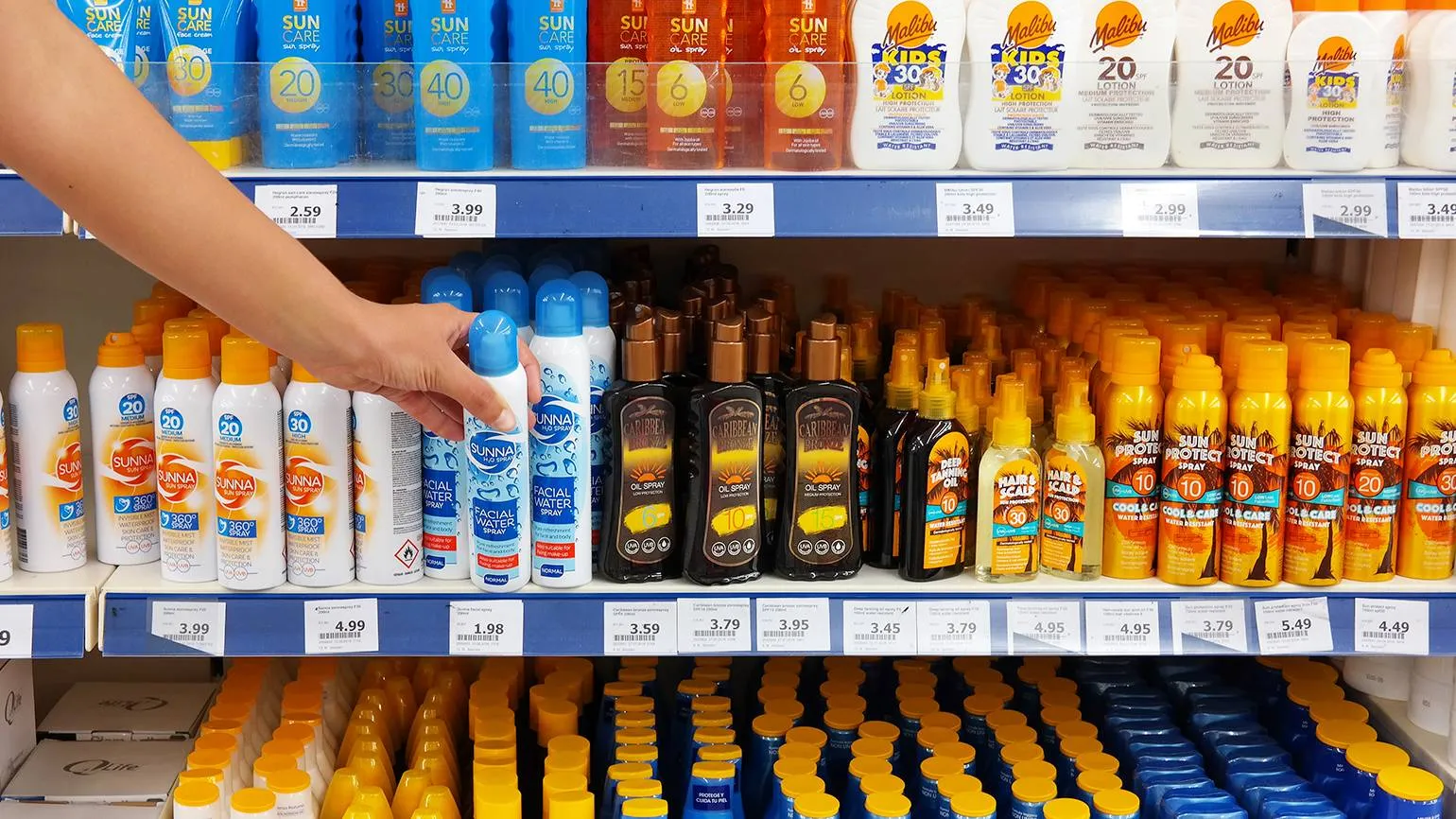
The SPF value, such as 20, 50, or 100, is listed on the packaging of sunscreen. Heather, MD, PhD, is a registered trademark of the Sunscreen Foundation. Brannon explains that these numbers reflect the skin's level of protection from the sun's rays. Specifically, SPF indicates how much time the skin can be exposed to the sun without the risk of damage or burning. For example, with an SPF of 30, only 1/30th of the sun's total radiation penetrates the skin. Therefore, the higher the SPF value, the more effective the protection against harmful UV rays. Choosing the right sunscreen with the appropriate SPF will help maintain healthy skin and prevent sunburn.
It's important to understand that the effectiveness of any sunscreen is limited to two hours. While SPF 100 provides higher protection than SPF 50, its benefits are often exaggerated and may be due to marketing strategies. Most sunscreens are not water-resistant, so reapplying after sweating or swimming is necessary to maintain skin protection from harmful UV rays. Proper use of sunscreen involves regular reapplication, which is especially important during prolonged sun exposure.
Key Mistakes in Using Sunscreens
- Not rinsing the product off properly. If you don't rinse off the SPF, it can clog pores and cause inflammation. It's important to use a two-step cleansing routine, just like with makeup: wash your face first with a cleansing oil and then with a gel or foam cleanser.
- Use sunscreen only in the summer. SPF should be used year-round. You need to focus on the ultraviolet index - if it's three or higher in winter, you need to protect yourself from UV rays.
- Don't reapply the product. The WHO recommends reapplying the product every two hours, as filters are destroyed by UV radiation. The higher the protection level, the faster the cream's effect wears off.
- Use only a UV protection cream. Barrier protection - sunglasses, a cap, light cotton clothing - are also important. You should especially not skimp on good sunglasses, because UV radiation can cause various eye diseases:
- photokeratitis - inflammation of the transparent membrane of the eye - the cornea;
- photoconjunctivitis - inflammation of the mucous membrane of the inner surface of the eyelids - the conjunctiva;
- pterygium - growth of the conjunctiva on the surface of the cornea;
- climatic droplet keratopathy - damage to the cornea;
- cataracts - clouding of the lens; According to WHO estimates, excessive exposure to UV radiation can cause up to 10% of cataracts.
What Affects Susceptibility to UV Exposure
The speed of tanning and its intensity depend on the skin phototype, which determines how the skin reacts to ultraviolet rays. Each phototype has its own unique characteristics that affect the level of protection and susceptibility to sun exposure. Understanding your phototype will help you choose the best tanning techniques and sun protection, which in turn will ensure safe and even skin coloring.
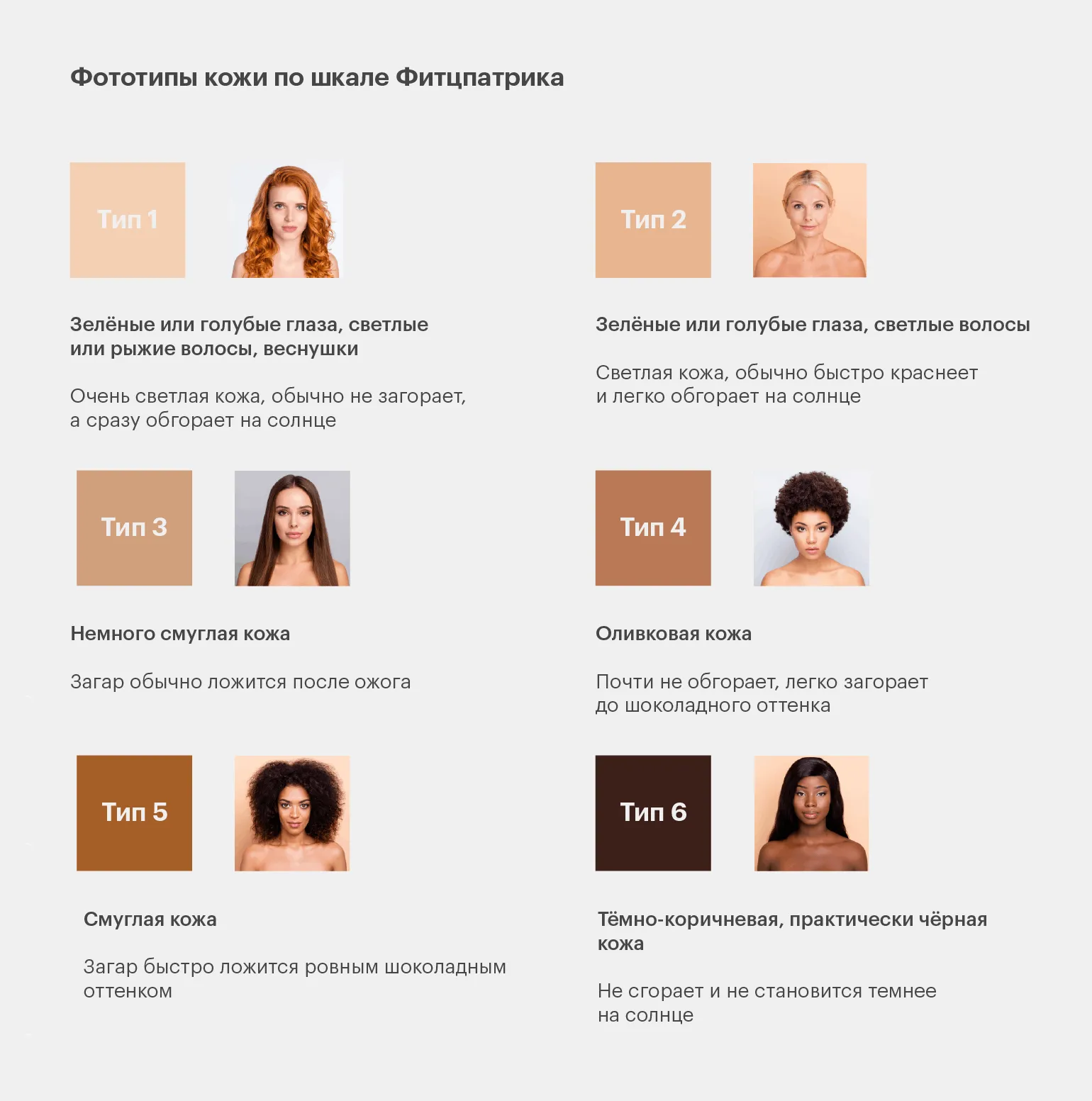
There are six main skin phototypes, ranging from very light to dark shades. Fair skin, as well as light-colored hair and eyes, have less ability to protect themselves from the sun's rays. The lighter the skin, the higher the risk of negative effects from ultraviolet radiation, making it necessary to use sunscreen to prevent burns and other skin problems.
When protecting yourself from the sun, special attention should be paid to people with skin phototypes I and II. They need to use UV protection products more carefully than those with phototypes IV, V, or VI. This is because fair skin is more susceptible to sun exposure and is at risk of burns and other negative effects. Proper sun protection includes using sunscreens with a high SPF, wearing protective clothing, and limiting time spent in the sun. By taking care of your skin, you can prevent premature aging and reduce the risk of skin cancer.
Carriers of types I are most common in Russia and Europe. Types IV, V, and VI are more typical for residents of the Mediterranean, Africa, and Latin America. This distribution of types may be related to genetic and environmental factors influencing populations in these regions. The distribution of different types may also have implications for studying health and predisposition to certain diseases in different countries.
How else to protect your skin
SPF is not a one-size-fits-all solution for skin protection. If you have a family history of skin cancer, it is important to consult a dermatologist regularly, at least once a year. This will help you identify potential problems early and take the necessary steps to protect your skin. Regular checkups with a specialist can play a key role in the prevention of skin cancer and other serious conditions.
Regularly monitoring changes in the color and shape of moles is important for maintaining healthy skin. Pay attention to any changes in the color, shape, or size of skin lesions. Don't delay a visit to the doctor if you notice such changes. If you have multiple moles, a specialist can create a map to track changes at each appointment. This will help promptly identify possible pathologies and prevent serious illnesses. Take care of your health and regularly check the condition of your skin.
How much time can you spend in the sun without getting sunburned
The higher the skin phototype, the longer a person can spend in the sun without the risk of sunburn. People with lighter skin tend to have a lower phototype and are prone to burns even with short-term exposure to the sun. It is important to consider your phototype when planning time outdoors and use sun protection to minimize the risk of skin damage. The right approach to skin protection will help avoid not only burns, but also long-term consequences, such as premature aging and the risk of skin cancer.
- first - up to 5-7 minutes;
- second - 10 minutes;
- third - 20 minutes;
- fourth - 30 minutes;
- fifth - 40 minutes;
- sixth - 50 minutes.
The risk of burning is only one of the reasons for using sunscreens. These products are necessary not only to prevent burns, but also to protect the skin from oxidative stress. Oxidative stress occurs when, under the influence of various factors, including ultraviolet rays, reactive oxygen species accumulate in the skin, and its defense mechanisms cannot cope with this excess. This can lead to accelerated skin aging and increase the likelihood of malignant neoplasms. Therefore, it is extremely important to provide reliable skin protection from ultraviolet radiation. Regular use of sunscreen will help maintain healthy skin and prevent the negative effects associated with exposure to sunlight.

The methods of sun protection known from childhood are no longer relevant. It was previously believed that on sunny days, staying in the shade or sunbathing only before 10:00 a.m. and after 5:00 p.m. was sufficient. However, research has shown that ultraviolet (UV) rays can damage the skin at any time of day, making a safe tan illusory. Ensuring proper skin protection from the sun's rays is an important step toward health. It is recommended to use sunscreens with a high SPF, wear protective clothing, and avoid prolonged sun exposure. Sun protection on a given day depends on the UV index. This indicator can be easily found in any weather app. If the UV index is three or higher, sunscreen with a high SPF is recommended. Timely use of sunscreen will help prevent sunburn and reduce the risk of skin diseases. Take care of your skin by monitoring the UV index to stay safe in the sun.
Free test: which digital profession is right for you?
IT, design, marketing or management? Find out the answer in 15 minutes. And then try your hand at a new specialty for free.
Find out more