Contents:

Free test: which digital profession is right for you? Find out the answer in 15 minutes and try your hand at a new specialties.
Learn moreWhat is taurine and why is it needed in the body?
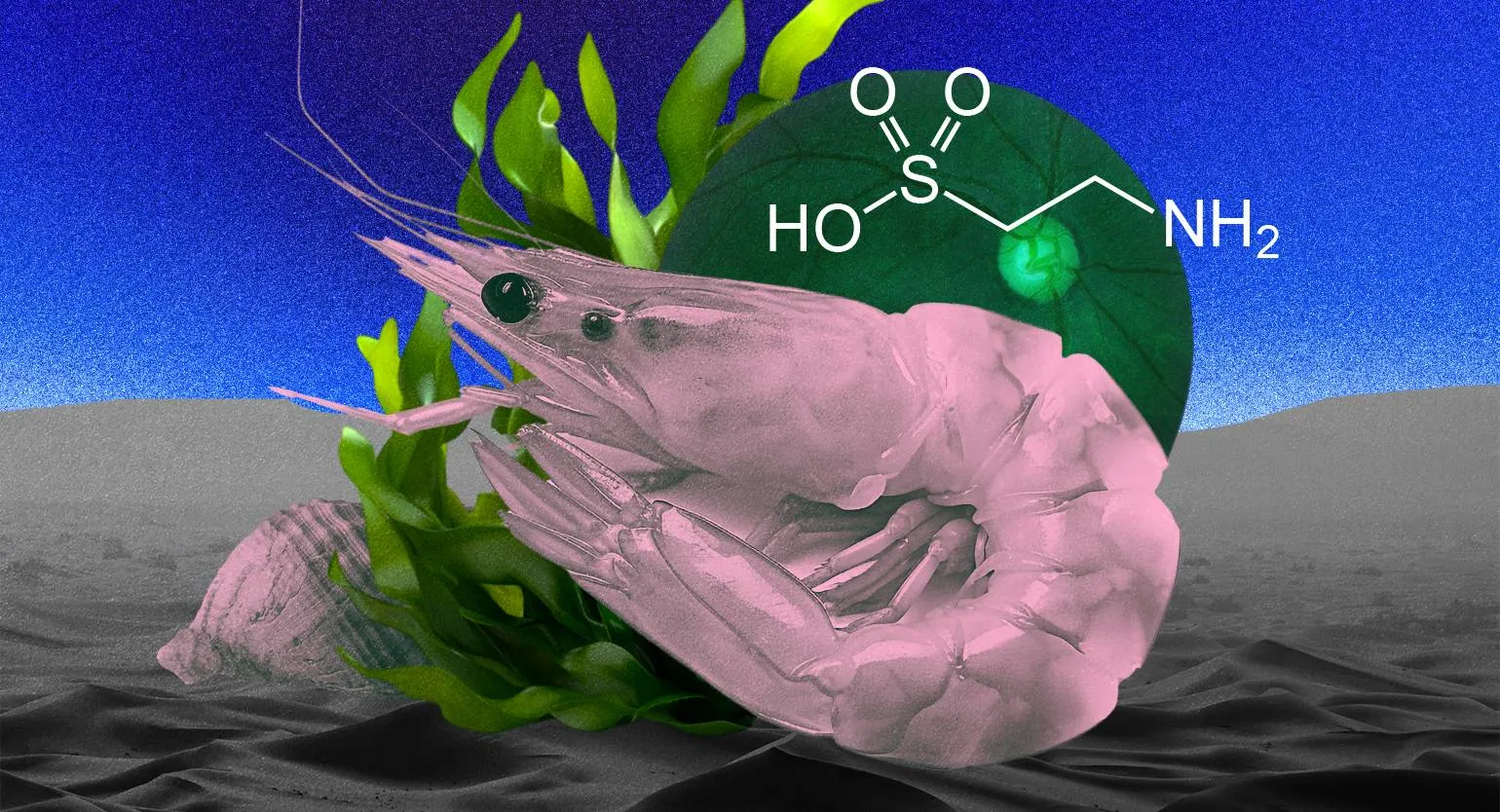
Taurine is a β-amino acid that plays an important role in maintaining the health of the heart, brain, and eyes, as well as in the normalization of metabolic processes and the functioning of the immune system. Contrary to popular belief, taurine is not an artificial stimulant found in energy drinks. This natural substance is present in almost every cell of the body and performs many vital functions. Understanding the role of taurine in the body can help maintain overall health and prevent various diseases.
Taurine plays a key role in many physiological processes. It is involved in the regulation of heart function, maintaining normal fluid levels in cells, and in metabolism. In addition, taurine helps protect cells from oxidative stress and supports the health of the nervous system. Research shows that this amino acid derivative is also important for improving visual system function and may influence fat metabolism. Introducing taurine into your diet can have a positive effect on your overall health and functional activity.
- Antioxidant protection: neutralizes reactive oxygen species and protects mitochondria from damage.
- Regulation of calcium metabolism: affects intracellular concentrations of Ca²⁺ ions, especially in the heart and neurons.
- Stabilization of cell membranes: prevents cell swelling during stress.
- Metabolism support: participates in the formation of bile acids, fat digestion, mitochondrial function, and many biochemical processes in the cell.
- Neuromodulation: reduces excessive neuronal activity.
Scientists have found that taurine can influence gene activity, especially those associated with key cellular processes. Studies have shown that certain changes are observed with taurine consumption. These changes can affect such aspects as metabolism, cellular protection and cell cycle regulation. Thus, taurine may play an important role in maintaining cellular health and the overall condition of the body, which makes it an important element for further research in the fields of medicine and biology.
- Genes that regulate cell division, protein synthesis, amino acid metabolism and cell lifespan are activated.
- The composition of transcription factors - proteins that "turn on" and "turn off" certain genes - changes.
- There is evidence that taurine affects signaling pathways and phosphorylation processes, that is, how cells process information and respond to environmental changes.
Research is ongoing, but it has already been established that taurine plays an important role in helping cells adapt, survive and function properly. This compound has a positive effect on cellular processes, which makes it an important object of study in the field of cell biology and medicine.
Why Taurine is Good for the Heart
- Helps the heart contract more efficiently. Taurine increases the sensitivity of heart tissue to calcium and improves the functioning of calcium channels, which control contractions of the heart muscle. This allows the heart to work more intensively, but not become overloaded. Taurine increases the force with which the left ventricle ejects blood into the aorta by almost 5% and improves the well-being of people with heart failure [3].
- Maintains normal blood pressure. Taurine reduces vascular resistance and circulating blood volume, helping to reduce the activity of the system responsible for increasing pressure. Clinical data confirms that taurine reduces blood pressure by ~4 mmHg and slows the pulse by ~3.6 beats/min [3].
- Protects the heart from stress. Thanks to its antioxidant properties, taurine reduces inflammation and protects heart cells from damage, especially under increased stress and illness.
List of 12 healthy foods for heart and vascular health
A healthy heart and blood vessels are key factors in longevity and overall well-being. Proper nutrition plays an important role in maintaining their health. This list features 12 foods that will help strengthen the cardiovascular system.
1. Vegetables: Bright and fresh vegetables, such as spinach, broccoli, and carrots, are rich in vitamins and antioxidants that help improve blood circulation.
2. Fruits: Berries, citrus fruits, and apples contain fiber and antioxidants that have a positive effect on cholesterol levels and blood pressure.
3. Fish: Fatty fish, such as salmon and mackerel, are an excellent source of omega-3 fatty acids, which help reduce the risk of cardiovascular disease.
4. Nuts: Almonds, walnuts, and hazelnuts contain healthy fats and proteins that support heart health.
5. Whole grains: Oatmeal, quinoa, and brown rice are high in fiber and help control blood sugar and cholesterol levels.
6. Legumes: Beans, lentils, and peas are sources of plant-based protein and fiber, which may help reduce the risk of heart disease.
7. Olive Oil: Rich in monounsaturated fats, olive oil is heart-healthy and helps regulate cholesterol.
8. Dark Chocolate: Contains flavonoids, which may improve circulation and reduce stress.
9. Garlic: Has the ability to lower blood pressure and cholesterol, making it an important food for the cardiovascular system.
10. Green Tea: Rich in antioxidants and may help lower cholesterol and improve heart health.
11. Spices: Such as turmeric and ginger have anti-inflammatory properties and may have a positive effect on the cardiovascular system.
12. Eggs: Contain choline and healthy fats, which may have a positive effect on heart health when consumed in moderation. Including these foods in your daily diet can help strengthen your heart and blood vessels, as well as improve your overall health. Proper nutrition combined with an active lifestyle is the key to a long and healthy life. Why Taurine is Important for the Brain
- Protects against damage. During stroke, epilepsy, or injury, neurons suffer from calcium overload—too much of this element enters the cells, causing them to be destroyed. Taurine helps regulate calcium levels and protects neurons from death.
- Reduces the risk of seizures. It helps stabilize the electrical activity of the brain and may influence the frequency and severity of seizures in epilepsy.
- Helps slow down age-related changes. May protect the brain from neurodegeneration—the gradual destruction of cells. It supports mitochondrial function, reduces inflammation, and improves energy metabolism in the brain [4].
How Taurine Affects the Retina
Taurine is one of the most common amino acids in the retina. It plays a key role in maintaining the health of photoreceptors—the light-sensitive cells that provide our vision. Without sufficient taurine, the functioning of these cells can be impaired, negatively affecting vision. Providing the body with sufficient taurine is important for maintaining visual acuity and protecting the eyes from various diseases.
- Protects retinal cells from death. Taurine has antioxidant properties and reduces oxidative stress, prolonging the lifespan of photoreceptors.
- Stabilizes ionic balance. It helps maintain the proper distribution of ions within retinal cells. This helps the optic nerve transmit signals to the brain.
- Prevents degenerative diseases. Animal experiments have shown that taurine deficiency causes retinal degeneration, thinning of photoreceptors, and gradual deterioration of vision. This is especially true for the ability to see in the periphery and at night.

Rework the text, keeping the main theme and avoiding unnecessary details. Optimize it for SEO by adding the necessary keywords and phrases. Avoid using emojis and unnecessary symbols, and do not include sections with numbers or signs. The text should be representative and easy to read.
Antioxidants: What They Are, Their Role in the Body, and Where They Come From
Antioxidants are molecules that protect the body's cells from damage caused by free radicals. Free radicals are formed as a result of metabolic processes, exposure to ultraviolet radiation, environmental pollution, and other factors. Excess free radicals can lead to oxidative stress, which, in turn, contributes to the development of various diseases, including cardiovascular disease, cancer, and premature aging.
Antioxidants play a key role in maintaining health as they help neutralize free radicals and reduce the risk of chronic diseases. The main groups of antioxidants include vitamins (such as vitamin C and vitamin E), minerals (selenium, zinc), polyphenols, and carotenoids.
To maintain optimal antioxidant levels in the body, it is important to include a variety of foods rich in these compounds in your diet. Fruits and vegetables such as berries, citrus fruits, spinach, and broccoli are excellent sources of natural antioxidants. Nuts, seeds, whole grains, and green tea are also recommended for their immune system support and cellular protection. Including antioxidants in your daily diet not only helps improve overall health but also maintains youthfulness and vitality. A healthy diet and lifestyle will help ensure you get the necessary amount of antioxidants, thereby promoting long-term well-being. How Taurine Protects Cells from Dehydration and Stress Taurine helps maintain cellular resilience in the face of environmental changes such as dehydration, fluid and electrolyte imbalances, and blood pressure fluctuations. Its osmoprotective properties play a key role in this process, providing protection to cells and promoting their normal functioning even under adverse conditions.
- Taurine is always abundant inside cells—especially in the brain, kidneys, liver, and eyes.
- If a cell begins to swell with excess fluid, taurine levels inside increase, helping to stabilize the volume.
- If fluid levels become low, the cell gets rid of taurine to prevent it from shrinking too much.
Taurine plays a key role in regulating the pressure and volume of intracellular fluid, and also protects tissues from damage, edema, and dehydration. It influences the levels of osmolytes, such as sodium, which is necessary for cellular transport and maintaining cellular electrical activity. Due to its properties, taurine helps maintain homeostasis in the body, making it an important element for cellular health and normal organ function.
Taurine in the kidneys has a mild diuretic effect and promotes the excretion of salts, thereby helping the body maintain water-salt balance.
How much taurine is needed and where to get it: foods, supplements, energy drinks
In a healthy adult, taurine is synthesized in the liver from the amino acids cysteine and methionine with the participation of vitamin B6. On average, the body produces 50 to 125 mg of taurine daily. The amount of its synthesis varies depending on nutrition and liver health. Proper nutrition and maintaining liver health play a key role in the efficient production of this important amino acid.
During physical activity, taurine levels in the blood temporarily increase, as this amino acid metabolite is essential for efficient muscle function. However, liver disease, vitamin B6 deficiency, and age can decrease taurine synthesis. In older adults, taurine levels in the body can be 20% lower than in younger individuals. This decrease can negatively impact physical activity and overall health. Maintaining normal taurine levels can improve physical performance and slow age-related changes in the body.
Taurine, an essential amino acid, is primarily obtained through food. A standard diet provides 40 to 150 mg of taurine per day. However, vegan and vegetarian diets typically contain minimal amounts of this nutrient, which can lead to deficiencies. Therefore, people following such diets should pay attention to sources of taurine or consider adding it to their diet through specialized supplements.
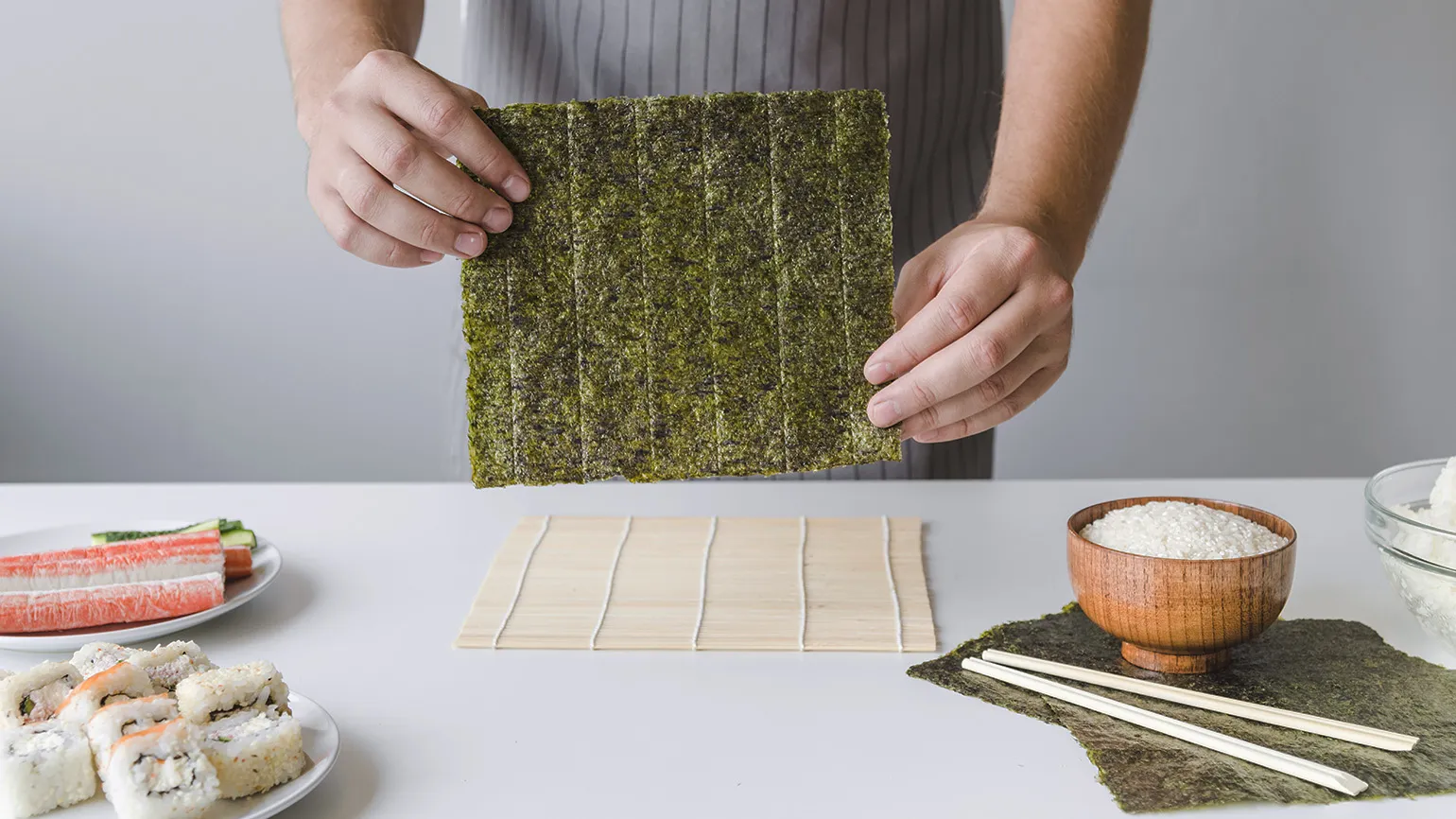
Taurine is found exclusively in products of animal origin. An exception is dried nori seaweed, which contains up to 1,000 mg of taurine per 100 g. However, nori consumption in the standard diet is usually low, making it a negligible source of taurine for most people.
Taurine supplements are available over-the-counter and are popular for supporting cardiovascular health and enhancing physical performance. These supplements come in capsule or powder form containing free taurine, which corresponds to the chemical form of this substance found in foods. Taurine, an amino acid that plays a key role in various physiological processes, may help improve metabolism, maintain normal cholesterol levels, and support heart health. The use of taurine in supplements is becoming increasingly common among athletes and people seeking to improve their overall health.
Dosages typically range from 500 to 1,000 mg per capsule. Most manufacturers recommend taking 1 to 3 capsules daily with meals, which equates to a daily dose of 0.5 to 3 g. Properly following the recommended dosage helps ensure maximum effectiveness and safety. Energy drinks. One 250 ml can of energy drink can contain between 200 and 1000 mg of taurine. However, the effectiveness of taurine in energy drinks remains unclear. This is because they also contain caffeine, sugar, and other stimulants, which can affect the overall perception of energy and alertness. Research shows that combining these substances can alter the effects of taurine, reducing its potential benefits.
Free test: which digital profession is right for you?
IT, design, marketing or management? Find out the answer in 15 minutes. And then try your hand at a new specialty for free.
Find out more