Contents:

Free test: which digital profession is right for you? Find out the answer in 15 minutes and try your hand at a new specialty.
Learn moreWhat are food additives
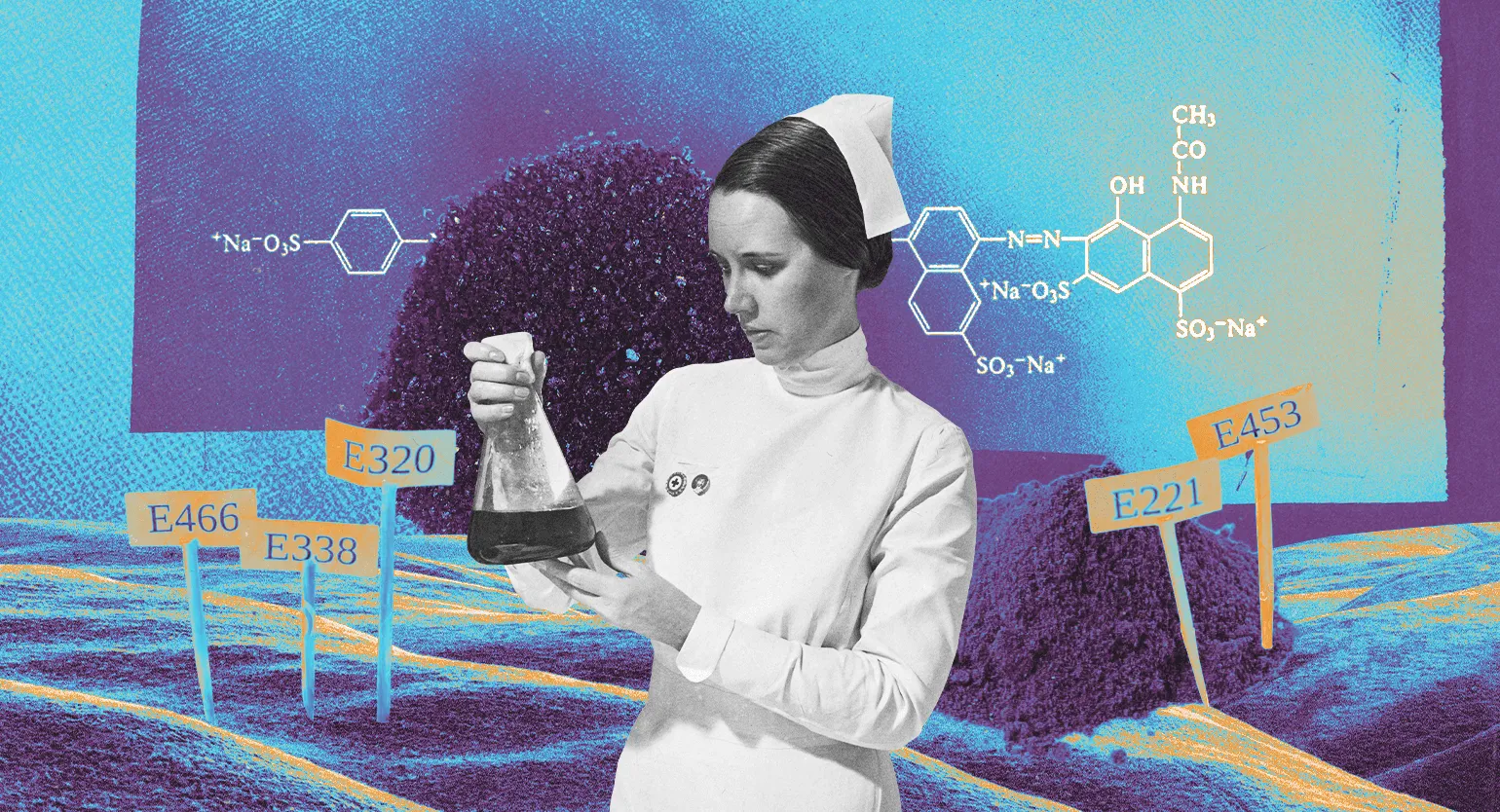
Food additives are substances that are used to improve the quality of food products. They can preserve, impart color, taste, smell and texture, and also extend shelf life. Additives labeled "E" are found in most industrial products, including everyday items such as bread and milk. Understanding the role of food additives will help consumers make informed choices and improve their knowledge of food composition.
Food additives have been used by humanity for thousands of years. Since ancient times, salt has been added to foods to enhance flavor, spices to enhance aroma, and vinegar to extend shelf life. With the development of chemical science, simple ingredients were replaced by more complex ones, and natural components gave way to artificial ones. These changes have affected the quality and safety of products, as well as their perception by consumers. In the modern world, it is important to understand what additives are used in nutrition in order to make informed choices and take care of your health.
Initially, food additives had complex chemical names, which made it difficult to place them on product packaging. In 1953, a labeling system using the letter E, which comes from the word "Europe," was introduced. Each additive was assigned a unique serial number, identifying the type and function of the component. This significantly simplified consumer understanding of product composition and made additive information more accessible. The additive labeling system improved transparency in the food industry and facilitated consumer information about product composition.
Before a new additive receives a unique number in the system, it undergoes rigorous safety testing. This procedure is carried out by government regulatory agencies. In the European Union, the European Food Safety Authority is responsible for additive safety, and in the United States, the Food and Drug Administration is responsible for additive safety. These organizations play a key role in ensuring public health and monitoring food quality, making their work crucial for consumer protection.
In Russia, permission to use food additives is issued by Rospotrebnadzor. The use of these additives is regulated by sanitary norms and rules SanPiN 2.3.2.1293-03. These regulations ensure the safety and quality of food products and protect the health of consumers. Food additives must meet established standards and undergo mandatory testing before entering the market, which helps improve public health and maintain high food safety standards.
What does the labeling of food additives mean?
Food additives can be classified according to their functional purpose. They play an important role in improving the quality of products, increasing shelf life, and providing essential nutrients. Depending on their purpose, additives can be divided into several categories, such as preservatives, flavorings, colorings, stabilizers, emulsifiers, and vitamins. Each of these groups performs a unique function, helping to improve the taste, appearance, and nutritional value of foods. Proper use of food additives allows manufacturers to create higher-quality and safer products for consumers.
Food additive labeling plays a key role in standardizing their designations and simplifying safety monitoring. This classification system is constantly updated: new substances that pass the necessary tests are assigned unique numbers. If evidence emerges that a particular additive is harmful, it is subject to ban. This approach ensures consumer protection and helps improve the quality of food products.
Read also:
Toxins: what are they and does the body need detoxification?
Toxins are harmful substances that can accumulate in the human body. They can come from the external environment, for example, through polluted air, food, water, or chemical products. Toxins are also formed as a result of metabolism within the body. The need for detoxification remains a pressing issue, as many people seek to cleanse their bodies of these harmful compounds.
Detoxification is a process aimed at removing toxins from the body. Proponents of detox diets claim that regular cleansing helps improve overall well-being, increase energy levels, and strengthen the immune system. However, it is important to understand that the human body already has its own mechanisms for neutralizing and eliminating toxic substances, particularly through the liver, kidneys, and intestines.
Nevertheless, in today's world, where environmental pollution and the amount of chemicals in food are constantly increasing, detoxification can be beneficial. This can include proper nutrition, drinking enough water, physical activity, and quitting bad habits. It is important to approach this process consciously and take into account the individual characteristics of the body.
In conclusion, toxins are a real threat to health, and detoxification can be beneficial when done correctly. However, before beginning any cleansing program, it is recommended to consult with a doctor or nutritionist.
Which food additives are harmful?
Not all food additives labeled with an E symbol are safe. Some, especially when consumed frequently or in excess, can cause allergic reactions, digestive upset, and other health problems. It is important to carefully study product ingredients and be aware of the potential risks associated with certain additives. Referring to quality sources of information on dietary supplements will help maintain health and avoid negative consequences.
In Russia, there is a list of prohibited additives that are not allowed in food products. These include various chemicals and preservatives that can negatively impact the health of consumers. This list is regulated by law and is regularly updated to ensure food safety for the population.
- E121 (citrus dye) may cause allergic reactions, especially in people with sensitivity to citrus fruits.
- E123 (amaranth) is a potential allergen and carcinogen - that is, a substance that can provoke the development of a cancerous tumor.
- E128 (red 2G) is carcinogenic and also causes neurological disorders.
- E150 (dark caramel dye) contains carcinogenic components.
- E151 (brilliant black) can cause allergic reactions and digestive problems, potentially carcinogenic.
- E160c (capsaicin) is a dye obtained from pepper, which can cause irritation of the gastrointestinal tract mucosa and allergies.
- E212, E213 (benzoates) are preservatives that can cause skin irritation, allergic reactions, and may increase the risk of cancer with prolonged use.
- E216 (paraben) is a very strong allergen and carcinogen. May cause breast cancer and infertility.
- E240 (formaldehyde) can cause mutations, cell damage, and cancer.
- E249 - E252 (nitrites and nitrates) are used as preservatives in meat products. They can form nitrosamines, which have a carcinogenic effect.
If a manufacturer includes any element from this list in their product, they will be violating the law. This can lead to serious legal consequences and negative consequences for the company's reputation. Therefore, it is important to carefully check the composition of products for compliance with current regulations and standards.
Certain additives are permitted in Russia, but they may pose a health hazard. These substances include [3]:
- E102 (tartrazine) is an artificial yellow dye that can cause hives and asthma attacks.
- E110 (sunset yellow) is also a strong allergen.
- E120 (carmine) is capable of causing allergic reactions up to anaphylactic shock in hypersensitive people.
- E124 (ponceau 4R) is a synthetic dye that can be associated with digestive system disorders and allergic reactions.
- E129 (red 40) is an allergenic dye.
- E211 (sodium benzoate) can cause allergies and skin irritation, and becomes carcinogenic with prolonged use.
- E320 (butylated hydroxytoluene, BHT) and E321 (butylated hydroxyanisole, BHA) are antioxidants that can be toxic, impair liver function, and provoke the development of cancer.
- E621 (monosodium glutamate) is a flavor enhancer that is often added to fast food and processed foods. Excessive consumption can cause headaches, nausea, and other symptoms known as "Chinese restaurant syndrome."
- E951 (aspartame) is an artificial sweetener that can provoke headaches, dizziness, and allergic reactions in people with phenylketonuria. There are suggestions about its connection with the development of certain diseases, including cancer, although scientific data on this matter remains contradictory.
Although many food additives labeled with E undergo rigorous testing, identifying possible side effects, especially with long-term use, is not always possible. It is important to remember that some of these additives can cause allergic reactions or other negative health effects. Therefore, before consuming products containing E additives, it is recommended to carefully read the information about them and consult with a healthcare professional, especially if you have a predisposition to allergies or chronic diseases.
Carefully reading product labels is critical, especially for people with allergies or hypersensitivity to certain substances. By reducing your intake of foods containing high amounts of additives, you can significantly reduce the risk of various health problems. This is especially important for those seeking to maintain their health and avoid adverse reactions to foods. Understanding the composition of food allows you to make more informed choices and take care of your own well-being.
Free test: which digital profession is right for you?
IT, design, marketing or management? Find out the answer in 15 minutes. And then try your hand at a new specialty for free.
Find out more